
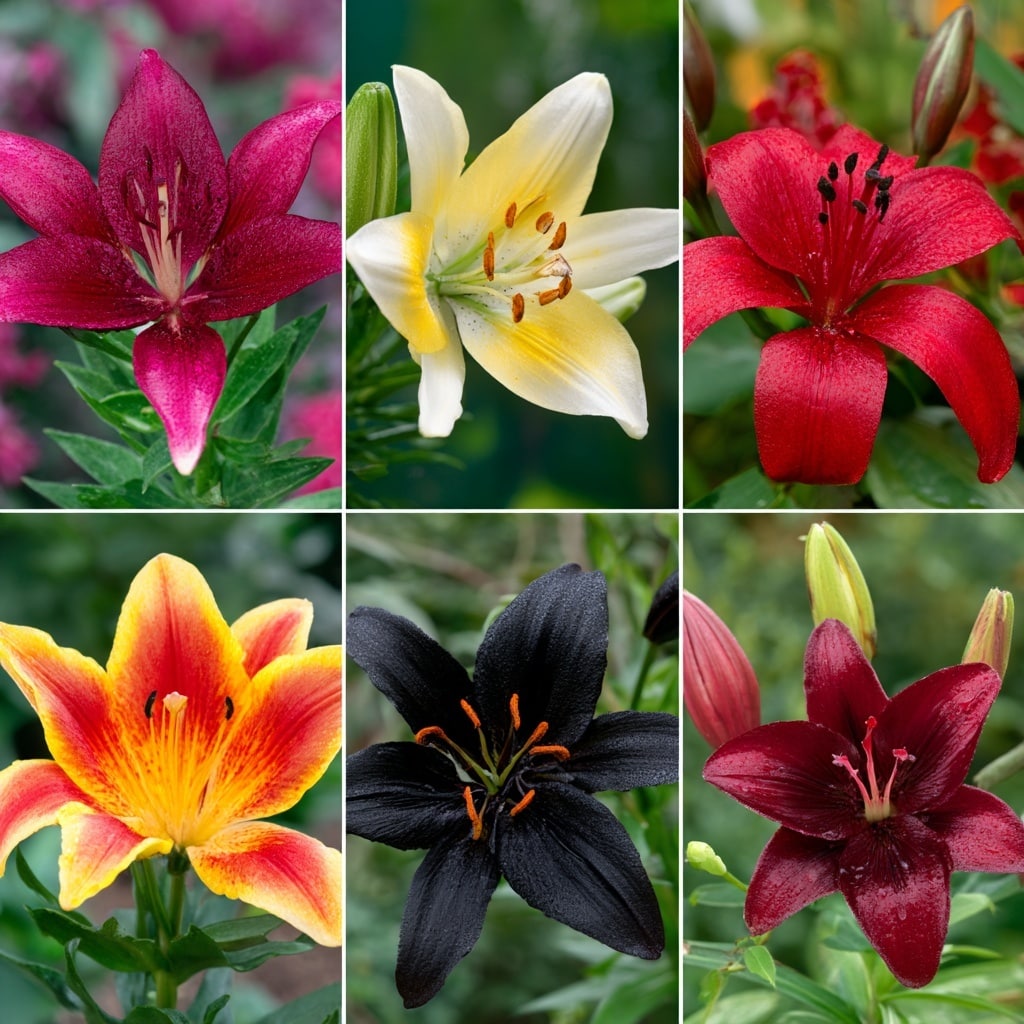
The lily flower has long enchanted gardeners and flower lovers alike with its elegant shape, rich symbolism, and colorful presence in gardens and bouquets. From graceful whites to bold reds and mysterious purples, lilies bloom with both beauty and meaning. Not only are they one of the world’s most cherished cut flowers, but the lily flower also carries deep cultural, spiritual, and emotional associations—making it much more than just a pretty bloom.
Whether planted in garden beds or gifted in delicate arrangements, the lily flower continues to capture hearts across generations and cultures. In this article, we’ll explore the symbolic meanings, color interpretations, cultural stories, and practical tips to help you appreciate this timeless botanical favorite even more.
Table of Contents
🌸 Lily Flower Meaning & Symbolism

The lily flower has been a symbol of emotional depth and spiritual purity for centuries. Universally admired for its serene beauty, it often represents innocence, renewal, and remembrance. It’s no surprise that many people turn to the lily flower when they want to express feelings that words can’t quite capture.
In many cultures, lilies are connected with transitions and new chapters in life—making them a meaningful choice for weddings, memorials, and even the birth of a child. In fact, if you’ve ever asked yourself what flower represents a fresh start or a heartfelt goodbye, the lily flower is often the answer.
Its delicate petals and upright form mirror its meanings—graceful, strong, and deeply symbolic. Whether you’re planting them in a garden or gifting them to someone special, lilies carry messages of hope, peace, and enduring love.
🙏 Lily Flower in Religion & Mythology
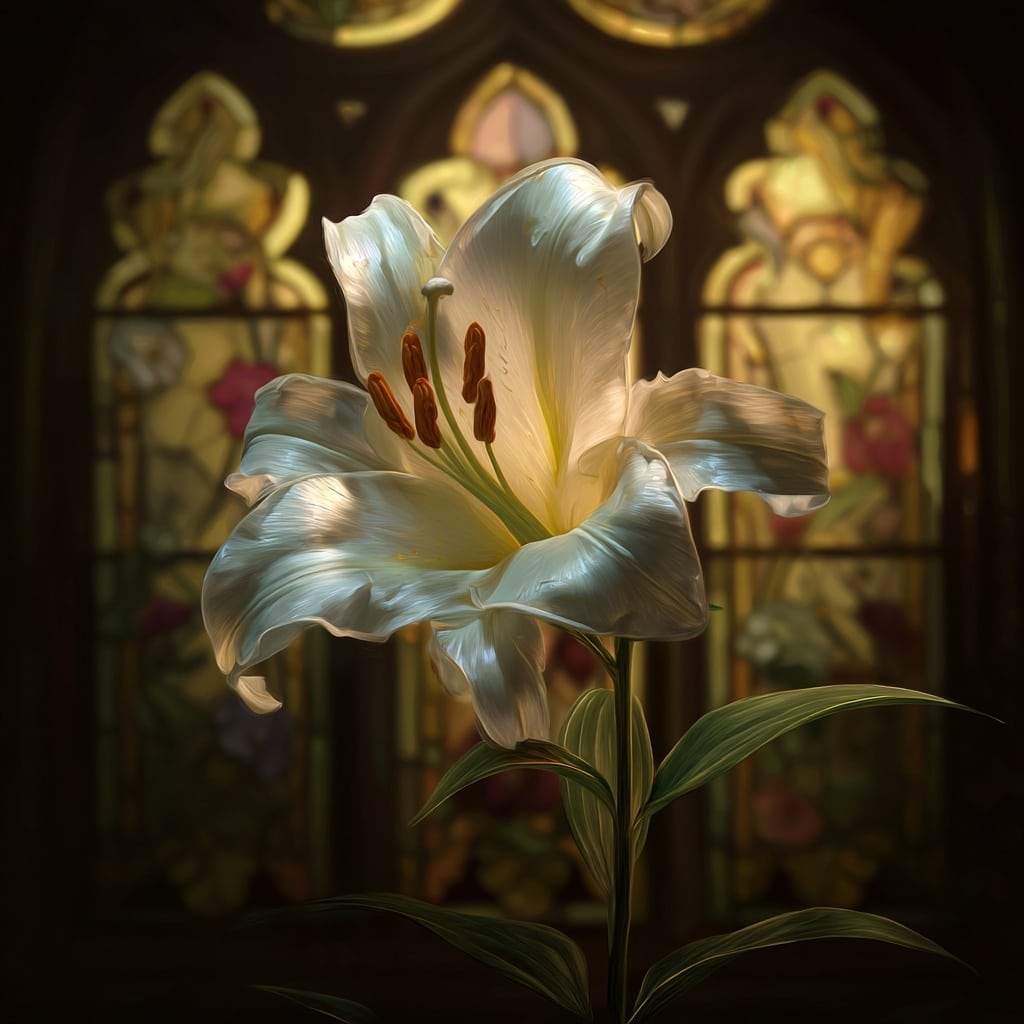
The lily flower holds profound significance in both ancient mythology and religious traditions. Across cultures and centuries, it has symbolized purity, rebirth, and divine beauty.
In Christianity, the lily is often associated with the Virgin Mary, representing her innocence and spiritual devotion. White lilies, in particular, appear in Easter services as a symbol of Christ’s resurrection, signifying hope and the triumph of life over death. Some even believe that lilies first bloomed in the Garden of Eden from Eve’s tears—marking sorrow and new beginnings all at once.
Greek mythology also offers a compelling origin story. According to legend, the lily flower was born from the milk of Hera, the queen of the gods. Its divine origin gave it a status of celestial beauty and maternal strength. In Roman myths, Venus, the goddess of love, became so envious of the lily’s perfection that she added a pistil to its center to mark it with imperfection.
These stories show just how deeply the lily flower is woven into human imagination—not just as a plant, but as a sacred symbol of life, love, and spiritual transformation.
🎨 Lily Flower Colors & Their Meanings
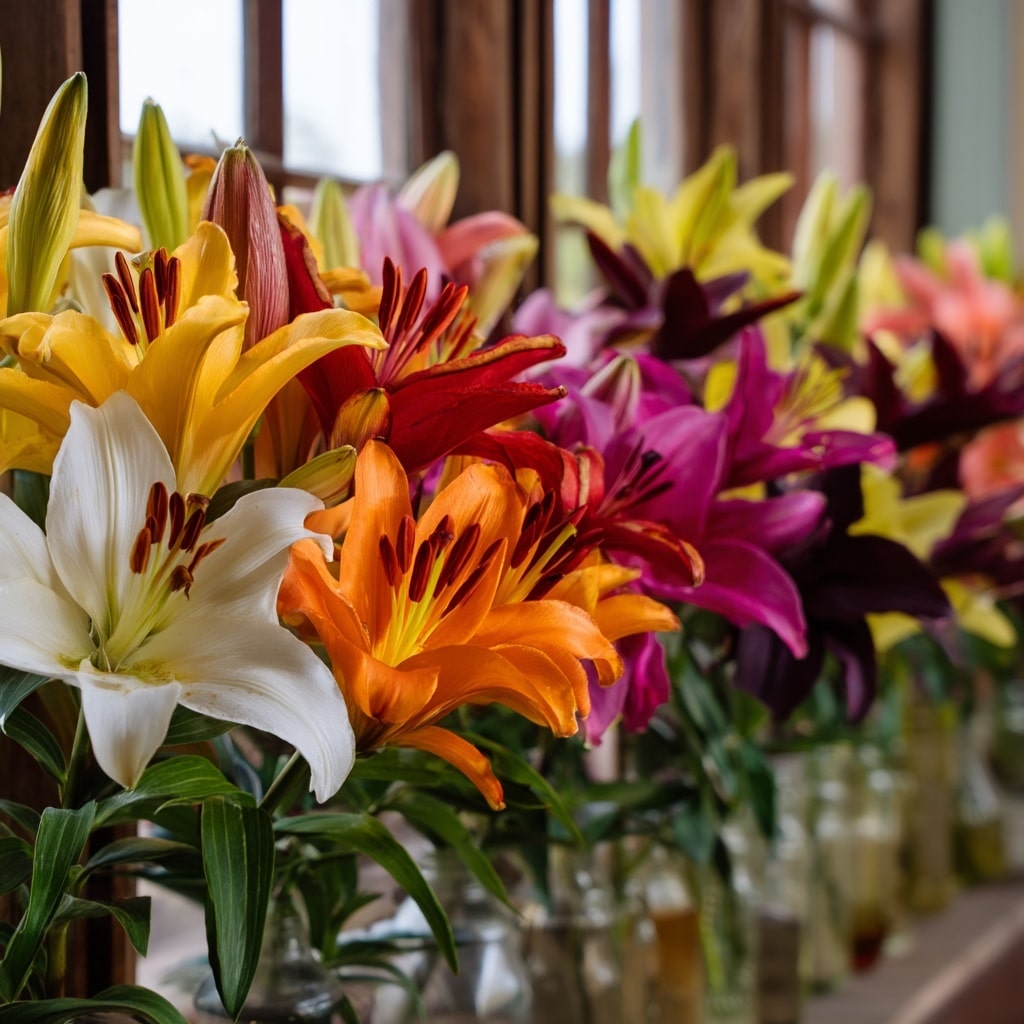
The lily flower comes in a stunning variety of colors, each carrying its own unique symbolism. When choosing lilies for a garden or bouquet, the color can add layers of meaning that go beyond beauty.
- White lilies represent purity, commitment, and remembrance. Often seen at weddings and funerals, they express both new beginnings and heartfelt farewells.
- Orange lilies symbolize passion, confidence, and respect. Their vibrant tone makes them perfect for celebrating achievements or honoring someone with a bold spirit.
- Red lilies convey deep romantic love and desire. If you’re looking for a dramatic alternative to roses on Valentine’s Day, the lily flower offers both intensity and elegance.
- Pink lilies are ideal for expressing admiration, gentle affection, or appreciation. These blooms are a thoughtful gift for mothers, close friends, or anyone you hold dear.
- Yellow lilies radiate happiness, gratitude, and friendship. Their sunny appearance can uplift someone’s spirits—especially during recovery or challenging times.
- Purple lilies stand for dignity, success, and admiration. Gift them to someone who’s achieved a milestone, like a graduation or career accomplishment.
- Black lilies (deep maroon or dark purple in reality) evoke mystery, elegance, and sophistication. These rare blooms make a strong statement but should be given with intention.
No matter the shade, the lily flower adds emotional depth and symbolic richness to any occasion. Choosing a color based on meaning makes your gift or planting even more thoughtful and personal.
🏺 Lily Flower Origins & Historical Background
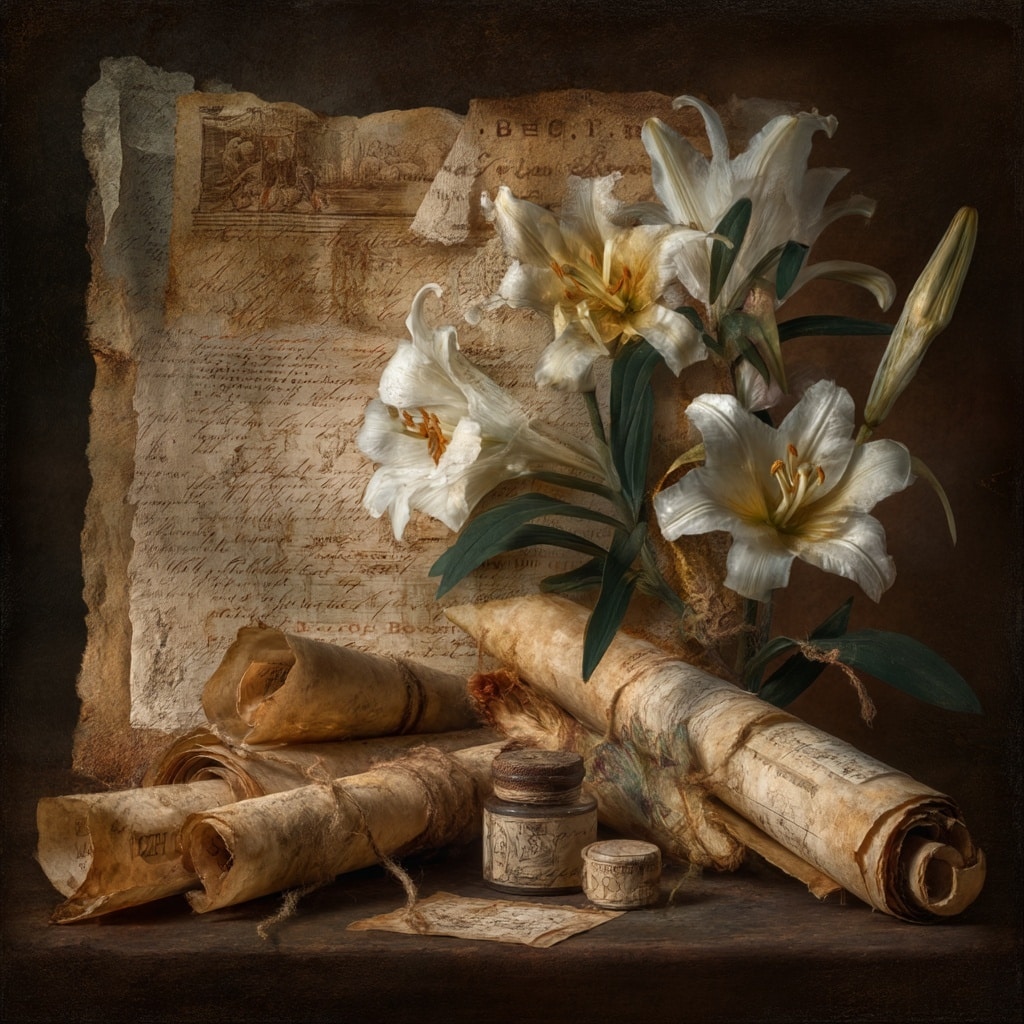
The lily flower has a long and fascinating history that stretches across continents and civilizations. Most true lilies are native to the cooler regions of the Northern Hemisphere, including East Asia, Europe, and North America. In fact, ancient varieties have been cultivated for thousands of years, admired not only for their beauty but also for their medicinal and cultural value.
Archaeological evidence reveals that the lily flower was depicted in ancient Minoan art on the island of Crete as early as 1580 B.C. In Anatolia, the bulbs of Madonna lilies were used to make healing ointments during the 2nd millennium. The ancient Greeks and Romans also cultivated lilies for both decorative and therapeutic purposes.
Today, the Netherlands is the world’s leading producer of cut lilies, followed by countries like France, Chile, and the United States. Thanks to modern cultivation techniques, lilies that were once rare and difficult to grow can now be enjoyed in gardens and flower shops around the world.
This rich global history only adds to the timeless appeal of the lily flower, making it one of the most cherished plants in both ancient and modern times.
🌱 Hybrid Lilies: How Today’s Lilies Came to Be
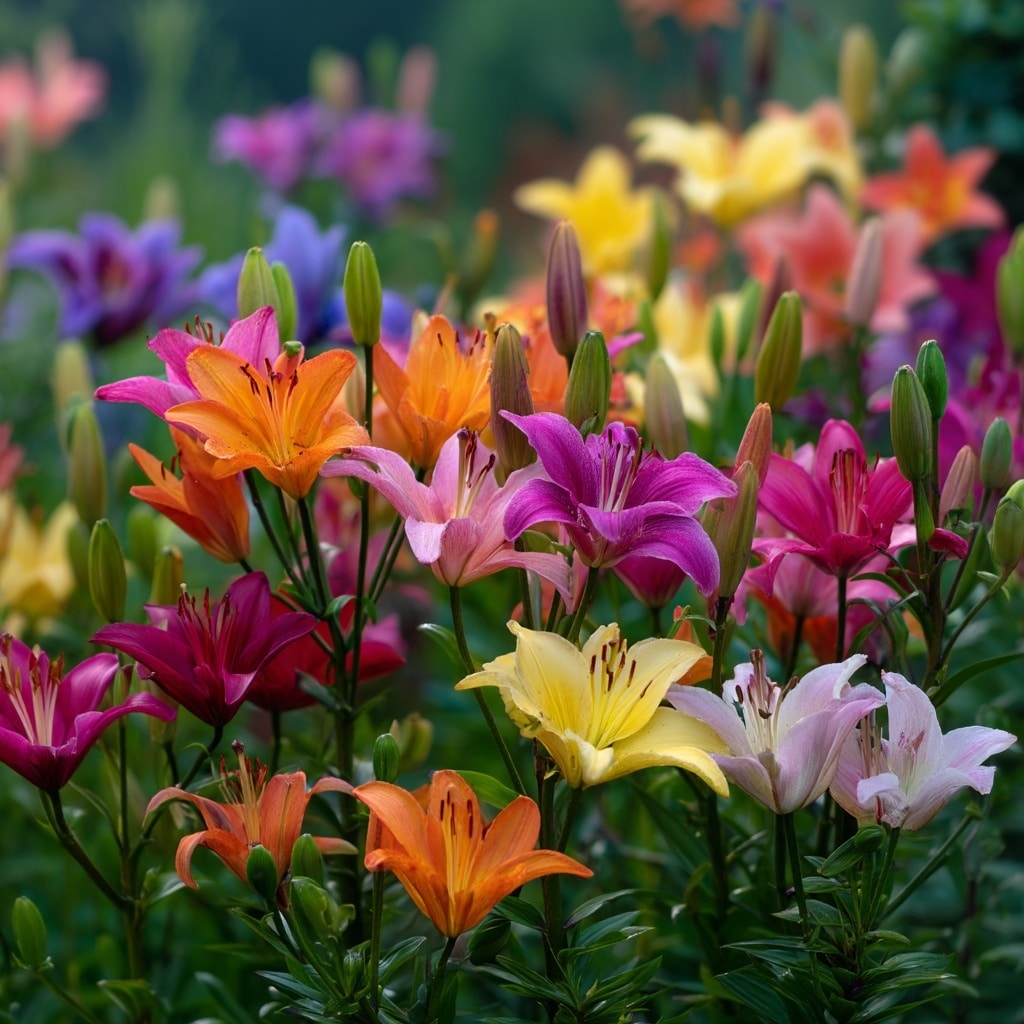
Though the lily flower has ancient roots, the vibrant, easy-to-grow varieties we know today are largely the result of modern hybridisation. In the early 20th century, lilies were considered delicate and difficult to cultivate—often reserved for wealthy collectors or botanical gardens.
That changed thanks to Dutch horticulturist Jan de Graaff, who led a “lily revolution” between the 1930s and 1950s. Through careful breeding, he developed hybrid lilies that were more resilient, longer-lasting, and suited to a wider range of climates. His work made it possible for gardeners around the world to enjoy these stunning blooms with far less effort.
Today, most lilies on the market are hybrids and are grouped into nine divisions, each with unique traits. Among the most popular are:
- Asiatic lilies – Known for their wide color range and ease of care, these are perfect for beginner gardeners. They’re unscented but incredibly striking.
- Oriental lilies – Famous for their intense fragrance and upward-facing blooms, often referred to as “Stargazer lilies.”
- Trumpet lilies – Recognized by their long, trumpet-shaped flowers and bold appearance. They’re a favorite for adding drama to garden beds.
- Longiflorum lilies – These are the classic Easter lilies, with their snowy white blooms and elegant shape.
- Candidum hybrids – Mostly European in origin, this group includes the iconic Madonna lily.
Thanks to hybridisation, the lily flower is no longer a delicate rarity—it’s an accessible, robust option for gardeners and florists alike.
🚫 Flowers That Aren’t True Lilies
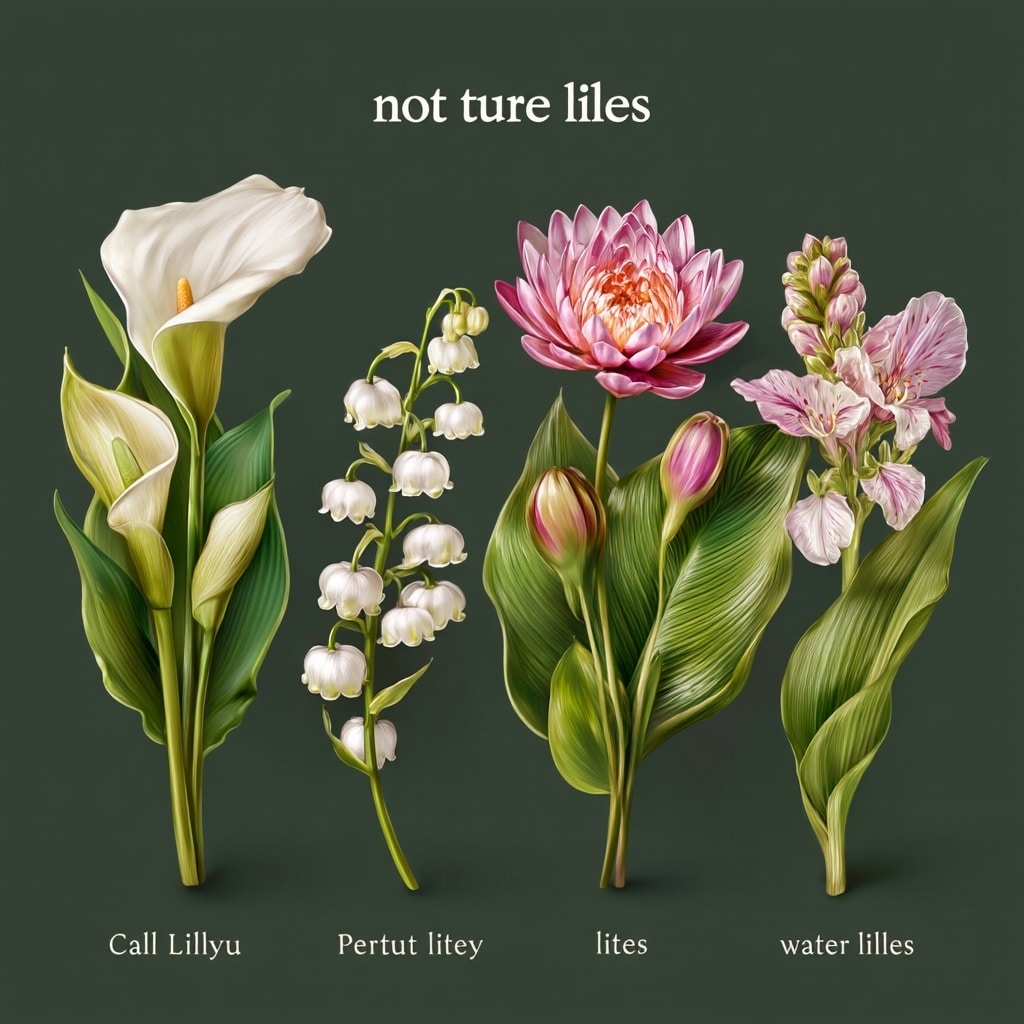
While many blooms carry “lily” in their name, not all of them are true members of the lily flower family. A genuine lily belongs to the Lilium genus, which falls under the larger Liliaceae botanical family. However, several unrelated flowers have adopted the name due to similar shape or aesthetic appeal.
Common “lily imposters” include:
- Calla lilies – These elegant flowers are from the Zantedeschia genus, not Lilium. While beautiful, they are not considered true lilies.
- Peruvian lilies – Also known as Alstroemeria, these are popular in floral arrangements but botanically distinct.
- Lily of the Valley – Belonging to the Convallaria genus, this plant is known for its bell-shaped blooms and sweet scent, but it’s not a true lily.
- Water lilies – These aquatic plants come from the Nymphaeaceae family and are completely unrelated to the traditional lily flower.
- Gymea lilies – Native to Australia and part of the Doryanthes genus, these striking plants have a bold flower spike but are not true lilies.
Even tulips, while not called lilies, are actually close cousins—they share the same Liliaceae family but not the Lilium genus.
Understanding these differences is helpful, especially when selecting plants for your garden or arrangements. If you’re aiming for the symbolic beauty and botanical traits of a true lily flower, make sure the plant belongs to the Lilium genus.
🧪 Medicinal, Edible, and Toxic Facts About the Lily Flower
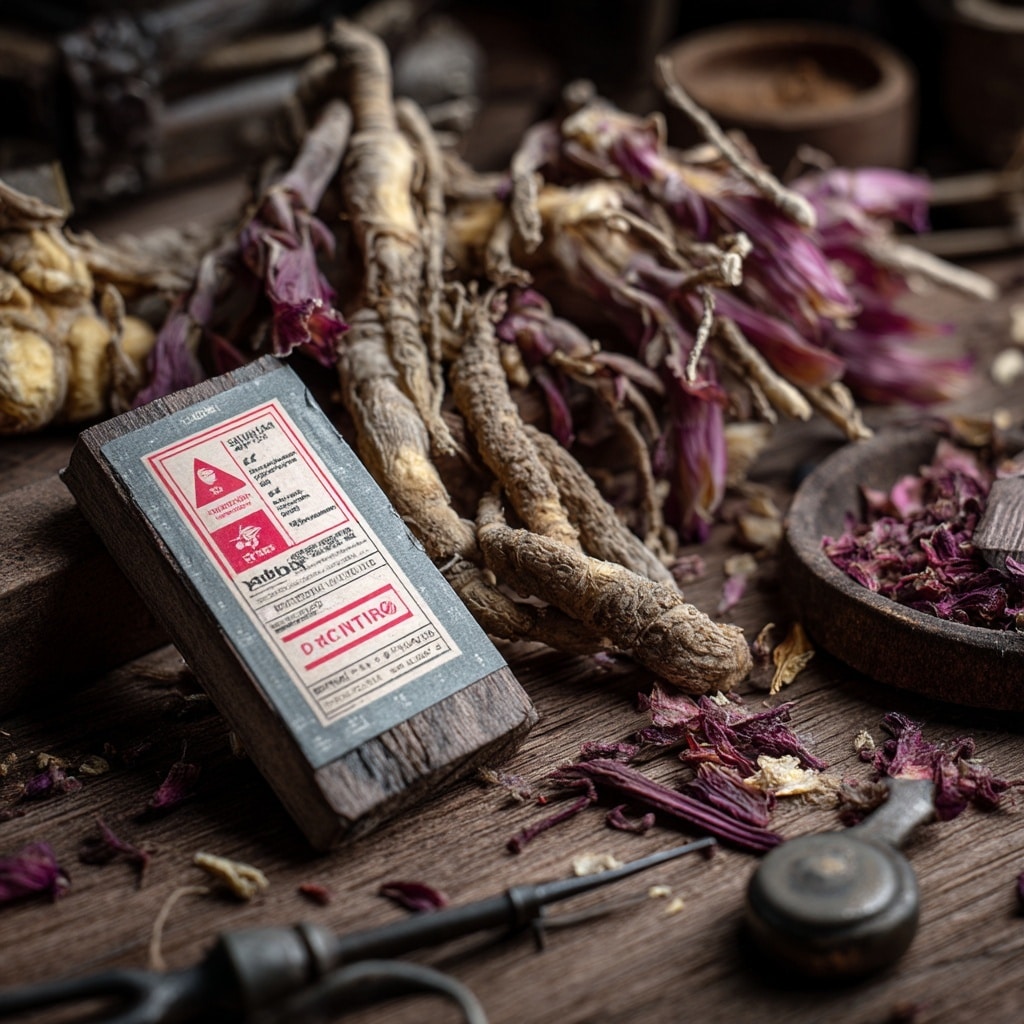
The lily flower isn’t just admired for its beauty—it has a long history of being used for healing, cooking, and even skincare. Yet, it also carries important warnings, especially for pet owners.
✅ Medicinal Uses
Historically, different parts of the lily—especially the Madonna lily—were used in herbal remedies. Ointments made from lily roots helped treat burns, ulcers, and skin irritations. Some cultures believed that lilies could support heart health, ease inflammation, and even help during childbirth. Lily-based mouth rinses were once used to treat oral infections like thrush.
While these traditional uses are fascinating, they should never replace professional medical advice. Always consult a healthcare provider before using any herbal treatment involving the lily flower.
🍽️ Edibility and Culinary Use
Surprisingly, true lilies are edible. In several Asian cuisines, the bulbs, petals, and even young shoots are used as ingredients. For example, dried lily buds are common in Chinese soups and stir-fries, including Hakka-style steamed chicken with lily flower. The petals can also add both color and a mild, sweet flavor to salads or broths.
However, never eat lilies from floral arrangements or commercial bouquets, as they may be treated with chemicals not safe for consumption.
⚠️ Toxicity to Pets
One of the most serious concerns with the lily flower is its extreme toxicity to cats. Every part of the plant—from petals and pollen to vase water—can be deadly if ingested. Even a small exposure, such as licking pollen off their fur, can cause acute kidney failure in felines.
Lilies may also pose risks to dogs and horses, though to a lesser extent. If you have pets at home, keep lilies well out of reach or consider alternative blooms entirely.
🌼 Popular Hybrid Lily Flower Varieties
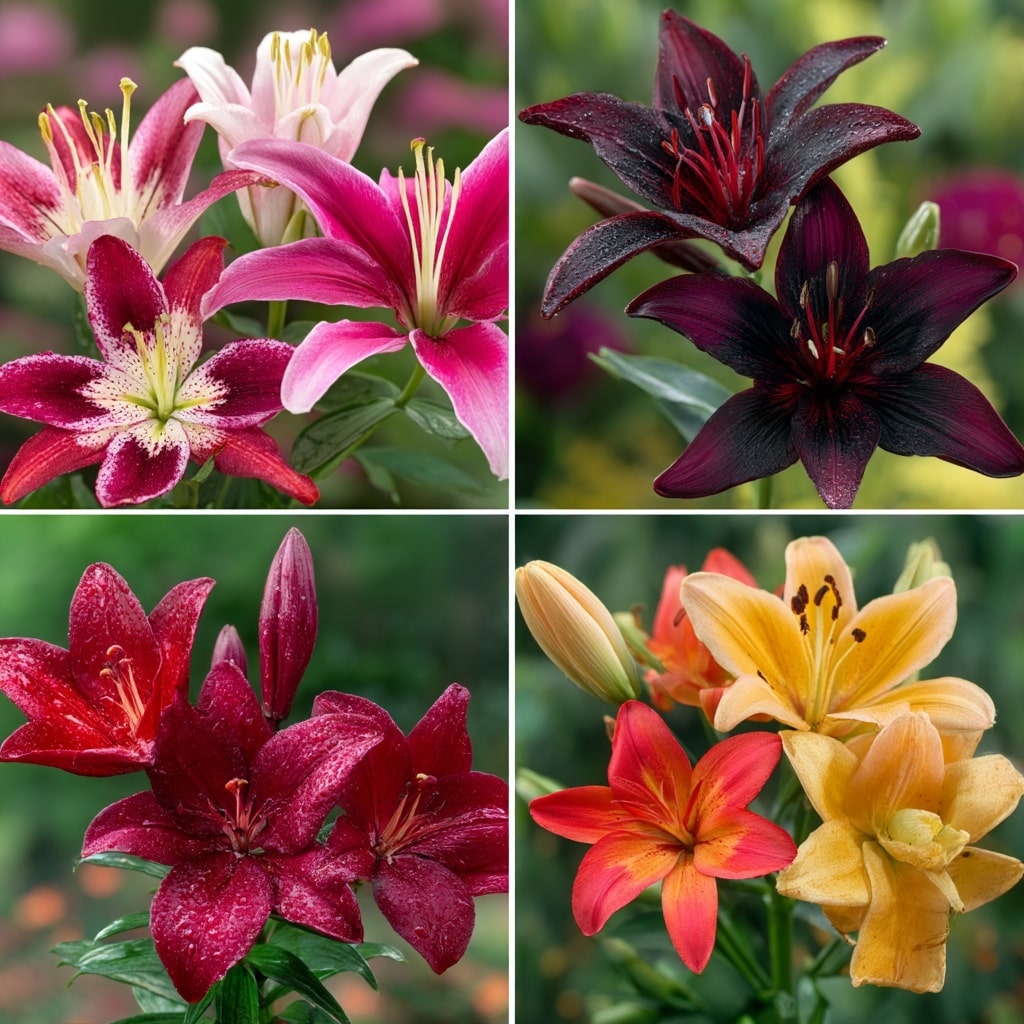
Thanks to decades of hybrid breeding, gardeners today can enjoy a wide range of lily flower varieties that are as hardy as they are beautiful. These hybrids come in all colors, shapes, and bloom sizes—many with delightful fragrances and dramatic features that make them standout additions to both gardens and floral designs.
Here are some of the most beloved hybrid types:
🌸 Oriental Hybrids
- Stargazer – Famous for its bold pink petals and sweet fragrance, Stargazer is perhaps the most iconic hybrid lily flower. Its upward-facing blooms make it ideal for floral displays.
- Casablanca – This elegant white lily is known for its large, bowl-shaped flowers and heavenly scent. A favorite in wedding bouquets and arrangements.
- Magic Star – A pollen-free double-bloom variety with ruffled petals. These lilies are low-mess and long-lasting.
- Red Eye – Striking red petals with white edges create a fiery, dramatic look—perfect for statement bouquets.
🌿 Asiatic Hybrids
- Vermeer – Soft pastel pink that fades to white, the Vermeer lily flower is delicate and needs protection from strong winds.
- Red Power – Deep crimson-red petals make this hybrid both eye-catching and passionate.
- Black Charm – A dark, blackberry-toned lily with upward-facing blooms—ideal for bold floral contrasts.
- Pearl Mixed – A mix of white, yellow, and pink blossoms that bring a cheerful palette to any garden.
🍊 Martagon Hybrids
- Orange Marmalade – Named for its vibrant mandarin color, this lily can grow up to 30 blooms per stem.
- Manitoba Morning – Features pink-red petals with a creamy center; its chandelier-like clusters can produce up to 50 flowers on a single stalk.
- Arabian Knight – A two-tone hybrid with golden and mahogany petals. The downward-facing flowers are both dramatic and regal.
- Fairy Morning – With soft pink and peach hues, these lilies look like dancing fairies in bloom and can grow up to 30 flowers per stem.
Each of these hybrids brings something special to the garden or bouquet—and the versatility of the lily flower ensures there’s a perfect match for every occasion or landscape style.
🌿 How to Care for Lily Flowers
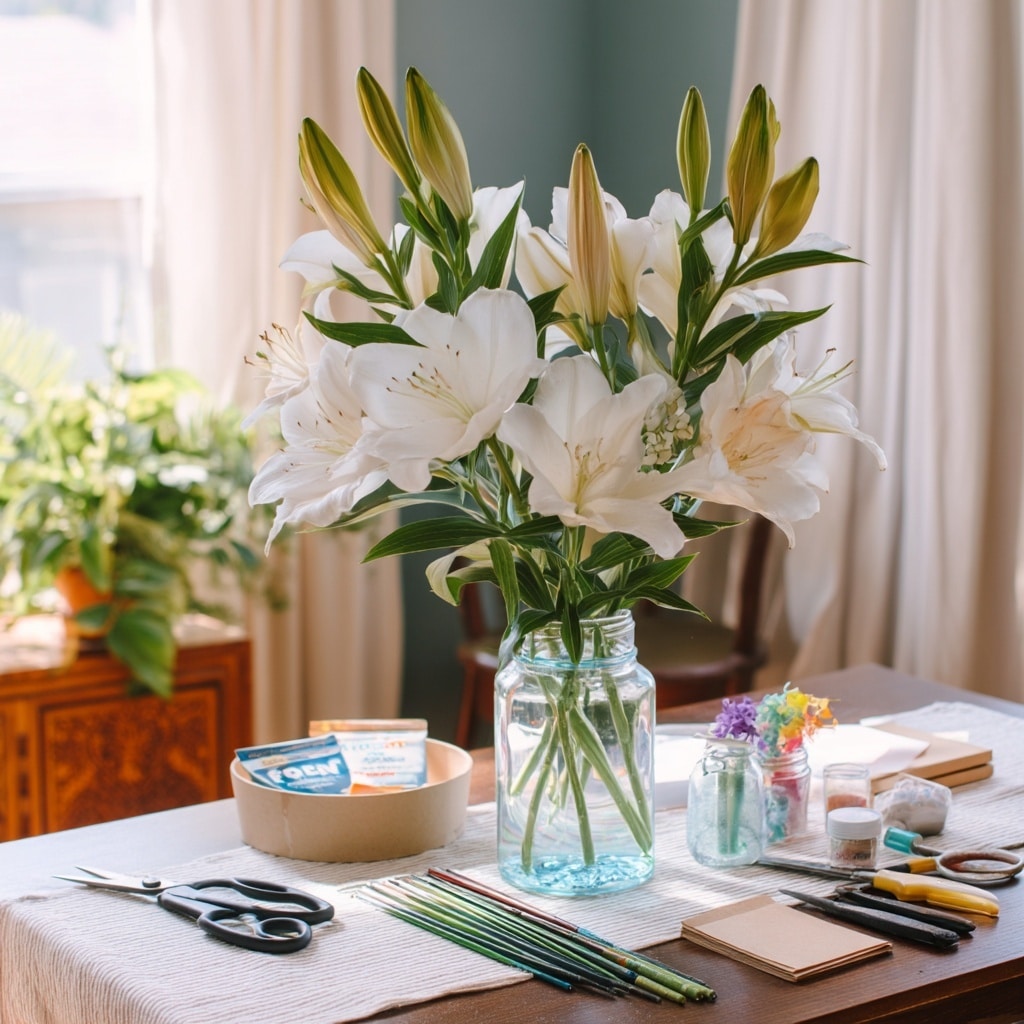
Once you bring home a lily flower—whether from the garden or florist—it’s important to give it the right care to help it thrive and bloom beautifully for as long as possible. While lilies are relatively low-maintenance, a few simple steps can make a big difference in their longevity and appearance.
🏡 Caring for Cut Lily Flowers
If you’ve received or bought a bouquet of lilies, follow these tips:
- Trim the stems: Cut 1–2 inches off each stem at a 45-degree angle while submerged in lukewarm water. This prevents air bubbles and improves water absorption.
- Remove lower leaves: Strip away any leaves that would sit below the waterline in the vase to prevent rot and bacteria buildup.
- Use clean water and flower food: Fill your vase with fresh water and add flower food. If you don’t have any, a homemade mix of sugar, lemon juice, and a drop of bleach works well.
- Avoid direct sunlight and heat: Keep the vase in a cool spot, away from heaters, air conditioning, or intense sun.
- Change the water regularly: Every two to three days, replace the water and re-trim the stems to keep your lily flower bouquet fresh.
- Remove the anthers (optional): These pollen-filled parts can stain clothes and surfaces. Carefully removing them also helps extend the flower’s life.
🌱 Caring for Garden Lilies
If you’re growing lilies in your garden, keep these tips in mind:
- Plant in well-draining soil: Lilies don’t like soggy roots. Amend heavy soil with compost or sand to improve drainage.
- Choose a sunny spot: Most lilies love full sun but will tolerate partial shade, especially in hot climates.
- Stake tall varieties: Some lilies grow quite tall and may need support to stay upright during wind or rain.
- Water at the base: Avoid overhead watering, which can promote disease. Water deeply and only when the soil feels dry.
- Deadhead spent blooms: This encourages more flowers and keeps your plant looking tidy.
- Cut back after flowering: Wait until the foliage yellows before trimming it down. This allows the bulb to store energy for next year’s blooms.
With just a little care, your lily flower can reward you with stunning displays and sweet fragrance season after season.
💐 Why Give Someone a Lily Flower Bouquet?

The lily flower is one of the most versatile blooms you can gift. With its wide range of colors, meaningful symbolism, and showy appearance, lilies suit nearly every emotion and occasion—from joyful celebrations to heartfelt condolences.
💖 Popular Occasions to Gift Lily Flowers
- Sympathy and remembrance: White lilies are a traditional choice for expressing condolences. Their associations with purity and peace make them a respectful, comforting gesture during difficult times.
- Weddings and anniversaries: Symbolizing commitment, love, and new beginnings, lily bouquets are a favorite in bridal arrangements or anniversary gifts.
- Mother’s Day or birthdays: Pink lilies express admiration and affection—perfect for mothers, grandmothers, or dear friends.
- Romantic occasions: Red lilies add a passionate twist to Valentine’s Day, anniversaries, or surprise date-night flowers.
- Graduations and accomplishments: Purple and orange lilies symbolize pride, success, and confidence, making them a bold, uplifting gift for someone celebrating a big milestone.
- Get well soon gifts: Yellow lilies brighten moods and bring cheer—just what someone recovering from illness or stress might need.
No matter the event, giving a lily flower bouquet adds more than just beauty—it delivers emotion, meaning, and thoughtfulness. Just remember, if your recipient has cats at home, consider a safer alternative since lilies are toxic to pets.
🌺 Conclusion
The lily flower is more than just a garden favorite—it’s a bloom rich in meaning, history, and natural elegance. Whether you’re planting them in your yard, displaying them indoors, or gifting them to someone special, lilies offer a timeless way to express love, remembrance, joy, or support.
From mythological origins to modern hybrid varieties, the lily flower continues to inspire and uplift with every petal. With proper care and thoughtful selection, lilies can turn any garden or occasion into something truly memorable.