
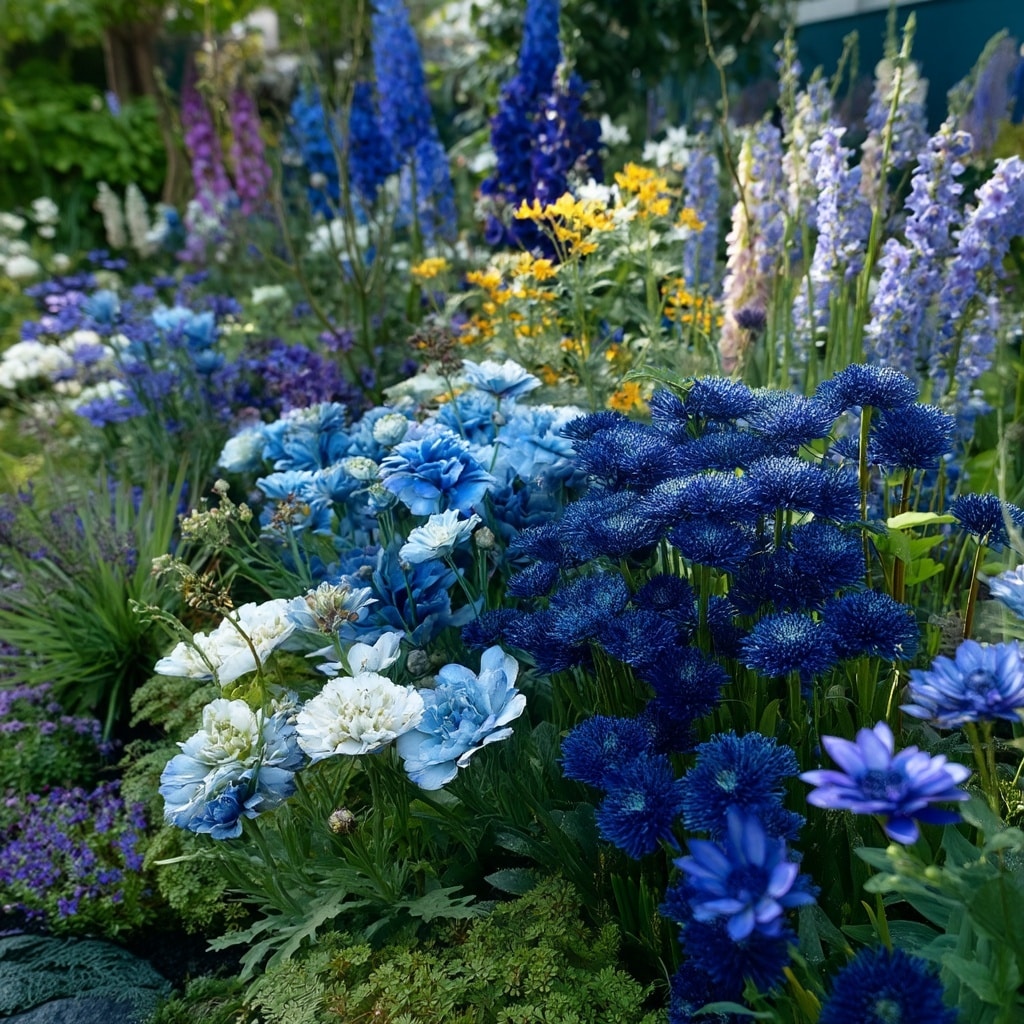
Blue flowers bring a unique kind of magic to a garden. Whether you’re filling a sunny border or brightening up a shaded nook, their cool tones add calm, elegance, and charm in every season. From soft pastels to deep indigo, blue blooms can soften bold colors or anchor a subtle, serene palette. The best part? Many varieties are easy to grow and require minimal care once established—perfect for gardeners who want beauty without the stress. In this guide, we’ll explore the best blue flowers for spring, summer, and fall—so your garden can stay vibrant and full of color from one season to the next.
Table of Contents
About Blue Flowers

Blue flowers have a special way of standing out while still feeling peaceful and balanced. Unlike fiery reds or sunny yellows, blue flowers bring a cooling touch that calms the eye and soothes the spirit. From the pale, icy blue of brunnera to the rich, velvety indigo of delphinium, they offer a wide range of tones that work in nearly any garden style—from wild cottage borders to modern minimalist beds.
One reason gardeners love them is their versatility. Some varieties thrive in full sun, while others prefer the dappled light beneath trees. Blue flowers pair effortlessly with most colors in the garden—complementing soft pinks and purples, adding contrast to oranges and yellows, or enhancing green foliage with a hint of cool-toned elegance.
If you’re looking to create a space that feels both vibrant and tranquil, blue flowers are an excellent choice. And with so many types available for different seasons and light conditions, you can enjoy their beauty almost year-round.
Designing a Garden with Blue Flowers
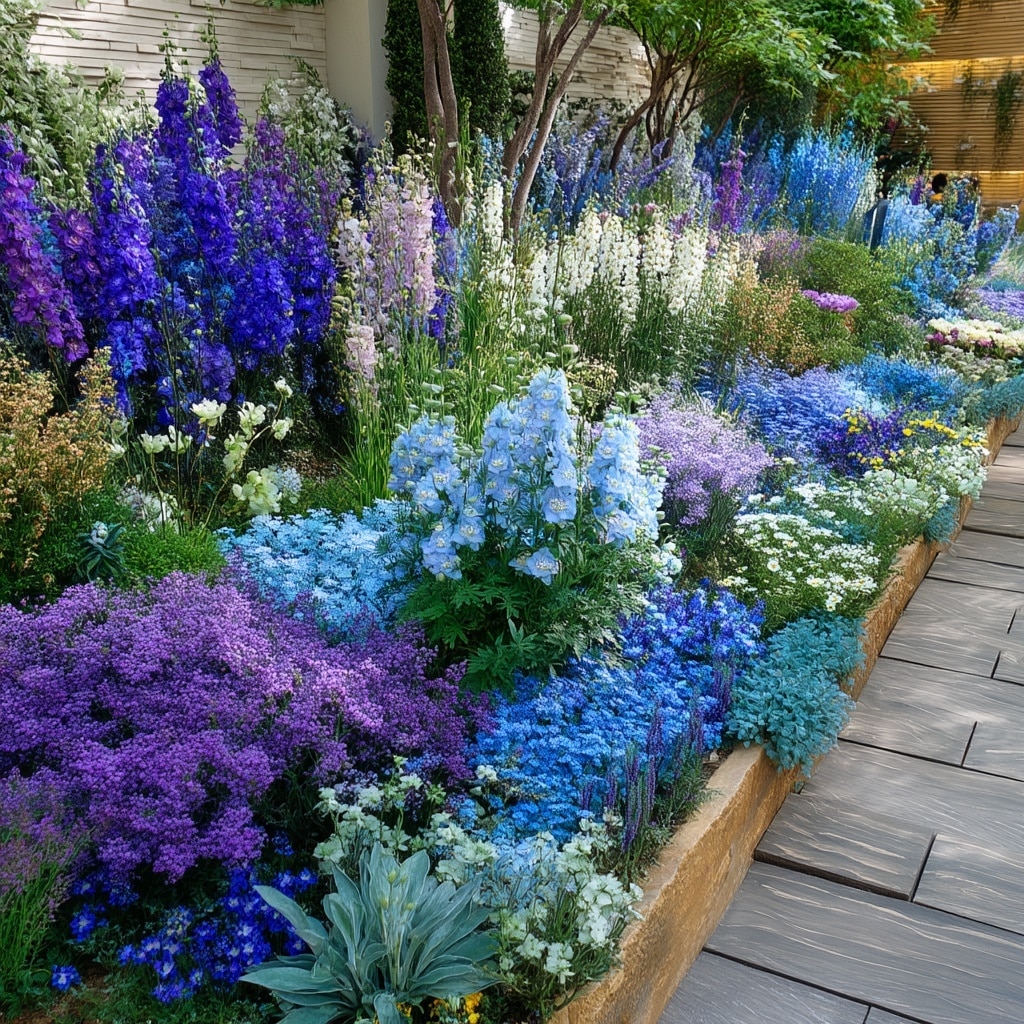
To enjoy blue flowers from early spring through late fall, thoughtful planning is key. A well-designed blue flower garden doesn’t just happen—it’s built around seasonal bloom times, light conditions, and soil preferences.
Plan for Seasonal Color
Start by selecting varieties that bloom in spring, summer, and fall. Aim for at least three types of blue flowers per season, with different heights, textures, and bloom shapes. This keeps your garden looking full and fresh throughout the year, not just in one short burst.
Understand Your Hardiness Zone
Your USDA hardiness zone determines which plants will survive winter in your area. Some blue flowers—like Virginia bluebells—are hardy perennials in cooler zones, while others, like agapanthus, need protection or won’t overwinter at all in colder climates.
Know Your Soil
Soil pH can dramatically impact flower color, especially for blue bloomers like hydrangeas. Acidic soil brings out true blues, while alkaline soil can shift tones toward purple or pink. Conduct a simple soil test to check pH and nutrient levels. Good drainage is also essential for most blue perennials.
Light Conditions Matter
Observe your garden’s light throughout the day. Some blue flowers thrive in full sun (6–8 hours), while others prefer part shade (4–6 hours) or full shade (under 4 hours). Matching each plant to the right light condition boosts bloom size, color vibrancy, and plant health.
Mix Shades and Companions
Don’t feel limited to just blue. Use it as a base color, then layer in whites, soft pinks, or purples to create a balanced, soothing design. For example, pair pale blue forget-me-nots with white tulips, or combine bold blue delphinium with silver foliage like artemisia.
Blue Flowers That Bloom in Spring
Spring is the perfect time to introduce color into your garden after the long winter rest, and blue flowers are among the most striking choices for this season. From woodland charmers to classic borders, these spring bloomers offer both beauty and reliability.
🌸 Virginia Bluebells (Mertensia virginica)
These soft, bell-shaped flowers unfurl in clusters of blue-purple, creating a magical carpet in shaded garden corners. Native to North America, Virginia bluebells thrive in partial shade with moist, well-drained soil. They’re ideal for naturalized woodland gardens and pair beautifully with hostas or bleeding hearts.
🌿 Brunnera (Brunnera macrophylla)
Sometimes called “false forget-me-nots,” brunnera produces delicate, sky-blue flowers above striking heart-shaped, silver-speckled leaves. It’s a shade-lover that thrives in moist, rich soil and adds texture long after the blooms fade.
🌼 Spanish Bluebells (Hyacinthoides hispanica)
With graceful, bell-shaped flowers that nod on tall stems, Spanish bluebells are wonderful for mass planting under trees or along shady borders. They naturalize easily and bloom reliably each spring.
🌱 Forget-Me-Nots (Myosotis sylvatica)
Tiny but mighty, forget-me-nots form low mounds of blue blossoms that bloom early and self-seed gently across the garden. They thrive in partial shade and moist soil and are perfect for softening the front of borders.
💜 Iris (Iris germanica & Iris sibirica)
From bearded to Siberian types, irises offer architectural foliage and bold, violet-blue blooms. They do best in full sun with well-drained soil and reward you with dramatic color in mid to late spring.
🌬️ Windflowers (Anemone blanda)
Also known as Grecian windflowers, these low-growing perennials bring a cheerful pop of sky blue or lavender-blue in early spring. Best planted in clusters near paths or under shrubs, they prefer dappled light and well-draining soil.
🌾 Baptisia (Baptisia australis)
Also called false indigo, baptisia produces tall spikes of deep blue pea-like flowers. It’s a sun-loving, drought-tolerant native perennial that also provides beautiful seed pods in late summer.
💎 Grape Hyacinth (Muscari armeniacum)
Short but sweet, grape hyacinths bloom early with tight clusters of indigo-blue, fragrant bells. They’re easy to grow, excellent for borders, and work beautifully in combination with daffodils or tulips.
❄️ Siberian Squill (Scilla siberica)
Among the first to bloom, these tiny cobalt blue flowers look striking en masse. They love shady spots and naturalize well in woodland settings or beneath deciduous trees.
🌸 Lungwort (Pulmonaria)
Speckled leaves and clusters of violet-to-blue flowers make lungwort an excellent choice for moist, shaded garden beds. It pairs well with ferns and hostas and is a magnet for early pollinators.
🌼 Amsonia (Amsonia tabernaemontana)
A less common choice, amsonia blooms with airy clusters of soft blue flowers in spring and then offers golden foliage in fall. It prefers full sun and makes a lovely addition to native or pollinator gardens.
🌾 Bachelor Buttons (Centaurea cyanus)
Also known as cornflowers, these cheerful, bright blue blooms grow quickly and make excellent cut flowers. They prefer full sun and are easy to grow from seed—even for beginners.
🧚 Columbine (Aquilegia caerulea)
Columbines are whimsical, delicate bloomers in shades of blue and violet. They love partial sun, well-drained soil, and attract hummingbirds in early spring.
🔮 Salvia (Salvia nemorosa)
While often considered a summer bloomer, many varieties of salvia begin flowering in late spring. Their spiky flowers in shades of blue and purple bring height and pollinator interest to any garden bed.
Blue Flowers for Summer
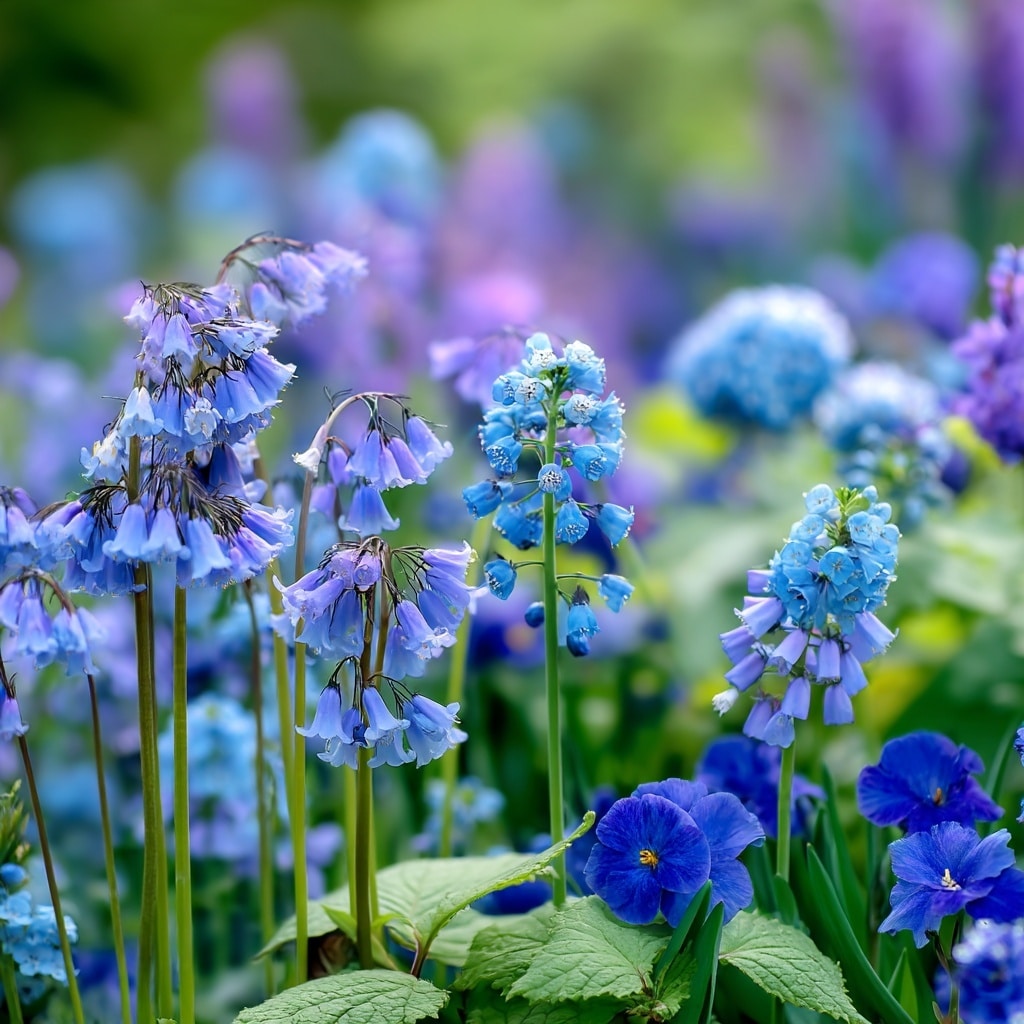
Summer gardens are alive with energy, and blue flowers can bring a cooling contrast to all the heat and brightness of the season. Whether you’re looking for height, texture, or a continuous flush of blooms, these summer varieties will add calm color and charm to your garden from June through August.
🌿 Delphinium (Delphinium spp.)
Delphiniums are known for their tall, dramatic spires in shades ranging from baby blue to deep navy. They love full sun, rich soil, and regular watering. Support is often needed to prevent flopping, especially in windy spots. These flowers create a stunning backdrop in mixed borders.
🌸 Hydrangeas (Hydrangea macrophylla)
Famous for their big, mophead blooms, hydrangeas like ‘Endless Summer’ or ‘Nikko Blue’ provide vibrant blue hues in acidic soil. They bloom on new and old wood, ensuring long-lasting color. Ideal for part shade, they’re a must-have for classic cottage or shade gardens.
🌼 Borage (Borago officinalis)
This edible herb sports charming star-shaped blue flowers that attract bees and other pollinators. It thrives in full sun and well-drained soil and works wonderfully in vegetable gardens as a companion plant.
🌞 Morning Glory (Ipomoea spp.)
Climbing vines with trumpet-shaped sky-blue flowers, morning glories open in the early light and close by afternoon. They’re perfect for fences, arches, or trellises. Be cautious, though—some varieties can self-seed aggressively.
🌐 Globe Thistle (Echinops ritro)
These steel-blue, globe-shaped flowers add striking architectural texture to sunny borders. Extremely drought-tolerant and deer-resistant, globe thistle attracts pollinators and makes an excellent cut or dried flower.
🌿 Love in a Mist (Nigella damascena)
With fine, feathery foliage and soft blue blossoms, love-in-a-mist adds an airy quality to the garden. It’s easy to grow from seed and thrives in sunny, well-drained beds. Bonus: it self-seeds gently, returning each year with little effort.
🌸 Lobelia (Lobelia erinus)
A favorite for containers and hanging baskets, lobelia spills over the edges with rich blue blooms all summer long. It prefers cooler weather, partial sun, and consistently moist soil. Regular deadheading keeps it looking fresh.
🌱 Bacopa (Sutera cordata)
Another trailing beauty, bacopa offers tiny, profuse blue flowers throughout summer. Ideal for pots and baskets, it prefers part sun and needs regular watering to stay lush and blooming.
🌵 Eryngium (Sea Holly)
These spiky, steel-blue flowers bring unique texture and are a magnet for pollinators. Eryngium thrives in full sun and poor, sandy soils—perfect for dry gardens or borders that need low-maintenance color.
🌸 Bellflower (Campanula spp.)
Charming, bell-shaped blue flowers bloom for weeks in summer. Campanula varieties vary from groundcovers to upright types and work well in both sun and part shade. They add a classic, romantic feel to borders.
🌾 Speedwell (Veronica spp.)
Low-growing but vibrant, speedwell produces slender spikes of blue in early to mid-summer. It thrives in full sun and well-drained soil, is deer-resistant, and pairs well with salvia or yarrow.
🌼 Agapanthus (Agapanthus africanus)
Also called lily of the Nile, agapanthus features bold, globe-shaped clusters of blue flowers on tall stems. While better suited to warm zones, it can be grown in pots and overwintered indoors in cooler climates.
🌿 Rose of Sharon (Hibiscus syriacus ‘Blue Chiffon’)
This hardy shrub offers soft, lavender-blue blooms from late summer into fall. It’s easy to grow in full sun and adds vertical interest to mixed borders. Butterflies and hummingbirds adore it.
Blue Flowers for Fall
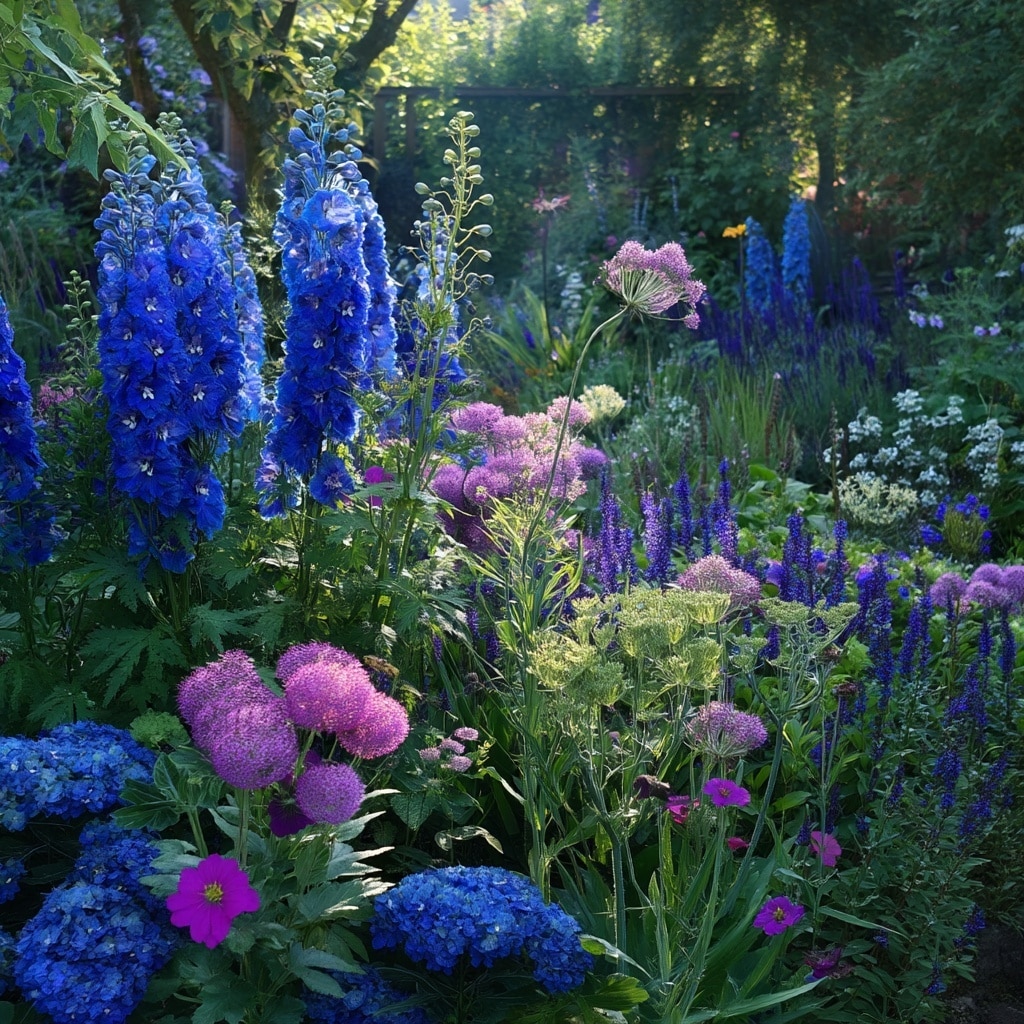
As the vibrant greens of summer shift into warm tones of orange and gold, blue flowers provide a beautiful contrast and help extend your garden’s color palette into the cooler months. These late bloomers are perfect for adding calm tones and pollinator interest just when most gardens begin to wind down.
🍂 Caryopteris (Bluebeard)
A true standout in the fall garden, caryopteris produces soft clusters of lavender-blue flowers on woody shrubs. It thrives in full sun and well-drained soil and is beloved by bees and butterflies. This plant begins blooming in late summer and carries its color well into fall. Prune it in early spring to maintain a tidy shape.
🌾 Aster (Aster spp.)
Fall wouldn’t be complete without asters. These daisy-like blooms come in shades of lavender, violet, and blue. They bring a wildflower charm to borders and are excellent for natural-style gardens. Plant in full sun and well-drained soil, and trim back in early summer to keep a bushy, compact form.
Quick List of Blue Flowers by Season
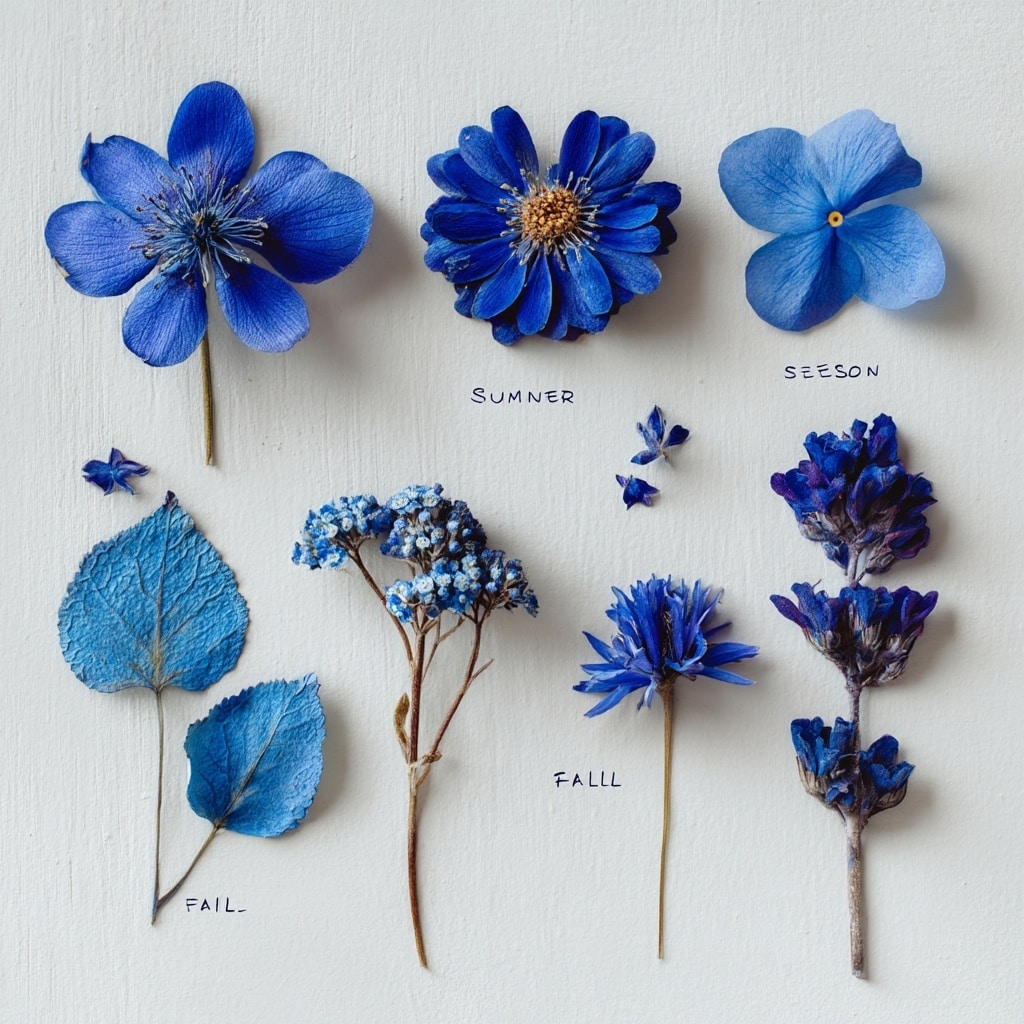
Planning a garden that features blue flowers throughout the year is easier when you break it down by season. Use this list as a quick-reference guide to choose varieties that suit your climate, soil, and sunlight conditions.
🌷 Spring Blue Flowers
- Virginia Bluebells
- Brunnera
- Spanish Bluebells
- Forget-Me-Nots
- Iris
- Windflower (Anemone)
- Baptisia
- Grape Hyacinth
- Siberian Squill
- Lungwort
- Amsonia
- Bachelor Buttons
- Columbine
- Salvia
☀️ Summer Blue Flowers
- Delphinium
- Hydrangea
- Borage
- Morning Glory
- Globe Thistle
- Love in a Mist
- Lobelia
- Bacopa
- Eryngium
- Bellflower
- Speedwell
- Agapanthus
- Rose of Sharon
🍁 Fall Blue Flowers
- Caryopteris (Bluebeard)
- Aster
📌 Tip: Be sure to choose plants that match your local hardiness zone, sunlight conditions, and soil type for the best results.
Final Thoughts About Growing Blue Flowers
Whether you’re just starting out or have been gardening for years, blue flowers bring something truly special to any outdoor space. Their calming shades, from pale periwinkle to deep indigo, create a peaceful atmosphere while adding unexpected contrast to warmer tones like yellow, orange, or red.
Beyond their beauty, blue blooms are incredibly versatile. There are varieties for sunny beds, shaded corners, and everything in between. By choosing the right plants for each season and matching them to your garden’s conditions, you can enjoy waves of blue from early spring through late fall.
If you’re aiming for a garden that feels serene, timeless, and a bit magical, start with blue flowers. They may not be the most common color in the plant world—but that’s exactly what makes them so unforgettable.