
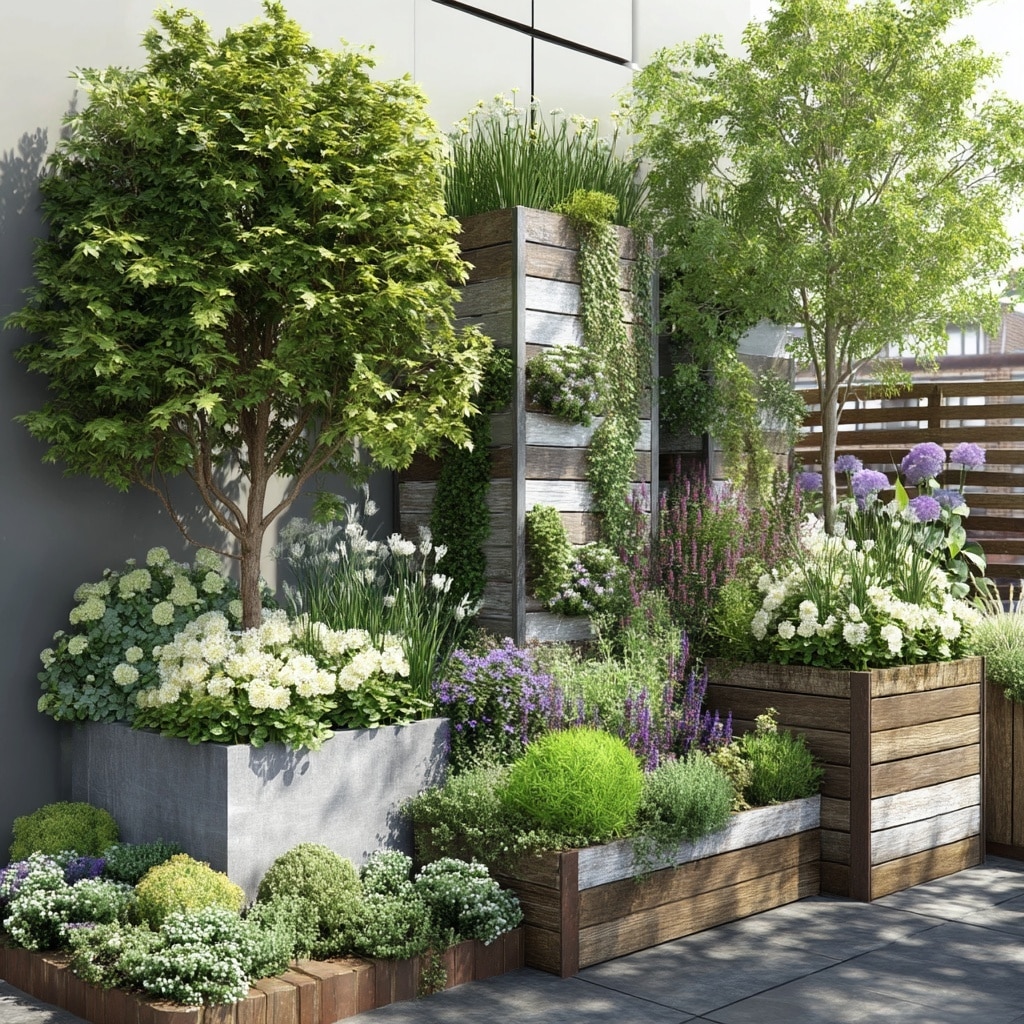
Small garden plans don’t have to mean small ideas. In fact, limited outdoor space can be a powerful design advantage when you approach it with purpose, creativity, and a clear plan. Whether you’re starting with a patch of lawn, a shaded courtyard, or a narrow balcony, designing a beautiful and functional garden is entirely within reach. With the right layout, thoughtful planting, and a few visual tricks, even the most compact garden can feel like a personal retreat.
This guide will walk you through smart, practical steps to develop small garden plans that reflect your style and meet your needs. From choosing a layout that makes the most of every inch, to selecting plants that thrive in tight spaces, every element you include should serve a purpose. Planning ahead is key to transforming your tiny yard into a lush, low-maintenance haven.
Table of Contents
Find Your Garden Style Before You Start Planning

Before you put pencil to paper—or hands in the soil—successful small garden plans begin with a clear sense of style. This doesn’t mean mimicking a magazine spread; it means identifying what feels right for your space and lifestyle. Ask yourself how you want to use the garden. Is it a private nook for morning coffee? A vibrant space to entertain? A play area for kids or pets?
Start by gathering inspiration. Stroll through neighborhood gardens, visit public parks, or browse small-space garden designs online. Annual shows like the Chelsea Flower Show or your local home and garden events are goldmines for ideas tailored to compact spaces. Take note of what draws your eye—whether it’s a minimalist layout, a cottage-style border, or bold color contrasts.
Once you’ve narrowed down your vision, consider creating a mood board. It can be digital or physical, filled with images of plants, patio materials, furniture styles, and color palettes. This helps you refine your small garden plans while keeping everything cohesive and intentional.
Quick Style Ideas for Small Gardens:
- Urban Oasis – sleek containers, vertical planters, ambient lighting
- Cottage Charm – soft borders, fragrant herbs, rustic furniture
- Modern Minimalist – clean lines, limited color palette, structural plants
- Family-Friendly – lawn patch, sandbox corner, safe enclosed edges
Taking time to define your style early on means your garden won’t just be “small”—it will be smartly designed, personal, and purposeful.
Survey and Measure Your Space Carefully
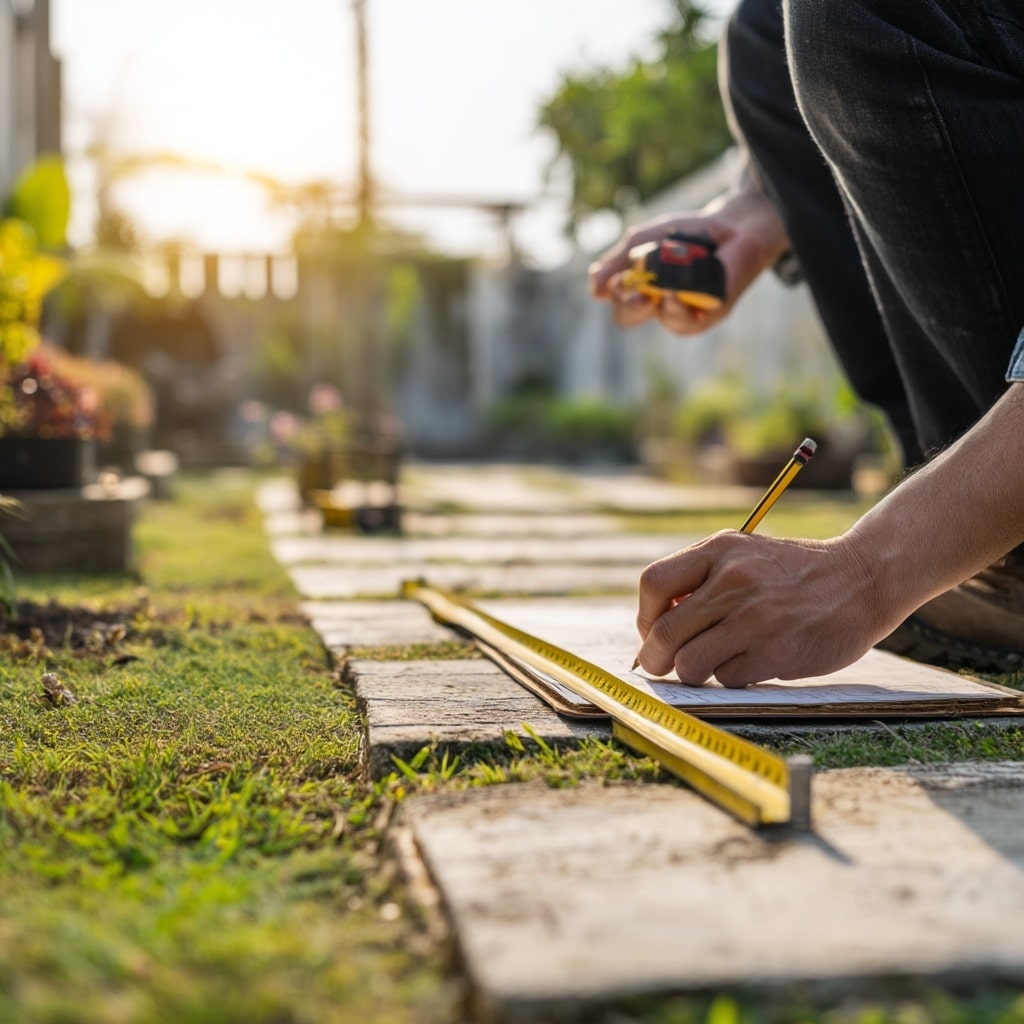
One of the smartest things you can do when developing small garden plans is to start with a detailed site survey. Understanding the natural layout of your garden—no matter how tiny—helps you make decisions that maximize light, function, and flow.
Start by taking simple measurements of the entire area. Use a tape measure or a garden planning app to record the dimensions of your space, including existing boundaries like fences, walls, or raised beds. Sketch it roughly on paper, or use digital garden design tools to map it out.
Next, pay close attention to sun patterns throughout the day. Which areas get full sun, partial shade, or stay shaded most of the time? This will help you select the right plants later on and position seating or dining areas comfortably.
Also think about practical challenges. Do you have uneven ground, poor drainage, or a lack of privacy? Make a checklist of things to solve—like adding a pergola for shade, screening an eyesore, or creating a focal point to draw the eye away from narrow dimensions.
Site Assessment Tips:
- Track sunlight morning, midday, and evening
- Note where water collects after rain
- Identify wind-prone zones
- Check access to water sources and tool storage
- List current plants or features to keep or remove
By understanding the conditions of your space before designing, you’ll avoid common mistakes and ensure your small garden plans suit your environment—and your lifestyle.
Choose a Layout That Works with Your Space
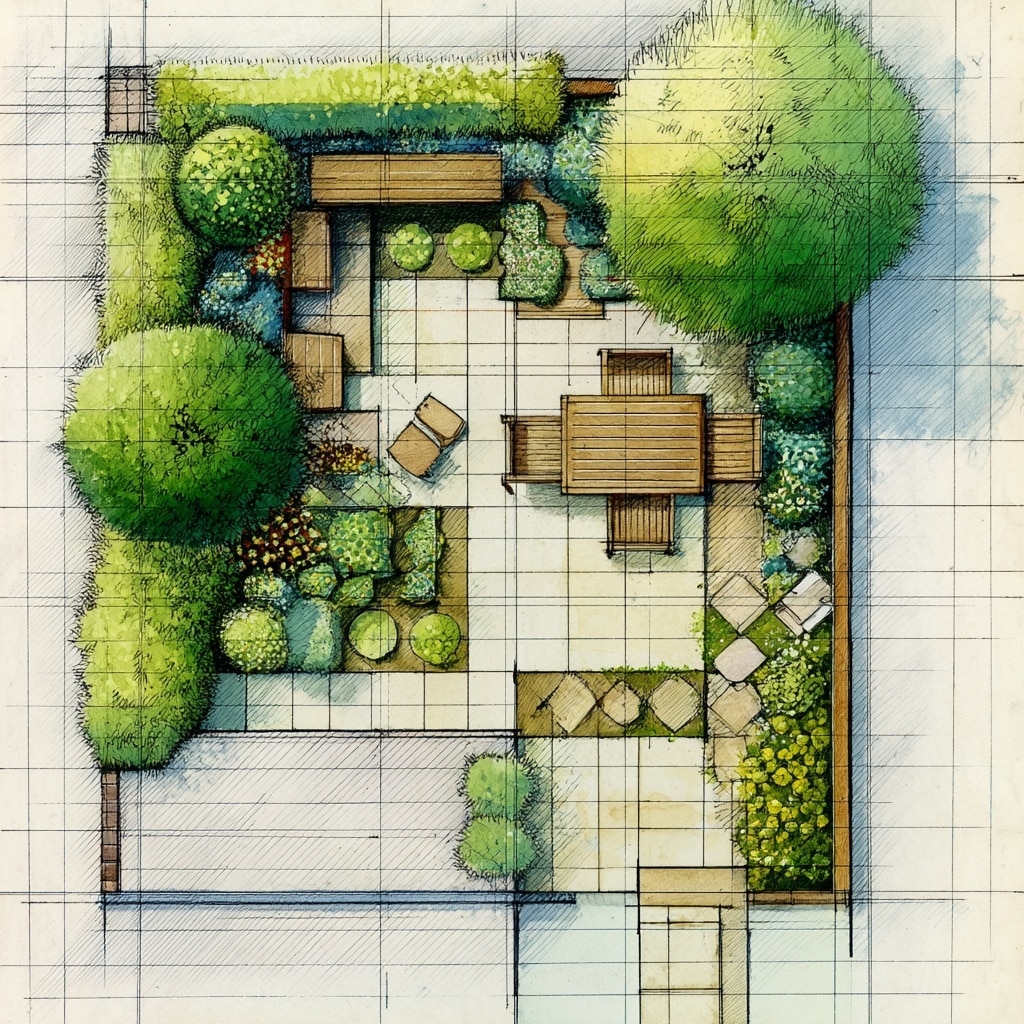
Once you understand the shape and conditions of your outdoor area, it’s time to choose a layout that turns your small garden plans into a functional and inviting design. A well-thought-out layout ensures that every square foot is working hard—without feeling cluttered.
The best layouts for small gardens typically fall into three categories: rectangular, circular, or diagonal. Each has its strengths depending on your space and goals.
- Rectangular layouts offer simplicity and order—ideal for modern gardens or narrow plots.
- Circular layouts break up rigid lines and create soft, flowing zones that feel larger.
- Diagonal designs trick the eye by leading it across the longest visual paths, making the space appear more dynamic and expansive.
Think of your layout as a floor plan. Where will you walk? Where will you sit? Where will plants grow tallest or lowest? Keep traffic flow in mind, and create clear zones for different purposes like lounging, dining, or gardening.
Layout Design Tips:
- Use curves or angles to guide the eye and soften boundaries
- Add paving patterns or stepping stones to define paths
- Anchor the space with a central feature, like a planter or small water bowl
- Repeat materials (like gravel or brick) to create a cohesive flow
Your small garden plans should feel intentional—no dead corners, no awkward walkways. When done right, even a tiny layout can feel layered, stylish, and surprisingly spacious.
Sketch It Out: Put Your Plan on Paper
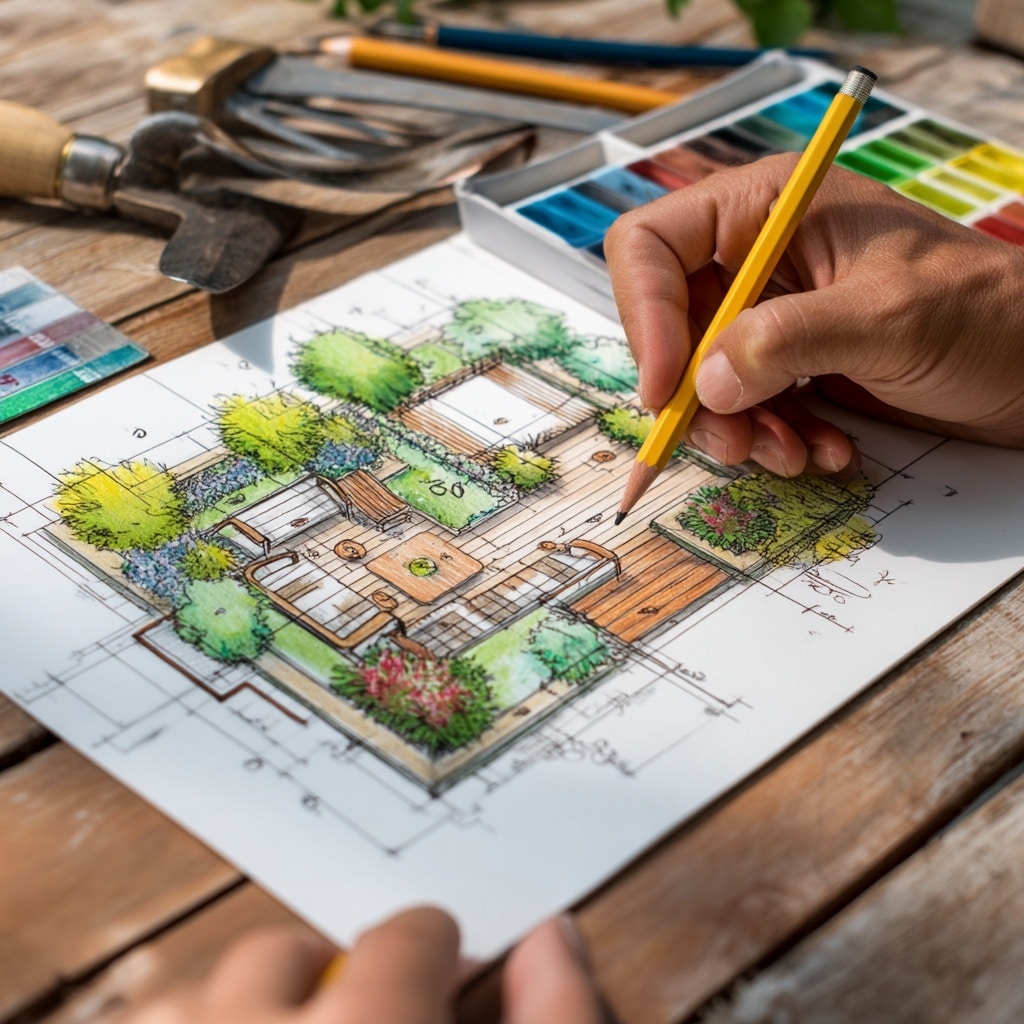
At this point, your small garden plans are taking shape in your mind—but putting them on paper (or screen) helps you visualize and refine them before any digging begins. It also prevents costly or time-consuming mistakes later.
Start by drawing a to-scale sketch of your garden’s current layout, using the measurements you took earlier. Include permanent features like walls, sheds, doors, or large trees. Then, use tracing paper or digital planning tools to experiment with different layouts and design ideas on top of that base.
Don’t worry if you’re not a skilled artist—this doesn’t need to be perfect. You can cut out simple shapes to represent seating, raised beds, or planters, then move them around until you find a configuration that works. Alternatively, use free or low-cost online garden planners that let you drag and drop features with precision.
Sketching Tips for Small Gardens:
- Use grid paper to keep measurements proportional
- Mark sun and shade zones for planting decisions
- Color-code zones: e.g. green for plants, gray for hardscape, yellow for furniture
- Include vertical elements like trellises, walls, or pergolas
- Keep circulation paths at least 60cm (24″) wide for comfortable movement
Planning visually helps turn your small garden plans into an actionable blueprint—one that balances structure, function, and aesthetics perfectly.
Create Beautiful Boundaries That Enhance Space
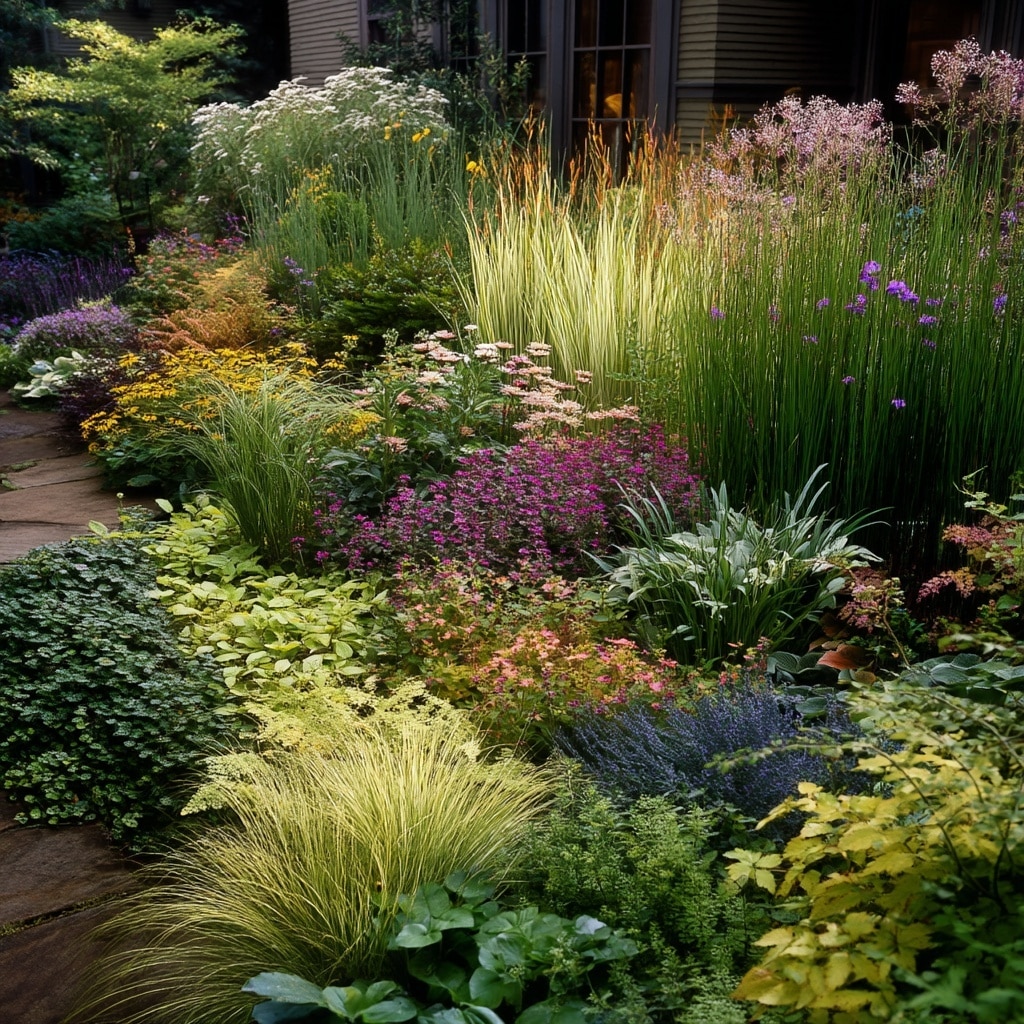
In small gardens, boundaries can make or break the overall look and feel. Since walls, fences, or hedges take up a large portion of the view, they play a huge role in shaping the mood and perceived size of your garden. That’s why smart small garden plans always consider how to turn those edges into attractive, space-enhancing features.
First, think about transparency and texture. Solid fences may provide privacy, but they can also feel harsh or boxy. Instead, opt for slatted wood panels, decorative trellis screens, or low picket fences that offer both definition and openness. These allow light and air to pass through, making the space feel larger.
Color also plays a huge role. Painting fences in light or bold contrasting shades can either blend boundaries with the garden or make greenery pop. Dark hues like charcoal or navy create depth, while light tones like sage or cream help reflect sunlight.
Smart Boundary Ideas for Small Gardens:
- Trellis panels with climbing plants to soften fences
- Living walls or vertical planters to add lush texture
- Mirrored panels to reflect light and double the view
- Low fencing to reveal views beyond your property (if possible)
- Use arches or pergolas to create entry points and height
Good boundary design brings structure, privacy, and even vertical planting opportunities to your small garden plans, all while expanding the sense of space.
Plan the Right Plants for Your Space
Planting is where your small garden plans really come to life. In tight spaces, every plant needs to earn its place—offering either structure, color, texture, or function. You want a garden that feels lush and full, without being overcrowded.
Start by selecting a cohesive color palette. Limiting your scheme to two or three complementary colors helps avoid visual clutter and creates harmony. Then, mix plant shapes and sizes to give your garden depth—think upright grasses, low groundcovers, and spilling trailers.
Also consider seasonal interest. Choose a mix of evergreen and flowering varieties to ensure your garden looks vibrant year-round. Plants with interesting foliage or seed heads, like sedum or ornamental grasses, keep things engaging even in winter.
For small spaces, vertical growing is key. Use walls, trellises, or obelisks to support climbers like clematis, jasmine, or sweet peas. This draws the eye upward and adds layers without taking up ground space.
Planting Plan Essentials:
- Use tall, narrow trees (e.g., ornamental cherries or fastigiate yews) to add height
- Include multi-season perennials like salvia, lavender, or echinacea
- Choose plants with different textures: spiky, soft, glossy, or matte
- Mix in herbs like thyme, rosemary, or chives for scent and utility
- Opt for large planters instead of many small pots to reduce clutter
Above all, don’t overcrowd. Less really is more when it comes to planting in small gardens. Give each plant the space to grow and breathe, so your small garden plans result in a space that’s both beautiful and easy to maintain.
Design for Function and Flexibility
Every inch counts in small gardens, so your layout should be as practical as it is beautiful. Well-designed small garden plans include flexible spaces that serve multiple purposes—without sacrificing style or comfort.
Start by thinking about how you’ll use the garden. Do you want to relax, entertain, garden, or all three? Choose furniture and features that support your lifestyle. For example, opt for foldable tables and stackable chairs if you host occasionally but need open space the rest of the time. Benches with hidden storage are also ideal for tucking away tools or cushions.
Also consider movable elements. Lightweight planters can be rearranged as your needs or seasons change. Wheeled containers or modular seating allow you to reconfigure your setup for different occasions—dining with friends one day, quiet reading the next.
Create distinct zones—even in a small space. A tiny patio with a bistro table can feel separate from a raised herb bed or a reading nook under a tree. Use planters, trellis screens, or changes in paving material to subtly define areas without closing them off.
Tips for Flexible Garden Design:
- Choose dual-purpose furniture: stools as side tables, benches as storage
- Use rolling planters to follow the sun or rearrange layouts
- Add a central feature (like a fire bowl or water pot) to unify the space
- Install retractable shades or umbrellas for weather flexibility
- Keep pathways clear and functional for easy movement
Your small garden plans should evolve with your lifestyle. Designing with flexibility in mind ensures your garden stays useful, beautiful, and enjoyable all year long.
Use Visual Tricks to Make Your Garden Feel Bigger
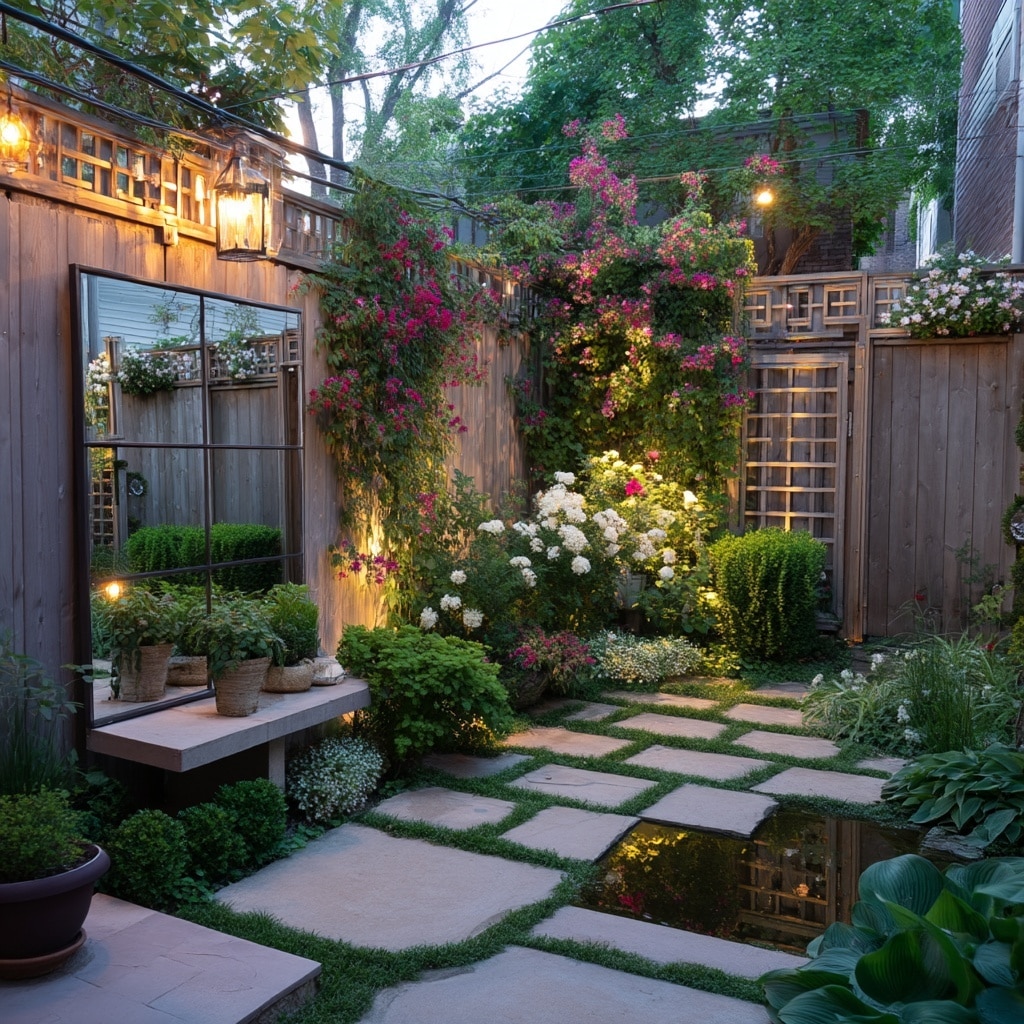
Just because your garden is small doesn’t mean it has to look small. Clever design choices can create powerful illusions of space—an essential strategy in successful small garden plans. The goal isn’t just to fit more in, but to make what’s there feel open, layered, and inviting.
Start with mirrors. A strategically placed outdoor mirror—ideally framed and weatherproof—can reflect greenery, bounce light, and give the impression of depth. Place it at the end of a path or behind foliage to trick the eye into thinking there’s more beyond.
Vertical design is another visual powerhouse. Use trellises, tall planters, and climbing plants to draw the eye upward. This shifts the visual emphasis away from the limited floor space, giving a more dynamic feel.
Lighting also transforms space. Low, warm string lights, lanterns, or solar spots can highlight architectural features and create depth at night. Layered lighting helps define different zones while making your garden glow in the evenings.
Space-Enhancing Tricks:
- Use narrow pathways or stepping stones to guide the eye
- Place tall plants at the back and shorter ones in front for depth
- Choose diagonal paving patterns to stretch the perception of width
- Paint fences in dark or light tones to either expand or blur boundaries
- Use matching materials to create seamless transitions between zones
With the right visual cues, your small garden plans can create the illusion of a much larger space—one that feels cozy but never confined.
Select the Best Plants for Small Gardens
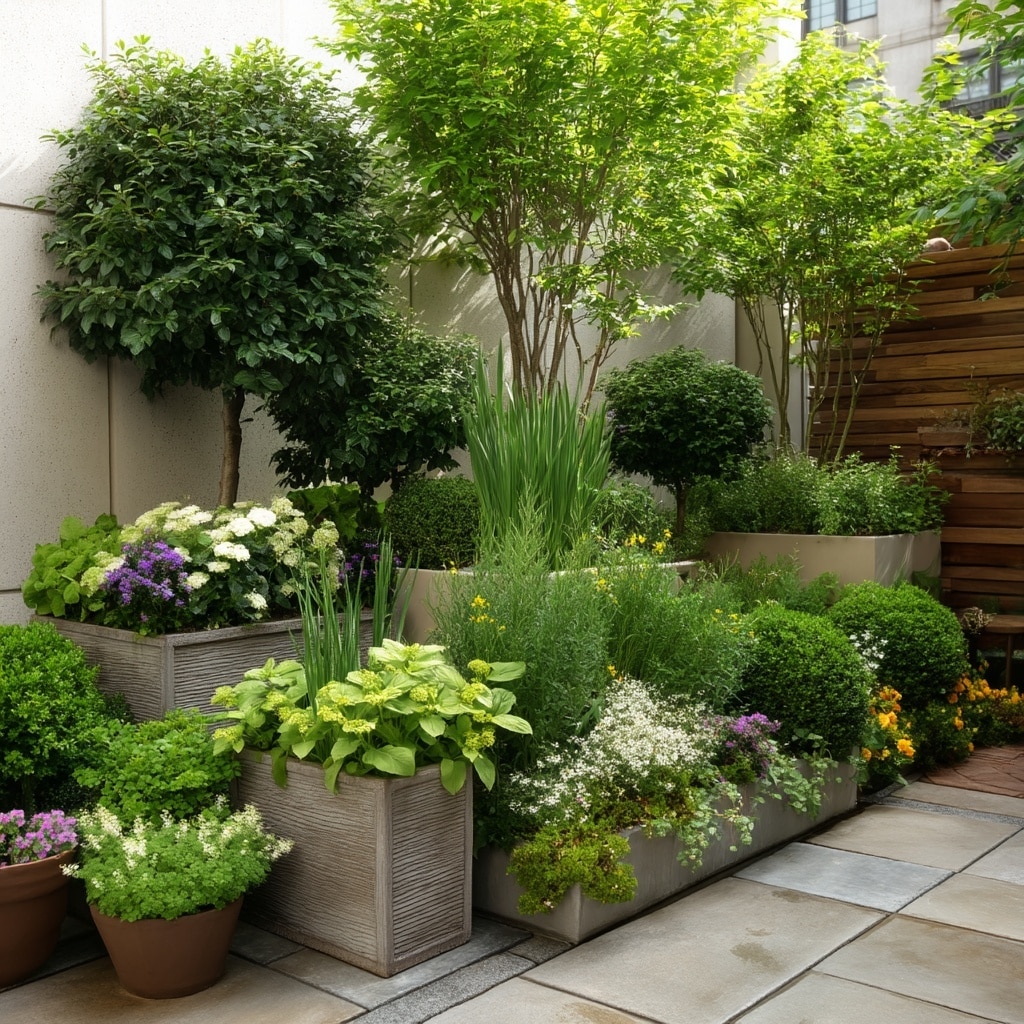
When space is limited, plant selection becomes all about intention. Every pot, bed, or vertical planter should support your garden’s look and purpose. Effective small garden plans avoid overcrowding and instead focus on a curated mix of plants that offer long-term beauty, structure, and function.
A common mistake is choosing too many small items. Instead, go bold with fewer, larger features. One tall potted tree or a structured shrub can have more visual impact—and take up less space—than multiple small containers scattered around.
Focus on plants that offer multi-season interest. Ornamental grasses, evergreens, and perennials with long bloom times are great for adding variety without needing constant replanting. Look for compact or dwarf varieties of your favorites, especially when planting near walkways or in containers.
Climbers are your best friend in small gardens. Train flowering vines like clematis, honeysuckle, or jasmine along fences and trellises to add lush greenery and scent without eating up floor space. You can even grow edibles vertically, such as tomatoes, herbs, and runner beans.
Ideal Plants for Small Gardens:
- Narrow trees: Ornamental cherry, Amelanchier, or columnar yew
- Climbers: Clematis, jasmine, sweet peas
- Flowering perennials: Salvia, coreopsis, heuchera
- Foliage plants: Ferns, ornamental grasses, hostas (for shady corners)
- Container herbs: Rosemary, thyme, parsley—useful and beautiful
- Colorful shrubs: Hydrangea, dwarf box, spirea
Think vertical, think multi-functional, and think manageable. The best small garden plans combine form and function—where every plant has space to thrive and a reason to be there.
Final Thoughts on Planning a Small Garden
Effective small garden plans aren’t just about saving space—they’re about using it wisely. With a clear style, smart layout, functional features, and thoughtfully chosen plants, even the tiniest outdoor area can become a personal retreat. Whether you’re working with a narrow side yard, an urban balcony, or a compact courtyard, good planning turns limitations into creative opportunities.
Start with your needs, understand your space, and layer in personality through materials, planting, and visual tricks. Remember, less is often more—and a well-edited garden is easier to maintain, more relaxing to enjoy, and visually impactful all year round.