
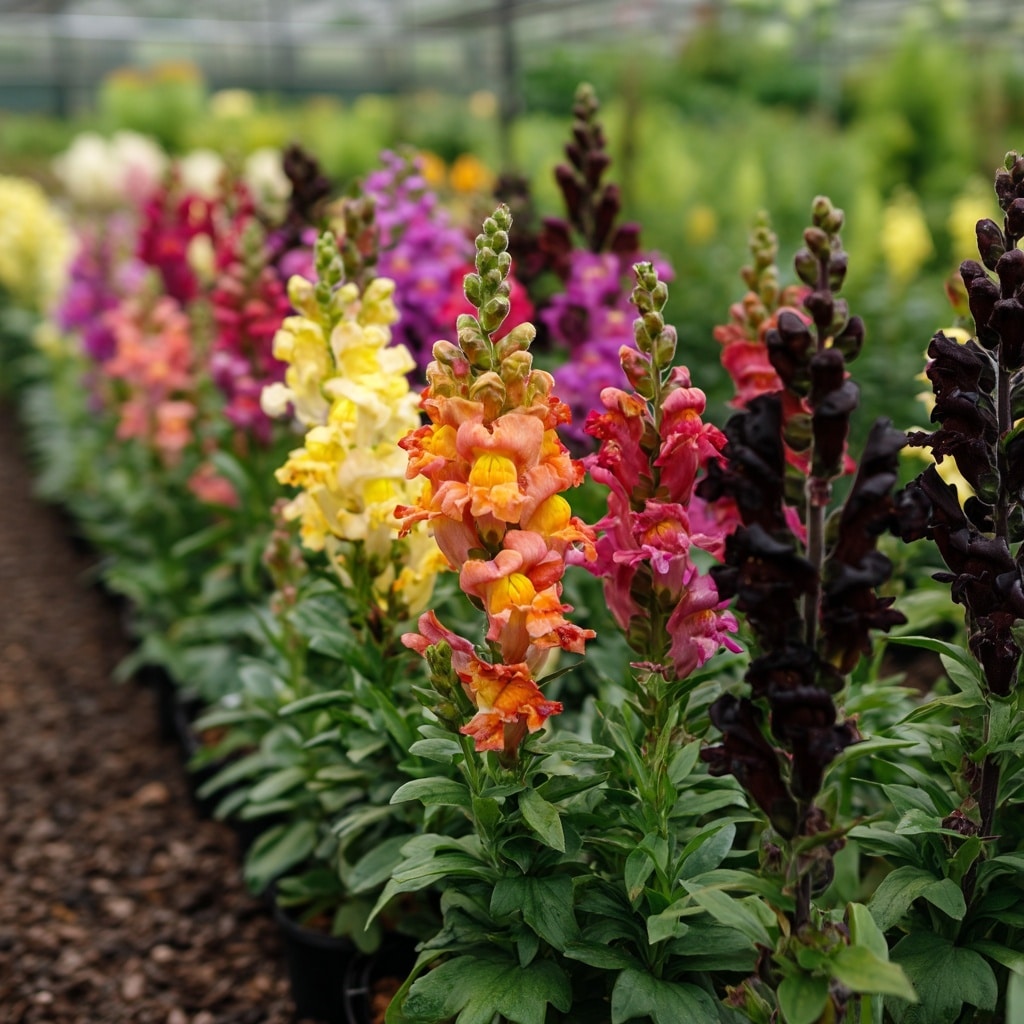
Snapdragon flowers are a timeless favorite in cottage gardens, known for their playful blooms that resemble tiny dragon mouths ready to snap. Their charm is universal — from kids pinching the “jaws” to florists showcasing their elegant spikes in bouquets. But when it comes to choosing the right kind, many gardeners find themselves puzzled by terms like Group IV, butterfly types, or series cultivars. If you’ve ever felt overwhelmed while picking the perfect variety for your beds or containers, you’re not alone. This guide simplifies the world of snapdragon flowers, helping you understand the shapes, growth habits, and seasonal groupings so you can choose with confidence.
Table of Contents
Snapdragon Flower Types

When it comes to snapdragon flowers, not all blooms are created equal. These vibrant plants come in two primary flower shapes, each offering a different aesthetic and growing experience.
🌼 Single-Flower Snapdragons
The classic snapdragon shape — the one most gardeners recognize — is the single-flower form. These flowers have a hinged structure resembling a dragon’s mouth that opens when pinched, which is how the plant earned its whimsical name. This form tends to bloom in upright clusters along tall stems and is favored for its tidy, uniform look in beds or floral arrangements.
Varieties like the Aroma series represent this traditional form. While they may not have the longest blooming period, their strong vertical presence and nostalgic appeal make them a mainstay in gardens.
🦋 Double-Flower (Butterfly or Azalea-Type) Snapdragons
Double-flower snapdragons, also known as butterfly or azalea types, offer a fluffier, more open bloom structure. Rather than forming the classic mouth shape, these flowers resemble azaleas or even small butterflies, with layered petals that give a ruffled, romantic appearance.
This type tends to stay in bloom longer than single forms and brings a softer, fuller texture to the garden. One of the most beloved examples of this category is the Bright Butterflies series — popular for both home gardens and professional cut flower production.
Whether you prefer the architectural lines of singles or the delicate flair of doubles, there’s a snapdragon flower shape that fits your garden style.
Group Classifications (By Blooming Season & Light Needs)
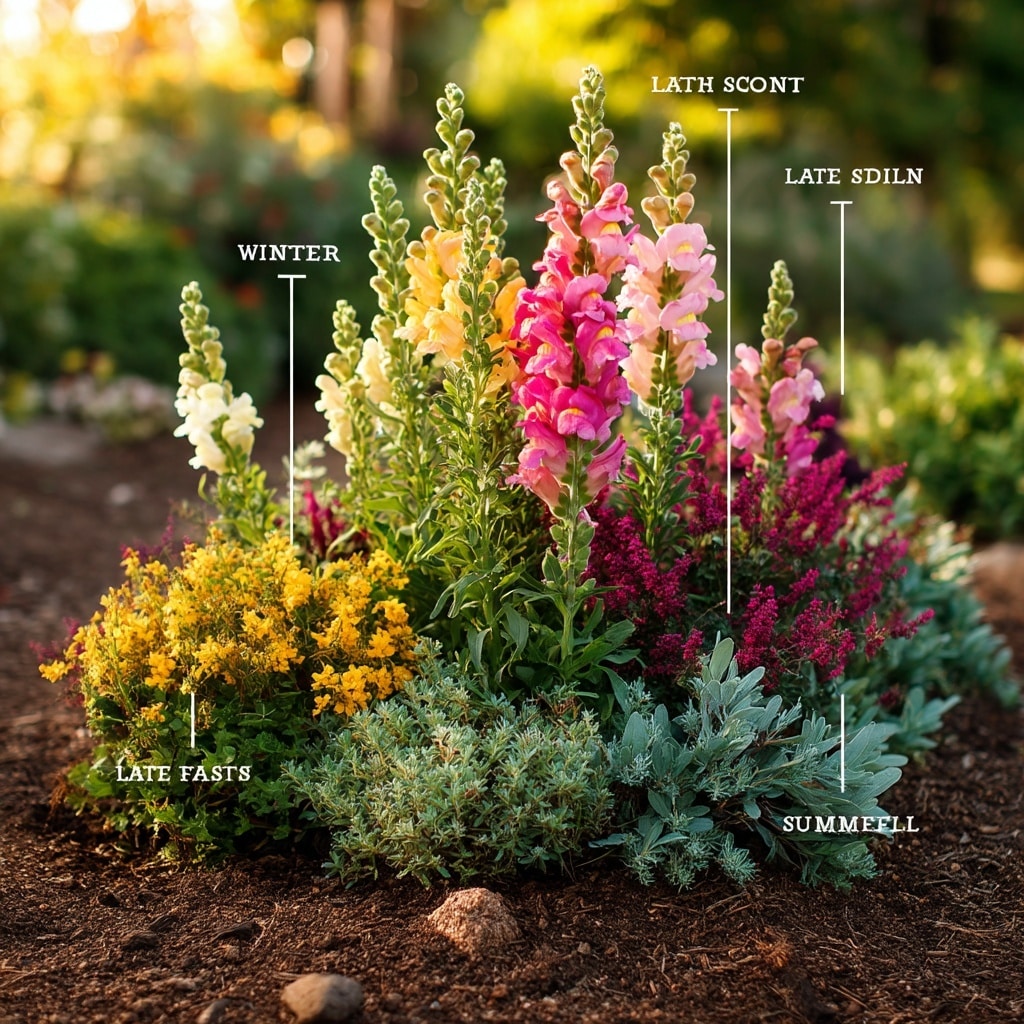
Understanding snapdragon flowers involves more than picking a pretty color — it also means choosing the right type for your growing season. Snapdragons are categorized into four main groups based on their ideal temperature, light levels, and day length. This grouping system helps growers (and home gardeners) plan a garden that blooms throughout the year.
🌱 Group I: Winter Bloomers
Best suited for regions with mild winters, Group I snapdragons thrive in cooler temperatures and low light conditions. They’re quick to develop and are often the first to flower in the season — ideal for Zones 7 and up, or Zone 6 with protection like frost cloth or a cold frame.
- Typical traits: Compact growth, small flower heads, fast bloom
- Popular series: Admiral, Chantilly, Alaska
- Best for: Early harvests, greenhouse growing, or overwintering
🌤️ Group II: Early Spring Bloomers
As the days start to lengthen and temperatures rise, Group II varieties step in. These mid-season performers require more light than winter types but not as much as summer bloomers.
- Typical traits: Medium height, moderate bloom speed
- Popular series: Costa, Cinderella, Little Darling
- Best for: Transitional plantings from late winter into early spring
🍂 Group III: Late Fall Bloomers
These types are perfect for extending color well into autumn. Group III snapdragons bloom under similar conditions as Group II, but they’re selected for late-season performance, especially in temperate zones.
- Typical traits: Similar to Group II, but better suited to cooling days
- Popular series: Apollo, Animation
- Best for: Fall harvests and shoulder-season flowering
☀️ Group IV: Summer Bloomers
Group IV snapdragons are the tallest, longest-maturing, and most light-hungry of all. They need long, bright summer days to flourish and won’t perform well under tunnels or in low-light environments.
- Typical traits: Tall stems, large flower heads, longer time to bloom
- Popular series: Rocket, Opus
- Best for: Open-field growing during peak summer, longer-day climates
Snapdragon Heights & Growth Habits
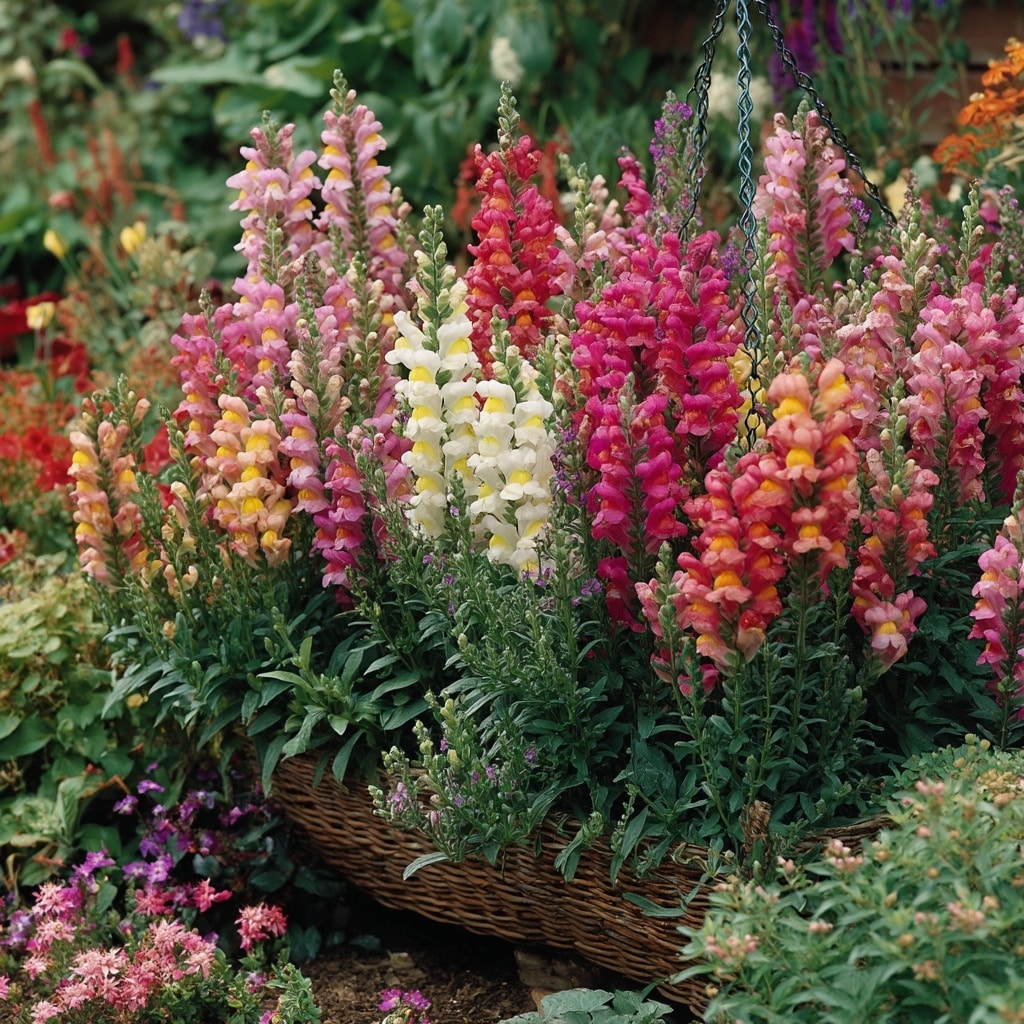
Beyond flower shape and bloom season, snapdragon flowers are also sorted by mature height. From dramatic, towering stems to compact, container-friendly varieties, snapdragons offer a surprising amount of diversity in form and structure.
📏 Height Classifications
🌿 Tall Varieties (24 to 36 inches)
These are the showstoppers — perfect for cut flower gardens, back borders, or adding vertical interest. Tall snapdragons benefit from staking or support cages, especially in windy areas or when grown for harvest.
- Popular tall series: Admiral, Chantilly, Liberty
- Ideal use: Floral arrangements, cottage garden backdrops, borders
🌱 Intermediate Varieties (12 to 24 inches)
Mid-height snapdragons strike a balance between size and manageability. They’re well-suited for raised beds, mixed borders, and casual bouquets.
- Growth tip: These perform well in both in-ground and container settings
🌼 Short Varieties (9 to 12 inches)
These compact types are perfect for small-space gardens or the front of a border. While they still have strong blooms, their size makes them easier to maintain and less prone to lodging (falling over).
- Use case: Edging, mass planting, or smaller floral displays
🌸 Dwarf Varieties (4 to 9 inches)
The smallest of the bunch, dwarf snapdragons shine in containers, hanging baskets, and window boxes. Despite their size, they often pack a punch with vibrant colors and dense flowering.
- Popular dwarf series: Tahiti, Bells, Floral Showers, Montego
🌿 Growth Habit Variations
Most snapdragon flowers grow upright with sturdy, vertical stems. However, trailing varieties are available — ideal for hanging planters or garden edges where you want a cascading effect.
- Trailing series examples: Chandelier, Lampion, Luminaire
- Use case: Container gardens, elevated beds, wall planters
Choosing the right size and habit helps match your snapdragons to your space — whether it’s a sprawling border or a cozy balcony garden.
Snapdragon Series & Cultivars
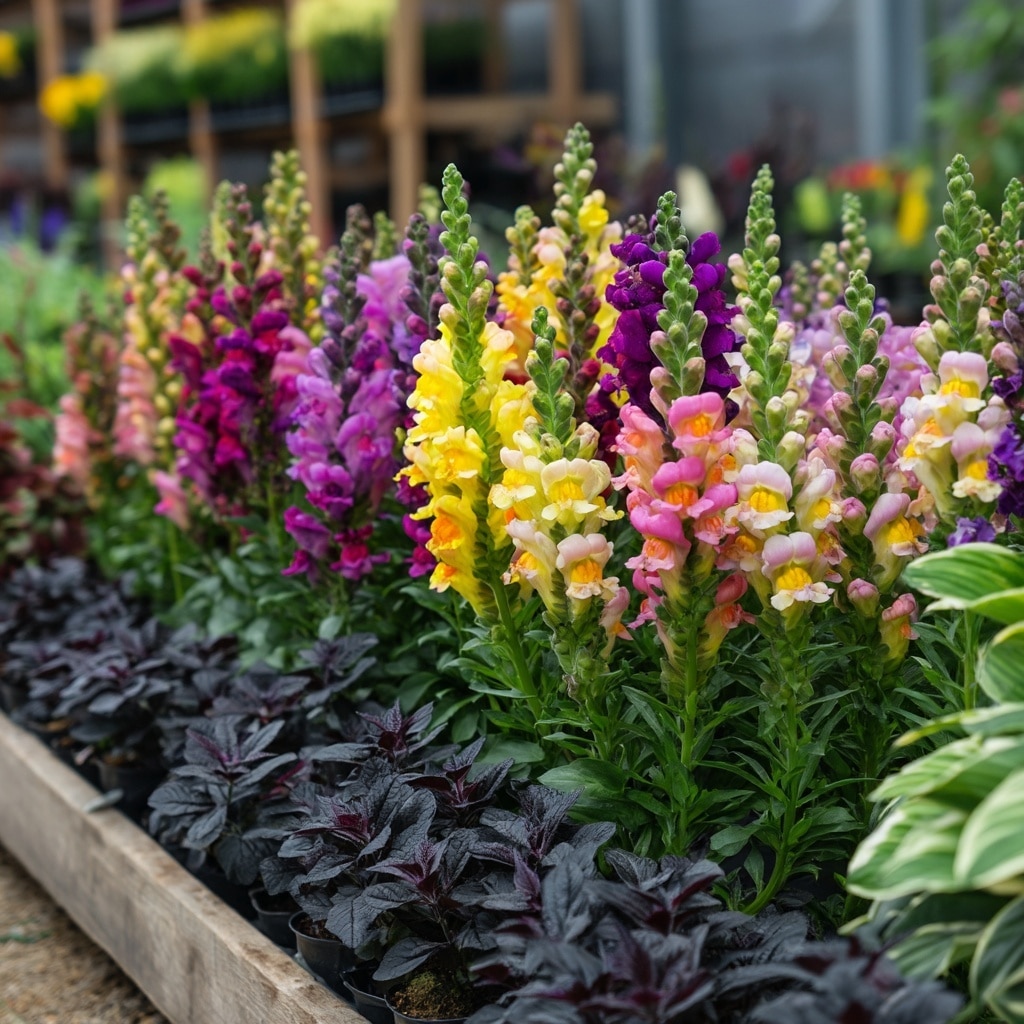
Once you’ve picked the flower type, seasonal group, and ideal height, there’s one more layer to understand about snapdragon flowers: the series and cultivars. This part is where variety names like Rocket, Liberty, or Floral Carpet start to pop up — but what do they really mean?
🌸 What Is a “Series” in Snapdragons?
In the gardening world, a series refers to a collection of cultivars that share the same height, bloom time, and growth needs, but vary only in flower color. Series names are often chosen by the breeder or seed company, and are used to group similar plants for easier marketing and selection.
For example, if you buy from the Liberty series, all plants will grow to similar heights and bloom around the same time, but the colors might include white, red, pink, or yellow.
- 🔹 Not botanical: Unlike scientific classifications, series names aren’t based on plant taxonomy. They’re purely practical.
- 🔹 Good for uniform design: Using one series lets you coordinate planting patterns while still having diverse colors.
🌿 Examples of Popular Snapdragon Series
- Tall types: Rocket, Liberty, Chantilly, Admiral
- Intermediate/Short types: Costa, Cinderella, Montego
- Dwarf types: Tahiti, Floral Showers, Bells, Princess
- Double/butterfly types: Bright Butterflies, Double Azalea
- Trailing types: Chandelier, Luminaire, Lampion
Each series is developed with a specific growing style or environment in mind — whether that’s greenhouse production, bedding displays, or cutting gardens.
🌼 Heirloom & Specialty Cultivars
Not all snapdragon flowers belong to a series. Some are standalone cultivars, often heirlooms or special hybrids. These can bring unique traits like unusual colors, foliage, or heritage charm.
- 🖤 ‘Black Prince’: A striking heirloom with deep burgundy flowers and dark green foliage.
- 🧡 ‘Madame Butterfly’: Known for its ruffled, double-petal blooms.
These one-off varieties may be less uniform in growth but offer distinct character that series plants sometimes lack.
💡 Gardening Tip: Combine series for uniformity and heirloom cultivars for personality. This creates a garden that’s both coordinated and full of surprises.
Conclusion
Snapdragon flowers are far more than just cheerful blooms for the garden — they’re a world of diversity in color, form, size, and growing habits. Whether you’re drawn to the nostalgic charm of single-flowered varieties or the romantic ruffles of butterfly types, understanding the classifications by group, height, and series can help you choose the right snapdragon for your space and season.
By mixing types from different seasonal groups and selecting cultivars that suit your design goals — tall for cutting gardens, dwarfs for containers, or trailing forms for vertical interest — you’ll enjoy a colorful, dynamic display from fall through summer. With just a bit of planning, snapdragons can become a four-season highlight in any garden.