
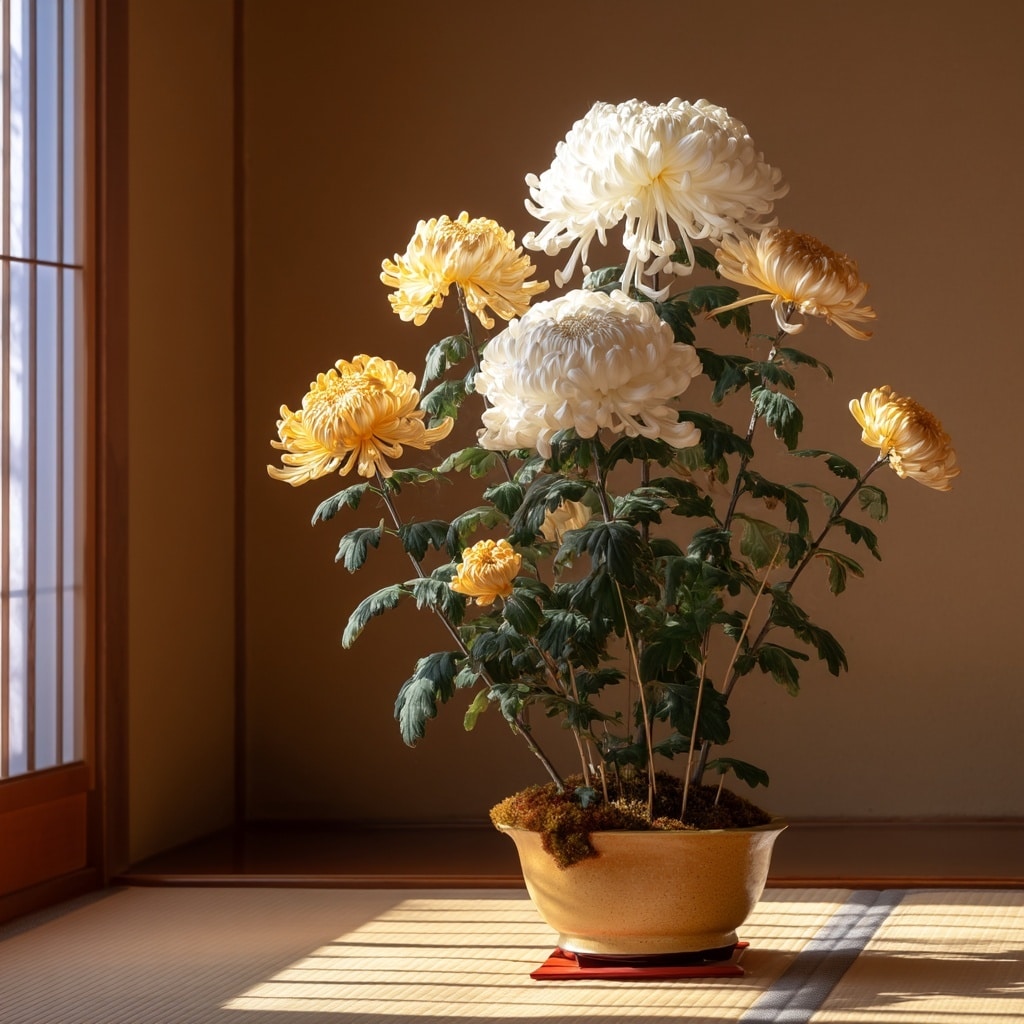
Japanese flowers play a meaningful role in the traditions of the New Year in Japan. As the calendar turns, homes and storefronts are often decorated with seasonal greenery and blossoms that carry deep symbolic meaning. These floral choices aren’t just for aesthetics—they reflect centuries of cultural heritage, expressing wishes for happiness, prosperity, and longevity. From pine branches standing tall to bright berries nestled in green leaves, each plant holds a purpose and a place in welcoming a fresh start.
Table of Contents
1. Fukujyuso (Japanese Buttercup)

Bright, cheerful, and symbolic, Fukujyuso—a type of Japanese buttercup—is one of the most cherished Japanese flowers during the New Year season. Known for its vibrant yellow petals, this bloom often appears in floral arrangements to usher in joy and lasting happiness. While its natural blooming period falls in February, greenhouse-grown varieties make it available during the festive season.
In Japanese, the name “Fukujyuso” contains the characters for fuku (fortune) and ju (celebration), making it a particularly fitting flower for New Year’s displays. It’s no surprise that this flower has earned its place as a symbol of eternal happiness and good luck.
Often placed in windows or entryways, the Japanese buttercup brings a burst of color against winter’s grey backdrop. Its presence reminds people to begin the year with positivity and a hopeful spirit.
2. Matsu (Pine)
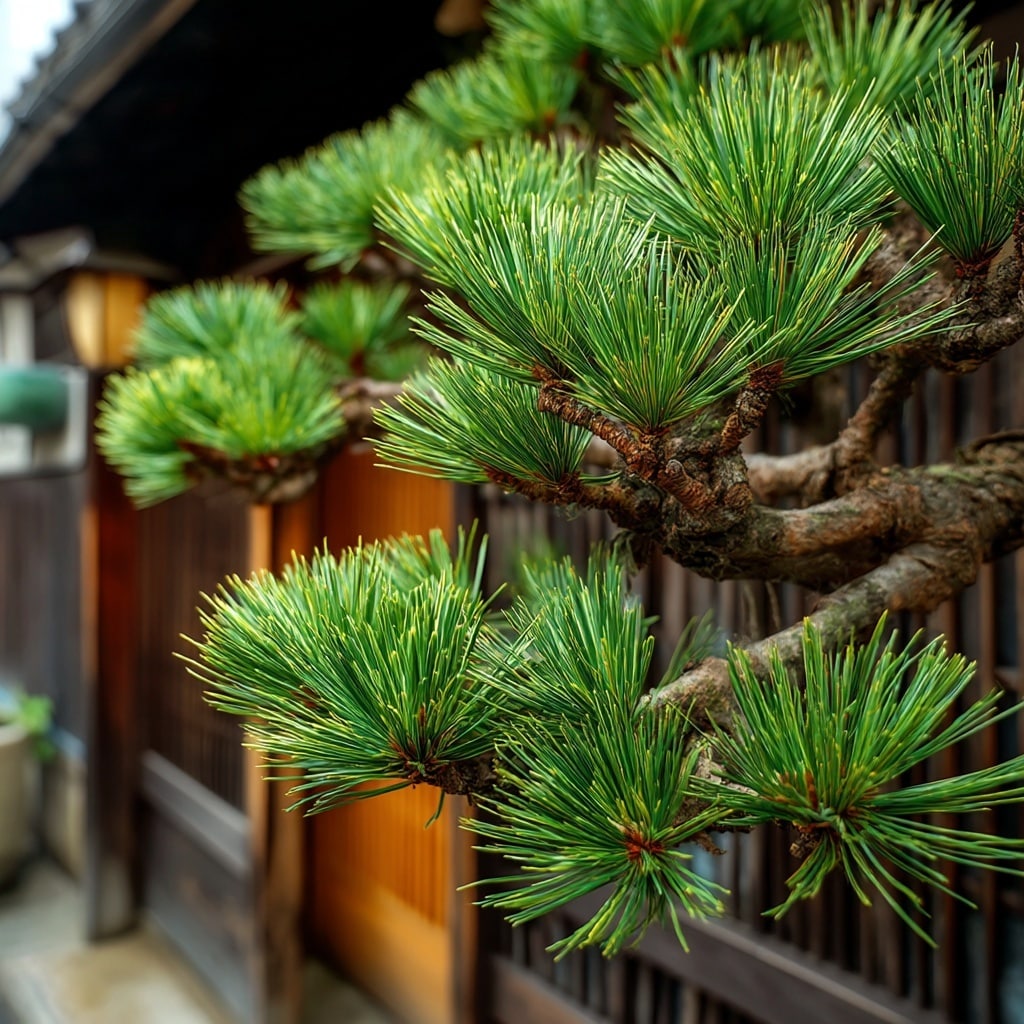
No New Year display in Japan feels complete without matsu, or pine. As one of the most iconic Japanese flowers—or more accurately, evergreens—matsu holds deep cultural and spiritual meaning during the New Year celebrations. You’ll often see it featured in kadomatsu, the traditional arrangement placed at entrances to welcome Toshigami, the deity of the new year.
Pine is cherished for its resilience and longevity. Its evergreen needles remain vibrant through all seasons, making it a symbol of unchanging vitality and strength. Some ancient pine trees in Japan are said to have lived for thousands of years, adding to their mystique and spiritual presence.
In folklore, matsu is also believed to protect homes by warding off evil spirits and ensuring fertility and good fortune. It’s more than a decorative touch—it’s a guardian of the household and a representation of enduring life.
Whether arranged alone or alongside bamboo and plum, pine stands tall as a living emblem of perseverance and hope at the start of each year.
3. Take (Bamboo)
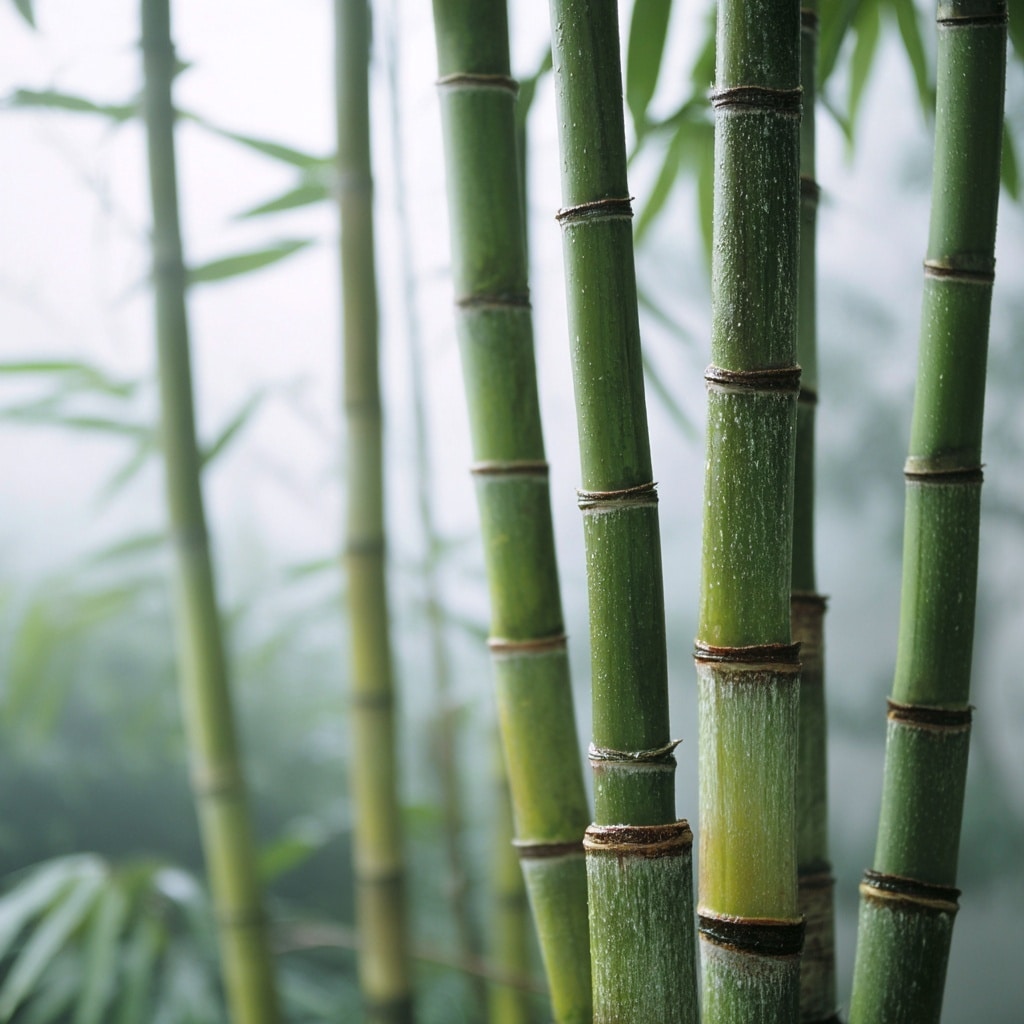
Take, or bamboo, is another beloved element of Japanese New Year traditions and one of the most recognized Japanese flowers—despite technically being a type of grass. Like pine, bamboo is a key component of kadomatsu, typically arranged at the center for its elegant structure and rich symbolism.
Known for its rapid growth and incredible flexibility, bamboo represents resilience, constancy, and uprightness. Even during Japan’s harsh winters or natural disasters, bamboo stands tall without breaking, making it a perfect metaphor for perseverance through life’s challenges.
Its underground root system symbolizes strong family bonds and community strength. These associations make take a hopeful presence in New Year decorations, reflecting wishes for personal growth, family unity, and long-term success.
Whether used in minimalist displays or grand floral arrangements, bamboo’s clean lines and strong symbolism make it a favorite for those looking to start the year with confidence and clarity.
4. Senryo (Glabrous Sarcandra Herb)
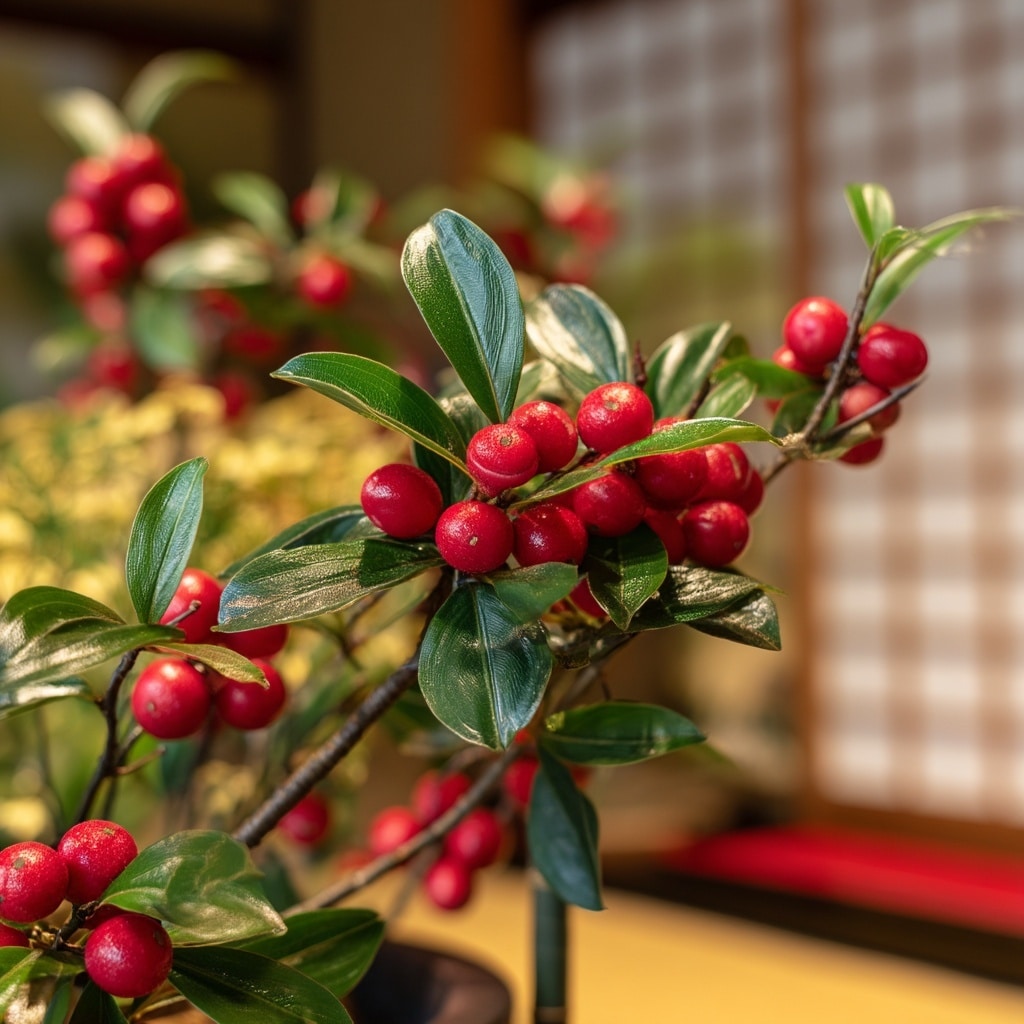
With its clusters of bright red berries, senryo is a festive favorite among Japanese flowers used in New Year decorations. This eye-catching plant isn’t just ornamental—it’s also steeped in symbolism tied to prosperity, celebration, and financial success.
Senryo, whose name literally translates to “a thousand coins,” has long been associated with wealth and abundance. Its vivid berries are thought to bring good luck in business and household finances. That’s why it’s commonly featured in oshogatsu (New Year) arrangements, especially in homes and stores hoping to attract a fruitful year ahead.
It’s often confused with manryo (meaning “ten thousand coins”), another red-berried plant. The easiest way to tell them apart is by berry placement—senryo berries grow at the tops of their stems, while manryo’s berries hang below like cherries.
Displaying senryo during the New Year isn’t just about color—it’s a subtle way to invite success, joy, and celebratory energy into your space as the new year begins.
5. Kiku (Chrysanthemum)
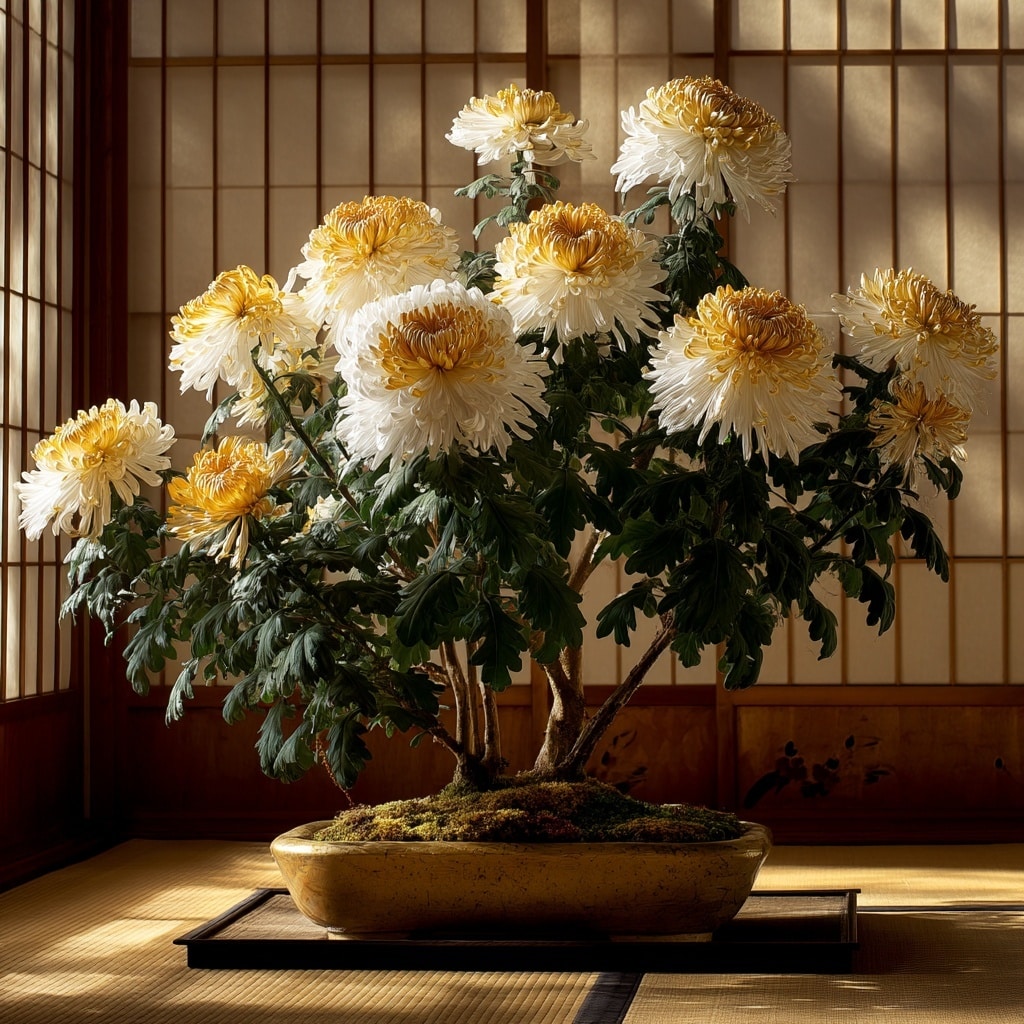
Among the most revered Japanese flowers, kiku, or chrysanthemum, holds a place of honor—not only in New Year’s celebrations but throughout the country’s history. As the official emblem of the Imperial Family, kiku represents nobility, virtue, and spiritual power.
In traditional flower symbolism, chrysanthemum is associated with longevity, youthfulness, and protection against misfortune. During the New Year, it’s common to see these blooms featured in ikebana (flower arrangements), often paired with other symbolic plants to bring balance and meaning to the display.
Kiku also appears in osechi ryori, the special New Year’s cuisine. Pickled turnips are often cut into chrysanthemum shapes, known as kikuka-kabu, representing long life and fortune through food.
Whether in elegant arrangements or symbolic dishes, the chrysanthemum remains a timeless expression of grace, renewal, and the hope for a year filled with strength and serenity
6. Nanten (Heavenly Bamboo)
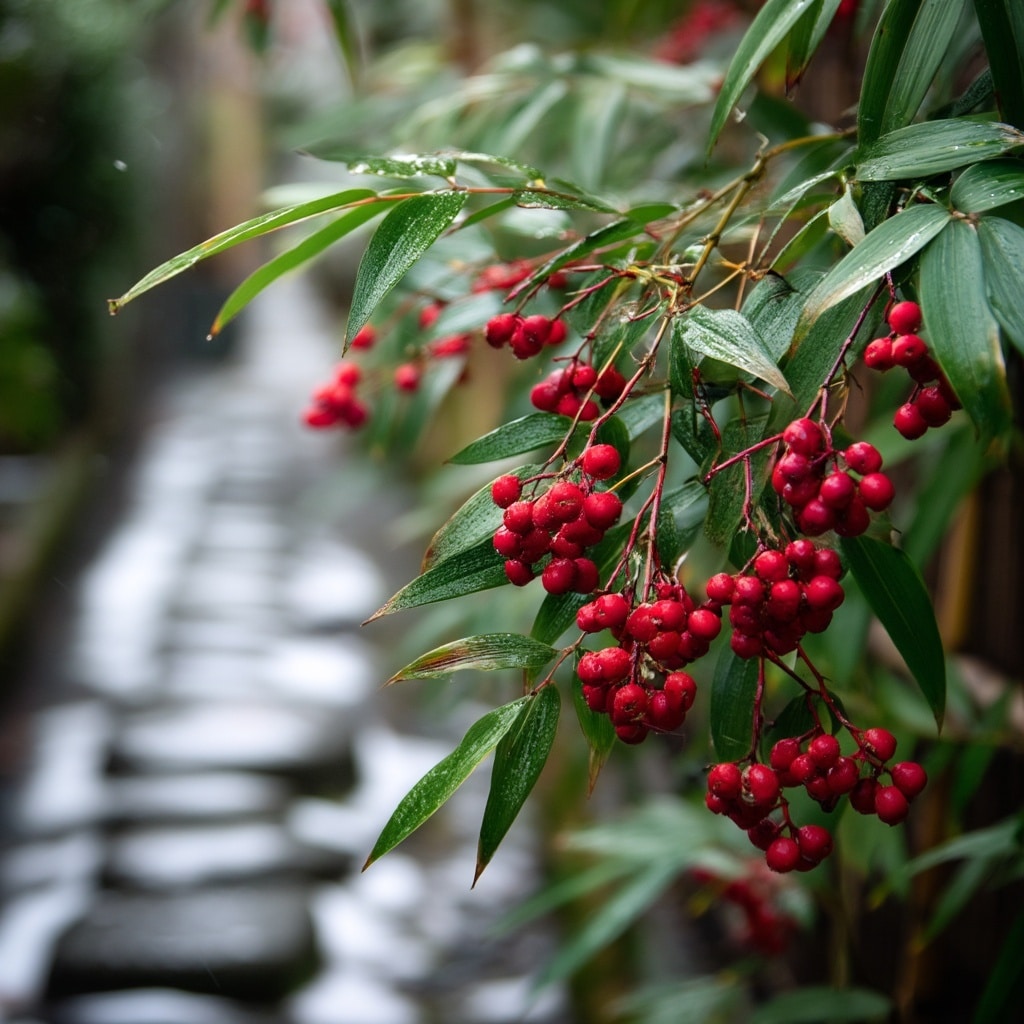
Delicate yet powerful in meaning, nanten—commonly called heavenly bamboo—is a unique addition to New Year displays. Despite its name, this plant is not true bamboo, but it shares the symbolism of endurance found in many Japanese flowers used during this time of year.
In Japanese, nanten is a clever play on words: “nan” means difficulty or hardship, and “ten” means to turn or change. Together, the name implies “turning hardship into good fortune.” This transformative meaning makes nanten especially popular in oshogatsu decorations, where the goal is to leave behind bad luck and welcome a more promising year.
With its red berries and evergreen leaves, nanten also adds a festive and hopeful touch to doorways, gardens, and floral arrangements. It’s frequently paired with other lucky plants to reinforce the New Year’s theme of renewal, peace, and emotional strength.
Many households include nanten as part of their seasonal tradition, trusting in its power to symbolically cleanse negativity and invite brighter days ahead.
7. Ume (Plum Blossom)
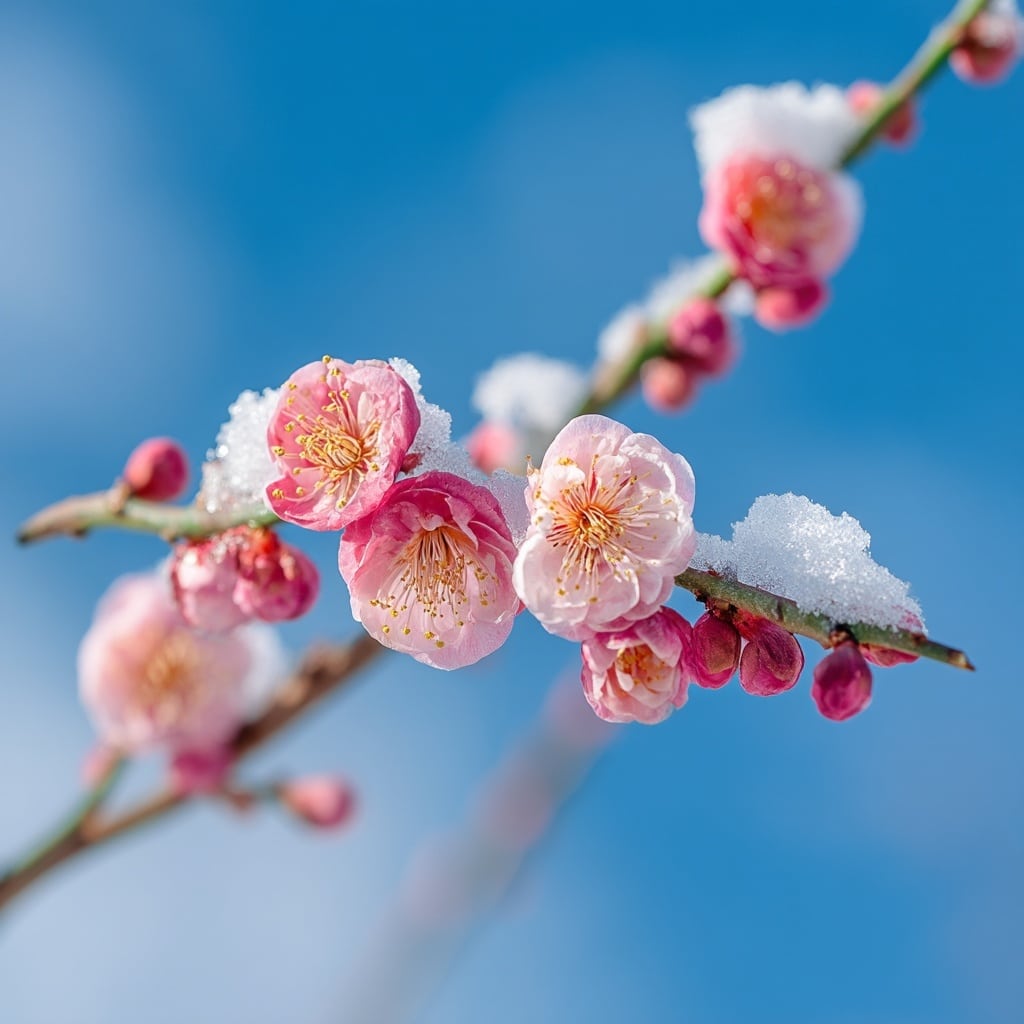
Graceful and resilient, the ume—or plum blossom—is one of the most beloved Japanese flowers of the New Year. While cherry blossoms may steal the spotlight in spring, it’s the ume that signals the true beginning of a new cycle, often blooming in the heart of winter.
With their soft pink or white petals and sweet fragrance, plum blossoms are admired for both their beauty and symbolic meaning. They represent endurance, purity, and integrity—qualities that resonate deeply during the transition into a new year.
Ume is also one of the “Three Friends of Winter,” alongside pine and bamboo, a traditional trio symbolizing strength, perseverance, and elegance. This connection makes it a staple in seasonal art, calligraphy, and floral arrangements.
In some regions, branches of plum blossoms are placed in kadomatsu or vases to express a quiet strength—the ability to flourish even in the coldest conditions. It’s a gentle reminder that even in hardship, new beginnings are possible.
Conclusion
The New Year in Japan is more than a celebration—it’s a reflection of values, hopes, and traditions rooted in nature. By incorporating these seven Japanese flowers and plants into seasonal decorations, families invite good fortune, health, and prosperity into their homes. From the cheerful bloom of Fukujyuso to the quiet strength of Ume blossoms, each holds a special meaning that speaks to the spirit of renewal.
Whether you’re decorating your genkan (entryway) or crafting a floral arrangement, these symbolic plants offer a meaningful way to start the year grounded in beauty and tradition.