
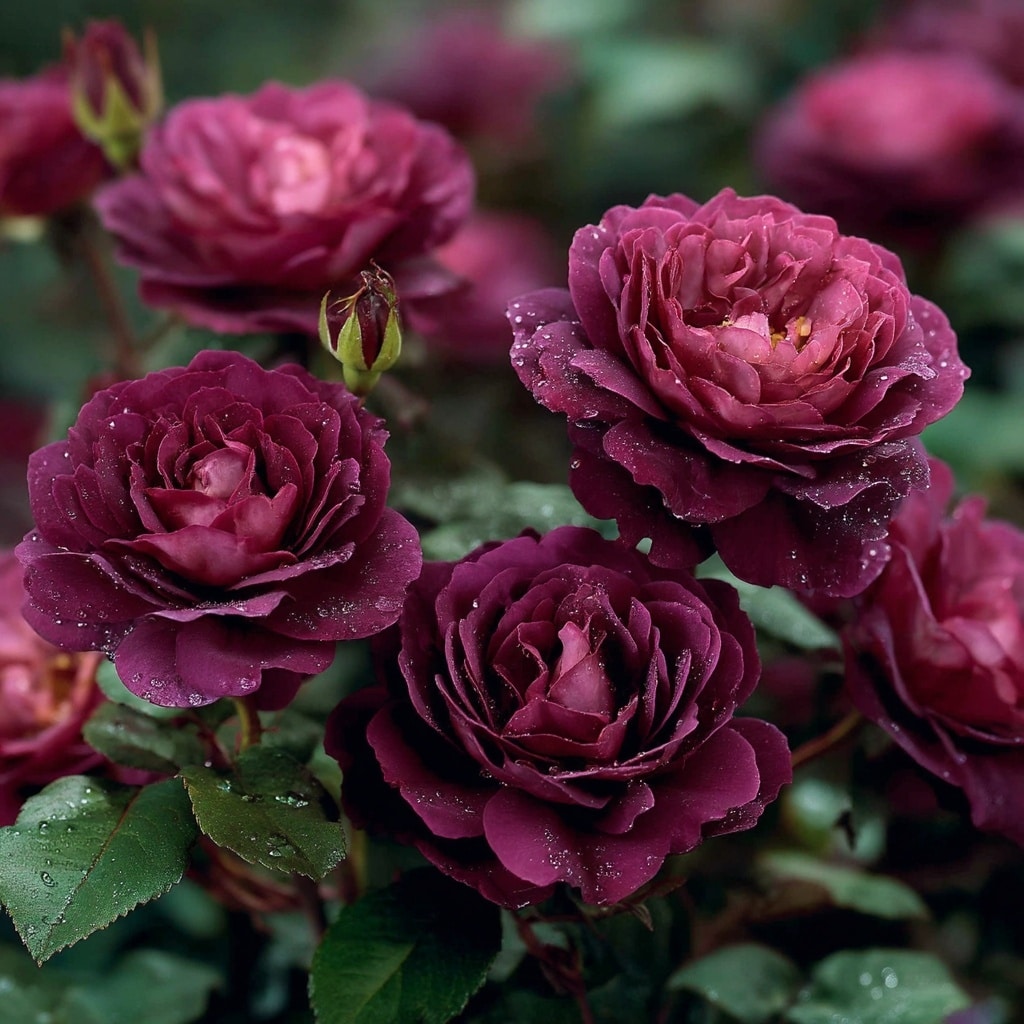
Red roses are the timeless symbol of love, passion, and elegance, making them a favorite in gardens around the world. Whether you’re creating a romantic backyard retreat or simply appreciate their rich hues, red roses offer more than just good looks—they’re versatile, fragrant, and available in an incredible range of shapes and styles. From deep crimson climbers to cherry-hued shrubs, there’s a perfect red rose for every gardener. In this guide, we’ll explore standout varieties and how to grow red roses successfully, so your garden can bloom with color and charm season after season.
Table of Contents
Popular Red Rose Varieties for Every Garden Style

Choosing the right red roses for your garden means thinking beyond color. Different varieties offer unique growth habits, fragrances, bloom sizes, and care needs. Whether you’re looking for climbers, compact shrubs, or dramatic hybrid teas, here are some standout red rose varieties worth considering:
1. Crimson Glory
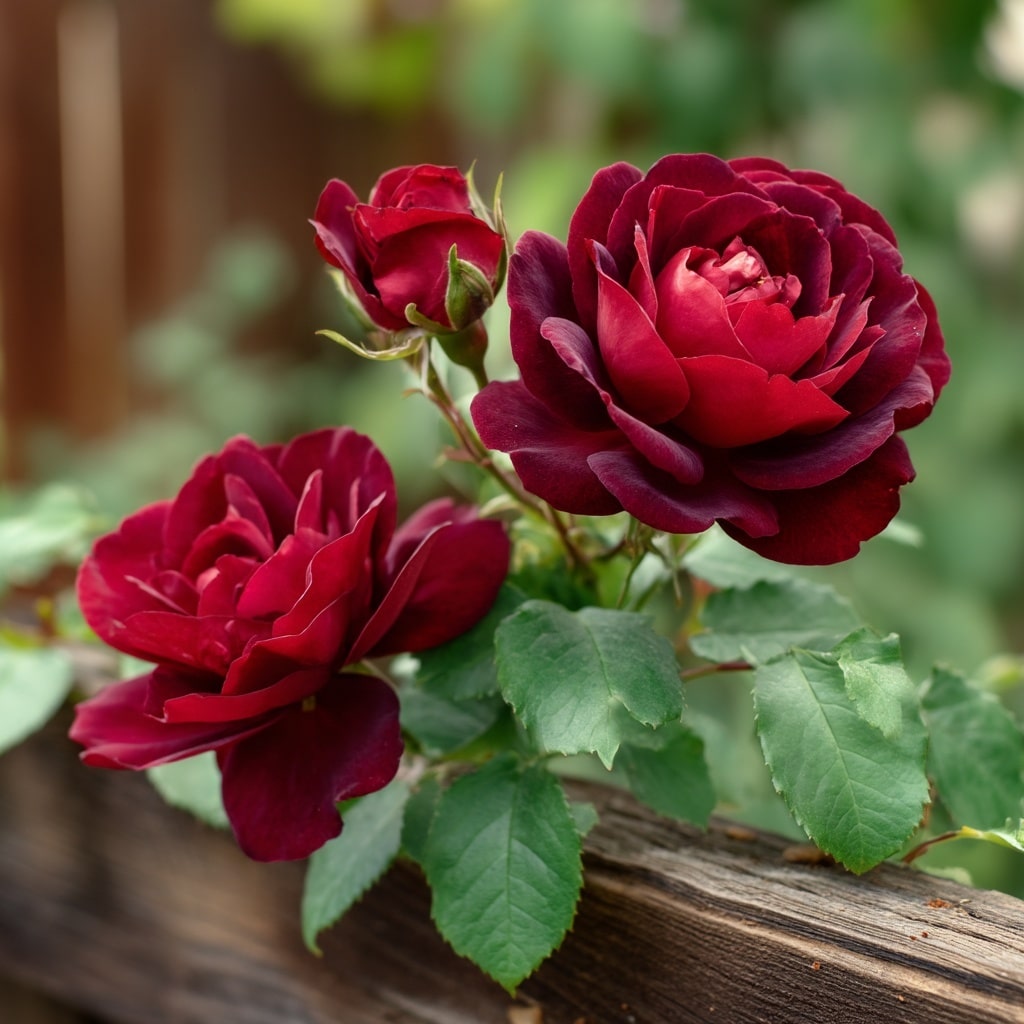
This classic climbing rose produces deep red, velvety blooms with a strong, old-fashioned fragrance. Ideal for training along fences or trellises, Crimson Glory offers repeat flowering throughout the season, adding vertical beauty to your garden.
2. Cherry Parfait
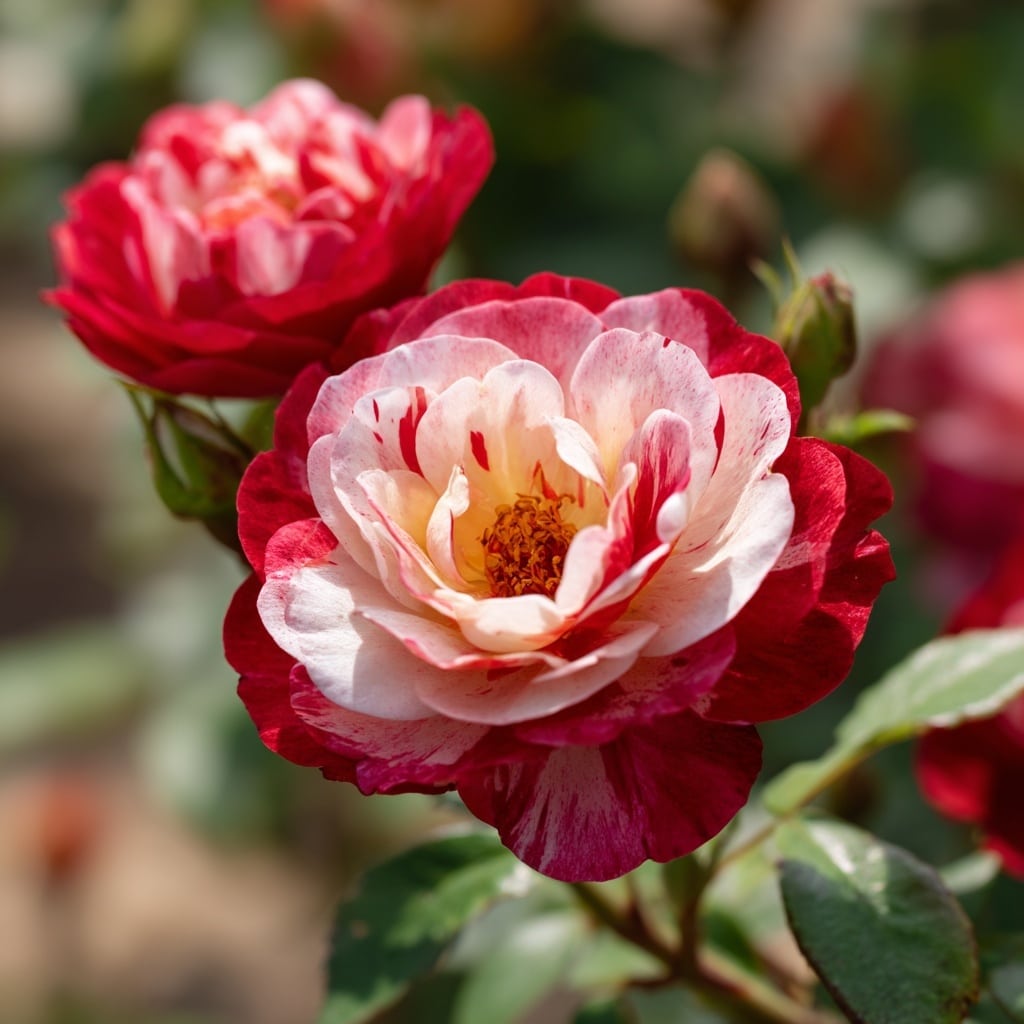
At first glance, this rose looks like a rich red bloom, but up close, each petal reveals a creamy white base. This bi-color beauty brings a touch of elegance and performs well as a low-maintenance shrub in sunny garden beds.
3. Falstaff
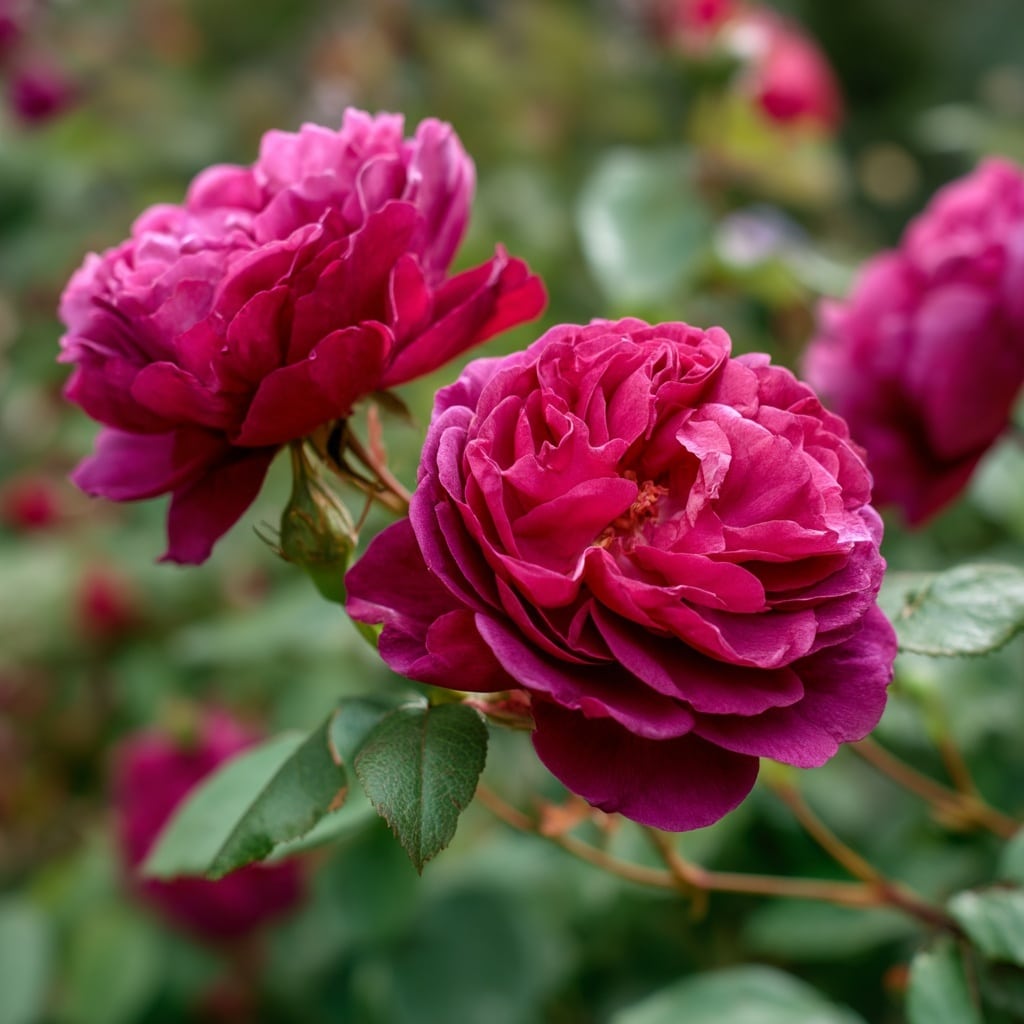
With large, double blooms in a purplish-red shade, Falstaff is an English rose known for its romantic appearance and strong old-rose scent. Its robust, bushy growth makes it a stunning focal point in any flower bed.
4. Thomas à Becket
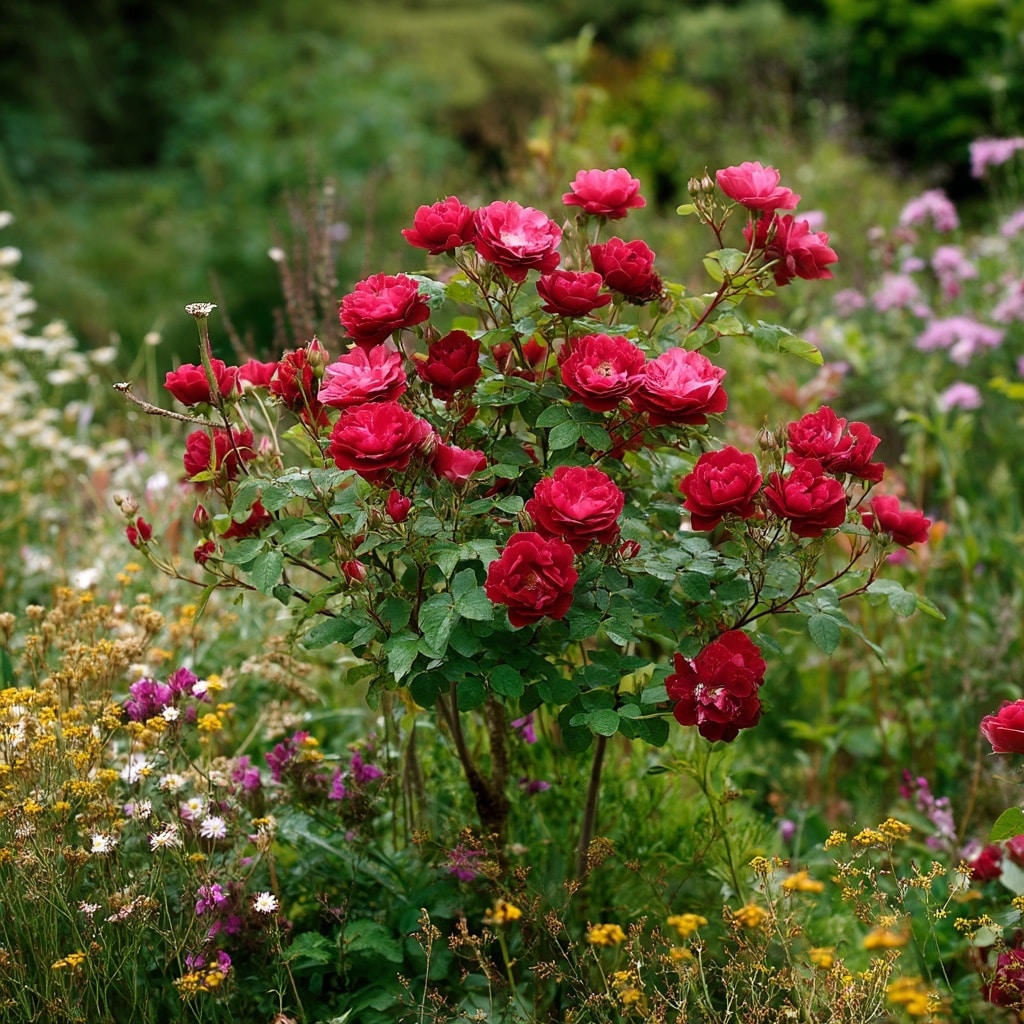
Perfect for more informal gardens, this variety produces medium-sized red flowers that vary in tone—ranging from bright to deep red. Its shrubby growth habit makes it ideal for cottage gardens and mixed borders.
5. Modern Fireglow
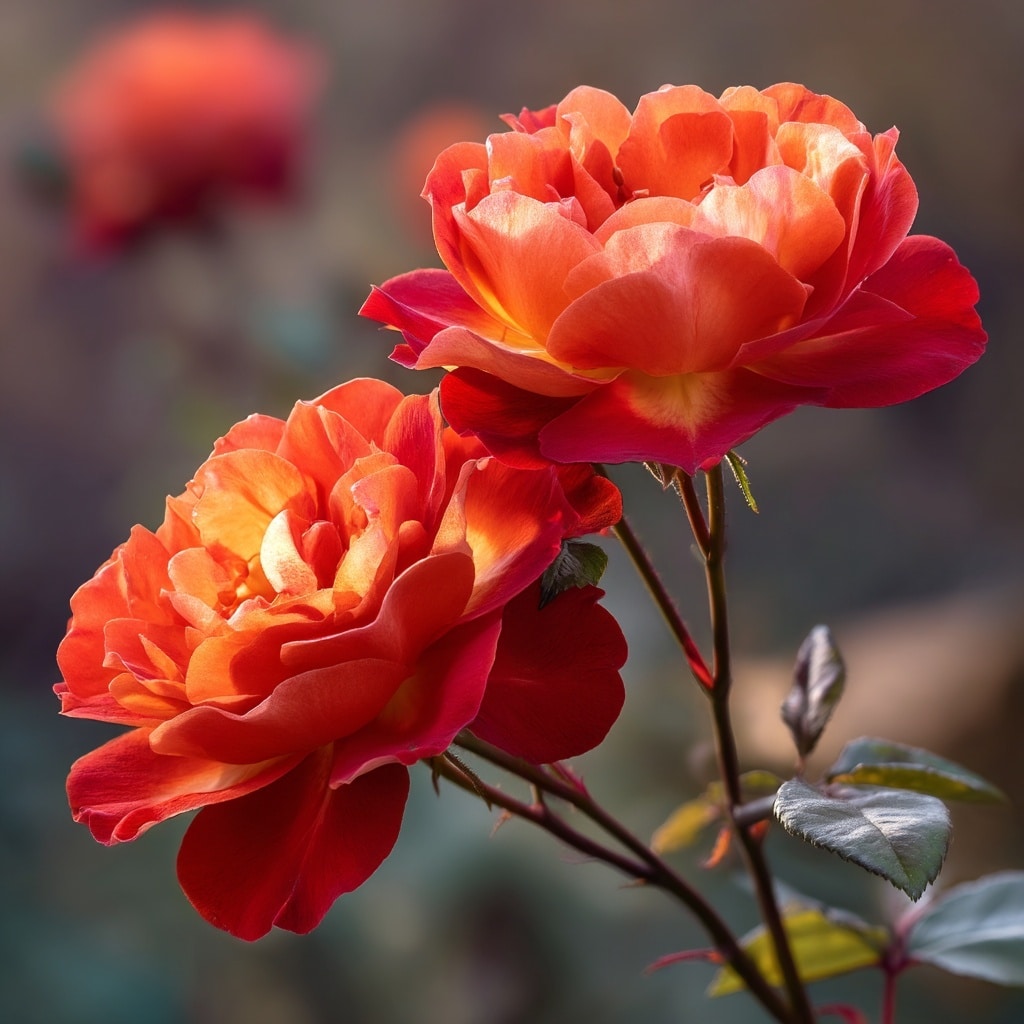
For a more vibrant, fiery twist, Modern Fireglow offers orange-tinted red blooms with a glowing effect. The double-petaled flowers are eye-catching and bloom consistently from late spring through fall.
6. Walko
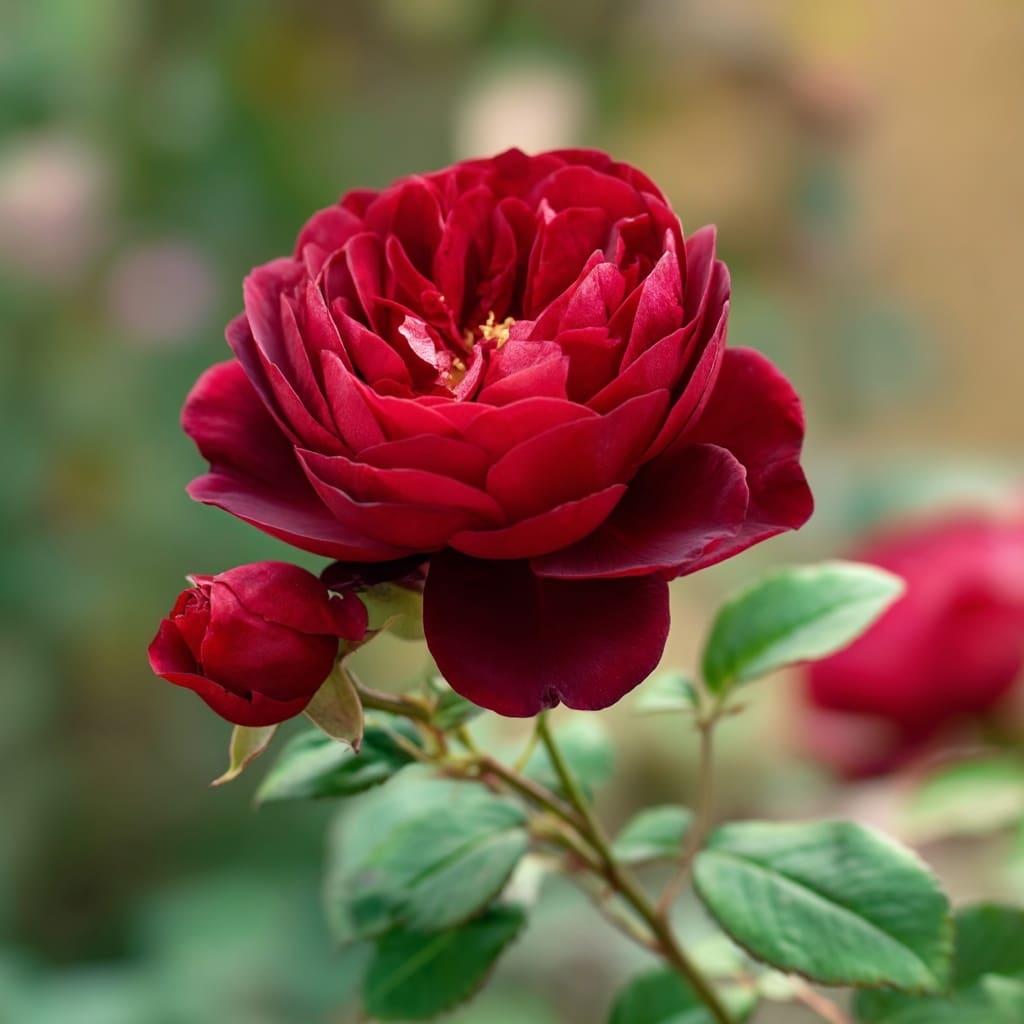
If you’re after both beauty and fragrance, Walko delivers. Its bold red blooms are intensely aromatic, making it a favorite for sensory gardens and bouquets alike.
7. Hot Cocoa
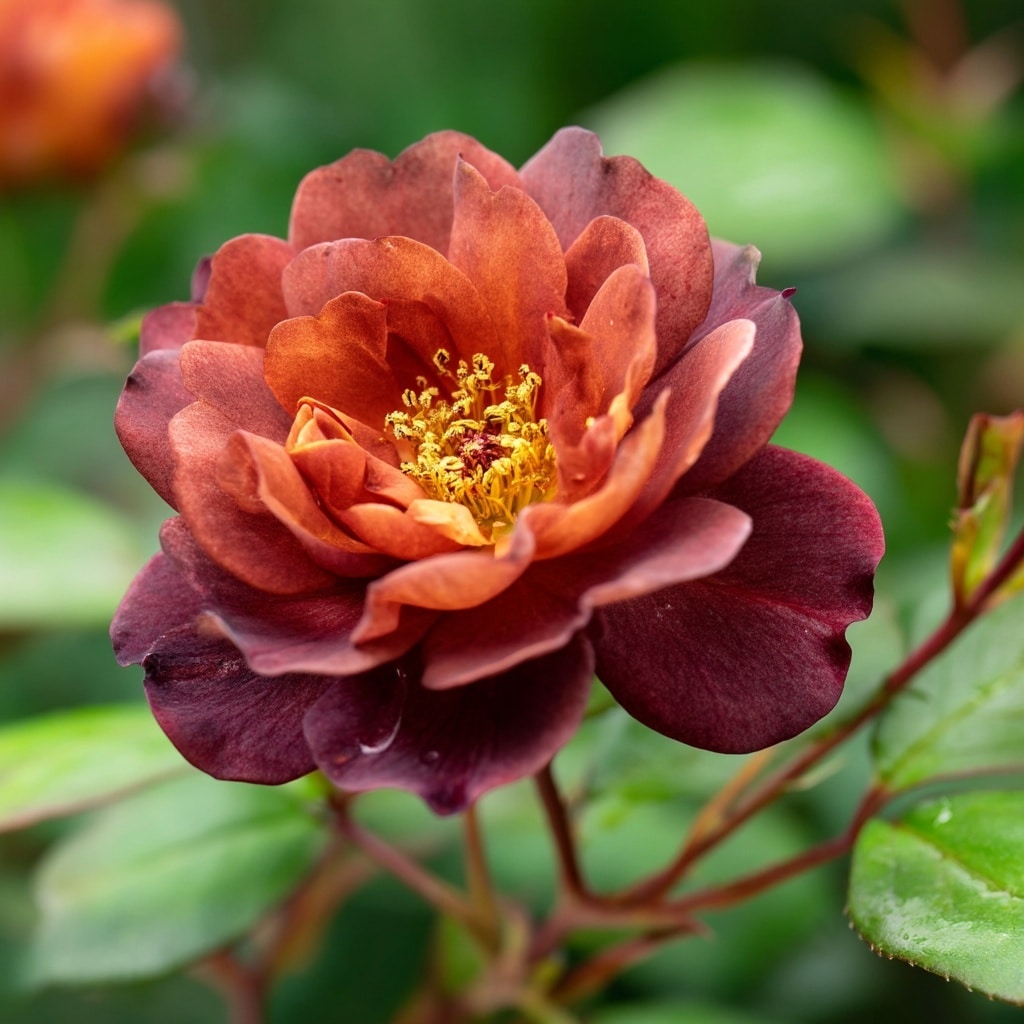
With a unique reddish-brown hue, this floribunda rose brings something different to the table. Hot Cocoa has a spicy, fruity scent and thrives in full sun, producing clusters of blooms perfect for cutting.
8. Munstead Wood
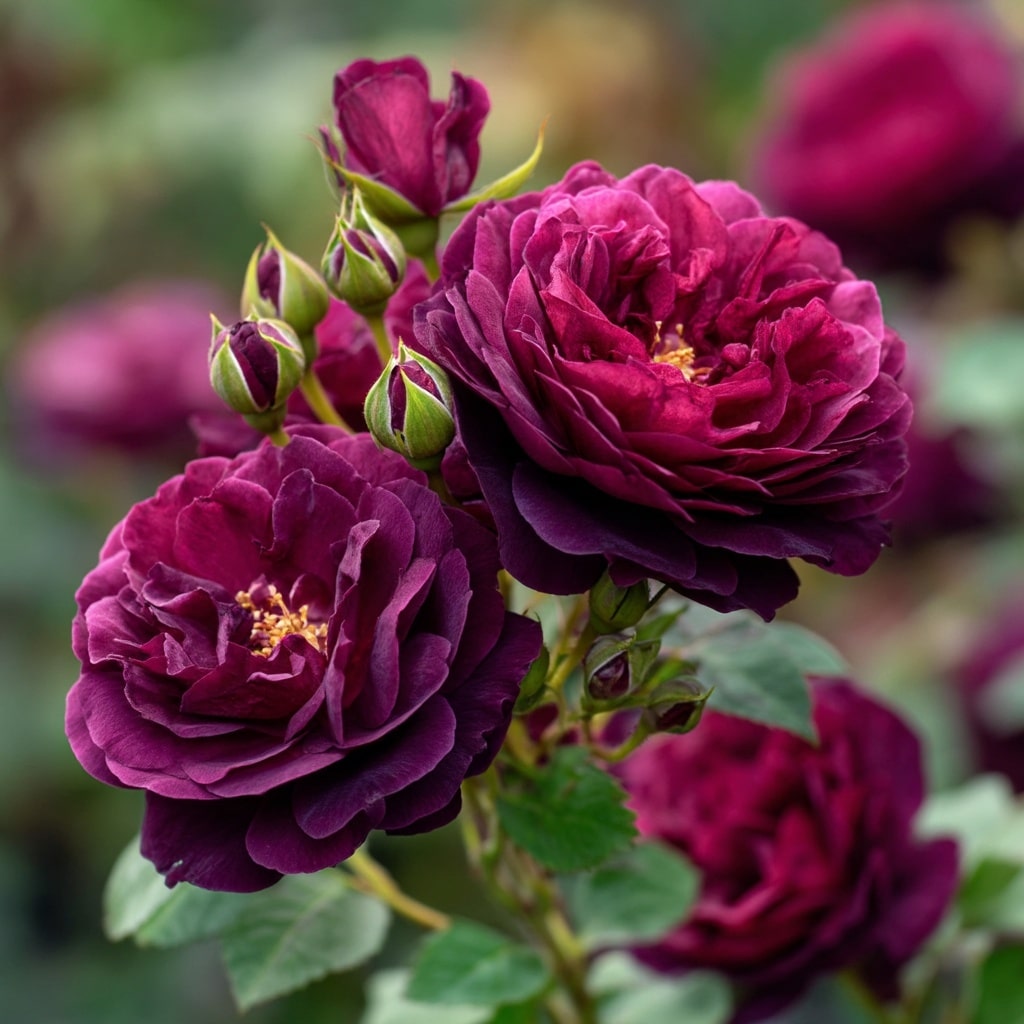
Starting with pale red buds that deepen into a rich burgundy, Munstead Wood is cherished for its deep color and strong fragrance. This compact shrub is a great choice for borders or containers.
9. Stars ‘n’ Stripes Forever
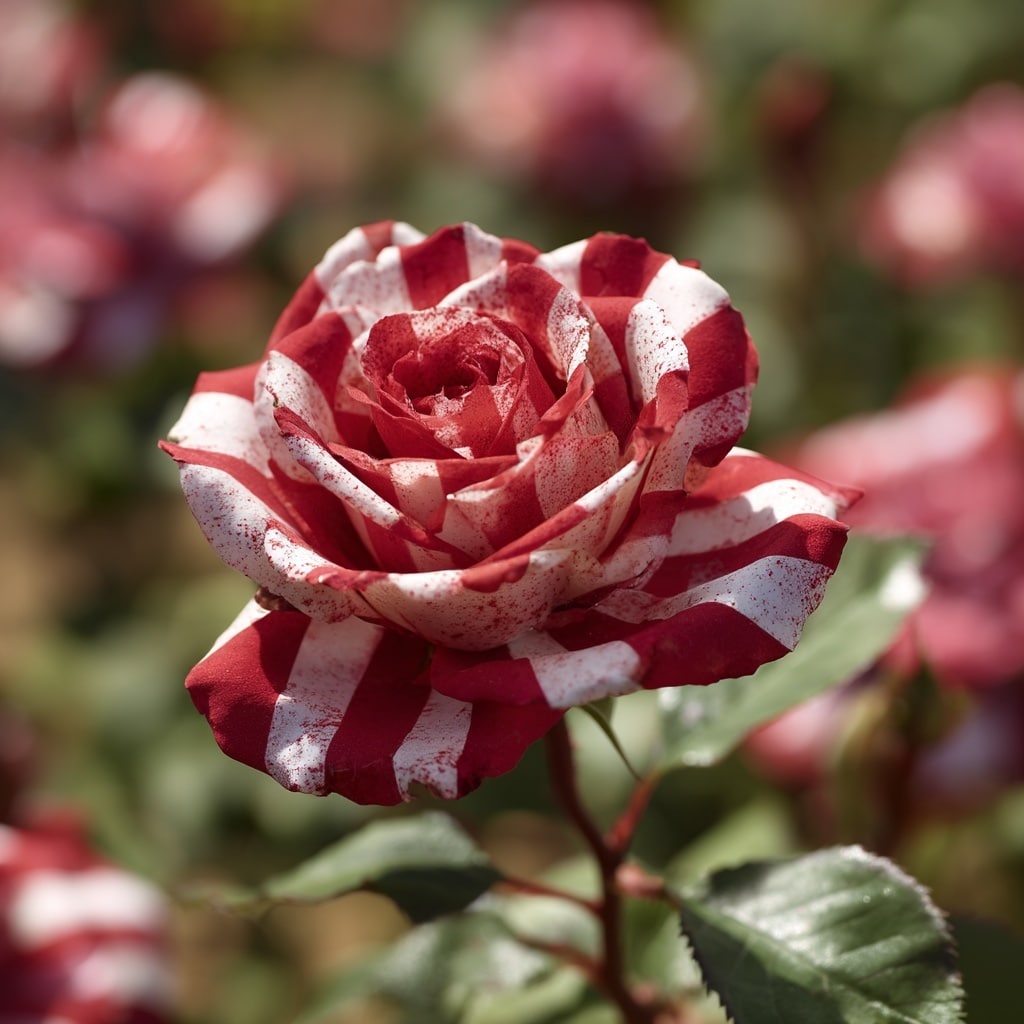
This patriotic variety sports red and white streaked petals that stand out in any landscape. It’s not just beautiful—this rose is also disease-resistant and blooms profusely all season long.
How to Grow and Care for Red Roses
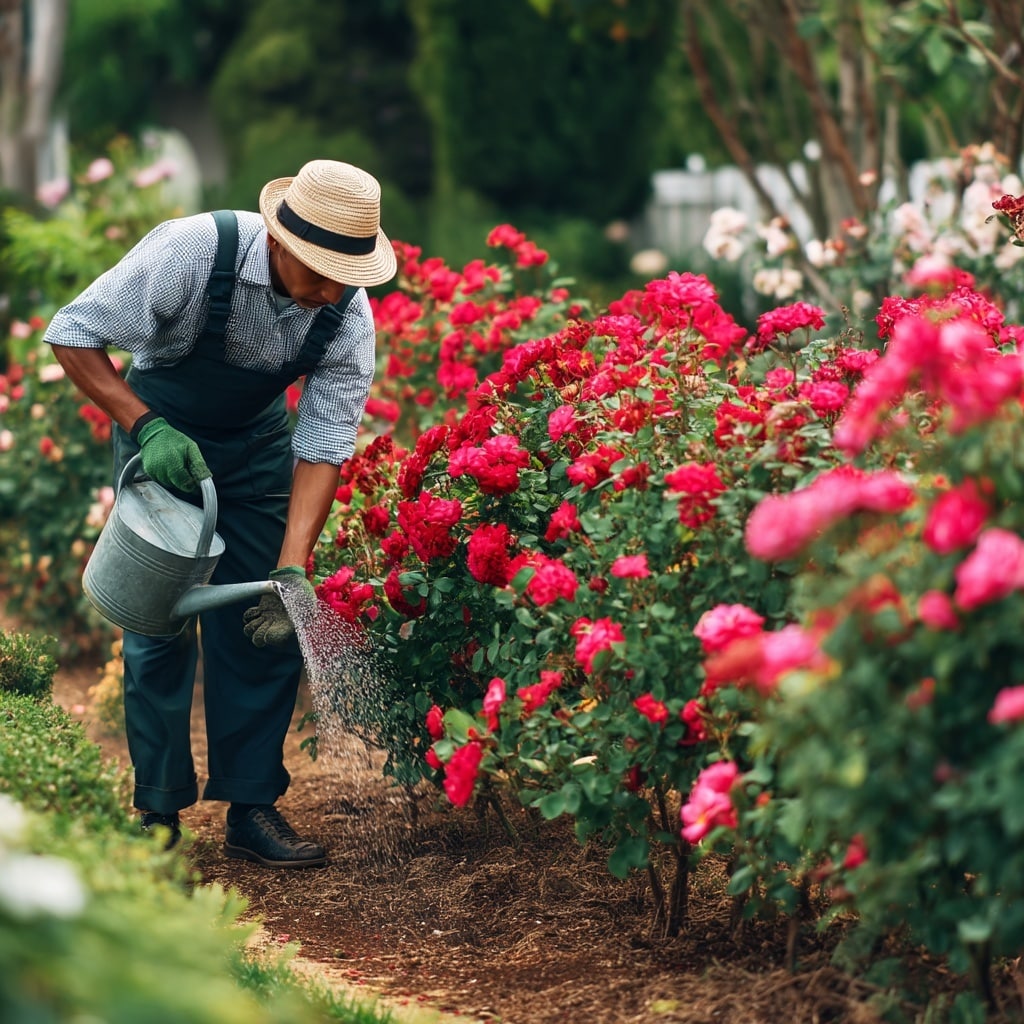
Once you’ve chosen the red roses that suit your garden’s style and climate, proper planting and care are essential to help them thrive. While each variety has its own preferences, the basics of rose care apply broadly—and mastering them will reward you with healthy plants and stunning blooms.
Planting Tips
- Location matters: Choose a spot that receives at least 6 hours of direct sunlight daily. Morning sun is especially beneficial to dry dew and prevent disease.
- Soil prep: Red roses prefer well-drained, fertile soil. If your soil is heavy clay or sandy, amend it with compost or aged manure to improve drainage and nutrient content.
- Timing: The best time to plant new roses is in early spring after the last frost. This gives the roots time to establish before the heat of summer.
Watering
- Provide about 1 inch (2.5 cm) of water per week, adjusting for rainfall and climate.
- Always water at the base of the plant to avoid wetting the leaves, which can invite fungal diseases.
- Use soaker hoses or drip irrigation to maintain consistent soil moisture without splashing the foliage.
Feeding and Fertilizing
- Apply a balanced rose fertilizer or one formulated specifically for roses in early spring, just as new growth begins.
- Repeat feeding every 4–6 weeks through midsummer. Stop fertilizing in late summer to allow the plant to wind down before dormancy.
Pruning
- Prune in early spring, just as buds begin to swell. Remove dead, damaged, or crossing branches to improve air circulation.
- For bushier growth, cut stems just above outward-facing buds. For climbers, remove weak stems and tie healthy canes to supports.
Disease and Pest Prevention
Red roses are prone to black spot, powdery mildew, and aphids, especially in humid climates.
- Spacing plants properly improves airflow.
- Avoid overhead watering to keep leaves dry.
- Use organic treatments like neem oil or insecticidal soap for pests, and choose disease-resistant varieties whenever possible.
Mulching
- Apply a 2–3 inch layer of organic mulch around the base to retain moisture, regulate temperature, and suppress weeds.
- Keep mulch a few inches away from the stem to prevent rot.
Conclusion
Growing red roses in your garden brings a blend of timeless beauty, fragrance, and emotion to your outdoor space. Whether you prefer classic climbers like Crimson Glory, unique shades like Hot Cocoa, or fragrant shrubs like Munstead Wood, there’s a red rose for every gardener and setting. By choosing varieties that suit your climate and style, and following proven care techniques, you’ll enjoy blooms that not only turn heads but also thrive year after year.
If you’re planning a broader rose garden or want to pair your red roses with complementary plants, consider reading our other guides on [rose companion planting], [climbing rose support options], or [organic pest control for roses] to further enhance your garden’s health and appearance.