

Spring garden preparation is one of the most rewarding parts of the gardening year. As the days grow longer and the soil begins to warm, plants, lawns, and flowers respond with vibrant growth and colorful blooms. It’s a fresh start—and the perfect time to lay the foundation for a thriving, beautiful garden.
Whether you’re refreshing pots, feeding tired lawns, or planting vegetables, every task you do now helps set the tone for the entire season. A well-planned spring garden not only looks stunning but also produces healthier plants, fewer pests, and more abundant harvests.
In this guide, we’ll walk through seven essential steps to help you grow your best spring garden yet—from soil care to watering strategies, and everything in between.
Table of Contents
Step 1: Spring Soil Care and Mulch

A healthy spring garden begins below the surface. Revitalizing your soil early in the season supports stronger root growth, improves water retention, and boosts microbial activity—all of which lead to healthier plants.
Start by mixing in compost or well-aged organic manure to enrich your garden beds. If you prefer a no-dig option, use a liquid compost or soil conditioner to stimulate microbial life. Before mulching, pull out any lingering weeds and consider adding a pelletized soil booster to increase nutrient availability.
Next, apply a generous layer of mulch. Use softer mulches like sugarcane, lucerne, or pea straw for flowers and edibles, and coarser options like pine bark for native trees and shrubs. Always keep mulch away from plant stems to prevent rot.
These simple steps build the foundation for a productive and beautiful spring garden from the ground up.
Step 2: Spring Lawn Care and Feeding
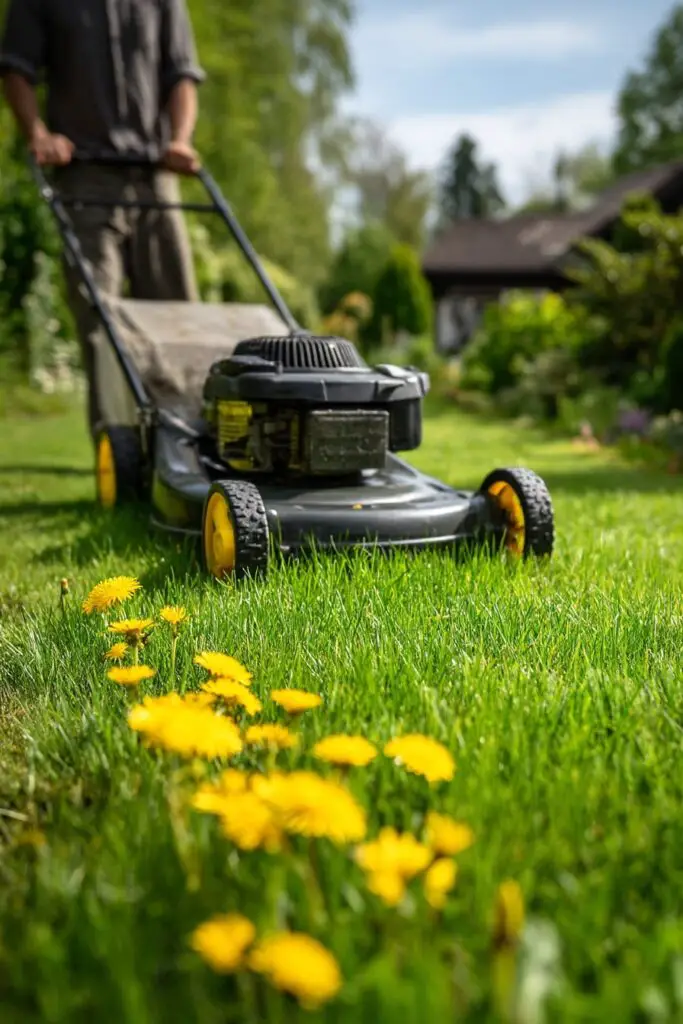
Your spring garden isn’t complete without a healthy, vibrant lawn. After winter, your grass needs a bit of attention to bounce back and become the lush green carpet that ties the entire yard together.
Start by removing weeds by hand or using a safe, spot-treatment herbicide. If your lawn feels compacted, aerate it using a garden fork or a lawn coring tool to improve air and water flow to the roots. Top-dress with a light layer of nutrient-rich soil mix and water it in well.
Establish a regular mowing routine, but avoid cutting more than one-third of the blade at a time to prevent stress. Feed your lawn with a balanced, spring-specific fertilizer to encourage deep root growth and stronger blades.
With just a little care, your lawn will bounce back beautifully—making it a standout feature of your spring garden.
Step 3: Spring Plant Care and Feeding
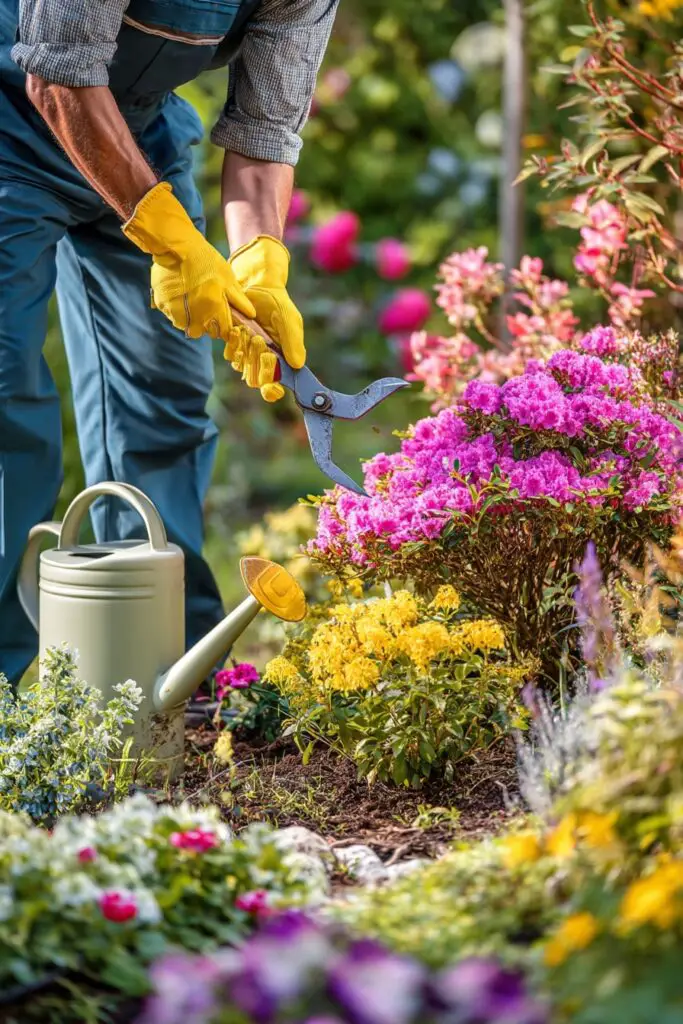
Once your soil and lawn are prepped, it’s time to turn your attention to the heart of your spring garden—the plants. Early-season care sets the stage for vibrant growth and long-lasting blooms.
Begin by pruning back any damaged, leggy, or diseased foliage. This encourages healthy new growth and improves airflow between plants. If you have gaps in your beds, divide mature perennials or add seasonal annuals to bring in fresh color and texture.
When planting new additions, water them in with a gentle tonic to reduce transplant shock and strengthen root systems. Apply a balanced liquid feed every couple of weeks to support flowering and foliage growth throughout the season.
Don’t forget to deadhead spent blooms to encourage more flowers and consider cutting a few for indoor arrangements to enjoy your spring garden inside and out.
Step 4: Spring Indoor and Outdoor Pot Care
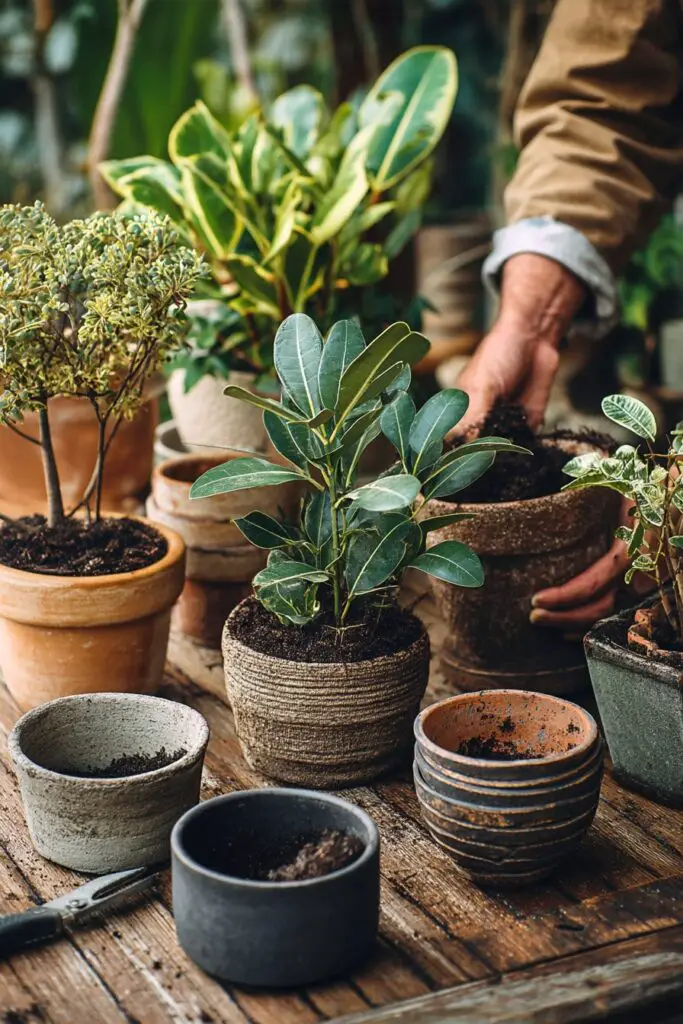
Potted plants—both inside and out—are an essential part of any well-rounded spring garden. As temperatures rise, it’s the perfect time to refresh your pots and give your plants the boost they need.
Start by moving indoor plants outside to a shaded, protected area for a little fresh air and maintenance. Trim away dead or damaged leaves and gently wipe the foliage to remove dust. Check the soil level and top up with fresh potting mix if needed.
If roots are circling or pushing out of the pot, it’s time to repot into a larger container. Water plants in thoroughly to help reduce transplant stress. For an all-around health boost, apply a liquid seaweed solution or plant tonic.
Outside, inspect for pests and give pots a deep soak. Reposition outdoor containers to brighter areas, making sure they’re protected from wind or harsh afternoon sun.
A little care now ensures your spring garden shines from the ground up—even in containers.
Step 5: Spring Veggie Maintenance
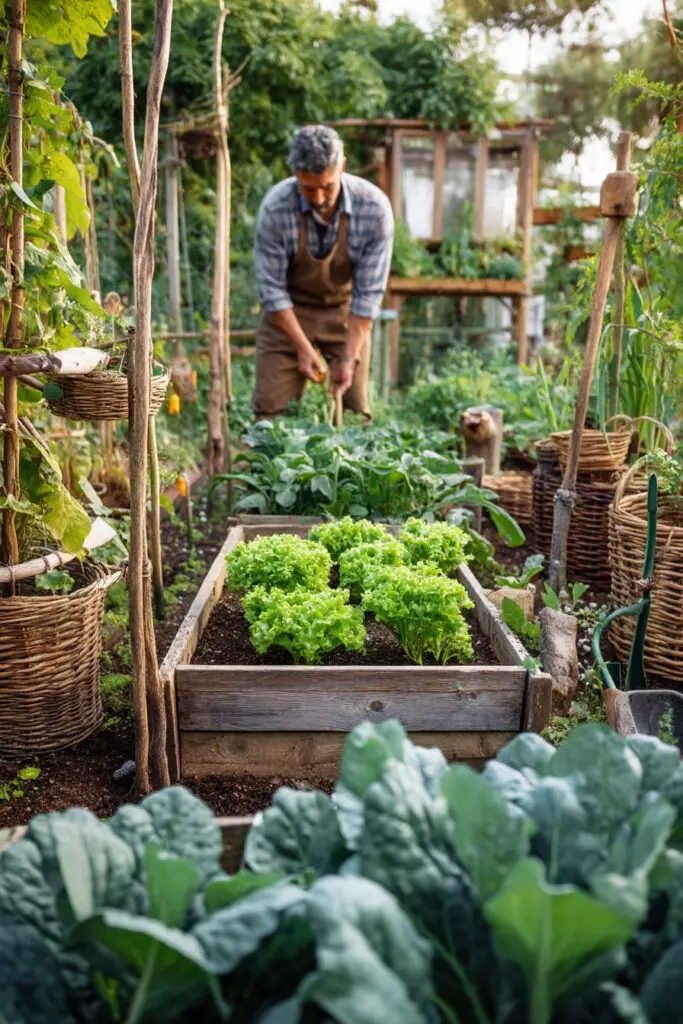
A productive veggie patch adds flavor, color, and purpose to your spring garden. With the right care, you can enjoy a steady supply of fresh, homegrown produce throughout the season.
Start by harvesting regularly—early morning is ideal when vegetables are crisp and full of flavor. While you harvest, remove any plants that have finished producing and prune away damaged or diseased foliage to keep your patch healthy.
To prepare for new crops, enrich the soil with compost, biochar, or a slow-release organic fertilizer. Replant quick-growing vegetables like lettuce, rocket, cherry tomatoes, or silverbeet to keep your garden active.
Make sure plants receive enough sunlight by trimming overhanging branches or moving pots to sunnier locations. Support climbing veggies with stakes or trellises, and feed weekly with a veggie-specific liquid fertilizer to boost growth and yields.
A well-tended veg patch brings flavor and abundance to your spring garden with every harvest.
Step 6: Watering and Irrigation
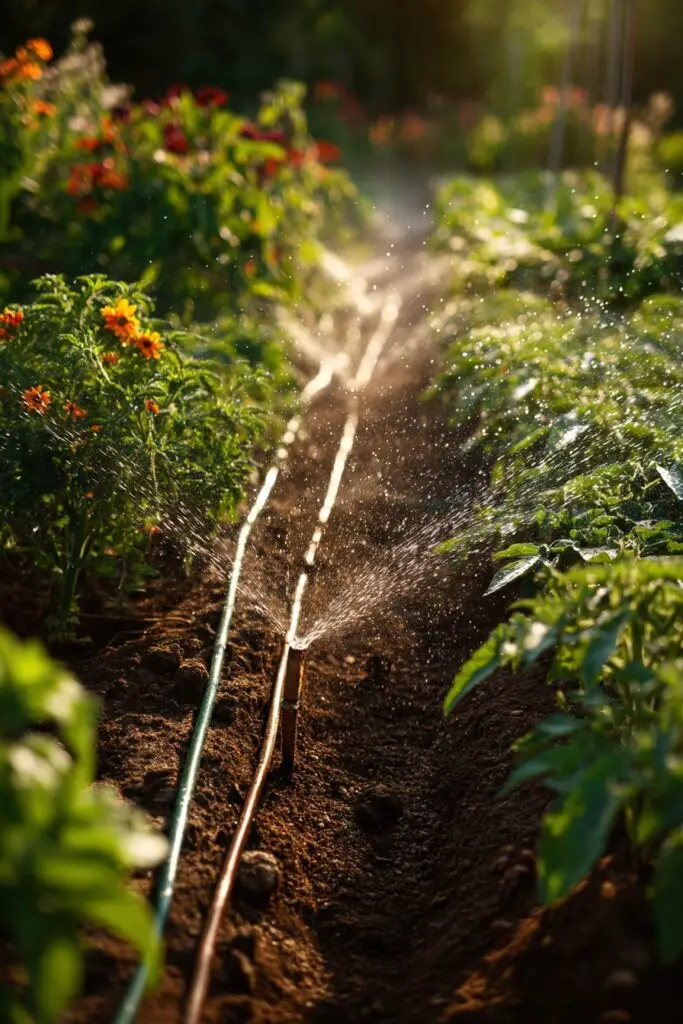
Watering is the backbone of a successful spring garden. As temperatures climb, consistent and efficient hydration becomes essential for healthy plant growth and flowering.
Start by checking all hoses, watering cans, and irrigation systems to ensure they’re in good working order. Look for leaks, blockages, or worn parts and repair or replace them as needed. Run a full test of your system and make sure water is reaching plant roots—not just the surface.
If water is pooling or running off, your soil may be hydrophobic. Apply a soil wetter to help water penetrate and reach deeper into the root zone. This is especially important in dry or compacted areas.
Aim for deep, infrequent watering to encourage strong root systems, rather than shallow, frequent sprinkles. Pay special attention to plants under eaves, trees, or roof lines where rain may not naturally reach.
Keeping your spring garden properly hydrated ensures lasting beauty and resilience through the warmer months.
Step 7: Spring Must-Do Jobs

Finishing touches can take your spring garden from good to spectacular. These small tasks help create a welcoming, well-rounded space for both people and pollinators.
Start by refreshing your outdoor living areas—clean garden furniture, power wash decks or patios, and add new cushions or décor to bring in a seasonal feel. Plant vibrant flowers that not only look great but also attract pollinators like bees and beneficial insects that help keep pests in check.
Check birdbaths and water features. Clean them thoroughly and top them up daily with fresh water to support local wildlife. Inspect fruiting trees as they begin flowering and set fruit—feed the surrounding soil and water regularly to encourage a strong harvest.
For indoor plants, apply a gentle liquid feed to stimulate growth and reduce seasonal stress. These finishing steps tie everything together, making your spring garden a thriving, inviting space from edge to edge.
Conclusion
A thriving spring garden doesn’t happen by chance—it starts with intentional steps taken early in the season. From nourishing the soil to feeding your lawn, refreshing potted plants, and planting for both beauty and harvest, these seven strategies give your garden the best possible start.
With regular care and thoughtful planning, your spring garden will become a vibrant space full of life, color, and joy—ready to be enjoyed all season long.