
Garden projects are the perfect way to welcome spring before it even arrives. Whether your backyard is a blank canvas or just needs a little love, now is the ideal time to roll up your sleeves and bring it to life—without breaking the bank. Early planning and a few smart DIY efforts can completely transform your outdoor space while keeping costs low. From herb gardens in upcycled pots to creative composting and bird-friendly touches, these simple ideas will set your garden up for a vibrant, thriving season. Let’s get growing with ten easy and affordable garden projects to kickstart your spring success.
Table of Contents
1. Create a Container Herb Garden

One of the easiest garden projects to start before spring is a container herb garden. It’s a budget-friendly way to grow fresh flavors right outside your kitchen door—or even inside on a sunny windowsill. With just a few inexpensive pots, recycled cans, or even old mugs, you can plant culinary favorites like basil, thyme, chives, and rosemary.
No yard? No problem. Container gardening works beautifully for balconies, patios, and small spaces. Mix quality potting soil with a bit of compost for healthy growth, and be sure to give your herbs plenty of sunlight. In just a few weeks, you’ll be snipping fresh sprigs to flavor meals, brew teas, or garnish drinks—all without spending a fortune at the grocery store.
This is one of those garden projects that pays off fast and keeps on giving all season long.
2. Build Raised Beds with Reclaimed Materials
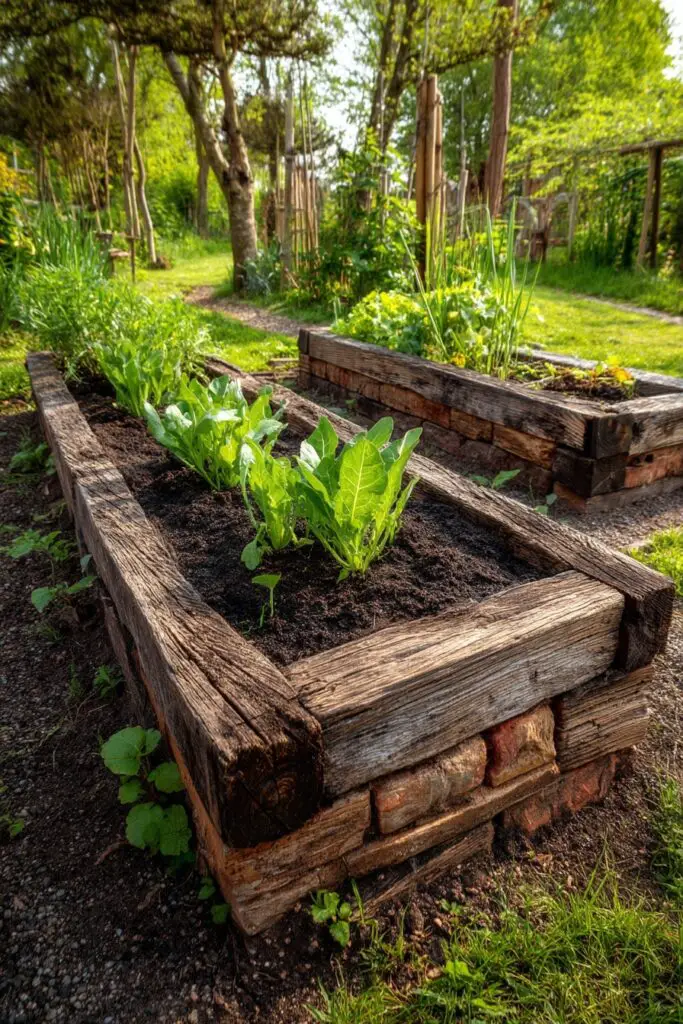
When it comes to smart, sustainable garden projects, raised beds are a top choice. Not only do they improve drainage and reduce weed growth, but they also allow you to control soil quality and extend the growing season—especially important in early spring.
The best part? You don’t need to buy expensive lumber. Look around for scrap wood, unused pallets, bricks, or even cinder blocks to create your bed frames. Just make sure any materials you use are untreated and safe for gardening. Once you’ve built your frames, fill them with a nutrient-rich mix of compost and soil for optimal plant health.
Position your raised beds in a sunny spot, and you’ll be amazed at how much more productive your space becomes. This type of hands-on project is not only satisfying to build, but it’s one of the most long-term beneficial garden projects you can take on.
3. Start a Seed-Starting Station
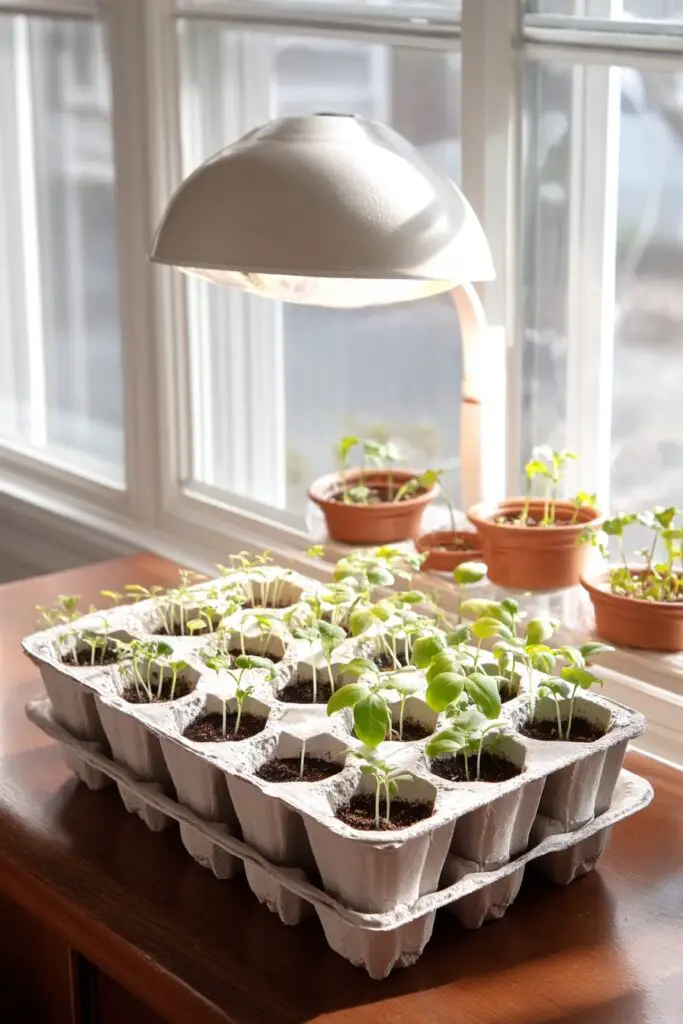
If you’re eager to get planting before the last frost melts away, starting seeds indoors is one of the most rewarding garden projects you can tackle now. It’s simple, affordable, and gives your garden a major head start.
Skip the fancy kits and reuse items like egg cartons, yogurt containers, or takeout trays as seed-starting pots. Fill them with lightweight seed-starting mix, and choose easy-to-grow varieties like tomatoes, peppers, or zinnias. Place your setup near a sunny window or under a grow light, and keep the soil consistently moist.
Within days, you’ll see tiny green shoots reaching up—proof that spring is just around the corner. Not only does this save you money on nursery plants, but it also lets you grow more unique or heirloom varieties you might not find in stores. Plus, nurturing young seedlings from the start is incredibly satisfying for any gardener.
4. Make DIY Bird Feeders
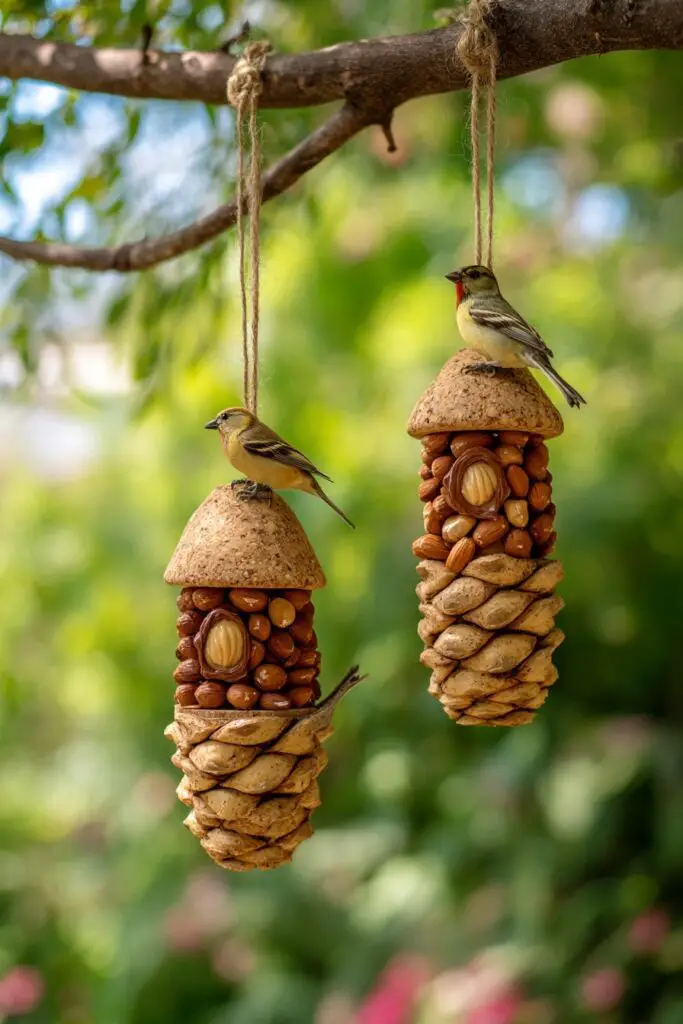
Some of the best garden projects don’t involve plants at all—but they still support a healthy, vibrant garden. DIY bird feeders are a fun and low-cost way to attract feathered visitors who help control pests naturally.
You can make simple feeders using items you already have at home. Smear peanut butter on pinecones, roll them in birdseed, and hang them from tree branches. Or repurpose empty milk jugs, mason jars, or plastic bottles into creative feeders with just a bit of string or wire.
Welcoming birds into your garden boosts biodiversity and keeps things lively, especially when your plants are still waking up from winter. Kids love this project too—it’s a great opportunity to teach them about wildlife and eco-friendly gardening. And watching birds flit around your yard is a daily joy that makes your outdoor space feel even more alive.
5. Refresh Pathways with Gravel or Mulch
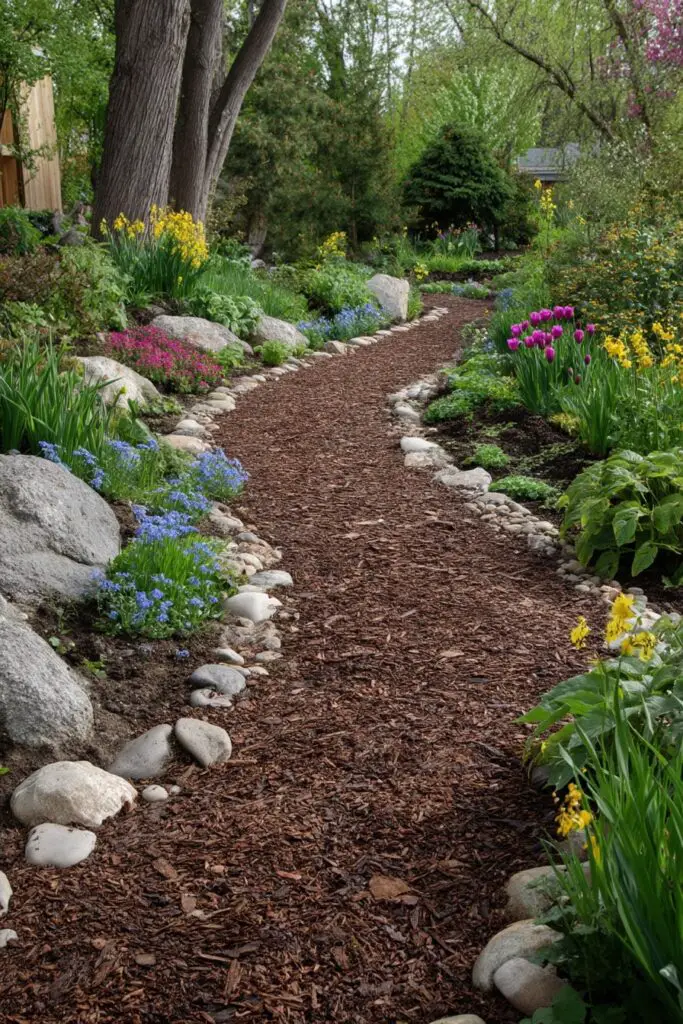
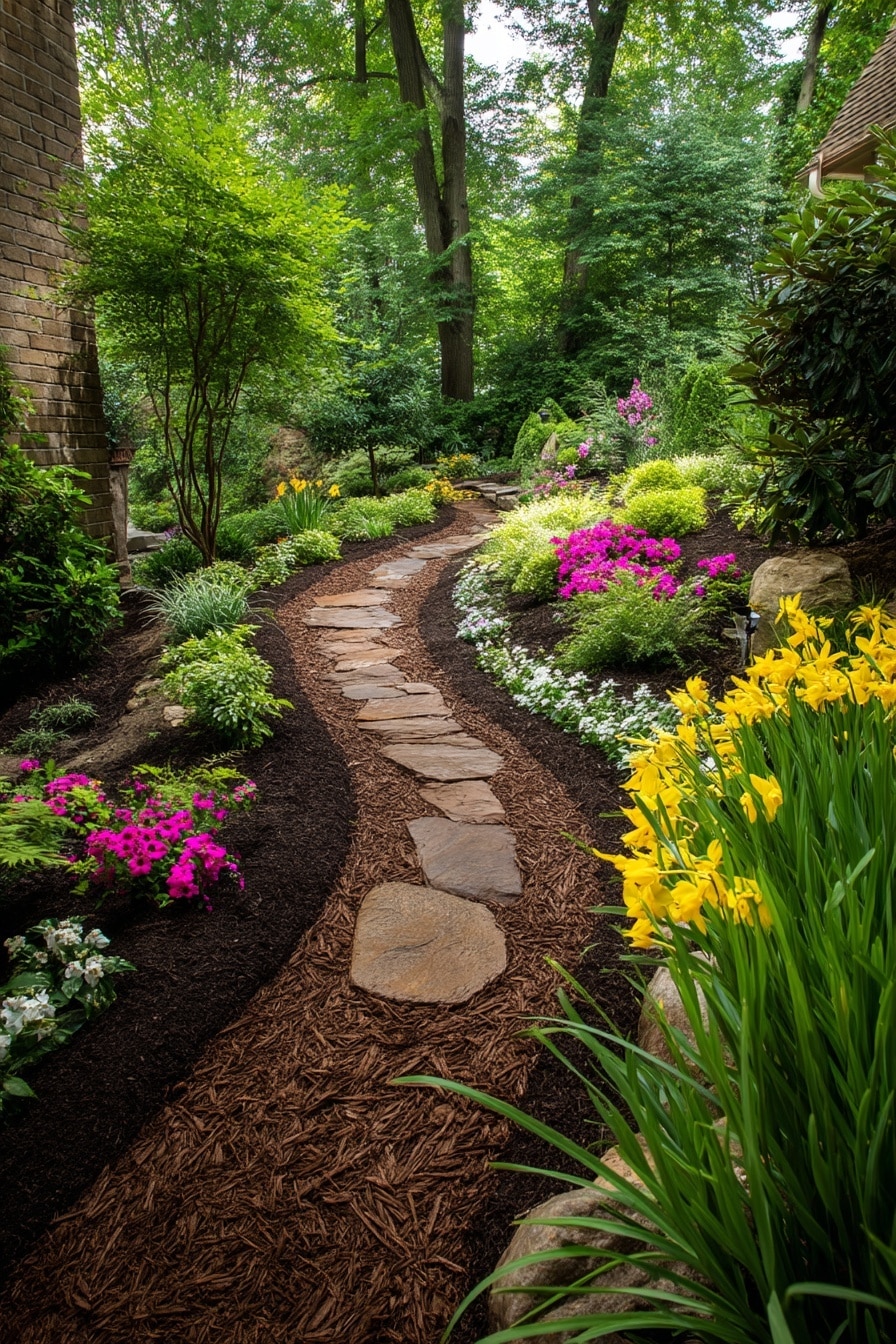
Clean, defined pathways can transform your entire yard, making it look polished without a big investment. As far as garden projects go, refreshing your walkways is one of the easiest ways to improve function and curb appeal in just a few hours.
Start by clearing away weeds or debris from your existing paths. Then, add a fresh layer of mulch, pea gravel, or crushed stone—materials that are both affordable and easy to source in bulk. Not only do they help with drainage and weed suppression, but they also keep muddy shoes at bay when spring rains arrive.
This simple upgrade ties your garden layout together and invites visitors to explore without stepping on your plants. Choose natural tones for a clean, cohesive look, or go bold with decorative stepping stones if you want a pop of personality.
6. Install Vertical Planters
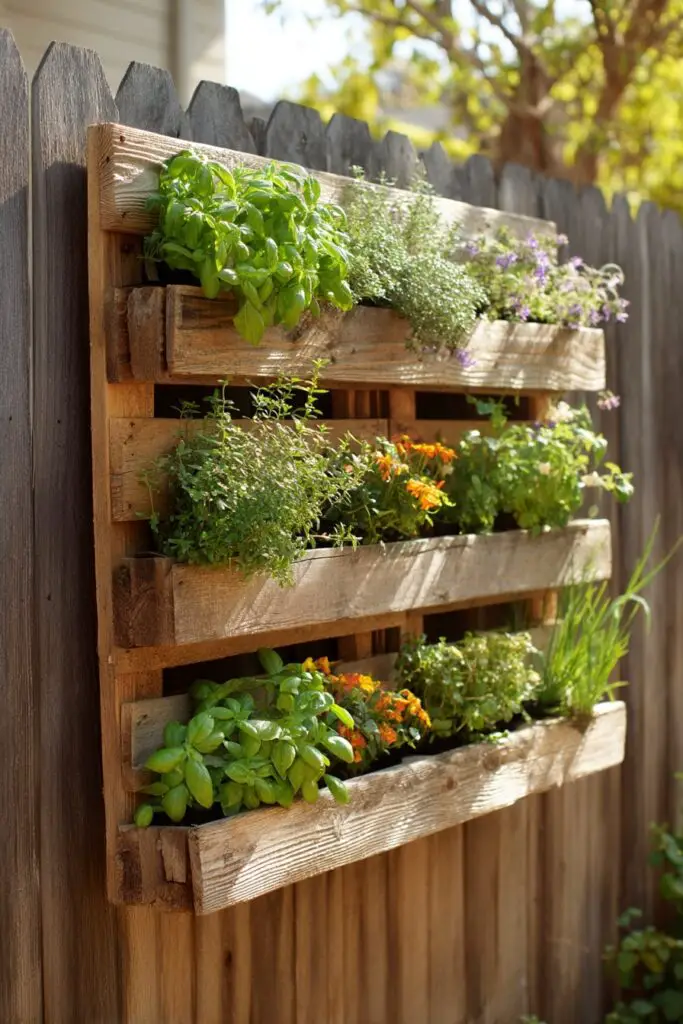
Short on space? Vertical gardening is one of the most efficient garden projects you can try—especially if you’re working with a small patio, balcony, or side yard. By going up instead of out, you can grow herbs, flowers, and even leafy greens without sacrificing valuable ground space.
Get creative with materials: repurpose an old wooden pallet, hang fabric shoe organizers, or mount wall planters to a fence or shed. Just make sure there’s good drainage and plenty of sunlight. Vertical planters aren’t just practical—they can also serve as living walls that bring depth, color, and charm to otherwise unused spaces.
They’re ideal for renters or urban gardeners and are easy to rearrange as the season changes. Best of all, vertical planters put your plants right at eye level, making care and harvesting a breeze.
7. Compost Kitchen Scraps
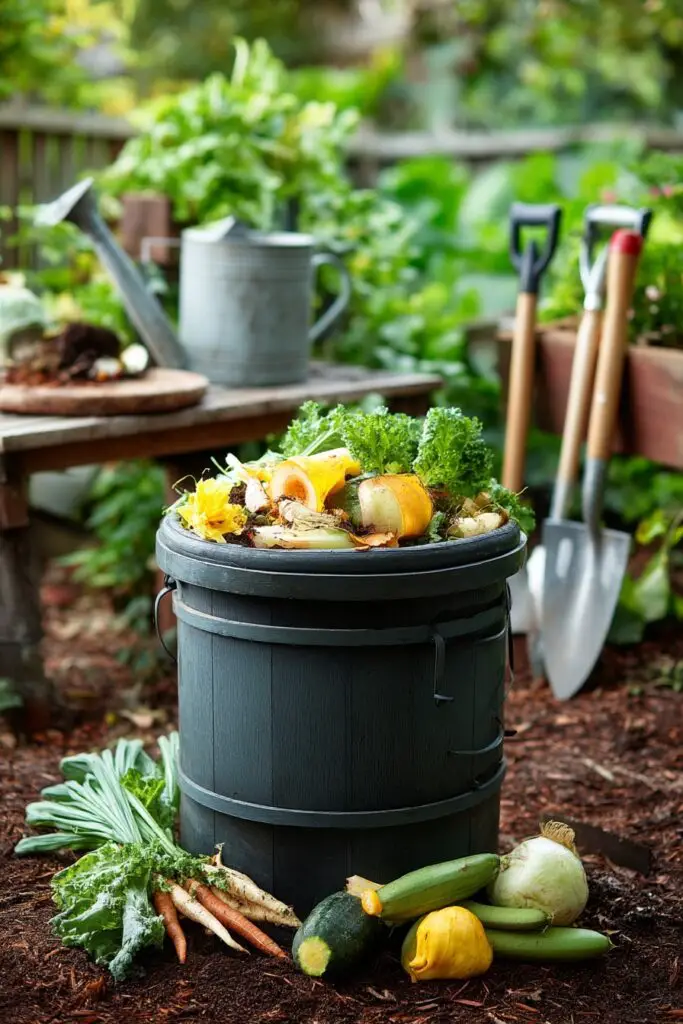
If you’re looking for sustainable garden projects that save money and nourish your soil, composting is a must. Instead of tossing out food waste, turn it into rich, organic matter that feeds your garden naturally.
You don’t need a fancy setup—just a basic bin or even a sturdy bucket with a lid will do. Collect vegetable peels, coffee grounds, eggshells, and other plant-based scraps. Avoid meat or dairy, which can attract pests. Add a mix of “greens” (fresh scraps) and “browns” (dried leaves, paper, or cardboard), and stir it occasionally to help it break down.
Over time, this humble pile becomes garden gold. Compost improves soil texture, retains moisture, and encourages beneficial microbes. It’s one of the most impactful garden practices you can adopt—and it starts right in your kitchen.
8. Add Decorative Stones or Garden Art
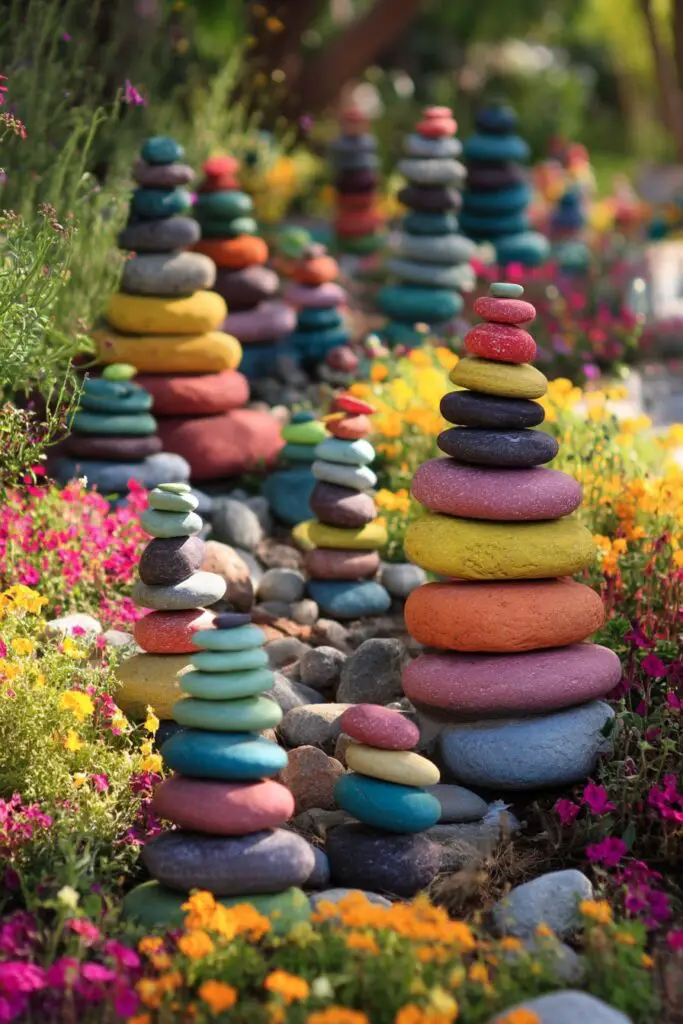
Not every garden upgrade needs to involve digging or planting. Some garden projects are purely about adding charm and personality—and decorative elements are an easy way to do just that on a tight budget.
Consider placing smooth river rocks along pathways, tucking painted stones into flower beds, or creating simple sculptures from found materials. Old watering cans, ceramic pots, or thrifted items can be turned into quirky garden art with just a bit of creativity.
These touches draw the eye, highlight specific areas, and make your space feel personal and welcoming. Plus, garden art doesn’t require maintenance—it offers beauty year-round. Whether you’re going for whimsical, rustic, or modern, small details like these help turn a basic yard into a one-of-a-kind garden sanctuary.
9. Create a Pollinator-Friendly Corner
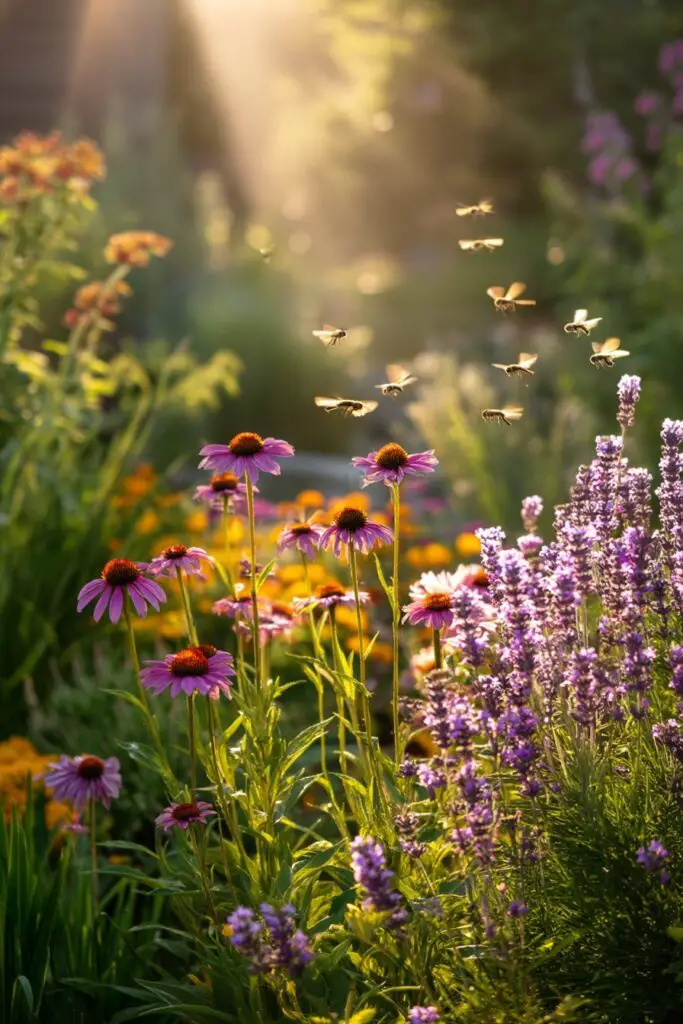
One of the most meaningful garden projects you can take on is creating a space that supports bees, butterflies, and other essential pollinators. These creatures play a vital role in plant health and crop yields, and your garden becomes more vibrant when they feel at home.
Start by planting pollinator-friendly flowers such as lavender, echinacea, milkweed, and early-blooming wildflowers. Group them together in a sunny spot, and avoid using chemical pesticides or herbicides, which can harm beneficial insects.
If you’re working with limited space or still facing frosty nights, begin your pollinator patch in containers indoors. As the weather warms, transplant them outdoors to create a dedicated corner that hums with life. Even a small patch can make a big difference—for your garden and the environment.
10. Prepare Cold Frames for Early Planting
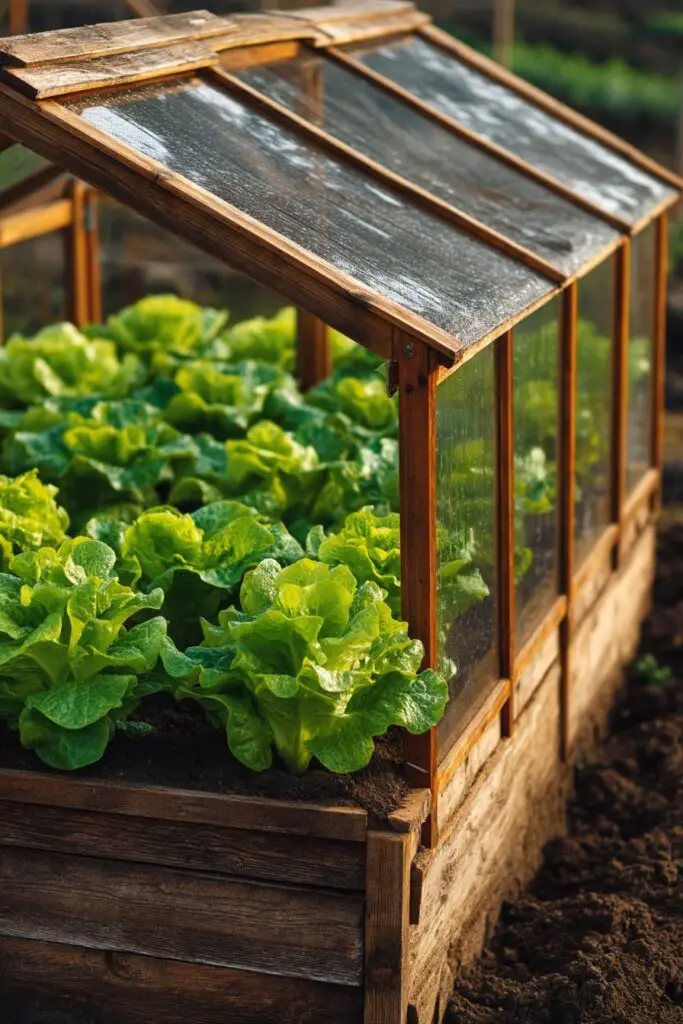
Cold frames are one of the smartest garden projects for extending your growing season. These simple structures act like mini greenhouses, trapping warmth from the sun and shielding tender seedlings from late winter chill.
You can build a cold frame using scrap wood, old windows, or even clear plastic storage bins. Just make sure the lid lets in light and can be propped open on warmer days to allow airflow. Inside, you can plant cool-season crops like spinach, lettuce, radishes, and kale weeks before they’d normally survive outdoors.
Cold frames give you a jumpstart on harvesting while protecting your hard work from frost. They’re also great for hardening off seedlings that started indoors. With just a bit of effort, you’ll be ahead of the season—and maybe even ahead of your neighbors’ gardens too.
Conclusion
Getting a head start on your garden projects before spring arrives doesn’t require a big budget—just a little time, creativity, and willingness to get your hands dirty. Whether you’re planting herbs in containers, building raised beds, or crafting a pollinator haven, each of these ten ideas adds beauty and purpose to your outdoor space.
The earlier you begin, the more time your garden has to grow and thrive. These projects not only enhance your landscape but also make gardening more enjoyable and sustainable. Choose one to try this weekend—or go all in and tackle the full list. Your spring garden will thank you.