
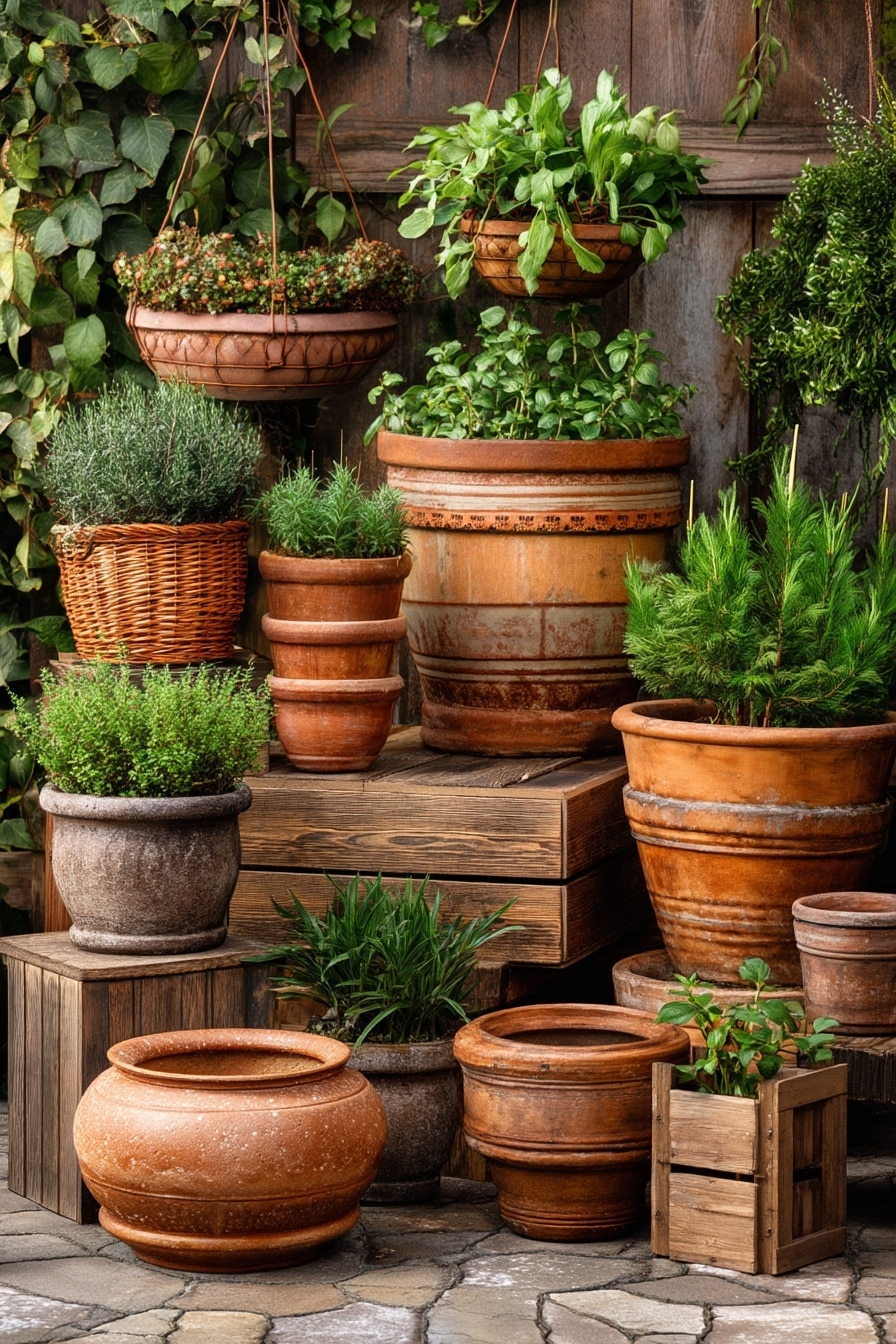
Container gardening is a flexible way to grow plants, fruits, vegetables, and herbs in pots, boxes, or other containers instead of planting them directly in the ground. Whether you live in an apartment without outdoor space or simply want to bring greenery onto a balcony or patio, container gardening makes growing plants possible almost anywhere. With the right containers, soil, and plant choices, anyone can set up a productive, attractive garden without the need for a traditional yard.
Table of Contents
What Is Container Gardening?

Container gardening is the practice of growing plants in containers instead of planting them directly in the ground. These containers can range from traditional pots and planters to raised boxes, hanging baskets, and even repurposed household items with proper drainage.
Unlike in-ground gardening, container gardening allows you to control soil quality, placement, and growing conditions more precisely. This makes it ideal for small spaces, urban homes, and areas with poor native soil.
How Container Gardening Works
In container gardening, plants grow in a confined environment where soil, nutrients, and moisture must be managed more carefully. Because roots cannot spread beyond the container, selecting the right size pot is essential.
A successful container gardening setup usually includes:
- A container with drainage holes
- High-quality potting mix
- Proper sunlight exposure
- Regular watering and feeding
With the right balance, container gardening can be just as productive as traditional gardening.
Benefits of Container Gardening
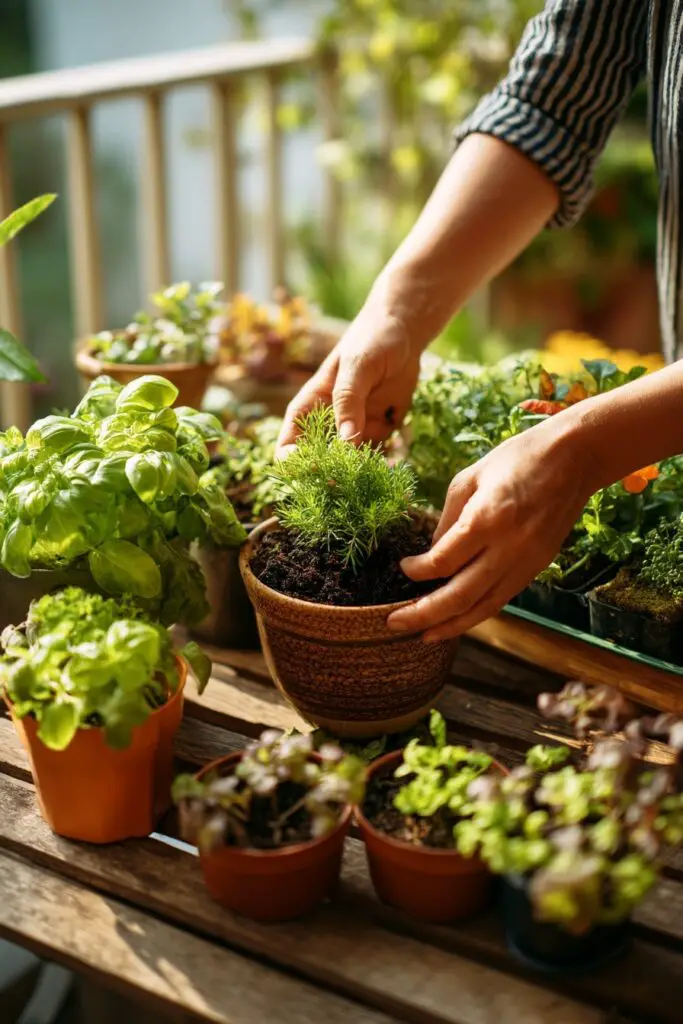
Container gardening offers several advantages, especially for gardeners working with limited space or challenging soil conditions. Its flexibility makes it one of the most practical growing methods for modern homes.
Perfect for Small Spaces
One of the biggest benefits of container gardening is that it fits almost anywhere. Balconies, patios, rooftops, and even sunny windowsills can support healthy plants.
You don’t need a large yard to enjoy gardening. With container gardening, you can grow herbs, flowers, or vegetables in compact areas while keeping your space organized.
Better Control Over Soil and Drainage
When you practice container gardening, you control the soil mix entirely. This is helpful if your yard has heavy clay, sandy soil, or poor drainage.
Because you’re using potting mix instead of native soil, you can create the ideal environment for each plant type. This often leads to healthier roots and stronger growth.
Easier Pest and Weed Management
Container gardening naturally reduces weeds because containers are filled with fresh potting mix. There’s less competition from unwanted plants compared to ground beds.
Pests can also be easier to manage since containers can be moved if problems arise. Elevating pots off the ground may also reduce certain soil-borne issues.
Mobility and Flexibility
A major advantage of container gardening is mobility. You can:
- Move plants to follow sunlight
- Protect them from heavy rain or frost
- Rearrange layouts for seasonal changes
This flexibility makes container gardening especially practical for beginners.
Types of Containers You Can Use
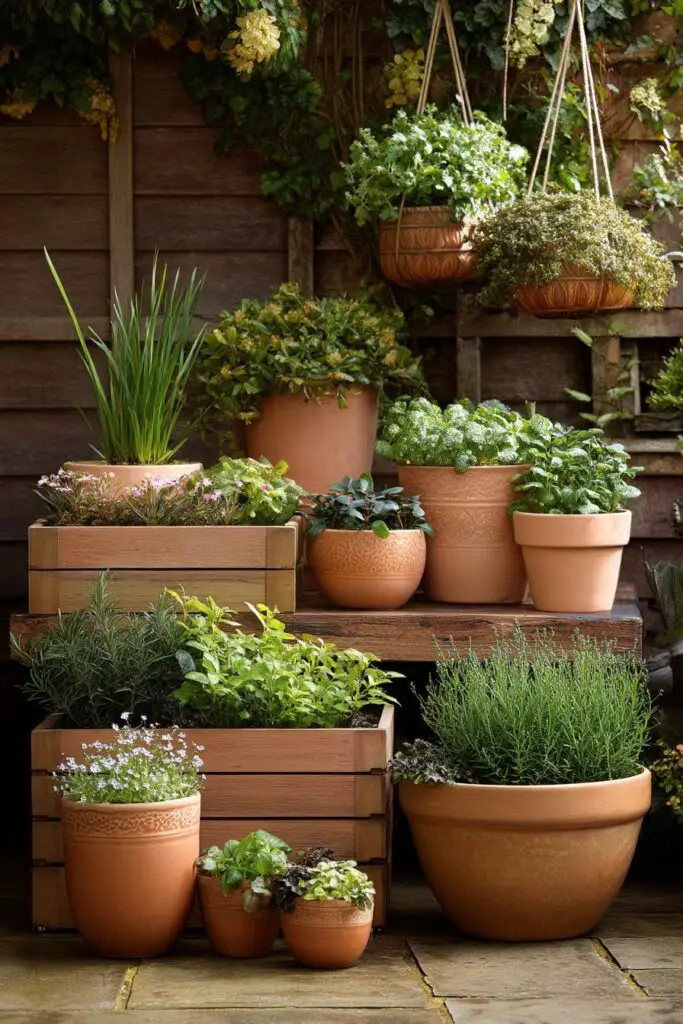
Choosing the right container plays a major role in successful container gardening. The size, material, and drainage capacity of your container directly affect plant health and maintenance needs.
Traditional Pots and Planters
Standard clay, ceramic, and plastic pots are the most common tools in container gardening. They are widely available and come in many sizes to suit different plants.
- Terracotta allows soil to dry faster, which suits drought-tolerant plants.
- Plastic pots retain moisture longer and are lightweight.
- Ceramic planters add decorative appeal but may be heavier.
No matter the material, every container gardening setup must include drainage holes to prevent root rot.
Raised Containers and Window Boxes
Raised planters and window boxes are popular in container gardening for growing herbs, flowers, and compact vegetables. They provide more root space than small pots and often create a cleaner, organized look.
These options work well on patios or along railings where space is limited but vertical interest is desired.
Hanging Baskets
Hanging baskets expand your container gardening space upward. They are ideal for trailing plants such as strawberries, petunias, or ivy.
Because hanging containers dry out faster, they require closer watering attention.
Repurposed Containers
One creative aspect of container gardening is the ability to reuse items such as buckets, wooden crates, or metal tubs. As long as drainage holes are added and the container is safe for plants, many objects can work.
Proper sizing is important. In container gardening, larger containers typically retain moisture better and reduce plant stress.
Best Plants for Container Gardening
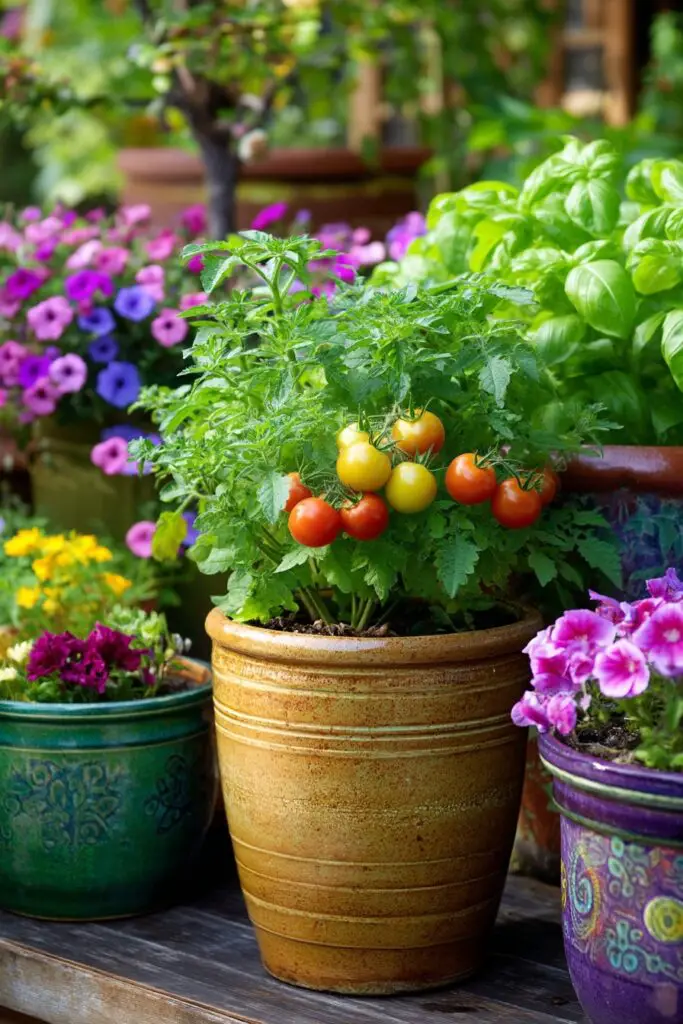
Choosing the right plants makes container gardening more productive and enjoyable. While many plants adapt well to containers, some perform better than others due to root size and growth habits.
Vegetables for Container Gardening
Many compact vegetables thrive in container gardening setups, especially when given enough sunlight and consistent watering.
Popular choices include:
- Tomatoes (especially dwarf or patio varieties)
- Peppers
- Lettuce and leafy greens
- Radishes
- Spinach
Deep containers work best for root vegetables, while shallow containers suit leafy crops.
If your website includes a guide on growing vegetables in small spaces, this is a strong internal linking opportunity.
Herbs in Container Gardening
Herbs are among the easiest plants for container gardening. They adapt well to pots and are convenient to keep near the kitchen.
Good options include:
- Basil
- Mint (best grown separately)
- Rosemary
- Thyme
- Parsley
Container gardening allows you to control soil drainage, which is especially important for Mediterranean herbs.
Flowers for Container Gardening
Flowers add color and seasonal interest to container gardening displays. Many annuals and compact perennials grow beautifully in pots.
Consider:
- Petunias
- Geraniums
- Marigolds
- Begonias
Mixing flowers with edible plants can also create attractive, functional arrangements.
Selecting plants based on sunlight exposure and container size ensures long-term success in container gardening.
Soil and Drainage in Container Gardening
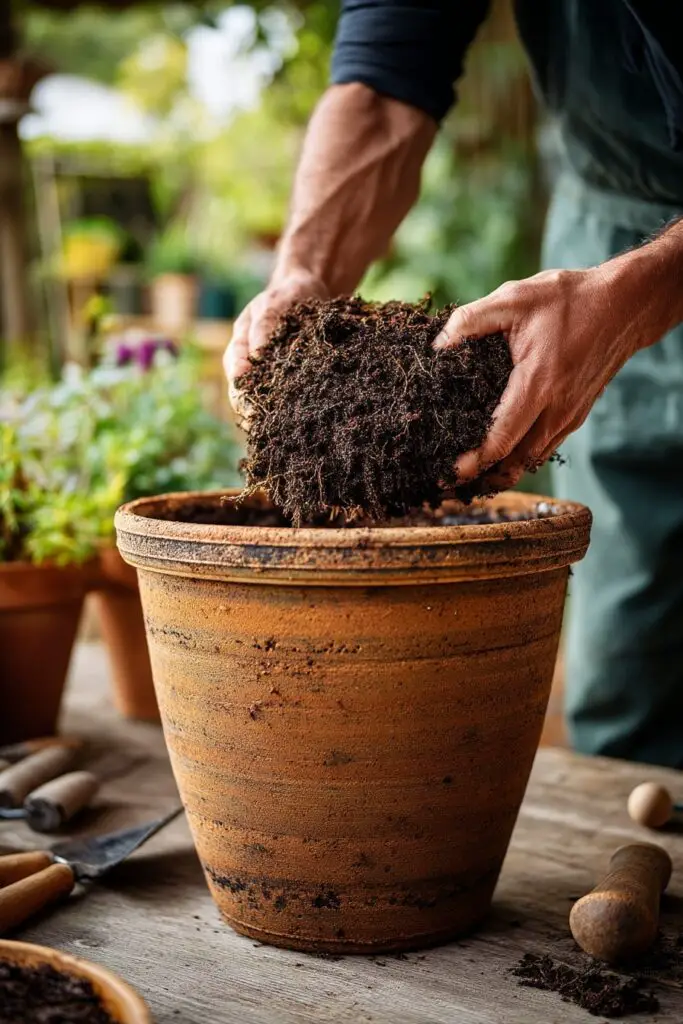
Healthy roots are the foundation of successful container gardening. Because plants grow in a confined space, soil quality and drainage matter even more than in traditional beds.
Use Potting Mix, Not Garden Soil
Regular garden soil is too dense for container gardening. It can compact easily and block airflow to roots. Instead, use a high-quality potting mix designed for containers.
A good mix should be:
- Light and well-draining
- Rich in organic matter
- Able to retain moisture without becoming soggy
This balance helps prevent root rot while keeping plants hydrated.
Importance of Drainage Holes
Every container gardening setup must include drainage holes at the bottom. Without proper drainage, excess water collects and damages roots.
If you’re using decorative containers, check that water can escape freely. You can also place a saucer underneath to protect surfaces while allowing drainage.
Managing Water Retention
Because containers dry out faster than ground soil, container gardening requires regular monitoring. Wind and heat can accelerate moisture loss.
To improve water retention:
- Choose larger containers when possible
- Add compost to your potting mix
- Apply a thin layer of mulch on top
Proper soil and drainage practices make container gardening more reliable and less stressful for plants.
Watering and Maintenance in Container Gardening
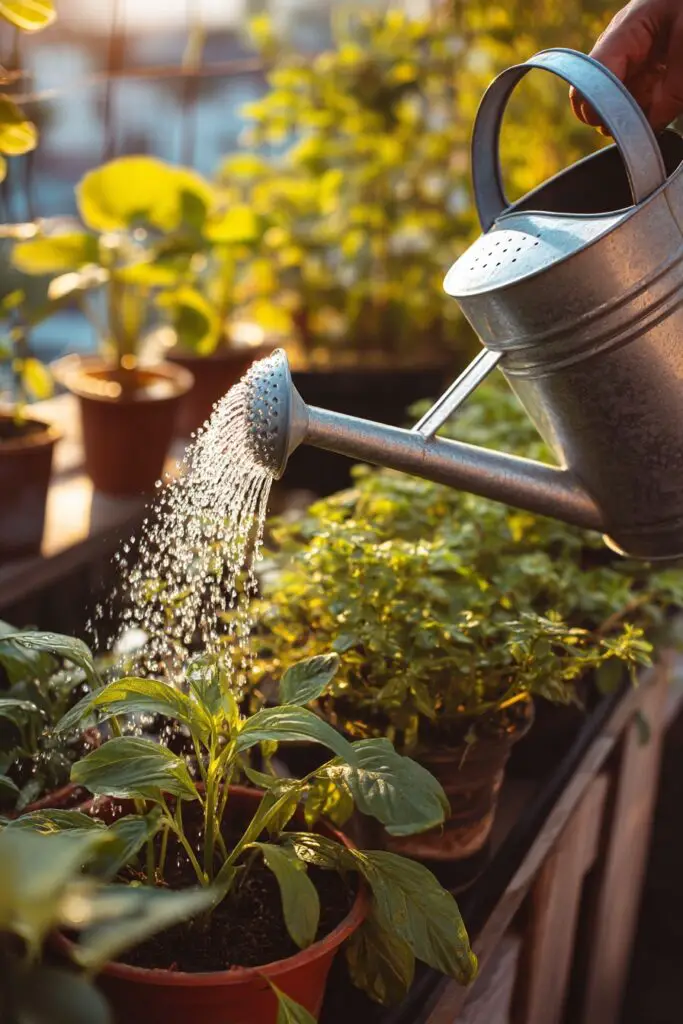
Watering is one of the most important tasks in container gardening. Because plants grow in limited soil, moisture levels change faster than in ground beds. Consistent care keeps roots healthy and growth steady.
How Often to Water
In container gardening, watering frequency depends on plant type, container size, and weather conditions. Smaller pots dry out more quickly, especially during warm or windy days.
A simple method is to check the top inch of soil. If it feels dry, it’s time to water. During peak summer heat, container gardening may require daily watering.
Water thoroughly until excess drains from the bottom. This ensures roots receive moisture evenly.
Feeding Your Plants
Nutrients wash out of containers over time. For long-term success in container gardening, regular feeding is necessary.
You can:
- Mix slow-release fertilizer into potting soil
- Apply diluted liquid fertilizer every 2–4 weeks
- Add compost during the growing season
Balanced feeding supports steady growth without overwhelming plants.
Seasonal Maintenance
Container gardening allows you to adjust your setup as seasons change.
- Move containers to maximize sunlight
- Protect plants from frost by bringing pots indoors
- Refresh potting mix annually
With attentive watering and simple maintenance habits, container gardening can remain productive throughout the growing season.
Conclusion
Container gardening is a practical and flexible way to grow plants in nearly any living space. By selecting the right containers, using quality potting mix, choosing suitable plants, and maintaining proper watering routines, you can create a thriving garden without relying on traditional ground beds. Whether you’re growing vegetables, herbs, or flowers, container gardening makes it possible to enjoy fresh greenery in both small and large spaces.