
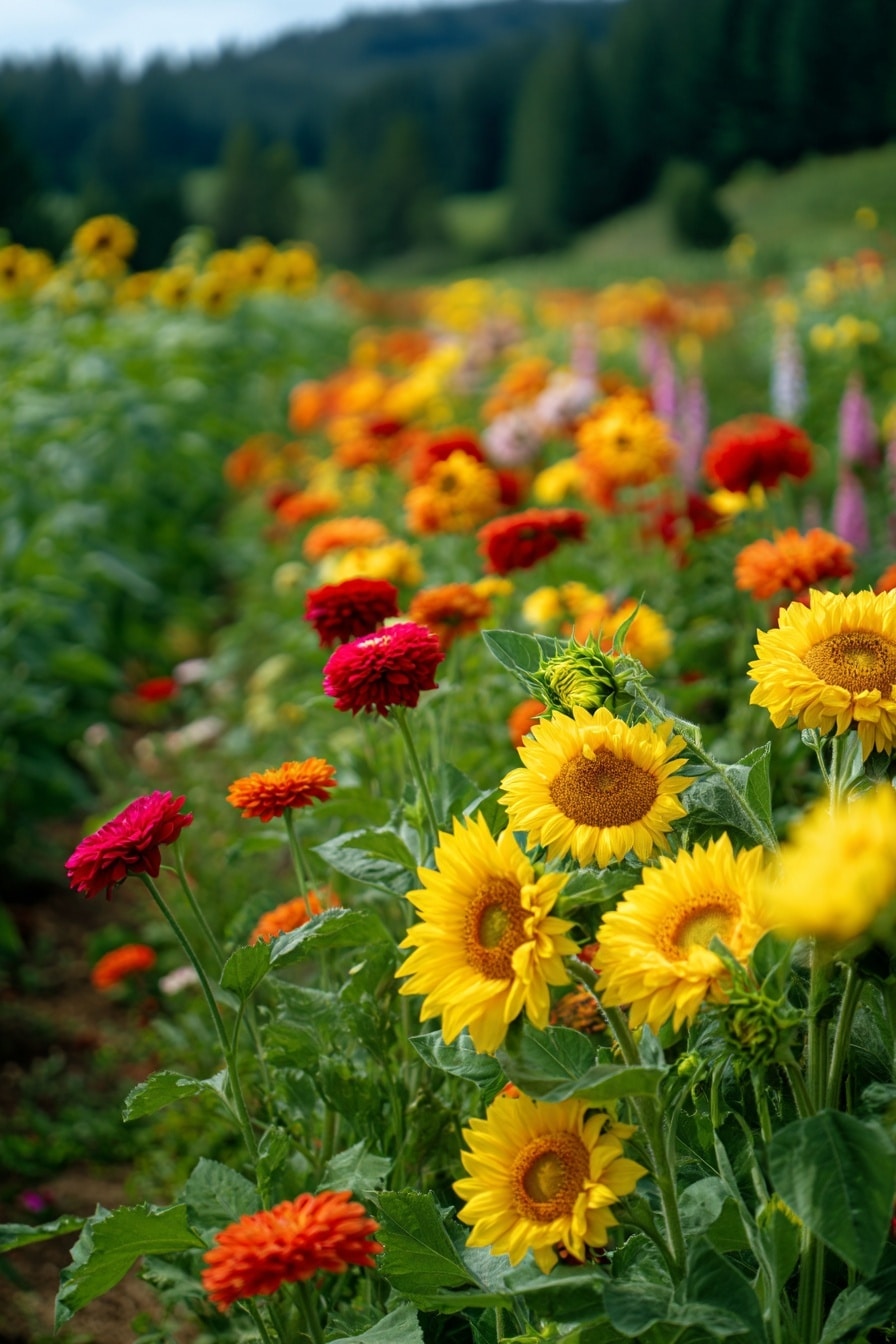
Cut flower farm operations focus on growing flowers specifically to be harvested and sold as fresh blooms, often directly to customers or local markets. Unlike traditional florist suppliers that import flowers from distant regions, a cut flower farm raises its own floral crops from seed to stem, emphasizing varieties with long stems, strong vase life, and beautiful blooms.
These farms can range from small backyard plots to larger agricultural enterprises. They are deeply tied to their local climate and soil conditions and often engage with the community through farm stands, markets, and direct sales.
Cut flower farms provide fresh, locally grown flowers that not only last longer in arrangements but also support pollinators and reduce environmental costs associated with imported blooms.
Table of Contents
How a Cut Flower Farm Operates

A cut flower farm operates differently from a typical ornamental garden. Every planting decision is made with harvesting in mind. Flower varieties are selected based on stem length, productivity, bloom timing, and vase life rather than just appearance in the landscape.
Planning begins months before seeds are planted. Farmers map out growing schedules to ensure a steady supply of blooms from early spring through fall. Succession planting is common, allowing the cut flower farm to harvest multiple waves of flowers throughout the season.
Seed Starting and Crop Planning
Most cut flower farm growers start seeds indoors during late winter. This gives young plants a head start before transplanting outdoors.
Crop planning often includes:
- Cool-season flowers for spring
- Heat-tolerant varieties for summer
- Late-season blooms for fall sales
- Filler flowers and foliage for bouquet balance
This structured approach keeps a cut flower farm productive and profitable throughout the growing season.
Harvesting at the Right Stage
Timing is critical on a cut flower farm. Flowers must be harvested at the correct stage to maximize vase life.
For example:
- Some blooms are cut in bud stage
- Others are harvested just as petals begin to open
- Foliage is selected for freshness and flexibility
Proper harvesting techniques ensure customers receive long-lasting flowers from the cut flower farm.
What Flowers Are Grown on a Cut Flower Farm?
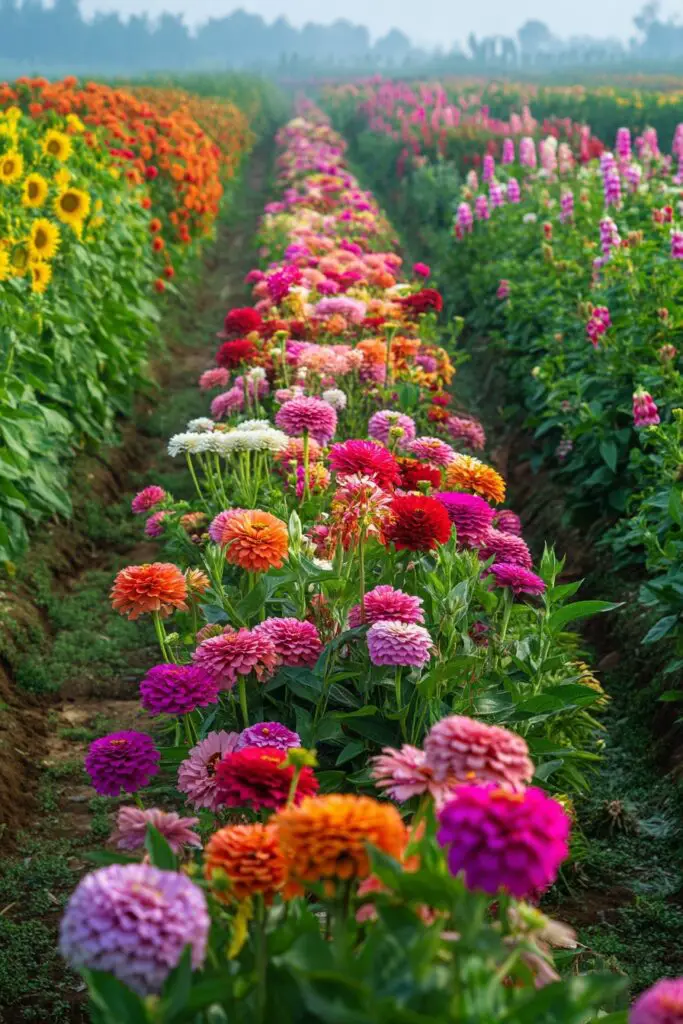
A cut flower farm focuses on varieties that perform well after harvest. Not all garden flowers are suitable for cutting. The best crops offer strong stems, repeat blooms, and reliable vase life.
Growers carefully select flowers that thrive in their local climate while also meeting customer demand. Seasonality plays a major role in planning.
Popular Spring Flowers
Early-season blooms help a cut flower farm start generating income as soon as possible. Common spring crops include:
- Tulips
- Ranunculus
- Anemones
- Sweet peas
- Snapdragons
These flowers prefer cooler temperatures and often produce some of the most vibrant colors of the year.
Summer Production Favorites
Summer is peak season for most cut flower farm operations. Heat-loving plants thrive and produce in abundance.
Popular summer flowers include:
- Zinnias
- Sunflowers
- Cosmos
- Dahlias
- Lisianthus
Many of these varieties continue blooming with regular harvesting, making them ideal for bouquet production.
Foliage and Fillers
A successful cut flower farm grows more than focal flowers. Greenery and texture are essential for balanced arrangements.
Examples include:
- Eucalyptus
- Amaranth
- Dusty miller
- Ornamental grasses
By combining focal blooms with fillers, a cut flower farm creates full, layered bouquets customers love.
Where Are Cut Flower Farms Located?
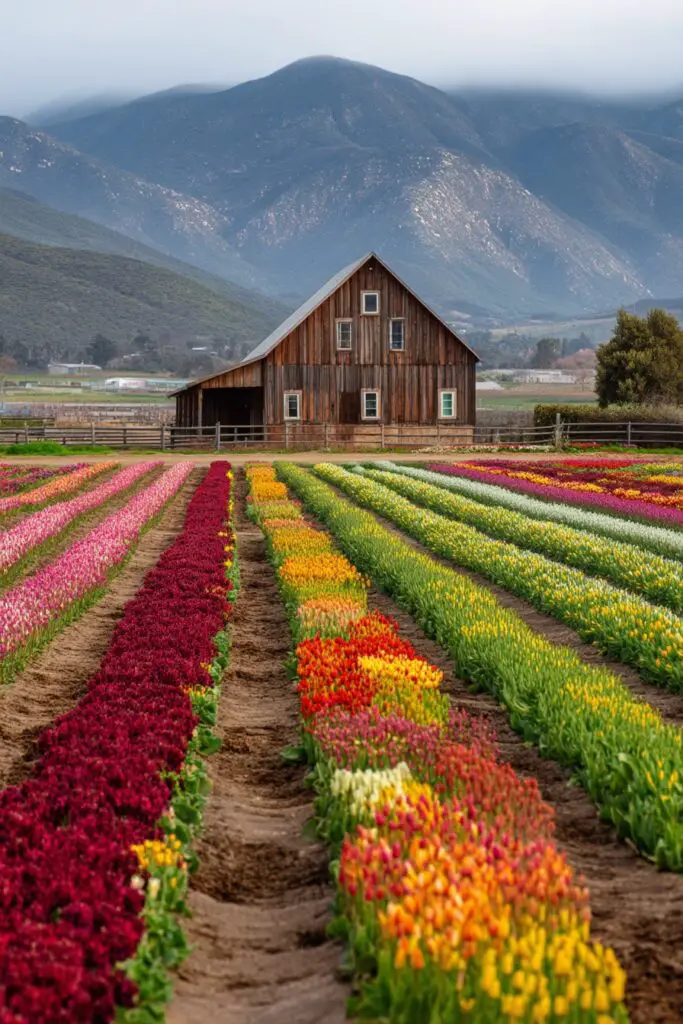
A cut flower farm can operate in many different settings. While some farms span several acres, others thrive on small plots of land, including suburban backyards and rural homesteads.
Location often depends on climate, soil quality, and access to customers. Since fresh blooms are perishable, proximity to local markets plays an important role in a cut flower farm’s success.
Rural Farms
Many cut flower farm operations are located in rural areas where land is more affordable and space allows for expansion.
These farms may sell through:
- Farmers markets
- Community-supported agriculture (CSA) programs
- Local florists
- On-farm stands
Rural settings also allow growers to scale production and experiment with diverse crops.
Urban and Suburban Farms
Not every cut flower farm requires vast acreage. Small-scale growers often operate in suburban neighborhoods or urban environments.
Backyard flower farming has become increasingly popular. With efficient bed systems and intensive planting, even a small property can support a productive cut flower farm.
Close proximity to customers allows urban growers to offer same-day harvest freshness.
Who Buys From a Cut Flower Farm?
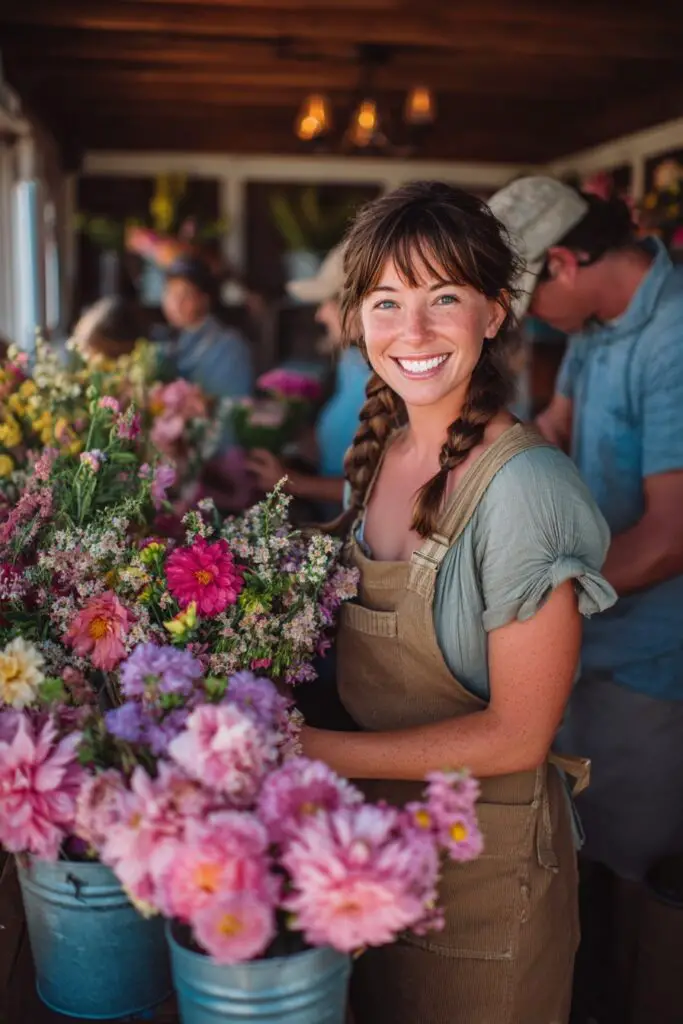
A cut flower farm serves a wide range of customers who value fresh, locally grown blooms. Unlike large wholesalers, these farms often build direct relationships with buyers.
Understanding the target market helps a cut flower farm plan production and pricing more effectively.
Local Florists
Many florists prefer working with a cut flower farm for unique varieties and superior freshness. Locally grown flowers often last longer than imported stems.
Florists may request specific colors or specialty blooms for weddings and events.
Farmers Market Customers
Direct-to-consumer sales are common for a cut flower farm. Shoppers at farmers markets appreciate seasonal bouquets and the opportunity to meet the grower.
These customers often return weekly during peak season.
Event Planners and Brides
Weddings and special events provide steady demand for a cut flower farm. Seasonal, locally sourced flowers are increasingly popular for eco-conscious celebrations.
Some farms also offer “DIY buckets” for customers who want to arrange their own event flowers.
Why Start a Cut Flower Farm?
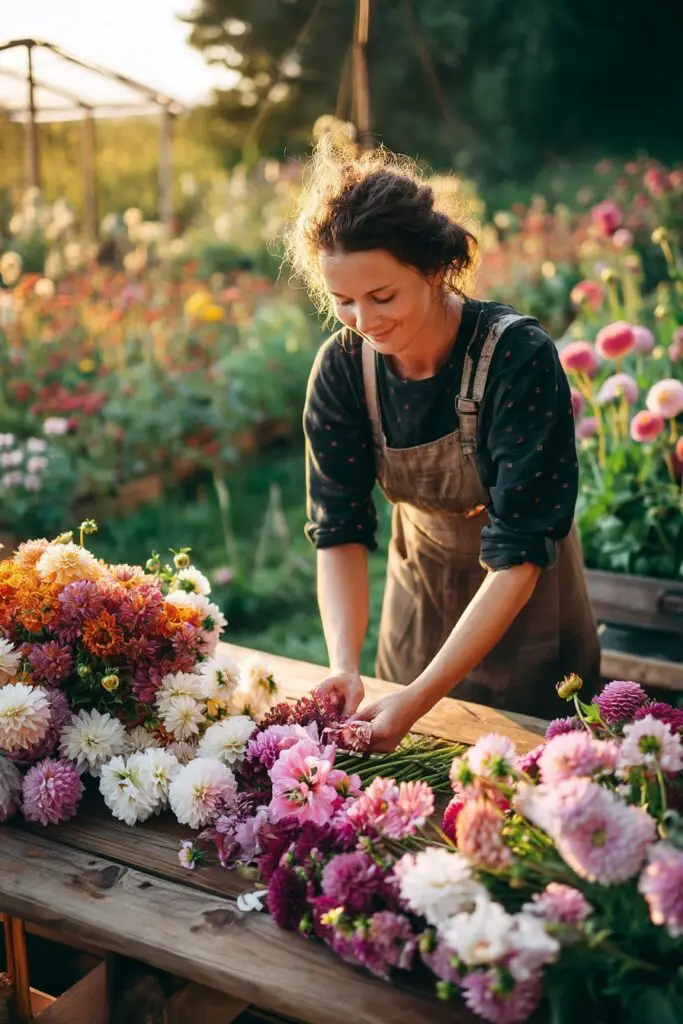
Starting a cut flower farm appeals to many gardeners who want to turn their passion into income. Flowers are high-value crops, and even a small growing area can produce steady returns when managed efficiently.
Unlike large-scale commodity farming, a cut flower farm often operates on direct sales, allowing growers to set fair prices and build personal connections with customers.
Benefits of a Cut Flower Farm
Some of the most common advantages include:
- Lower startup costs compared to many agricultural ventures
- Flexible scale, from backyard plots to multi-acre farms
- Strong community engagement
- Seasonal income opportunities
Challenges to Consider
Running a cut flower farm also requires hard work and organization. Growers must manage:
- Seasonal weather risks
- Pest and disease control
- Labor-intensive harvesting
- Consistent marketing and sales
Success depends on planning, crop timing, and understanding local demand.
Conclusion
A cut flower farm is more than just a place where flowers grow. It is a carefully planned operation focused on producing fresh, high-quality blooms for local customers. From seed starting and crop scheduling to harvesting and direct sales, every step is designed to deliver flowers at their peak.
Whether operated on rural acreage or in a suburban backyard, a cut flower farm connects communities with seasonal beauty while supporting sustainable, local agriculture.