
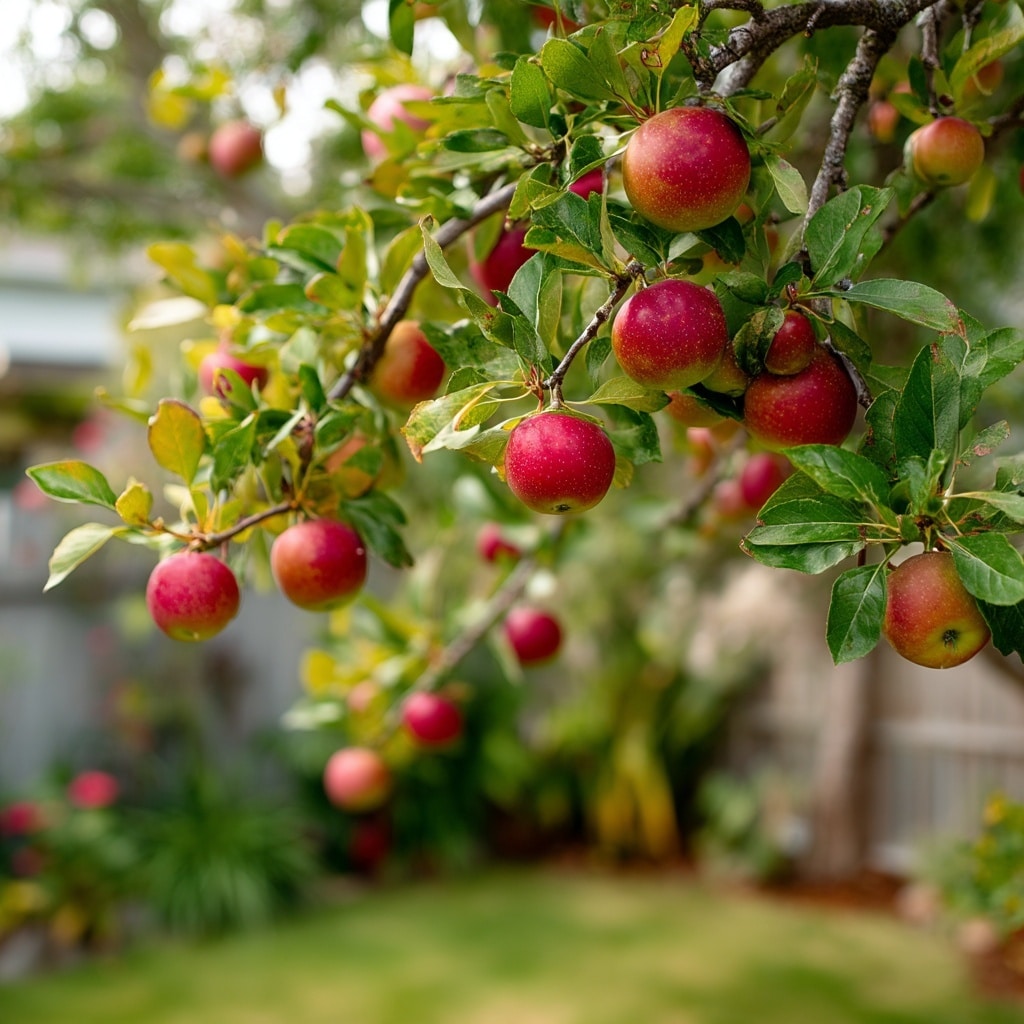
Growing fruit trees in your own backyard is one of the most rewarding ways to enjoy fresh, homegrown produce—without a trip to the store. If you’re just getting started, the idea of planting and caring for a fruit tree might feel overwhelming. But the truth is, some fruit trees are surprisingly beginner-friendly. With the right choice, even first-time gardeners can enjoy juicy harvests in just a few seasons.
In this guide, we’ll walk through five of the best fruit trees to grow at home if you’re a beginner. But before planting, it’s important to understand what makes a fruit tree suitable for new growers.
Table of Contents
What Makes a Fruit Tree Good for Beginners?

Not all fruit trees are created equal—especially when it comes to how much work they require. As a beginner, the goal is to choose a tree that gives you a high chance of success without demanding expert-level gardening skills. Here are the top three qualities that make a fruit tree ideal for first-time growers:
🌿 Low Maintenance Requirements
The best beginner fruit trees are those that don’t need constant supervision. If you’re not ready to prune weekly or battle bugs daily, look for varieties that naturally grow well without frequent intervention. Low-maintenance trees are less fussy about watering, tolerate a range of soil conditions, and don’t require advanced pruning techniques.
🛡️ Resistance to Pests and Diseases
Some fruit trees are more vulnerable to common diseases or pest problems—think fungal infections, aphids, or borers. When you’re just starting out, it’s best to go with varieties known for their natural resistance. Hardy trees are more likely to thrive without intensive treatments or chemical sprays, making your gardening journey smoother (and more organic).
🌦️ Climate Compatibility
It might be tempting to grow tropical fruits like mangoes or citrus if you live in a colder region, but climate mismatch is one of the most common reasons beginners struggle. A beginner-friendly fruit tree should match your USDA hardiness zone and be able to handle your region’s typical weather. Doing a little climate homework can save you years of disappointment and failed harvests.
Top 5 Easy-To-Grow Fruit Trees for Beginners
1. Pear Trees
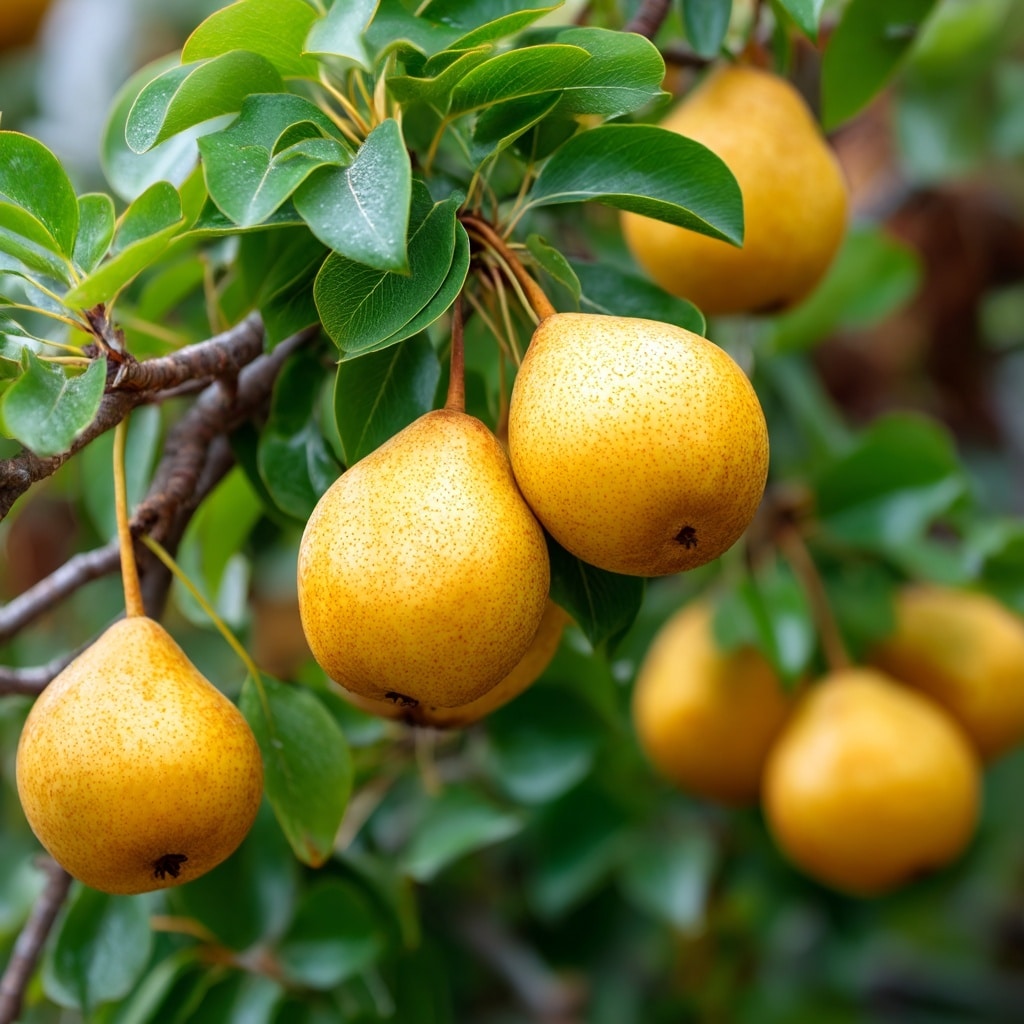
Pear trees are widely considered one of the best fruit trees for beginners—and for good reason. Certain varieties, especially Asian pears, are incredibly low-maintenance and produce generous harvests with minimal effort.
- Why they’re beginner-friendly:
Pear trees tend to be more disease-resistant than other fruit trees, particularly against issues like fire blight. Some varieties are even self-fertile, meaning you only need one tree to produce fruit—ideal for small yards or those just starting out. - Care tips:
Plant in well-draining soil with plenty of sun. Prune lightly in winter to maintain shape and airflow. - Bonus:
Pear trees grow in a wide range of climates and are less prone to pest issues than apples or peaches.
2. Plum Trees
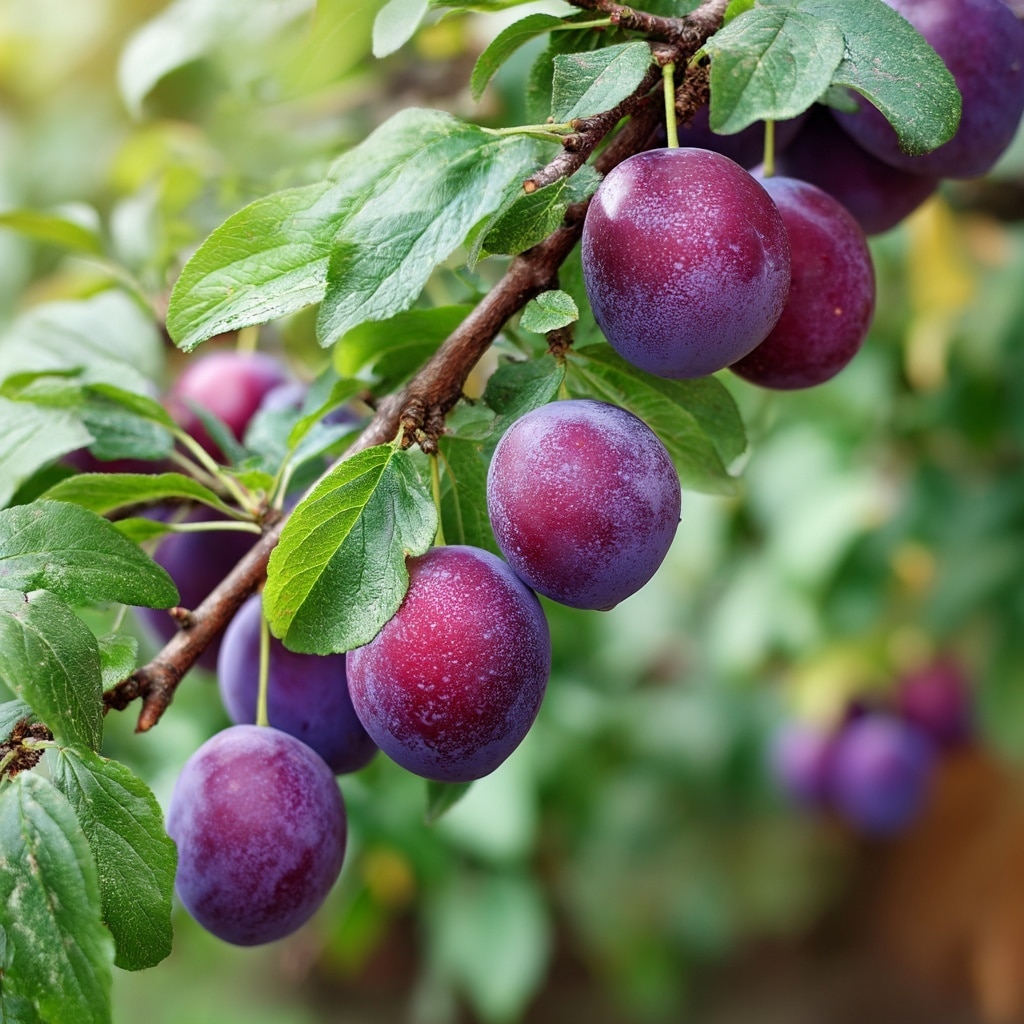
Plum trees are another great pick for beginners due to their adaptability and overall hardiness. Whether you live in a warm or cool climate, there’s likely a plum variety that will thrive in your garden.
- Why they’re beginner-friendly:
Many European plum varieties are self-fertile, while American plums are even hardier (though they usually need cross-pollination). Once established, plum trees are tough and productive. - Care tips:
Choose a spot with full sun and well-drained soil. Avoid heavy clay and ensure good air circulation to prevent fungal issues. - Watch for:
Make sure the planting area doesn’t get waterlogged—plums don’t like soggy roots.
3.Cherry Trees
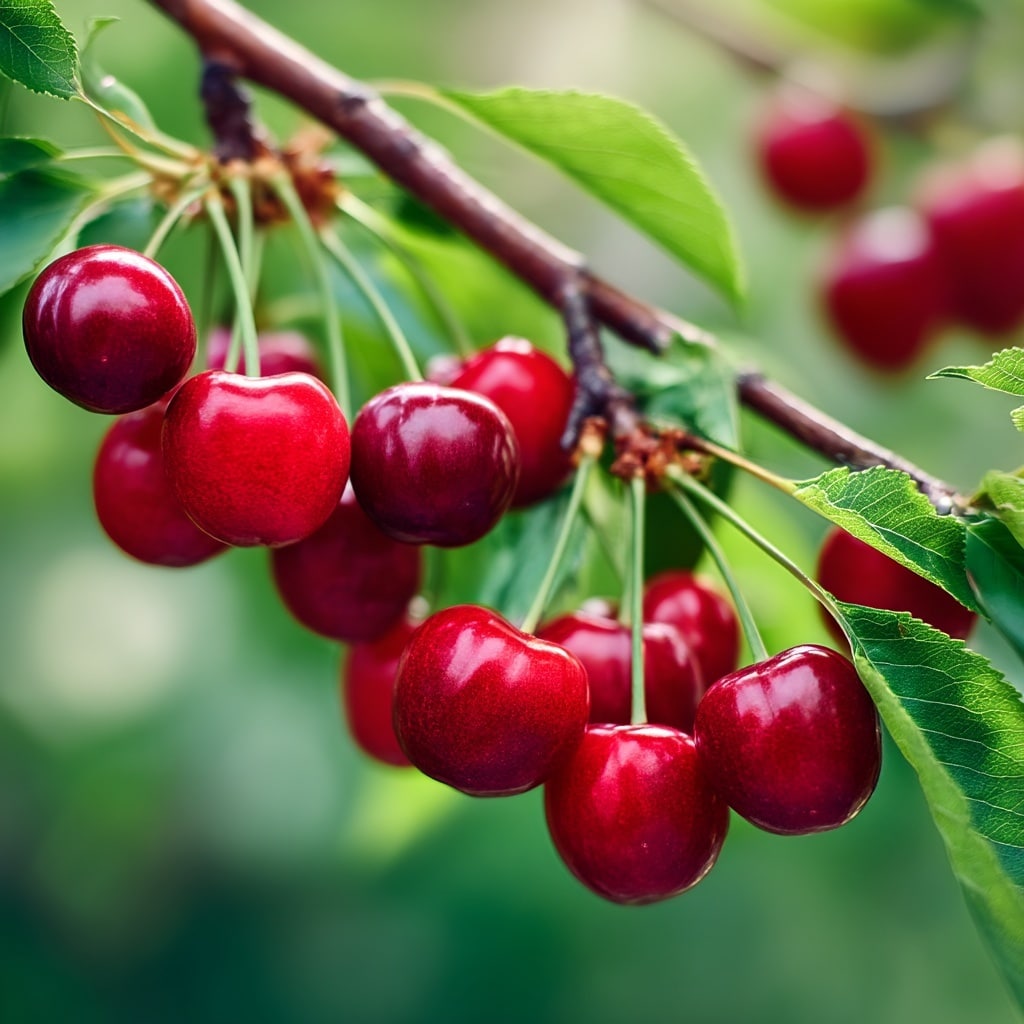
Cherry trees offer a beautiful blend of edible fruit and ornamental charm, making them a favorite among new gardeners. With proper selection, they’re surprisingly easy to manage—even for first-timers.
- Why they’re beginner-friendly:
Many sour cherry varieties (like Montmorency) are self-fertile and more cold-hardy than sweet cherries. They require minimal pruning and produce fruit even with limited attention. While sweet cherries often need a pollination partner, they reward growers with juicy, fresh eating fruit. - Care tips:
Plant in full sun with well-drained soil. Use mulch to retain moisture and control weeds. Prune lightly each year to keep air flowing through the canopy. - Bonus:
Cherry trees bloom beautifully in spring, adding a pop of color to your landscape before the harvest begins.
4. Fig Trees
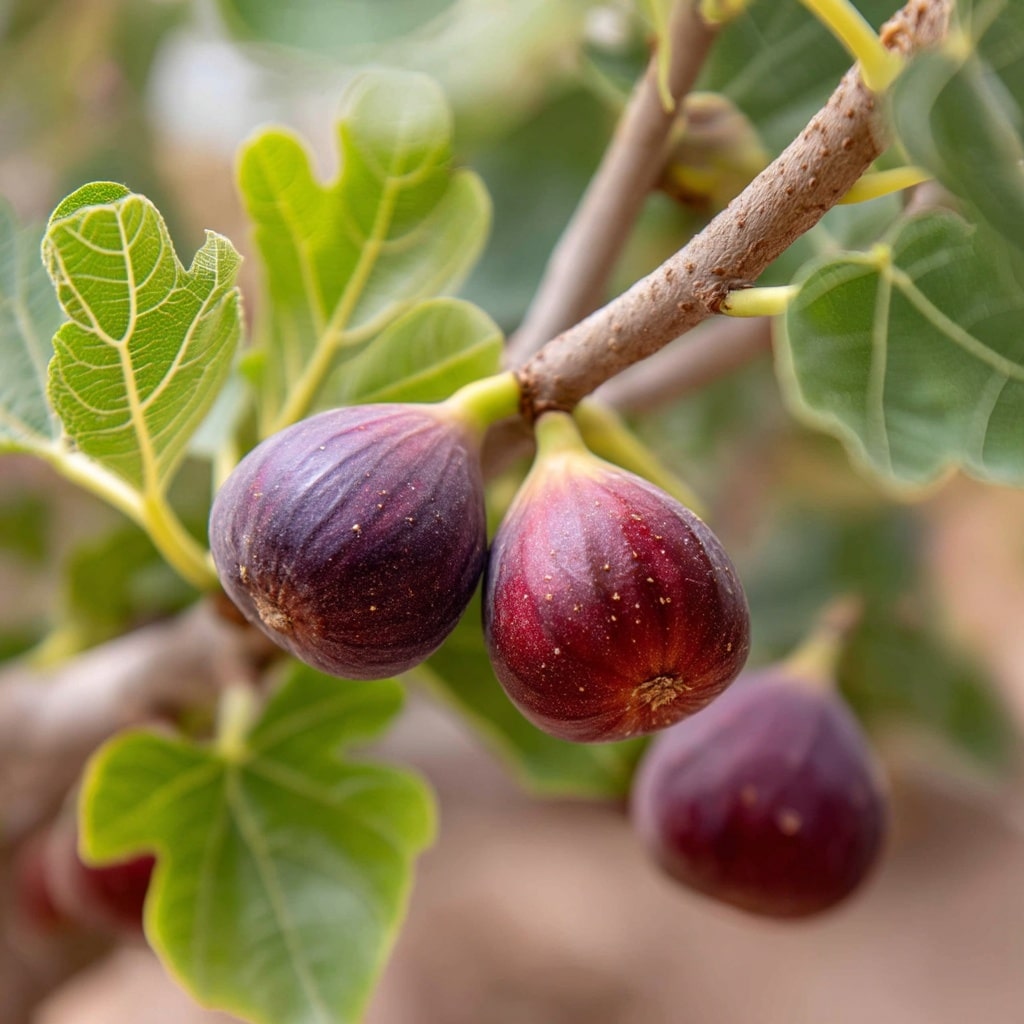
If you want fast-growing fruit trees with a unique, tropical twist—figs are a top contender. They’re forgiving, resilient, and require very little upkeep.
- Why they’re beginner-friendly:
Common fig trees (like ‘Brown Turkey’ or ‘Celeste’) are self-pollinating and thrive in both warm and arid climates. They’re also one of the few fruit trees that are naturally resistant to many pests and diseases. - Care tips:
Figs love full sun and need well-drained soil. In colder regions, they can be grown in containers and brought indoors during winter. - Bonus:
They grow quickly and can produce fruit within one to two years—faster than most trees.
5. Apple Trees
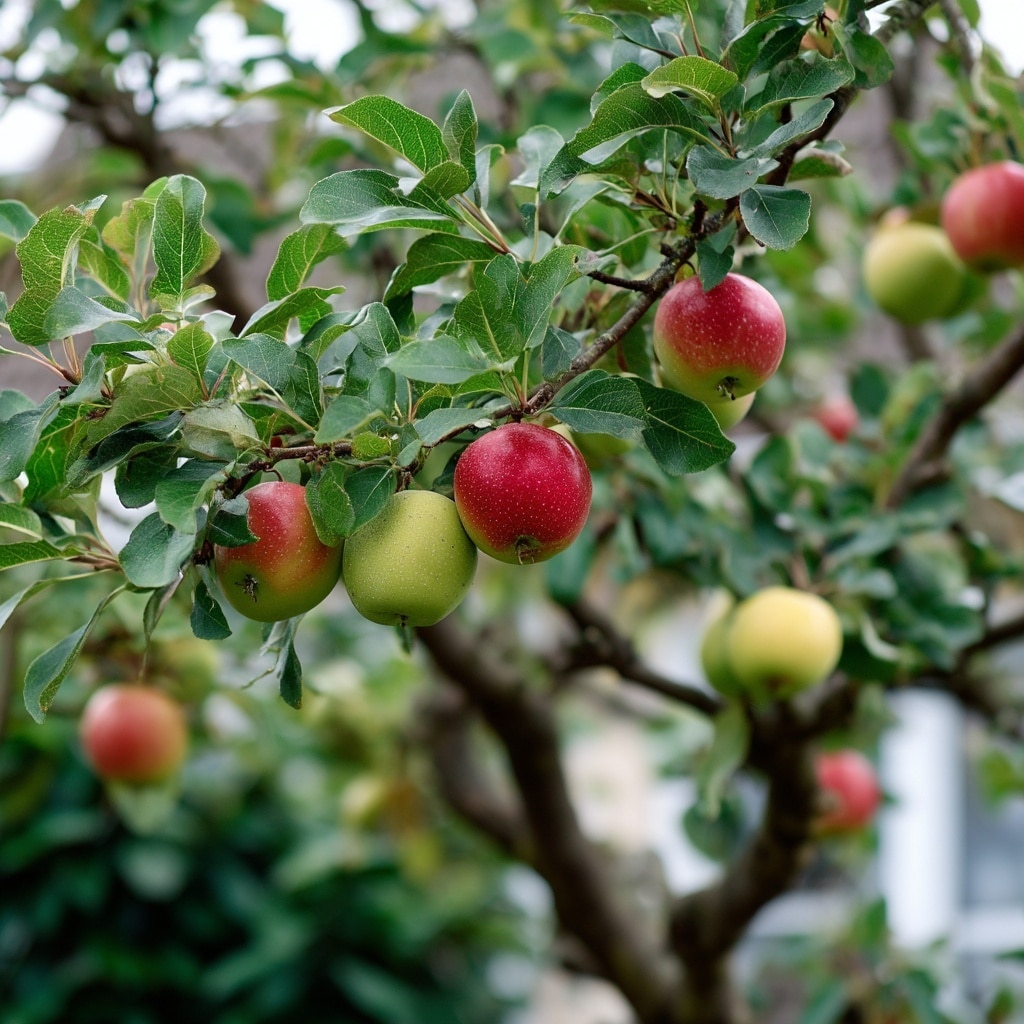
Apples are classic backyard fruit trees, and thanks to a wide range of varieties, they can be tailored to almost any climate or taste preference.
- Why they’re beginner-friendly:
Some varieties like Golden Delicious are self-fertile, but planting two different types can boost yields. Apple trees are widely available, making it easy to find disease-resistant strains ideal for your region. - Care tips:
Apple trees prefer full sun and rich, well-drained soil. Annual pruning encourages healthier growth and better fruit production. - Watch for:
Choose disease-resistant varieties if you want to avoid spraying, especially for issues like apple scab or cedar-apple rust.
Final Thoughts: Start Small, Grow Confidently
Starting your gardening journey with fruit trees doesn’t have to be overwhelming. By choosing beginner-friendly varieties like pear, plum, cherry, fig, and apple trees, you’re setting yourself up for success—and sweet rewards. Each of these trees offers a balance of low maintenance, resilience, and delicious results, making them perfect for first-time growers who want to enjoy fresh fruit without years of trial and error.
Remember, the key is to start with the right tree for your climate and space, and give it just enough care to thrive. Over time, you’ll gain confidence and skills to branch out into more advanced varieties.