
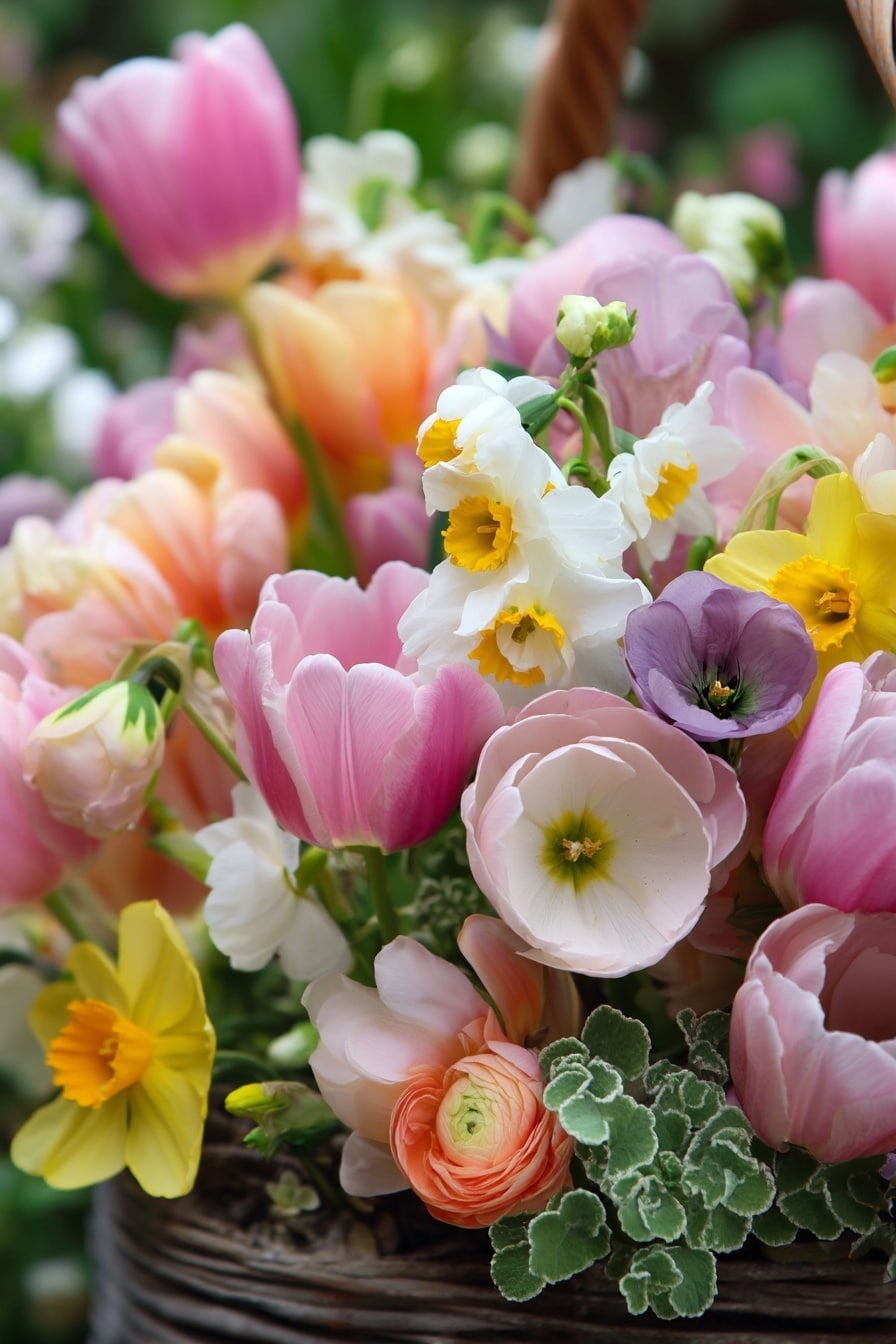
spring flower arrangements feel even more special when they’re crafted from blooms you’ve grown yourself. A home cutting garden makes it easy to gather fresh flowers for the vase all season long — while adding color, texture, and rhythm to your landscape at the same time.
Unlike a traditional ornamental bed, a cutting garden is designed with harvest in mind. It’s a space dedicated to growing flowers that look beautiful indoors, with rows planted for productivity and bloom succession rather than just curb appeal.
By choosing the right mix of spring bloomers, you can create floral displays that brighten your table, your mood, and your entire home — straight from the soil to the vase.
Table of Contents
Why Use a Cutting Garden for Spring Flower Arrangements?

A dedicated cutting garden gives you flexibility and freedom that ornamental beds often can’t. When your flowers are grown specifically for cutting, you don’t have to worry about “ruining” the look of a landscape border every time you snip a bloom.
This setup allows you to plant in blocks or rows, space stems for longer growth, and harvest freely without hesitation. It also lets you plan your garden with vase life and bouquet balance in mind — choosing flowers not just for color, but also for shape, structure, and stem strength.
Best of all, it gives you a reliable supply of flowers to create spring flower arrangements that feel fresh, personal, and seasonally alive.
How to Plan a Cutting Garden for Spring Flower Arrangements
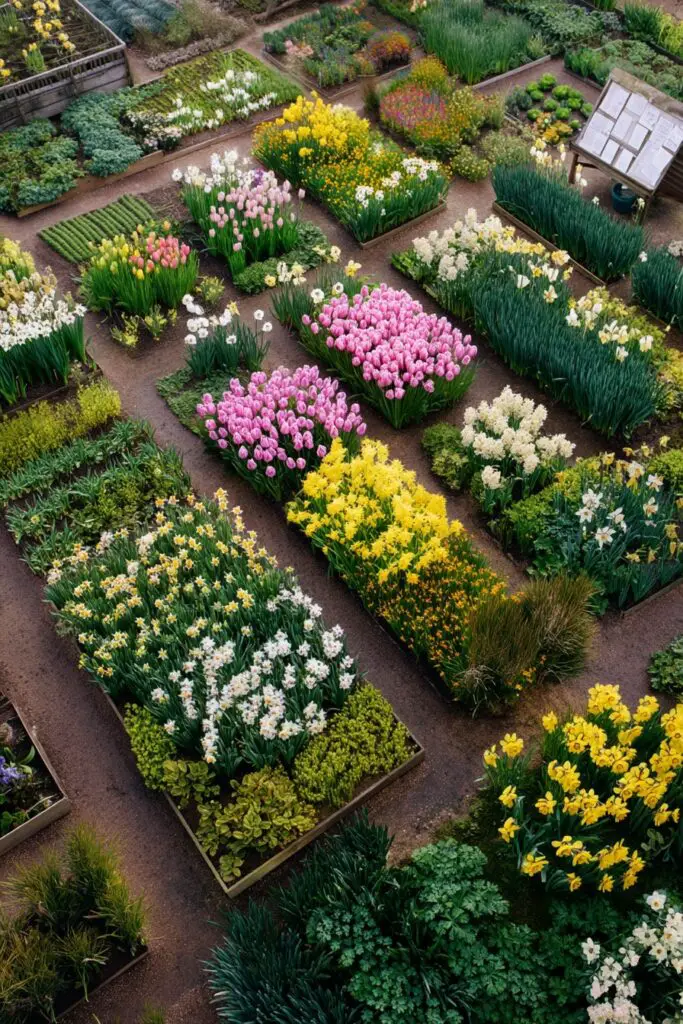
When planning a cutting garden to support beautiful spring flower arrangements, variety and timing are everything. A good mix ensures that you always have something blooming, something budding, and something that adds shape or texture to every bouquet.
Key Planning Tips:
- Choose a Sunny Spot: Most spring flowers prefer full sun and well-draining soil.
- Design for Accessibility: Leave space between rows so you can harvest without stepping on plants.
- Group by Bloom Time: Combine early, mid, and late spring bloomers to extend the cutting season.
- Think in Color Stories: Pick hues that complement each other in arrangements — like pinks, purples, and whites — or go bold with contrasts.
Include a mix of flower types:
- Focal flowers (e.g., tulips, peonies)
- Fillers (e.g., snapdragons, stock)
- Textural elements (e.g., alliums, herbs, seed heads)
Best Flowers to Grow for Spring Flower Arrangements
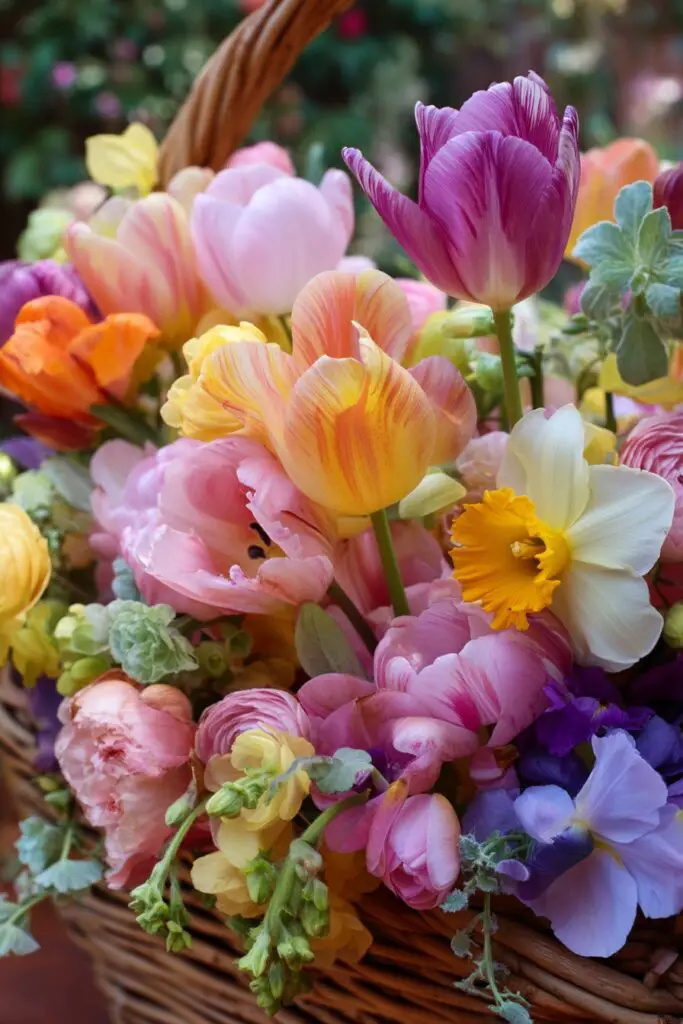
To build standout spring flower arrangements, start by planting flowers that offer a range of shapes, sizes, and textures. A good cutting garden combines showy stars with sturdy fillers and accents to give bouquets balance and movement.
Here are some of the best flowers to include:
🌷 Tulips
Classic and bold, tulips bring structure and vibrant color to any arrangement. Choose a mix of varieties for staggered bloom times.
🌼 Daffodils
Bright and cheerful, daffodils add early-season charm. Their thick stems and varied forms make them great bouquet companions.
🌸 Ranunculus
Known for their ruffled petals and long vase life, ranunculus are a favorite among floral designers and home gardeners alike.
🌿 Sweet Peas
Delicate blooms with a sweet fragrance, they climb easily on supports and add elegance to any bouquet.
🌻 Stock
Fragrant and sturdy, stock fills space beautifully and adds vertical movement.
🐝 Alliums
These sculptural, globe-shaped flowers add an architectural element that helps anchor looser, more whimsical designs.
🌱 Foliage and Herbs
Add mint, sage, dusty miller, or artemisia for texture, scent, and silvery-green contrast.
Harvesting Tips for Long-Lasting Spring Flower Arrangements
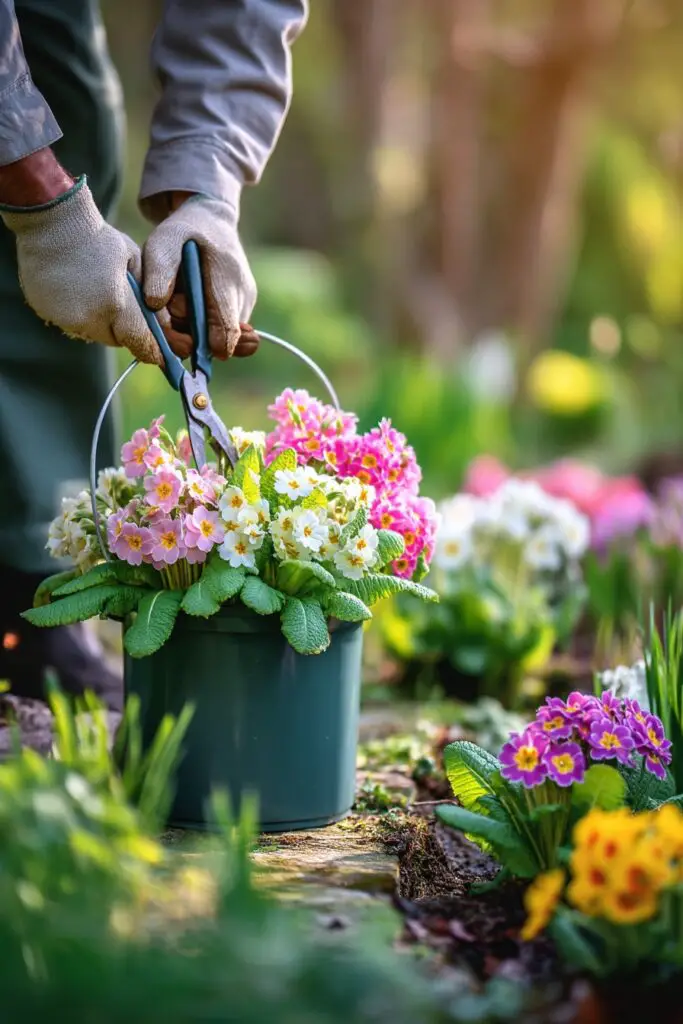
The way you cut and handle your blooms has a big impact on how long they’ll last in the vase. To get the most from your spring flower arrangements, it’s important to harvest carefully and with timing in mind.
Best Practices for Cutting Spring Flowers:
- Harvest in the Morning: Cut stems early in the day when temperatures are cooler and plants are fully hydrated.
- Use Clean, Sharp Tools: This prevents crushing stems and spreading disease.
- Cut at an Angle: An angled cut increases water uptake and keeps stems from sitting flat on the vase bottom.
- Place in Water Immediately: Bring a clean bucket with cool water into the garden while harvesting.
Flower-Specific Timing:
- Tulips & Ranunculus: Cut when buds are just starting to show color.
- Daffodils: Harvest at the “gooseneck” stage, before flowers are fully open.
- Sweet Peas & Stock: Snip when lower florets are open and upper ones are in bud.
Let blooms condition in a cool, dark place for a few hours before arranging to extend their vase life.
Arranging Your Spring Bouquets
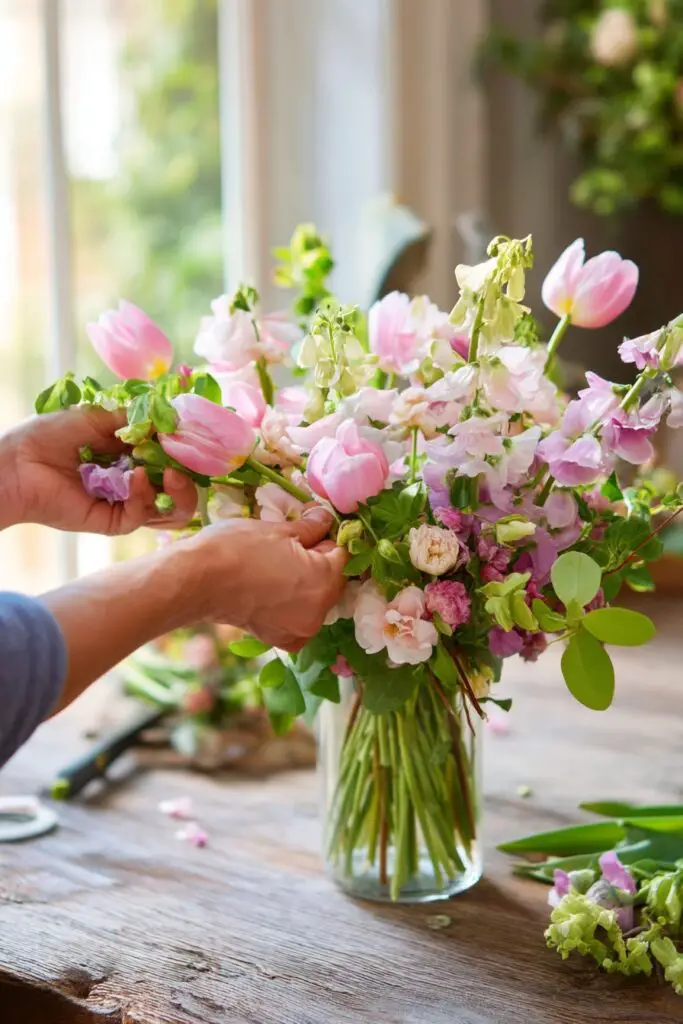
Once you’ve gathered blooms from your cutting garden, the fun really begins. Building spring flower arrangements at home lets you play with form, color, and fragrance — no rules required, just rhythm and joy.
Tips for Composing a Natural-Looking Bouquet:
- Start with Focal Flowers: Place large blooms like tulips or ranunculus first to anchor your design.
- Add Fillers: Layer in stock, sweet peas, or smaller daffodils to build volume and connect your focal points.
- Finish with Texture: Use herbs, foliage, or wispy elements like alliums and flowering branches to add airiness and dimension.
Use a vase that suits your arrangement — mason jars for rustic charm, ceramic pitchers for farmhouse warmth, or simple glass for clean, modern style.
Remember: imperfection is beautiful. Let the stems curve, the heights vary, and your arrangement reflect the same life and movement you see in your garden.
Conclusion
Growing flowers for your own spring flower arrangements is both satisfying and joyful. With a cutting garden, you gain not only fresh blooms at your fingertips, but also a deeper connection to the seasons and the beauty you’ve grown yourself.
From planting to arranging, this process transforms gardening into a creative ritual — one bouquet at a time.