
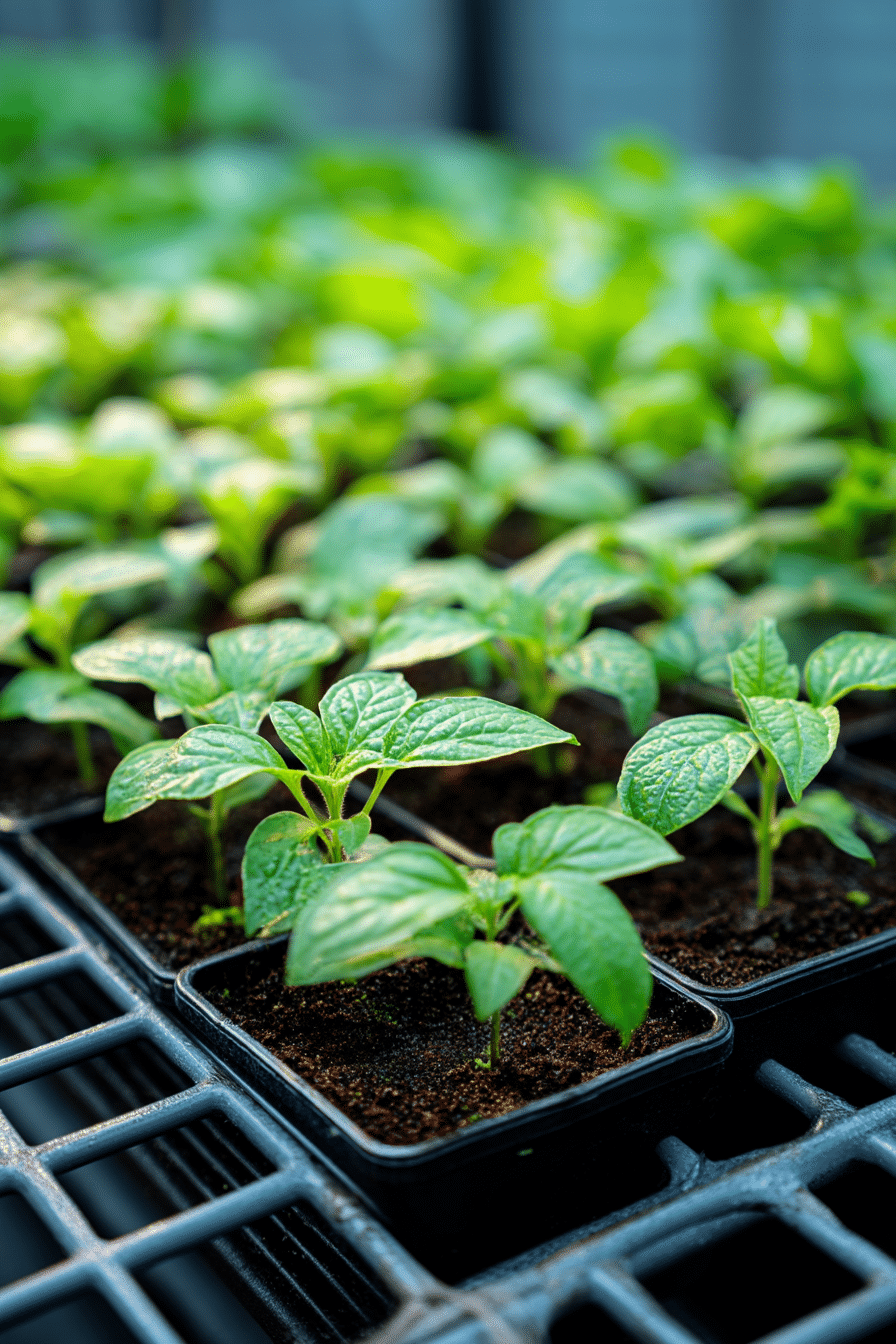
Seed starting is one of the most rewarding ways to kick off your gardening season—right from the comfort of your home. By growing plants from seed indoors, you gain more control over timing, variety selection, and plant health, often at a fraction of the cost of buying nursery starts. Whether you’re hoping to grow vibrant flowers, fresh herbs, or hearty vegetables, mastering seed starting sets your garden up for success before the soil outside has even thawed. With the right setup and a few simple steps, you can nurture strong seedlings that are ready to thrive once transplant time arrives.
Table of Contents
Supplies You Need for Seed Starting Indoors

To succeed with seed starting, you don’t need fancy equipment—but having the right tools makes the process smoother and more effective. Here’s a list of essential supplies that will help you grow strong, healthy seedlings indoors.
1. Seed Trays or Cell Packs
Choose trays with individual cells to give each seed its own space. This prevents overcrowding and makes transplanting easier later on.
- Reusable plastic trays are cost-effective long term.
- Look for trays with drainage holes to avoid waterlogging.
2. Seed Starting Mix
Regular potting soil is too dense for seedlings. Use a lightweight, sterile seed starting mix to promote germination and root growth.
- Look for mixes containing peat moss or coconut coir, perlite, and vermiculite.
- Avoid using garden soil, which may contain pests or pathogens.
3. Light Source
Adequate lighting is crucial for preventing leggy seedlings. Even sunny windows may not provide enough light in early spring.
- Full-spectrum LED grow lights work best.
- Position lights 2–3 inches above seedlings and adjust as they grow.
- Provide 12–16 hours of light per day.
4. Heat Mat (Optional)
Some seeds germinate faster and more evenly with bottom heat.
- Ideal for warm-season crops like tomatoes, peppers, and eggplants.
- Remove the mat once seeds sprout to prevent overheating.
5. Humidity Dome or Plastic Cover
Maintaining humidity during germination helps seeds sprout more successfully.
- Use a plastic lid or clear wrap over trays until seedlings emerge.
- Remove cover as soon as seedlings appear to avoid fungal issues.
6. Labels and Markers
Keep track of what you’ve planted—especially if you’re growing multiple varieties.
- Waterproof plant labels or wooden sticks work well.
- Use a permanent marker or garden pencil that won’t fade with watering.
Steps for Successful Seed Starting Indoors
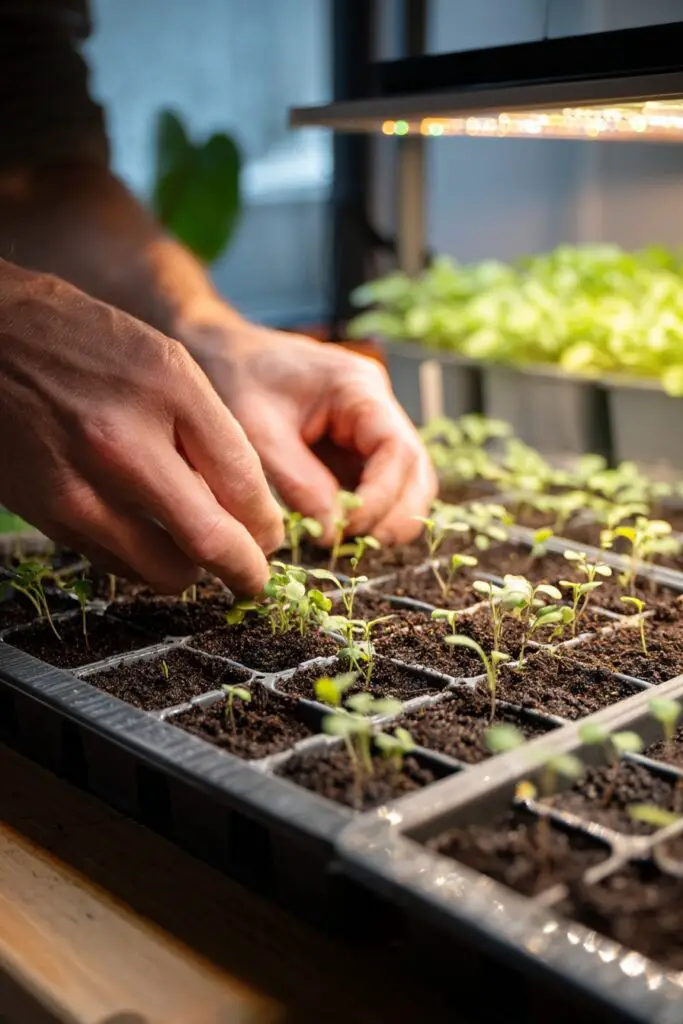
Following a clear process ensures that your seed starting efforts pay off with strong, transplant-ready seedlings. Here’s a step-by-step guide to help you start seeds indoors like a pro.
1. Moisten the Seed Starting Mix
Before filling your trays, slightly dampen the mix so it’s evenly moist but not soggy. Dry mix can repel water and make seed sowing harder.
- Mix water in a separate container until the soil holds shape when squeezed but doesn’t drip.
2. Fill and Label the Containers
Fill each cell or container loosely with moistened mix, pressing lightly to remove air pockets.
- Label each row or cell with the plant name and variety before you plant—this prevents mix-ups.
3. Plant Seeds at the Right Depth
Check the seed packet for specific planting depths. A good rule: plant seeds two to three times as deep as their width.
- For tiny seeds, press them gently into the surface without burying.
- Cover with additional mix if needed.
4. Water Gently
Use a spray bottle or bottom-watering tray to moisten the soil without disturbing seeds.
- Avoid heavy watering, which can wash seeds away or compact the mix.
5. Provide Heat and Humidity
Place trays on a heat mat or warm surface (around 70–75°F) and cover with a dome or plastic wrap to trap humidity.
- Most seeds germinate faster under warm, moist conditions.
6. Move Under Lights After Germination
Once you see green sprouts, remove any covers and place trays under grow lights.
- Keep lights close to the seedlings and adjust as they grow.
- Rotate trays daily for even growth if lighting isn’t uniform.
7. Thin Seedlings if Needed
If multiple seeds germinate in one cell, snip the weaker ones at the base with scissors.
- Thinning prevents overcrowding and promotes strong root systems.
Tips to Prevent Common Seed Starting Problems
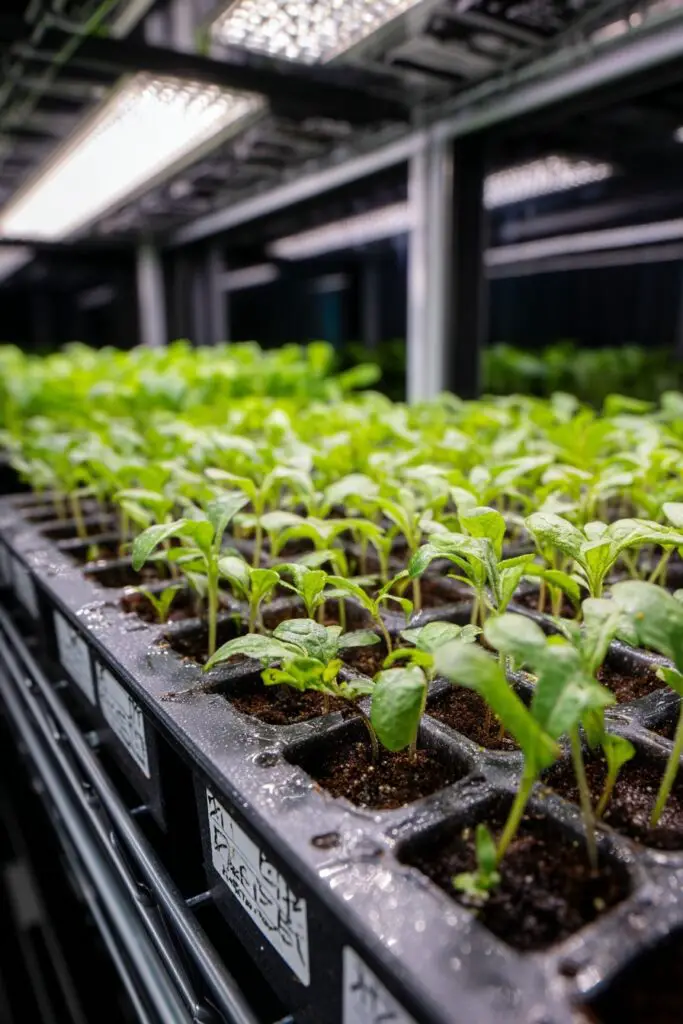
Even experienced gardeners run into challenges with seed starting, but most problems are preventable with a few simple adjustments. Here’s how to keep your seedlings healthy from the start.
1. Avoid Overwatering
Excess moisture is a top cause of damping-off disease—a fungal issue that causes seedlings to collapse and die.
- Let the top layer of soil dry slightly between waterings.
- Water from the bottom to keep leaves dry and roots strong.
2. Don’t Start Too Early
It’s tempting to start seeds at the first sign of spring, but starting too soon leads to leggy, root-bound plants before it’s warm enough to transplant.
- Count back from your average last frost date to determine the right sowing time.
- Use seed packets as your timing guide.
3. Watch for Stretching (Legginess)
Seedlings that reach for light become spindly and weak.
- Keep grow lights close—just 2–3 inches above the seedlings.
- Provide 12–16 hours of consistent light daily.
4. Provide Good Airflow
Stagnant air can lead to mold and disease. Improve air circulation with a small fan set on low near your seedlings.
- Helps strengthen stems and reduces moisture-related issues.
5. Harden Off Before Transplanting
Sudden exposure to sun and wind can shock indoor-grown plants.
- Gradually acclimate seedlings to outdoor conditions over 7–10 days.
- Start with a few hours in a sheltered spot, increasing time and exposure daily.
When and How to Transplant Your Seedlings Outdoors
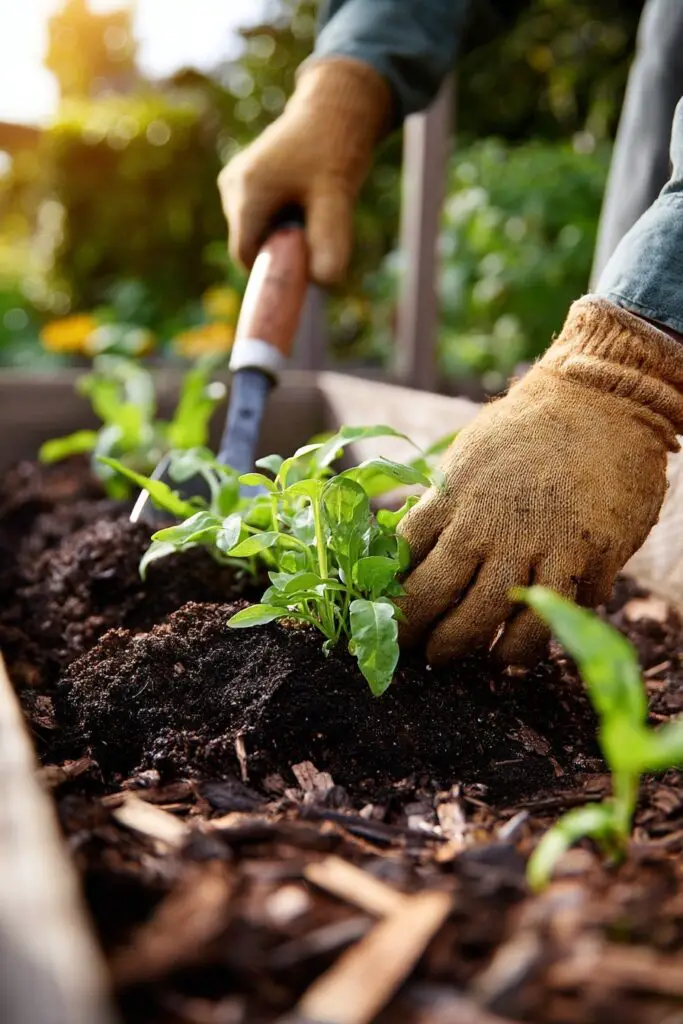
Knowing when—and how—to move your indoor-grown seedlings outside is a key part of successful seed starting. Transplanting at the right time helps reduce stress and ensures your young plants thrive in their new environment.
1. Timing It Right
Wait until after your last expected frost date to transplant warm-season crops like tomatoes, peppers, and cucumbers.
- Check your USDA hardiness zone for local frost dates.
- Cool-season plants like broccoli or lettuce can go out a bit earlier.
Seedlings should have:
- 2–3 sets of true leaves
- A sturdy stem
- A well-developed root system
2. Harden Off Your Plants
Before transplanting, harden off your seedlings to prepare them for outdoor conditions.
- Begin 7–10 days before transplanting.
- Start with a couple of hours outside in a shaded, wind-protected spot.
- Gradually increase exposure to sun and time spent outdoors each day.
3. Prepare the Soil
Work your garden soil in advance by loosening it and mixing in compost or organic matter.
- Avoid planting in compacted, soggy, or weedy soil.
- Water the area a day before transplanting to reduce shock.
4. Transplant With Care
Handle seedlings by the leaves, not the delicate stem, and place them at the same depth they were growing in their containers.
- Water each seedling immediately after planting.
- Mulch around the base to retain moisture and suppress weeds.
5. Monitor and Support
Check transplants daily for signs of stress like wilting or pest damage.
- Shade them temporarily if needed.
- Provide supports for climbing or tall plants right away.
Conclusion
Whether you’re aiming for lush flower beds, abundant vegetables, or flavorful herbs, seed starting gives your garden a strong head start. By gathering the right supplies, following proven steps, and avoiding common pitfalls, you can confidently grow healthy seedlings ready for outdoor transplant. The satisfaction of watching a plant grow from seed to harvest is one of gardening’s greatest rewards—and it all begins indoors.