
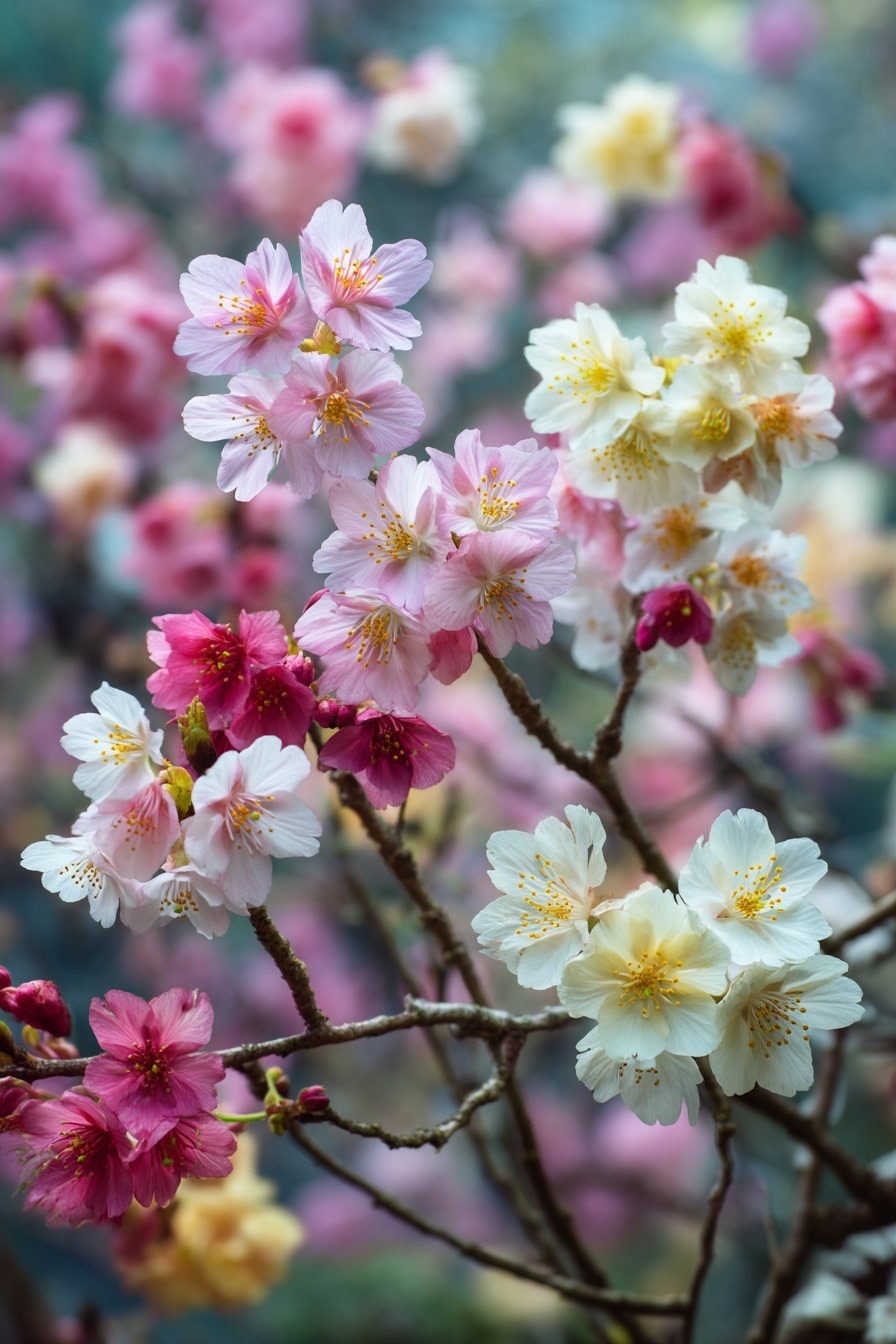
Sakura flower is one of the world’s most enchanting blooms, revered for its delicate petals and powerful symbolism. Often associated with spring, renewal, and beauty, the sakura flower holds a special place in gardens, art, and culture — especially in Japan. Its soft pink and white blossoms not only captivate the eye but also inspire traditions and emotions that stretch far beyond the tree itself.
In this complete guide, we’ll walk through the history, symbolism, varieties, care tips, and cultural significance of the sakura flower to help you appreciate this iconic bloom even more.
Table of Contents
What Is the Sakura Flower?

The sakura flower refers to the blossoms of ornamental cherry trees, most commonly found in East Asia. While many cherry trees produce fruit, the ones known for their sakura blooms are celebrated for their flowers rather than fruit production.
Often identified by their pale pink or white petals, sakura flowers appear briefly in spring, creating breathtaking landscapes where clusters of blossoms seem to float in the breeze. These ornamental trees belong largely to the genus Prunus, with Prunus serrulata being a popular species in Japan.
Sakura Flower Symbolism and Meaning
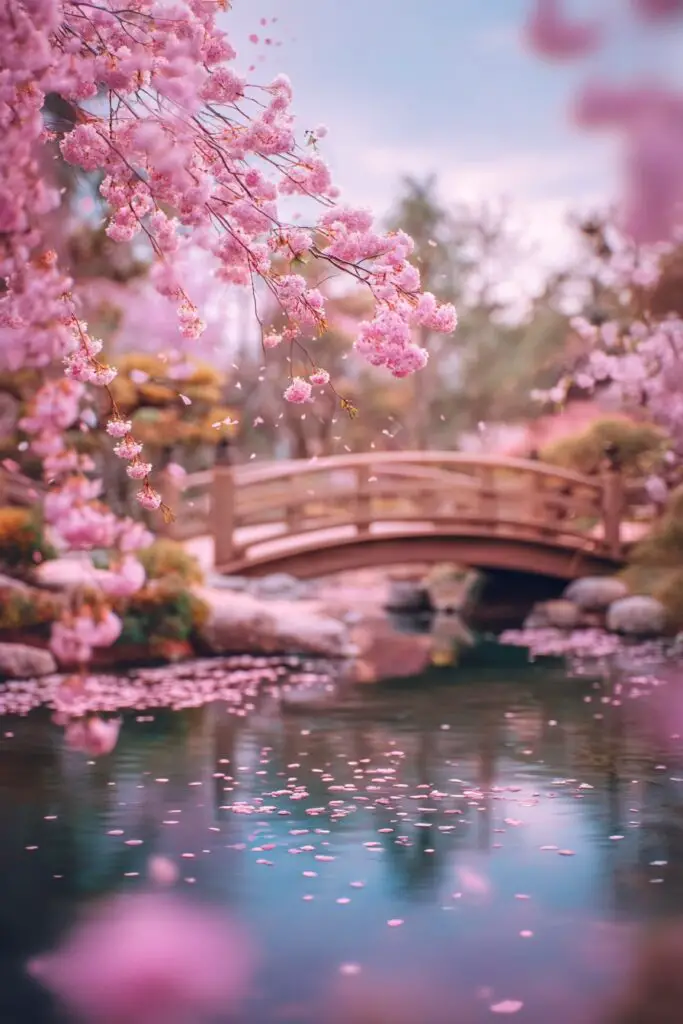
The sakura flower carries deep symbolic meaning, especially in Japanese culture. Its fleeting bloom — lasting only a short time each spring — encourages reflection on life’s temporary nature and the beauty found in impermanence.
Themes Associated with the Sakura Flower
- Transience of life: The short bloom period reminds people of life’s fleeting moments.
- Renewal and hope: The arrival of blossoms signals the end of winter and beginning of spring.
- Beauty and grace: In flower language (hanakotoba), sakura often represents elegance and purity.
- Cultural significance: Sakura has inspired poetry, art, spiritual practices, and national festivals.
The Tradition of Hanami
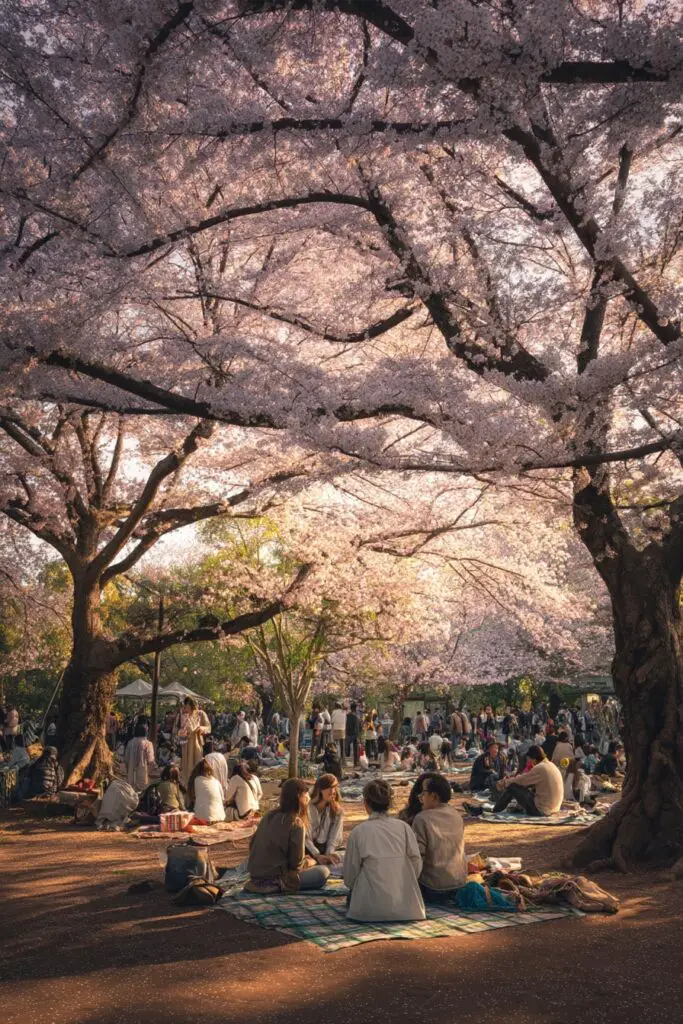
One of the most cherished rituals surrounding the sakura flower is hanami, the traditional practice of viewing and appreciating cherry blossoms.
During hanami season, people gather beneath sakura trees with family and friends to enjoy picnics, celebrate the arrival of spring, and bask in the blossoms’ beauty. This custom dates back centuries and remains a core part of springtime celebrations in Japan.
The timing of hanami shifts yearly and regionally, as the sakura flower’s bloom depends on climate and weather patterns.
Different Varieties of Sakura Flower
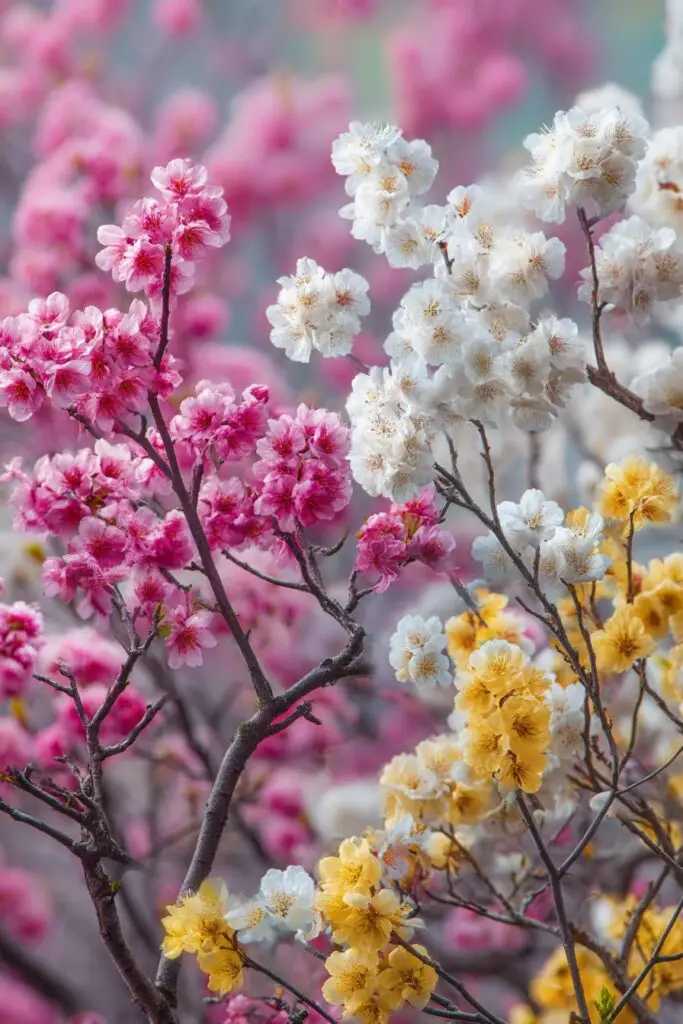
While the sakura flower is often thought of as a single type, there are many varieties of ornamental cherry blossoms, each with unique features.
Popular Types
- Somei Yoshino: Pale pink blossoms that often turn white as they open.
- Kanzan: Known for its vibrant pink, double-layered petals.
- Ukon: Rare blossoms with subtle yellowish hues.
- Gyoiko: Slight green stripes add visual intrigue to light-colored petals.
Many sakura varieties differ in petal shape, color, and bloom timing. Some have only five petals, while others boast dozens, creating a rich array of textures and shades.
Growing Sakura Flower in Your Garden
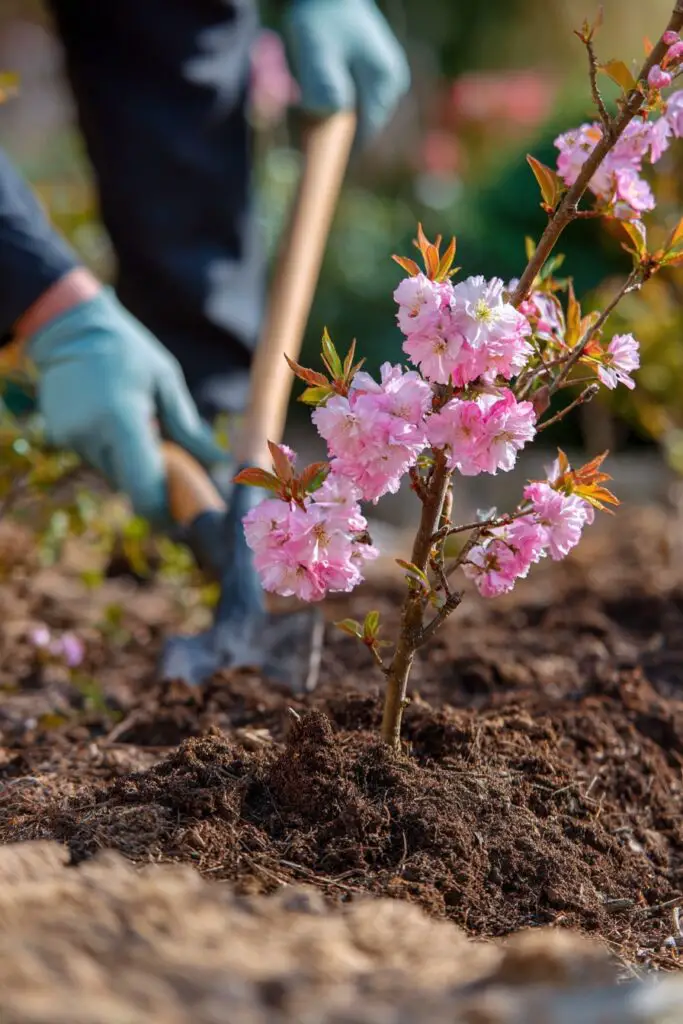
If you’re thinking about growing a sakura flower tree, choose a variety that suits your climate and space. Although often associated with large landscapes, some smaller varieties can thrive in home gardens too.
Basic Care Tips
- Sunlight: Sakura trees prefer full sun to thrive and bloom abundantly.
- Soil: Well-drained, fertile soil helps the roots develop deep and strong.
- Water: Regular watering is important during the first years, especially in dry spells.
Most sakura trees take a few years to flower after planting, but the effort pays off with spectacular spring blooms that can become a highlight of your landscape.
Sakura Flower Festivals Around the World
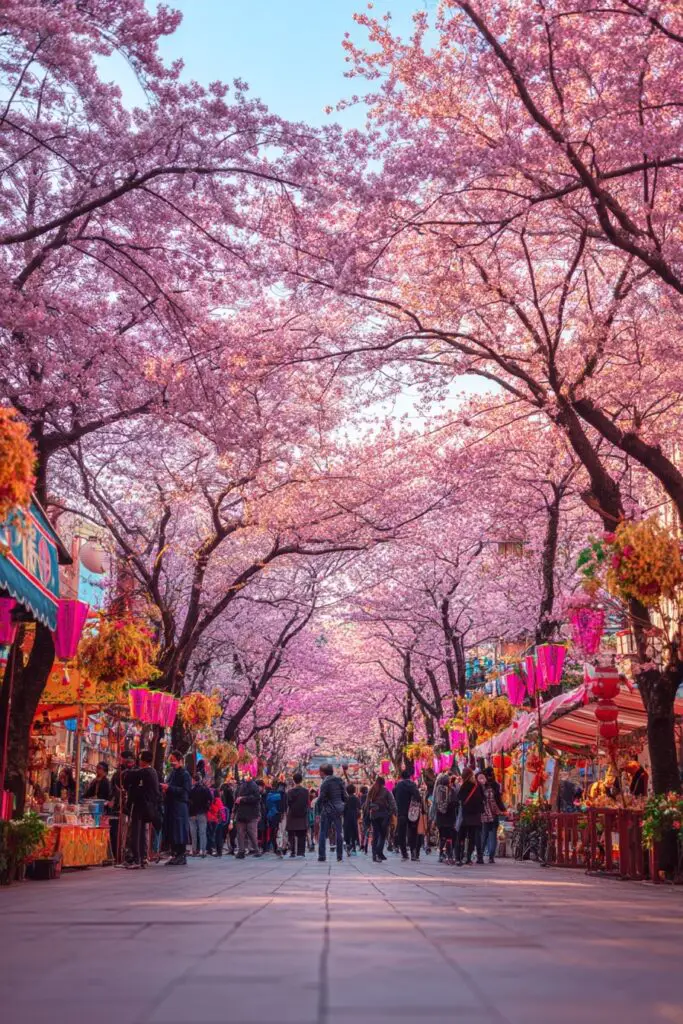
While Japan remains the heart of sakura celebrations, other regions also hold festivals when the sakura flower blooms.
In places like Washington, DC, and parts of Europe or Asia, sakura festivals attract tourists and locals alike, uniting communities with food, music, and cultural activities.
These festivals celebrate nature’s rebirth each spring and reflect local traditions that honor the sakura flower’s ephemeral beauty.
Sakura Flower in Art and Culture
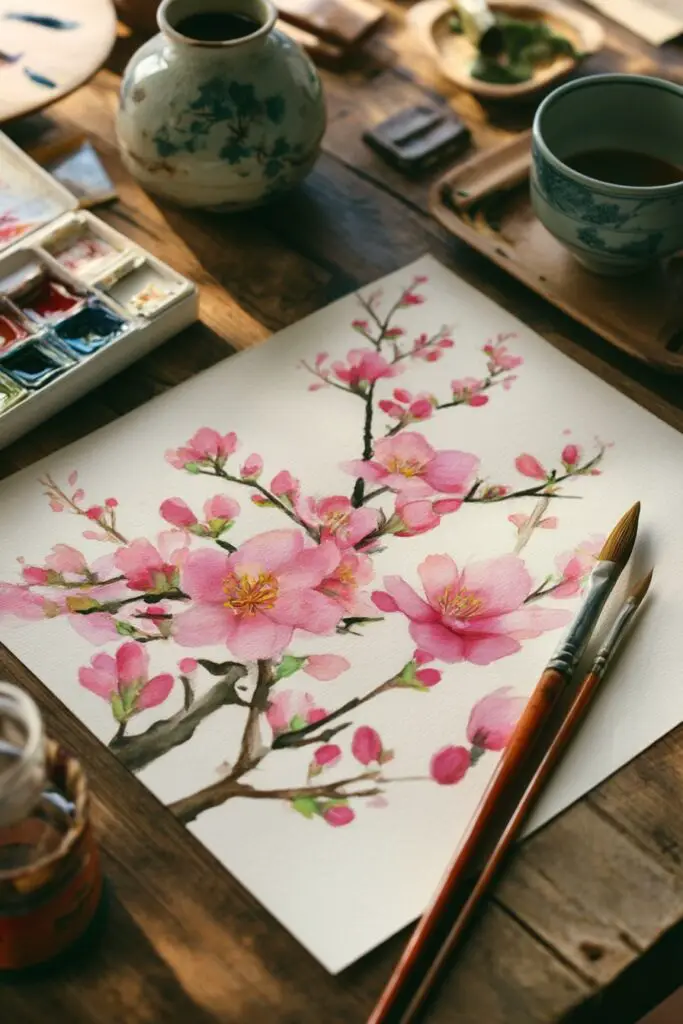
The sakura flower is more than a botanical phenomenon—it’s a cultural icon. In Japan, it appears in literature, poetry, and art as a symbol of renewal, transience, and mindful appreciation of the present moment.
For centuries, poets have used sakura imagery to express emotion and deepen reflections on life’s passing moments. This deep cultural reverence continues to shape how people around the world relate to the sakura flower today.
Conclusion
The sakura flower represents more than seasonal beauty; it embodies themes of renewal, grace, and the fleeting nature of life. Whether admired during hanami gatherings, planted in your garden, or celebrated in art and festivals, sakura blooms offer a meaningful reminder to appreciate life’s precious moments.