
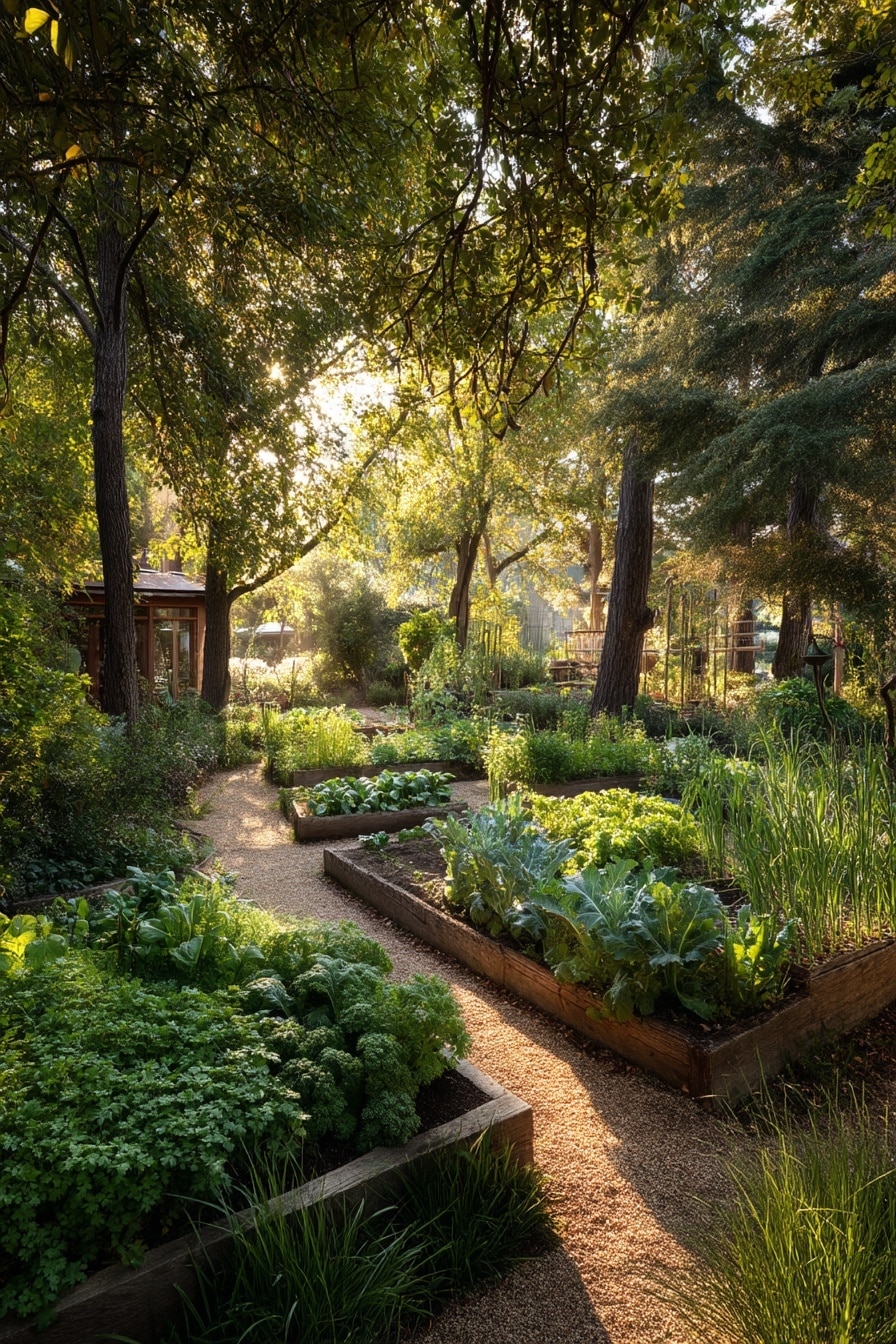
Garden bed layout plays a pivotal role in shaping how productive, accessible, and enjoyable your planting space becomes. Whether you’re planning a small kitchen garden or a larger backyard vegetable patch, choosing the right pattern for your raised beds sets the foundation for both beauty and bounty. A well‑designed layout helps you maximize sun exposure, manage pathways, and organize plantings in a way that suits your gardening goals and available space. In this article, we’ll walk through five popular raised bed garden bed layout ideas and offer practical tips to choose the one that fits your yard perfectly while keeping maintenance easy and satisfying.
Table of Contents
Best Garden Bed Layouts for Various Spaces

Designing a smart garden bed layout starts with understanding how different configurations can enhance your gardening experience. Below are five time-tested layouts that suit various spaces, gardening styles, and needs.
1. All in a Row
Perfect for narrow yards or side gardens, the “all in a row” layout lines up multiple raised beds in a single straight line. It’s easy to set up, simplifies irrigation, and works well when beds are placed along a fence or pathway.
Why it works:
- Simple access from both sides
- Ideal for trellised plants like beans or tomatoes
- Makes weeding and watering quick
Best for: Long, narrow spaces or beginner gardeners wanting a straightforward start.
2. Two of a Kind
Two identical beds placed side by side offer a symmetrical, visually pleasing setup. This layout allows for crop rotation and side-by-side companion planting.
Why it works:
- Efficient use of square footage
- Easy access from all sides
- Great for families splitting tasks or growing different crops
Best for: Medium-sized yards where visual balance is a plus.
3. Trio of Beds
Arranging three beds in a U or L shape adds dimension while keeping everything within arm’s reach. It provides excellent organization, ideal for separating plant types or rotating crops through the seasons.
Why it works:
- Encourages efficient garden planning
- Can include a central compost bin or seating area
- Supports diverse planting
Best for: Gardeners who want functional variety without overwhelming space.
4. Courtyard Setup
If you enjoy gardening as a communal or meditative activity, consider a courtyard layout. Four or more beds are arranged to create a central gathering space with wide paths between.
Why it works:
- Perfect for garden clubs or families
- Accommodates decorative features like birdbaths or benches
- Highly accessible
Best for: Larger backyards or those who view the garden as a retreat.
5. Four-Square Design
Inspired by traditional kitchen gardens, this layout divides the garden into four equal sections, often arranged around a central feature.
Why it works:
- Excellent for crop rotation
- Maximizes growing space and organization
- Great aesthetic symmetry
Best for: Structured gardeners or those managing multiple crop types.
Choosing the Best Location for Your Garden Bed Layout
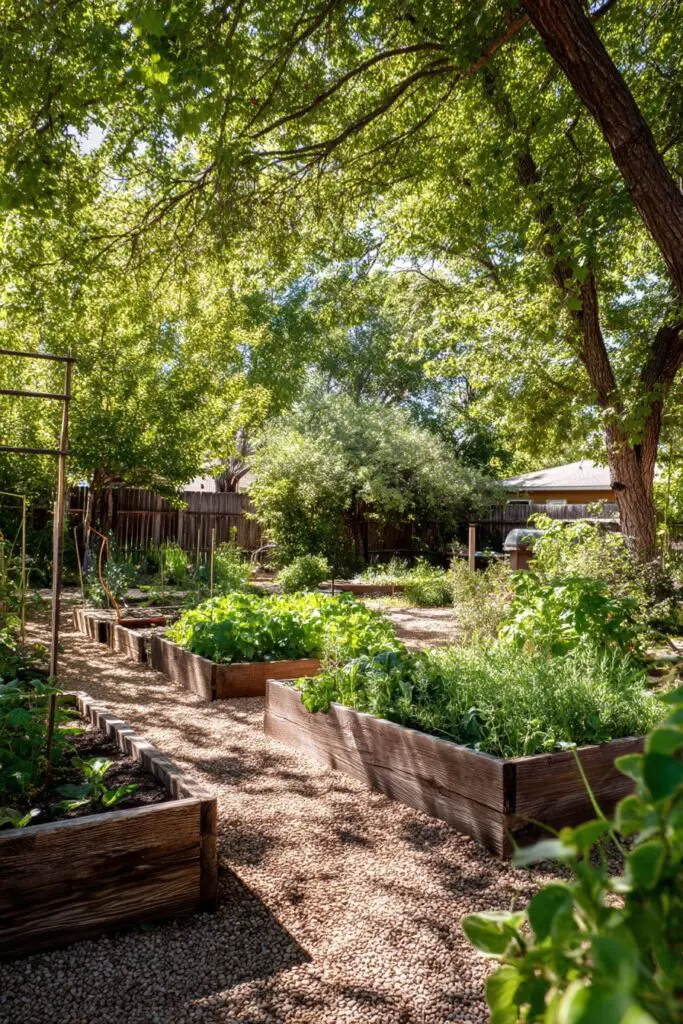
Selecting the ideal spot is just as important as choosing the right garden bed layout. Sunlight, soil, and access paths all affect your garden’s productivity and ease of use. Here’s how to assess your space for the best results.
Sunlight Considerations
Most vegetables and herbs require at least 6 to 8 hours of direct sunlight daily. Observe your yard throughout the day to identify areas that stay sunny longest.
- South-facing areas typically receive the most light.
- Avoid spots shaded by fences, sheds, or tall trees.
- If full sun isn’t available, choose partial-shade crops like leafy greens or root vegetables.
Pro tip: Track sun exposure for a full day before finalizing your layout.
Soil Conditions
Even with raised beds, the quality of the native soil underneath impacts drainage and overall plant health.
- Avoid low-lying areas prone to water pooling.
- Test your soil for drainage by digging a small hole and filling it with water—if it drains within an hour, it’s suitable.
- If your ground is hard clay or rock, consider adding deeper raised beds or elevating with a gravel base.
Pathway Planning
Don’t underestimate the importance of walking space between beds. Comfort and access are essential for long-term success.
- Leave at least 18–24 inches between beds to accommodate a wheelbarrow or garden cart.
- Use mulch, gravel, or stepping stones to keep paths clean and weed-free.
- Consider accessibility needs—raised beds at hip-height are easier for those with mobility issues.
How to Mock Up Your Garden Bed Layout
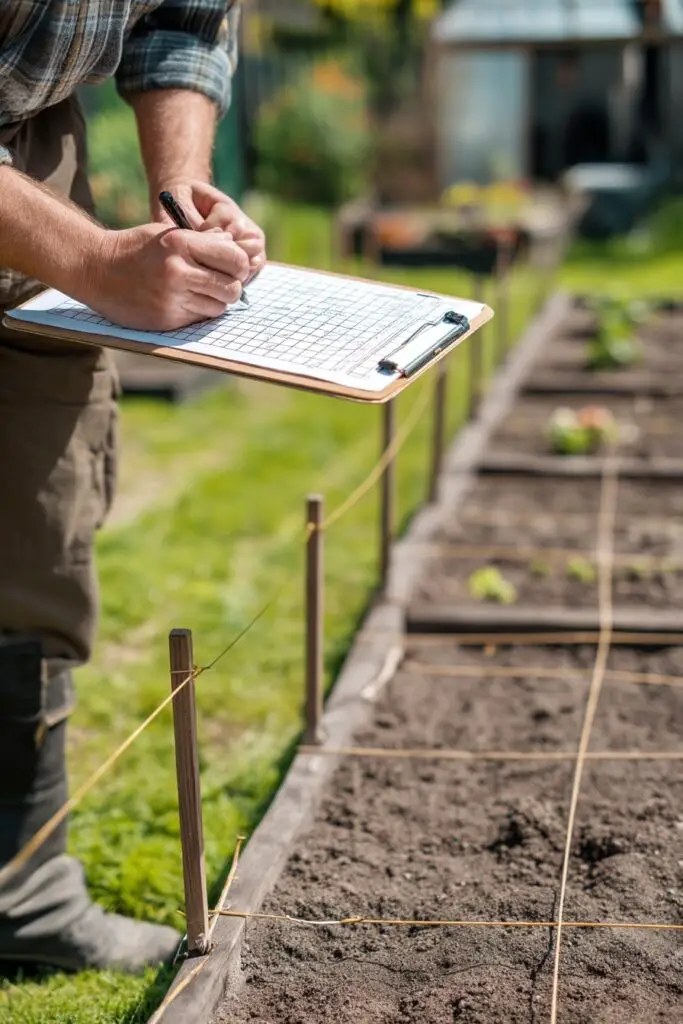
Before you start digging or building, it’s smart to mock up your garden bed layout to visualize spacing, flow, and sun exposure. This step helps avoid costly adjustments later and ensures your garden is both functional and enjoyable.
Start With a Sketch
Use graph paper or an online garden planner to map out your garden dimensions and draw in your proposed layout.
- Represent each raised bed to scale.
- Mark key elements like doors, fences, existing trees, and water sources.
- Include north-south orientation for accurate sun planning.
Tip: Color-code beds for different plant families or seasonal use.
Use Markers on the Ground
Take your design outdoors with simple, temporary markers:
- Lay string, stakes, or garden hoses to outline each bed.
- Walk the paths to check spacing and comfort.
- Observe how shadows fall across the layout during the day.
This live preview lets you adjust on the fly, improving both form and function.
Consider Irrigation and Maintenance
Plan where your water lines or hoses will run and how easily you can reach each bed.
- Drip irrigation systems work best when beds are close together.
- Group thirsty crops near your water source.
- Keep compost bins or tool sheds within easy reach.
Mocking up your layout ensures your garden isn’t just beautiful—but practical, too.
Conclusion
A well-thought-out garden bed layout can transform your gardening experience, making it easier to plant, maintain, and harvest a thriving garden. By choosing a design that matches your available space—whether it’s a tidy row or a welcoming courtyard—you can build a layout that supports your goals, complements your yard, and brings joy throughout the growing season. Don’t forget to consider sunlight, soil drainage, and access paths before finalizing your setup. With careful planning and a touch of creativity, your raised bed garden will be both beautiful and bountiful.