
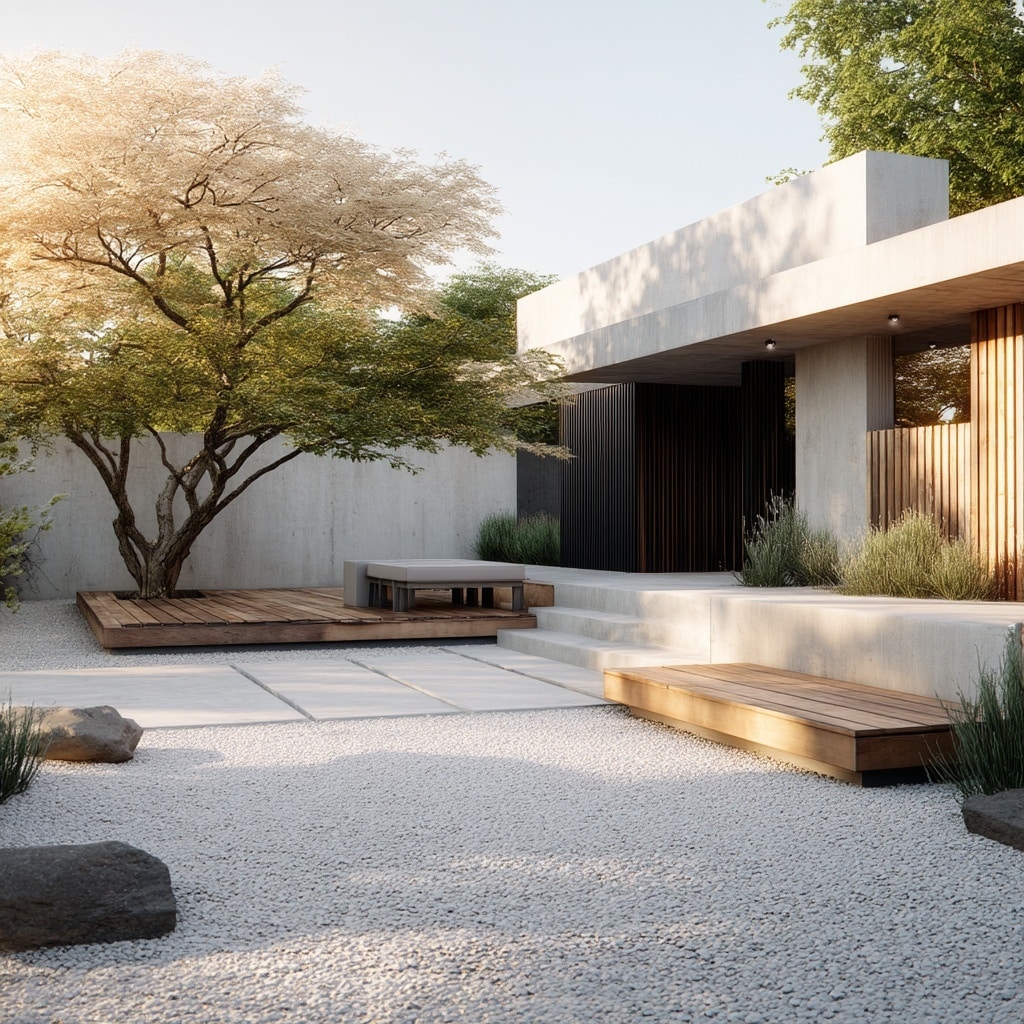
Garden design doesn’t have to be loud or overflowing to make an impact. In fact, the quiet beauty of minimalist gardens is exactly what makes them so powerful. A carefully curated space, free from clutter and visual noise, creates a calming retreat right outside your back door.
Minimalist garden design favors clean lines, simple plant palettes, and intentional choices. Every stone, shrub, and seating area serves a purpose, adding to the overall sense of harmony. Whether you have a small urban patio or a sprawling backyard, adopting a minimalist approach can help you turn any space into a serene, stylish oasis.
Table of Contents
Use a Restrained Color Palette

A successful minimalist garden design starts with color discipline. Keeping your plant and material palette tight creates a cohesive look and reduces visual clutter. Instead of mixing a rainbow of blooms, select two or three complementary colors—like green, white, and soft blue—that work in harmony.
One of the most effective techniques is to create a monochromatic planting scheme. A variety of all-green plants, for instance, can produce a rich, layered effect using only texture and shape. Alternatively, a single bloom color—like crisp white—can add elegance while reflecting light beautifully at dusk.
Don’t forget foliage. Variegated leaves in silver or white tones can enhance your chosen palette without relying on flowers alone.
Limit Your Material Choices
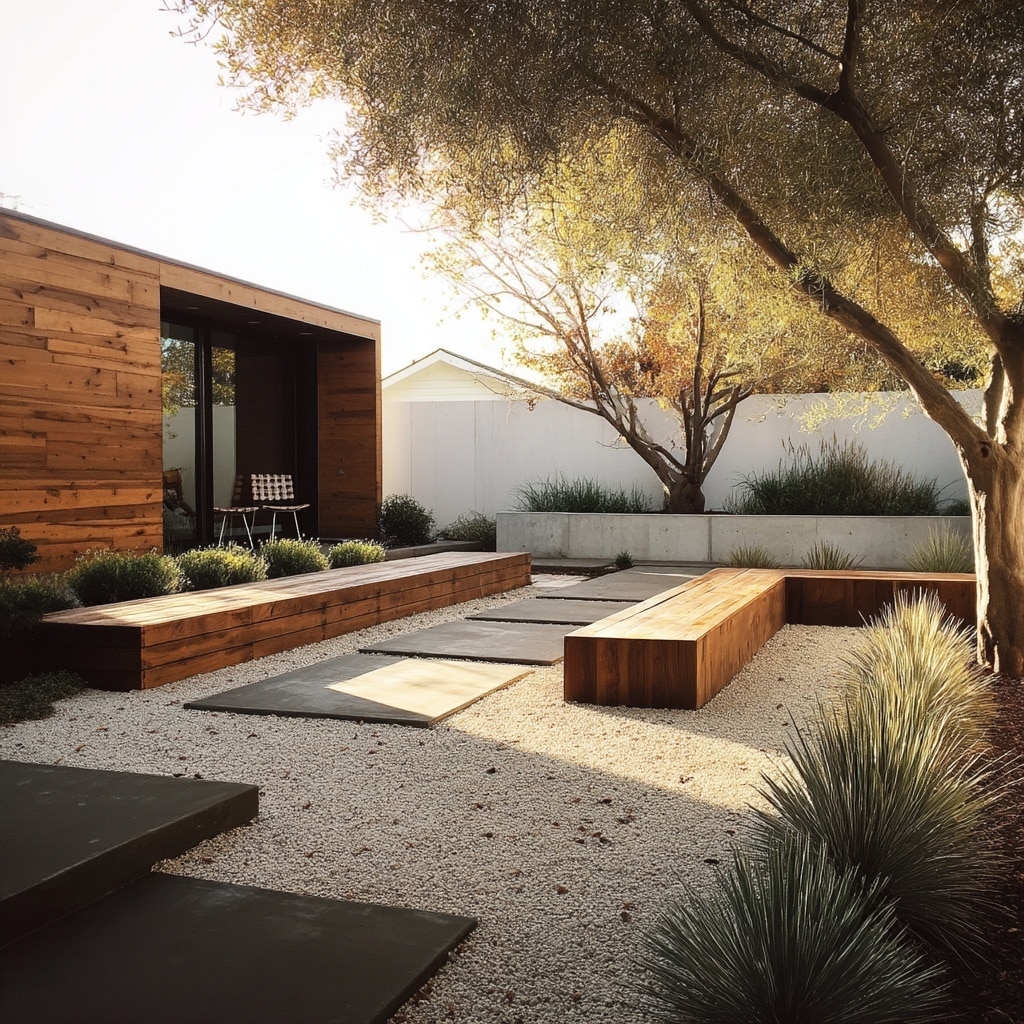
In minimalist garden design, less is more—especially when it comes to hardscape and furniture materials. Using too many types of stone, wood, or metal can quickly overwhelm the space and break the visual flow. Instead, choose no more than three materials and repeat them consistently throughout your garden.
For example, a simple combination of concrete, natural wood, and gravel creates a clean, modern look. These materials offer contrast in texture but stay cohesive in tone, keeping the garden both grounded and calm.
Avoid glossy or overly ornate finishes. Instead, opt for matte, natural textures that complement your plants without competing for attention.
Choose Neutral Tones for Hardscapes
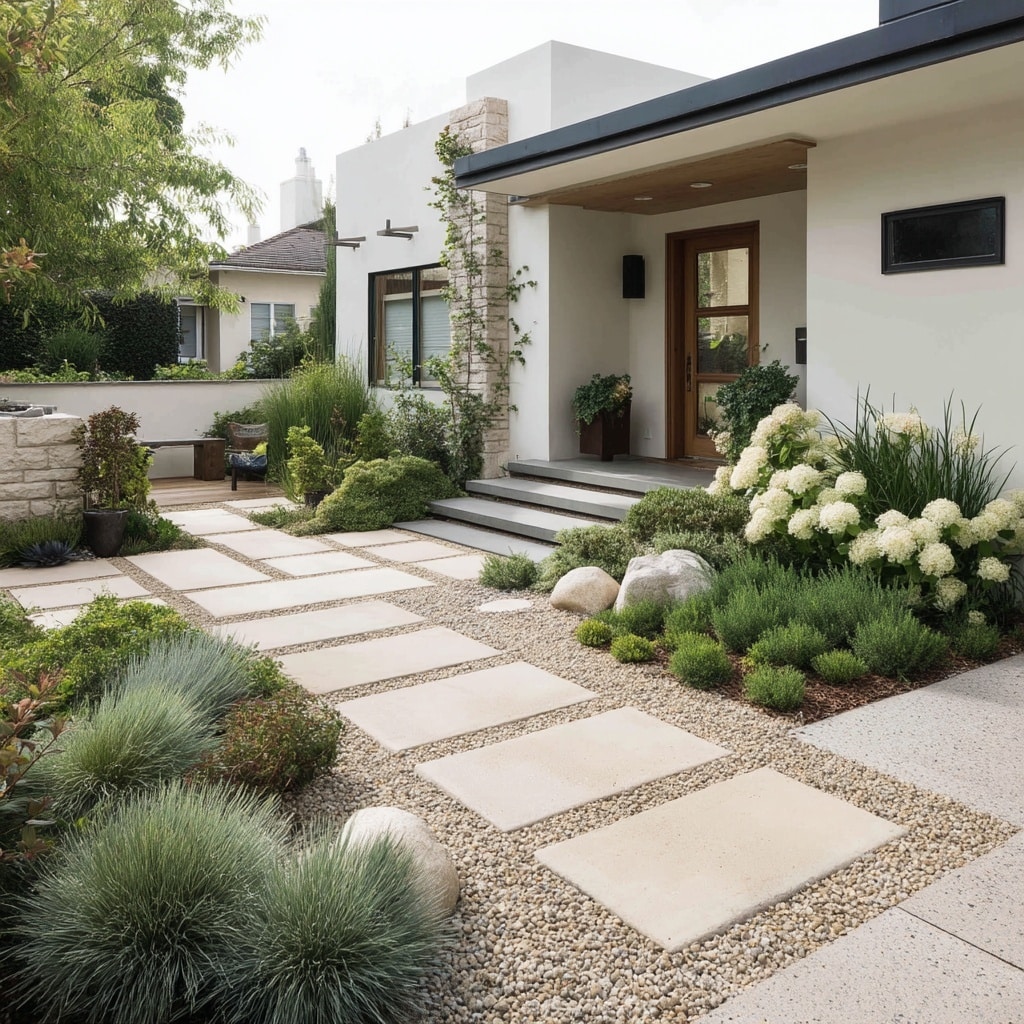
Hardscaping plays a big role in minimalist garden design, but it should never overpower the plants. Neutral tones—like soft gray, tan, beige, or muted charcoal—create a subtle backdrop that enhances plant texture and color without drawing too much attention.
Gravel, poured concrete, and linear pavers in similar hues help create a seamless, calming flow throughout the space. Pair these with sculptural, structural plants for contrast without chaos.
For added harmony, keep your hardscape and planting tones within the same color family. This consistency promotes visual balance and makes the garden feel intentional and grounded.
Repeat Plant Shapes and Patterns
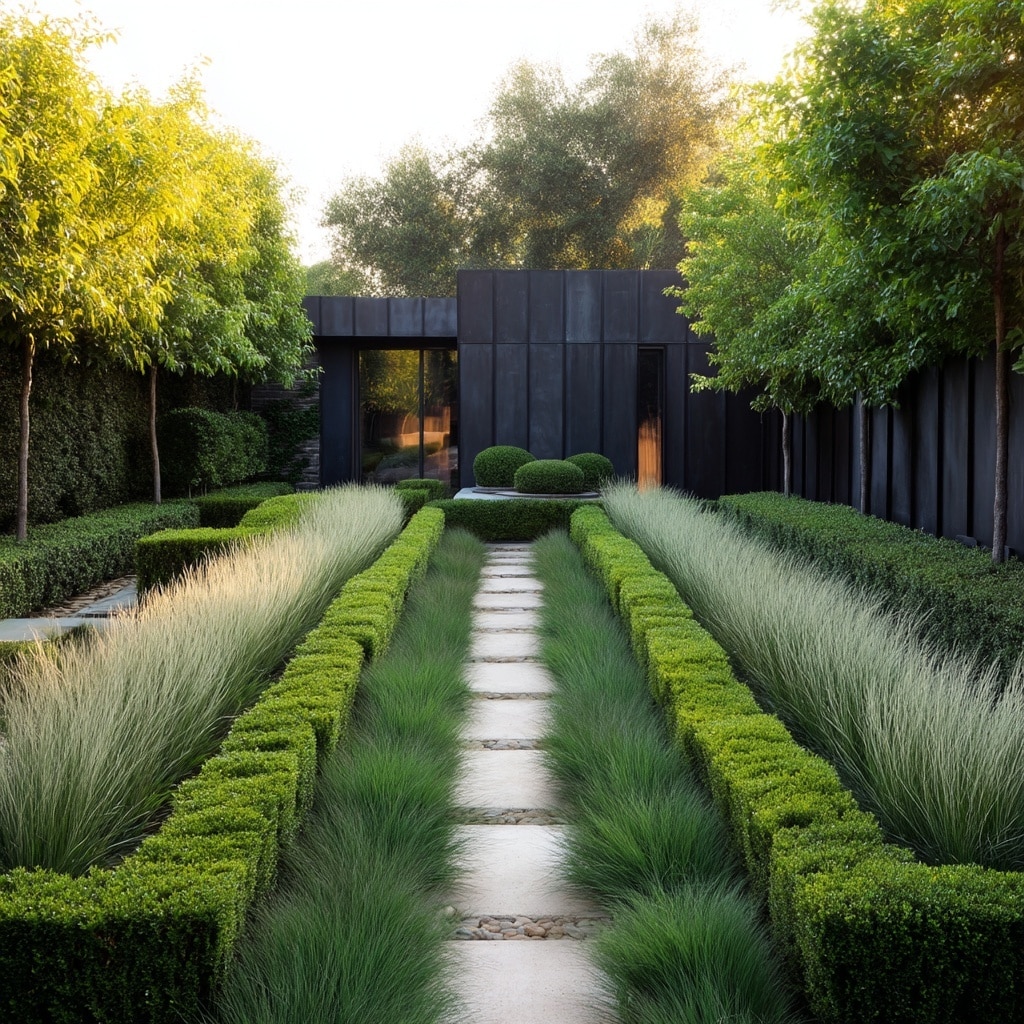
One of the cornerstones of minimalist garden design is repetition. By using the same plant type, shape, or layout in multiple areas, you create rhythm and cohesion—two essential elements in a visually calming space.
For example, lining a path with neatly pruned shrubs like boxwood or Japanese holly creates a strong, structured effect. You can also fill a garden bed with a single species—such as feather-like Mahonia or ornamental grasses—for rich texture without visual clutter.
Repetition doesn’t have to mean monotony. Subtle variations in height or texture within the same plant family can add depth while maintaining a clean, modern aesthetic.
Prioritize Functionality
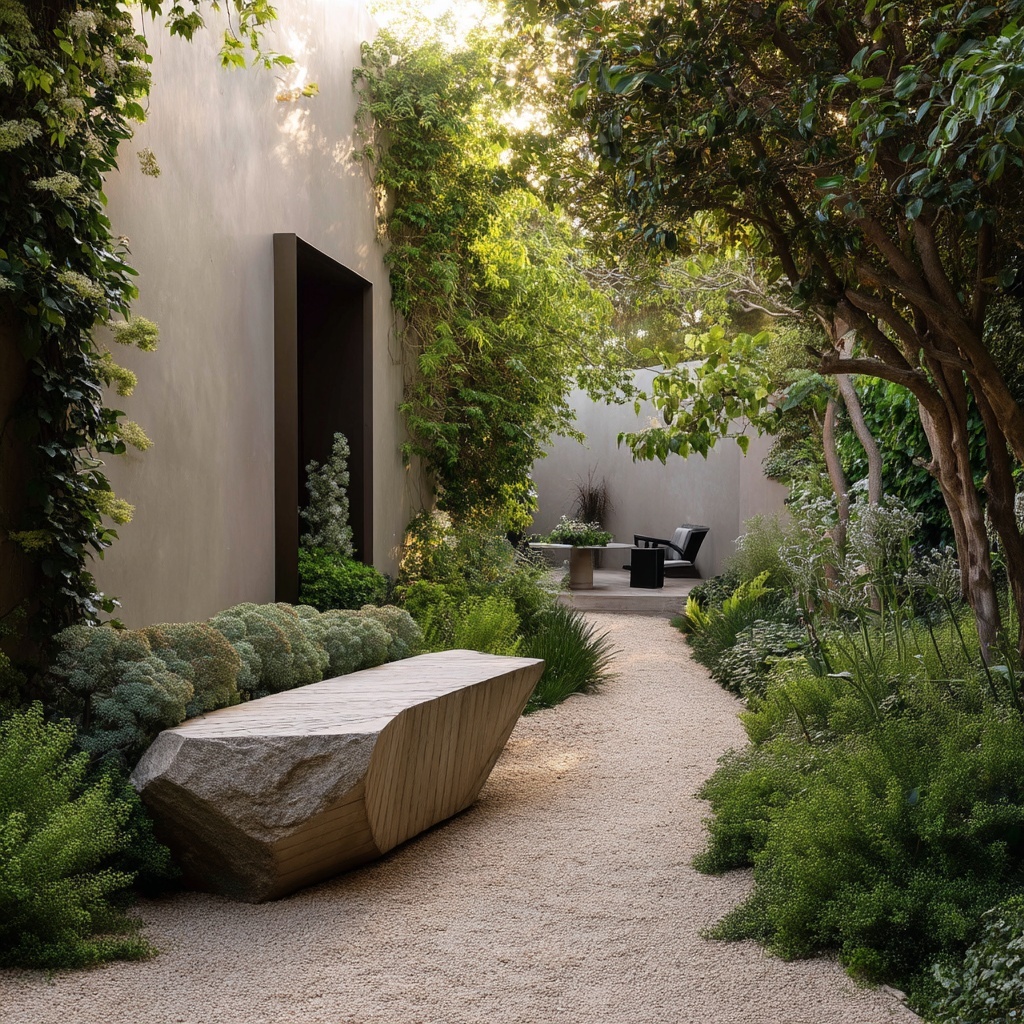
Minimalist garden design isn’t just about how your space looks—it’s also about how it works. Every feature should serve a purpose, whether it’s a bench for quiet reflection, a simple gravel path for movement, or sculptural seating that acts as both décor and utility.
Choose outdoor furniture that complements the overall style—low-profile, neutral-colored pieces with clean lines work best. Avoid crowding the space; instead, leave plenty of negative space so each element can breathe and feel intentional.
Adding functional focal points, like a stone birdbath or a raised planter, can anchor the design while still keeping the garden uncluttered and purposeful.
Conceal Garden Clutter
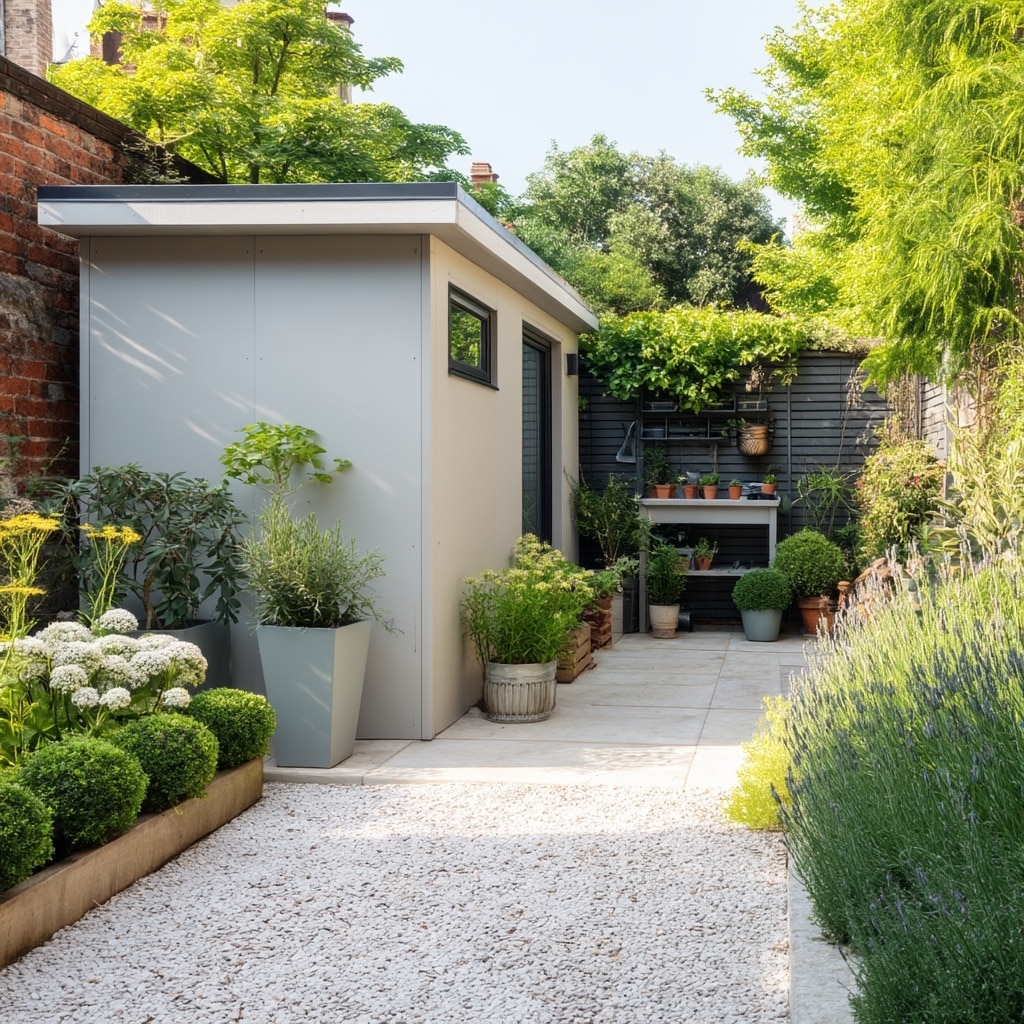
No matter how beautiful your layout is, visible mess can quickly disrupt a clean garden design. That’s why smart storage and regular maintenance are essential in minimalist gardens.
Keep tools, hoses, and accessories out of sight by storing them in sheds, bench storage, or garage cabinets. Choose low-profile storage units that blend into your garden materials or color palette.
Avoid overcrowding your beds with too many plants. Stick to a limited number of varieties and prune regularly to maintain a tidy shape. A clean garden feels more spacious, peaceful, and intentional—hallmarks of minimalist design.
Make Use of Every Space
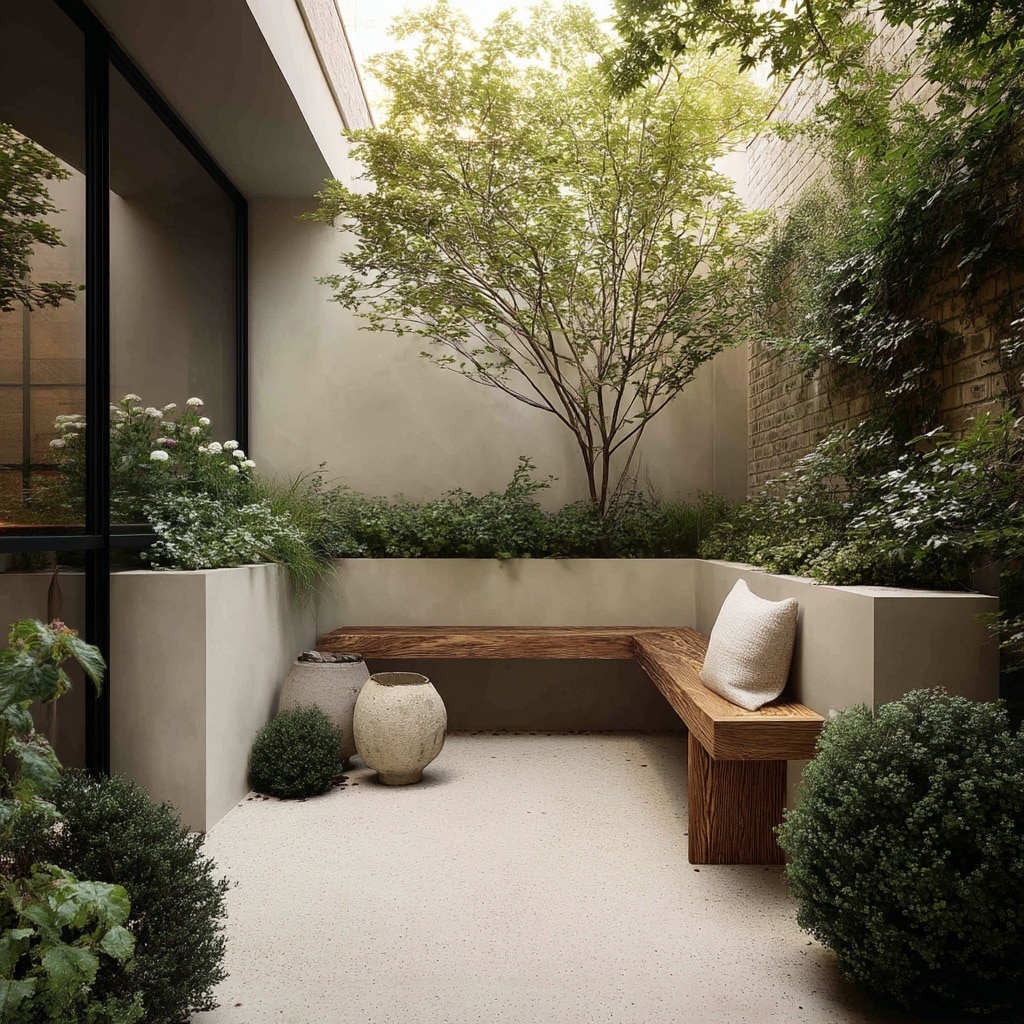
Minimalist garden design isn’t limited to large landscapes. Small patios, side yards, balconies, and even interior courtyards can become serene retreats when designed with purpose.
The key is to treat every inch as intentional space. Use a handful of plants with strong shapes, add one or two statement pieces like a bench or sculptural pot, and choose surfaces that reflect your neutral palette. Even a quiet corner can feel expansive when it’s uncluttered and well-balanced.
Keep the plant palette tight—three to five varieties are often enough to create depth without distraction. Remember, minimalism is about editing, not emptiness.
Conclusion
Minimalist garden design is all about intention. By focusing on clean lines, restrained colors, and purposeful plant choices, you can create an outdoor space that feels calm, elegant, and easy to maintain.
Whether you’re working with a sprawling yard or a compact patio, these seven design principles can help you build a space that soothes the senses and clears the mind—one thoughtful detail at a time.