
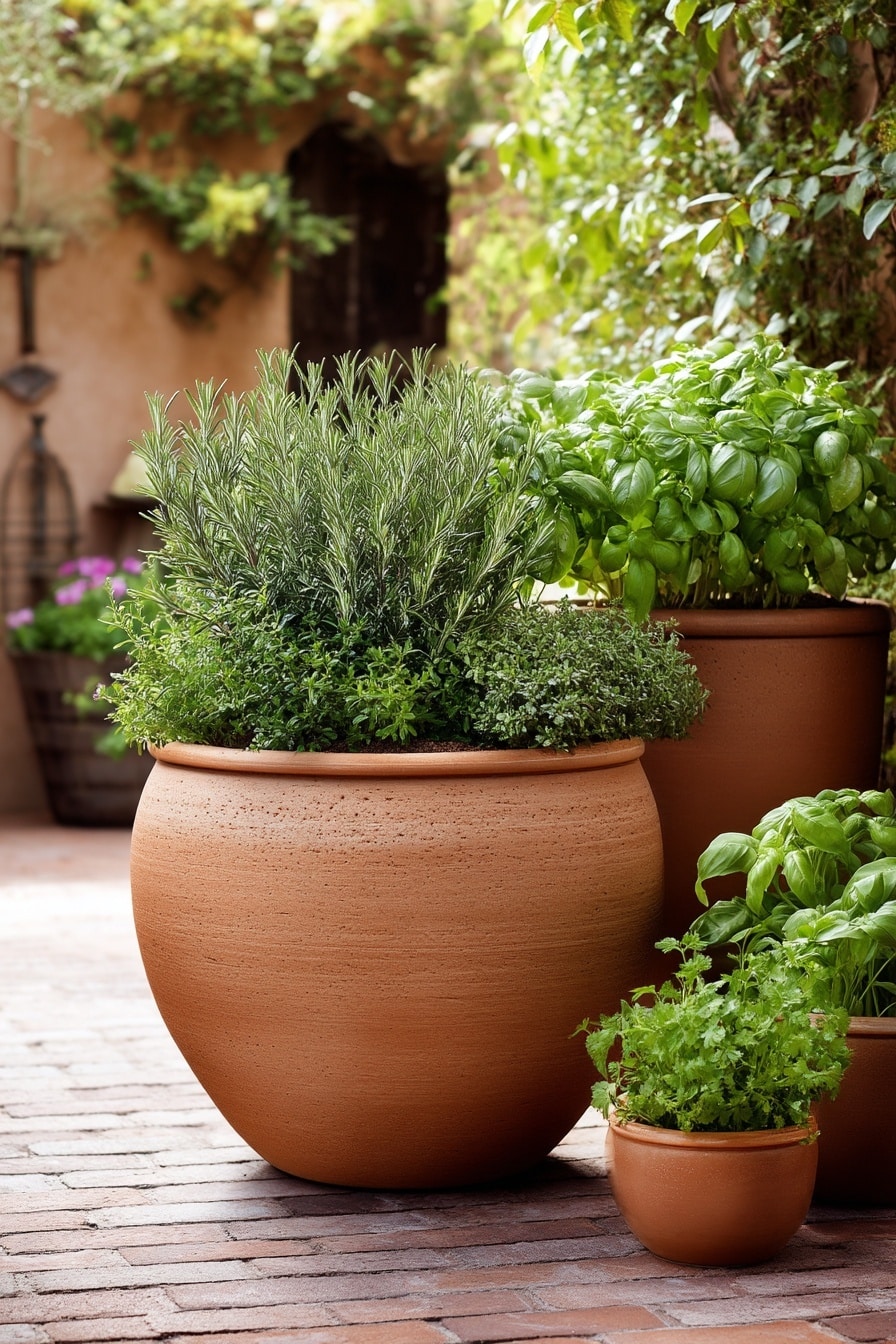
Herbs to plant together can make a noticeable difference in how well your garden performs. Choosing compatible herbs to plant together improves growth, simplifies care, and helps prevent common issues like overcrowding or uneven watering.
When herbs share similar sunlight, soil, and moisture needs, they thrive side by side. Grouping the right herbs to plant together also makes maintenance easier, whether you’re growing in raised beds, containers, or a small backyard garden.
In this guide, you’ll learn how to group herbs based on their lifecycle, sunlight needs, and growing conditions. By selecting the best herbs to plant together, you can create a healthier and more productive herb garden.
Table of Contents
Grouping Herbs by Lifecycle

Understanding how long each plant lives helps you decide which herbs to plant together. When herbs share similar lifecycles, planning and maintenance become much easier.
Annual Herbs to Plant Together
Annual herbs complete their life cycle in one growing season. These fast growers benefit from being grouped in the same bed or container.
Good annual herbs to plant together include:
- Basil
- Cilantro
- Dill
- Summer savory
These herbs prefer consistent watering and regular harvesting. Planting annual herbs together allows you to refresh the bed each season without disturbing long-term plants.
Perennial Herbs to Plant Together
Perennial herbs return year after year. They typically prefer stable growing conditions and less frequent disturbance.
Strong perennial herbs to plant together include:
- Rosemary
- Thyme
- Oregano
- Sage
These herbs often thrive in well-draining soil and full sun. Grouping perennial herbs together prevents unnecessary digging around established roots.
By organizing herbs to plant together according to lifecycle, you simplify seasonal care and create a more structured garden plan.
Matching Sunlight and Water Needs
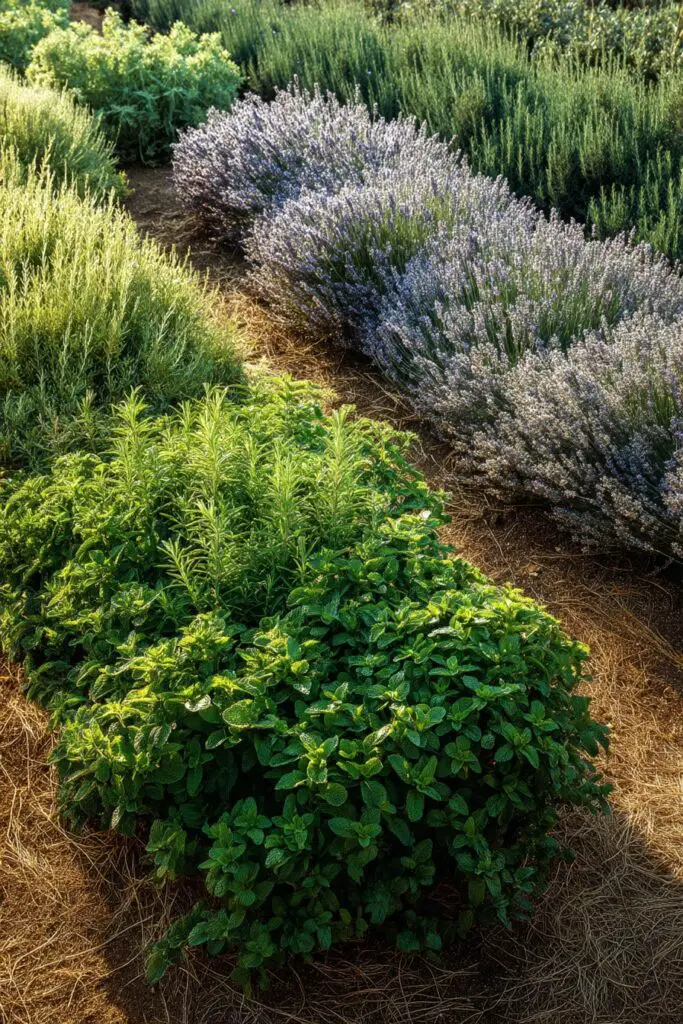
One of the most important factors when choosing herbs to plant together is their light and moisture requirements. Herbs that need similar conditions grow more evenly and stay healthier.
Full Sun Herbs to Plant Together
Many Mediterranean varieties prefer at least six hours of direct sunlight each day. These herbs to plant together also enjoy well-draining soil and moderate watering.
Good combinations include:
- Rosemary
- Thyme
- Oregano
- Sage
- Lavender
These herbs tolerate drier soil and should not be overwatered. Grouping them together prevents excess moisture from harming their roots.
Partial Sun and Moisture-Loving Herbs to Plant Together
Some herbs prefer slightly cooler conditions and soil that stays consistently moist.
Suitable herbs to plant together in partial sun include:
- Parsley
- Chives
- Mint
- Cilantro
These varieties appreciate more frequent watering. Keeping them separate from drought-tolerant herbs avoids uneven growth and stress.
By selecting herbs to plant together based on sunlight and watering needs, you create balanced growing conditions that support steady development.
Best Herbs to Plant Together in Containers
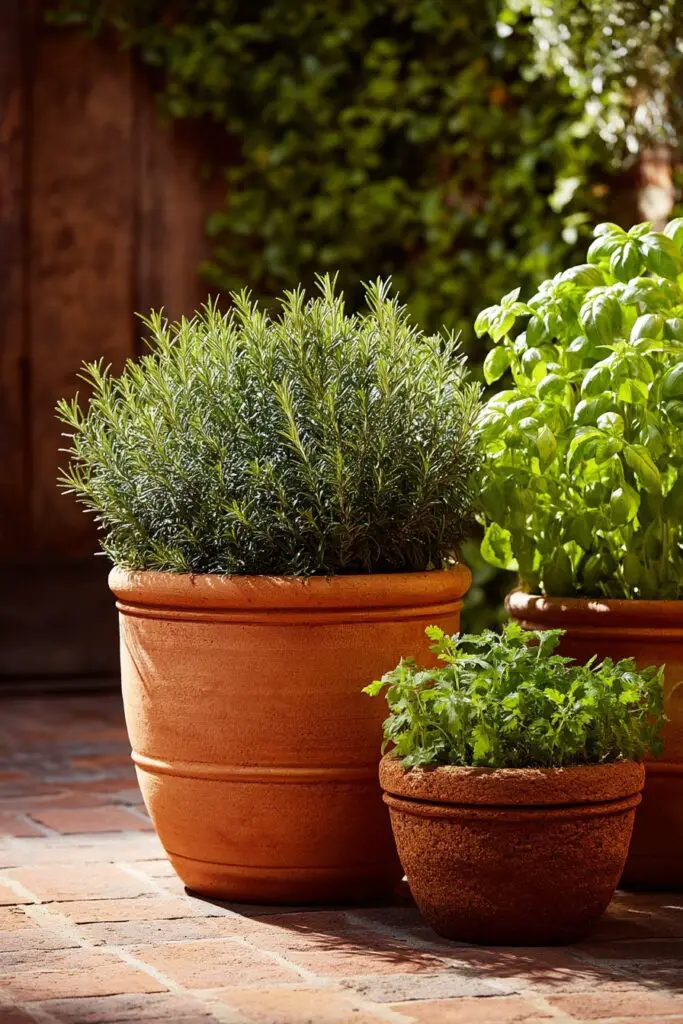
Containers are ideal for grouping herbs to plant together with similar growing habits. Because pots limit soil volume, it’s important to combine herbs that share water and light preferences.
Mediterranean Container Combination
A sunny patio container works well for drought-tolerant herbs to plant together.
Try pairing:
- Rosemary
- Thyme
- Oregano
Use a well-draining potting mix and avoid overwatering. These herbs prefer slightly dry soil and strong sunlight.
Fresh and Leafy Combination
For a container that receives moderate sun, choose softer herbs to plant together that appreciate consistent moisture.
Good pairings include:
- Basil
- Parsley
- Chives
These herbs benefit from regular trimming and steady watering. Keep the container close to the kitchen for easy harvesting.
Compact Balcony Combination
In small spaces, choose compact herbs to plant together such as:
- Dwarf basil
- Thyme
- Mint (in a separate inner pot to control spreading)
Grouping compatible herbs in containers makes maintenance simple and prevents overcrowding.
A thoughtful container plan ensures your herbs to plant together remain healthy and productive throughout the season.
Herbs That Should Not Be Planted Together
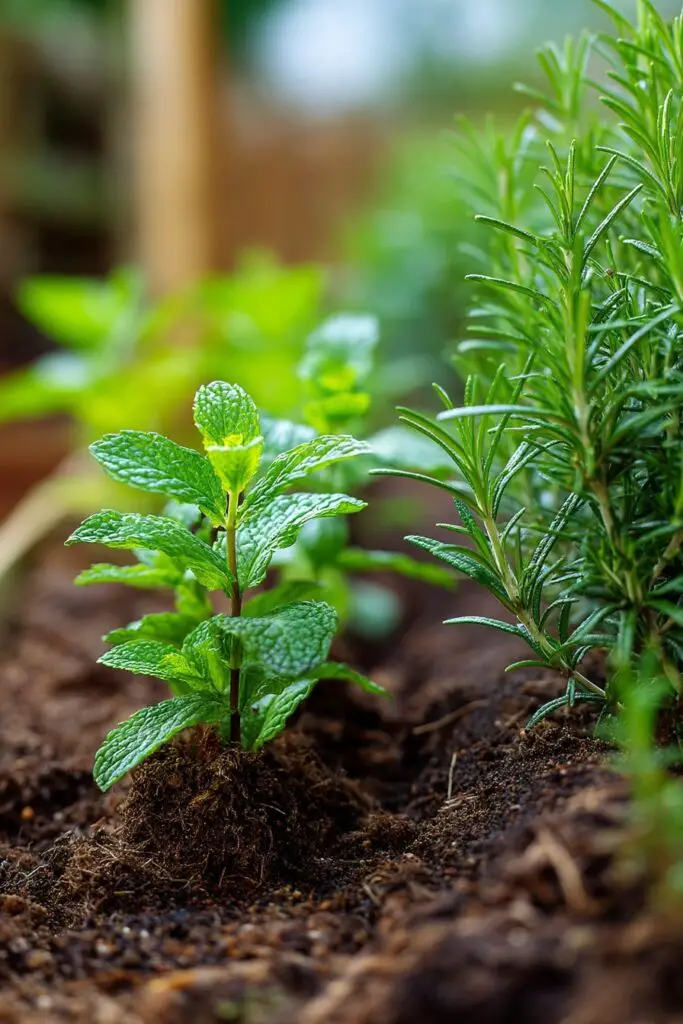
While many herbs grow well side by side, not all herbs to plant together are compatible. Some varieties compete for moisture or spread aggressively, affecting neighboring plants.
Avoid Mixing Dry and Moisture-Loving Herbs
Mediterranean herbs prefer dry soil, while others need steady moisture. Avoid pairing:
- Rosemary with mint
- Thyme with parsley
- Oregano with cilantro
These herbs to plant together will struggle because their watering needs differ.
Keep Spreading Herbs Contained
Mint is known for spreading quickly. If planted directly in a shared bed, it can overtake nearby herbs. Instead of grouping mint with other herbs to plant together in open soil, grow it in a separate container.
Consider Root Competition
Some herbs develop strong root systems that compete for nutrients. Fennel, for example, does not combine well with many other herbs. It is best planted separately.
By understanding which herbs to plant together and which to separate, you avoid unnecessary stress and maintain healthier plants.
Conclusion
Choosing the right herbs to plant together improves growth, simplifies care, and creates a more organized garden. Grouping herbs by lifecycle, sunlight needs, and watering requirements ensures stronger plants and better harvests.
Whether growing in raised beds or containers, selecting compatible herbs to plant together allows you to maintain balanced soil conditions and reduce maintenance challenges. With thoughtful planning, your herb garden can thrive season after season.