
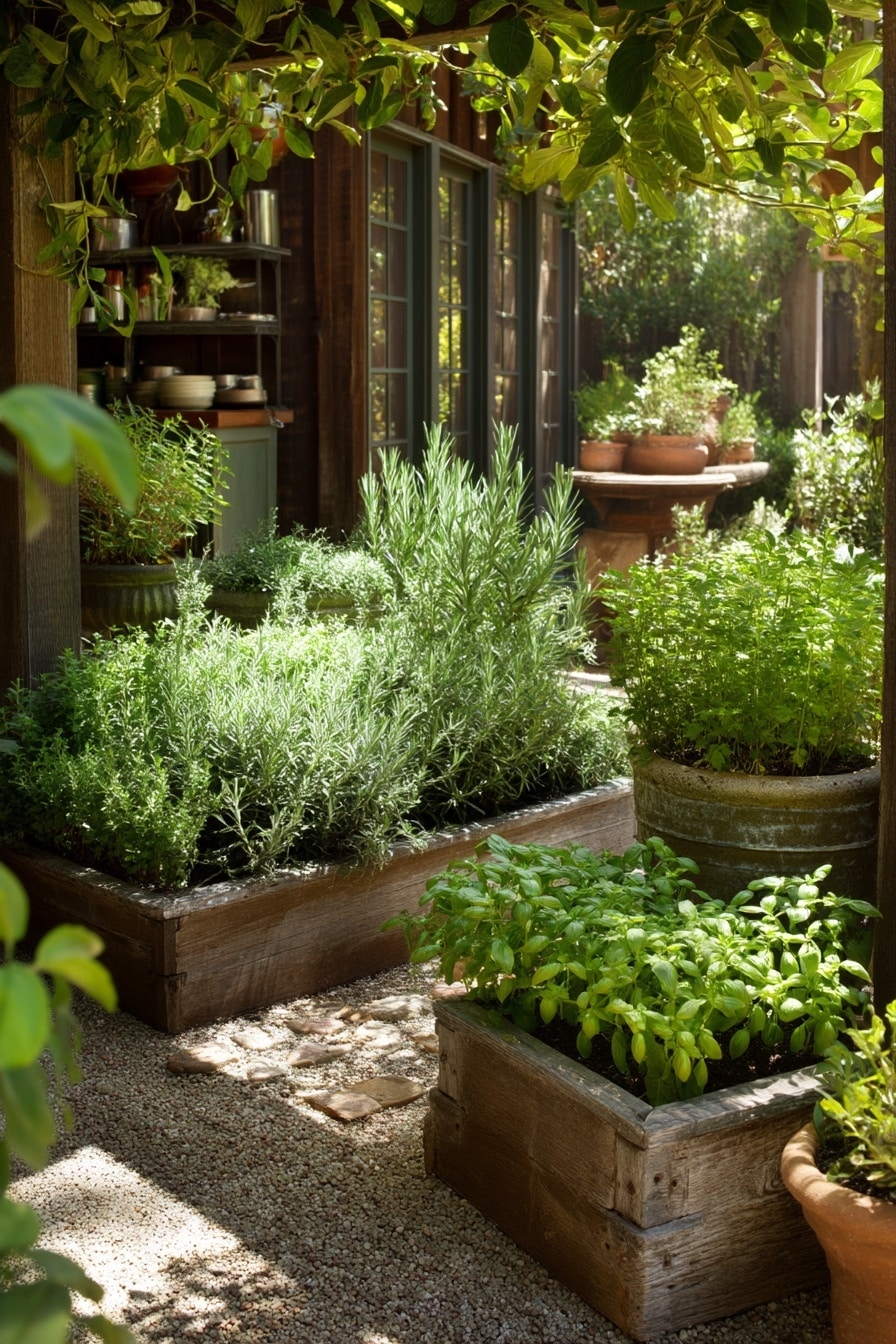
Herb garden outdoor spaces bring fresh scent, vibrant greens, and delicious flavor to your landscape, kitchen, and everyday meals. Growing herbs outside lets you enjoy the full potential of these aromatic plants—right where they thrive best.
An outdoor herb garden is both practical and beautiful, extending your gardening creativity and giving you easy access to fresh herbs throughout the season. Whether you have a backyard plot, patio border, or container setup, outdoor herbs add color, texture, and culinary delight to any space.
In this guide, we’ll walk through what you need to plan, plant, and maintain a thriving herb garden outdoor that looks great and tastes even better.
Table of Contents
Choosing the Right Location for Your Outdoor Herb Garden

A successful herb garden outdoor begins with choosing the best spot. Most herbs crave sunshine and good air circulation, so selecting the right area is essential for healthy, flavorful plants.
Key factors to consider:
- Sunlight: Aim for 6–8 hours of direct sun daily. Mediterranean herbs like rosemary, thyme, and oregano love full sun.
- Drainage: Avoid soggy spots—herbs don’t like wet feet. Raised beds or containers help ensure well-drained soil.
- Accessibility: Keep your garden near the kitchen or patio. You’ll be more likely to harvest and care for your herbs if they’re within reach.
- Wind protection: Herbs benefit from a little shelter. A nearby wall, fence, or hedge helps reduce damage from strong gusts.
A thoughtfully chosen location sets the stage for vigorous growth and steady harvests all season long.
Best Herbs to Grow Outdoors
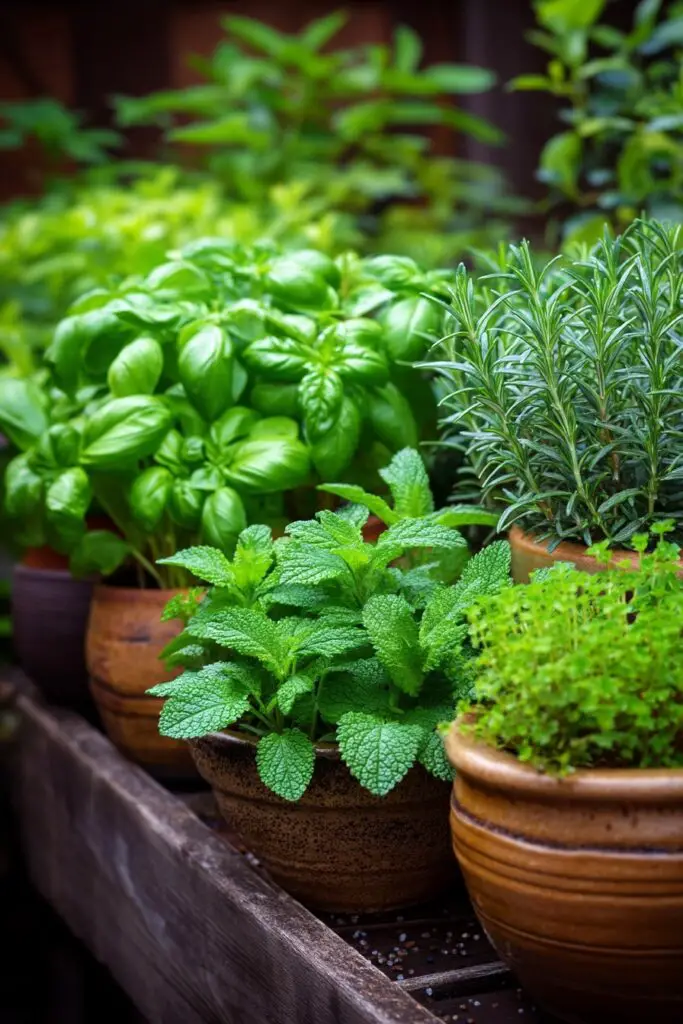
One of the best things about a herb garden outdoor is the wide variety of herbs that thrive in open-air conditions. From culinary favorites to fragrant ornamentals, many herbs grow even better outside than indoors.
Top outdoor herbs to plant:
- Basil – A summer staple; great in pots or beds, but protect from cold nights.
- Rosemary – Hardy, drought-tolerant, and evergreen in warmer zones.
- Thyme – Low-growing and aromatic, perfect for borders or groundcover.
- Oregano – Robust and flavorful; thrives in full sun and poor soil.
- Mint – Easy to grow but invasive; keep it in containers to control spread.
- Parsley – A biennial that performs well with part sun and rich soil.
- Chives – Perennial and easy to maintain; adds color and mild onion flavor.
When selecting herbs, consider your local climate, soil type, and how often you plan to use them in cooking. Outdoor herbs are resilient and often low-maintenance when given the right environment.
Planting and Layout Tips for Outdoor Herb Gardens
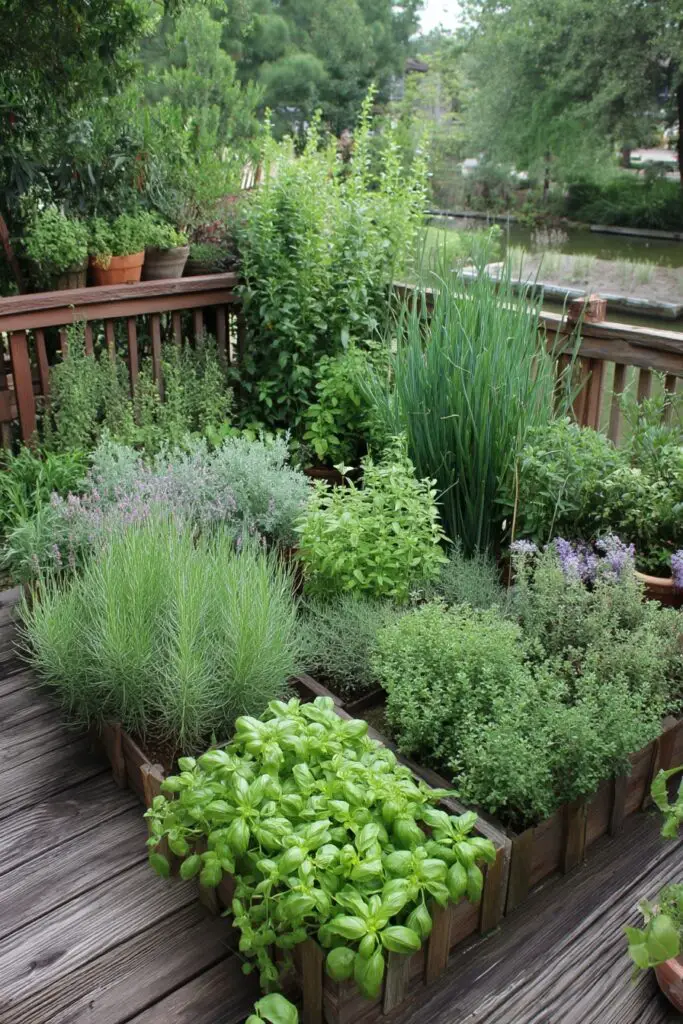
Designing your herb garden outdoor is both a practical and creative process. Whether you’re planting in the ground, raised beds, or containers, how you arrange your herbs affects how well they grow and how easy they are to care for.
Smart planting tips:
- Group by water and sun needs: For example, rosemary, oregano, and thyme prefer drier soil, while basil and parsley enjoy more moisture.
- Give each plant room: Herbs spread quickly. Avoid overcrowding to promote airflow and prevent disease.
- Use borders and layers: Taller herbs like dill and fennel go in the back; low growers like thyme and oregano stay up front.
- Consider companion planting: Many herbs (like basil) improve growth and deter pests when planted alongside vegetables such as tomatoes.
A well-planned layout enhances your garden’s look and function while making everyday harvesting a breeze.
Caring for Your Outdoor Herb Garden
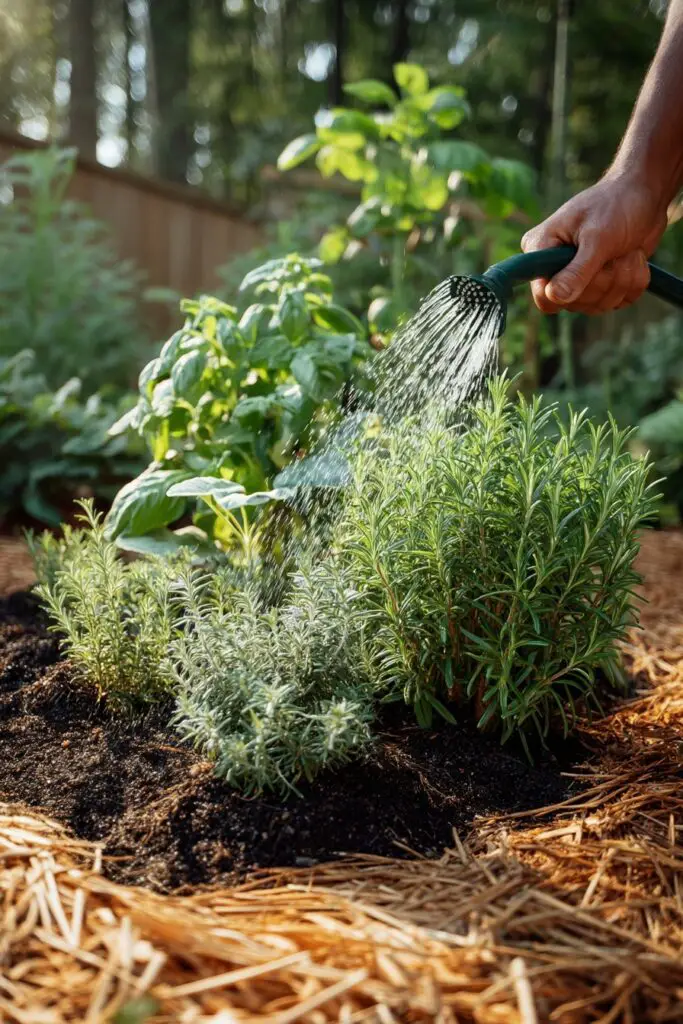
Once your herb garden outdoor is planted, keeping it healthy comes down to a few essential habits. Most herbs are low-maintenance, but regular care ensures they stay lush, flavorful, and productive throughout the season.
Basic care checklist:
- Water wisely: Deep water when the soil is dry 1–2 inches down. Avoid overwatering—especially for Mediterranean herbs like rosemary and thyme.
- Prune regularly: Frequent light harvesting encourages new growth and prevents herbs from becoming woody or going to seed.
- Watch for pests: Aphids, spider mites, and slugs can show up. Use organic controls like neem oil or hand removal when needed.
- Feed sparingly: Over-fertilizing leads to lush foliage with weak flavor. Compost or diluted fish emulsion once a month is usually enough.
- Mulch and weed: Keep soil moisture steady and weeds at bay with a light layer of mulch around the base of plants.
With these simple habits, your outdoor herb garden will thrive with minimal effort and offer fresh flavor from spring through fall.
Harvesting and Using Fresh Herbs from the Garden
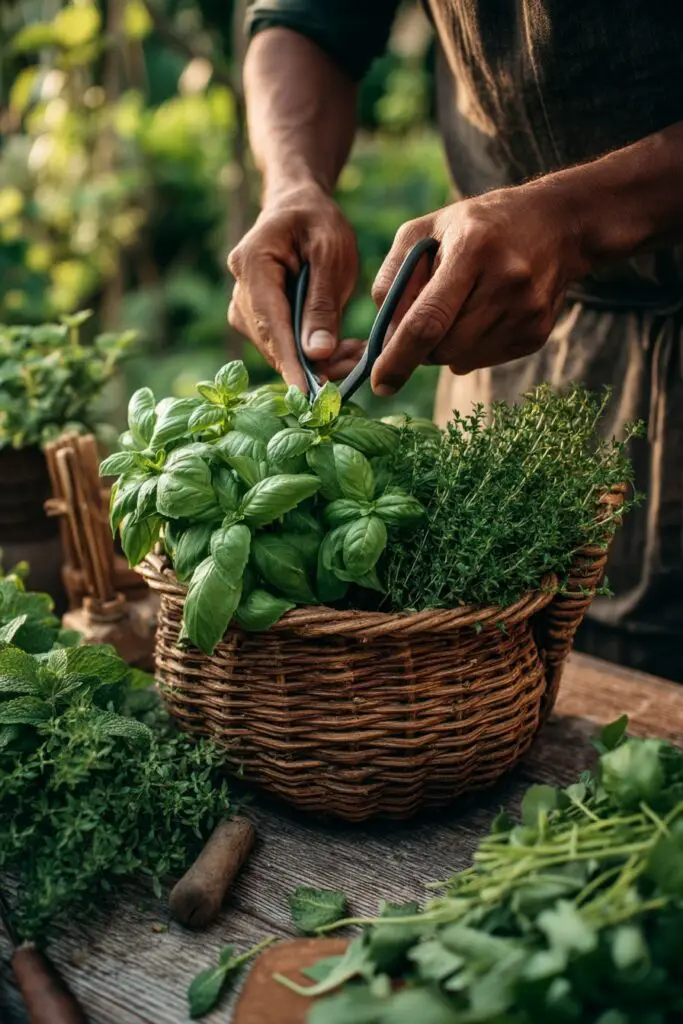
One of the best parts of growing a herb garden outdoor is the convenience of harvesting fresh flavor whenever you need it. Regular harvesting not only enhances your cooking—it also keeps your plants thriving and productive.
Harvesting tips:
- Pick in the morning when essential oils are most concentrated
- Snip above a leaf node to encourage bushier growth
- Avoid removing more than one-third of the plant at once to prevent stress
- Use clean scissors or pruners to make neat cuts and avoid damaging stems
Ways to use your herbs:
- Fresh in meals: Add basil to pasta, mint to drinks, thyme to roasts, and parsley to salads
- Dry or freeze: Preserve extra herbs for year-round use
- Make herb oils, butters, or teas for creative uses in the kitchen
- Decorate: Use small herb bundles as table garnishes or in flower arrangements
With a few snips, your garden becomes a fresh and fragrant extension of your pantry—adding zest to everything you prepare.
Conclusion
Growing a herb garden outdoor is one of the most rewarding ways to blend beauty, utility, and flavor in your home landscape. Whether you’re working with containers, beds, or small borders, herbs add a touch of charm and a whole lot of culinary value.
With the right placement, smart planting, and a little regular care, your outdoor herb garden will not only thrive—it will elevate your meals, support pollinators, and provide a daily sensory experience. Trendy, timeless, and truly practical, herbs belong in every outdoor space.