
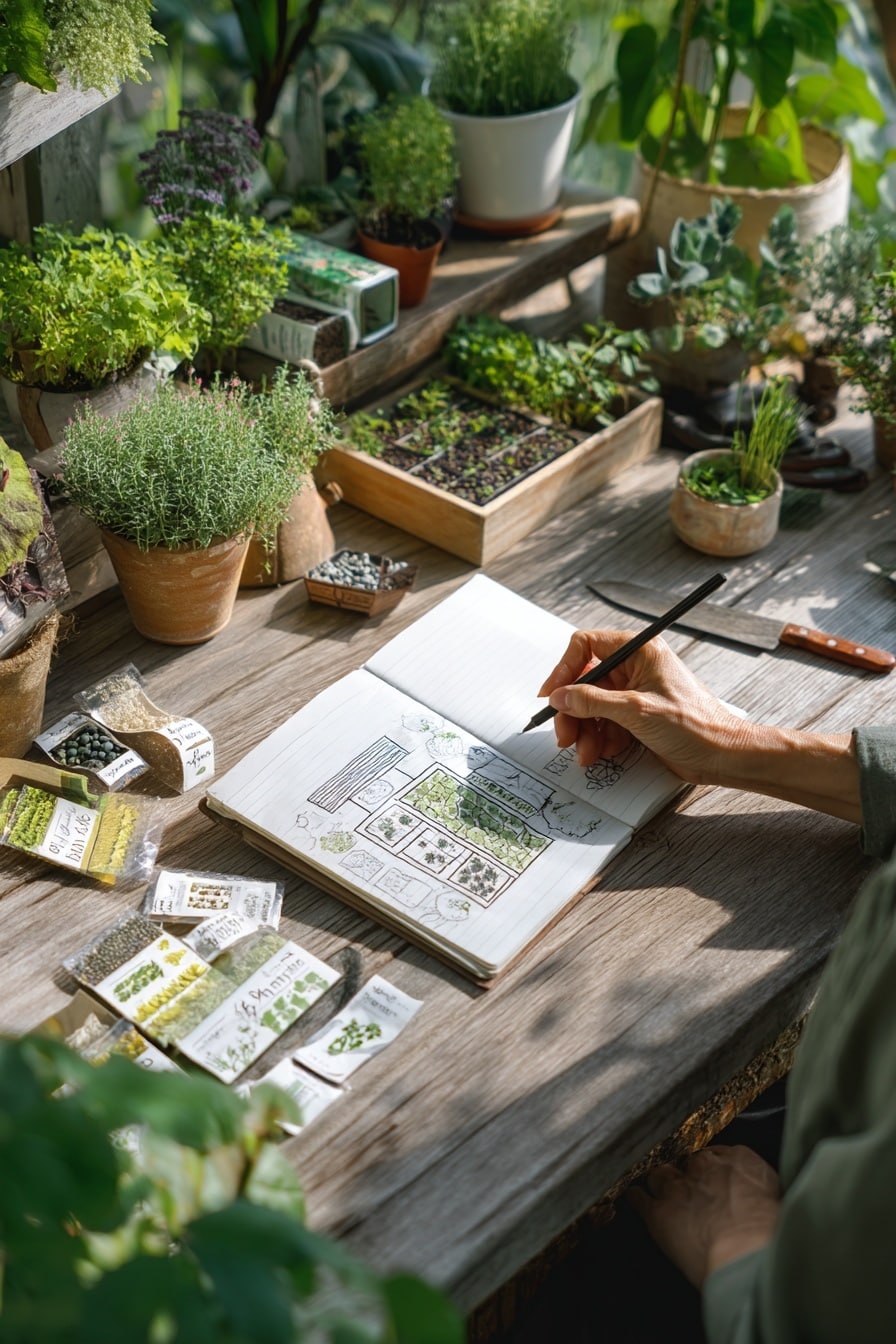
garden planning is the foundation of a successful garden season. Whether your goal is a vibrant flower border, a productive vegetable patch, or a mix of both, thoughtful planning now makes next year’s growing season easier, more rewarding, and more beautiful. Many gardeners find that making notes and sketches while their current gardens are in full bloom give them valuable insight into what worked, what didn’t, and what they want to improve. Recording these observations now will save time next spring and help you spend more of your energy planting and enjoying your garden rather than scrambling to make decisions at the last minute
Table of Contents
Why Garden Planning Matters

Taking time for garden planning each year ensures you build on past successes and learn from what didn’t go as expected. It’s more than making a wish list — it’s a chance to refine your goals and create a functional layout that suits your lifestyle, space, and gardening conditions.
Maximize Your Growing Space
- Mapping out your garden helps avoid overcrowding and underutilized areas.
- Efficient use of beds and containers leads to better yields and healthier plants.
- Visual planning prevents common mistakes like planting tall crops where they’ll block sunlight from others.
Avoid Repeating Mistakes
- Record which plants underperformed and consider if it was the wrong location, soil, or plant choice.
- Track pests or disease issues that affected specific crops or areas of your garden.
- Noting these details during the season makes it easier to adjust and improve next year’s setup.
Set Realistic Goals
- Planning forces you to consider your available time, energy, and resources.
- You can balance ambitious ideas with manageable tasks to prevent burnout.
- Prioritizing what you enjoy most keeps gardening fun and fulfilling.
Review and Reflect on This Year’s Garden
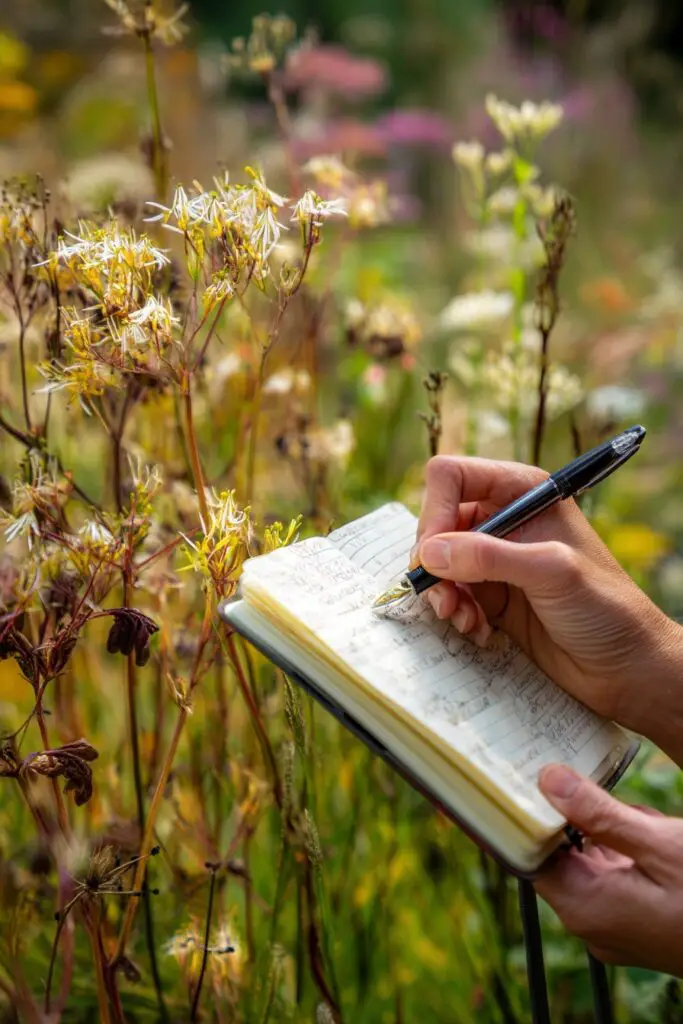
Before jumping into new ideas, it’s essential to evaluate what happened in your garden this past year. Honest reflection is the backbone of effective garden planning.
Take Notes While It’s Fresh
- Write down what bloomed well, what fizzled, and what surprised you.
- Include details like planting dates, varieties used, and how long blooms or harvests lasted.
- If you wait until winter, details fade — record everything while it’s still fresh.
Assess Layout and Spacing
- Did your garden feel overcrowded or sparse?
- Were certain areas hard to reach or shaded at the wrong times?
- Identifying these layout issues now will help you rearrange for better flow and access.
Review Soil and Watering
- Note if some beds dried out too quickly or stayed soggy.
- Were there areas with poor drainage or signs of nutrient deficiencies?
- This info helps with soil amendments and irrigation plans during off-season prep.
Setting Your Garden Planning Goals
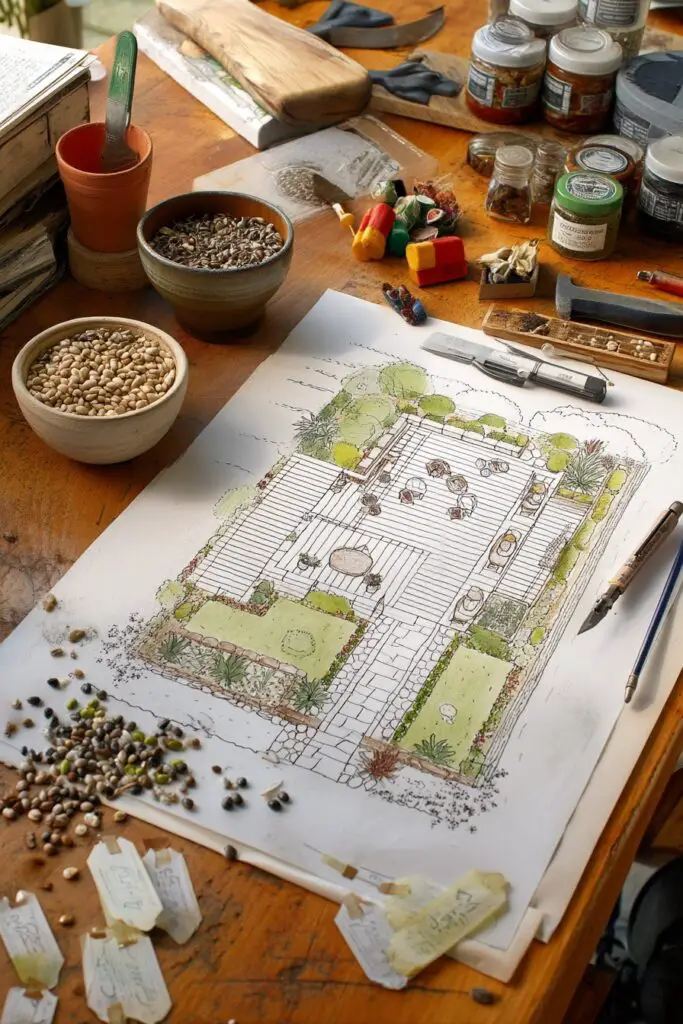
Once you’ve reviewed the past year, it’s time to think forward. What do you want from your garden next year? Clear goals guide your layout, plant choices, and maintenance routines.
Define Your Garden’s Purpose
- Are you focused on growing vegetables, creating cut flower beds, or designing a pollinator-friendly space?
- Each goal changes the way you structure your garden and what plants you prioritize.
- Choose one or two primary goals to guide your decisions and stay focused.
Consider Time and Energy Limits
- Be honest about how much time you’ll realistically have for gardening.
- If life will be busier, choose low-maintenance layouts and plant varieties.
- It’s better to plan smaller and enjoy success than to overcommit and feel overwhelmed.
Plan for Aesthetic and Function
- Combine practical needs with visual appeal — for instance, edging a veggie bed with herbs or flowers.
- Think about focal points, color schemes, and symmetry to create a cohesive design.
- Align layout with paths, seating areas, or privacy goals.
Tools for Effective Garden Planning

Good garden planning doesn’t require complicated software — just practical tools that help you visualize and organize. Whether digital or old-school, what matters is capturing your ideas clearly.
Use a Garden Journal
- Dedicate a notebook to record seasonal observations, plant details, and sketches.
- Include monthly summaries to track weather patterns, pest issues, and garden successes.
- Journaling helps identify patterns over time and improves future planning accuracy.
Sketch a Layout
- Draw a rough map of your garden beds, containers, and pathways.
- Use pencil so you can adjust spacing, rearrange crops, or test new layouts.
- Label areas by sunlight exposure to make smart plant placements easier.
Try Digital Planning Tools
- Use free apps or printable templates to map out your space virtually.
- Many platforms let you track planting dates, rotation schedules, and companion planting guides.
- Going digital makes it easier to reuse and revise plans from year to year.
Create a Month-by-Month Garden Planning Timeline
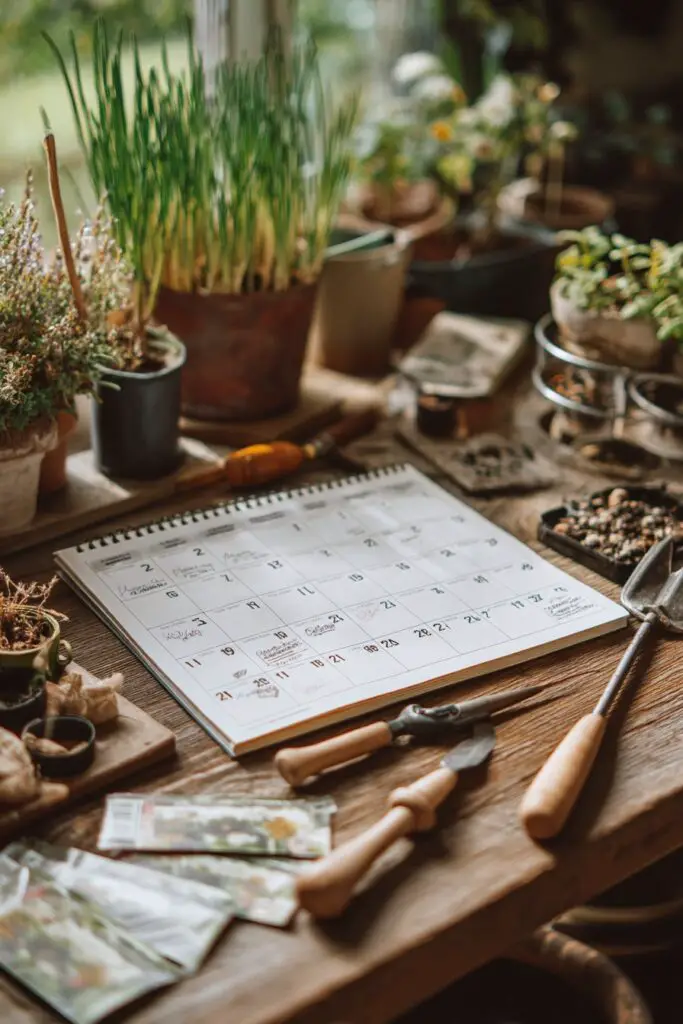
Breaking your garden planning into monthly tasks keeps things manageable and ensures you’re always a step ahead. Use this timeline to guide your year-round efforts.
Fall (Sept–Nov)
- Record notes from the current season while the details are still fresh.
- Clean up spent plants, compost debris, and test your soil if needed.
- Draft early sketches or ideas based on what worked this year.
Winter (Dec–Feb)
- Finalize your garden layout and order seeds.
- Review plant catalogs and select varieties based on your goals.
- Build or repair structures like raised beds or trellises indoors if possible.
Spring (Mar–May)
- Prep soil with compost and amendments based on your notes.
- Begin planting cool-season crops, then move to warm-season varieties as the weather warms.
- Adjust layout as needed based on weather and conditions.
Summer (Jun–Aug)
- Monitor growth and note what’s thriving or struggling.
- Keep up with weeding, watering, and harvesting routines.
- Begin observing what might need adjusting for next year’s plan.
Conclusion
Garden planning is a powerful habit that turns hopeful planting into a purposeful, productive, and beautiful garden season. By reviewing the past year, setting clear goals, and mapping out your layout and tasks, you’ll step into spring with clarity and confidence. Whether you grow vegetables, flowers, or both, the time you spend planning now will reward you with less stress, fewer mistakes, and more garden joy next year.