
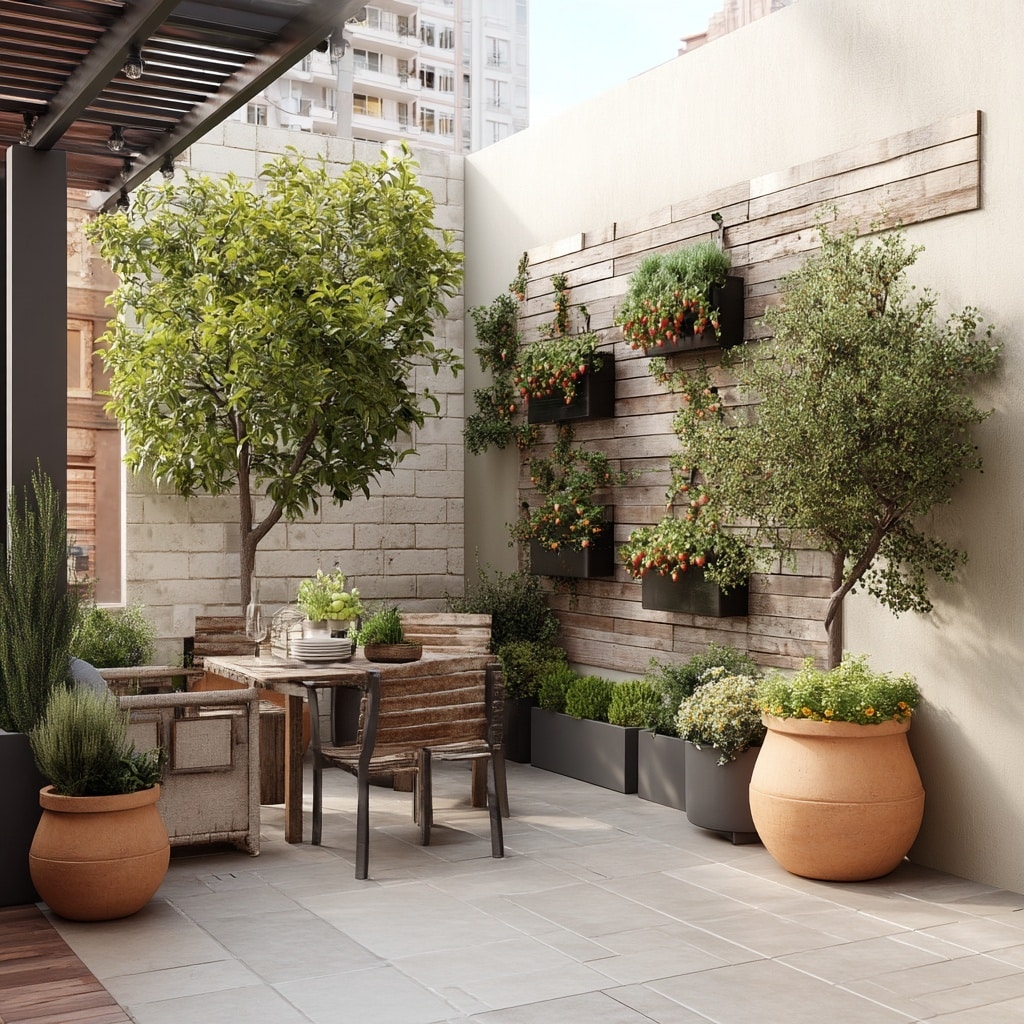
Garden ideas are no longer just about neat rows of vegetables or basic backyard beds. Today’s edible landscapes are evolving into vibrant, thoughtful spaces that blend beauty with bounty. Whether you’re working with a small patio, sloped yard, or full sun-soaked garden plot, you can turn your growing space into a true visual masterpiece. With a bit of creativity and a focus on structure, texture, and purpose, your vegetable garden can feel as intentional and stunning as any ornamental display. This guide offers seven transformative garden ideas to help you reimagine how your food garden looks and functions—so it feeds the senses just as much as it feeds your table.
Table of Contents
1. Layer Your Landscape for Depth and Drama

One of the most impactful garden ideas is to design with layers, much like an artist builds a painting. Start by visualizing your garden in tiers—low groundcovers, mid-height perennials, and taller shrubs or small trees. This stair-step effect brings movement and richness, allowing every plant to shine without crowding the space.
Choose plants with varied leaf shapes, colors, and textures. Mix rounded leaves with wispy grasses or strap-like foliage. For a warm palette, try golden grasses, chocolate cosmos, and orange poppies. Prefer cooler tones? Go for silvery fescue, blue penstemon, and rosemary. The key is contrast and flow—think soft next to spiky, bold beside subtle.
A layered garden not only feels lush, but also helps maximize light, airflow, and pollinator traffic, making it both beautiful and productive.
2. Use Structures That Add Purpose and Style
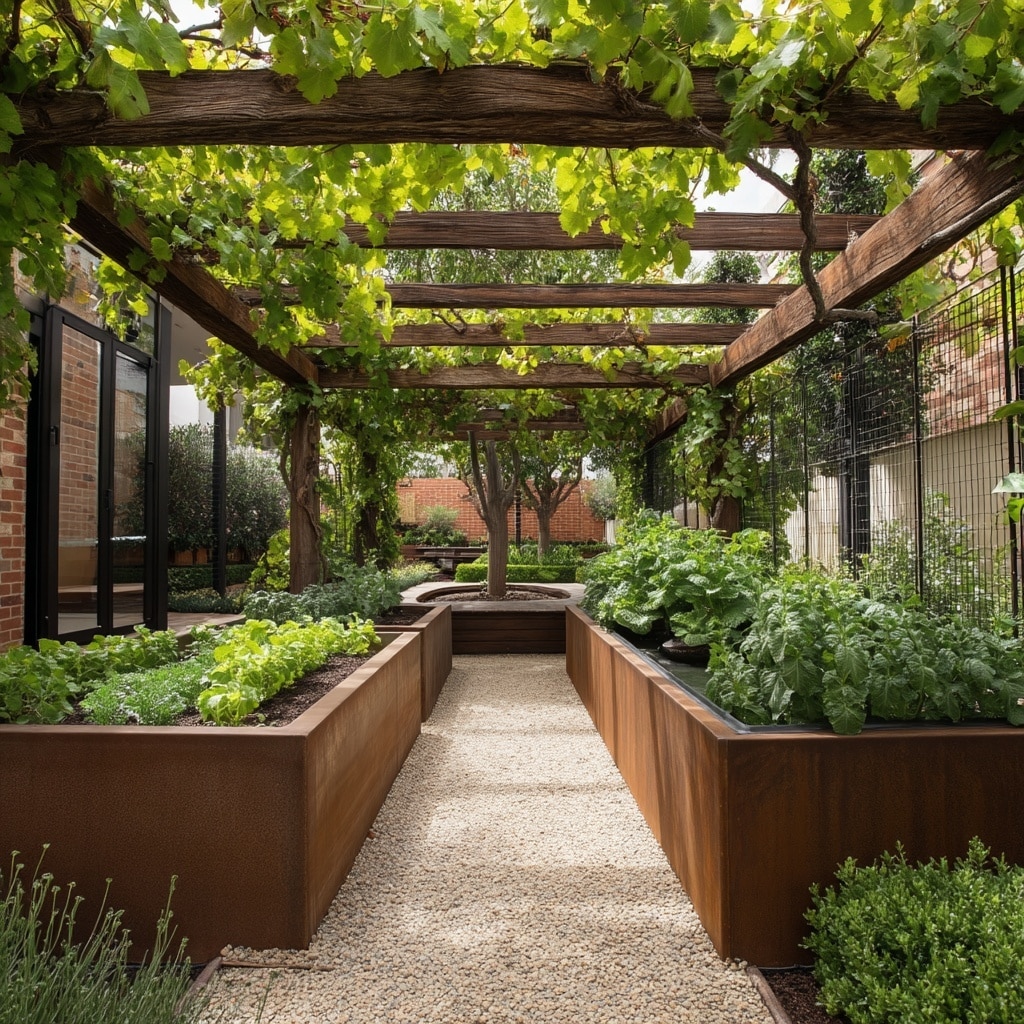
When thinking about garden ideas that truly transform your space, don’t overlook structure. Design elements like trellises, raised beds, stone bowls, or even sculptural water troughs can act as both functional features and artistic statements.
For example, a sleek steel water basin doubles as a pollinator-friendly drink station and a modern focal point. A rustic arbor covered in flowering vines can guide the eye and define garden “rooms.” Even compost bins or hose storage can be designed to blend with the aesthetic if you choose materials that complement your overall look.
The right structures provide balance, rhythm, and visual storytelling in your vegetable garden. They frame your plantings, offer verticality, and give your garden a sense of cohesion—turning it into a place that feels as good as it grows.
3. Blend Foraged and Cultivated Plants for a Natural Look
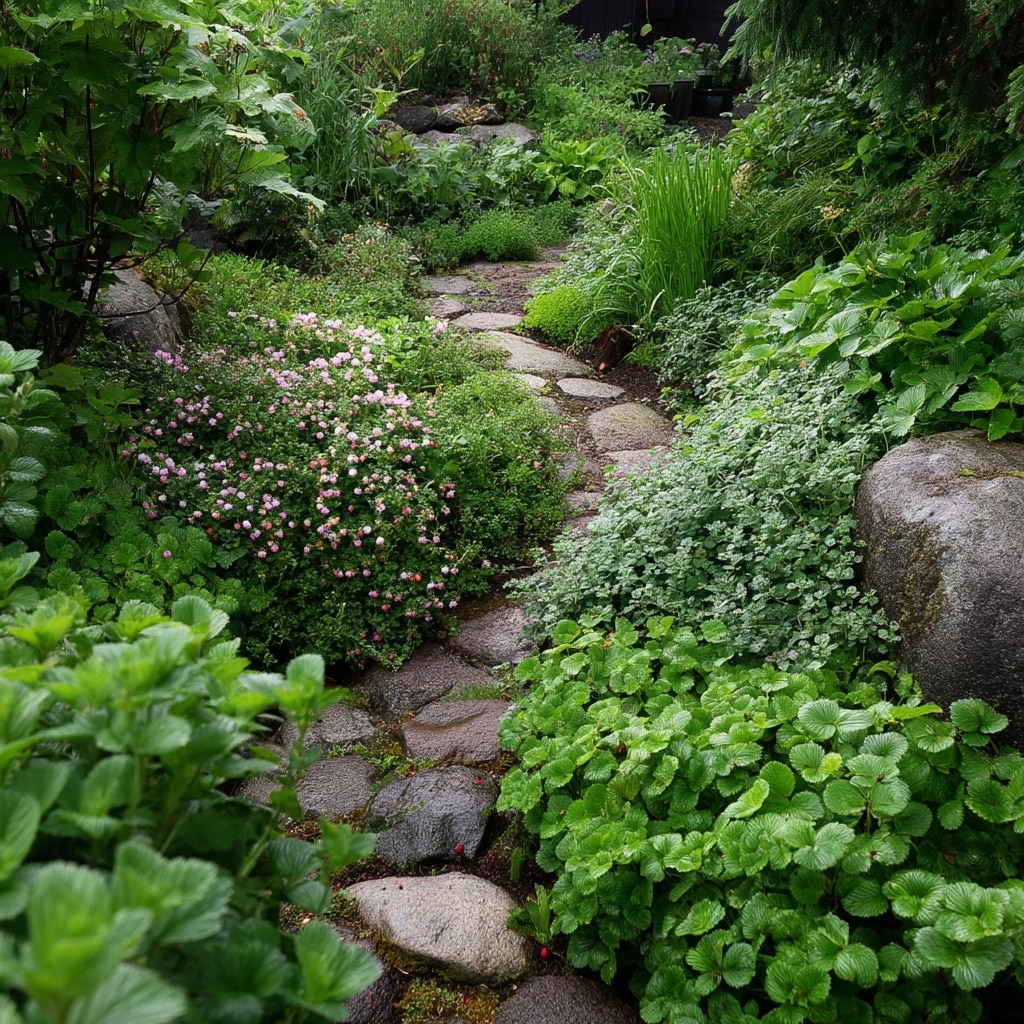
For garden ideas that add both charm and connection, consider mixing foraged-style plants with cultivated edibles. The result is a garden that feels more like a wild pantry—abundant, interactive, and deeply personal.
Tuck in low-maintenance, spreadable edibles like alpine strawberries, blackberries, or huckleberries among your more structured crops. Let herbs like thyme, mint, or oregano spill casually along pathways. These plants invite you to wander, pick, and taste as you go—turning your garden into an edible journey.
This approach not only enhances biodiversity but also makes your space feel more lived-in and welcoming. When designed well, even a small patch can feel like a thriving, self-sustaining ecosystem that feeds both body and soul.
4. Combine Edibles and Natives for a Wild Yet Balanced Garden

Some of the best garden ideas come from nature itself. Blending native plants with edible varieties creates a landscape that supports pollinators, builds resilience, and still puts food on the table. This mix gives your garden a sense of place while also inviting beneficial insects and birds to take part in its success.
Start with regionally native fruiting plants like elderberry, strawberry, or huckleberry, then layer in edibles that thrive in your climate. Mediterranean herbs like rosemary, thyme, or artichoke are perfect companions, especially in dry zones. Native flowering plants like echinacea or yarrow not only attract pollinators but also blend beautifully with vegetables and herbs.
This “wildscaped” approach doesn’t sacrifice function—it celebrates it, turning your garden into a thriving, dynamic habitat.
5. Redesign Your Borders for Purpose and Beauty
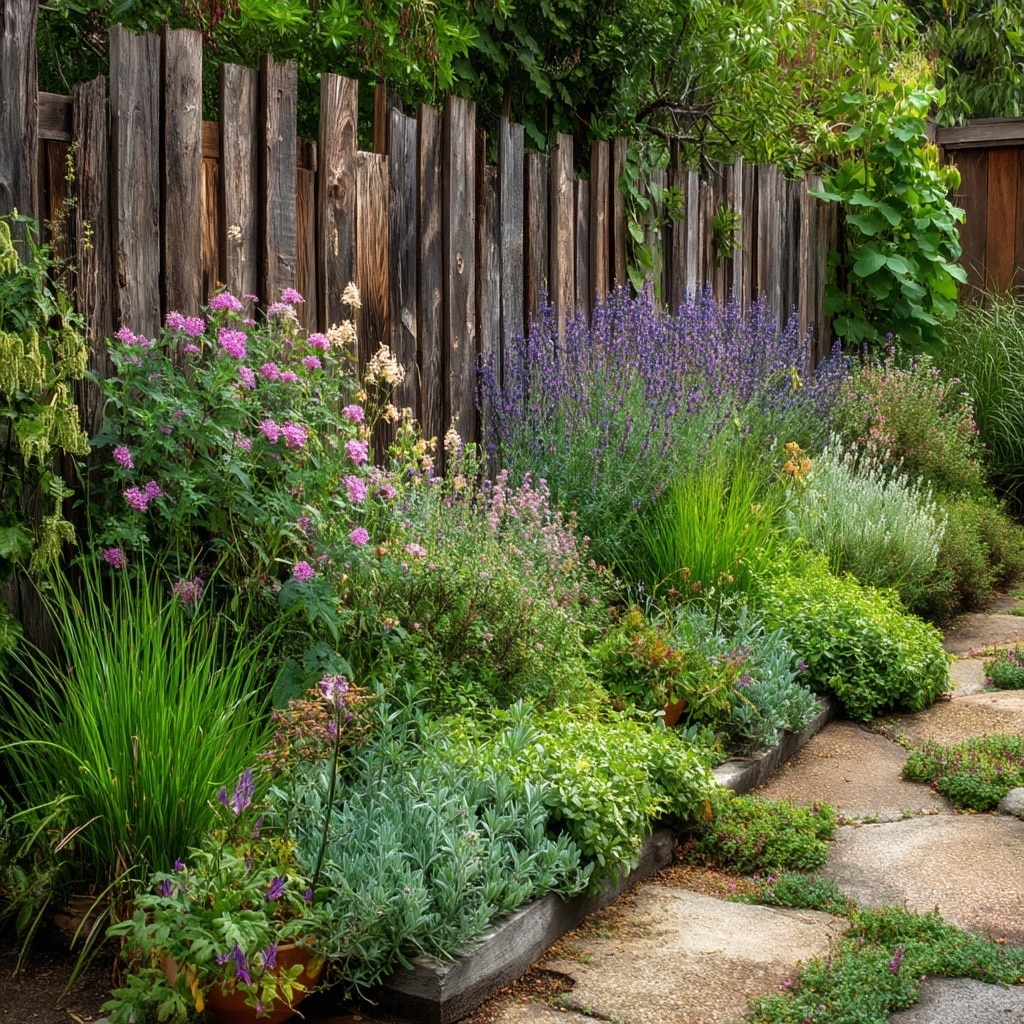
Borders are often overlooked, but when used intentionally, they can become one of the most impactful garden ideas in your design toolbox. Instead of fencing off or ignoring the edges, turn your garden borders into functional and beautiful planting zones.
Start by creating a layered effect:
- Use tall fruiting shrubs or small trees (like fig, citrus, or dwarf plum) as a backdrop
- Fill the mid-layer with berry bushes, lavender, or flowering herbs
- Finish with groundcovers like strawberries, creeping thyme, or calendula
If your garden sits on a slope, raised beds or retaining walls can help hold soil and add definition. You can also carve out pathways, seating nooks, or edible hedges to make the most of every inch.
Well-designed borders blur the line between beauty and productivity—and make your vegetable garden feel whole.
6. Transform Forgotten Spaces into Food Havens
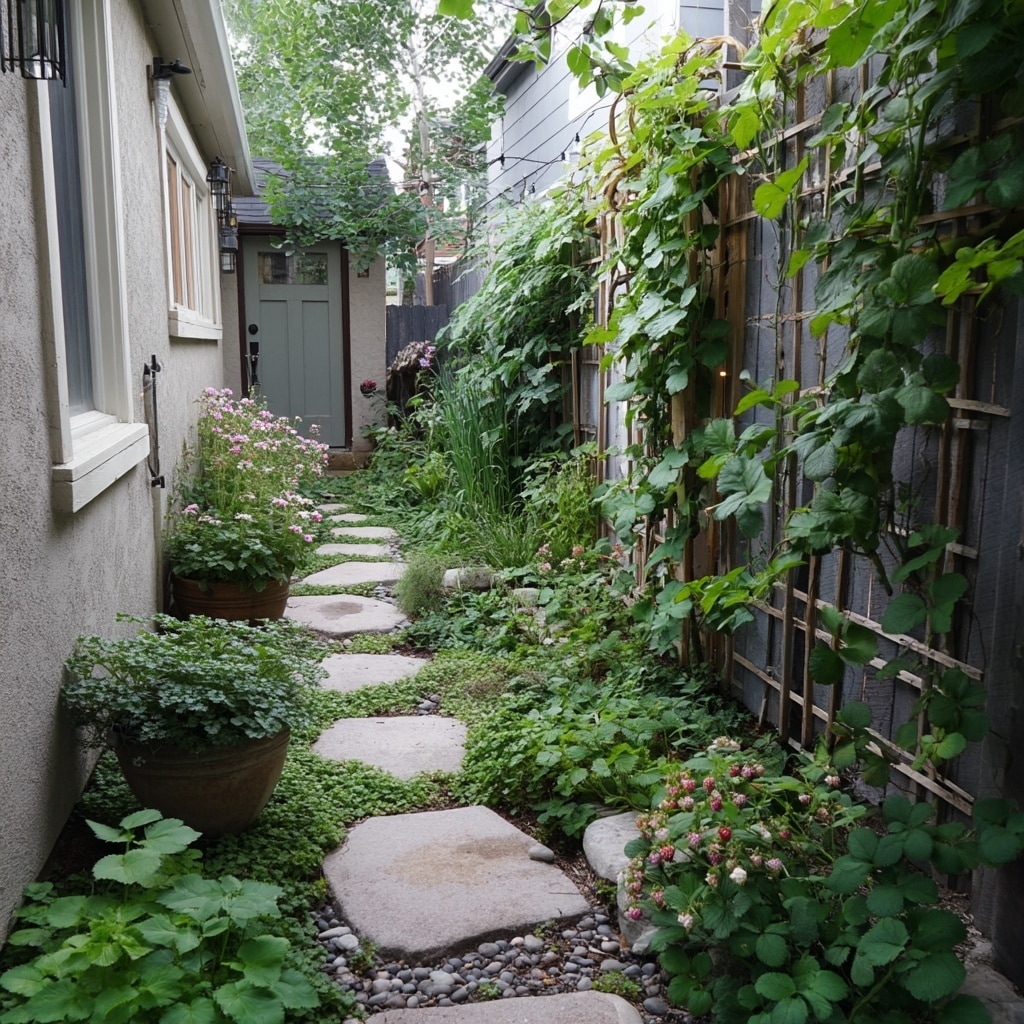
If you’re short on square footage, one of the smartest garden ideas is to repurpose narrow or overlooked areas—like side yards, alleyways, or utility zones—into productive, edible pockets. These often-ignored spaces have huge potential when designed with scale and intention in mind.
Choose compact, non-invasive plants that won’t overwhelm the space or obstruct foot traffic. Great options include alpine strawberries, yerba buena, creeping herbs, or vertical fruiting vines like malabar spinach or cucamelon. In tight corners, frame focal points using bold-leaved edibles or color-rich flowers that thrive in partial sun.
The trick is to treat these areas with the same attention as your main garden beds. Even narrow beds can become beautiful extensions of your edible garden when planted thoughtfully and layered with care.
7. Maximize Small Spaces with Pots and Vertical Elements
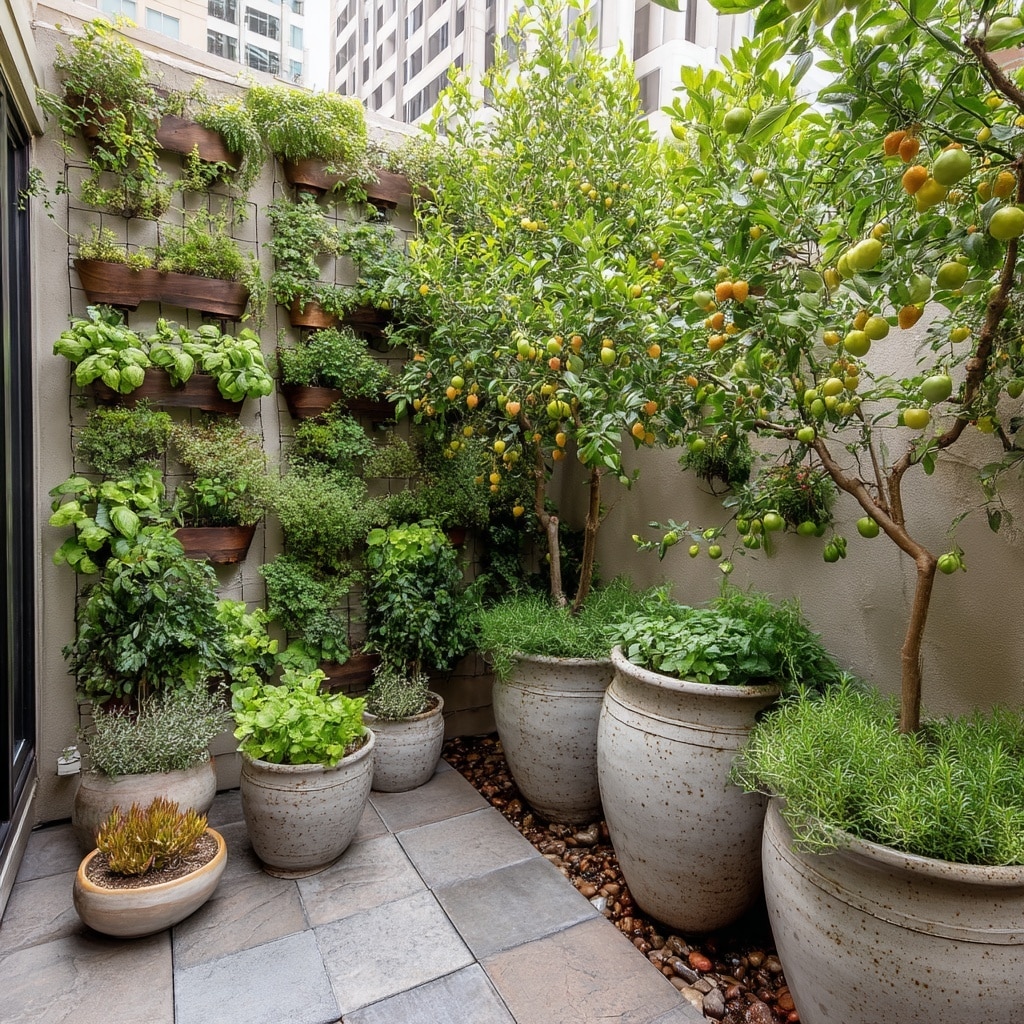
Small gardens are no barrier to beauty or abundance. One of the most adaptable garden ideas is to use containers, vertical elements, and compact edibles to create lush, layered displays in patios, balconies, or even window ledges.
Start with large pots or planters to anchor your space. Include a tall feature like a cordon-trained fruit tree (such as apple or pear) or an espaliered citrus against a wall or fence. Around it, plant low-growing herbs and strawberries to add fullness and color.
You can also use vertical frames, trellises, or hanging baskets to take advantage of upward space. Grouping a few beautiful pots with complementary textures and tones can turn even a tiny patio into a productive garden oasis.
Design still matters in small spaces—maybe even more so. When every inch counts, thoughtful plant pairing and vertical planning help you grow more with style.
Conclusion
Beautiful and productive can go hand in hand—especially when it comes to vegetable gardens. By rethinking traditional layouts and embracing layered design, structural features, native pairings, and even compact spaces, you can create a garden that’s not just functional, but truly a work of art.
These garden ideas aren’t about trends—they’re about transforming how your outdoor space feels and functions. Whether you’re working with acres or a single pot, thoughtful design and planting choices can make every corner feel intentional, edible, and alive.