
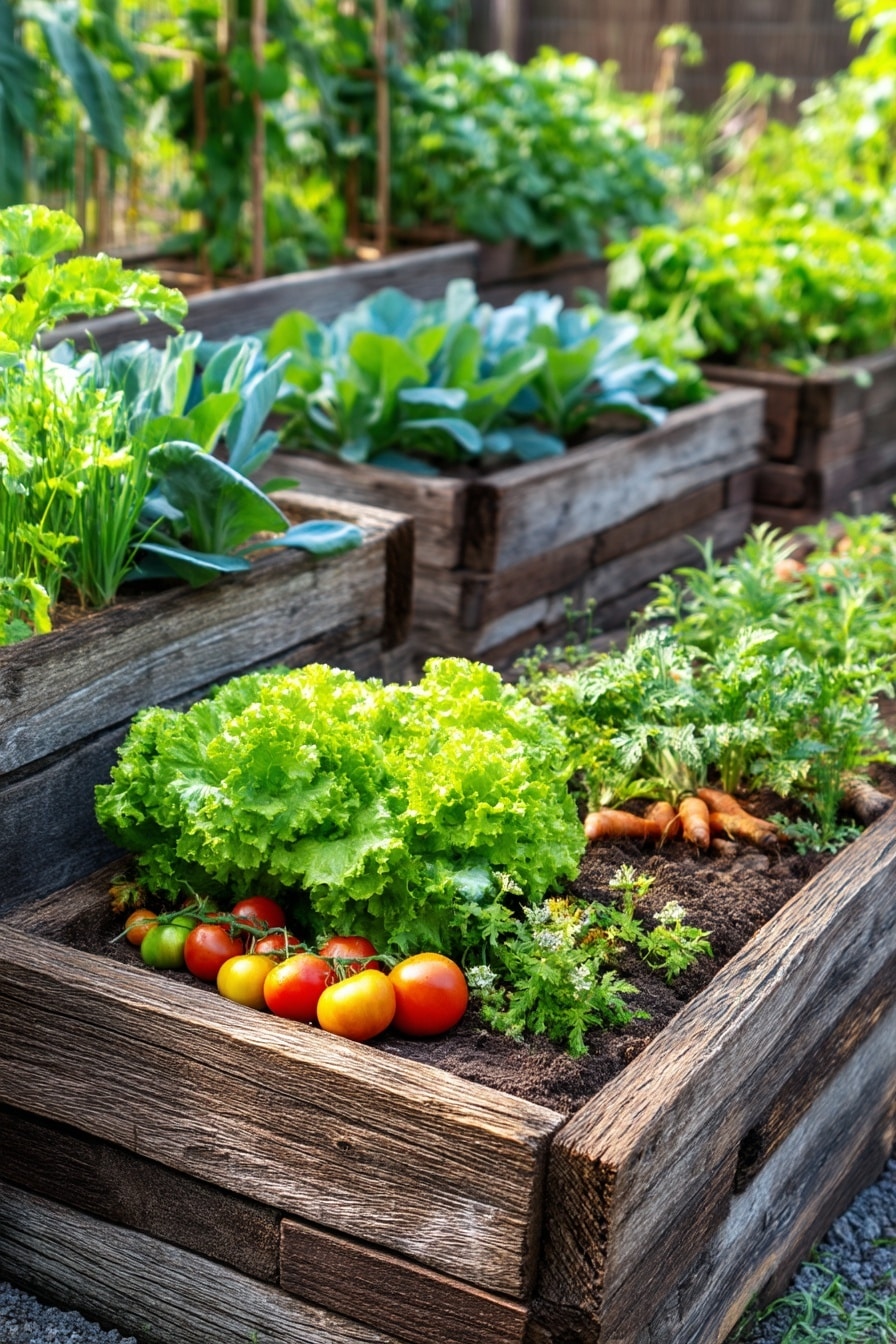
Garden boxes are a simple and effective way to grow vegetables, herbs, and flowers in a controlled and organized space. Many gardeners use garden boxes to improve soil conditions, manage plant spacing, and make gardening easier in both small and large yards.
Unlike traditional garden beds, garden boxes keep soil contained and elevated, which helps with drainage, weed control, and accessibility. Whether placed in a backyard, patio, or balcony, garden boxes make it possible to grow a wide range of plants with less effort.
With proper planning, garden boxes can turn even a limited outdoor space into a productive and attractive garden area. This guide explains how garden boxes work, their benefits, and how to use them effectively.
Table of Contents
What Are Garden Boxes?

Garden boxes are raised planting containers designed to hold soil and support plant growth. They are typically built with wood, recycled plastic, metal, or composite materials and are positioned above ground level.
Garden boxes provide a contained space where gardeners can manage soil quality and plant placement more easily than in traditional ground gardens.
Common Features of Garden Boxes
Most garden boxes include:
- Raised walls that hold soil in place
- Open bottoms for drainage and root growth
- Structured shapes such as rectangles or squares
- Durable materials designed for outdoor conditions
These features make garden boxes ideal for both beginner and experienced gardeners.
Benefits of Using Garden Boxes
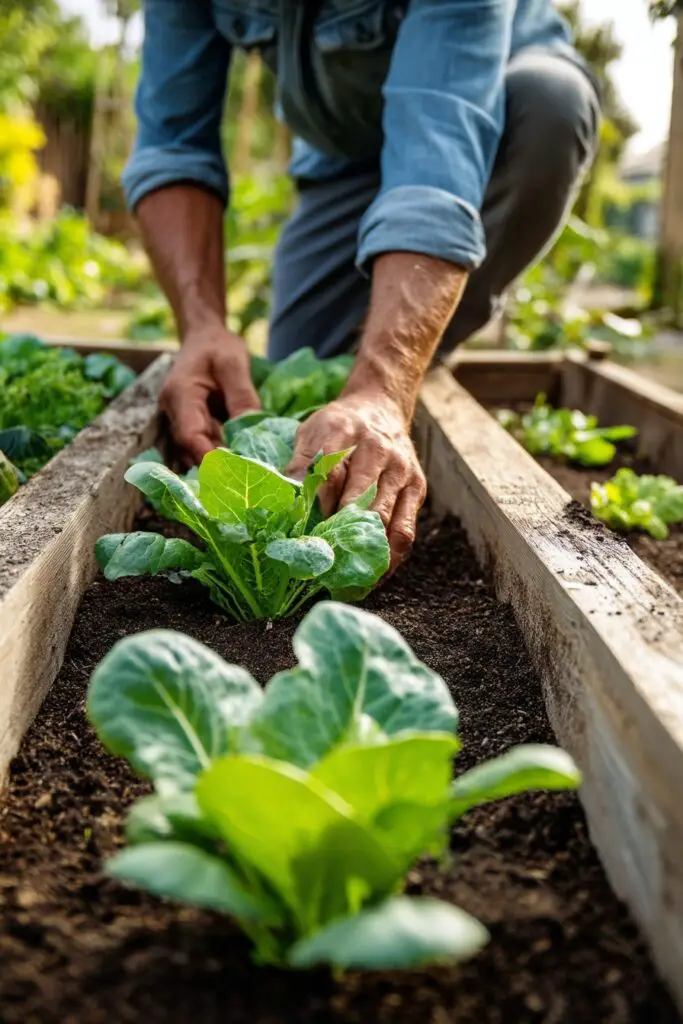
Many people choose garden boxes because they offer several practical advantages compared to traditional garden beds.
Improved Soil Quality
Garden boxes allow gardeners to fill the planting space with high-quality soil mixes. This improves plant health and encourages stronger root growth.
Better Drainage
Because garden boxes are elevated, excess water drains more easily. This helps prevent root rot and soil compaction.
Easier Maintenance
Raised planting areas reduce the need for bending and kneeling. Garden boxes make planting, watering, and harvesting more comfortable.
Fewer Weeds
Since the soil is contained, it is easier to manage weeds and keep unwanted plants from spreading.
Types of Garden Boxes
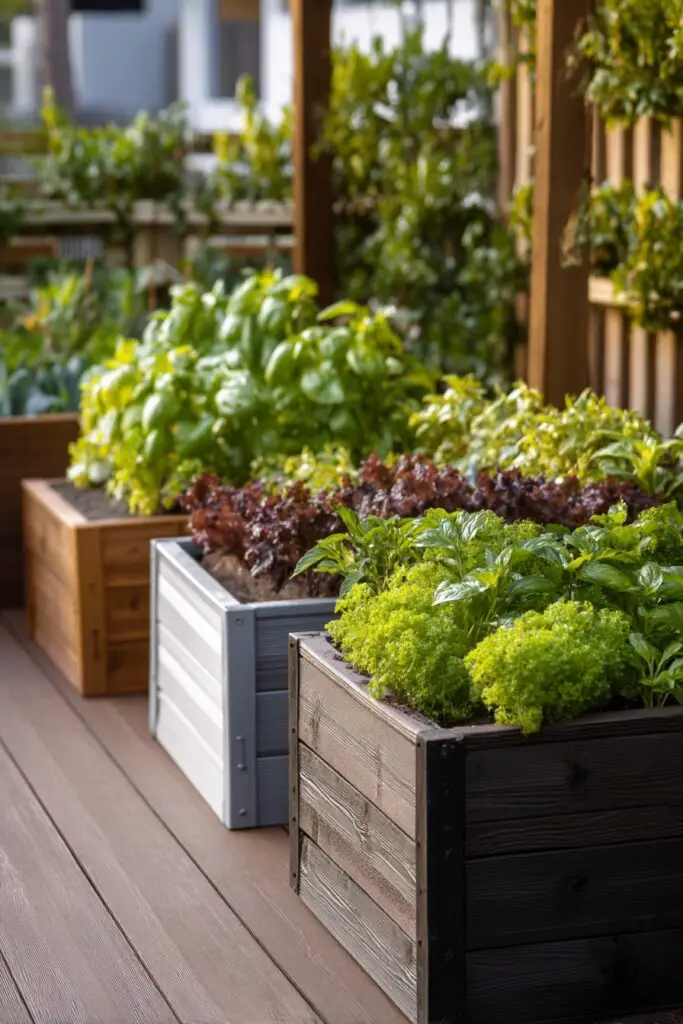
Different styles of garden boxes are available depending on the size of the garden and the plants being grown.
Wooden Garden Boxes
Wood is one of the most popular materials for garden boxes because it blends naturally with outdoor landscapes.
Benefits include:
- Natural appearance
- Good durability when treated properly
- Easy customization
Cedar and redwood are commonly used because they resist insects and decay.
Recycled Plastic Garden Boxes
Recycled plastic garden boxes are becoming increasingly popular due to their durability and sustainability.
Advantages include:
- Weather resistance
- Low maintenance
- Long lifespan
These garden boxes often use recycled materials that help reduce environmental waste.
Metal Garden Boxes
Metal garden boxes offer a modern appearance and strong structure.
Key benefits include:
- High durability
- Sleek design
- Resistance to cracking or warping
Metal boxes work well in contemporary garden designs.
Best Plants to Grow in Garden Boxes
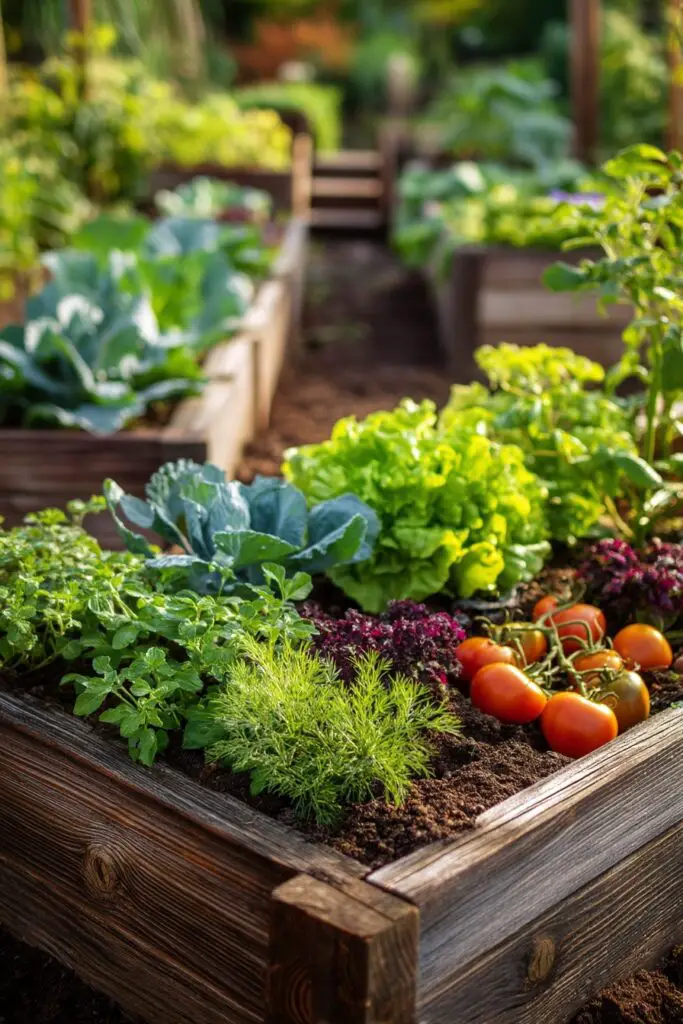
A wide variety of plants grow successfully in garden boxes. The key is selecting crops that match the box size and sunlight conditions.
Vegetables
Garden boxes are excellent for growing vegetables such as:
- Tomatoes
- Lettuce
- Carrots
- Peppers
- Spinach
These crops benefit from the controlled soil environment that garden boxes provide.
Herbs
Herbs grow particularly well in garden boxes because they prefer well-drained soil.
Popular herb choices include:
- Basil
- Rosemary
- Thyme
- Parsley
Growing herbs in garden boxes also keeps them easily accessible for cooking.
Flowers
Garden boxes can also support decorative flowers that add color to outdoor spaces.
Good flower options include:
- Marigolds
- Petunias
- Zinnias
- Lavender
Flowers in garden boxes help attract pollinators and brighten garden areas.
Tips for Setting Up Garden Boxes
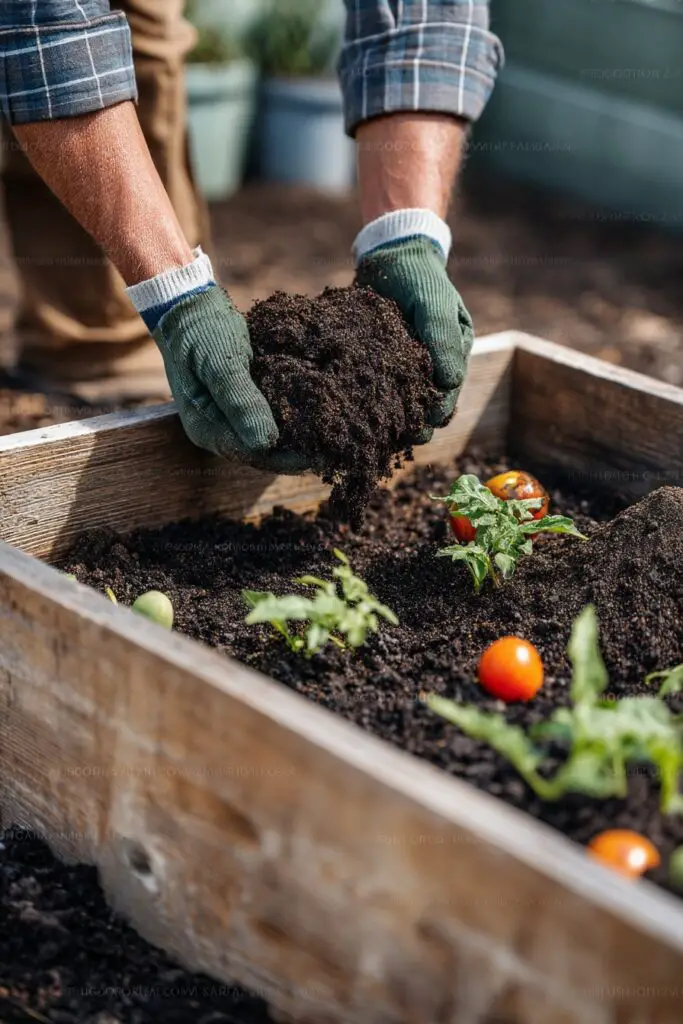
Proper setup helps ensure garden boxes remain productive throughout the growing season.
Choose the Right Location
Place garden boxes where plants will receive at least 6–8 hours of sunlight each day.
Use Quality Soil Mix
A healthy soil blend often includes:
- Compost
- Topsoil
- Organic matter
This combination improves nutrient availability and soil structure.
Provide Consistent Watering
Garden boxes may dry out faster than traditional beds, so regular watering is important for plant health.
Plan Plant Spacing
Avoid overcrowding plants inside garden boxes. Proper spacing allows air circulation and healthy growth.
Maintaining Garden Boxes
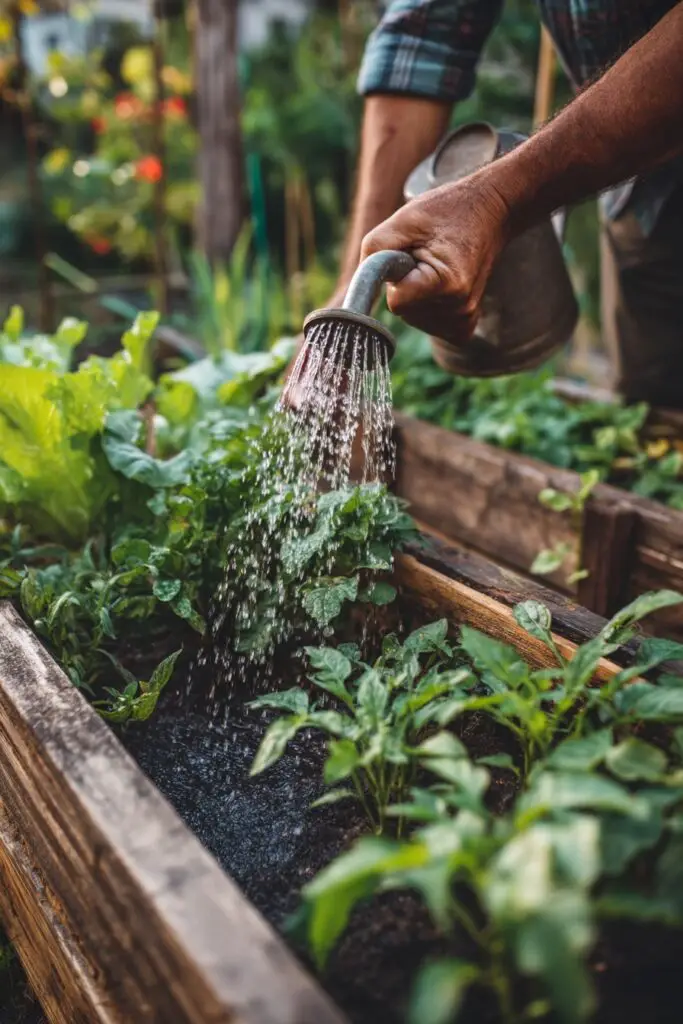
Routine care keeps garden boxes productive and visually appealing.
Add Compost Each Season
Refreshing the soil with compost helps replace nutrients used by plants.
Monitor for Pests
Regularly check plants for pests and remove damaged leaves when necessary.
Rotate Crops
Changing the type of plants grown in garden boxes each season helps prevent soil depletion and pest buildup.
Conclusion
Garden boxes offer a practical and efficient way to grow plants in a controlled environment. Their raised design improves soil management, drainage, and accessibility, making them a great option for both beginner and experienced gardeners.
From vegetables and herbs to colorful flowers, garden boxes support a wide range of plants while keeping the garden organized and easy to maintain. With proper planning and care, garden boxes can transform a backyard, patio, or balcony into a productive and attractive growing space.