
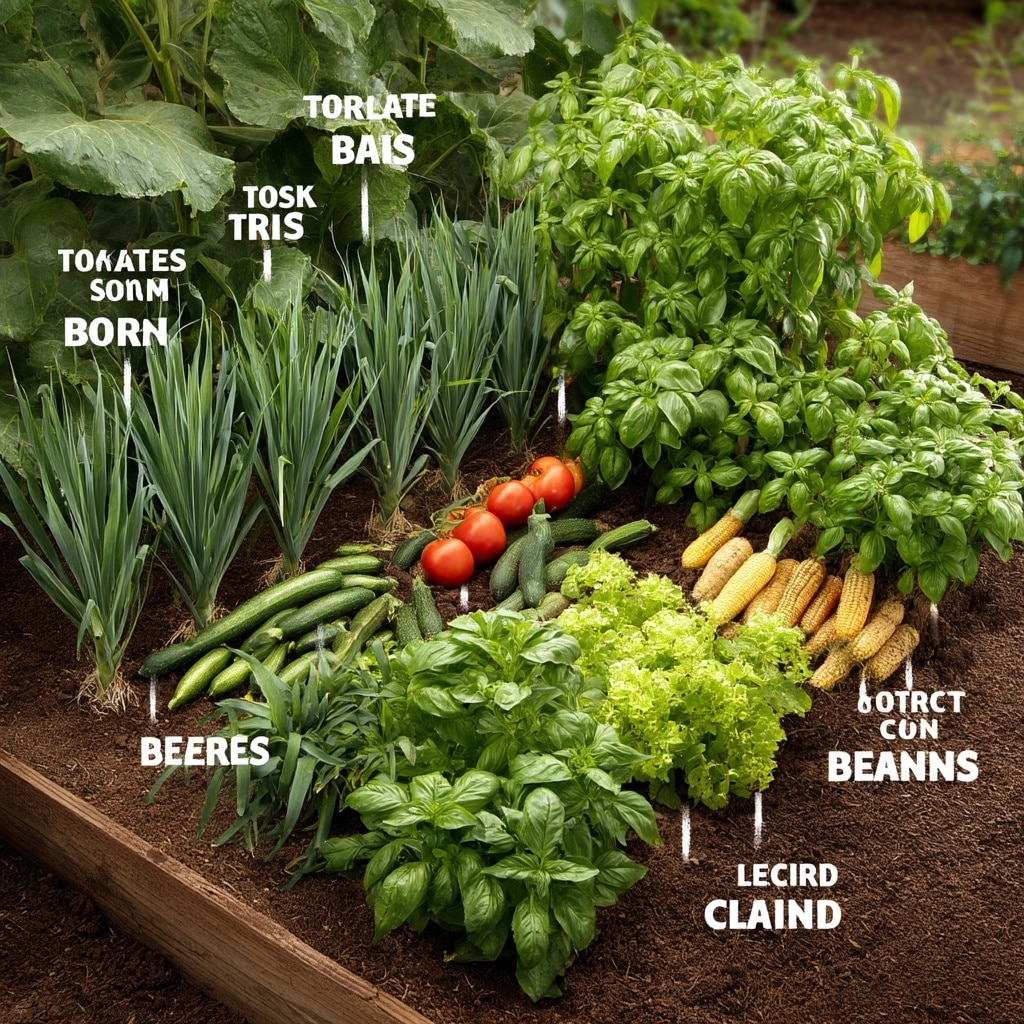
Companion planting is more than a garden trend—it’s a time-tested method that helps plants thrive naturally while reducing the need for chemicals. When paired with smart crop rotation, it can boost soil health, improve yields, and keep pests at bay. Whether you’re starting a backyard vegetable patch or managing a raised-bed layout, these practices help you build a more productive and resilient garden.
As we head into 2026, gardeners are increasingly turning to these sustainable techniques to adapt to changing climates and create healthier, eco-friendly landscapes. Companion planting brings balance to your garden, pairing plants that support each other while crop rotation keeps soil nutrients in check. Together, they form a strategy that supports long-term success—no matter your garden’s size.
Table of Contents
Understanding Crop Families

To make companion planting and crop rotation work effectively, it’s important to group your vegetables by family. Plants within the same family often share similar nutrient needs and are prone to the same pests and diseases. By rotating these families and pairing them wisely, you protect your soil and avoid pest build-up over time.
Here are the major crop families you’ll work with:
🥦 Brassicas (Cabbage Family)
Includes: broccoli, kale, cabbage, cauliflower, radishes
- Heavy feeders that thrive in nitrogen-rich soil
- Best planted after legumes that enrich the soil
🌱 Legumes (Bean Family)
Includes: peas, beans, fava beans
- Fix nitrogen in the soil, preparing it for hungry crops like tomatoes or brassicas
- Great soil builders
🍅 Nightshades (Tomato Family)
Includes: tomatoes, potatoes, eggplants, peppers
- Nutrient-demanding crops that follow legumes well
- Vulnerable to soil-borne diseases if planted in the same spot yearly
🥒 Cucurbits (Squash Family)
Includes: cucumbers, pumpkins, squash, melons
- Need fertile, well-fed soil
- Benefit from crop rotation to avoid pest buildup like squash bugs
🧄 Alliums (Onion Family)
Includes: onions, garlic, leeks, shallots
- Known for their pest-repelling properties
- Flexible in rotation, often used as companions to deter pests
Rotating these families every 3–4 years ensures that your soil stays balanced and that pests don’t become permanent residents in your garden beds.
How to Build a Crop Rotation Plan
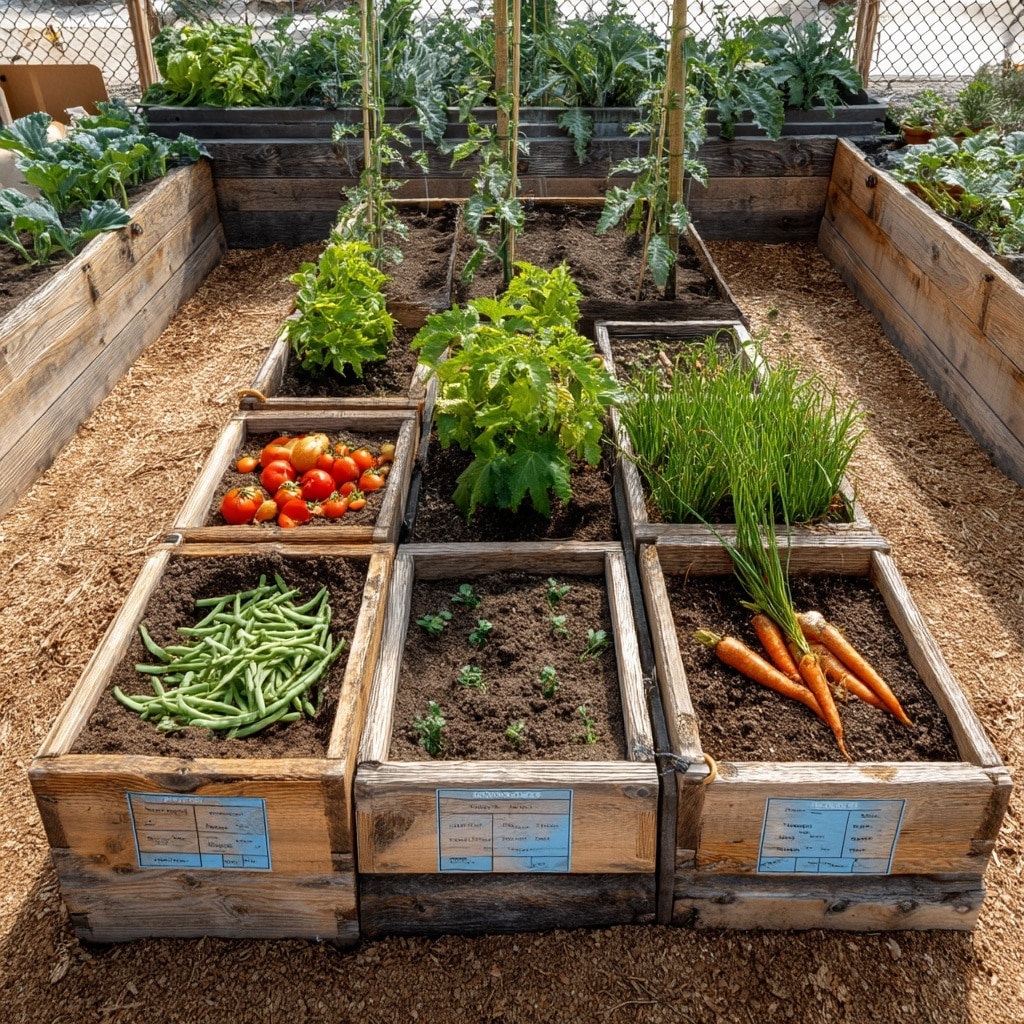
For companion planting to work long-term, it should go hand-in-hand with crop rotation. A thoughtful rotation plan prevents soil exhaustion, keeps nutrients balanced, and disrupts pest and disease cycles. And the good news? It’s easier than it sounds.
🪴 Step-by-Step Crop Rotation Basics:
- Divide your garden into growing zones
Use raised beds, rows, or sections to keep plant families separate. - Group plants by family
This helps you move entire families to a new bed each year. - Follow a 3–4 year rotation cycle
A common pattern:- Year 1: Brassicas (heavy feeders)
- Year 2: Legumes (soil builders)
- Year 3: Root crops (light feeders like carrots, onions)
- Year 4: Fallow or cover crops (optional)
- Track your layout each year
Keep a simple garden journal or sketch to avoid planting the same family in the same spot too soon.
🌿 Combine with Companion Planting:
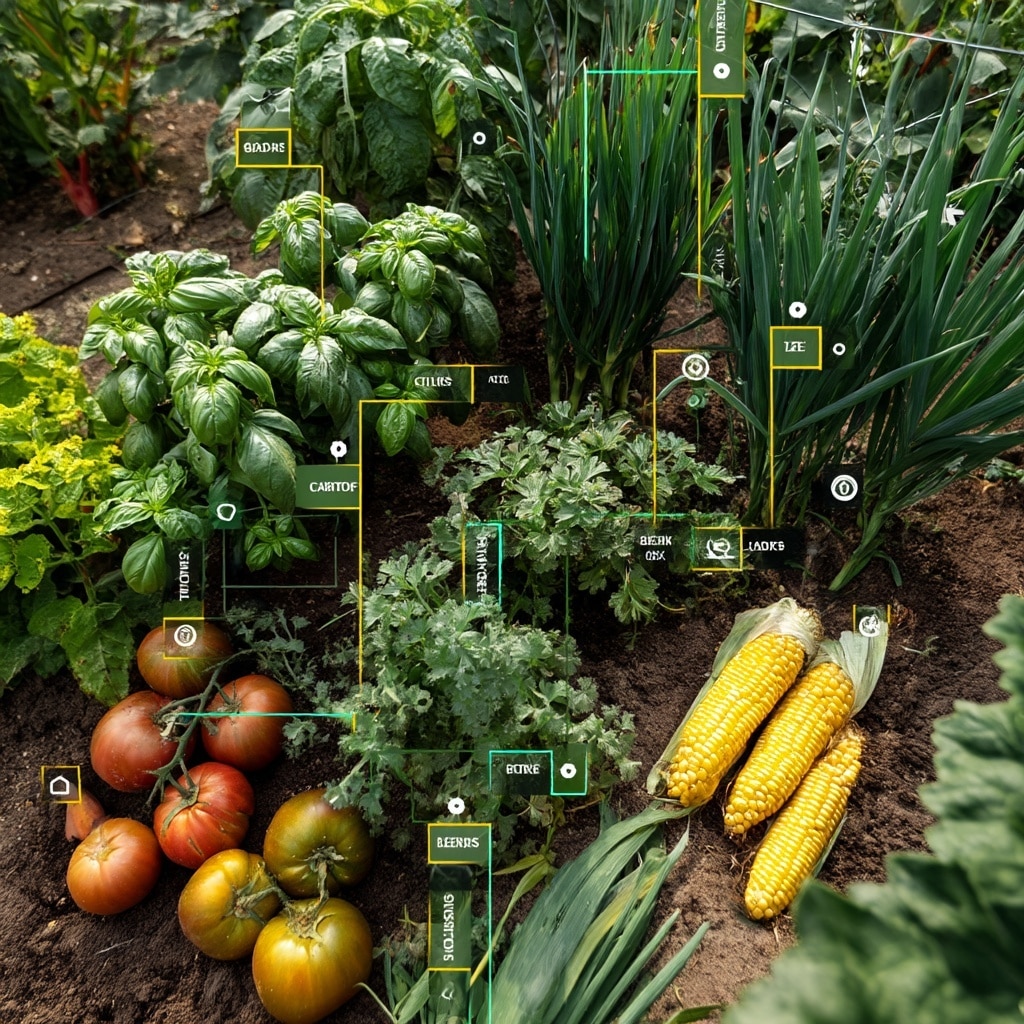
As you rotate crops, consider adding flowers and herbs that complement your main vegetables:
- Plant basil near tomatoes each year for pest control and better flavor
- Use marigolds around brassicas to fight nematodes
- Add dill near beans for pollinator support
A well-planned garden isn’t just rotated—it’s layered with plant partnerships that make everything work in harmony.
Companion Planting Tips
Companion planting is all about creating natural plant partnerships that benefit one another. By strategically placing certain vegetables, herbs, and flowers together, you can improve growth, repel pests, and attract beneficial insects—without relying on chemicals.
Think of your garden as a community: some plants offer protection, others attract helpers, and some improve the flavor or growth of their neighbors.
🌸 Using Flowers and Herbs to Your Advantage
Here are some of the best companion plants to add to your vegetable garden:
- Marigolds
Repel nematodes and aphids while attracting ladybugs and hoverflies—great near tomatoes and brassicas. - Dill
Attracts lacewings and parasitic wasps that hunt pests. Also doubles as a climbing support for peas. - Chives
Their strong scent deters aphids and beetles. Excellent companions for carrots and tomatoes. - Borage
Enhances the flavor of strawberries and brings in bees and butterflies for pollination. - Nasturtiums
Act as trap plants for aphids and whiteflies, keeping them away from your vegetables.
🪴 Top Companion Pairings
Use these classic plant combinations in your garden layout:
- Tomatoes + Basil
Basil helps repel whiteflies and improves tomato flavor. - Beans + Corn
Beans fix nitrogen for corn, corn provides a structure for beans to climb, and adding squash helps suppress weeds. - Carrots + Leeks
Each repels the other’s pests—carrot flies and leek moths stay away. - Radishes + Cucumbers
Radishes deter cucumber beetles and improve cucumber growth.
By combining smart pairings with rotation, you create a resilient, high-yield garden that requires less maintenance and fewer inputs.
Garden Setup and Seasonal Planning
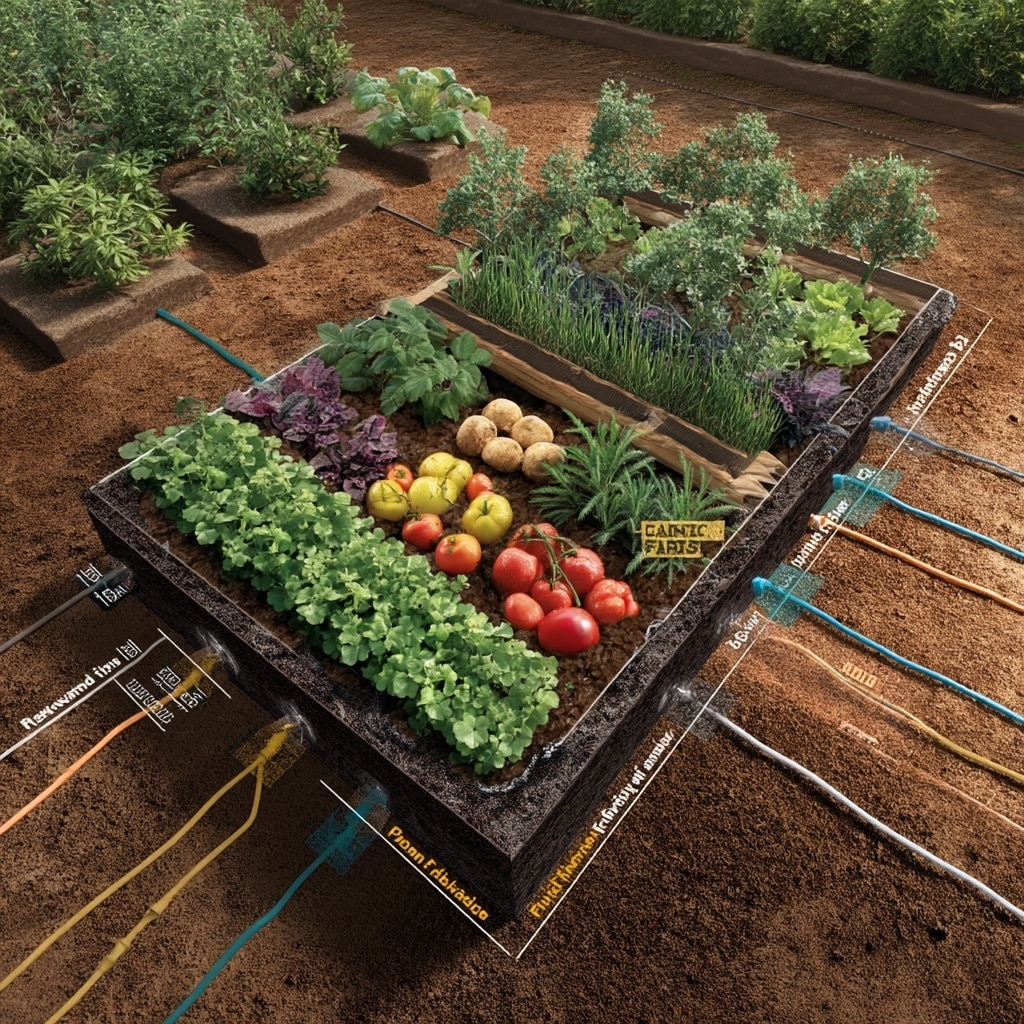
Pairing companion planting with a well-structured garden layout makes your space more productive and easier to manage. The right preparation and seasonal planning set the foundation for long-term success—whether you’re growing in raised beds, containers, or a traditional backyard plot.
🪱 Build Healthy Soil First
Start by enriching your beds with organic matter. Add 2–3 inches of compost at the beginning of the season to provide essential nutrients and improve soil texture. This boosts drainage, retains moisture, and feeds soil microbes that keep your plants healthy.
🧭 Plan Your Layout by Plant Family
Group crops in your layout by family. For example:
- Bed 1: Nightshades (tomatoes, peppers)
- Bed 2: Legumes (beans, peas)
- Bed 3: Brassicas (cabbage, broccoli)
- Bed 4: Root crops (carrots, onions)
Each season, rotate these groups to a new bed. Pair companion plants in the same bed:
- Tomatoes + basil
- Beans + dill
- Carrots + chives
This keeps the rotation cycle intact while boosting pest resistance and plant health.
💧 Water Smarter, Not Harder
Use drip irrigation or water early in the morning at the base of plants. Avoid overhead watering, which can spread diseases like powdery mildew. Mulch between rows to retain moisture and suppress weeds.
🌿 Example 3-Year Planting Cycle
Year 1: Tomatoes + basil
Year 2: Beans + dill
Year 3: Carrots + chives
This simple cycle combines companion planting with rotation, improves soil fertility, and helps break common pest and disease patterns.
Common Mistakes to Avoid
Even the most well-intentioned companion planting plan can fall short if you overlook a few key pitfalls. Avoiding these common mistakes will help you get the most out of your garden while preserving soil health and plant vitality.
❌ 1. Repeating the Same Crop in the Same Spot
Planting the same vegetable family in the same location year after year invites pests and depletes the soil. For example, growing tomatoes in the same bed annually can lead to blight and nutrient
Advanced Gardening Techniques and Benefits
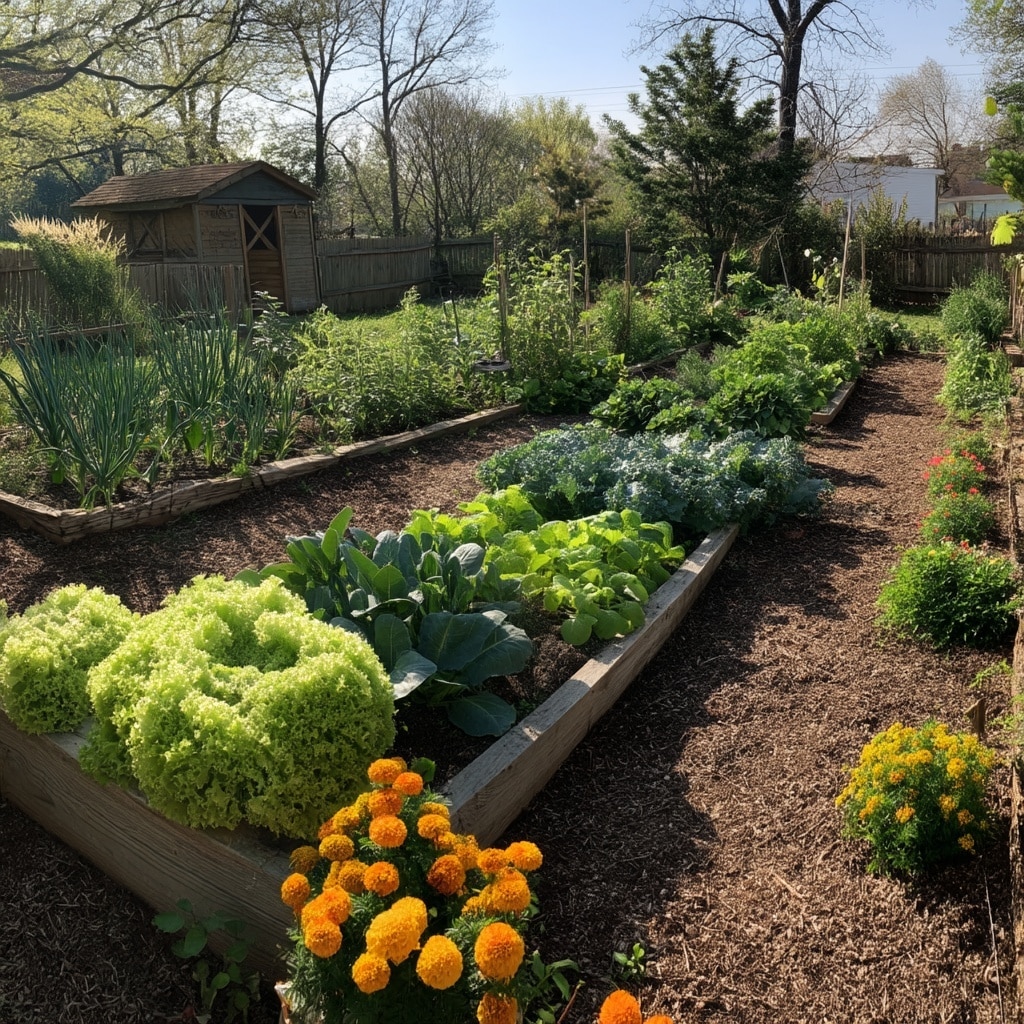
When you pair companion planting with other advanced methods like succession planting, your garden becomes more efficient, resilient, and rewarding. These techniques help you grow more food in less space while supporting the environment.
🌿 Succession Planting: Grow More in Less Space
Succession planting is the practice of replacing harvested crops with new ones throughout the season. For example:
- Start with spinach or lettuce in early spring
- Replace with tomatoes or cucumbers in summer
- Finish with a fall crop of radishes or kale
This approach extends your harvest, reduces pest buildup, and makes full use of your soil’s potential.
Bonus Tip: Add companion plants to each succession round. Pair marigolds with tomatoes or dill with cucumbers to protect new crops and encourage pollinators.
🐝 Support Nature with Smart Gardening
Companion planting and crop rotation aren’t just great for your garden—they’re also beneficial for the planet.
Here’s how they help:
- Natural Pest Control: Flowers like dill attract predatory insects that reduce the need for pesticides
- Soil Regeneration: Legumes enrich the soil with nitrogen, reducing reliance on synthetic fertilizers
- Carbon Capture: Healthier soil stores more organic matter, helping lock in carbon and fight climate change
Every plant choice and pairing contributes to a healthier garden ecosystem—and a healthier world.
Conclusion: Grow Smarter, Not Harder
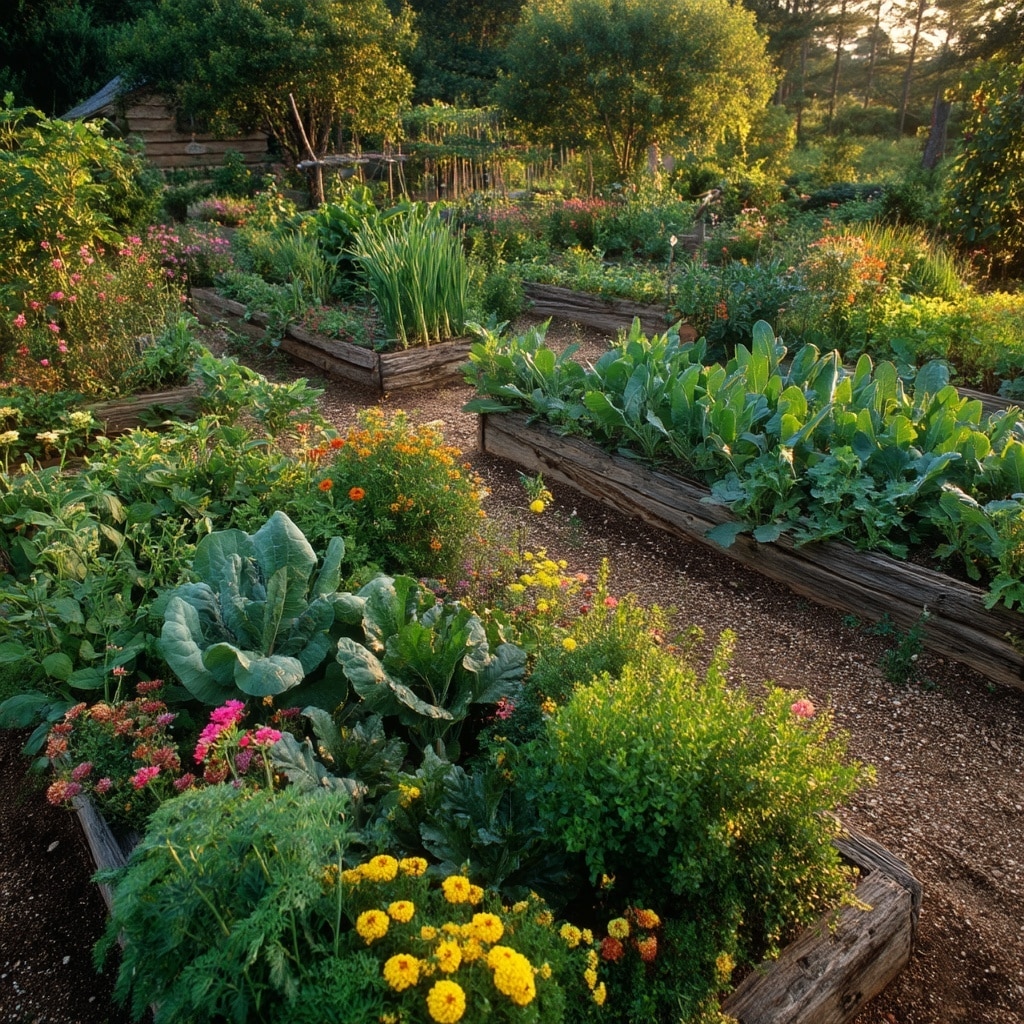
A thriving garden doesn’t depend on luck—it comes from working with nature. Through the combined power of companion planting and crop rotation, you can create a productive, resilient space that minimizes pests, enriches soil, and produces healthier crops.
By pairing the right plants, rotating them seasonally, and incorporating flowers and herbs, you build a self-sustaining system that benefits both your garden and the environment. Whether you’re planting in raised beds, pots, or an open backyard, these techniques will help you get more out of every square foot—naturally.