
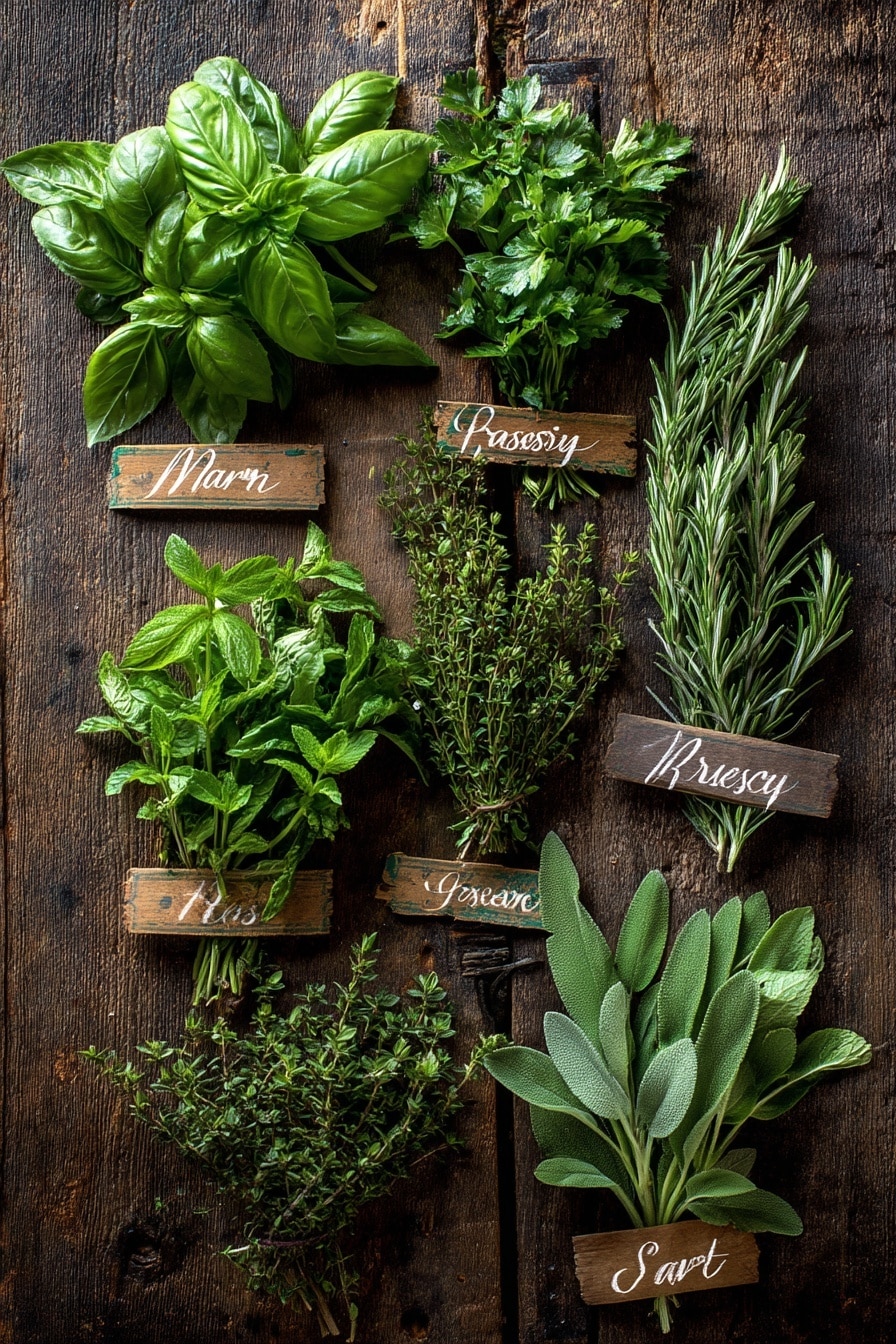
Herb garden projects are one of the most rewarding ways to start gardening at home. Whether you have a large backyard, a small patio, or just a sunny windowsill, a herb garden can provide fresh flavour, fragrance, and beauty all year round.
Growing your own herb garden means you always have fresh ingredients within reach. From basil for pasta to mint for tea, homegrown herbs add depth to everyday meals. Beyond the kitchen, a herb garden also attracts pollinators, improves air quality, and brings a calming green space into your home.
A well-planned herb garden does not require much space or experience. With the right location, good soil, and simple care, anyone can enjoy healthy, productive plants. Even beginners can create a thriving herb garden by choosing easy-to-grow varieties and understanding their basic needs.
In this guide, you’ll learn how to create a herb garden step by step, how to care for it properly, and which herbs are best suited to your climate and lifestyle.
Table of Contents
Choosing the Right Location for Your Herb Garden

The success of your herb garden starts with choosing the right spot. Most herbs thrive in warm, sunny conditions, so selecting a location with plenty of light is essential.
Sunlight Requirements
Most herbs need at least 6 hours of direct sunlight daily. Mediterranean herbs such as rosemary, thyme, and oregano prefer full sun and well-drained soil. If your herb garden receives less light, consider growing herbs like parsley, mint, or coriander, which tolerate partial shade.
If you’re planting indoors, place your herb garden near a bright, south-facing window. If natural light is limited, a grow light can help maintain steady growth.
Protection From Wind
Strong winds can dry out soil quickly and damage delicate leaves. Choose a sheltered position for your herb garden, especially if planting in containers. Placing pots near a wall or fence provides natural protection while retaining warmth.
Accessibility Matters
Your herb garden should be close to your kitchen or main living space. Easy access encourages regular harvesting, which keeps plants compact and productive. The more you trim your herbs, the better they grow.
Drainage Is Essential
Herbs dislike soggy soil. Whether planting in the ground or containers, ensure excellent drainage. Raised beds and pots with drainage holes work especially well for a herb garden.
Choosing the right location gives your herb garden a strong foundation for healthy growth and long-term success.
Preparing the Soil for a Healthy Herb Garden
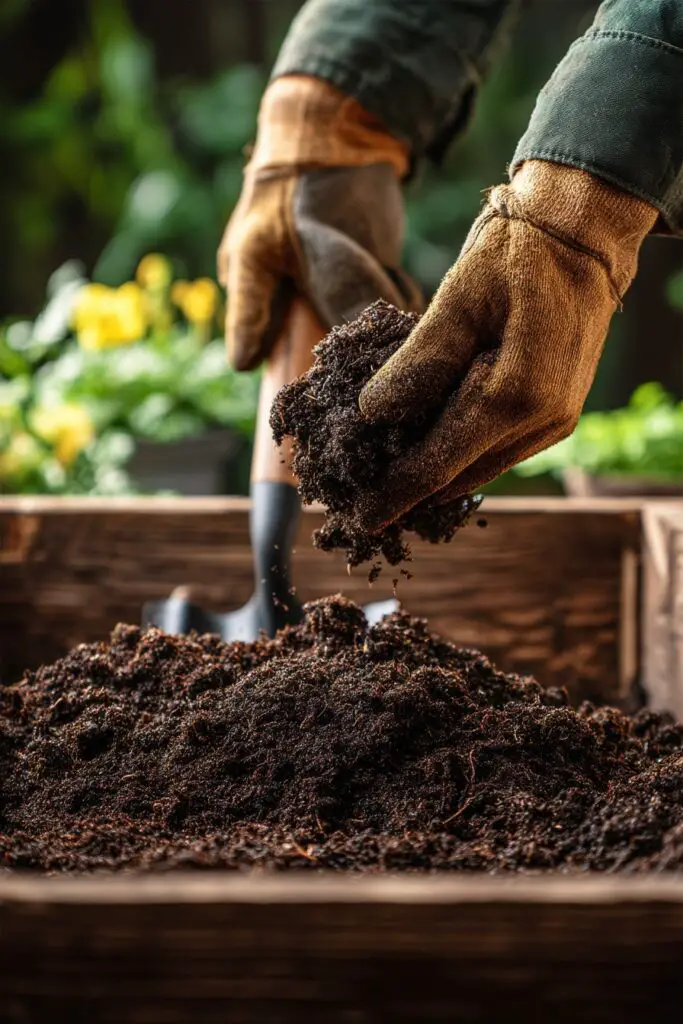
Healthy soil is the backbone of a productive herb garden. While herbs are generally low-maintenance, they perform best in soil that drains well and contains balanced nutrients.
Start With Well-Draining Soil
Most herbs prefer light, loose soil rather than heavy, compacted ground. If your garden soil feels clay-like or stays wet after rain, improve it before planting your herb garden.
You can enhance drainage by mixing in:
- Compost
- Coarse sand
- Fine gravel
- Organic matter such as aged bark
For container growing, choose a quality potting mix designed for vegetables or herbs. Avoid dense garden soil in pots, as it can restrict root growth in a herb garden.
Avoid Over-Fertilising
Unlike many vegetables, herbs do not require heavy feeding. Too much fertiliser can cause lush leaf growth with reduced flavour. The goal in a herb garden is strong, aromatic leaves rather than oversized plants.
A light application of compost at planting time is usually enough to support healthy growth.
Check Soil pH
Most herbs thrive in slightly neutral to mildly alkaline soil (pH 6.0–7.5). If you’re unsure about your soil conditions, a simple pH test kit can help you adjust your herb garden soil if needed.
Raised Beds and Containers
If your soil quality is poor, consider building a raised bed for your herb garden. Raised beds allow better drainage control and make maintenance easier. Containers are also excellent for small spaces and patios.
Preparing the soil carefully ensures your herb garden develops strong roots, steady growth, and rich flavour.
Selecting the Best Herbs for Your Herb Garden
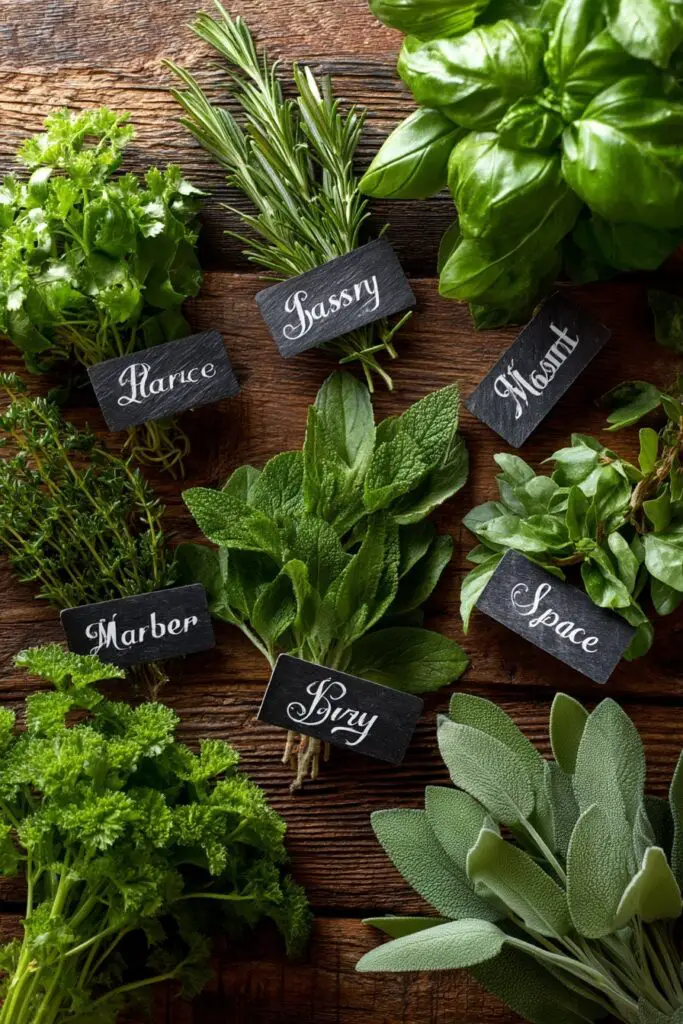
Choosing the right plants will determine how successful your herb garden becomes. Start with herbs you regularly use in your kitchen, then consider your climate and available space.
Easy Herbs for Beginners
If you’re new to growing a herb garden, begin with reliable, low-maintenance options:
- Basil
- Parsley
- Mint
- Chives
- Coriander
These herbs grow quickly and adapt well to containers or garden beds. Regular harvesting keeps your herb garden productive and encourages fresh growth.
Mediterranean Herbs for Sunny Gardens
If your herb garden receives full sun and has well-drained soil, Mediterranean herbs are excellent choices:
- Rosemary
- Thyme
- Oregano
- Sage
These varieties thrive in warm conditions and require less frequent watering. They also provide strong flavours and aromatic foliage.
Mixing Annuals and Perennials
A balanced herb garden includes both annual and perennial herbs.
- Annual herbs (like basil and coriander) complete their life cycle in one season.
- Perennial herbs (like rosemary and thyme) return year after year.
Combining both ensures your herb garden remains productive throughout the seasons.
Consider Space and Growth Habits
Some herbs spread aggressively. Mint, for example, can quickly take over a herb garden if planted directly in the ground. Growing spreading herbs in containers helps keep them controlled.
By selecting herbs suited to your space, sunlight, and cooking habits, you’ll create a herb garden that is practical, attractive, and easy to maintain.
Planting and Arranging Your Herb Garden
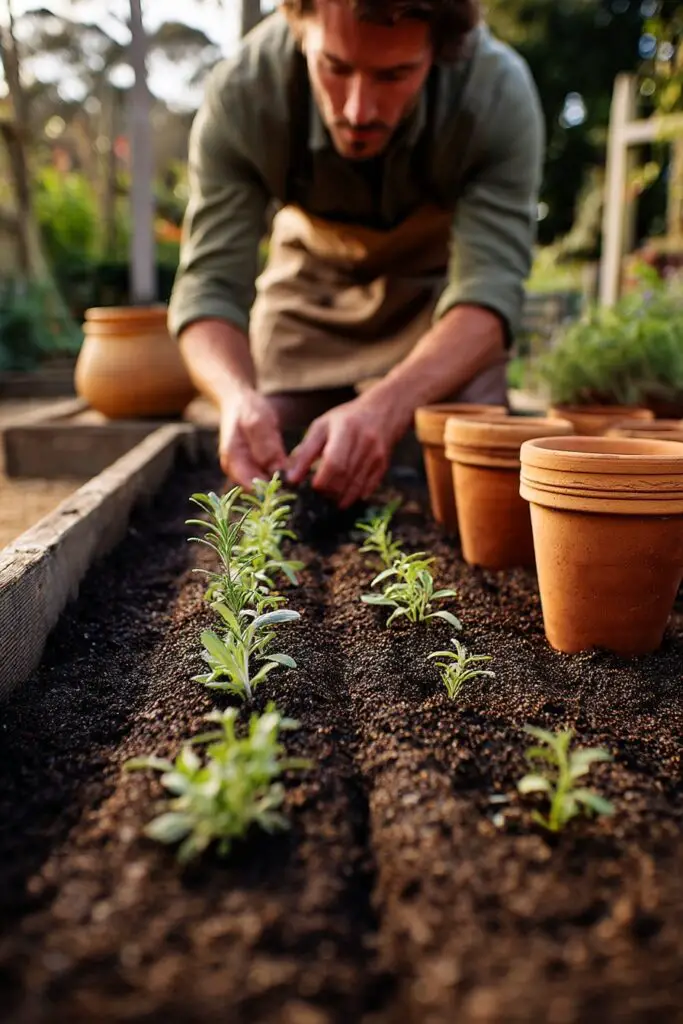
Once you’ve chosen your herbs, thoughtful planting will help your herb garden thrive. Proper spacing, grouping, and layout make maintenance easier and improve plant health.
Spacing for Healthy Growth
Avoid overcrowding your herb garden. Herbs need airflow to prevent fungal problems and encourage strong stems. Follow spacing guidelines on plant labels, but as a general rule:
- Small herbs: 15–20 cm apart
- Medium herbs: 20–30 cm apart
- Larger shrubs (like rosemary): 45 cm or more
Good spacing keeps your herb garden productive and reduces disease risk.
Group Herbs by Water Needs
Not all herbs require the same amount of water. In your herb garden:
- Place Mediterranean herbs (rosemary, thyme, sage) together in drier areas.
- Group leafy herbs (basil, parsley, coriander) where soil stays slightly moist.
This approach prevents overwatering and keeps each plant growing under ideal conditions.
Planting in Containers
A container herb garden works well for patios, balconies, or small yards. Choose pots with drainage holes and use quality potting mix.
When planting:
- Fill the pot with soil.
- Gently loosen plant roots.
- Position at the same depth as the nursery container.
- Water thoroughly after planting.
Containers also allow you to move your herb garden to follow the sun or protect plants from harsh weather.
Design Tips for Visual Appeal
A herb garden can be both practical and attractive. Consider:
- Mixing textures (soft parsley with woody rosemary)
- Using terracotta pots for a cohesive look
- Adding decorative markers for easy identification
With thoughtful arrangement, your herb garden becomes a functional feature that enhances your outdoor space.
Caring for Your Herb Garden
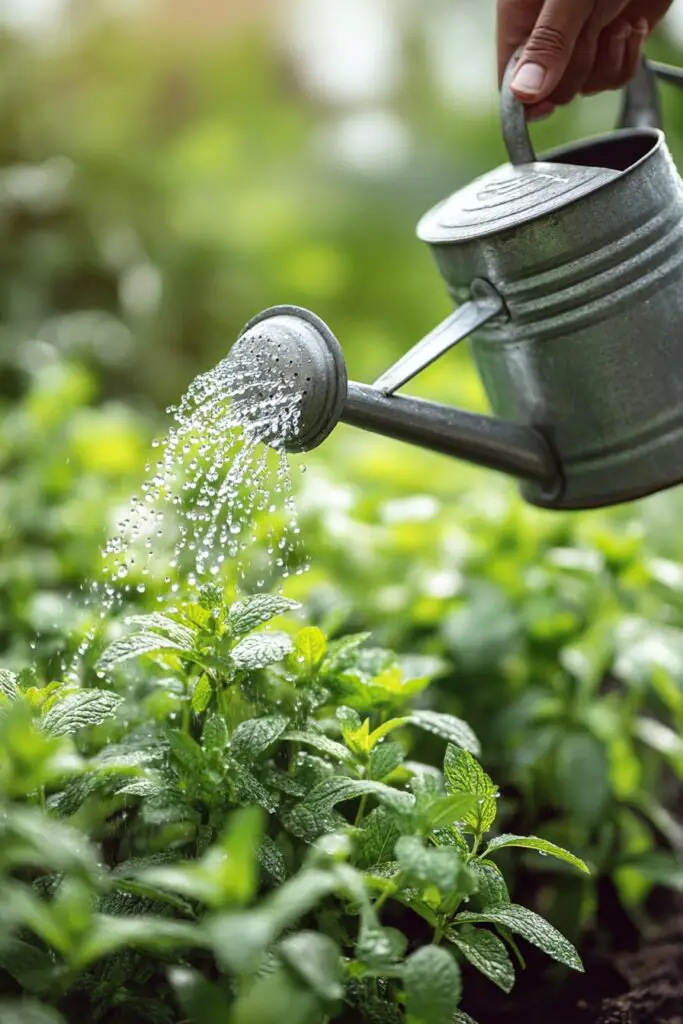
Regular care keeps your herb garden healthy, productive, and full of flavour. Most herbs are low-maintenance, but consistent attention makes a noticeable difference.
Watering Properly
Overwatering is one of the most common problems in a herb garden. Herbs prefer slightly dry conditions rather than constantly wet soil.
- Water deeply but less frequently.
- Allow the top layer of soil to dry before watering again.
- Reduce watering during cooler months.
Container-grown herbs in a herb garden may need more frequent watering, especially during hot weather, as pots dry out faster than garden beds.
Pruning and Harvesting
Frequent harvesting encourages bushier growth. In a herb garden, trimming plants regularly prevents them from becoming leggy or woody.
- Pinch back growing tips.
- Remove flowers from leafy herbs like basil to maintain flavour.
- Never remove more than one-third of the plant at once.
Consistent pruning keeps your herb garden compact and productive.
Feeding and Maintenance
Most herbs do not require heavy fertilising. A light application of compost once or twice a season is usually enough.
Keep your herb garden tidy by:
- Removing yellowing leaves
- Checking for pests
- Replacing tired annual herbs as needed
Pest Control
A healthy herb garden rarely faces serious pest problems. If aphids or caterpillars appear, rinse plants with water or use a mild organic solution.
Encouraging beneficial insects, such as bees and ladybirds, also supports a balanced herb garden ecosystem.
With simple, steady care, your herb garden will provide fresh herbs for months to come.
Growing a Herb Garden Through the Seasons
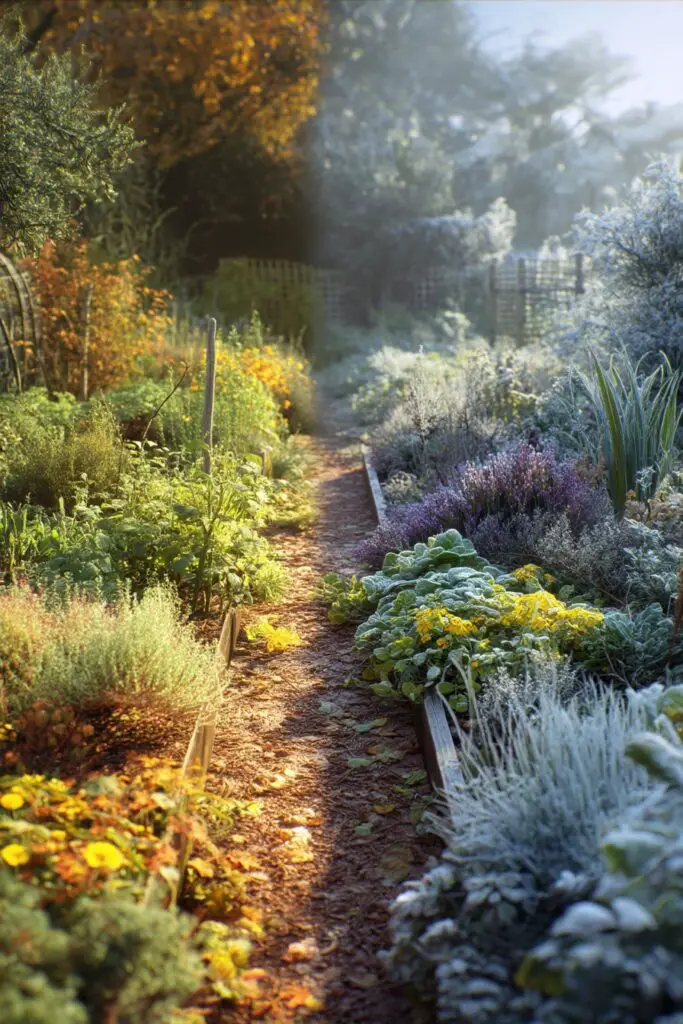
A well-planned herb garden can produce fresh leaves throughout the year. Understanding how seasons affect growth helps you adjust care and keep plants thriving.
Spring Growth
Spring is the most active season for a herb garden. Warmer temperatures and longer daylight hours encourage rapid growth.
This is the ideal time to:
- Plant new annual herbs
- Divide and replant perennials
- Refresh soil with compost
Your herb garden will respond quickly to trimming and regular watering during this period.
Summer Care
In summer, a herb garden may need more frequent watering, especially if grown in containers. High temperatures can cause soil to dry out faster.
Protect your herb garden by:
- Watering early in the morning
- Mulching around plants to retain moisture
- Providing light shade during extreme heat
Mediterranean herbs generally tolerate summer conditions well, making them reliable additions to any herb garden.
Autumn Maintenance
As temperatures cool, growth slows. This is a good time to tidy your herb garden and prepare for cooler weather.
- Reduce watering
- Remove tired annual herbs
- Trim perennial herbs lightly
Avoid heavy pruning late in the season, as plants need time to recover before winter.
Winter Protection
Some herbs struggle in cold or frosty conditions. If your herb garden includes tender herbs like basil, consider moving containers indoors.
Hardy herbs such as rosemary and thyme often survive winter with minimal care. If frost is common in your area, cover your herb garden with protective fabric during cold nights.
By adapting your routine throughout the year, your herb garden can remain productive and healthy in every season.
Using and Enjoying Your Herb Garden
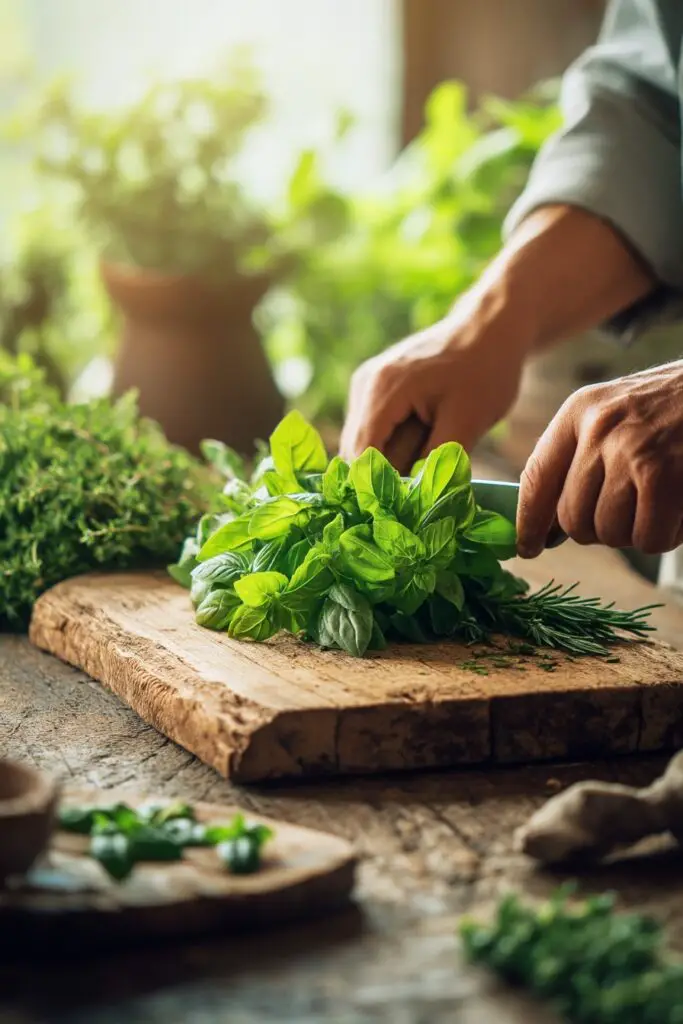
One of the greatest benefits of a herb garden is the ability to harvest fresh flavours whenever you need them. Regular picking not only enhances your meals but also keeps plants productive.
In the Kitchen
A herb garden provides fresh ingredients for everyday cooking:
- Add basil to pasta and salads
- Stir chopped parsley into soups and sauces
- Use rosemary and thyme for roasted vegetables
- Infuse mint into tea or cold drinks
Freshly harvested herbs from your herb garden offer stronger flavour than dried alternatives.
Preserving Your Harvest
If your herb garden produces more than you can use immediately, preserve the extra herbs:
- Air-dry herbs like rosemary and oregano
- Freeze chopped herbs in olive oil
- Store dried herbs in airtight containers
Preserving herbs ensures your herb garden continues to benefit your kitchen long after harvest.
Decorative and Practical Uses
Beyond cooking, a herb garden adds beauty and fragrance to your outdoor space. Herbs can be used for:
- Homemade herbal sachets
- Simple infused oils
- Natural table decorations
A thoughtfully maintained herb garden becomes both functional and ornamental.
Conclusion
Creating a herb garden is a simple and rewarding way to bring fresh flavour and greenery into your home. With the right location, well-prepared soil, suitable herb selection, and consistent care, your herb garden can thrive in any space.
Whether planted in containers, raised beds, or directly in the ground, a herb garden offers year-round enjoyment and practical benefits. Start small, harvest regularly, and watch your herb garden grow into a productive and beautiful feature of your home.