
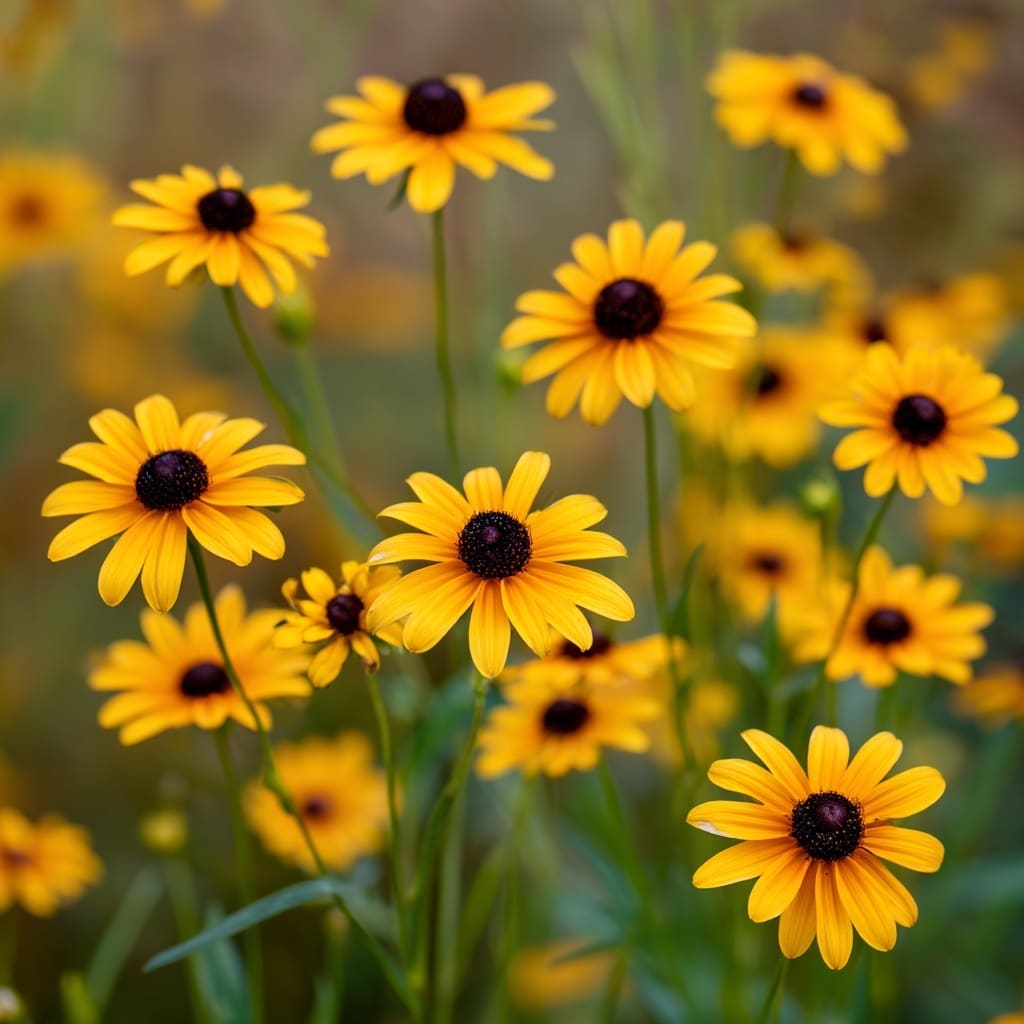
Wild flowers are one of the easiest ways to bring color, texture, and natural charm to your summer garden. Whether you’re planting a sprawling meadow or filling in flower beds, wild flowers offer low-maintenance beauty that thrives with minimal fuss. Choosing the best wild flowers for summer gardens ensures not only stunning visuals but also support for local pollinators like bees, butterflies, and hummingbirds.
Native species are especially valuable, as they’re well-adapted to your region’s climate and soil. But don’t overlook well-behaved non-natives—they can also shine without becoming invasive. With the right selection, your summer garden can be bursting with bold blooms from early season to fall.
Table of Contents
1. New England Aster (Symphyotrichum novae-angliae)

A favorite among late-summer blooms, the New England aster is a native wild flower that brings rich purples, pinks, and whites to your garden just as other plants start to fade. These perennials attract bees and butterflies with their vibrant petals and golden centers, making them a pollinator powerhouse in any wild flower garden.
Quick Facts:
- USDA Zones: 4–8
- Sun Needs: Full sun
- Soil: Well-drained, compost-enriched
- Watering: Moist soil preferred, drought-tolerant once established
This wild flower is salt-tolerant and ideal for roadside gardens or naturalized areas. Try planting cultivars like ‘Purple Dome’ for a compact, bushy growth habit and long-lasting color. Divide clumps in early spring to rejuvenate older plants and encourage fuller blooms.
2. Blanket Flower (Gaillardia aristata)
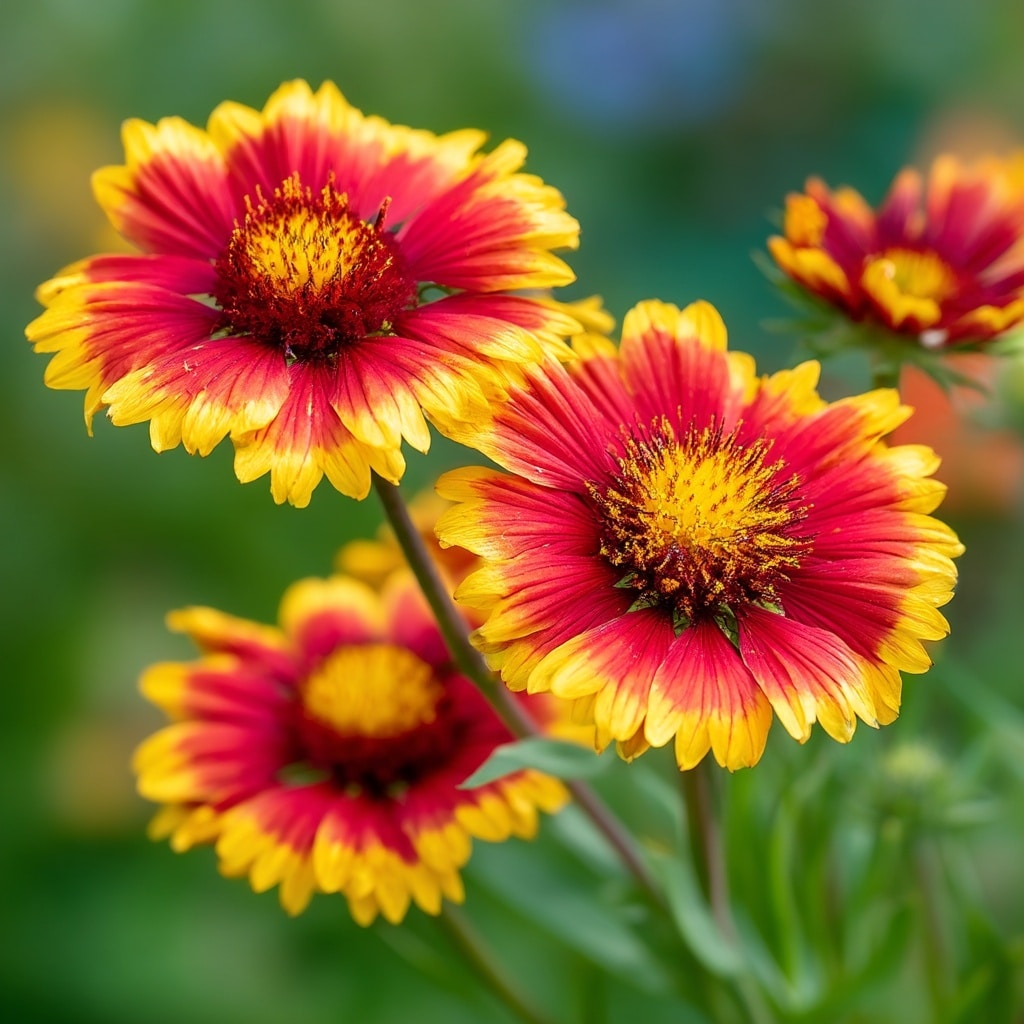
Blanket flowers are fiery bursts of color that can thrive even in tough summer conditions. This North American native wild flower is known for its red, orange, and yellow petals, often resembling the woven designs of Indigenous blankets—hence the name.
Quick Facts:
- USDA Zones: 3–10
- Sun Needs: Full sun
- Soil: Well-drained, sandy or average soil (avoid clay)
- Watering: Low water needs; highly drought-tolerant
Ideal for dry gardens, blanket flowers bloom continuously from early summer to frost. They’re loved by pollinators and are deer-resistant—a big plus for rural gardeners. For healthier growth, divide clumps every 2–3 years in spring.
Thanks to their bold color and toughness, they’re among the best wild flowers for summer gardens, especially in regions with hot, dry summers.
3. Queen Anne’s Lace (Daucus carota)
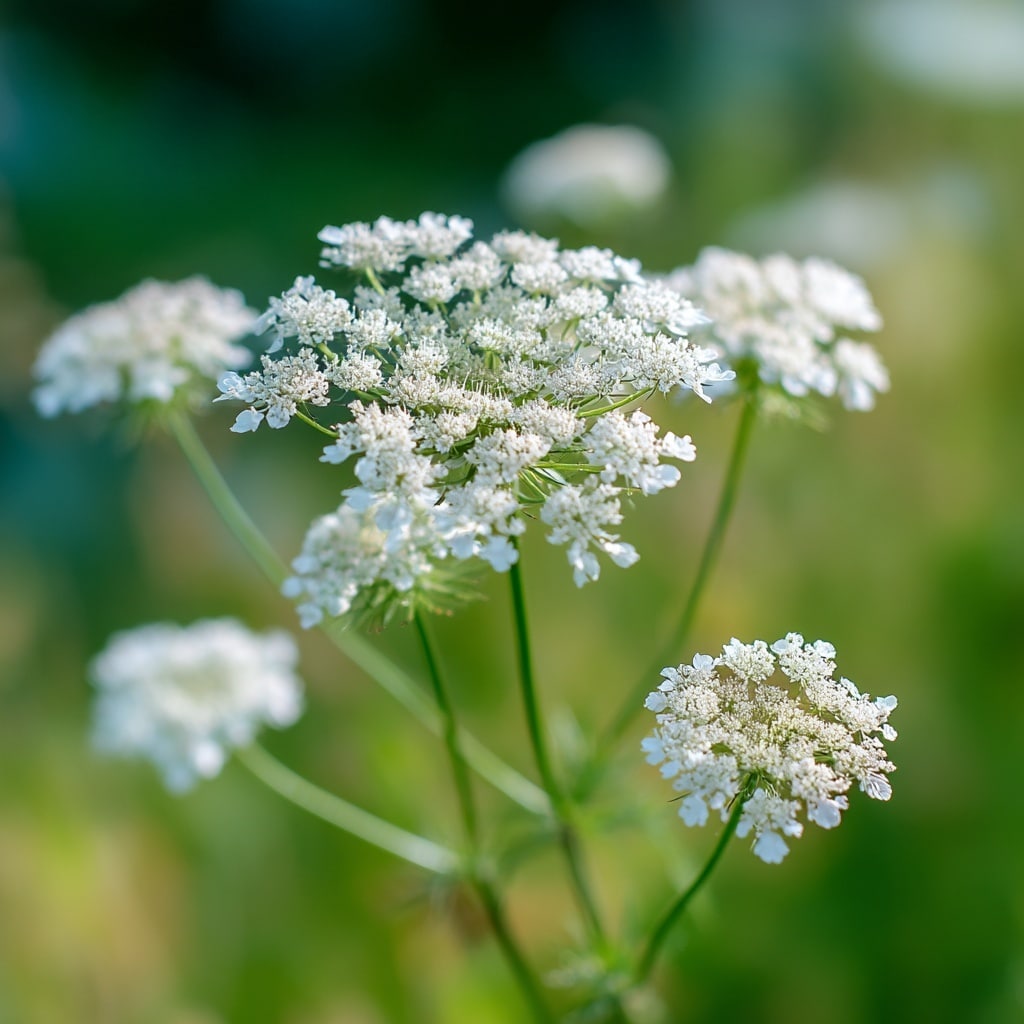
Delicate and lacy, Queen Anne’s lace adds an airy elegance to summer gardens. This wild flower is technically a relative of the carrot and even gives off a carrot-like scent when the roots are bruised. Its iconic flat-topped white blooms often feature a tiny dark-purple “fairy seat” in the center—a charming detail in any wild garden.
Quick Facts:
- USDA Zones: 3a–11a
- Sun Needs: Full sun to partial shade
- Soil: Neutral to slightly alkaline, well-drained
- Watering: Prefers moist soil but tolerates drought
Although beautiful, this plant can be aggressive and reseeds readily. It’s best used in controlled spaces or naturalized areas where a touch of wildness is welcome. Gloves are recommended when handling it extensively, as its sap can be irritating.
When planted thoughtfully, Queen Anne’s lace adds a vintage charm to borders or wildflower meadows and blends seamlessly with other wild flowers.
4. Bachelor Buttons (Centaurea cyanus / Centaurea montana)
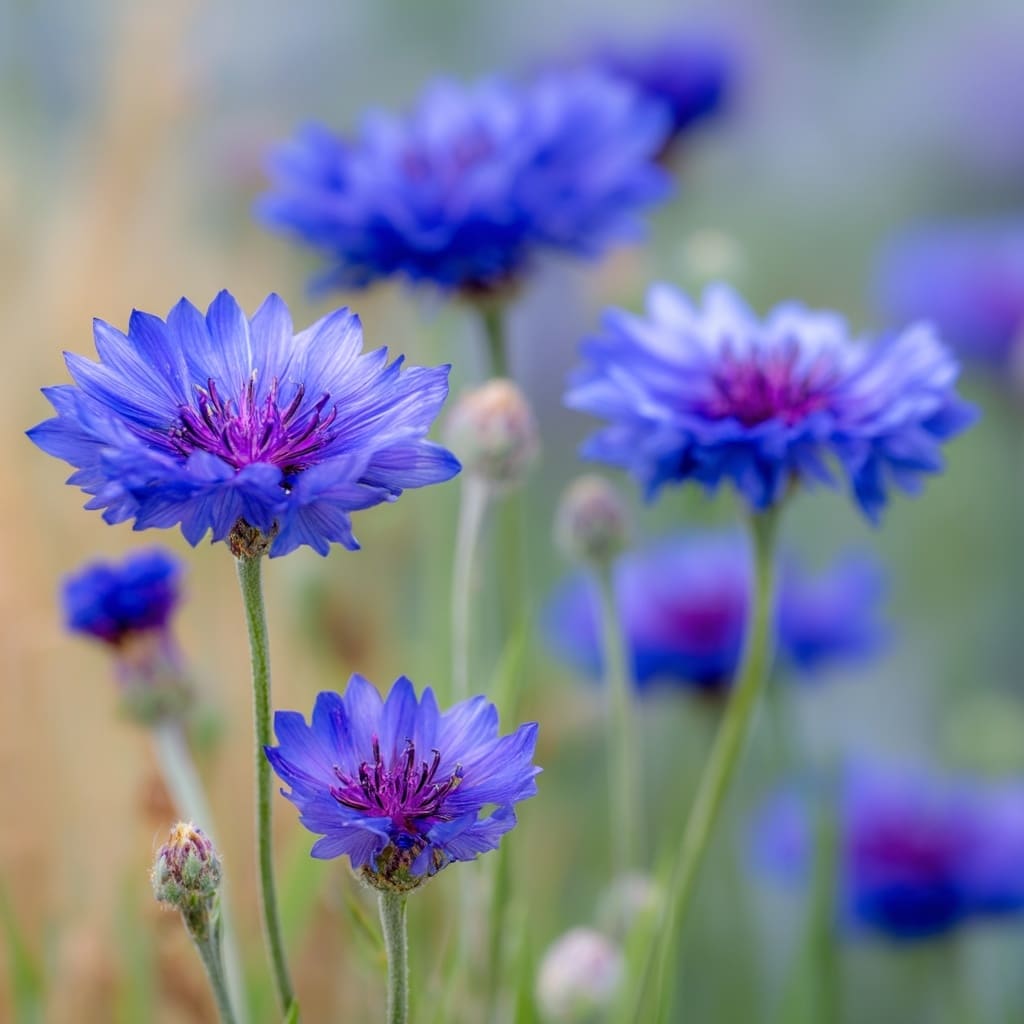
Charming and nostalgic, bachelor buttons—also known as cornflowers—are cheerful wild flowers that bring cool-toned beauty to summer gardens. Traditionally worn by bachelors in their buttonholes, these blooms have long symbolized love and luck.
Quick Facts:
- USDA Zones: 2–11
- Sun Needs: Full sun
- Soil: Average, well-draining soil
- Watering: Prefers moist soil, tolerates occasional dryness
You’ll find two main types: the annual Centaurea cyanus and the perennial Centaurea montana. Both offer sky-blue, lavender, pink, or red blossoms that pair beautifully with bright yellow or white blooms.
These easy-to-grow wild flowers are pollinator-friendly, deer-resistant, and excellent for cutting gardens. Their old-fashioned charm and self-seeding habit make them ideal for cottage-style or meadow-inspired plantings.
5. Plains Coreopsis (Coreopsis tinctoria)
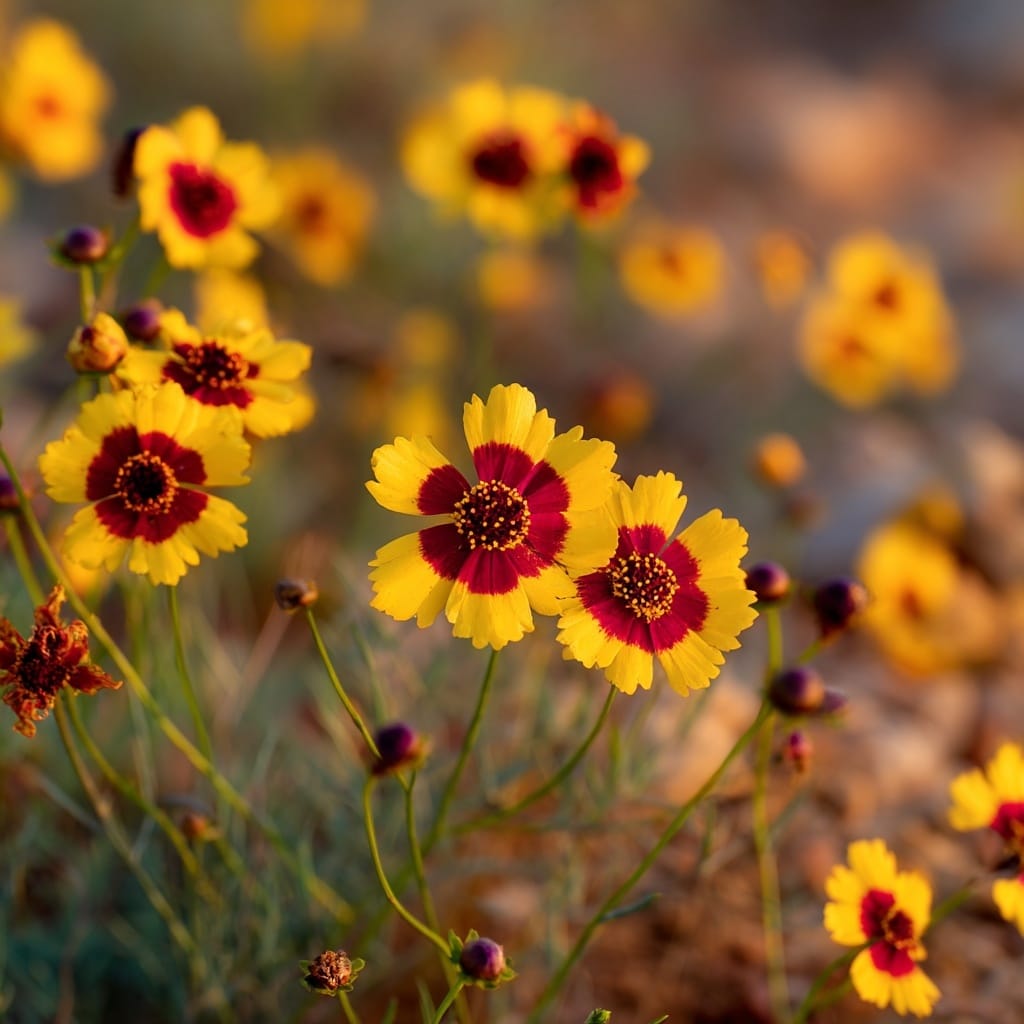
With its sunny yellow petals and rich reddish-brown centers, plains coreopsis adds a cheerful, daisy-like touch to summer gardens. This North American native wild flower thrives in tough conditions and is often seen naturalized along roadsides and open fields.
Quick Facts:
- USDA Zones: 2–11
- Sun Needs: Full sun
- Soil: Well-drained; tolerates clay and rocky soil
- Watering: Extremely drought-tolerant once established
This annual is an excellent choice for dry, lean soils where other flowers may struggle. It’s a pollinator favorite and blooms for weeks with very little maintenance. While tinctoria is annual, perennial varieties like Coreopsis verticillata are also widely available.
With its long bloom time, vivid color, and ability to self-sow, plains coreopsis is undeniably one of the best wild flowers for summer gardens, especially in xeriscape or prairie-style designs.
6. Coneflower (Echinacea purpurea)
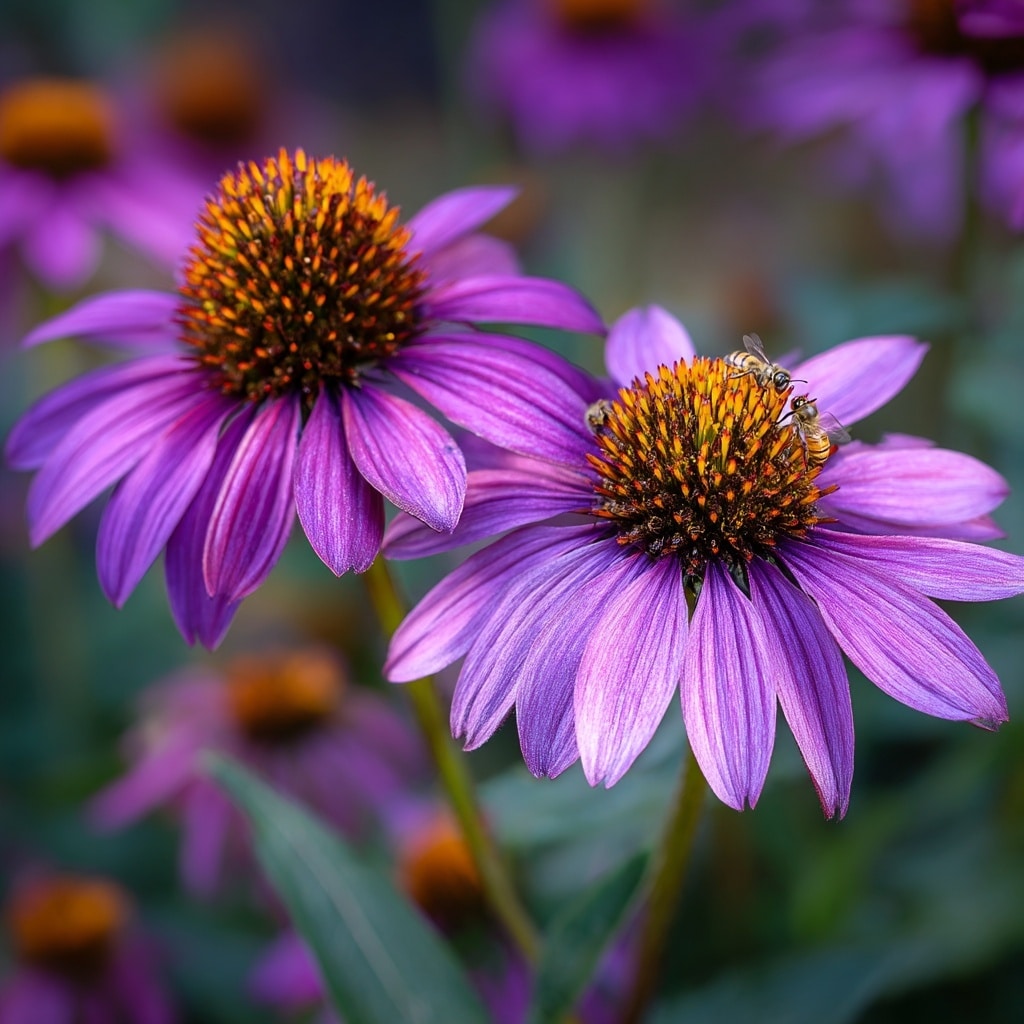
Reliable, long-blooming, and beautiful, coneflowers are a staple in wild flower gardens. Their large, daisy-like petals and distinctive raised centers not only add visual interest but also attract bees, butterflies, and even songbirds in late summer.
Quick Facts:
- USDA Zones: 3–8
- Sun Needs: Full sun to partial shade
- Soil: Any well-drained soil, enriched for best results
- Watering: Prefers moist soil but tolerates dry spells
The most common variety, purple coneflower, is beloved for its medicinal associations as well as its garden performance. Newer cultivars offer shades from white and pink to orange and red. Plant them in groups for maximum impact, and divide clumps in spring to keep them vigorous.
Low-maintenance and heat-tolerant, coneflowers deserve a spot in any list of the best wild flowers for summer gardens, especially for pollinator-friendly landscapes.
7. Cardinal Flower (Lobelia cardinalis)
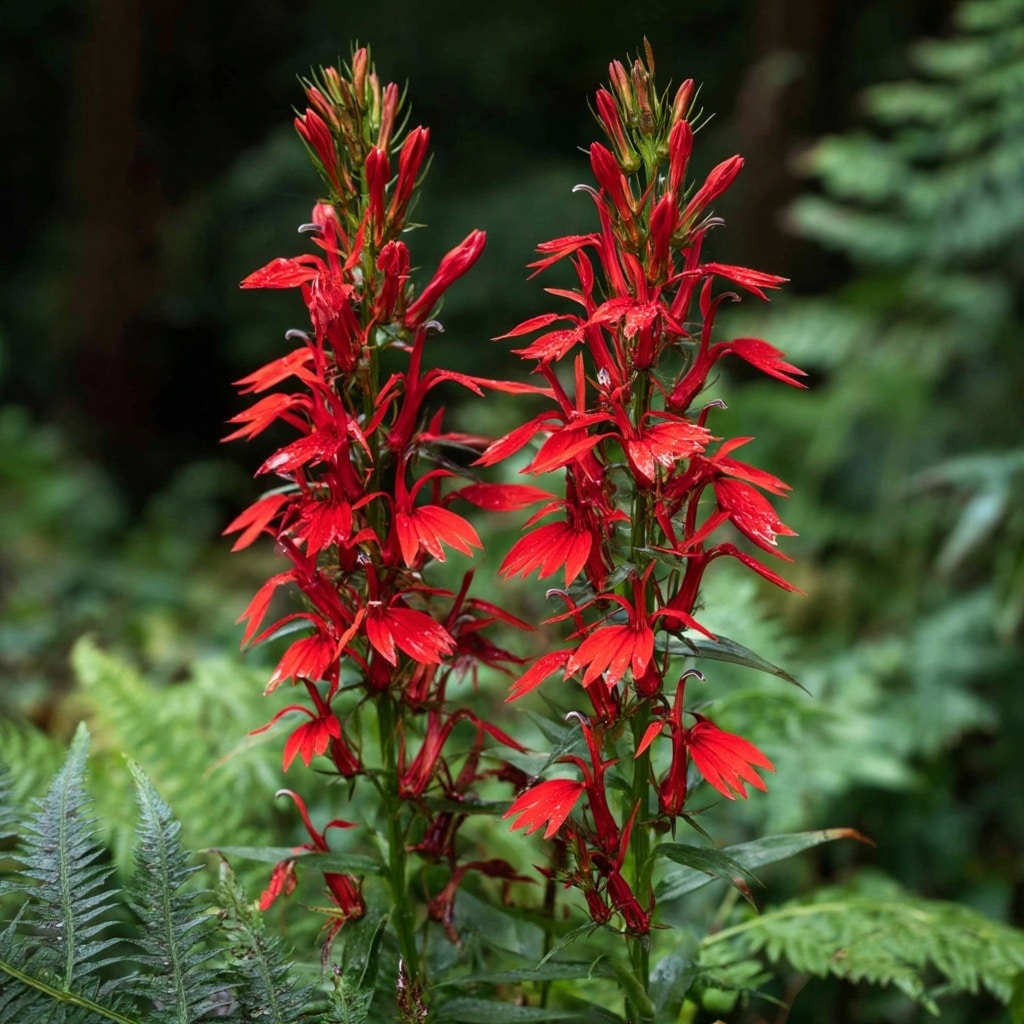
With its brilliant scarlet spikes, the cardinal flower adds striking vertical interest to shady or damp areas. This Eastern North American native wild flower is a magnet for hummingbirds, which are irresistibly drawn to its vivid red blooms.
Quick Facts:
- USDA Zones: 3–9
- Sun Needs: Full sun to partial shade
- Soil: Rich, consistently moist to wet soil
- Watering: Needs regular watering; does not tolerate drought
Cardinal flower is ideal for rain gardens, pond edges, or low-lying spots where other plants might struggle. Its tall, upright habit and vibrant color provide a stunning contrast to softer garden textures.
Though short-lived, it often self-seeds if grown in the right conditions. It’s one of the few wild flowers that thrives in soggy soil while still looking dramatic and elegant all summer long.
8. Black-eyed Susan (Rudbeckia hirta)
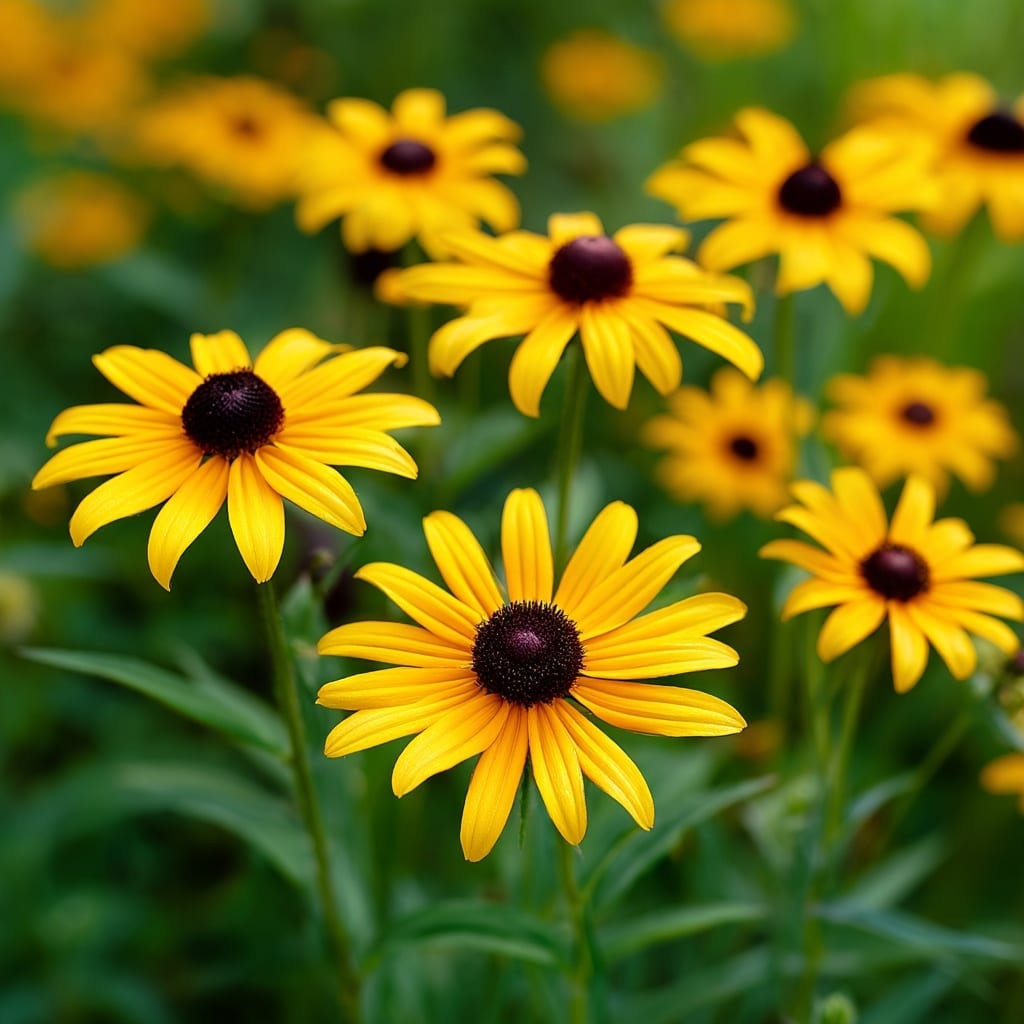
Bright, bold, and dependable, black-eyed Susan is one of the most iconic wild flowers in North America. With its sunny yellow petals and deep brown centers, it brings classic charm and long-lasting color to any summer garden.
Quick Facts:
- USDA Zones: 3–8
- Sun Needs: Full sun
- Soil: Average, well-drained soil
- Watering: Prefers moist soil but tolerates short dry spells
This hardy native is excellent for mass plantings, borders, and naturalized meadows. It blooms from midsummer into fall, drawing bees, butterflies, and even finches that feed on the seed heads.
While most varieties are biennial or short-lived perennials, they readily self-sow, ensuring a fresh flush each year. Their resilience, vibrant color, and pollinator appeal make them a standout among the best wild flowers for summer gardens.
9. White Water Lily (Nymphaea odorata / Nuphar luteum)
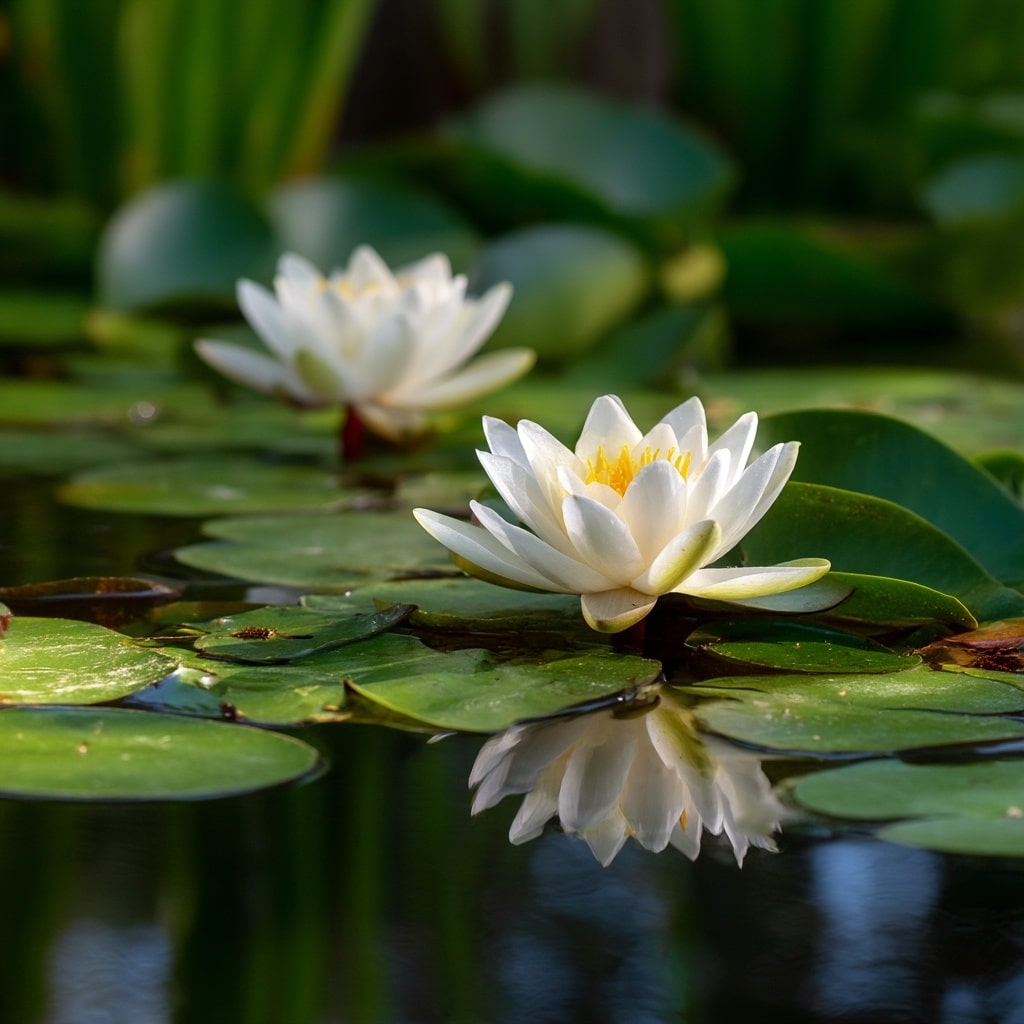
Few wild flowers are as enchanting as the white water lily. Floating serenely on the surface of ponds and still waters, its large, fragrant blooms and broad lily pads create a tranquil, dreamlike scene.
Quick Facts:
- USDA Zones: 4–11 (varies by species)
- Sun Needs: Full sun to partial shade
- Soil: Wet, sandy or silty soil; underwater planting preferred
- Watering: Grows directly in water; thrives in still or slow-moving ponds
Native Nymphaea odorata produces star-like white or pink blossoms, while Nuphar luteum—the yellow pond lily—is also common in New England. Though technically aquatic, these native wild flowers play an essential role in wetland ecosystems by offering shade for aquatic life and habitat for frogs and insects.
Perfect for naturalistic ponds or large water containers, water lilies bring softness and elegance to any summer wild flower design.
10. Wild Cosmos (Cosmos bipinnatus)
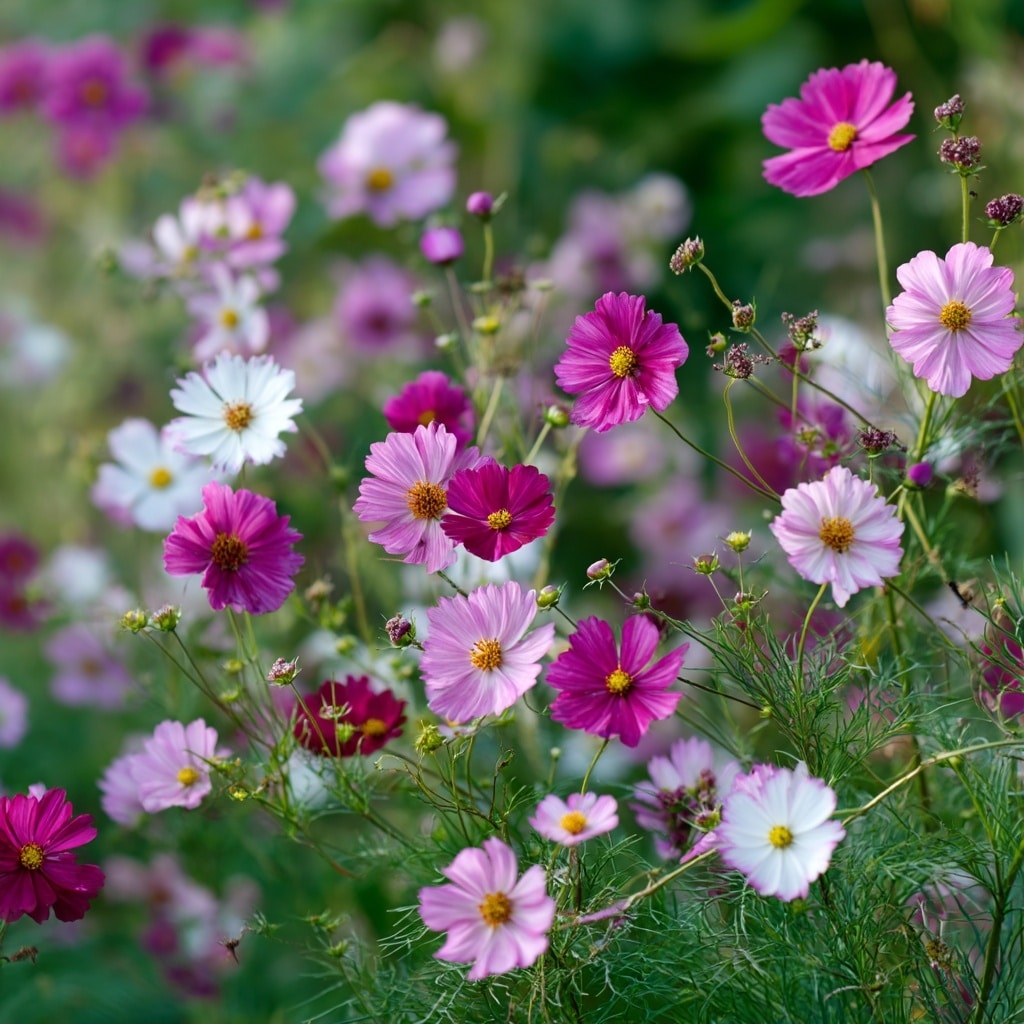
Tall, delicate, and effortlessly beautiful, wild cosmos is a summer favorite for its fern-like foliage and daisy-shaped blooms that sway gracefully in the breeze. Native to Mexico, this wild flower thrives in tough conditions and blooms generously even in poor soil.
Quick Facts:
- USDA Zones: 2–11
- Sun Needs: Full sun
- Soil: Well-draining, not overly rich
- Watering: Drought-tolerant once established
With blooms in shades of pink, white, magenta, and soft orange, cosmos brings a whimsical touch to cottage gardens and wildflower meadows. It’s one of the easiest wild flowers to grow from seed and will often self-sow, returning year after year with minimal effort.
Cosmos is also a favorite for pollinators and makes an excellent cut flower. Its long stems and long-lasting blooms make it a practical and beautiful choice among the best wild flowers for summer gardens.
11. Chicory (Cichorium intybus)
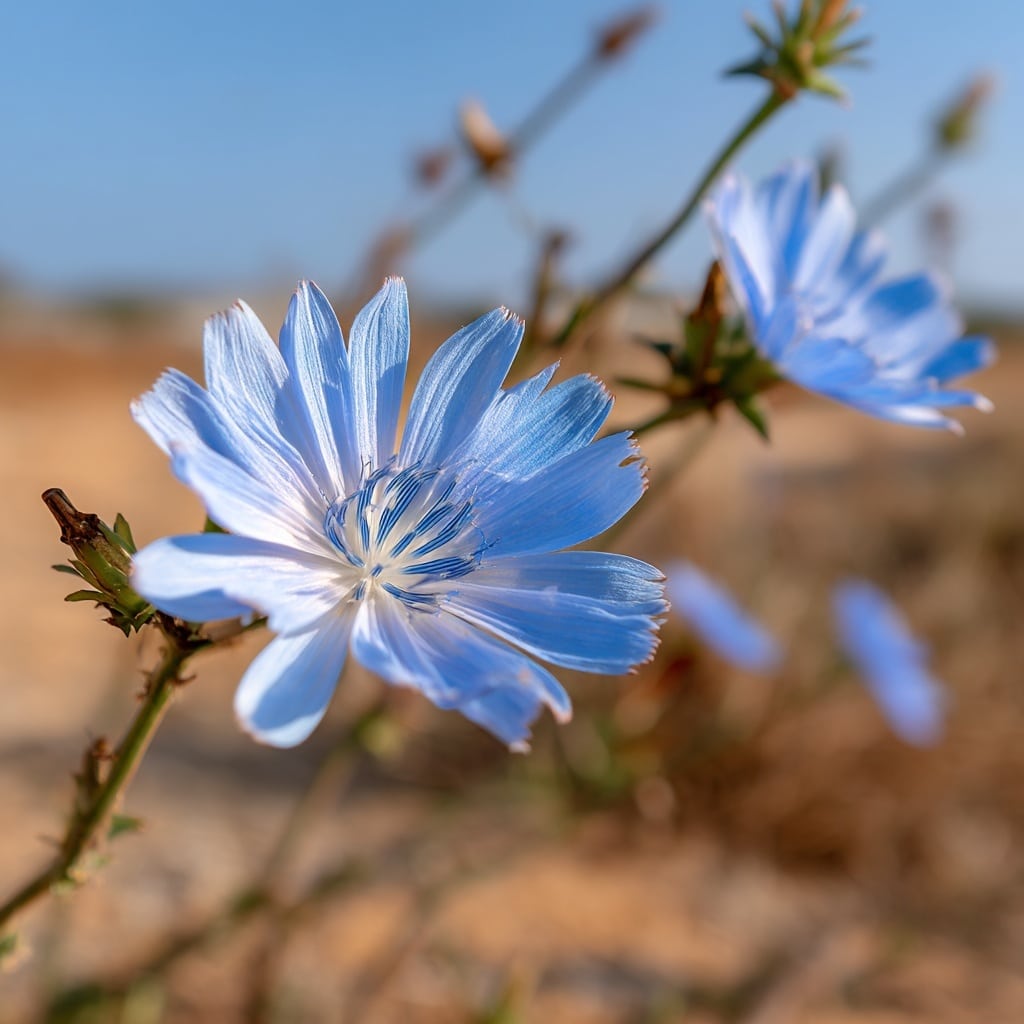
Recognizable by its bright sky-blue blooms, chicory is a hardy wild flower that lines roadsides and fields across much of North America. Introduced from Europe, it has naturalized widely and is known not only for its flowers but also for its edible root, which can be roasted as a coffee substitute.
Quick Facts:
- USDA Zones: 3–8
- Sun Needs: Full sun
- Soil: Neutral to alkaline, well-drained
- Watering: Drought-tolerant; prefers moderate moisture
Chicory’s stiff stems and unique coloring give it a rugged beauty perfect for wildflower gardens with a natural, untamed look. It opens in the morning and closes by afternoon, adding a bit of charm to its daily rhythm.
This resilient bloom brings a splash of unexpected blue and thrives in poor soils where other wild flowers may falter—making it an excellent candidate for sunny, low-maintenance plantings.
12. Oxeye Daisy (Leucanthemum vulgare)

The classic oxeye daisy is often seen in fields and along highways, with its crisp white petals and sunny yellow centers offering timeless, cheerful charm. Though not native to North America, this wild flower has become a common sight in meadows and wildflower mixes.
Quick Facts:
- USDA Zones: 4–9
- Sun Needs: Full sun to partial shade
- Soil: Rich, moist, well-drained soil
- Watering: Moderately drought-tolerant once established
This perennial spreads easily, sometimes aggressively, and can become invasive in certain areas. Still, in the right settings—like controlled garden beds or dedicated wildflower plots—it provides long-lasting blooms from late spring through summer.
If you’re looking for a native-friendly alternative, consider Shasta daisy cultivars like ‘Becky’, which offer a similar look without the ecological risks. When chosen carefully, oxeye daisies can be part of the best wild flowers for summer gardens, especially for adding brightness and contrast.
Frequently Asked Questions About Wild Flowers
🌱 Will wild flowers come back every year?
Many wild flowers are perennials or self-seeding annuals, which means they can return on their own each year. Plants like black-eyed Susan and coneflower will reappear season after season, while annuals such as cosmos and coreopsis often drop seeds that germinate the following spring.
🌼 What exactly is a wild flower?
A wild flower is a plant that grows naturally in the wild, without being intentionally planted. These flowers often thrive without much care and are great choices for attracting bees, butterflies, and other beneficial pollinators.
🌿 When should I plant wild flower seeds?
The best time to plant wild flower seeds is in early to mid-fall. This allows the seeds to establish roots before winter dormancy, ensuring strong growth in spring. Alternatively, they can be planted in early spring if the soil has warmed.
🐝 What are the most resilient wild flowers?
Lanceleaf coreopsis is widely regarded as one of the toughest wild flowers, thriving through heat and drought. Daylilies and black-eyed Susans are also incredibly hardy, deer-resistant, and long-blooming.
🌸 Conclusion
Adding wild flowers to your summer garden is one of the simplest ways to enjoy continuous blooms, support pollinators, and reduce maintenance. From bold coneflowers to delicate cosmos, these plants offer a wide range of colors, heights, and textures that thrive in sunny, open spaces. Whether you prefer native varieties or carefully selected non-natives, the best wild flowers for summer gardens can turn any yard into a lively, natural retreat.