
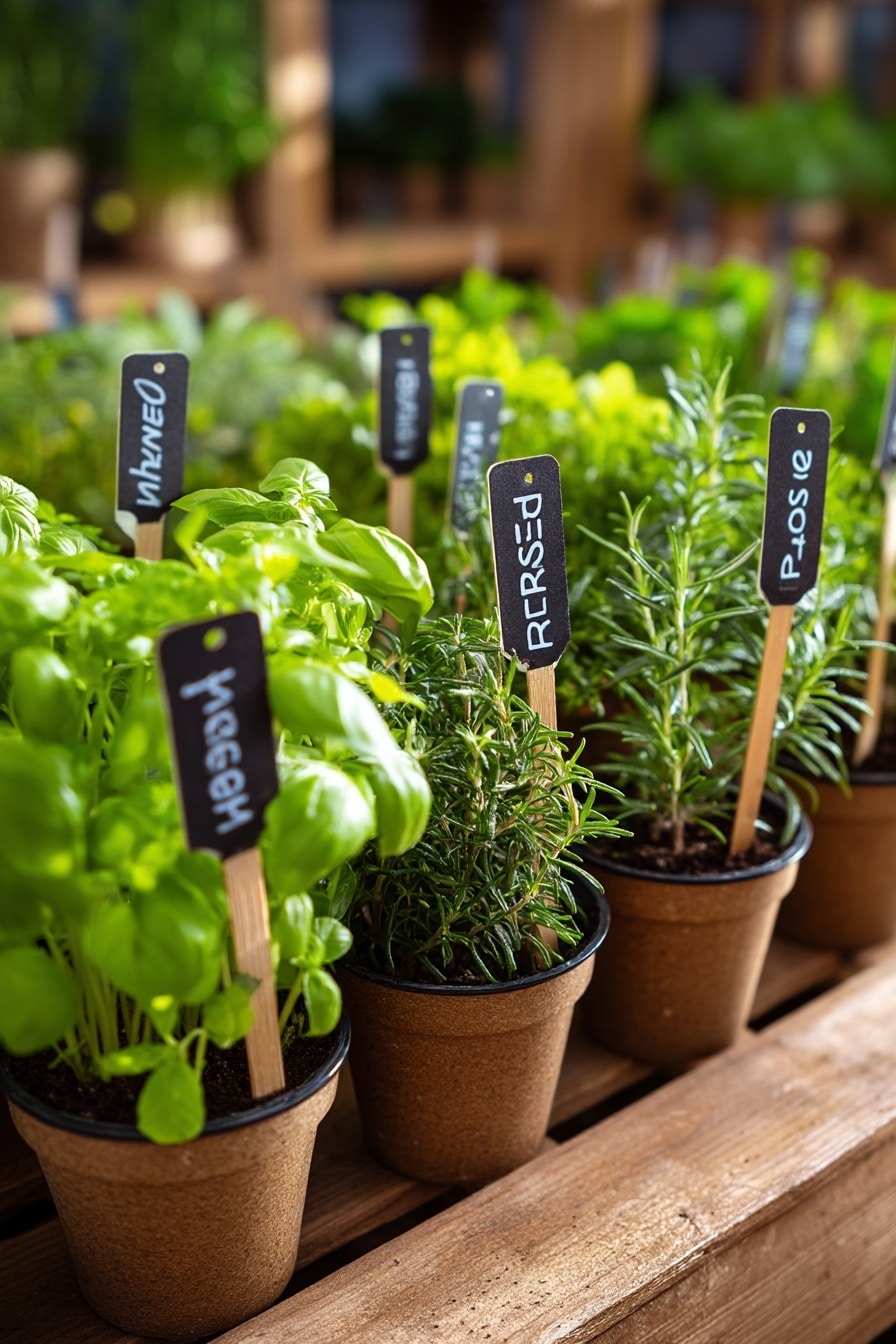
Herb garden can be one of the most rewarding gardening projects for beginners and experienced growers alike. Growing your own herbs at home not only gives you a steady supply of fresh flavours for your kitchen, but also adds greenery and life to small spaces like balconies, patios, or sunny windowsills. With the right guidance and simple steps, you’ll soon enjoy home-grown basil for pesto, mint for tea, and rosemary for roasting — all without paying grocery store prices.
Table of Contents
Why Start an Herb Garden?

Starting an herb garden is one of the simplest ways to begin growing your own food. Herbs require less space than most vegetables, grow quickly, and can thrive in containers, raised beds, or directly in the ground. Even a small balcony can support a productive herb garden with the right setup.
Fresh herbs also taste significantly better than dried store-bought versions. When you harvest from your herb garden just before cooking, the oils are at their peak, giving you stronger aroma and flavor. This small difference can completely transform everyday meals.
An herb garden can also save money over time. A single potted basil plant often costs the same as one small grocery bundle, yet it continues producing leaves for months. Instead of repeatedly buying packaged herbs, your herb garden becomes a steady, renewable source.
Beyond cooking, many herbs offer additional benefits:
- Aromatic leaves that naturally repel pests
- Flowers that attract pollinators
- Leaves suitable for teas and home remedies
- Pleasant fragrance around patios and doorways
If you’re new to gardening, an herb garden is a forgiving place to start. Most herbs tolerate small mistakes and bounce back quickly with proper sunlight and watering.
Choosing the Right Location for Your Herb Garden
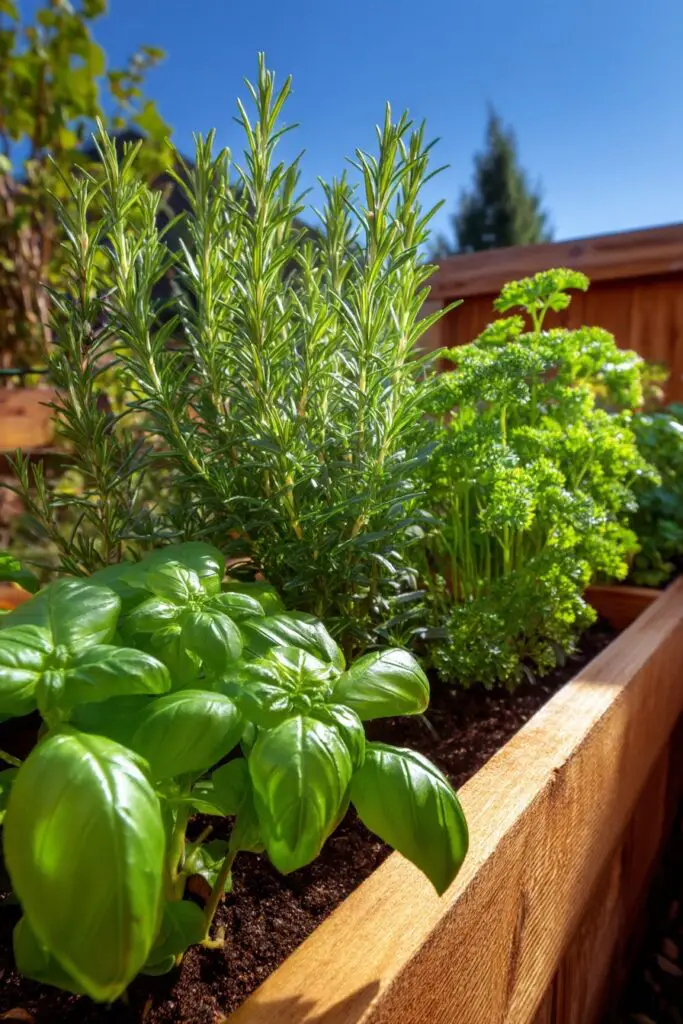
A successful herb garden starts with the right location. Most herbs thrive in full sun, which means they need at least 6 hours of direct sunlight each day. A south-facing window, balcony, patio, or sunny backyard spot works well for most varieties.
If you’re planting outdoors, observe how sunlight moves across your space throughout the day. Herbs like basil, thyme, rosemary, and oregano perform best in bright conditions. If your space gets partial shade, you can still grow herbs such as mint, parsley, and chives successfully.
Indoor vs. Outdoor Herb Garden
You can grow an herb garden either indoors or outdoors depending on your space.
Indoor herb garden benefits:
- Easy access while cooking
- Protection from harsh weather
- Suitable for apartments and small homes
Outdoor herb garden benefits:
- Faster growth with stronger sunlight
- More space for multiple varieties
- Better airflow, reducing disease risk
When growing indoors, ensure good drainage and avoid placing pots near heating vents or drafty windows. Outdoors, choose a spot with well-draining soil and protection from strong winds.
Drainage Is Essential
No matter where you place your herb garden, drainage is critical. Herbs dislike sitting in soggy soil, which can cause root rot. Always use containers with drainage holes or amend garden beds with compost and sand to improve soil structure.
Taking time to select the proper location will give your herb garden a strong start and reduce problems later.
Selecting the Best Herbs for Beginners
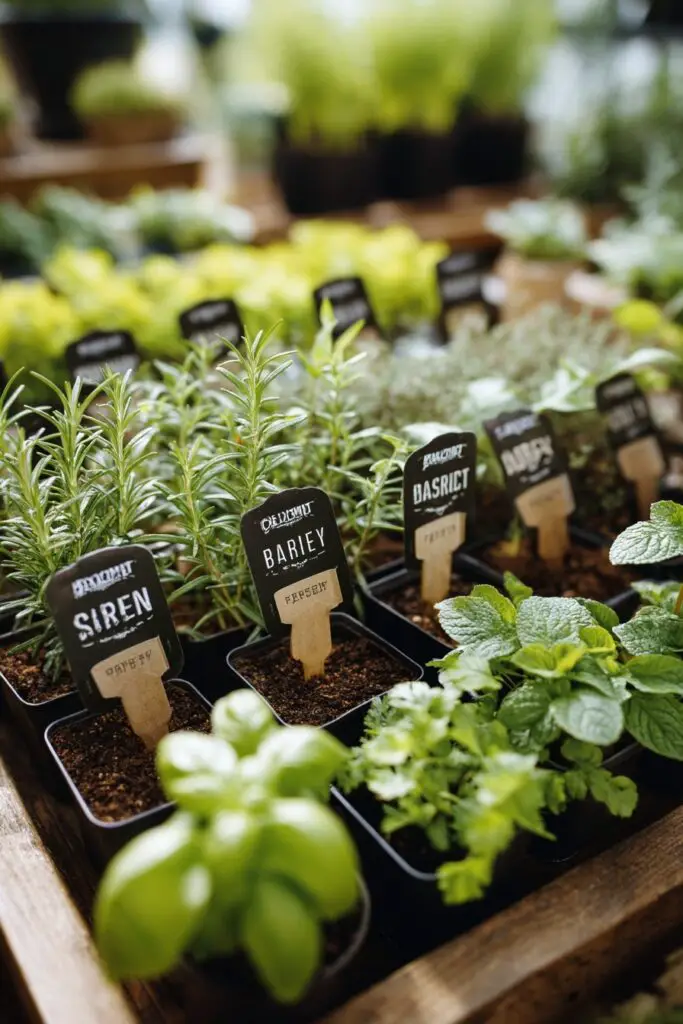
Choosing the right plants makes starting an herb garden much easier. Some herbs grow quickly and tolerate beginner mistakes, while others require more attention. If this is your first herb garden, begin with dependable, versatile varieties you’ll actually use in the kitchen.
Easy Herbs to Grow
Here are beginner-friendly herbs that perform well in most herb garden setups:
- Basil – Fast-growing and perfect for pasta, salads, and pesto. Loves warmth and full sun.
- Mint – Extremely hardy and ideal for teas and desserts. Best grown in containers to prevent spreading.
- Rosemary – Drought-tolerant and great for roasted dishes. Prefers well-drained soil.
- Parsley – Versatile and easy to grow in partial sun.
- Chives – Low-maintenance and excellent for garnishes and eggs.
Starting your herb garden with three to five of these plants keeps maintenance manageable while giving you variety.
Consider Your Climate
Your local climate influences which herbs will thrive in your herb garden. In warmer regions, Mediterranean herbs like rosemary and oregano flourish. In cooler climates, parsley, chives, and mint may perform better.
If you’re unsure, check your USDA hardiness zone and choose herbs suited to it. Growing herbs adapted to your environment reduces stress and improves overall success.
Annual vs. Perennial Herbs
Understanding plant life cycles helps you plan your herb garden long term.
- Annual herbs (like basil and cilantro) complete their life cycle in one season.
- Perennial herbs (like rosemary, thyme, and mint) return year after year in suitable climates.
Mixing annual and perennial plants in your herb garden gives you both quick harvests and long-term stability.
Preparing Soil and Containers for Your Herb Garden
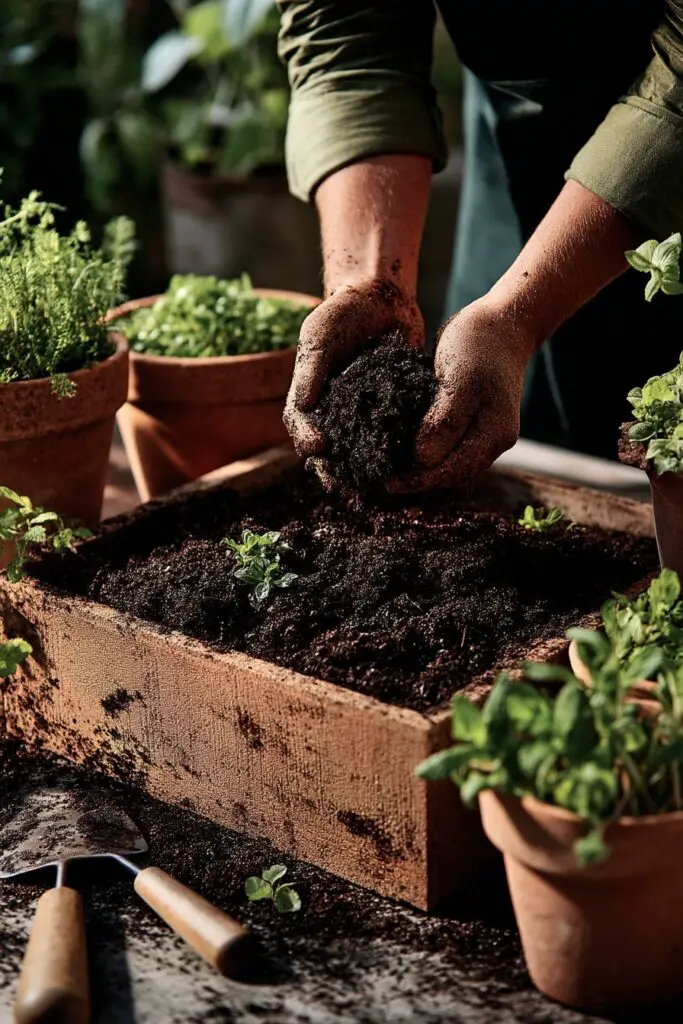
Healthy soil is the foundation of a thriving herb garden. While herbs are generally low-maintenance, they perform best in loose, well-draining soil rich in organic matter. Heavy, compacted soil can trap water and damage roots, so preparation matters.
If you’re planting directly in the ground, loosen the soil to about 8–10 inches deep. Mix in compost to improve structure and nutrients. Avoid overly rich soil, though—too much nitrogen can produce lots of leaves with weaker flavor.
Choosing the Right Containers
Containers make an herb garden flexible and space-efficient. You can move pots to follow sunlight or protect them from heavy rain.
When selecting containers:
- Ensure they have drainage holes
- Choose at least 6–8 inches of depth for most herbs
- Use terracotta pots for better airflow
- Consider raised beds for larger outdoor herb garden setups
Terracotta helps soil dry out faster, which suits Mediterranean herbs like rosemary and thyme.
Use the Right Potting Mix
For container growing, avoid regular garden soil. Instead, use a high-quality potting mix designed for vegetables or herbs. A good mix should be:
- Light and well-aerated
- Fast draining
- Enriched with compost or organic matter
Adding a small amount of perlite or coarse sand can further improve drainage in your herb garden containers.
Preparing proper soil and containers sets your herb garden up for steady growth and fewer problems later in the season.
Planting Your Herb Garden
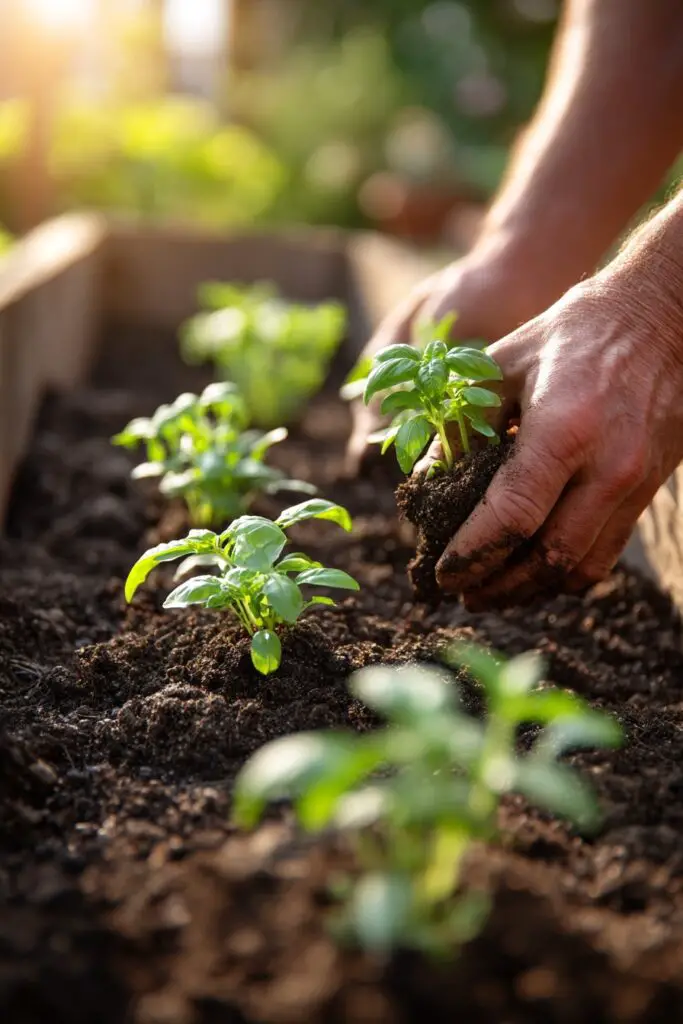
Once your soil and containers are ready, it’s time to plant your herb garden. You can start herbs from seeds or purchase young plants from a nursery. Beginners often find seedlings easier because they establish faster and require less early care.
If starting from seed, follow packet instructions carefully. Some herb seeds need light to germinate, while others prefer to be lightly covered with soil. Keep the soil evenly moist but never waterlogged during germination.
Spacing and Arrangement
Proper spacing prevents overcrowding in your herb garden. Even small plants need airflow to reduce disease and promote healthy growth.
General spacing guidelines:
- Small herbs (chives, thyme): 6–8 inches apart
- Medium herbs (basil, parsley): 8–12 inches apart
- Larger herbs (rosemary, sage): 12–18 inches apart
If planting in containers, avoid cramming too many herbs into one pot. Crowded roots compete for nutrients and water, which can weaken your herb garden over time.
Companion Planting Tips
Some herbs grow well together in the same herb garden bed. Mediterranean herbs like rosemary, thyme, and oregano prefer similar dry conditions and can share space comfortably.
Moisture-loving herbs such as mint and parsley may need separate containers since they prefer more frequent watering. Keeping herbs with similar needs together simplifies maintenance and keeps your herb garden healthier.
After planting, water gently to settle the soil around the roots. Avoid heavy watering that can compact the soil or wash seeds away.
Watering and Caring for Your Herb Garden
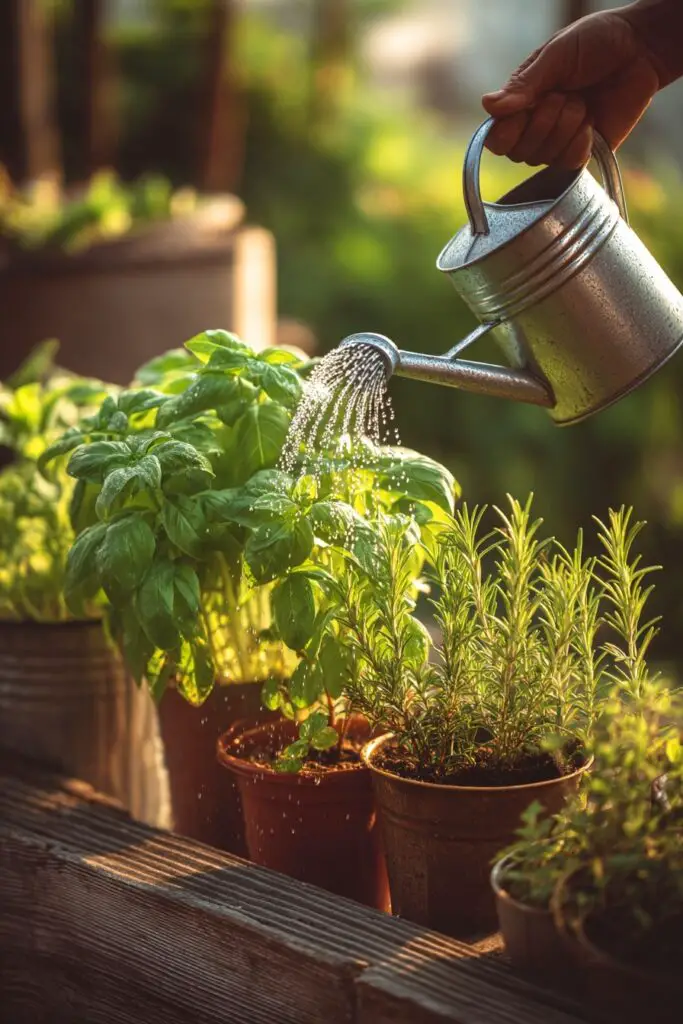
Proper care keeps your herb garden productive and flavorful. While herbs are generally low-maintenance, they still need consistent watering, sunlight, and occasional feeding to stay healthy.
How Often to Water
Most herbs prefer slightly dry conditions rather than constantly wet soil. Overwatering is one of the most common mistakes in an herb garden.
Use this simple rule:
- Water when the top 1 inch of soil feels dry
- Ensure excess water drains freely
- Reduce watering during cooler weather
Mediterranean herbs like rosemary and thyme prefer drier soil. Softer herbs like basil and parsley need more consistent moisture but should never sit in soggy conditions.
Fertilizing Your Herb Garden
Herbs don’t require heavy feeding. In fact, too much fertilizer can reduce their flavor strength.
For a balanced herb garden:
- Mix compost into soil at planting
- Use diluted liquid fertilizer once every 4–6 weeks if needed
- Avoid high-nitrogen fertilizers
Less is often more when feeding herbs.
Pruning for Better Growth
Regular harvesting actually improves your herb garden. Trimming encourages bushier plants and prevents them from becoming leggy.
- Pinch basil above leaf nodes
- Cut chives down to a few inches above soil
- Lightly trim rosemary to shape
Never remove more than one-third of the plant at a time. Consistent light pruning keeps your herb garden full and productive.
Harvesting and Maintaining Your Herb Garden
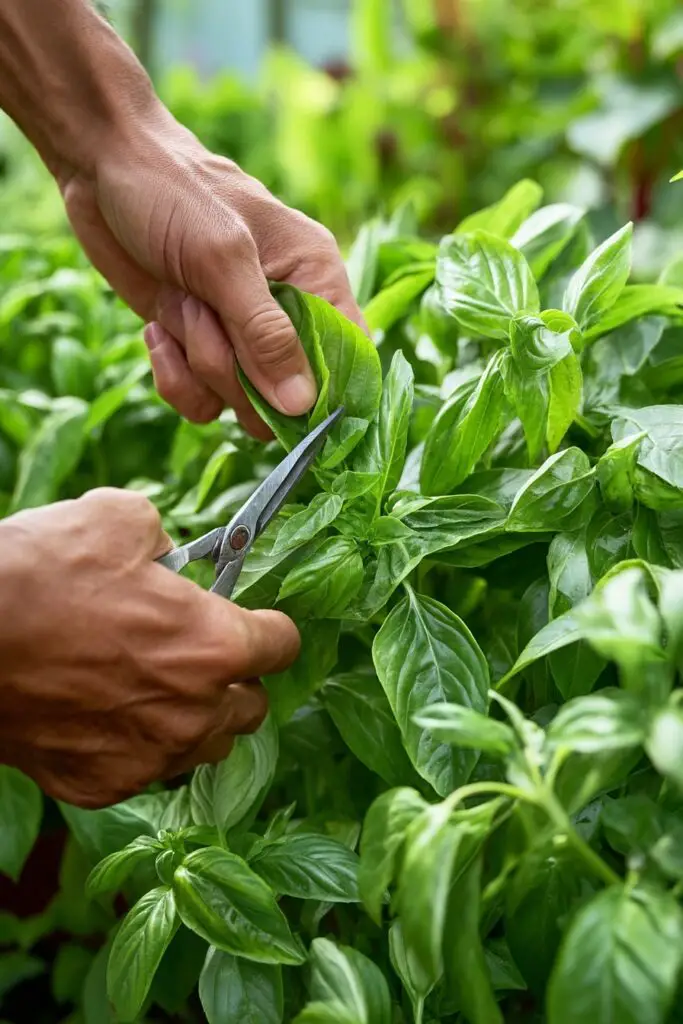
Harvesting is one of the most satisfying parts of growing an herb garden. Regular picking not only supplies fresh ingredients for your kitchen but also encourages plants to produce more leaves.
When to Harvest
The best time to harvest from your herb garden is in the morning after the dew has dried but before the sun becomes too intense. At this time, essential oils are concentrated, giving herbs stronger aroma and flavor.
General harvesting tips:
- Wait until plants are at least 6–8 inches tall
- Use clean scissors or pruning shears
- Cut just above a leaf node to promote branching
Frequent light harvesting keeps your herb garden productive throughout the growing season.
Preventing Flowering Too Early
Many herbs, especially basil and cilantro, will eventually flower. While flowering is natural, it often reduces leaf production and flavor.
To delay flowering in your herb garden:
- Pinch off flower buds as soon as they appear
- Harvest regularly
- Avoid stress from inconsistent watering
Perennial herbs like rosemary and thyme can flower without losing as much flavor, but trimming after blooming keeps them tidy.
Seasonal Maintenance
As seasons change, your herb garden may need adjustments.
- Move indoor pots closer to sunlight during winter
- Protect outdoor herbs from frost with covers or mulch
- Trim back perennial herbs before cold weather
If you live in a colder climate, consider bringing container herbs indoors before the first frost. This simple step can extend the life of your herb garden through winter.
Common Problems in an Herb Garden (And How to Fix Them)
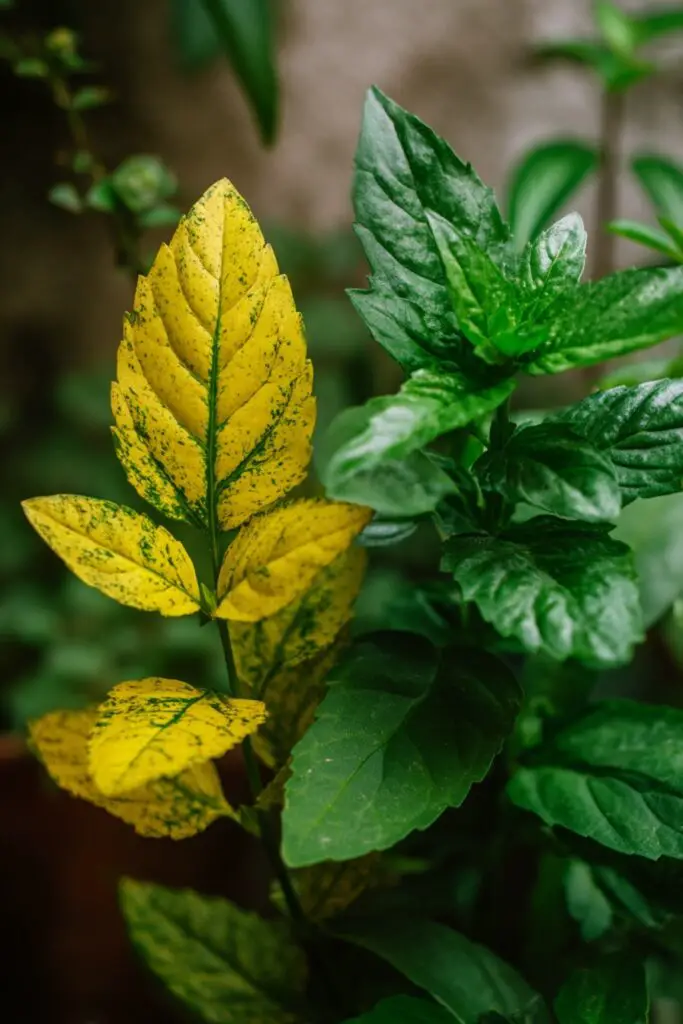
Even a well-planned herb garden can run into occasional issues. The good news is that most problems are easy to correct once identified early.
Yellowing Leaves
Yellow leaves often signal overwatering in an herb garden. Check the soil before watering and ensure containers drain properly. If roots sit in soggy soil, they can rot quickly.
Fix:
- Reduce watering frequency
- Improve drainage
- Repot with fresh, well-draining mix if necessary
Leggy Growth
If your herb garden plants look tall and thin with sparse leaves, they may not be getting enough sunlight.
Fix:
- Move containers to a sunnier location
- Rotate pots regularly for even growth
- Prune to encourage bushier shape
Pests
Aphids and spider mites sometimes appear in an herb garden, especially indoors.
Fix:
- Spray leaves with a gentle water stream
- Use insecticidal soap if infestation grows
- Keep good airflow around plants
Regular inspection keeps your herb garden healthy and productive.
Conclusion
Starting an herb garden is one of the simplest and most rewarding ways to begin gardening. With the right location, proper soil, suitable herbs, and consistent care, even beginners can grow fresh, flavorful plants at home. Whether you plant on a sunny windowsill or in a backyard bed, your herb garden can provide year-round enjoyment and practical kitchen benefits.
If you enjoyed this guide, you may also find helpful tips in our articles on container vegetable gardening and growing plants in small spaces.