
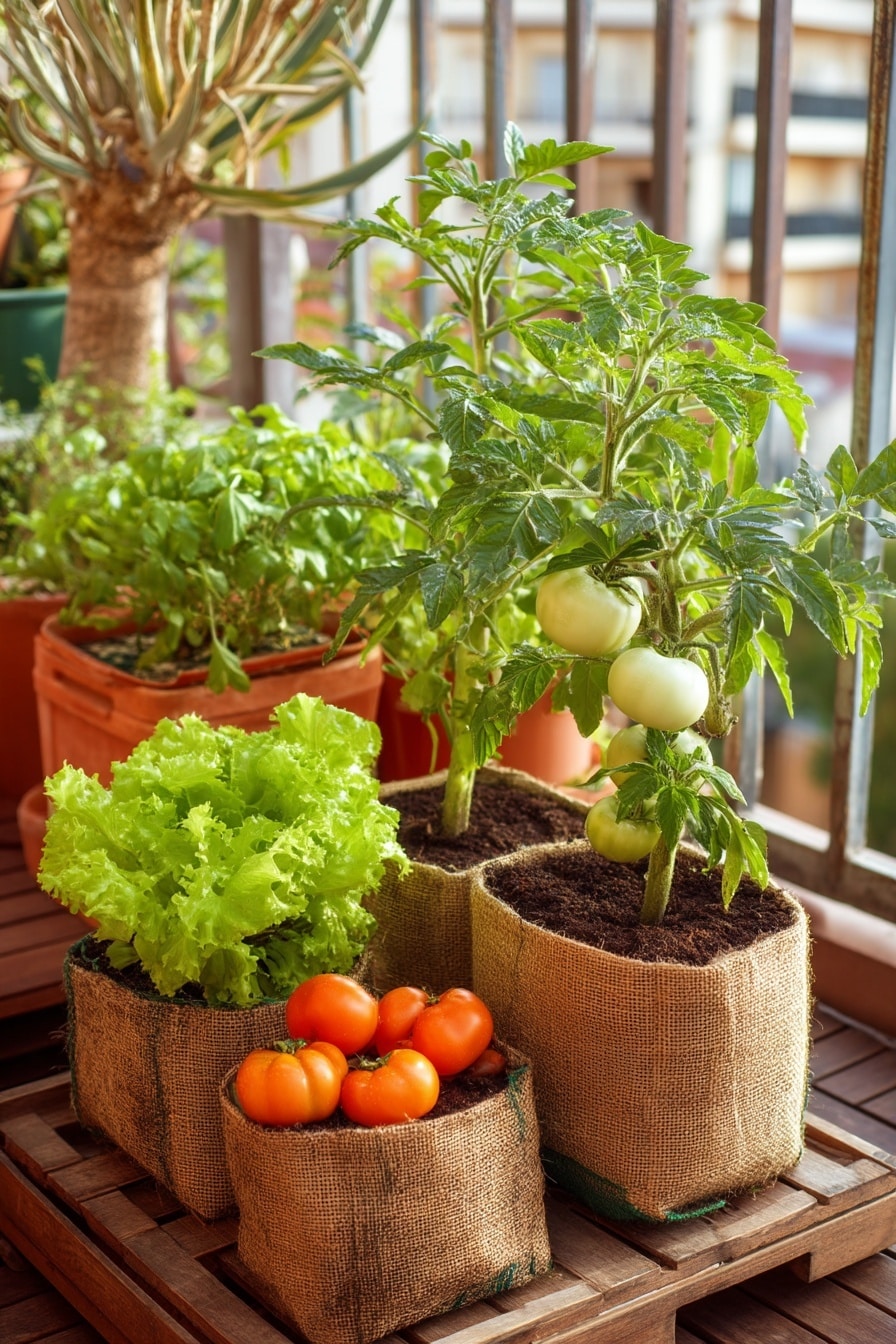
Small vegetable gardens are an excellent way to grow fresh food even when outdoor space is limited. Many gardeners believe they need a large yard to grow vegetables, but a well-planned small vegetable garden can produce an impressive harvest.
With the right layout, plant selection, and care routine, small vegetable gardens can thrive in compact backyards, patios, or even narrow garden beds. The key is using space wisely and choosing vegetables that grow well in smaller areas.
Whether you are new to gardening or looking to maximize a small area, these small vegetable gardens ideas can help you grow healthy crops while keeping your garden manageable and productive.
Table of Contents
1. Raised Bed Small Vegetable Gardens

Raised beds are one of the most practical options for small vegetable gardens. They create clearly defined planting areas while improving soil quality and drainage.
A raised bed also makes gardening easier because the soil is easier to control and maintain.
Benefits of Raised Beds
Raised beds work especially well in small vegetable gardens because they:
- Improve soil structure and drainage
- Reduce weed growth
- Make planting and harvesting easier
- Allow better spacing for crops
Most gardeners build raised beds from wood, stone, or metal frames. A typical raised bed for small vegetable gardens measures around 4 feet wide so plants can be reached from both sides.
Vegetables That Grow Well in Raised Beds
These vegetables thrive in raised bed small vegetable gardens:
- Lettuce
- Carrots
- Spinach
- Tomatoes
- Peppers
2. Container Small Vegetable Gardens
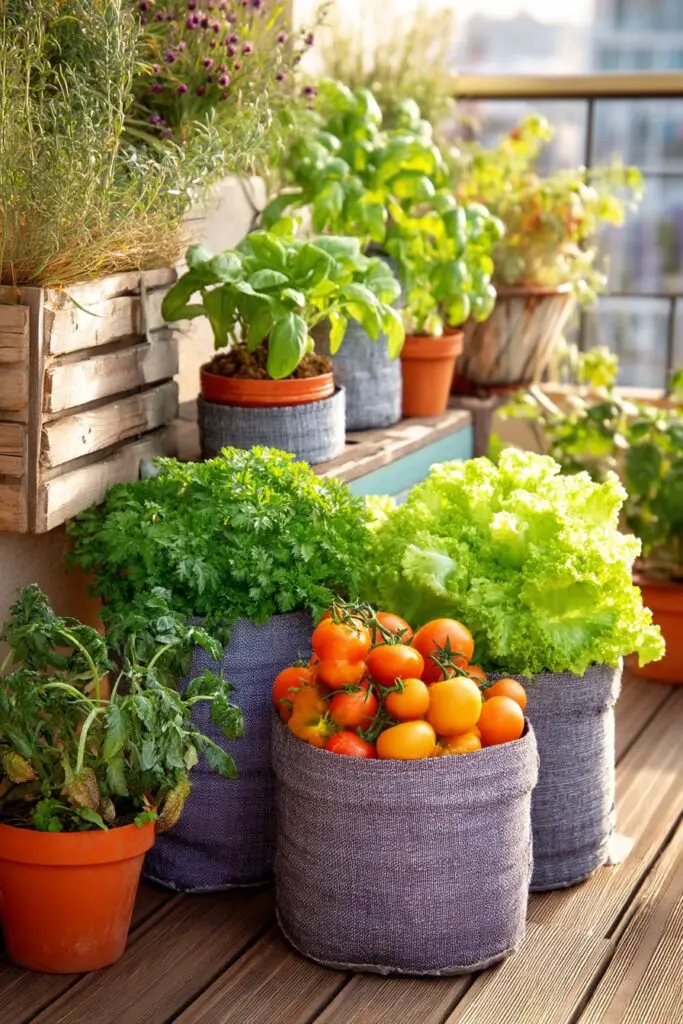
Container gardening is another effective method for creating small vegetable gardens in limited spaces. Containers can be placed on patios, balconies, or paved areas where traditional garden beds are not possible.
Using containers also allows gardeners to move plants to better sunlight or protect them from strong weather.
Choosing Containers for Vegetable Plants
When setting up container small vegetable gardens, choose containers that:
- Have good drainage holes
- Are large enough for root growth
- Are made from durable materials
Common container options include:
- Clay or terracotta pots
- Plastic garden containers
- Wooden planter boxes
- Fabric grow bags
Best Vegetables for Containers
Many crops grow successfully in container small vegetable gardens, including:
- Cherry tomatoes
- Herbs
- Bush beans
- Radishes
- Salad greens
3. Vertical Small Vegetable Gardens
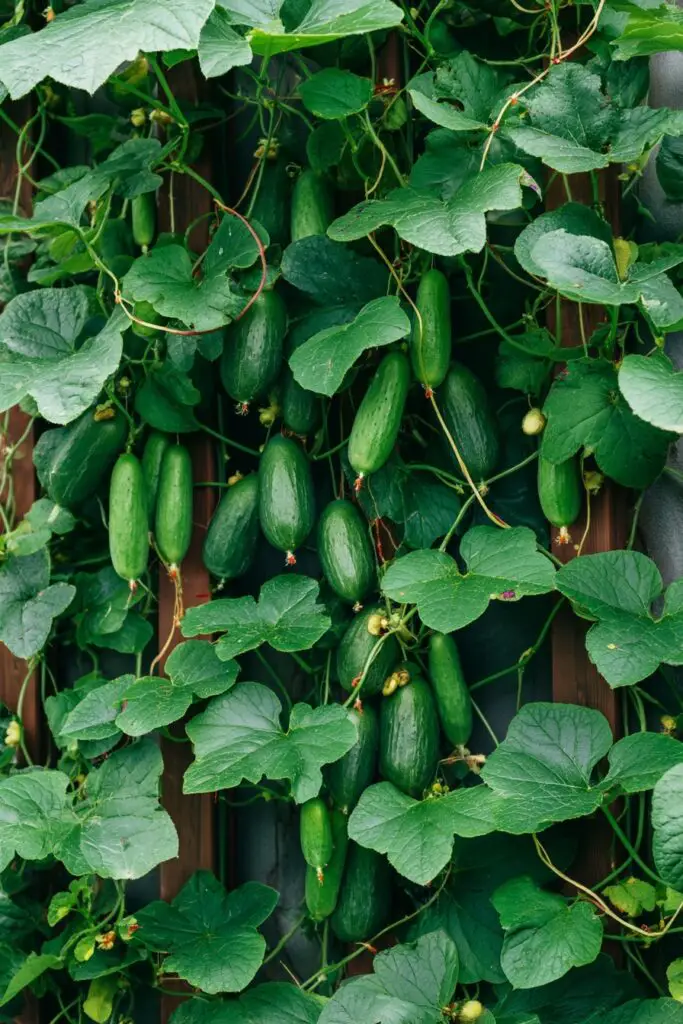
Vertical gardening is a smart solution for small vegetable gardens because it uses upward space rather than spreading across the ground.
This method works especially well for climbing plants and vining vegetables.
Vertical Gardening Structures
Common structures used in small vegetable gardens include:
- Trellises
- Garden arches
- Wall planters
- Vertical growing towers
These structures allow plants to grow upward, saving valuable ground space.
Vegetables Suitable for Vertical Gardens
These crops are excellent choices for vertical small vegetable gardens:
- Cucumbers
- Peas
- Pole beans
- Tomatoes
- Squash varieties
Vertical growing also improves air circulation and makes harvesting easier.
4. Square Foot Small Vegetable Gardens
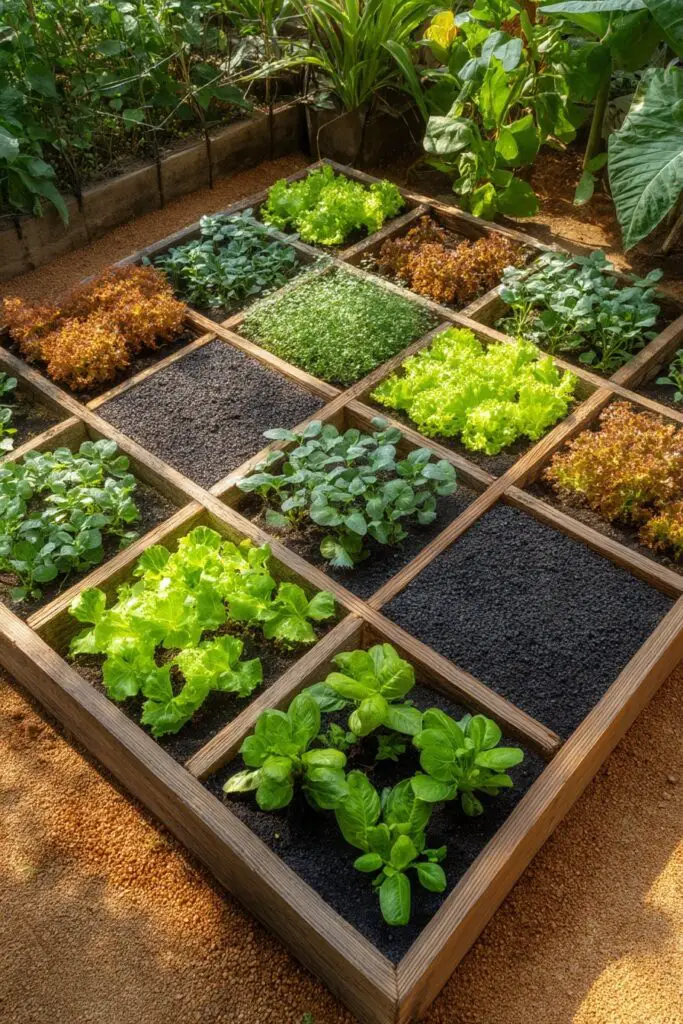
Square foot gardening is a popular method for organizing small vegetable gardens into neat, manageable sections. This system divides a raised bed into a grid of square planting areas.
Each square is used for a specific crop depending on the plant’s size.
How Square Foot Gardening Works
In small vegetable gardens using this method:
- A raised bed is divided into one-foot squares
- Each square holds a different vegetable
- Plant spacing is carefully planned
For example:
- 1 tomato plant per square
- 4 lettuce plants per square
- 16 carrot plants per square
This method helps gardeners grow a variety of crops without overcrowding the garden.
5. Patio Small Vegetable Gardens
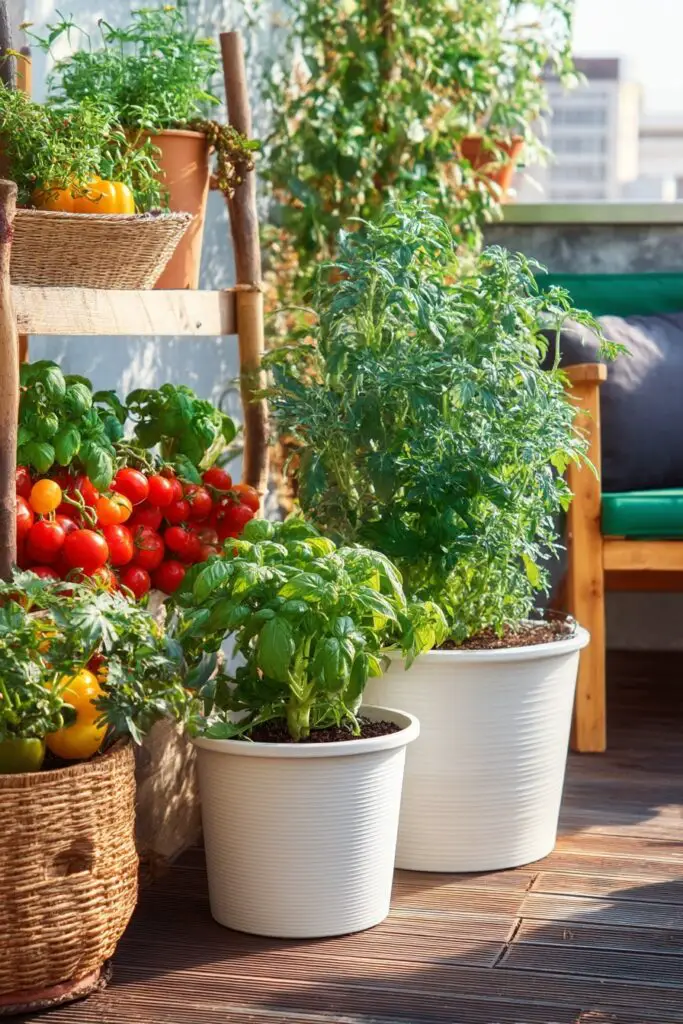
Patio gardens are perfect for people who want small vegetable gardens but have limited yard space. A sunny patio or paved area can easily become a productive growing space with the right containers and layout.
Patio small vegetable gardens often combine containers, vertical structures, and small raised beds.
Setting Up a Patio Vegetable Garden
To build a productive patio garden:
- Place containers where they receive 6–8 hours of sunlight
- Use lightweight soil mixes designed for containers
- Water plants regularly because containers dry faster
Crops That Work Well on Patios
Some vegetables grow particularly well in patio small vegetable gardens, including:
- Tomatoes
- Peppers
- Lettuce
- Spinach
- Herbs
With proper care, patio gardens can provide a steady supply of fresh vegetables throughout the growing season.
Tips for Maintaining Small Vegetable Gardens
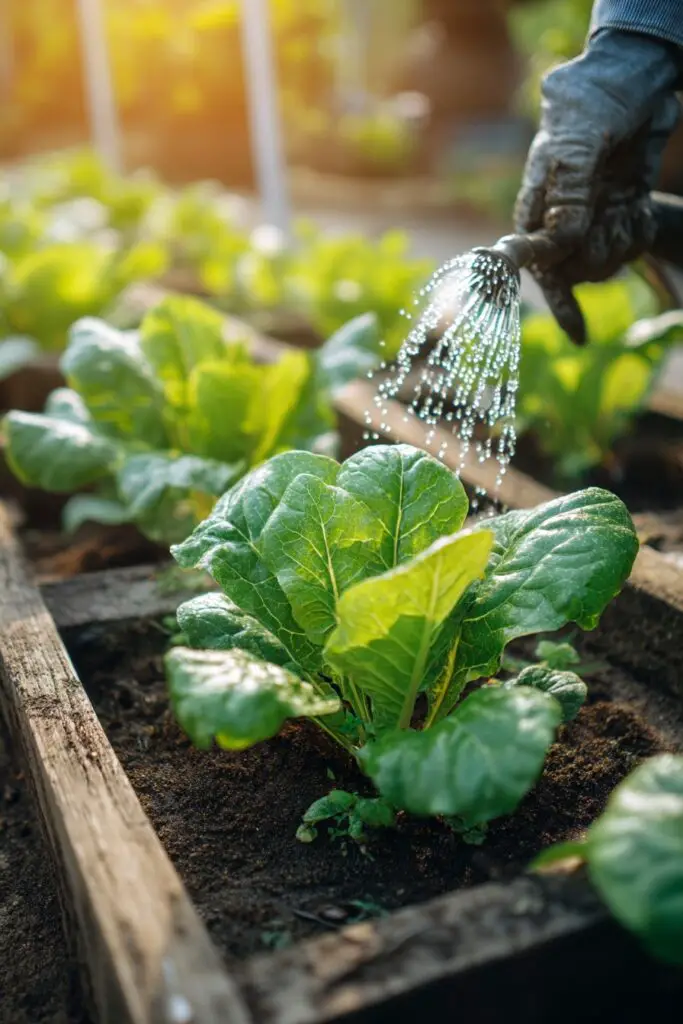
Keeping small vegetable gardens healthy requires a few simple gardening practices.
Provide Enough Sunlight
Most vegetables need at least 6 hours of direct sunlight each day. Choose the brightest location available.
Use Quality Soil
Healthy soil supports strong plant growth. For small vegetable gardens, use nutrient-rich soil mixed with compost.
Water Consistently
Small gardens and containers tend to dry out faster. Regular watering keeps plants healthy and productive.
Rotate Crops
Changing where crops are planted each season helps prevent pests and soil problems.
Conclusion
Small vegetable gardens prove that you do not need a large backyard to grow fresh food. With thoughtful planning and smart gardening methods, even compact spaces can produce a wide variety of vegetables.
Raised beds, containers, vertical structures, square foot layouts, and patio gardens all provide practical solutions for growing vegetables in limited areas. By choosing the right setup and maintaining healthy soil and watering habits, small vegetable gardens can remain productive throughout the growing season.
Even the smallest garden space can become a rewarding source of homegrown vegetables.