
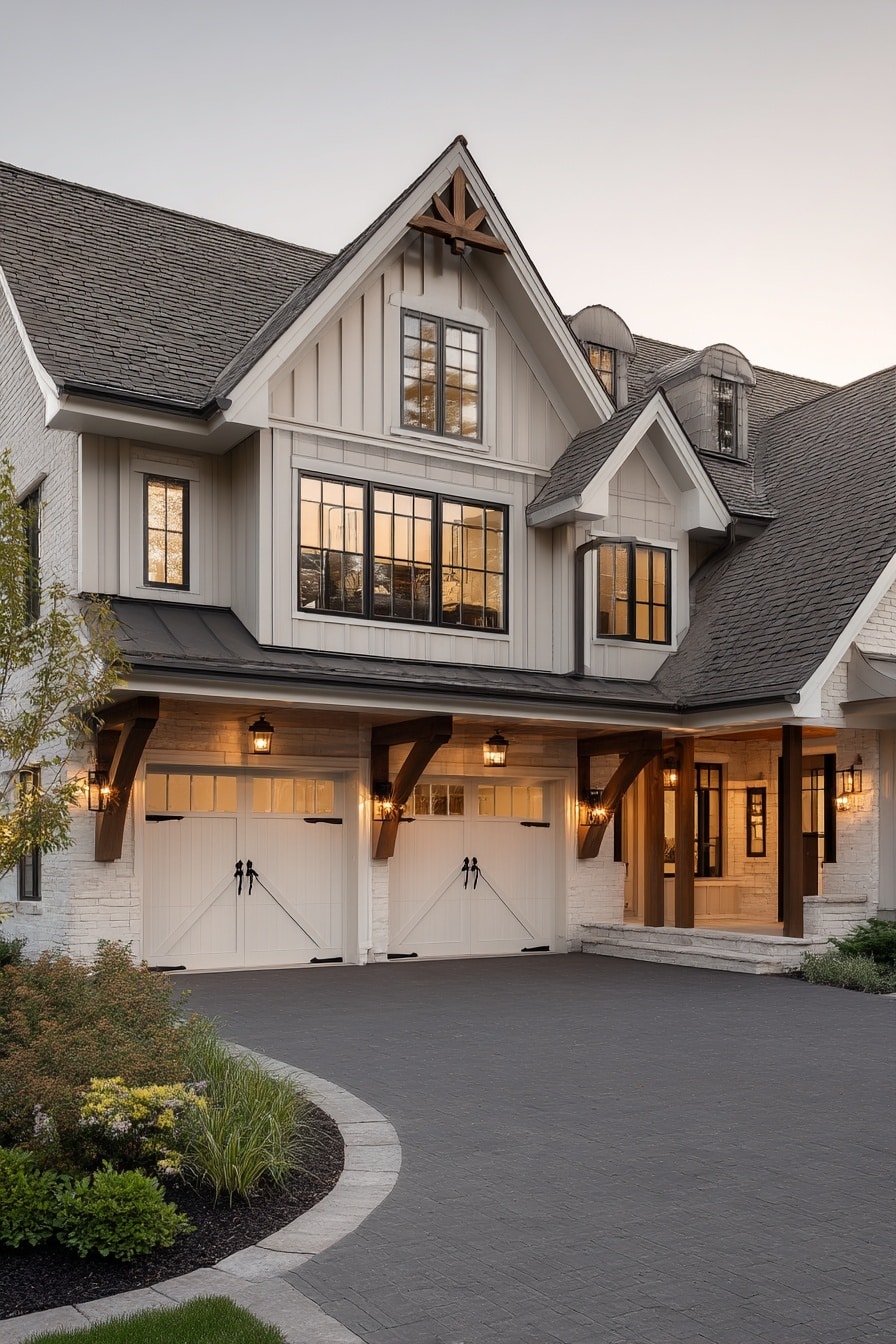
garage and breezeway design makes a bold aesthetic and functional statement in modern home builds. A well-executed carriage-style garage paired with an elegant breezeway not only enhances curb appeal but also improves daily flow and usability between living spaces and vehicle storage.
In this article, we’ll go through the key design considerations, layout ideas, and practical benefits of combining a stylish garage and breezeway in your home plans.
Table of Contents
What Makes Garage and Breezeway Design Stand Out

The combination of a garage and breezeway bridges traditional architectural charm with modern convenience.
A carriage-style garage evokes classic design, often with vertically paneled doors, decorative hardware, and a barn-like feel that complements a range of home styles.
A breezeway, by definition, is a roofed architectural connector between two structures — most commonly the main house and a detached or semi-detached garage.
Together, these elements:
- Create sheltered, practical transitions between spaces
- Add architectural rhythm and hierarchy to the home’s exterior
- Increase usable outdoor space for seating or storage
- Improve airflow and natural lighting
When planned thoughtfully, a garage and breezeway serve both form and function to enhance everyday life.
Choosing the Right Garage Style for Your Home
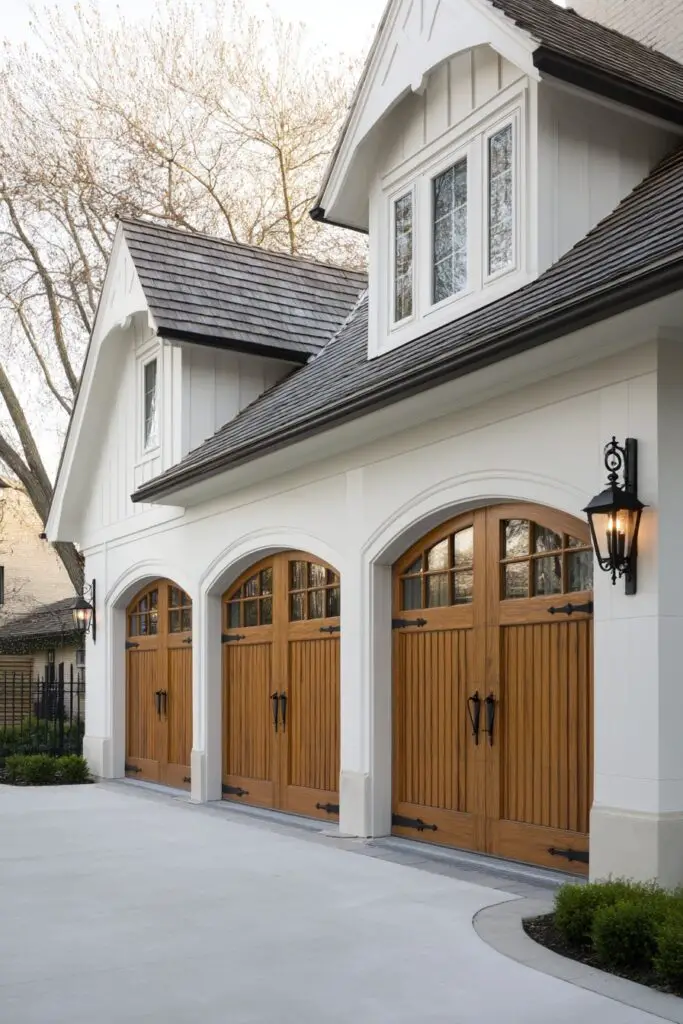
The garage often becomes a visual anchor on the front or side of the home.
When focusing on a garage and breezeway design, consider:
- Carriage-style aesthetics: These soft-arched details and timber accents offer traditional character without feeling dated.
- Proportion to house: Ensure the garage does not overpower the home façade but instead balances it.
- Materials and finishes: Wood grain doors, steel hardware, and high-quality paint or stain help the garage complement the home design.
Carriage garage doors with windows and decorative hardware can elevate a simple space into a charming design feature.
Designing a Breezeway That Feels Seamless
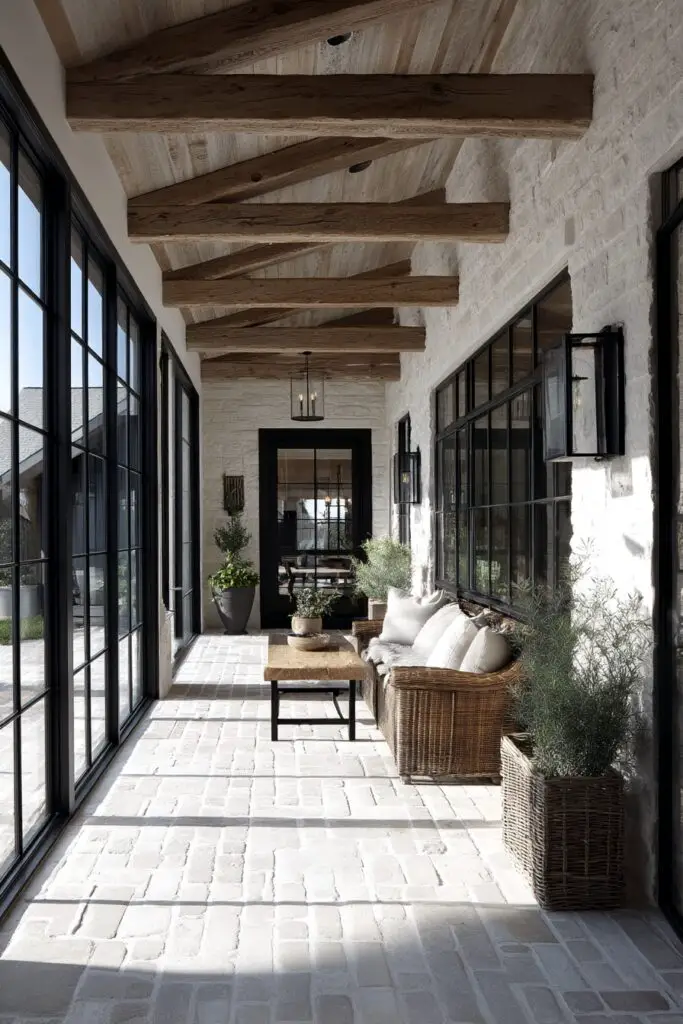
A breezeway’s beauty lies in its simplicity — but that doesn’t mean it should be an afterthought.
For a garage and breezeway combination:
- Roof continuity: Match or complement the roof pitch and materials with the home and garage for a unified look.
- Flooring choice: Durable, easy-to-clean flooring such as pavers, stone, or sealed concrete works best since this space may see frequent foot traffic and tools.
- Open vs. enclosed: Decide if you want the breezeway fully open for airflow and view, partially enclosed for storage or weather protection, or glazed with windows for a transitional feel.
A glass-enclosed breezeway that connects to the main house can add brightness and year-round usability while strengthening the visual link between structures.
Functional Advantages of Garage and Breezeway Layouts
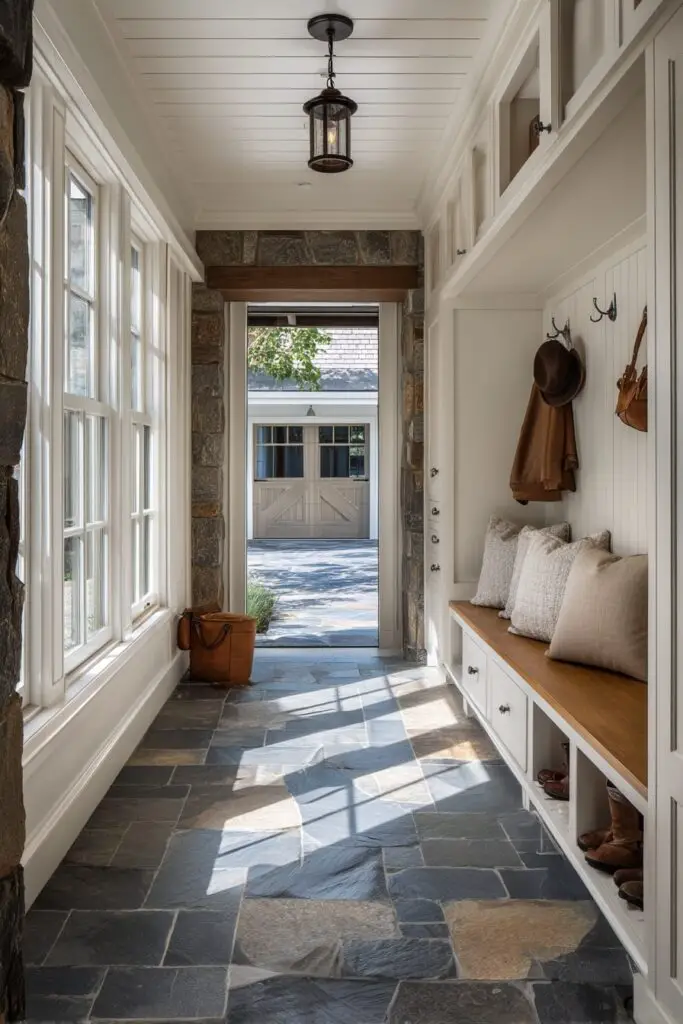
Pairing a garage with a breezeway doesn’t just add charm — it serves practical purposes for everyday living:
- Weather protection: Carry groceries or gear from car to home without exposure to rain or snow.
- Flex space: Use breezeway as a mudroom, bike storage, or casual seating area.
- Ventilation: A breezeway naturally promotes airflow between structures, reducing heat buildup in summer.
When designed well, the breezeway becomes more than a connector — it becomes a lived-in extension of your home.
Outdoor Aesthetics and Landscape Integration
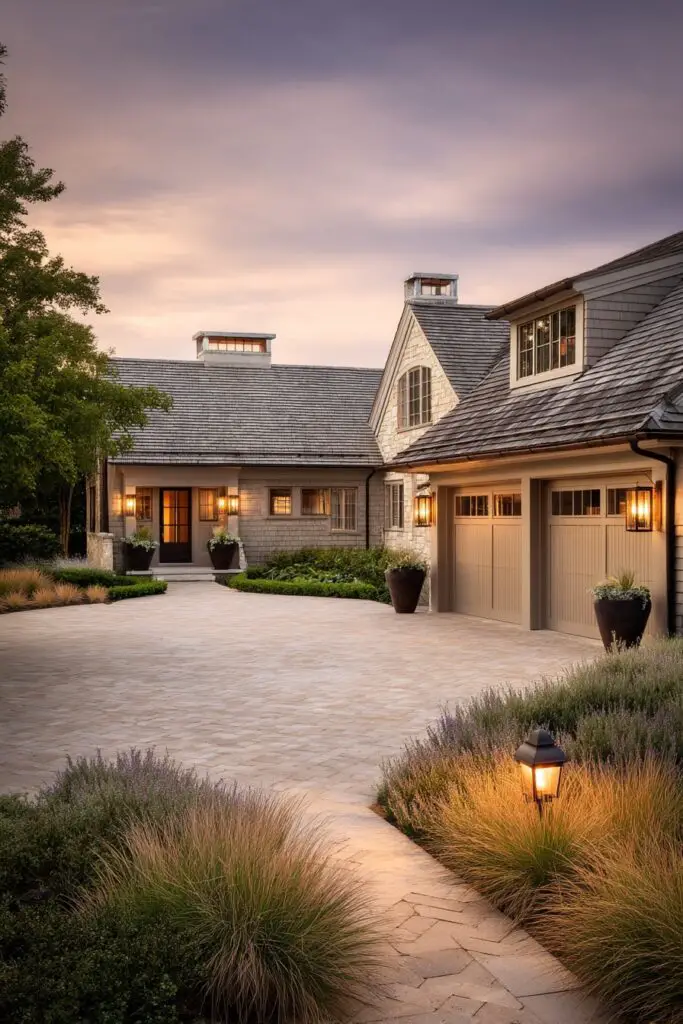
A thoughtful garage and breezeway design considers surrounding landscaping just as much as structural elements.
Here are effective strategies:
- Layered plantings around the garage soften the hard edges and connect it to garden spaces.
- Potted plants or trellises along the breezeway enhance visual interest and seasonal color.
- Lighting: Up-lights along the path, wall sconces, and overhead lighting in the breezeway ensure safety and ambiance after dark.
The goal is cohesion between the built environment and outdoor spaces so the garage, breezeway, and garden feel like part of a unified whole.
Material and Color Choices for Harmony
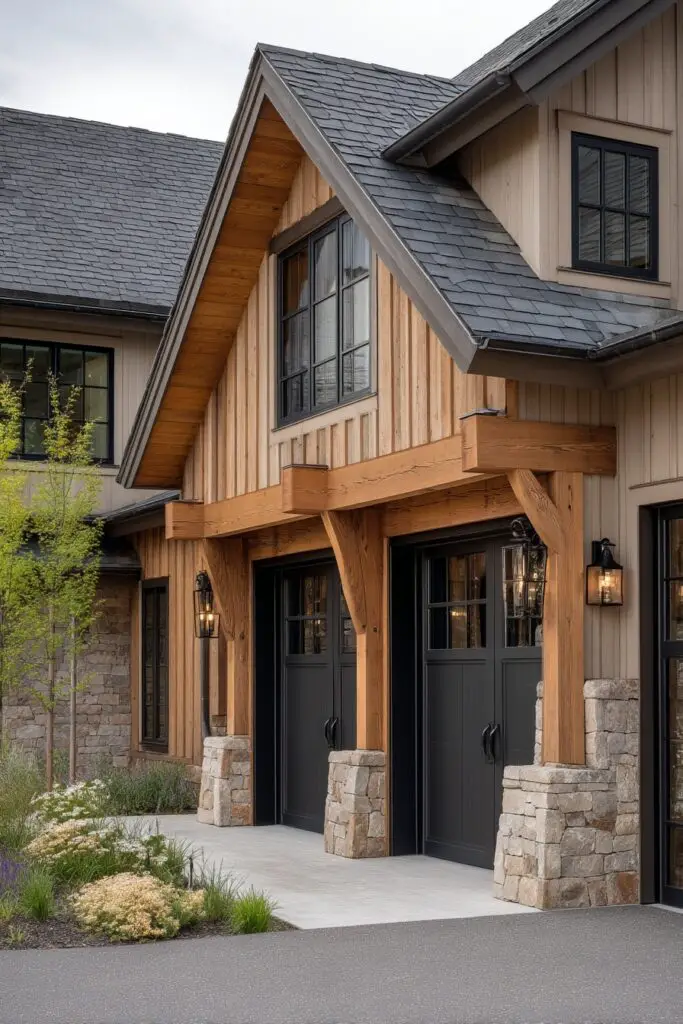
Selecting the right materials and colors is crucial.
For a garage and breezeway vision:
- Exterior walls: Coordinate siding or finishes with the main house to avoid visual dissonance.
- Accent tones: Use darker trim around openings and structural supports to frame views.
- Hardware finishes: Brushed iron or black hardware provides contrast and timeless detail.
Neutral foundations with natural materials like wood or stone accents will help your design feel grounded rather than overly styled.
Budget and Planning Considerations

While a garage and breezeway design can elevate your home, consider:
- Cost of materials: Glass-enclosed breezeways and premium doors increase expense but also long-term value.
- Climate impact: Enclosed or glazed breezeways may require heating or cooling considerations depending on your region.
- Permit requirements: Some local jurisdictions have specific rules for detached structures or covered walkways.
Engage a builder or architect early to align vision with budget and practical constraints.
Conclusion
A garage and breezeway setup brings architectural interest and practical benefits to modern home design. From carriage-style garage doors to thoughtfully detailed breezeways, integrating these elements enhances both your home’s appearance and day-to-day function.
Whether you’re planning a custom build or a meaningful update, this design approach offers lasting appeal and real life usability.