
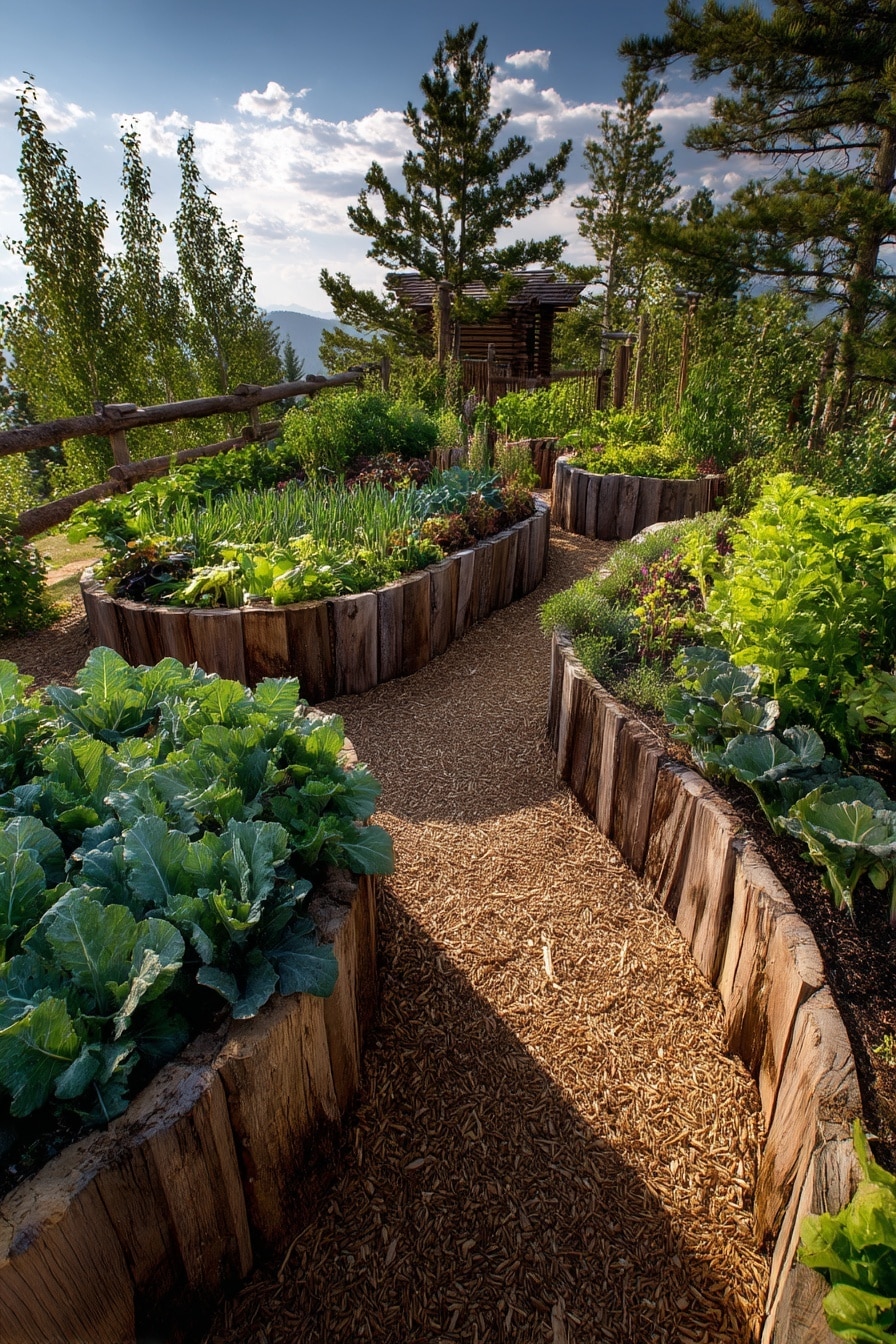
Raised garden bed plans make it easier to design a productive, organized, and visually appealing garden space. Whether you’re working with a small backyard or a spacious yard, a well-designed raised bed can improve soil quality, drainage, and accessibility.
Many gardeners choose raised garden bed plans to gain better control over weeds, soil composition, and plant spacing. With the right structure, you can extend your growing season and reduce strain on your back and knees.
In this guide, you’ll find six practical raised garden bed plans tailored to different budgets, layouts, and gardening goals. Each option focuses on durability, ease of construction, and long-term performance to help you build a garden that thrives year after year.
Table of Contents
1. Classic Rectangular Raised Garden Bed

Classic rectangular raised garden bed plans are a reliable starting point for most home gardeners. This simple design works well in nearly any yard layout and is easy to scale based on available space.
A standard size is 4 feet wide by 8 feet long, allowing you to reach the center from either side without stepping into the soil. Keeping foot traffic off the bed protects soil structure and root health.
Why Rectangular Raised Garden Bed Plans Are So Popular
Rectangular raised garden bed plans remain common because they offer:
- Efficient use of lumber
- Straightforward construction
- Easy irrigation setup
- Organized crop rotation
Their shape also makes it easier to install row covers or low hoops for season extension.
Best Materials for This Design
When building rectangular raised garden bed plans, choose materials that balance durability and cost.
Popular options include:
- Cedar for natural rot resistance
- Redwood for longevity
- Pressure-treated lumber rated safe for gardens
- Composite boards for low maintenance
Secure corners with galvanized screws and reinforce longer sides with center supports to prevent bowing.
If your website includes articles under Gardening Growing, this section would naturally link to soil mix guides or crop rotation planning.
Rectangular raised garden bed plans provide structure, simplicity, and dependable performance for gardeners of all skill levels.
2. Tiered Raised Garden Bed Design
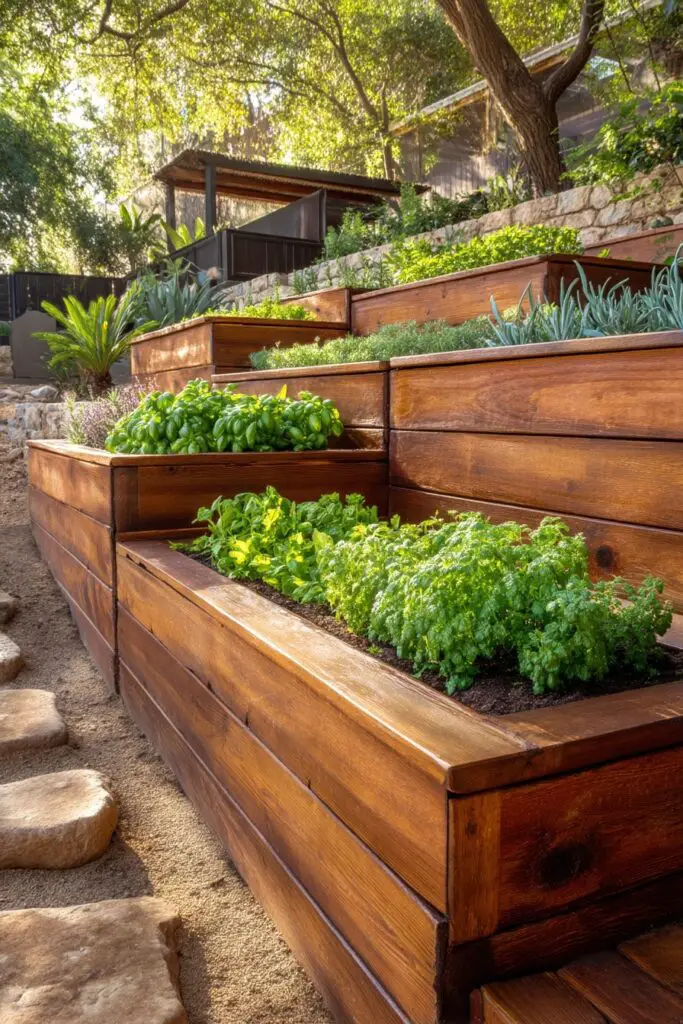
Tiered raised garden bed plans are ideal for sloped yards or gardeners who want better visibility and access. This design features two or more levels stacked in steps, creating a cascading effect.
By building upward, you make better use of vertical space while improving drainage on uneven ground.
Why Tiered Raised Garden Bed Plans Are Practical
Tiered raised garden bed plans provide several advantages:
- Improved drainage on slopes
- Easier harvesting at different heights
- Clear separation of plant varieties
- Strong visual impact in the landscape
These designs are especially helpful when you want to grow herbs on upper levels and larger vegetables below.
Construction Tips for Stability
When building tiered raised garden bed plans, stability is essential.
- Anchor the base level securely
- Use thicker lumber for lower tiers
- Install corner braces for support
- Level each section before stacking
Proper leveling prevents soil shifting and keeps the structure safe over time.
Tiered raised garden bed plans also make watering more efficient, as excess water naturally drains downward.
If you have a post about backyard layout planning under Gardening Design, this is a natural place for internal linking.
3. Elevated Raised Garden Bed with Legs
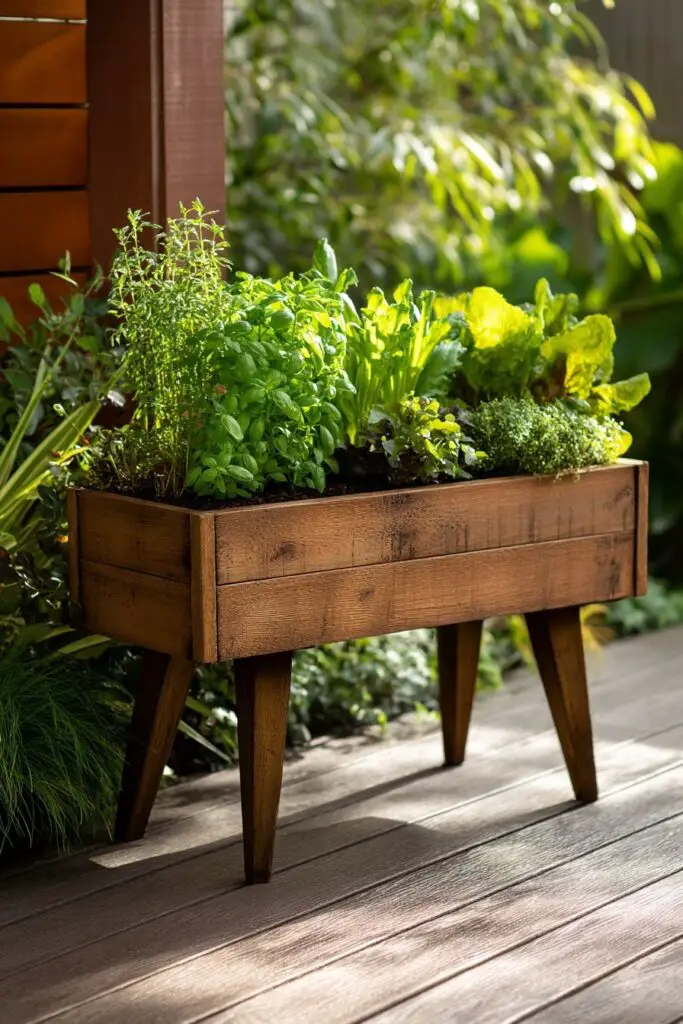
Elevated raised garden bed plans are designed for comfort and accessibility. Unlike ground-level beds, this style sits on sturdy legs, bringing the soil surface up to waist height.
This design reduces bending and kneeling, making it ideal for gardeners with limited mobility or small patio spaces.
Why Elevated Raised Garden Bed Plans Are Ideal for Small Spaces
Elevated raised garden bed plans offer several key benefits:
- Reduced back and knee strain
- Better pest control from ground insects
- Excellent drainage
- Perfect for patios or decks
Because they are contained and compact, these beds are well suited for herbs, leafy greens, and shallow-rooted vegetables.
Building Considerations
When constructing elevated raised garden bed plans, focus on strength and balance.
- Use thick lumber for the frame
- Add cross supports beneath the base
- Drill drainage holes in the bottom
- Apply a food-safe sealant if desired
Ensure the legs are firmly attached and capable of supporting moist soil weight.
If your website includes articles under Gardening Structures, this section can naturally link to patio layout or deck garden guides.
Elevated raised garden bed plans combine convenience with functionality, especially in limited outdoor spaces.
4. L-Shaped Corner Raised Garden Bed
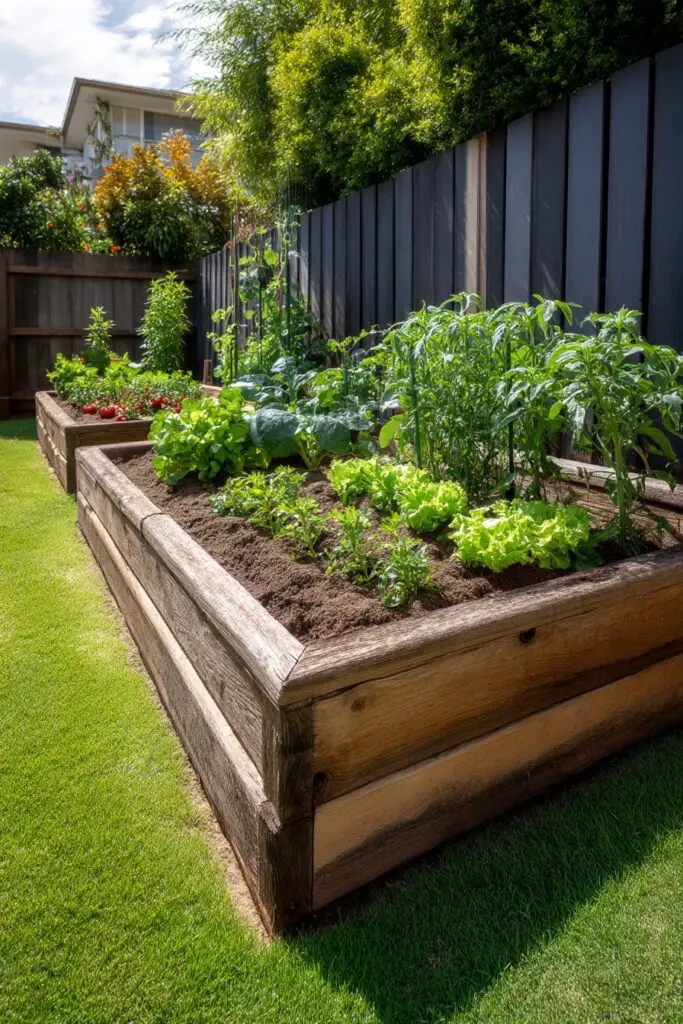
L-shaped raised garden bed plans are perfect for maximizing unused corners of your yard. This design wraps around two sides, creating a productive planting space without blocking walkways or central lawn areas.
It’s a smart choice for gardeners who want to define their plot while keeping the layout open and functional.
Why L-Shaped Raised Garden Bed Plans Work Well
L-shaped raised garden bed plans help:
- Utilize corner space efficiently
- Separate planting zones
- Create natural garden borders
- Improve flow within the yard
This layout works especially well along fences or walls where traditional rectangular beds may feel restrictive.
Design and Build Tips
When constructing L-shaped raised garden bed plans:
- Reinforce inside corner joints
- Use sturdy corner brackets
- Level both sides carefully
- Consider adding a cap rail for seating
You can divide the sections for different crops, such as herbs on one side and vegetables on the other.
If you have fencing or patio articles under Gardening Structures, this is a strong opportunity for internal linking.
L-shaped raised garden bed plans create definition while making full use of available space.
5. Keyhole Raised Garden Bed Plan
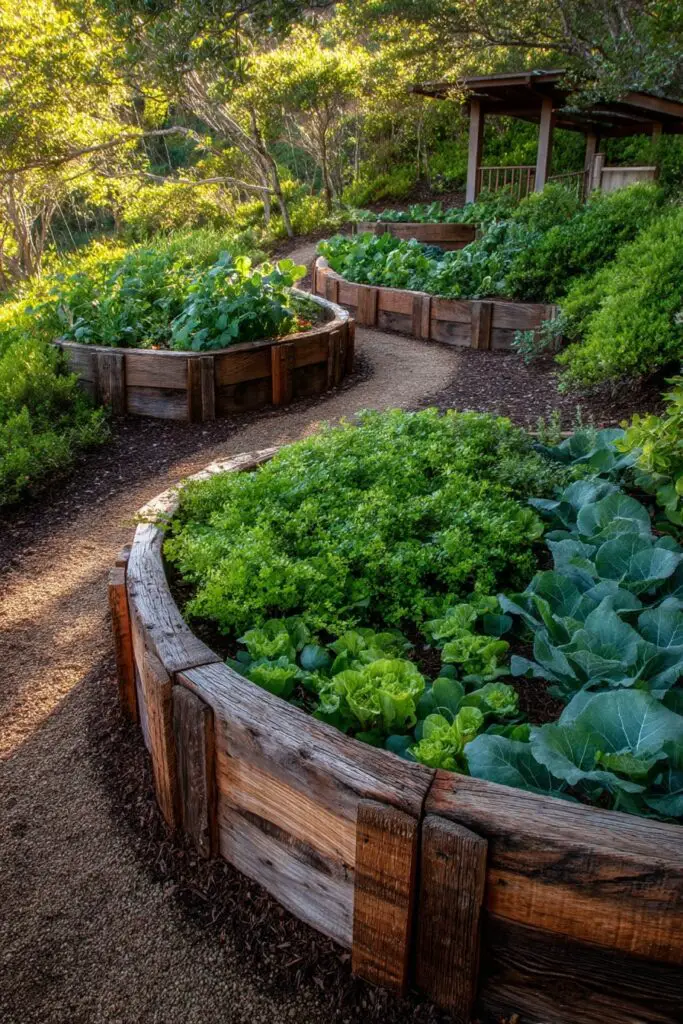
Keyhole raised garden bed plans are designed for efficiency and easy access. This circular layout includes a small walkway cut into one side, allowing you to reach the center without stepping on the soil.
Originally inspired by permaculture techniques, this design maximizes planting area while maintaining convenience.
Why Keyhole Raised Garden Bed Plans Are Efficient
Keyhole raised garden bed plans offer:
- 360-degree planting access
- Compact footprint with high yield
- Efficient watering and compost integration
- Attractive circular shape
The central access point allows you to tend plants from inside the structure without compacting the soil.
Building Considerations
When creating keyhole raised garden bed plans:
- Use flexible materials for curved walls
- Reinforce the outer circle securely
- Plan the walkway width for comfortable movement
- Consider adding a compost basket in the center
This design works especially well for herbs, leafy greens, and intensive planting systems.
Keyhole raised garden bed plans combine productivity with smart garden engineering.
6. Metal or Corrugated Steel Raised Garden Bed
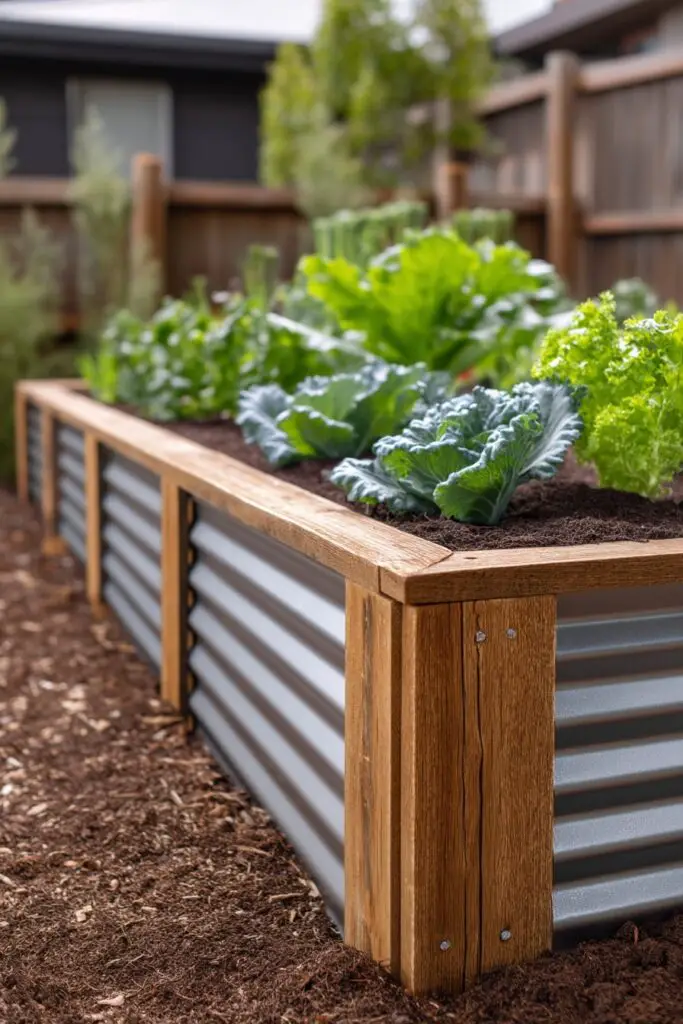
Metal raised garden bed plans offer a modern look combined with long-lasting durability. Corrugated steel panels are commonly paired with wood frames to create sturdy, weather-resistant structures.
These raised garden bed plans are ideal for gardeners who want minimal maintenance and strong structural integrity.
Why Metal Raised Garden Bed Plans Stand Out
Metal raised garden bed plans provide several advantages:
- Resistant to rot and pests
- Long lifespan in various climates
- Modern farmhouse aesthetic
- Strong sidewall support for deep soil
Because the panels are rigid, they hold soil securely without bowing.
Construction Tips
When building metal raised garden bed plans:
- Use treated lumber for corner framing
- Secure steel panels with galvanized screws
- Add protective caps to sharp edges
- Ensure proper drainage at the base
Metal absorbs heat more quickly than wood, which can warm soil earlier in the season. In very hot climates, consider partial shade or mulching to regulate temperature.
If your site includes patio or outdoor structure guides under Gardening Structures, this section provides a strong internal linking opportunity.
Metal raised garden bed plans combine durability, clean design, and long-term performance.
Conclusion
Raised garden bed plans give you the flexibility to design a garden that fits your space, goals, and physical comfort. From classic rectangular builds and tiered layouts to elevated, corner, keyhole, and metal designs, each option offers unique benefits.
The best raised garden bed plans balance durability, accessibility, and smart use of space. By choosing the right structure and materials, you can build a productive garden that supports healthy soil and consistent harvests for years to come.