
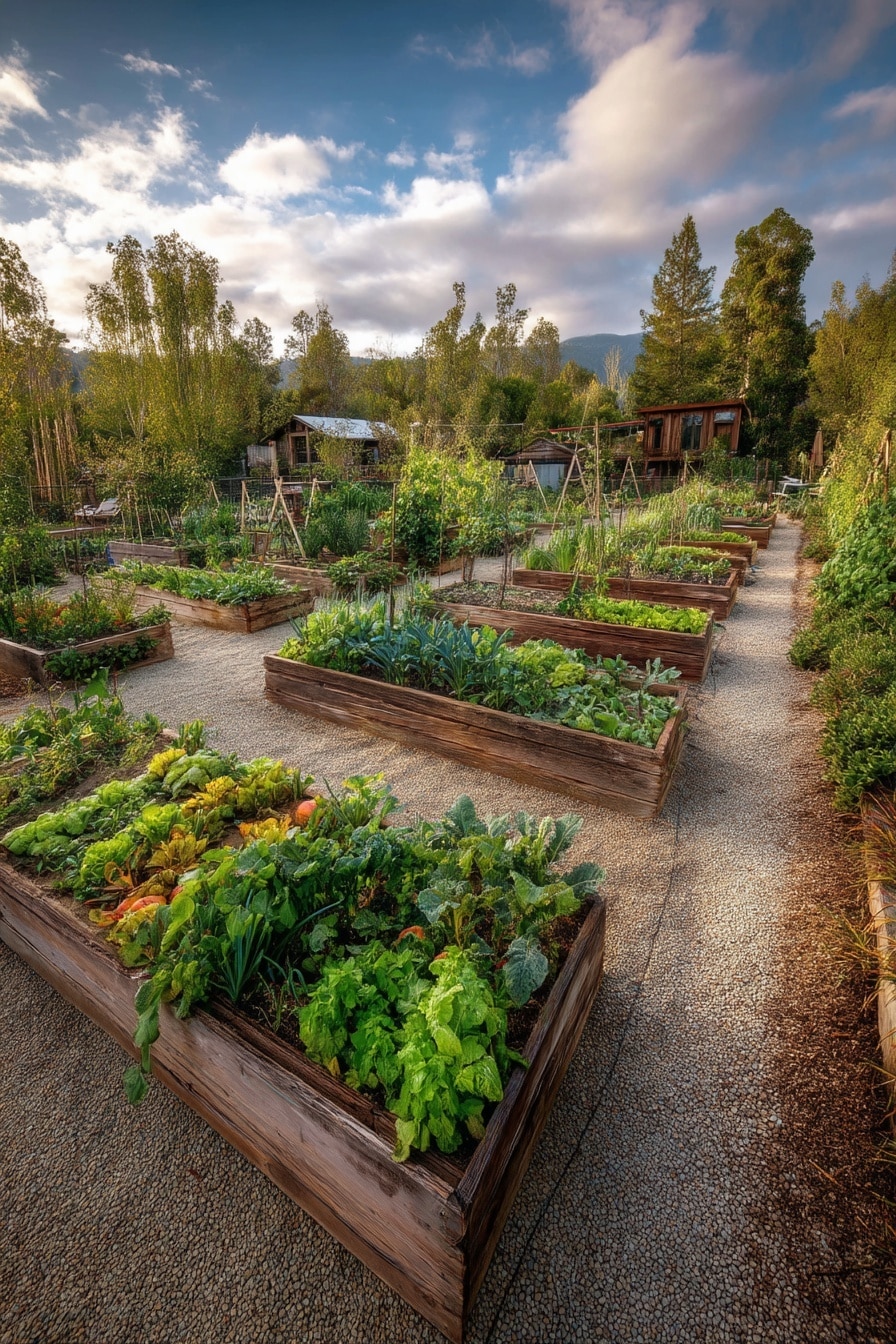
Garden bed layout decisions can determine how productive and manageable your garden becomes. A well-planned garden bed layout helps you use space efficiently, improve plant health, and simplify maintenance throughout the growing season.
Whether you’re starting with a single raised bed or building multiple beds, choosing the right garden bed layout ensures proper spacing, airflow, and sunlight exposure. It also makes watering, harvesting, and crop rotation easier over time.
In this guide, you’ll learn how to choose the right size and depth, understand spacing principles, and apply three practical garden bed layout plans to get your garden started with confidence.
Table of Contents
Choosing the Right Size for Your Garden Bed Layout

The size of your bed directly affects how successful your garden bed layout will be. A bed that is too wide makes harvesting and maintenance difficult, while one that is too narrow may limit planting options.
For most gardeners, a width of 3 to 4 feet works best. This allows you to reach the center from either side without stepping into the soil. Protecting soil structure is essential for a productive garden bed layout.
Length is more flexible. Common raised beds range from 6 to 8 feet long, but your available space should guide your decision.
When selecting size, consider:
- Access to pathways
- Available sunlight
- Number of crops you plan to grow
- Future expansion possibilities
If you’re working with a compact backyard, a smaller modular garden bed layout allows flexibility. Multiple shorter beds can be rearranged or expanded over time.
Starting with manageable dimensions ensures your garden bed layout remains practical and easy to maintain.
Spacing Plants in a Garden Bed Layout
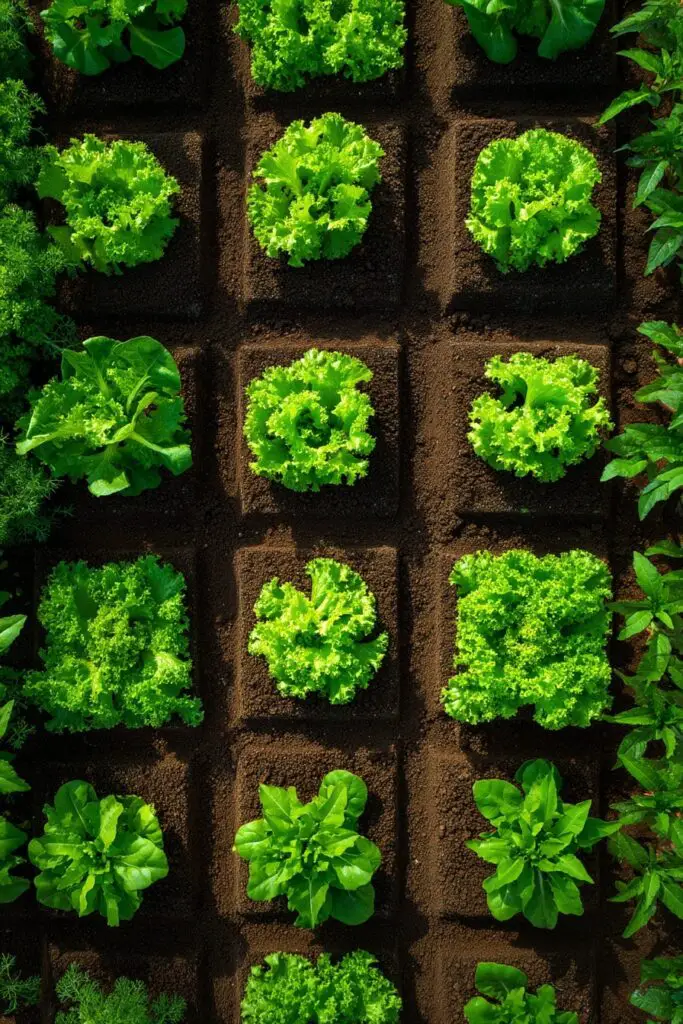
Proper spacing is essential for a healthy garden bed layout. Crowded plants compete for sunlight, nutrients, and airflow, which can reduce yields and increase disease risk.
A thoughtful garden bed layout uses space efficiently without sacrificing plant health. Instead of planting in traditional rows, many gardeners use grid or square spacing to maximize productivity.
When planning spacing, consider:
- Mature plant size, not seedling size
- Root depth and spread
- Air circulation needs
- Companion planting combinations
For example, leafy greens can be spaced closer together, while crops like tomatoes or peppers require more room. In a well-designed garden bed layout, taller plants are placed toward the back or north side to avoid shading shorter crops.
Intensive spacing can work effectively in raised beds, but balance is key. Your garden bed layout should allow leaves to touch lightly without overcrowding.
Smart spacing improves airflow, simplifies harvesting, and boosts overall productivity.
How Deep Should a Raised Garden Bed Be?
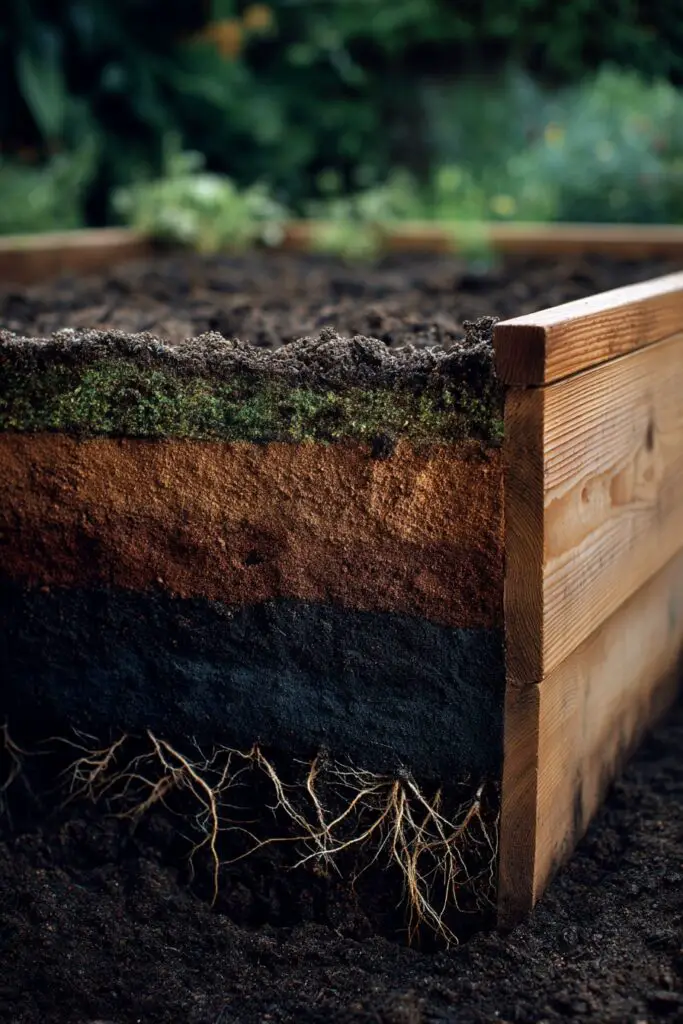
Depth plays a critical role in any garden bed layout. The right depth supports strong root development and improves drainage.
Most vegetables grow well in raised beds that are 10 to 12 inches deep. This depth allows roots to spread while holding enough soil for moisture retention.
However, some crops benefit from extra depth. In a flexible garden bed layout:
- Leafy greens can grow in 6–8 inches
- Root vegetables prefer 10–12 inches
- Deep-rooted crops like tomatoes may benefit from 12–18 inches
If your raised bed sits on top of native soil, roots can extend downward beyond the frame. If it’s placed on a hard surface, deeper construction becomes more important.
A deeper garden bed layout also improves drainage and reduces soil temperature fluctuations. In colder climates, slightly deeper beds warm more evenly in spring.
Choosing the right depth ensures your garden bed layout supports healthy growth from root to harvest.
Layout 1: Small and Moveable Garden Bed Layout
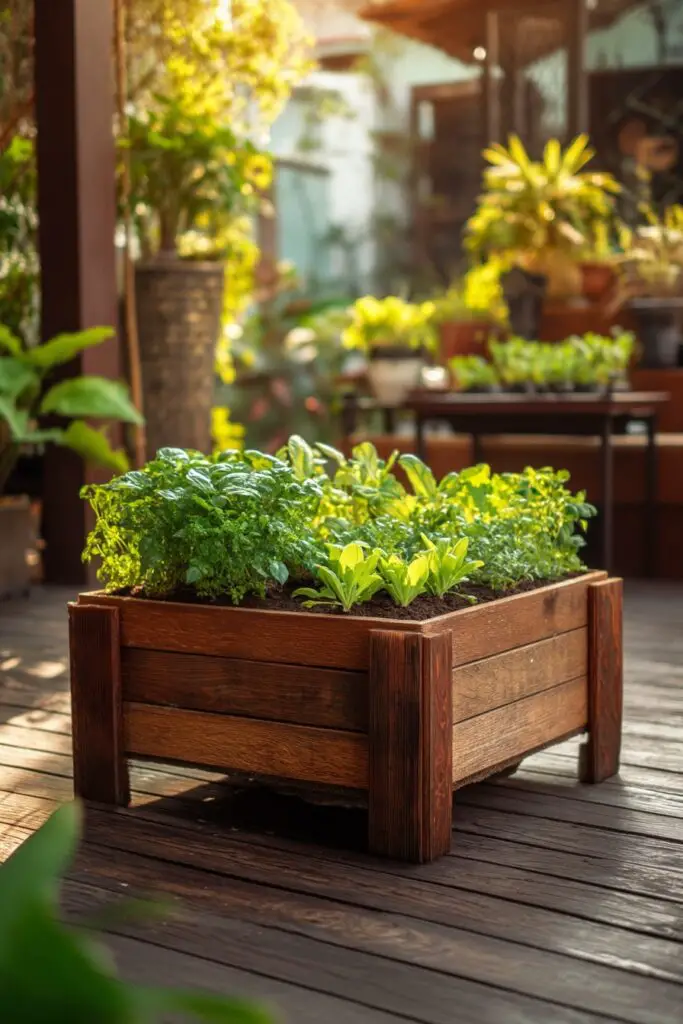
A compact and portable garden bed layout is ideal for beginners or gardeners with limited space. Small raised beds allow flexibility and can be repositioned if sunlight patterns change.
This type of garden bed layout typically measures 3×3 or 4×4 feet and works well on patios, driveways, or small yards.
Best For:
- Leafy greens
- Herbs
- Radishes
- Compact bush beans
In a small garden bed layout, use square or grid spacing to maximize every inch. For example:
- 4 lettuce plants per square
- 9 spinach plants per square
- 1 pepper plant per square
Because the bed is compact, watering and harvesting remain simple. A moveable garden bed layout also allows you to rotate crops seasonally without committing to permanent placement.
This setup is perfect for gardeners testing soil blends, experimenting with crops, or growing fresh produce close to the kitchen.
Layout 2: Medium Raised Garden Bed Layout
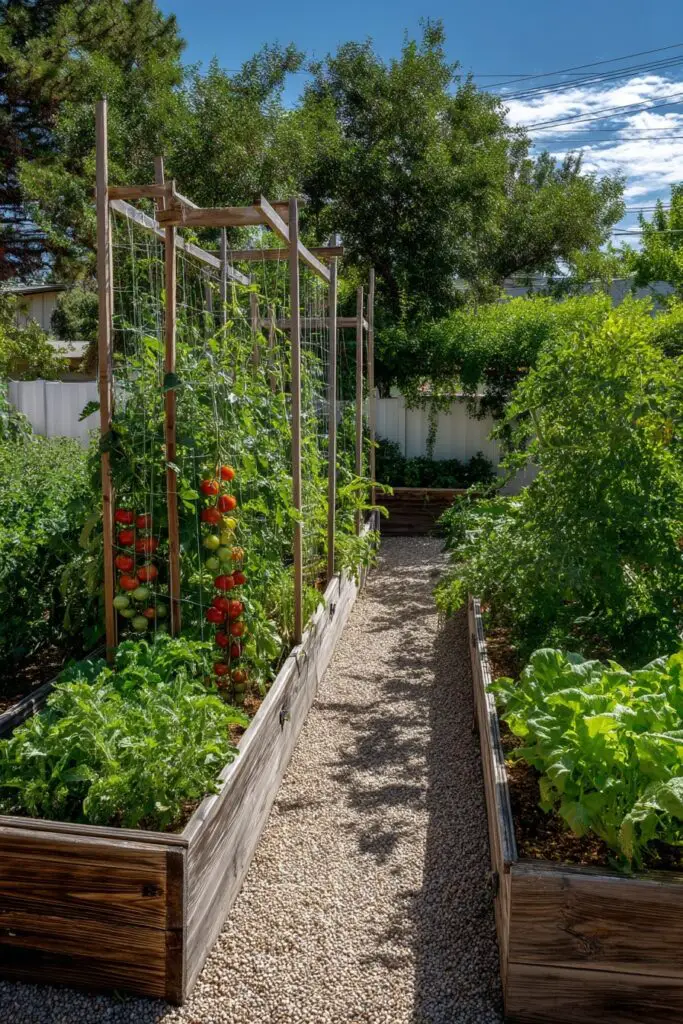
A medium-sized garden bed layout offers more growing space while remaining easy to manage. This is one of the most popular choices for home gardeners starting a vegetable patch.
A typical medium garden bed layout measures 4×8 feet, providing enough room for crop rotation and companion planting without overwhelming maintenance.
Best For:
- Tomatoes and peppers
- Cucumbers with trellis support
- Carrots and beets
- Leafy greens in succession planting
In this garden bed layout, position taller crops along the back or north side. Add a trellis to maximize vertical space and improve airflow.
You can divide the bed into sections:
- One end for root crops
- One for leafy greens
- One for fruiting vegetables
This structure keeps your garden bed layout organized and simplifies seasonal planning.
A medium layout strikes a balance between productivity and accessibility, making it ideal for steady harvests throughout the season.
Layout 3: Large Customized Garden Bed Layout
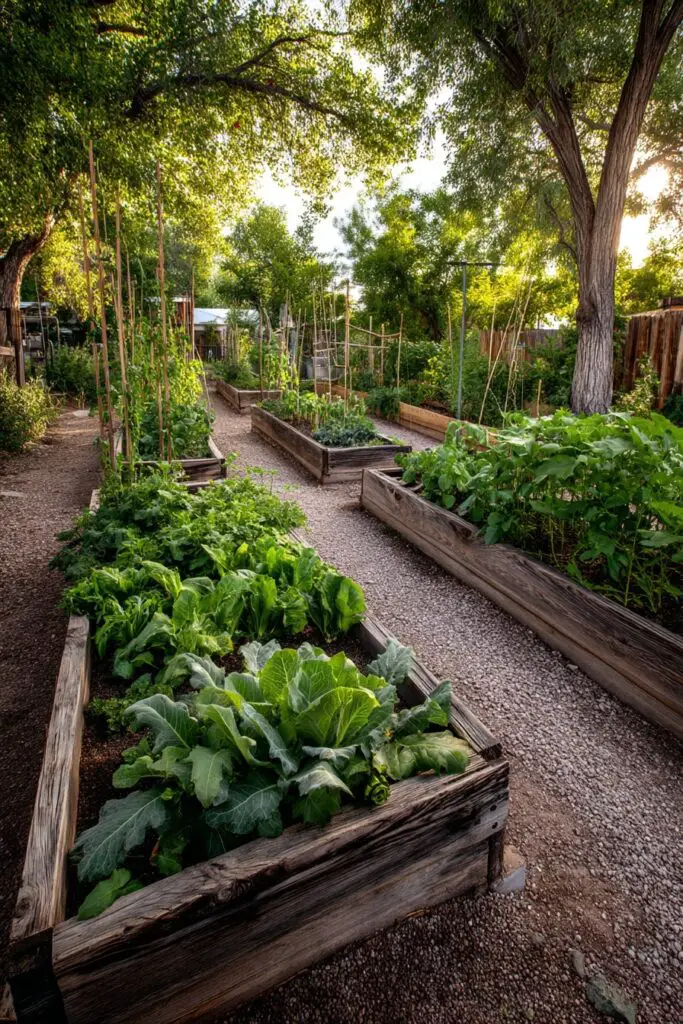
A large garden bed layout is best for gardeners ready to grow a wide range of crops in a structured system. This layout often includes multiple raised beds arranged in rows with clear walking paths between them.
A common large garden bed layout may consist of three or more 4×8-foot beds, allowing you to separate crops by type or season.
Best For:
- Full vegetable gardens
- Crop rotation systems
- Companion planting strategies
- High-yield summer crops
In a larger garden bed layout, planning becomes more detailed. You might dedicate one bed to leafy greens, another to fruiting vegetables, and another to root crops.
Pathways between beds improve access and prevent soil compaction. Installing drip irrigation can also simplify watering across the entire garden bed layout.
This setup supports long-term planning and steady production. With careful crop rotation and spacing, a large garden bed layout can provide consistent harvests throughout the growing season.
Conclusion
Choosing the right garden bed layout helps you maximize space, improve plant health, and simplify maintenance. Whether you start with a small movable bed or build a larger multi-bed system, thoughtful planning makes a lasting difference.
By selecting the right size, spacing plants properly, and adjusting depth to match your crops, your garden bed layout becomes a practical foundation for productive growing.
Start with a layout that fits your space and goals, then refine it each season as your experience grows.