
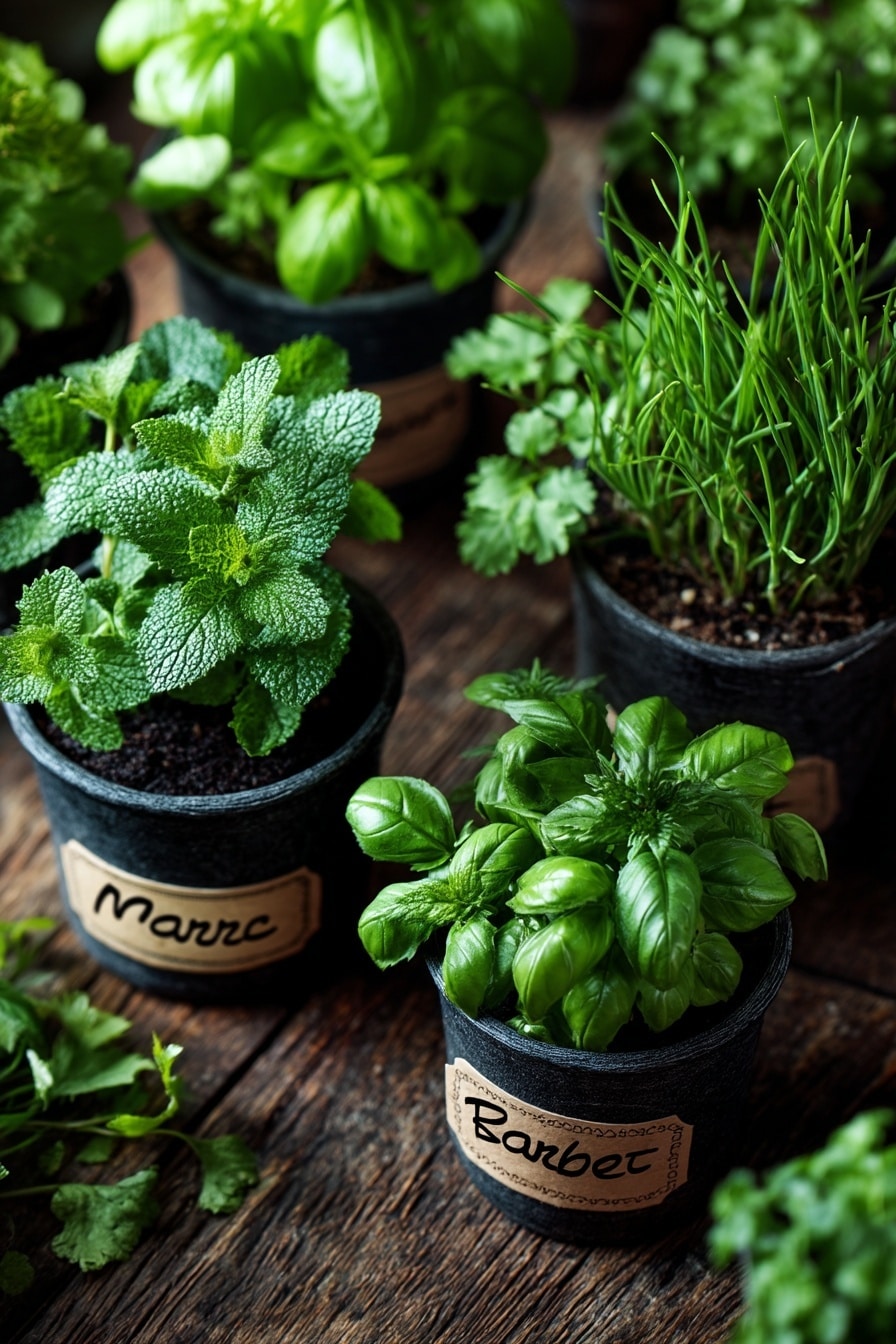
Herb growing indoors is a practical way to enjoy fresh flavour throughout the year, even without outdoor garden space. Whether you live in an apartment or simply want easy kitchen access, cultivating each herb inside your home allows you to control light, temperature, and moisture more precisely.
An indoor herb setup does not require complicated equipment. With proper lighting, suitable containers, and consistent care, almost any herb can thrive on a windowsill or under grow lights. Many gardeners choose indoor herb growing to extend the season, protect tender varieties, and ensure a steady supply for cooking.
In this guide, you’ll learn how to select the right herb, create the ideal environment, and maintain healthy growth indoors.
Table of Contents
Choosing the Right Location and Light

Light is the most important factor when growing any herb indoors. Without adequate light, an indoor herb becomes leggy, weak, and pale.
Most culinary varieties need at least 6 hours of direct sunlight daily. A south-facing window usually provides the strongest light. If that isn’t available, a west-facing window may still support a hardy herb like rosemary or thyme.
If natural light is limited, supplementing with grow lights makes a major difference. Position a fluorescent or LED grow light about 6–12 inches above each herb and keep it on for 12–14 hours per day. Consistent lighting prevents stretched stems and improves leaf production.
Rotate each herb pot every few days so growth remains even. Indoor plants naturally lean toward light, and regular turning helps maintain balanced shape.
Proper lighting sets the foundation for healthy indoor herb growth.
Ideal Temperature and Humidity for Indoor Herb Growth
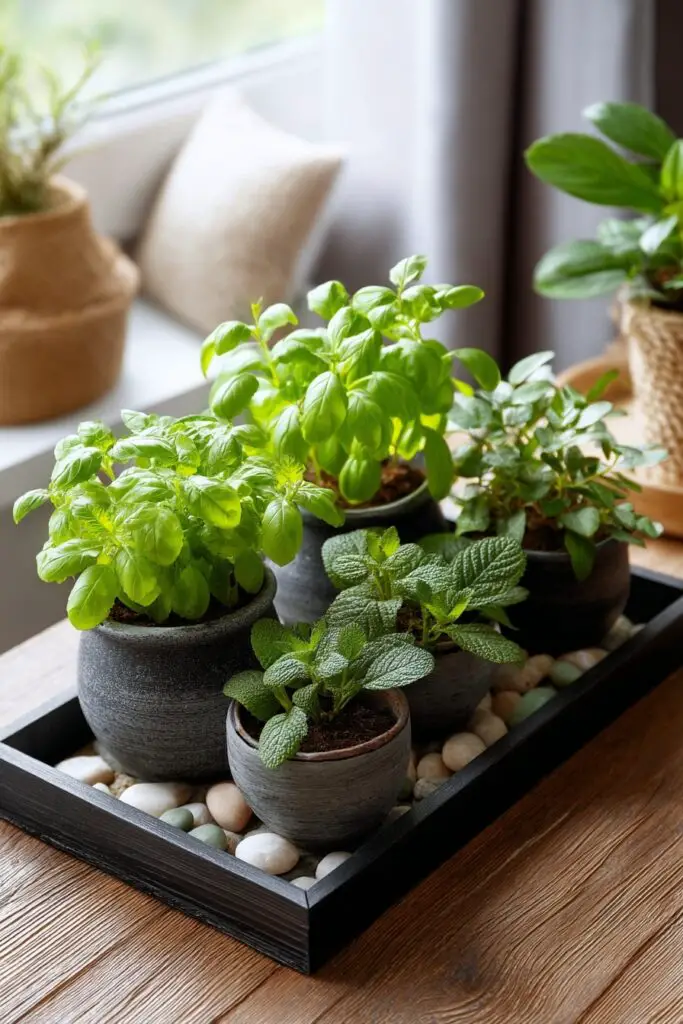
Maintaining the right environment helps every herb stay healthy and productive indoors. Most culinary varieties prefer daytime temperatures between 65–75°F (18–24°C) and slightly cooler nights.
Avoid placing an indoor herb near heat vents, fireplaces, or drafty windows. Sudden temperature swings can stress the plant and slow growth.
Humidity also plays a role. Indoor air, especially during winter, tends to be dry. Low humidity may cause leaf edges to brown or curl.
To improve conditions for each herb:
- Group pots together to create a small humidity zone
- Place containers on a pebble tray with water
- Use a small room humidifier if air is extremely dry
Good air circulation is equally important. Stagnant air increases the risk of fungal problems. A gentle airflow helps keep each herb strong and resilient.
When temperature and humidity stay stable, indoor herb plants grow more consistently and produce fuller leaves.
Selecting the Best Herb Varieties for Indoors
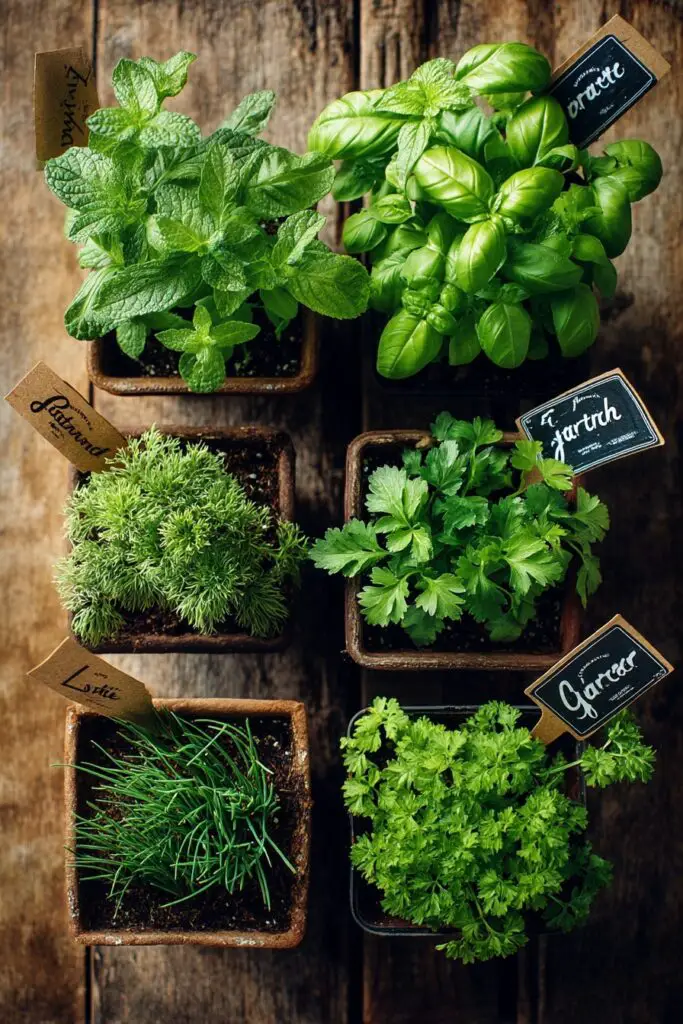
Not every herb adapts easily to indoor conditions. Choosing compact, fast-growing varieties increases your chances of success.
Leafy herbs generally perform better indoors than woody types. When selecting each herb, consider light availability and space.
Popular indoor-friendly choices include:
- Basil – Grows quickly with strong light
- Parsley – Tolerates moderate light
- Chives – Compact and easy to maintain
- Mint – Vigorous and adaptable
- Cilantro – Best in cooler indoor spots
Woody varieties like rosemary and thyme can grow indoors, but each herb requires brighter light and careful watering to prevent root rot.
Start with two or three reliable options before expanding your indoor herb collection. This allows you to monitor conditions and adjust care as needed.
Choosing the right herb variety ensures stronger growth and better flavour indoors.
Containers and Soil for Indoor Herb Success
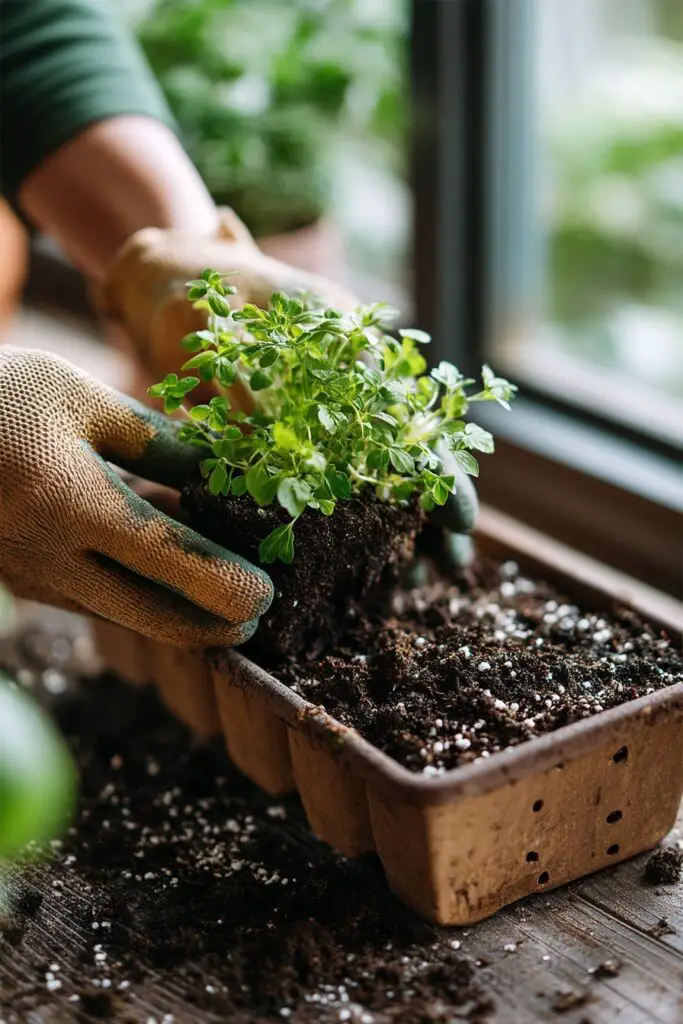
The right container and soil mix are essential for keeping each herb healthy indoors. Poor drainage is one of the most common causes of indoor plant failure.
Choose pots with drainage holes at the bottom. This prevents excess water from sitting around the roots of your herb. Place a saucer underneath to protect surfaces.
Container size matters. A small herb may start in a 4–6 inch pot, but fast-growing varieties will eventually need more space. Crowded roots can limit growth and reduce leaf production.
For soil, use a high-quality, well-draining potting mix. Avoid using heavy garden soil indoors, as it compacts easily and retains too much moisture.
You can improve drainage further by mixing in:
- Perlite
- Coarse sand
- Fine bark
Refreshing the top layer of soil once or twice a year helps maintain nutrients for each herb.
With proper containers and soil, indoor herb plants establish stronger root systems and grow more steadily.
Watering and Fertilizing Your Indoor Herb
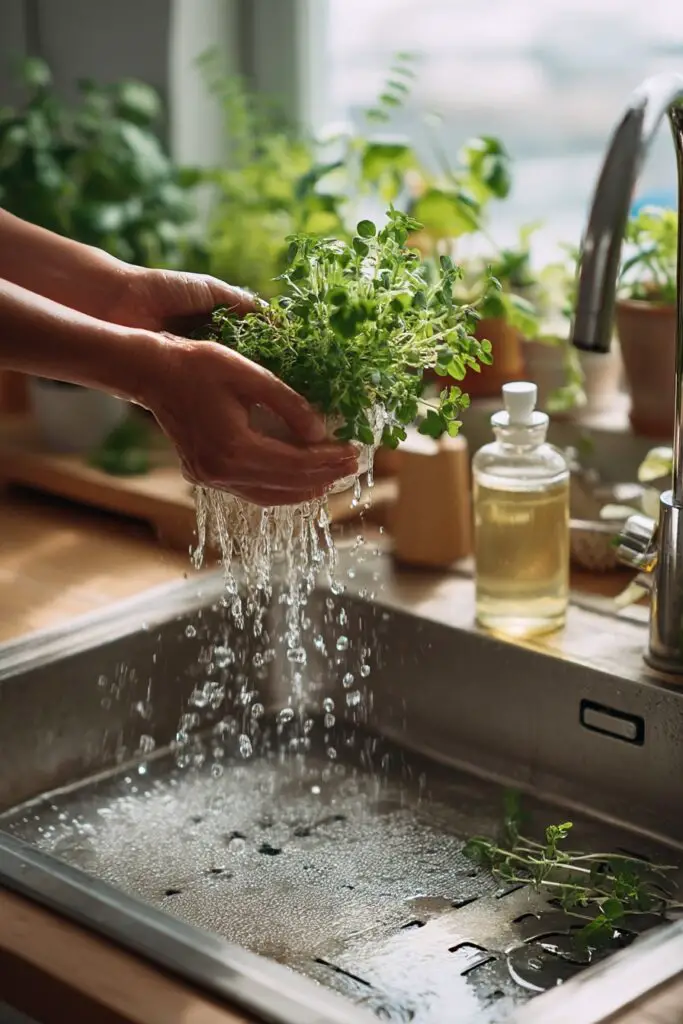
Proper watering keeps every herb healthy and productive. Overwatering is far more common than underwatering in indoor conditions.
Before watering, check the top inch of soil. If it feels dry, your herb likely needs moisture. If it still feels damp, wait another day or two. Roots that sit in constantly wet soil may rot.
Water thoroughly until excess drains from the bottom of the pot. Empty the saucer afterward so the herb does not remain in standing water.
Indoor plants also benefit from light feeding. Since nutrients wash out over time, apply a diluted liquid fertilizer every 4–6 weeks during active growth. Avoid heavy feeding, as too much fertilizer can reduce flavour and encourage weak growth.
Balanced watering and moderate feeding help each herb produce strong leaves and steady new growth.
Caring for and Harvesting Your Indoor Herb
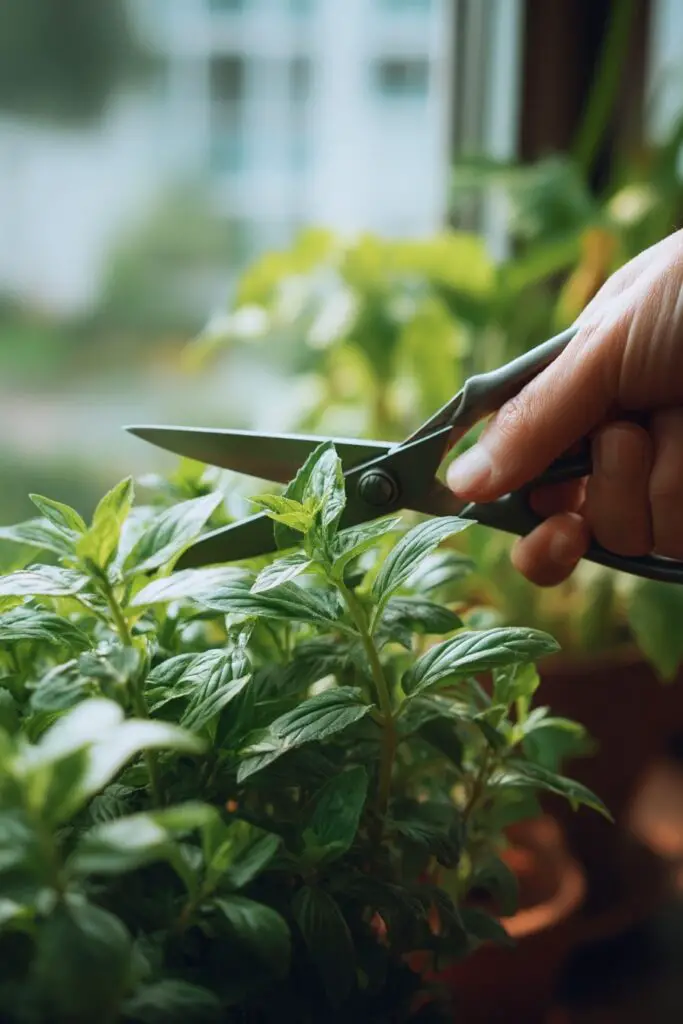
Regular care keeps each herb compact and productive indoors. Without pruning, stems can become long and sparse.
Pinch back growing tips frequently to encourage bushier growth. This simple habit helps your herb develop fuller foliage and prevents legginess.
Remove yellowing or damaged leaves as soon as you notice them. Clean foliage improves airflow and reduces the chance of disease.
Harvesting is part of routine care. When cutting an herb:
- Use clean scissors
- Trim just above a leaf node
- Avoid removing more than one-third of the plant at once
Frequent harvesting actually stimulates new growth. A well-maintained herb will continue producing fresh leaves for months.
If growth slows over time, consider refreshing the soil or repotting into a slightly larger container.
With consistent attention, indoor herb plants remain healthy, flavourful, and ready for use whenever needed.
Conclusion
Growing a herb indoors allows you to enjoy fresh flavour year-round, even without outdoor space. With proper light, stable temperature, well-draining soil, and careful watering, each herb can thrive in a simple home setup.
Start with easy varieties, monitor conditions closely, and harvest regularly. A well-cared-for herb will reward you with steady growth and vibrant leaves throughout the seasons.