
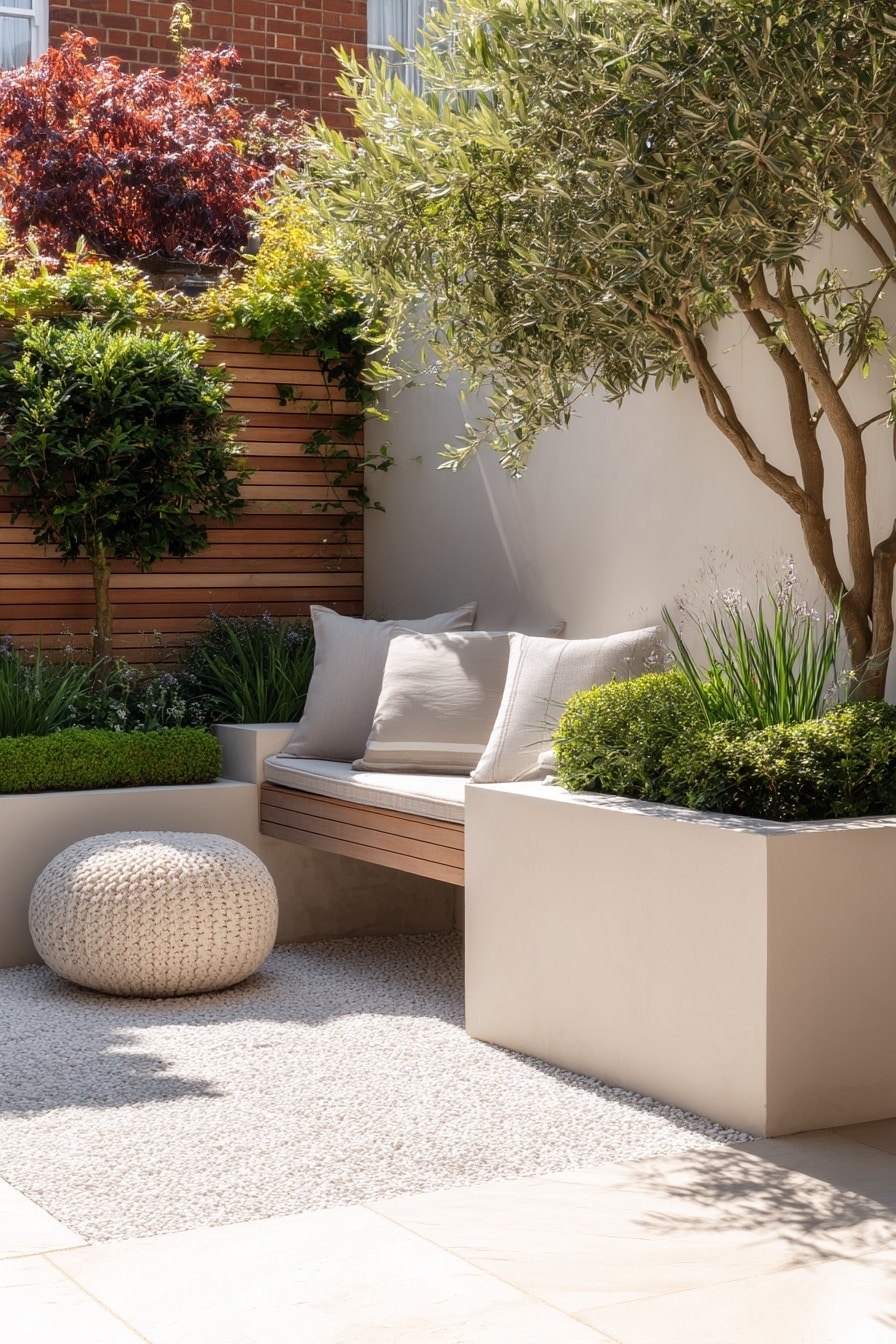
Small garden plan decisions can completely transform even the tiniest outdoor area into a functional and beautiful retreat. With the right approach, a small garden plan helps you maximise space, improve flow, and create a layout that feels intentional rather than crowded.
Planning carefully is essential when working with limited square footage. Every plant, pathway, and seating area must earn its place. A thoughtful small garden plan ensures that no corner is wasted and that the space feels balanced instead of busy.
In this guide, you’ll learn practical steps to create a small garden plan that enhances style, improves usability, and makes your outdoor space feel larger than it actually is.
Table of Contents
1. Find Your Garden Style

Before sketching your small garden plan, decide on a clear style direction. A consistent theme prevents a compact space from feeling cluttered or mismatched.
Ask yourself how you want to use the space. Should your small garden plan focus on relaxation, entertaining, growing vegetables, or a mix of all three? Your answer will guide plant choices, materials, and layout decisions.
Popular styles for a small garden plan include:
- Modern minimalist with clean lines and structured planting
- Cottage-style with layered flowers and soft edges
- Mediterranean-inspired with gravel, terracotta, and drought-tolerant plants
- Urban courtyard with vertical greenery and built-in seating
Keeping the design cohesive helps the eye move smoothly through the space. Repeating colours, materials, or plant types within your small garden plan creates unity and makes the area feel larger.
Collect inspiration images and note patterns you like. Clear direction at this stage makes the rest of your small garden plan easier to develop.
2. Survey and Measure Your Space
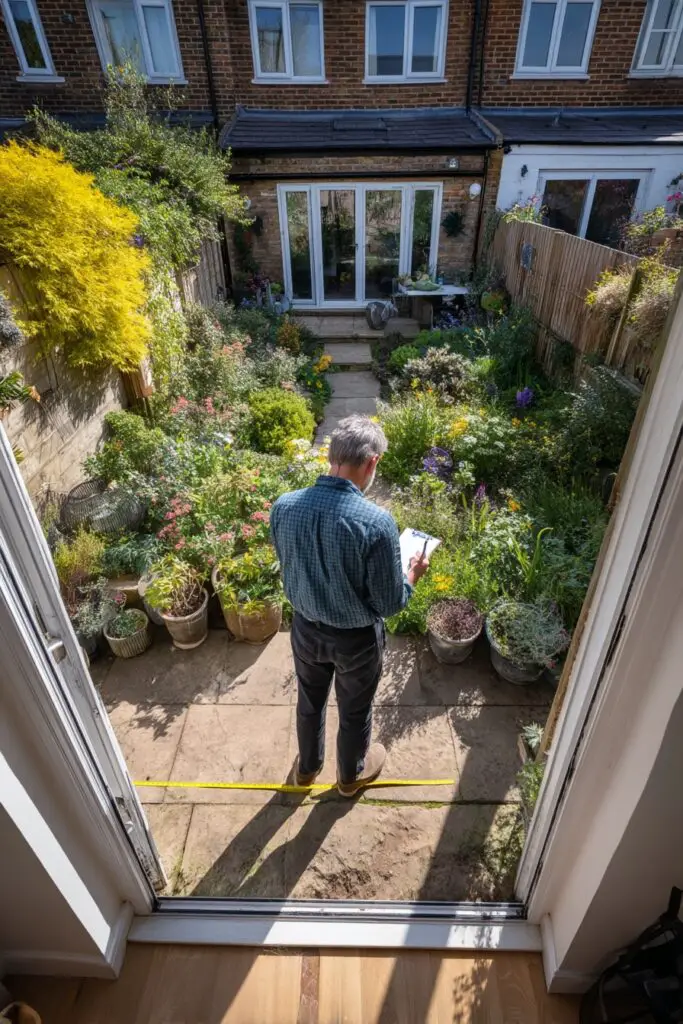
Accurate measurements are the foundation of a successful small garden plan. Without knowing your exact dimensions, it’s easy to overcrowd the space or choose features that simply won’t fit.
Start by measuring:
- Length and width of the garden
- Height of surrounding walls or fences
- Existing trees or fixed structures
- Doorways and access points
Note where sunlight falls during the day. A small garden plan must consider shade patterns, as light levels affect plant selection and seating placement.
Pay attention to drainage and soil condition as well. If water collects in certain areas, your small garden plan may need raised beds or improved drainage solutions.
Sketch a basic outline of the space to scale. Even a simple drawing helps you visualise proportions and avoid costly mistakes later. Clear measurements ensure your small garden plan remains practical and well balanced.
3. Choose the Right Layout for a Small Garden Plan
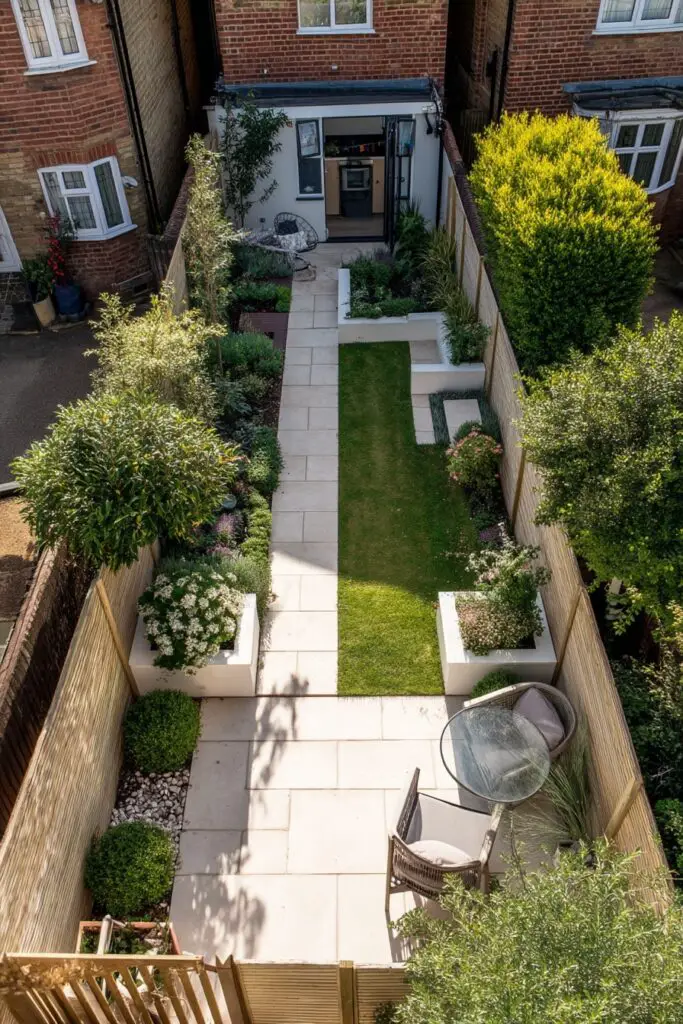
Layout is where your small garden plan starts to take shape. A smart arrangement makes the space feel open and easy to move through, even when square footage is limited.
Begin by deciding how much room to dedicate to planting, seating, and pathways. In a compact garden, multifunctional areas work best. Built-in benches with storage or raised beds that double as seating can support an efficient small garden plan.
Consider these layout strategies:
- Zoning: Divide the garden into clear sections for relaxing and planting.
- Diagonal lines: Angled paths can make a small garden plan appear larger.
- Vertical elements: Trellises and wall planters free up floor space.
- Curved edges: Soft curves reduce the boxed-in feeling.
Avoid placing large features in the centre. Instead, position focal points at the end of a pathway to draw the eye forward.
A well-thought-out small garden plan ensures the space feels purposeful rather than cramped.
4. Put Your Small Garden Plan on Paper
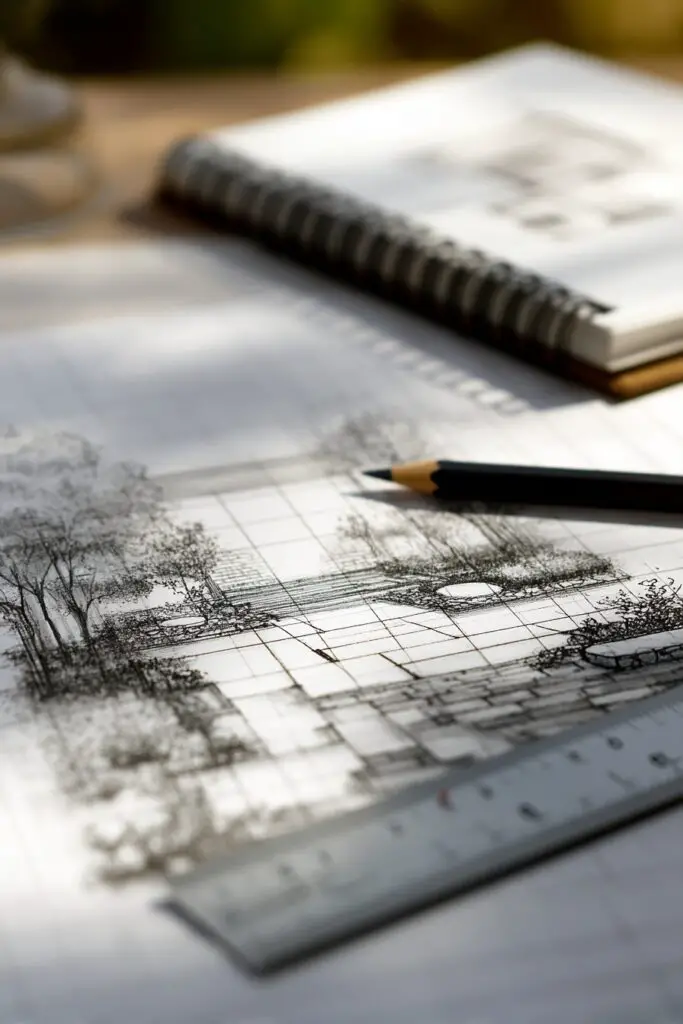
Once you’ve chosen a layout, transfer your ideas into a clear drawing. Putting your small garden plan on paper helps you refine proportions and identify spacing issues before you begin any physical work.
Use graph paper to keep your small garden plan to scale. Mark permanent features first, such as walls, patios, or existing trees. Then add pathways, seating areas, and planting beds.
Be realistic about plant sizes at maturity. A common mistake in a small garden plan is underestimating how wide shrubs and perennials will grow. Allow enough breathing space so the garden doesn’t feel overcrowded after a season or two.
You may want to create two versions of your small garden plan:
- A structural layout showing hard landscaping
- A planting layout indicating where each plant will go
Seeing everything visually allows you to adjust before committing to materials or purchases. A well-drawn small garden plan reduces costly revisions later.
5. Create Beautiful Boundaries
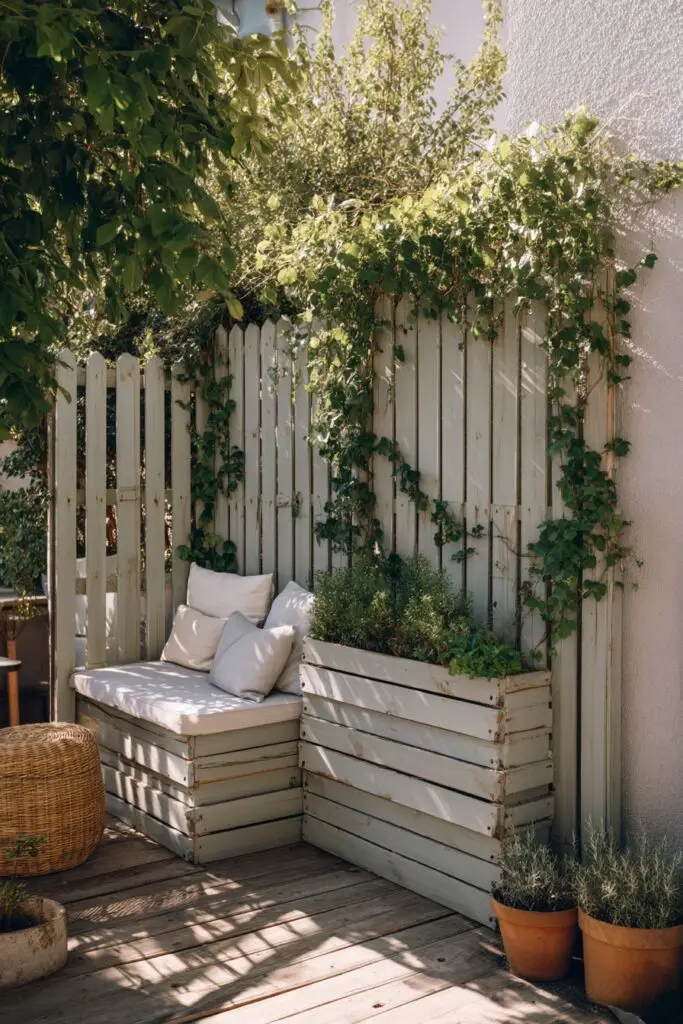
Boundaries play a major role in shaping a successful small garden plan. Walls and fences are not just functional—they frame the space and influence how large or enclosed it feels.
In a compact area, treating boundaries thoughtfully can make a dramatic difference. Instead of leaving fences plain, incorporate them into your small garden plan as design features.
Consider these ideas:
- Paint fences in light, neutral tones to reflect more light
- Install vertical planters or wall-mounted pots
- Add climbing plants such as jasmine or clematis
- Use mirrors carefully to create depth
Vertical planting is especially effective in a small garden plan. It frees up ground space while adding greenery and texture at eye level.
If privacy is needed, choose slim trellis panels rather than bulky hedges. This keeps your small garden plan airy while still offering separation.
Well-designed boundaries help define zones and make the garden feel intentional rather than confined.
6. Prepare a Thoughtful Planting Plan
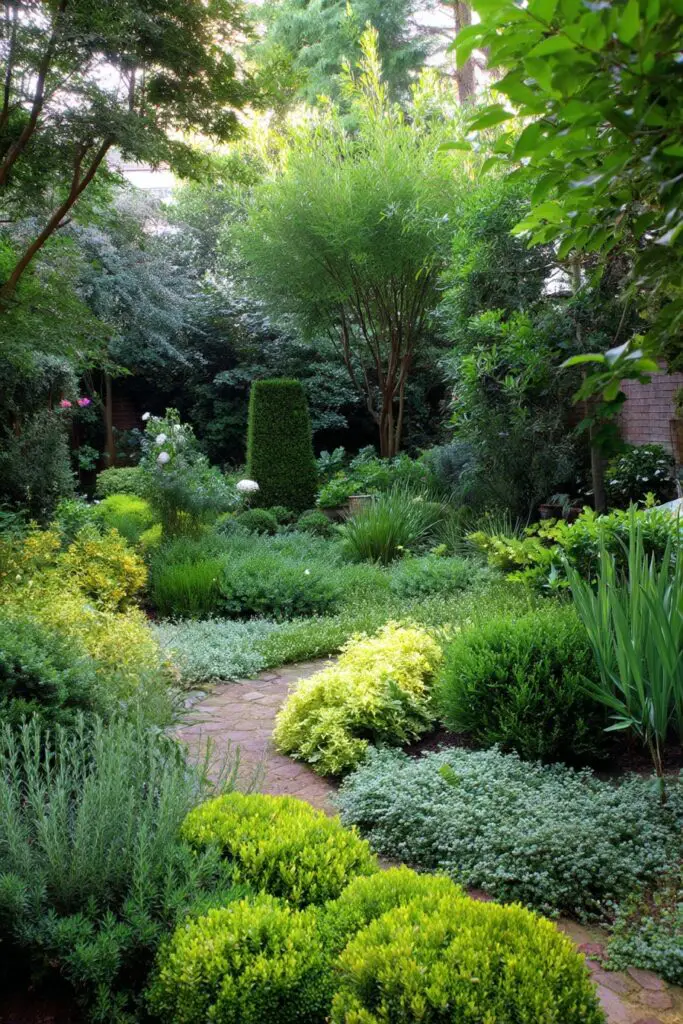
A strong planting strategy brings your small garden plan to life. In compact spaces, plant selection must balance beauty with scale.
Choose plants that suit your light conditions and climate. A successful small garden plan avoids overcrowding by focusing on a few well-chosen varieties rather than too many competing species.
When preparing your planting layout:
- Mix heights to create depth
- Use repetition for visual unity
- Select compact or dwarf varieties
- Prioritise long-flowering plants
Layering works especially well in a small garden plan. Place taller plants toward the back or along boundaries, medium plants in the centre, and low-growing varieties at the front.
Colour also influences perception. A limited palette makes a small garden plan feel cohesive and calm. Too many contrasting shades can make the space seem smaller.
If you grow edible plants, integrate herbs or compact vegetables within ornamental beds. This keeps your small garden plan practical without sacrificing style.
For related guidance, you could internally link to articles such as:
- “Best Low-Maintenance Plants for Small Gardens”
- “Vertical Gardening Ideas for Compact Spaces”
- “How to Choose the Right Garden Layout”
Conclusion
Creating a small garden plan requires careful measurement, clear style direction, and smart use of vertical and horizontal space. By defining boundaries, choosing the right layout, and selecting plants thoughtfully, even the smallest outdoor area can feel spacious and inviting.
With a well-structured small garden plan, every element works together to maximise beauty and functionality in a limited footprint.