
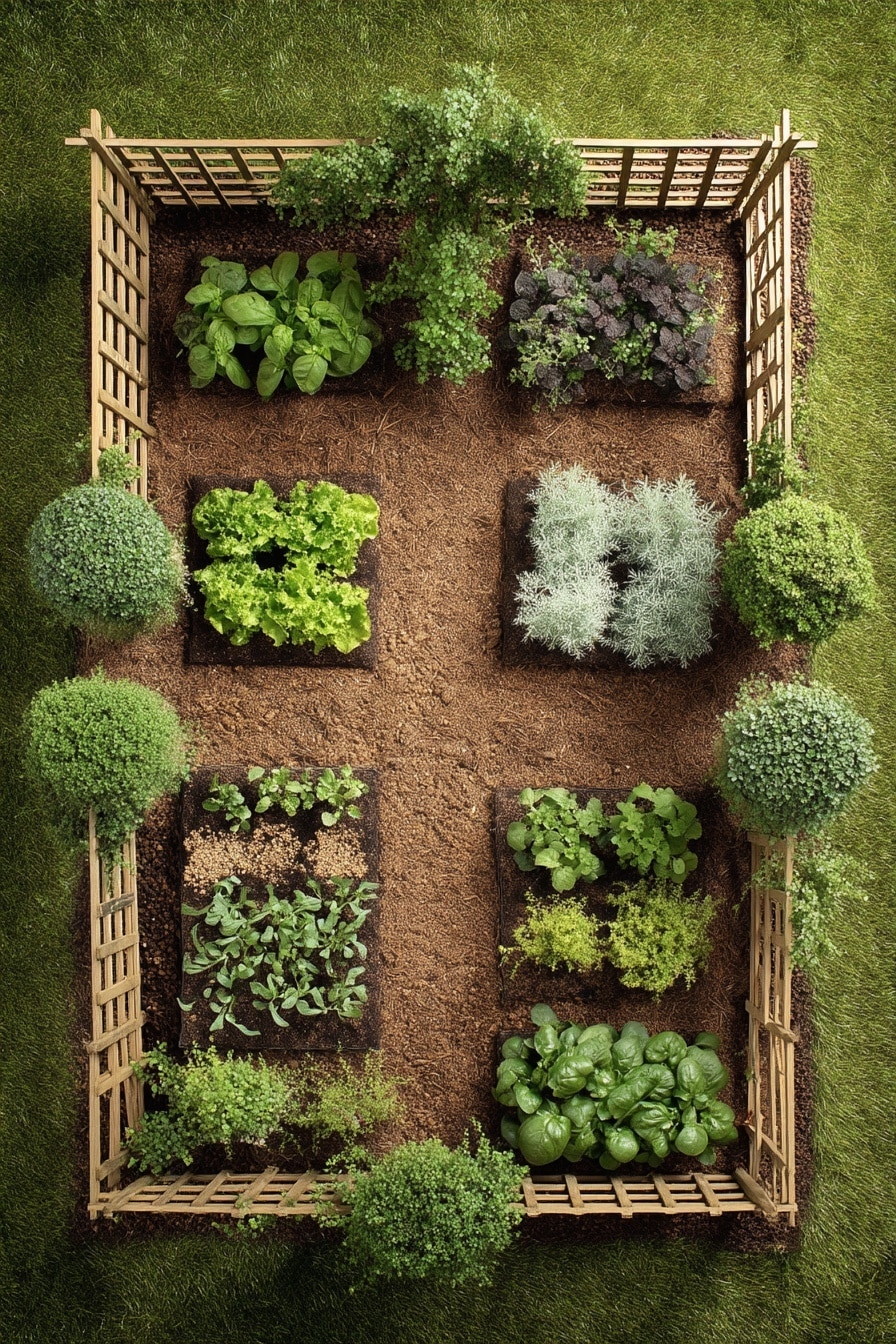
square foot gardening is a highly organized planting method designed to make the most of limited space while increasing productivity and simplifying garden care.
Created by engineer Mel Bartholomew, this approach turns a traditional vegetable garden into a grid of evenly sized planting squares, allowing gardeners to fully utilize every inch of their plot. By dividing garden beds into one‑foot sections, square foot gardening replaces long rows with compact plots that reduce wasted space and concentrate soil fertility where it’s needed most.
Whether you’re working with a small backyard, patio boxes, or raised beds, square foot gardening offers a structured way to grow more with less work and greater clarity.
Table of Contents
How Square Foot Gardening Works

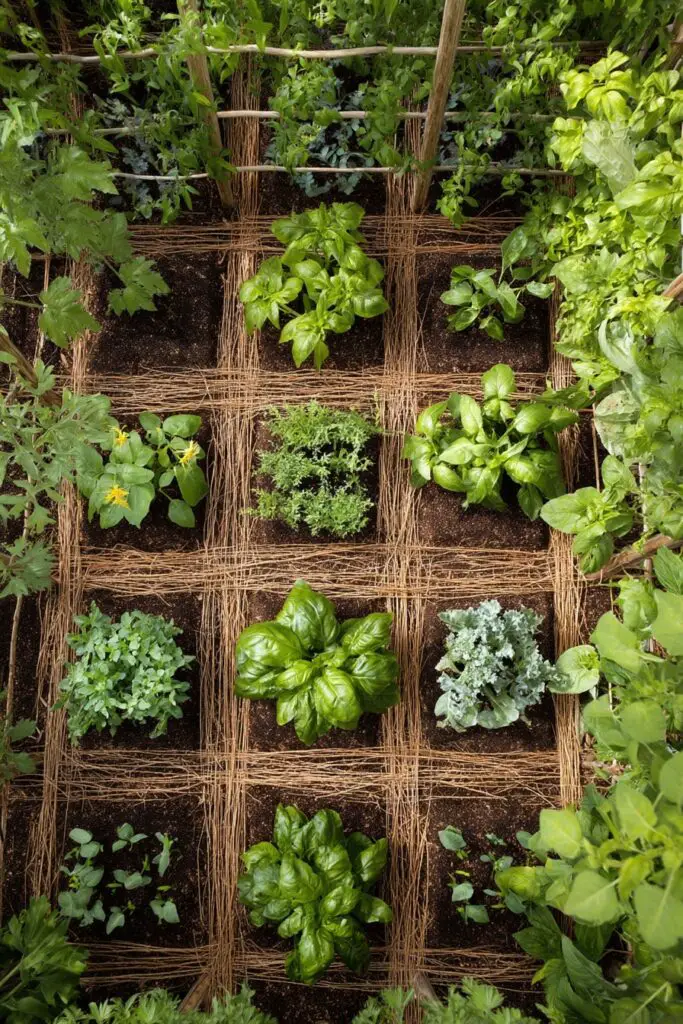
At the heart of square foot gardening is a simple but powerful concept: divide your garden bed into a grid of 12-inch by 12-inch squares and plant a specific number of seeds or seedlings in each square based on their spacing needs.
The method typically uses raised beds that are 4 feet by 4 feet, giving you 16 individual planting zones. Each square can be assigned a different crop — for example:
- 1 tomato plant per square
- 4 lettuce plants
- 9 bush beans
- 16 carrots
A key feature is Mel’s Mix, a lightweight soil blend made from one-third peat moss, one-third vermiculite, and one-third compost. This soil supports excellent drainage and root health, making it ideal for compact growing areas.
A physical grid is usually added to the top of the bed, either with wood, string, or plastic dividers, to clearly define the planting zones. This keeps the layout organized and easy to manage throughout the growing season.
Benefits of Square Foot Gardening
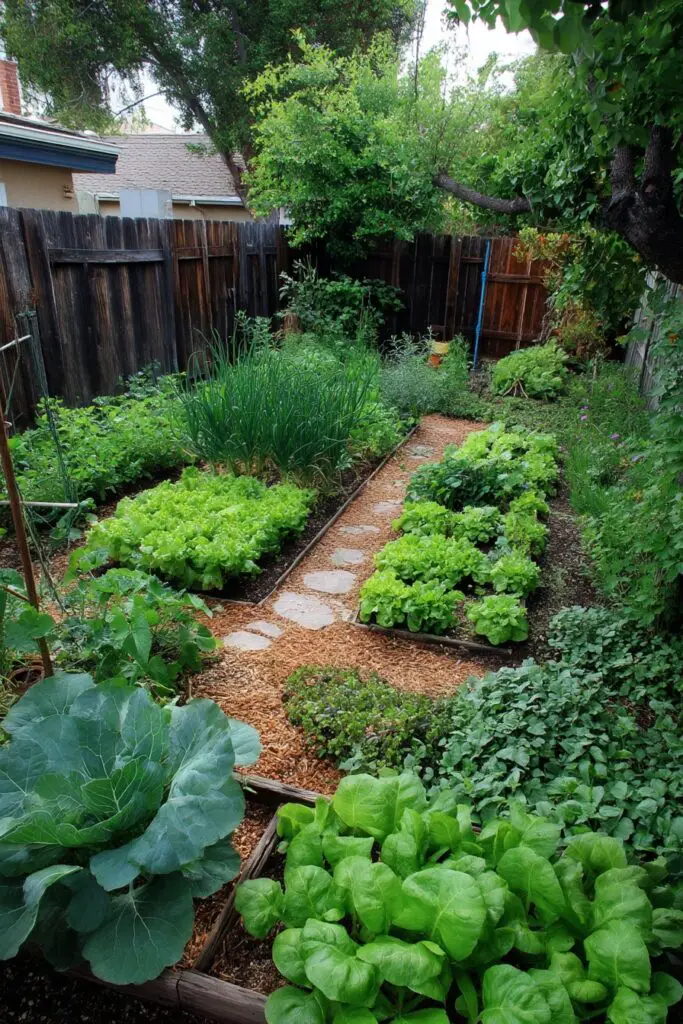
The square foot gardening method offers a number of practical advantages for both beginner and experienced gardeners alike. Its structured layout and soil-focused approach help streamline gardening tasks while boosting productivity.
1. Maximizes Space
By planting in a grid rather than rows, you make use of every available inch of growing space — perfect for small yards, patios, and balconies.
2. Reduces Weeds
Because crops are planted densely and in enriched soil, weeds have less room to sprout, and those that do are easy to spot and remove.
3. Minimizes Waste
You grow only what you need, square by square, so you’re not over-planting or wasting water, fertilizer, or seeds.
4. Simplifies Crop Rotation
Each square can be rotated or replanted with new crops as soon as space opens up, improving soil health and reducing disease risks.
5. Saves Time and Effort
Less space to water, weed, and fertilize means less overall labor — making this system ideal for people with limited time or physical limitations.
How to Get Started with Square Foot Gardening
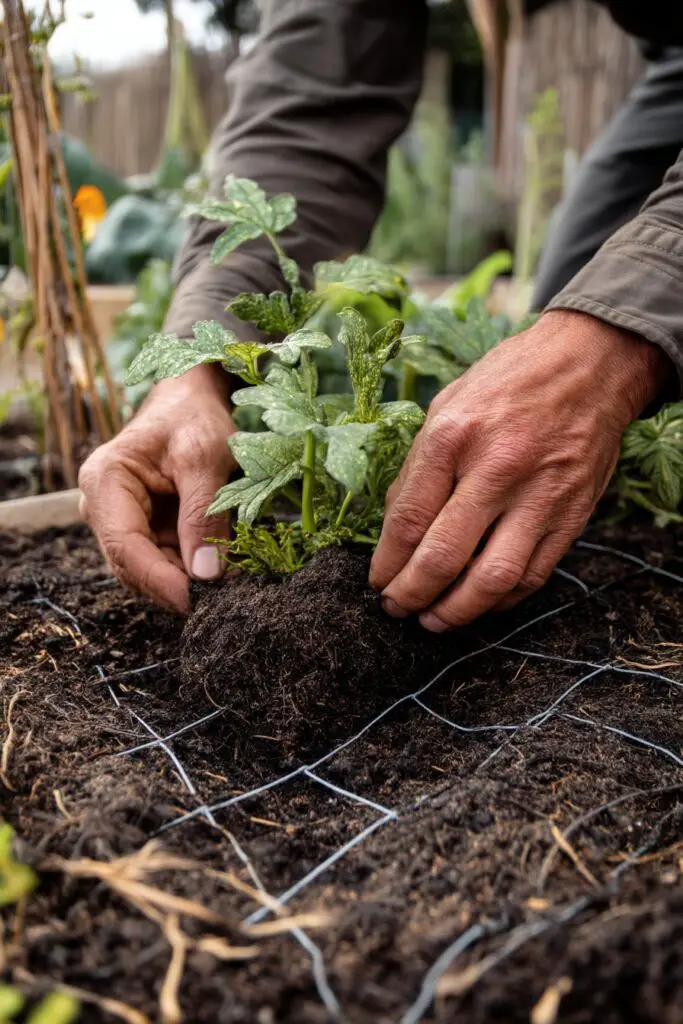
Starting a square foot gardening system is simple and doesn’t require a large investment. With just a few materials and a clear layout, you can build a compact, high-yield garden almost anywhere.
Step 1: Build or Buy a Raised Bed
- A common size is 4 feet by 4 feet, which gives you 16 square planting zones.
- Beds can be built from untreated wood, recycled plastic lumber, or metal, depending on your budget and style.
Step 2: Prepare the Soil
- Use the recommended Mel’s Mix:
- 1/3 compost
- 1/3 peat moss
- 1/3 coarse vermiculite
- This blend retains moisture, drains well, and delivers nutrients evenly.
Step 3: Add the Grid
- Mark off one-foot squares on top of the soil using wooden slats, nylon string, or thin plastic strips.
- The grid makes planting, rotating crops, and maintenance easier to manage.
Step 4: Follow Spacing Guidelines
- Each square hosts a specific number of plants based on their mature size.
- Large crops (like broccoli or pepper): 1 per square
- Medium crops (like spinach): 4 per square
- Small crops (like radishes): up to 16 per square
Step 5: Water and Maintain
- Focus your watering directly on planted squares.
- Because the bed is small and soil is rich, less water and fertilizer are needed than in traditional beds.
Tips and Considerations for Successful Square Foot Gardening
While square foot gardening is beginner-friendly and efficient, a few smart strategies can help you get the best results from each square.
Use Companion Planting
Pair crops that benefit each other within adjacent squares — like tomatoes and basil or carrots and onions — to maximize growth and reduce pest pressure.
Rotate Crops Seasonally
Changing crops in each square after a harvest helps maintain soil health, reduce pest buildup, and prevent disease cycles.
Add Vertical Supports
Install trellises on the north side of your bed to support vining crops like cucumbers, pole beans, or peas without casting too much shade on smaller plants.
Don’t Overcrowd
Stick to the recommended number of plants per square. Overcrowding can cause poor airflow, increased disease risk, and lower yields.
Watch Water Needs
The lightweight soil blend in raised beds dries out faster than native soil. Use mulch to retain moisture and water consistently, especially during hot weather.
Conclusion
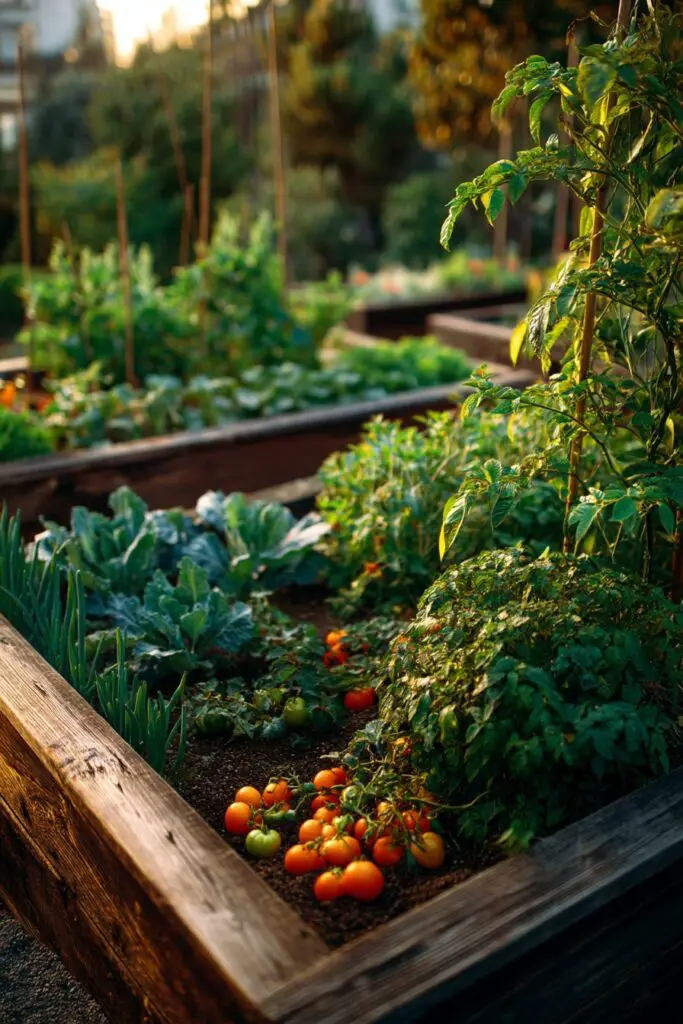
Whether you’re short on space, time, or gardening experience, square foot gardening offers a structured, productive solution for growing food in a manageable way. Developed by an engineer who sought efficiency and simplicity, this method eliminates the guesswork of spacing and soil prep while delivering higher yields in smaller spaces.
By planting smarter — not larger — you can reduce waste, enjoy cleaner beds, and stay more organized season after season. It’s an ideal system for raised beds, patios, or anyone ready to rethink the way they grow their garden.