

raised bed garden systems have become one of the most popular ways for home gardeners to transform underused yard space into productive, manageable growing zones.
By elevating the soil above ground level, a raised bed garden allows you to fine‑tune growing conditions, improve accessibility, and make everyday garden care more efficient and enjoyable.
Whether you’re working around poor native soil, limited space, or just want to boost yields, the unique structure of a raised bed can help overcome common gardening challenges and bring your vegetables, herbs, and flowers to life.
Table of Contents
1. Raised Bed Gardens Make Better Use of Space

One of the biggest advantages of a raised bed garden is how efficiently it uses available growing space. Unlike traditional in-ground rows that require walking paths between plantings, raised beds condense your planting area into neatly bordered plots where every inch can be cultivated.
With better soil control and the ability to plant closer together, you can fit more vegetables or herbs into a small footprint without overcrowding. This makes raised beds ideal for urban yards, patios, or tight corners of your landscape that may otherwise go unused.
They also allow for better vertical gardening using trellises or cages, further increasing production per square foot.
2. Raised Beds Give You Healthier, Customized Soil
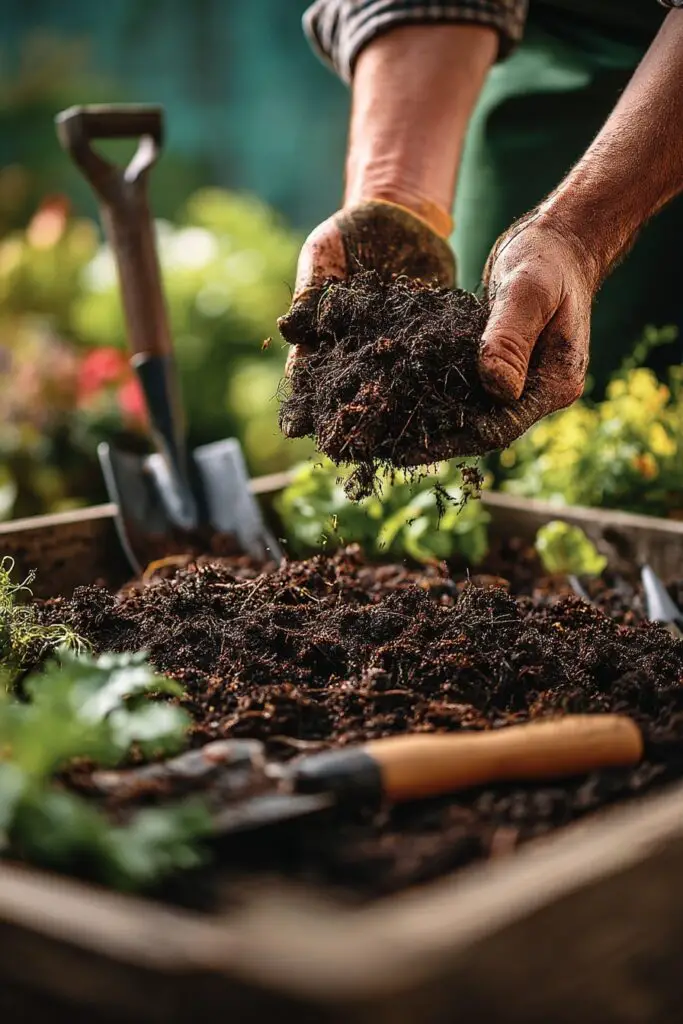
A raised bed garden gives you total control over what your plants grow in — a major advantage if your native soil is heavy clay, sandy, compacted, or contaminated.
You can fill each bed with a tailored soil blend rich in compost, organic matter, and the perfect texture for root development. This leads to faster growth, better drainage, and more consistent moisture retention compared to in-ground plots.
Because you’re not walking on the soil in a raised bed, it stays light, fluffy, and well-aerated — exactly what vegetable roots love. Over time, this means fewer issues with rot, nutrient lockout, or poor yields.
3. Raised Bed Gardens Can Produce Bigger Harvests
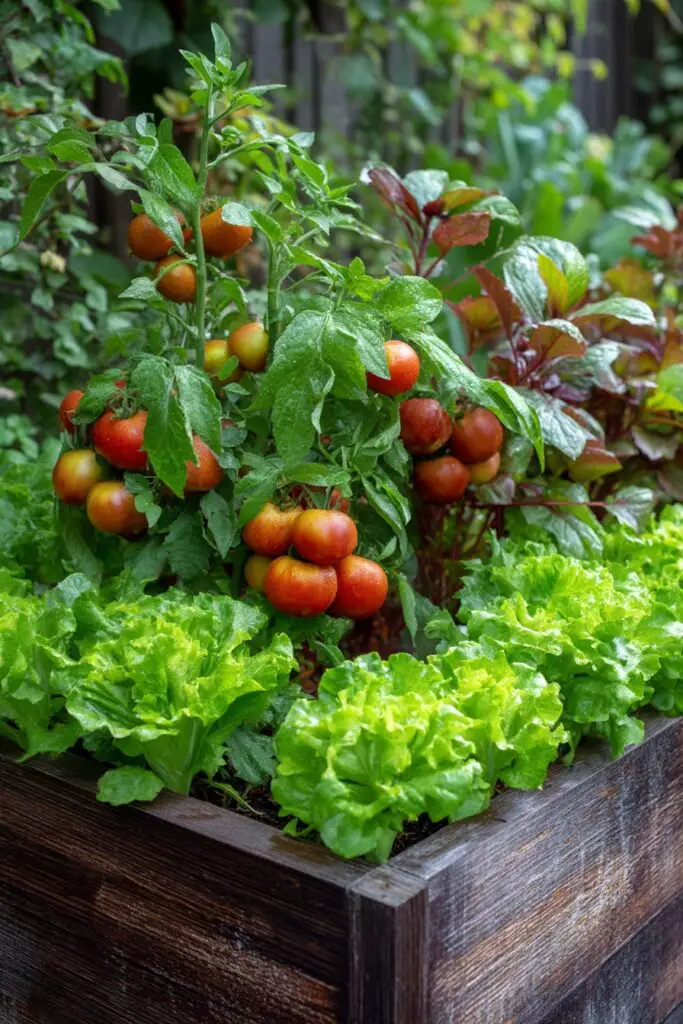
With improved soil conditions, denser planting, and easier management, a raised bed garden can lead to significantly higher yields than traditional beds of the same size.
Close spacing encourages plants to form a canopy, shading the soil surface and reducing evaporation and weed growth. This microclimate helps retain warmth and moisture, giving your crops an early start in spring and extending the season into fall.
Raised beds also make it easier to rotate crops, enrich soil with compost, and respond quickly to plant needs — all of which contribute to healthier plants and more abundant harvests.
4. Raised Beds Reduce Weeds
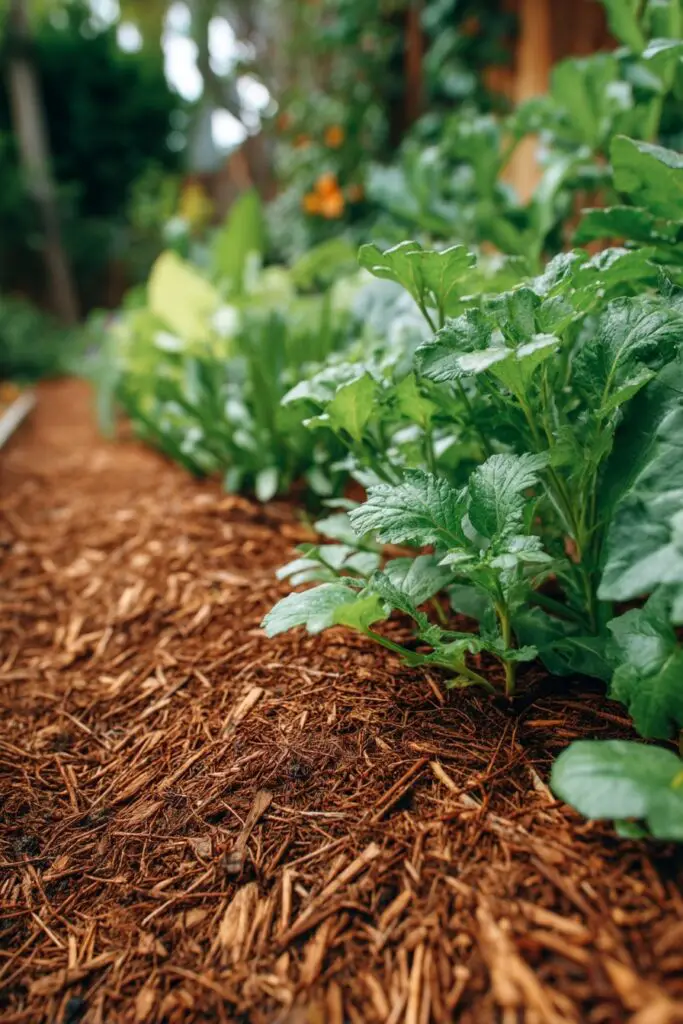
A well-maintained raised bed garden naturally suppresses weed growth thanks to its defined borders, elevated soil, and controlled environment.
Since you’re starting with fresh, weed-free soil, it’s easier to prevent invasive weeds from taking hold. Adding mulch between plants or over the top layer of soil helps block sunlight and keeps seeds from germinating.
The limited space also makes it faster to spot and remove weeds while they’re small. And because the soil is loose and light, pulling them out — root and all — takes minimal effort compared to compacted in-ground beds.
5. Raised Bed Gardens Offer Better Pest Control
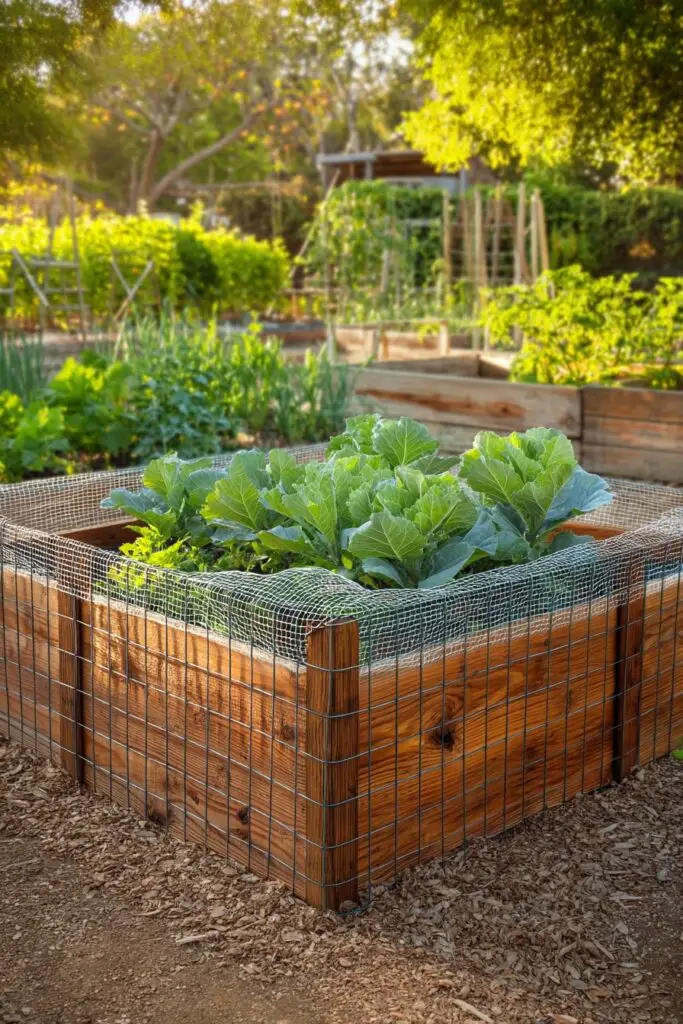
A raised bed garden gives you a head start in managing common garden pests — both above and below the soil line.
By elevating your growing space, it’s harder for ground-dwelling pests like slugs, snails, and burrowing rodents to reach your crops. You can also install hardware cloth or mesh at the bottom of the bed to block gophers and moles from digging in.
The confined area makes it easier to add protective elements like row covers, hoops, or netting to shield plants from insects, birds, or deer. With less soil disturbance and easier monitoring, raised beds allow you to take faster action when pest problems arise.
6. Raised Beds Are Easier on Your Body
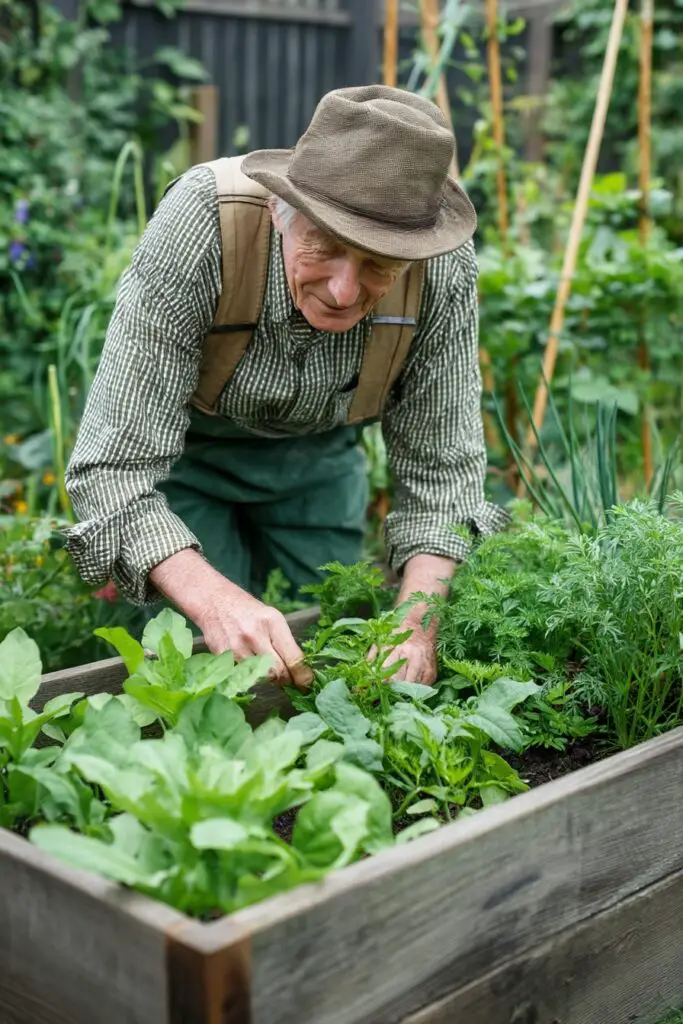
One of the most appreciated perks of a raised bed garden is how much more comfortable it is to maintain.
Because the soil surface sits above ground level — often 12 to 24 inches high — there’s far less bending, stooping, or kneeling involved. This makes tasks like planting, weeding, pruning, and harvesting gentler on your back and knees, especially if you garden often or have mobility concerns.
You can even build taller beds or add bench edges to create a waist-high garden that’s accessible from a standing or seated position — ideal for aging gardeners or anyone seeking ergonomic improvements.
Conclusion
From improving soil health to easing physical strain, a raised bed garden offers a smarter, more productive way to grow food at home. Whether you’re a first-time gardener or a seasoned grower looking to expand, raised beds provide the structure and control needed for better results with less hassle.
With their flexibility, beauty, and efficiency, raised beds aren’t just a trend — they’re a long-term upgrade to the way you garden.