
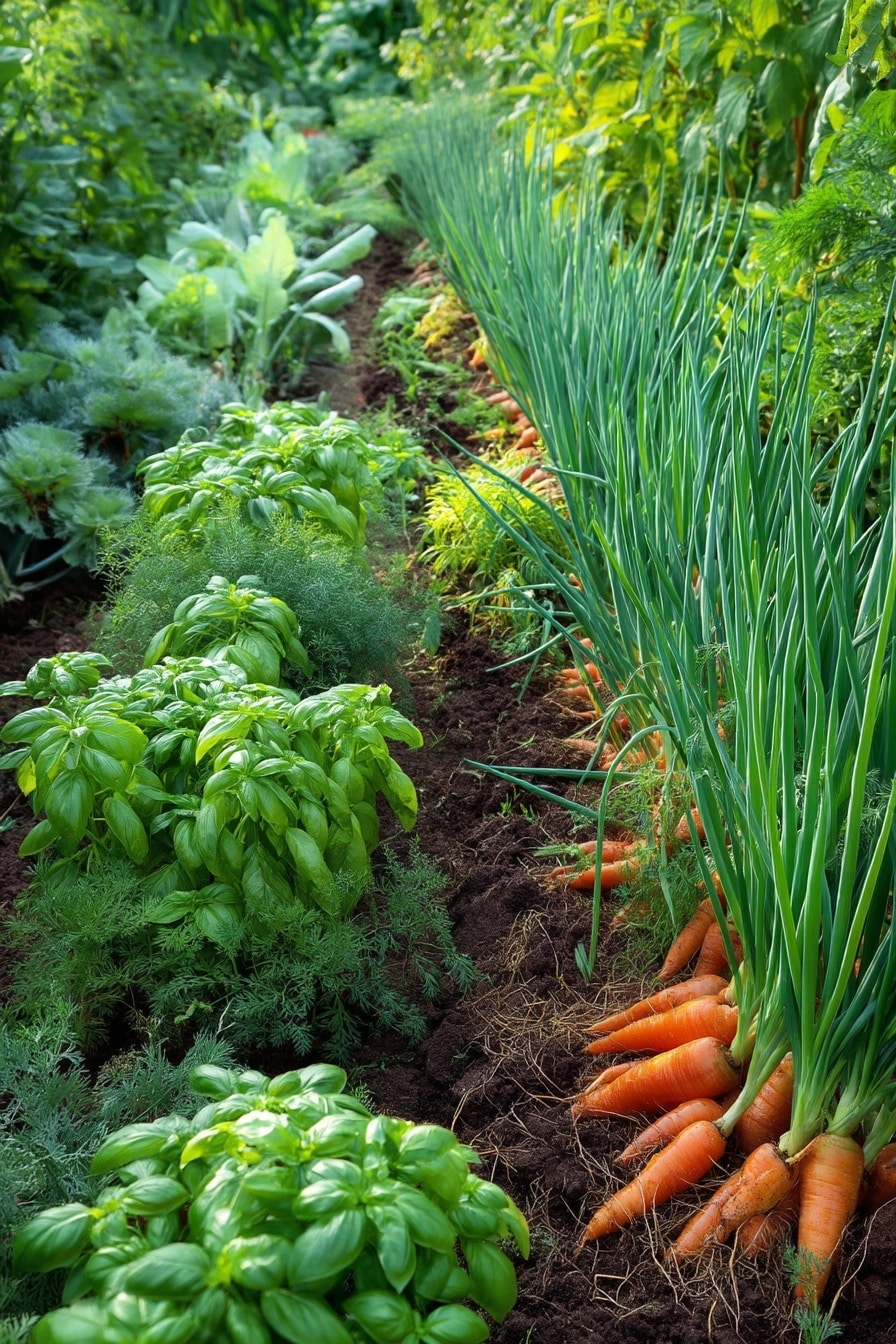
Companion planting is more than a gardening trend—it’s a smart, natural strategy for growing a healthy and productive garden. By intentionally placing specific plants next to one another, gardeners can reduce pests, maximize space, and encourage robust growth without the need for synthetic solutions.
Table of Contents
Why Companion Planting Works

Plants, much like people, tend to do better with the right neighbors. Companion planting works because certain plants naturally support each other’s growth—some deter pests, others improve soil conditions, and many help attract pollinators or beneficial insects that keep harmful bugs away.
For example, basil planted near tomatoes can enhance flavor and deter pests like aphids, while marigolds can ward off nematodes and add a vibrant border. When plants are paired wisely, they form micro-ecosystems that promote resilience and reduce the need for chemicals or constant maintenance.
Here’s what companion planting helps you achieve:
- Natural pest control without relying on sprays
- Healthier soil through nutrient sharing and nitrogen fixation
- Increased yields due to better pollination and reduced competition
- Efficient space use, perfect for small gardens
- Stronger plant resistance through beneficial biodiversity
It’s all about creating thoughtful combinations that allow your garden to thrive from the ground up.
Step 1: Categorize Garden Plants
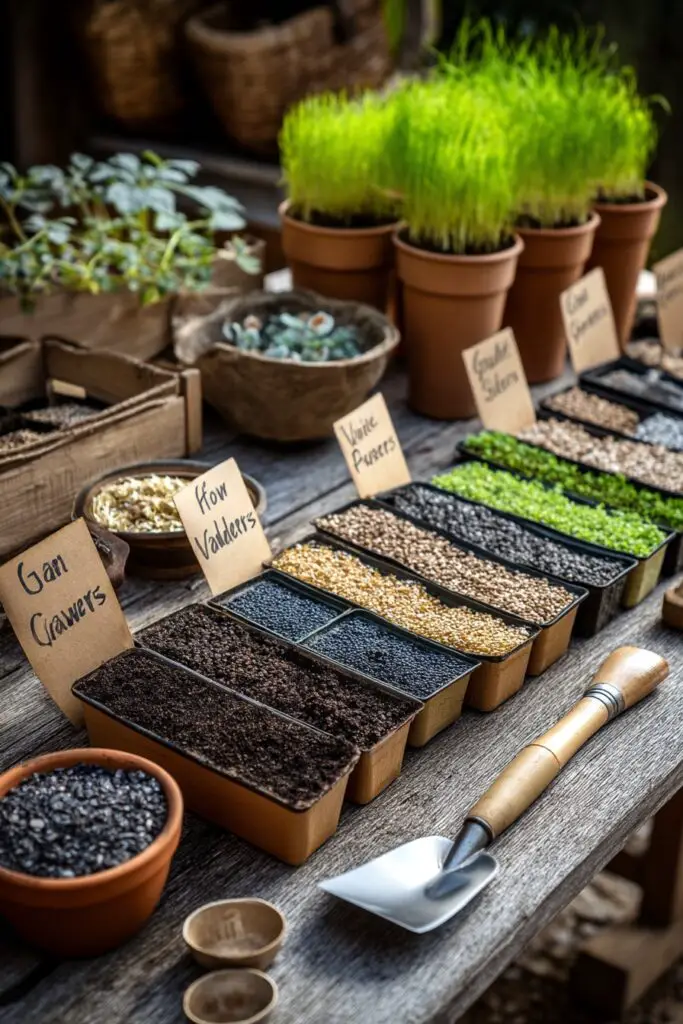
Before you can create an effective companion planting plan, you need to understand the characteristics of the plants you want to grow. Categorizing your plants helps you make intentional pairings based on how they grow, what they need, and how they benefit others.
Here are four key ways to group your plants:
Herbs
Herbs are powerhouses in companion planting. Many of them repel pests or improve the flavor of nearby crops. For example:
- Basil supports tomatoes and peppers
- Thyme can deter cabbage moths
- Dill attracts beneficial wasps and ladybugs
Keep in mind that some herbs, like mint, can be invasive and are best grown in containers placed nearby rather than directly in the bed.
Flowers
Edible and ornamental flowers aren’t just pretty—they work hard in the garden.
- Marigolds repel nematodes and aphids
- Nasturtiums lure pests away from vegetables like squash and beans
- Calendula attracts pollinators and predatory insects
Plant flowers on the borders or in open corners of your beds to maximize their benefits without crowding crops.
Growing Season
Pairing plants with similar growing seasons ensures they mature at compatible times. This helps with succession planting and avoids overcrowding.
- Spring crops: lettuce, radishes, peas
- Summer crops: tomatoes, cucumbers, squash
- Fall crops: kale, carrots, broccoli
Align your planting times so you’re not pulling one crop while disturbing the roots of another still growing.
Plant Size
Think about how much space each plant needs and how tall it will get. This impacts light exposure and airflow.
- Tall plants (e.g., corn, sunflowers): can shade sun-loving crops if poorly placed
- Medium plants (e.g., peppers, bush beans): fill the center of your layout
- Small plants (e.g., lettuce, spinach, onions): ideal for front rows or under taller plants’ canopies
Once you’ve sorted your plants into these categories, you’re ready to start arranging them into a productive plan.
Step 2: Plant Borders with Herbs & Flowers
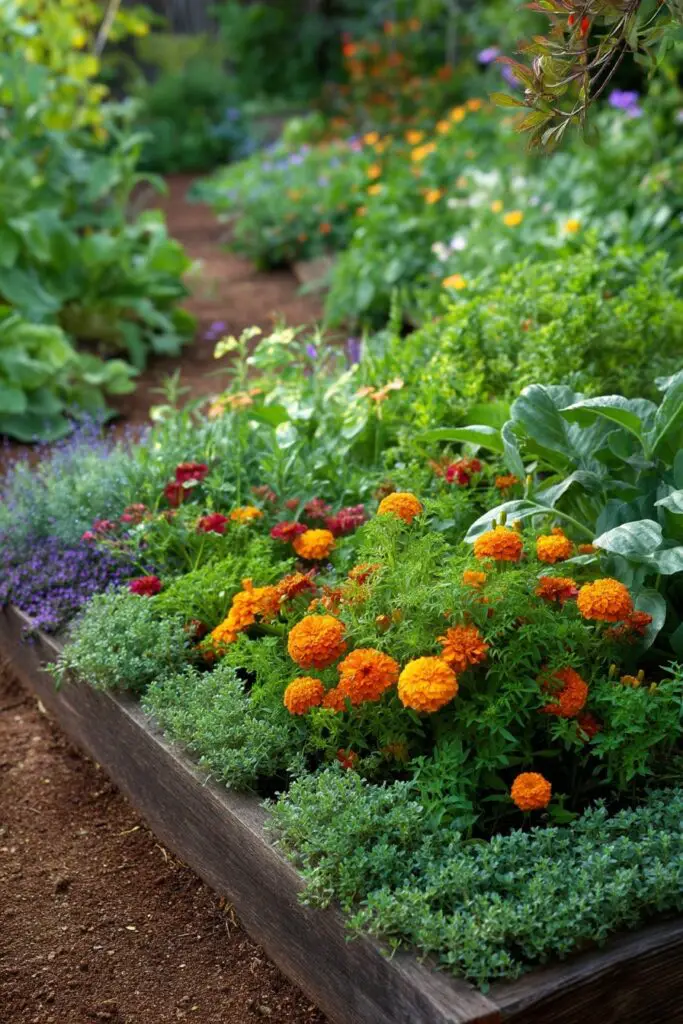
One of the easiest ways to boost your garden’s performance is by planting herbs and flowers along the borders of your beds. This technique supports companion planting by attracting helpful insects, discouraging pests, and adding biodiversity right where it’s most effective.
Why It Works:
- Attract pollinators like bees and butterflies to improve fruit and vegetable production
- Repel pests such as aphids, cabbage worms, and beetles using fragrant or bitter plants
- Create natural barriers that reduce disease spread between crops
- Add color and variety, making your garden more beautiful and inviting
Top Border Companions:
- Marigolds: Natural pest repellents, especially against nematodes and whiteflies
- Basil: Enhances the growth of tomatoes and peppers; wards off mosquitoes and flies
- Nasturtiums: A “trap crop” that draws aphids and flea beetles away from your vegetables
- Chives: Help deter carrot rust flies and are great next to carrots and tomatoes
Position these border plants around the outer edges of your beds and in open corners. Think of them as your garden’s protective ring—working quietly and consistently to support the plants at the center.
Step 3: Choose Plants for Your Season
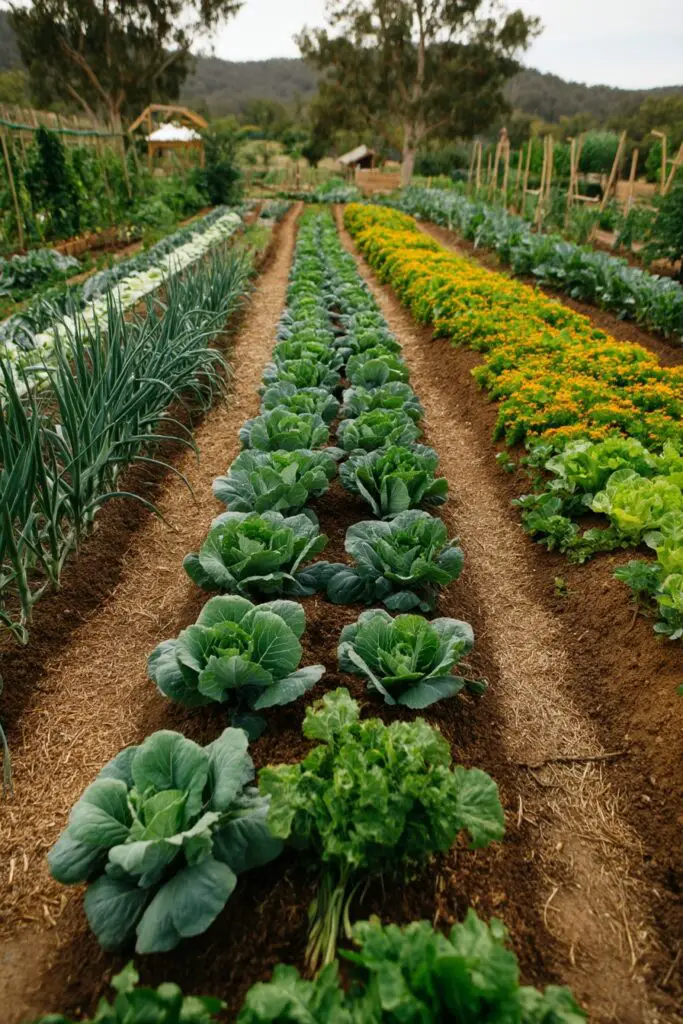
Timing is everything in gardening. Choosing plants that thrive in the same season is a critical part of successful companion planting. When you match plants with similar growth timelines, you avoid overcrowding, ensure compatible watering needs, and make the most of your garden’s layout year-round.
Seasonal Planning Tips:
- Cool-season crops grow best in early spring or fall when temperatures are mild.
- Examples: lettuce, spinach, peas, radishes, broccoli
- Warm-season crops thrive in late spring through summer when the soil has warmed.
- Examples: tomatoes, peppers, beans, squash, cucumbers
Companion Examples by Season:
- Spring Bed: Lettuce + carrots + dill
- Summer Bed: Tomatoes + basil + marigolds
- Fall Bed: Kale + beets + nasturtiums
Group plants that prefer the same temperature and daylight conditions. This not only simplifies your care routine but also ensures that each plant is getting what it needs to grow strong and healthy. By planning your companion layout seasonally, you can also rotate crops to keep soil nutrients balanced and reduce disease pressure.
Step 4: Position Large Plants First
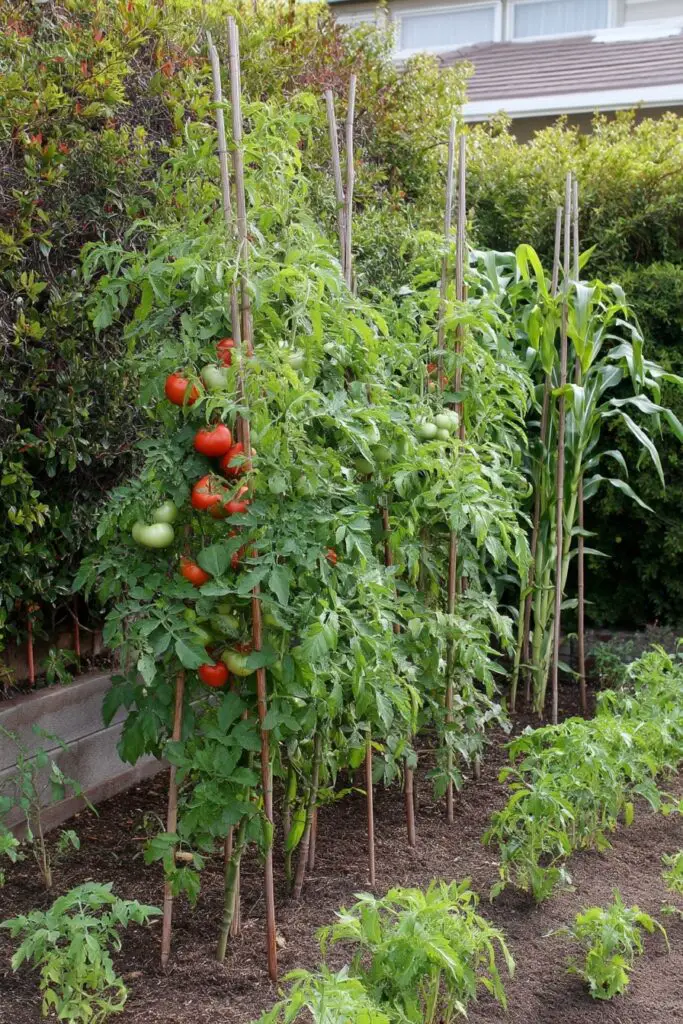
In any companion planting plan, the first rule of layout is to place your largest plants first. These are typically the tallest or widest crops—the ones that create shade, serve as windbreaks, or need the most space to stretch out.
By positioning large plants early in your design, you create a framework that supports everything else. You’ll avoid accidentally shading smaller sun-loving crops or cramping medium-sized plants that need airflow and elbow room.
Examples of Large Plants:
- Tomatoes (especially indeterminate varieties)
- Corn
- Sunflowers
- Squash (vining types like pumpkins or zucchini)
- Okra
Positioning Tips:
- North side of the bed: Place tall crops here so they don’t block sunlight from reaching shorter companions
- Leave room to trellis: If your large plants need vertical support, factor that into your spacing
- Account for shadows: These crops may cast shade during parts of the day, which can benefit heat-sensitive plants (e.g., lettuce under tomatoes)
Establishing your large plants first gives structure to your garden, letting you build around them in a way that maximizes light, air, and nutrient sharing.
Step 5: Add Medium‑Size Plants
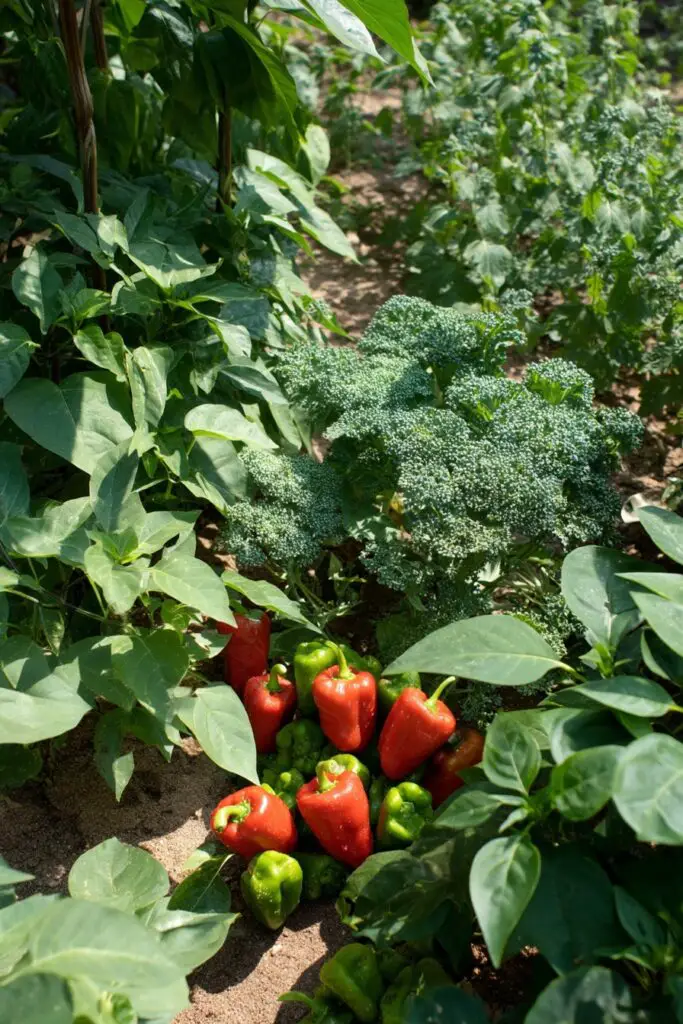
Once your tall crops are in place, it’s time to tuck in the medium-sized plants—the heart of many companion planting layouts. These plants often carry the bulk of your harvest and do best when given enough space and sunlight to grow, but they also benefit from neighboring herbs or flowers that offer pest protection and pollinator support.
Common Medium-Sized Plants:
- Peppers (bell or hot)
- Eggplant
- Bush beans
- Broccoli and cauliflower
- Cabbage
Companion Planting Suggestions:
- Peppers + basil: Basil enhances growth and deters aphids
- Bush beans + carrots: Beans fix nitrogen, supporting root crop growth
- Broccoli + thyme: Thyme helps deter cabbage worms
Layout Tips:
- Space medium plants evenly between or beside large crops
- Place them where they’ll receive consistent sunlight and airflow
- Use smaller companion plants (like flowers or leafy greens) around them for pest control and ground cover
Medium-sized plants form a vital layer of your garden’s ecosystem. When arranged thoughtfully, they bridge the space between towering crops and ground-huggers, ensuring every part of your bed is working in harmony.
Step 6: Fill with Small Plants
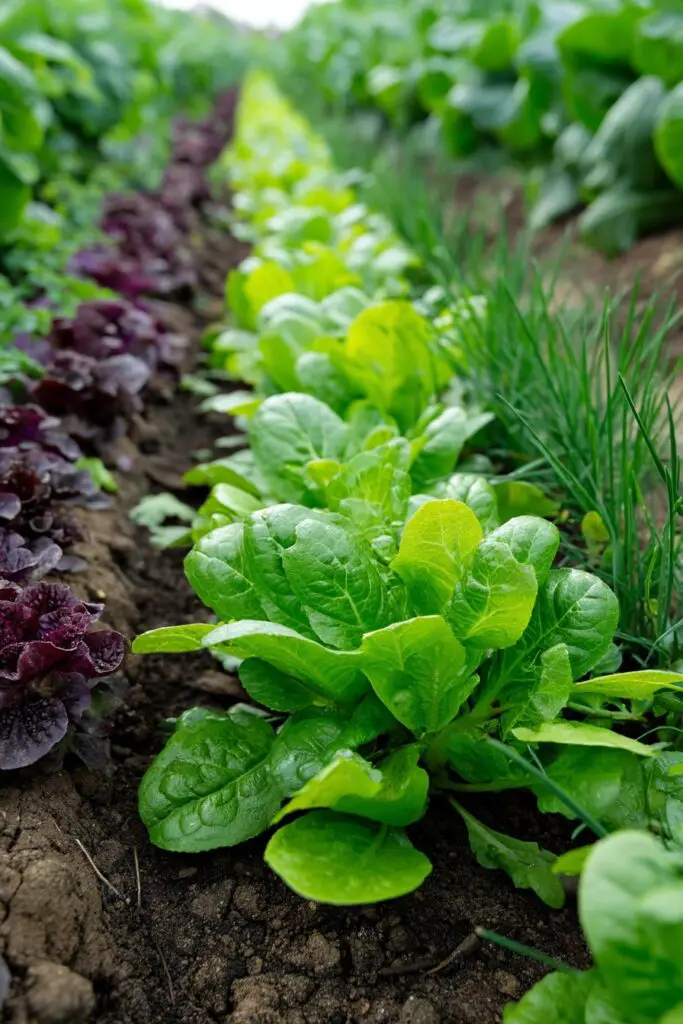
The final layer in your companion planting plan is made up of small, fast-growing plants that can fit snugly between or beneath larger crops. These ground-level additions make the most of your space, reduce weed pressure, and in many cases, serve a strategic role in soil health or pest control.
Examples of Small Plants:
- Lettuce
- Radishes
- Spinach
- Green onions
- Chives
Why They Matter:
- Ground cover: Small plants help shade the soil, conserving moisture and reducing weeds
- Quick harvest: Many of these are ready in just a few weeks, allowing for succession planting
- Low competition: Their shallow root systems don’t interfere with deeper-rooted crops
Companion Ideas:
- Radishes + cucumbers: Radishes deter cucumber beetles and grow quickly before cucumbers spread
- Spinach + corn: Spinach thrives in the partial shade beneath corn
- Lettuce + carrots: Lettuce can be harvested early, making room for slower-growing carrots
These small companions bring balance to your garden by filling in gaps and helping larger crops thrive. Think of them as the finishing touches that complete a thriving, well-organized garden bed.
Conclusion
Companion planting is both an art and a science, and with a bit of planning, it can completely transform the way you grow. By following these six simple steps—categorizing your plants, using borders wisely, thinking seasonally, and layering by plant size—you’ll create a garden that’s not only more productive but also more resilient and beautiful.
Whether you’re working with raised beds or backyard plots, this method brings harmony to your garden by mimicking natural ecosystems. Every plant has a role, and when placed with care, your garden becomes a thriving community that requires fewer inputs and rewards you with bigger, healthier harvests.