
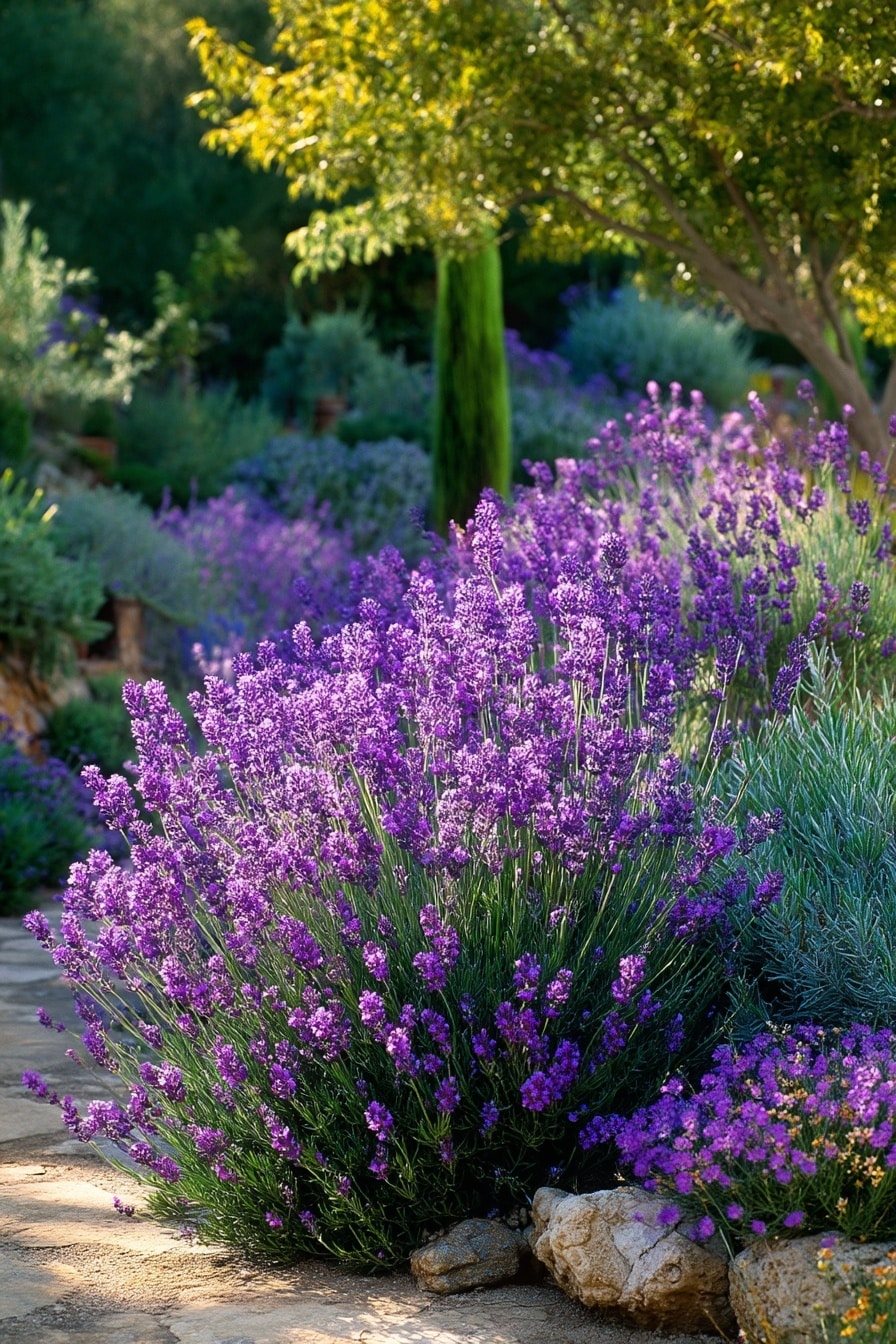
Growing shrubs is one of the simplest ways to add year‑round structure, color, and reliability to a garden. Low‑growing evergreen shrubs are especially valuable because they stay compact, hold their foliage through winter, and work well in borders, containers, and small spaces. They provide steady interest without demanding constant pruning or attention.
Whether you’re filling gaps at the front of a border, softening pathways, or adding greenery to a low‑maintenance garden, choosing the right shrubs makes all the difference. The best options combine tidy growth habits with resilience, making them suitable for both new and experienced gardeners focused on growing shrubs that look good in every season.
Below are five low‑growing evergreen shrubs that earn their place in almost any garden.
Table of Contents
1. Hebe

When it comes to reliable, attractive growing shrubs, hebe is a front-runner. Compact and evergreen, this shrub thrives in both formal and informal garden settings. Its neat mounding shape makes it ideal for edging paths, filling containers, or anchoring flower beds.
Why Hebe works well:
- Many varieties stay under 2 feet tall, perfect for low borders.
- Glossy green or purple-tinged leaves provide year-round color.
- Some types offer delicate blooms in white, pink, or purple, attracting pollinators.
- It’s tolerant of wind and salt, making it great for coastal gardens.
Plant it in full sun to partial shade, and ensure good drainage to avoid root rot. Hebes are excellent for gardeners who want low-effort structure and seasonal beauty all in one compact shrub.
2. Andromeda polifolia
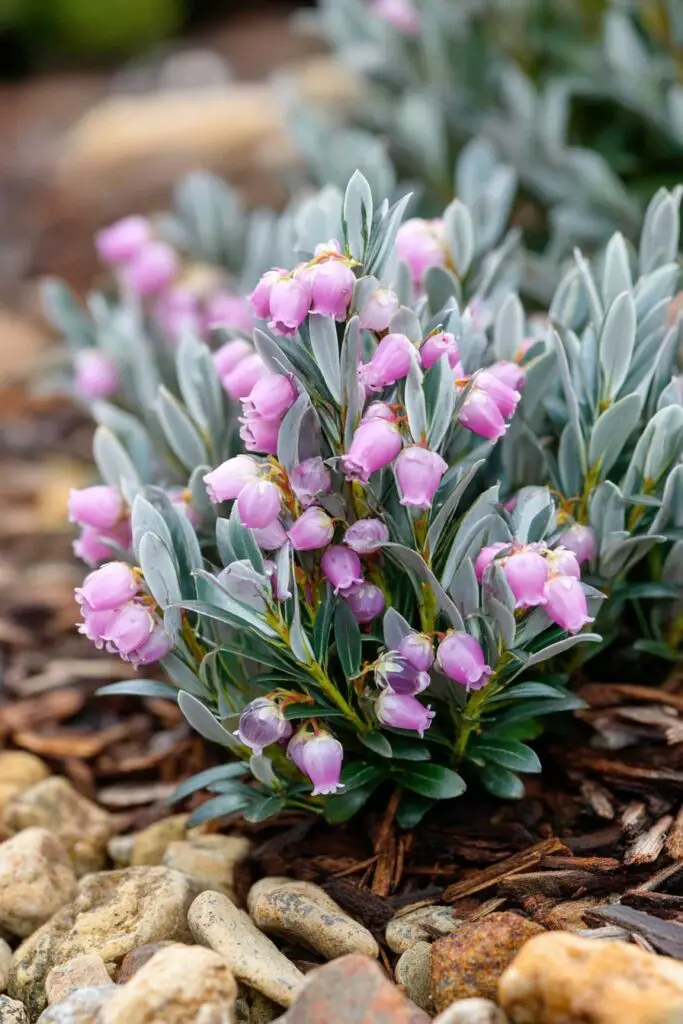
For gardeners focused on growing shrubs that offer subtle elegance, Andromeda polifolia—also known as bog rosemary—is a standout. This evergreen shrub stays low and manageable while adding soft texture and silvery foliage to garden borders or rock gardens.
Key benefits of Andromeda polifolia:
- Grows to about 12–18 inches tall, perfect for ground-level interest.
- Blue-green leaves have a leathery texture and silvery underside.
- Produces clusters of pink, bell-shaped flowers in late spring.
- Prefers acidic, moist soil—ideal for woodland or heather gardens.
Although it prefers slightly more specific conditions than some shrubs, it rewards gardeners with beautiful foliage and delicate blooms. If you’re working with acidic soil and want to diversify your collection of growing shrubs, Andromeda is a refined addition.
3. Lavender
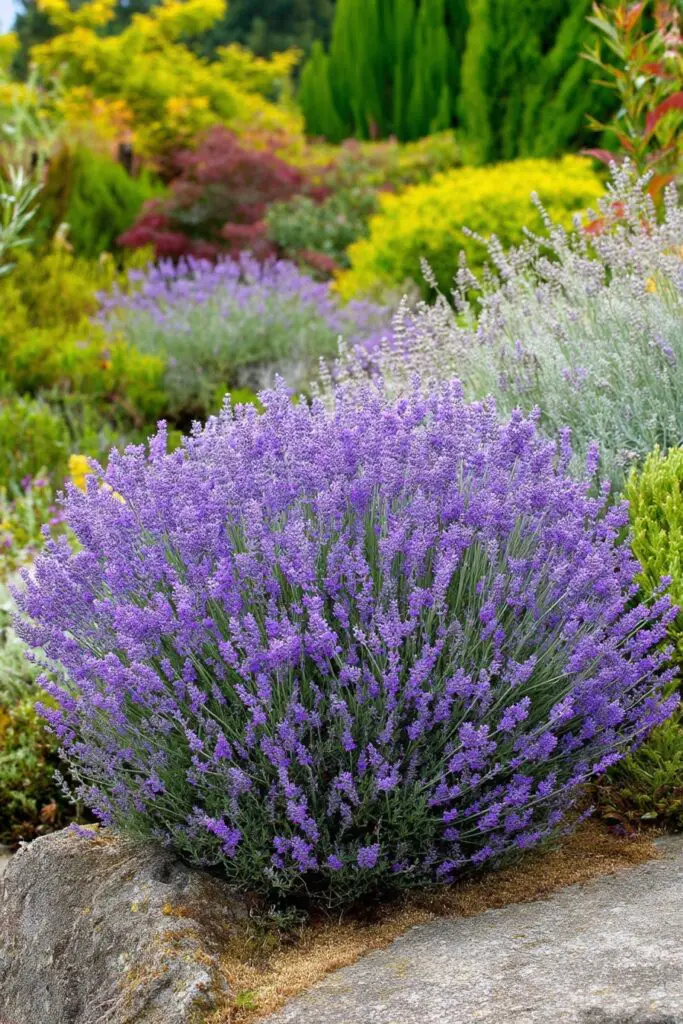
Few growing shrubs combine beauty, fragrance, and resilience like lavender. Technically a woody perennial, lavender behaves much like a low evergreen shrub, especially in warmer climates where it holds its silvery foliage year-round.
What makes lavender essential:
- Compact varieties like ‘Hidcote’ and ‘Munstead’ grow just 12–18 inches tall.
- Its purple flower spikes attract bees, butterflies, and beneficial insects.
- Aromatic leaves and blooms offer sensory appeal throughout the garden.
- Thrives in poor, well-drained soils and full sun—low maintenance and drought-tolerant.
Lavender works well in borders, containers, or as a fragrant low hedge. It’s especially suited to Mediterranean-style gardens or xeriscapes. If you’re focused on growing shrubs that blend form and function, lavender checks every box.
4. Winter Heathers
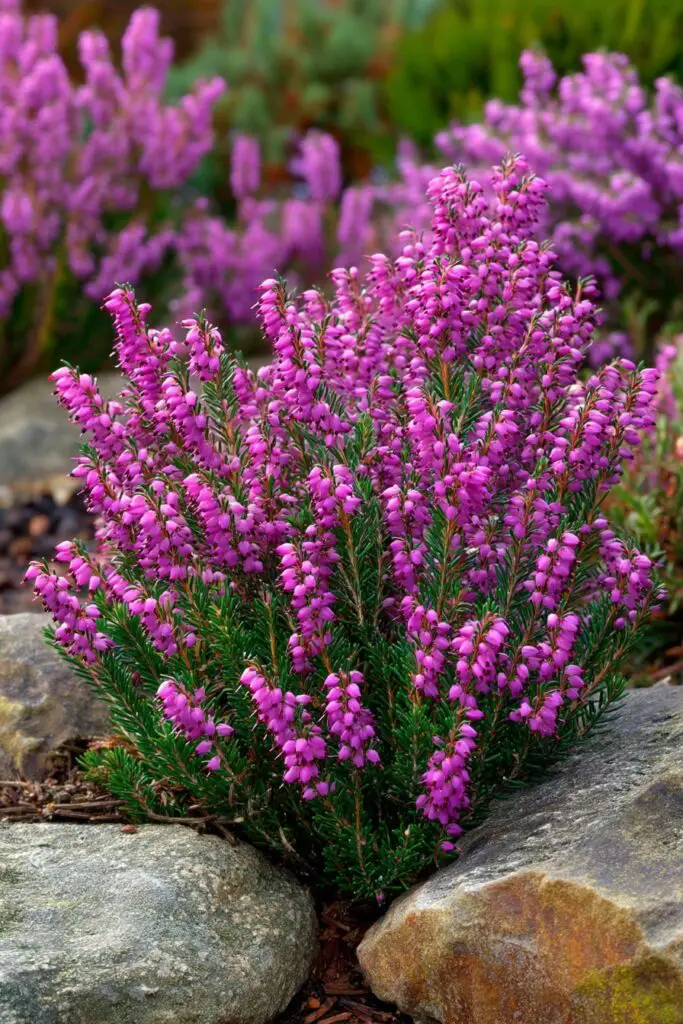
If you’re aiming to brighten the colder months while still growing shrubs that stay neat and manageable, winter heathers (Erica carnea varieties) are an excellent choice. These evergreens bring vibrant color when most other plants are dormant.
Why winter heathers are worth planting:
- Typically stay under 12 inches tall, forming a low, spreading mat.
- Bloom from late fall through early spring in pink, white, or purple.
- Their needle-like foliage adds texture and stays green all year.
- Thrive in acidic, well-drained soil and full sun.
Winter heathers are perfect for rock gardens, sloped beds, or the front of borders. When grouped together, they create a carpet of color during the dullest seasons. For gardeners interested in growing shrubs that perform in winter, these are a must-have.
5. Daphne
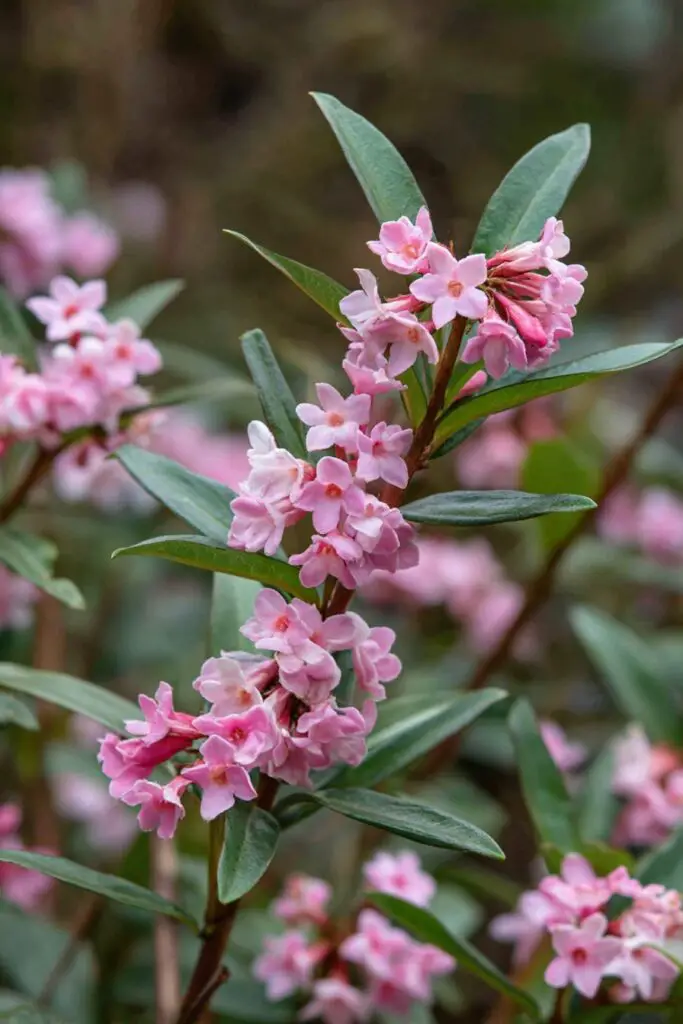
For gardeners who want to focus on growing shrubs that deliver powerful fragrance and evergreen beauty, daphne is a top pick. Despite its slow growth, this compact shrub rewards patience with stunning blooms and an intoxicating scent.
What makes daphne special:
- Most varieties grow to about 2–3 feet tall, perfect for small spaces.
- Produces clusters of highly fragrant pink or white flowers in late winter to spring.
- Evergreen or semi-evergreen foliage offers structure through all seasons.
- Prefers partial shade and well-drained, slightly acidic soil.
Daphne is best placed near paths or entrances where its fragrance can be appreciated. It pairs well with ferns, hellebores, or camellias in woodland-style gardens. If you’re committed to growing shrubs that combine form, scent, and subtle charm, daphne delivers on all fronts.
Final Thoughts on Growing Shrubs for Year-Round Beauty
Choosing the right low-growing evergreen shrubs can elevate your garden with lasting color, texture, and structure. These five selections—Hebe, Andromeda polifolia, Lavender, Winter Heathers, and Daphne—each bring their own strengths to the landscape. Whether you’re designing a front border, adding layers to a cottage garden, or creating winter interest, these shrubs are reliable, attractive, and easy to manage.
By focusing on growing shrubs that suit your climate, soil, and sunlight, you can build a resilient garden that thrives year-round with minimal effort.