
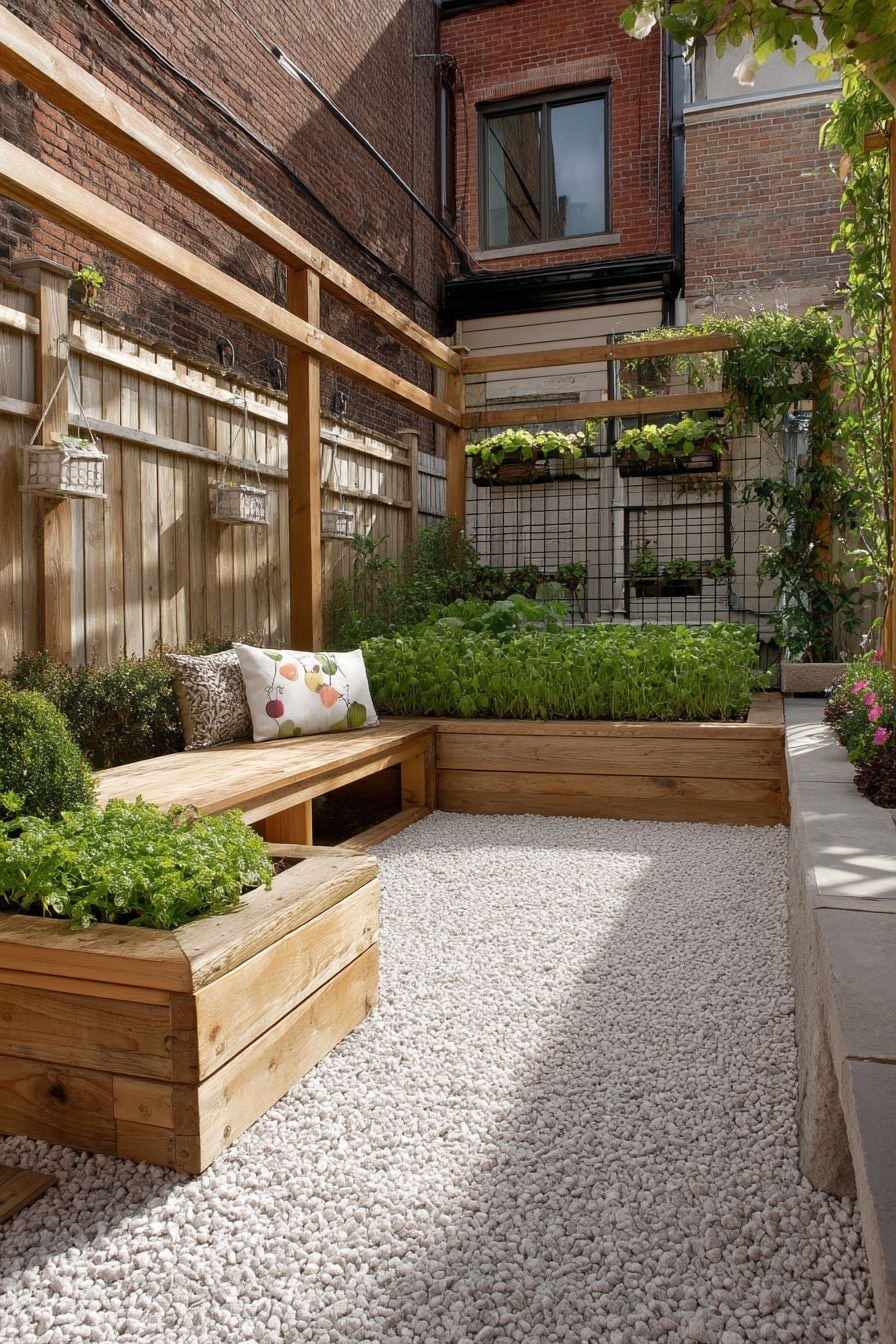
Garden ideas can seem limited when you’re working with a compact space, but small gardens offer huge potential when planned thoughtfully. With the right approach, even the tiniest yard, patio, or balcony can become a lush retreat. Whether you’re growing vegetables, creating a relaxing nook, or adding greenery to an urban setting, smart layout and design choices make all the difference. Drawing from expert advice and practical design principles, this guide outlines six effective ways to maximize beauty and function in your small garden—without sacrificing style or serenity.
Table of Contents
1. Use Vertical Space Wisely

When ground area is limited, vertical design becomes one of the most valuable garden ideas you can use. By thinking upward, you create more room for plants, storage, and visual interest.
Smart Vertical Strategies
- Install wall-mounted planters or trellises
- Use tall, narrow shelving units for pots and supplies
- Train climbing plants on fences or wire grids
This not only frees up floor space but also adds lush layers of greenery that draw the eye upward, making your garden feel larger and more dynamic.
2. Choose Multi-Functional Furniture
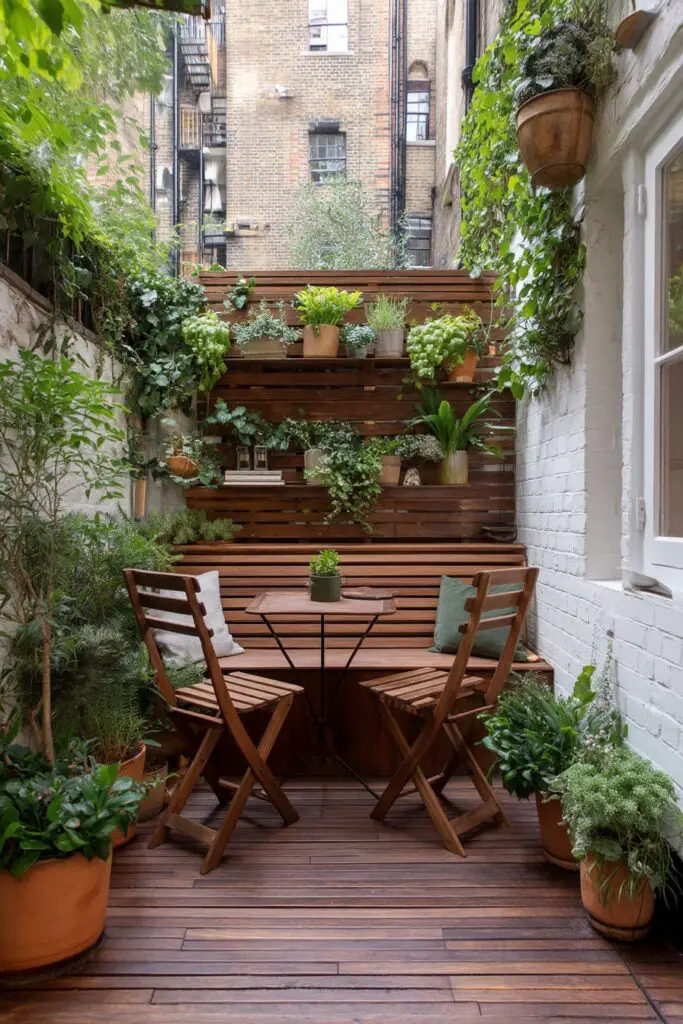
One of the most space-efficient garden ideas is selecting furniture that serves more than one purpose. In a small garden, every item should earn its place by offering both utility and comfort.
Functional Furniture Options
- Benches with hidden storage underneath
- Foldable tables and chairs for easy movement
- Built-in seating that doubles as planters
These pieces help reduce clutter while adding style, making your space feel organized and purposeful without sacrificing relaxation or aesthetics.
3. Stick to a Simple Color Palette
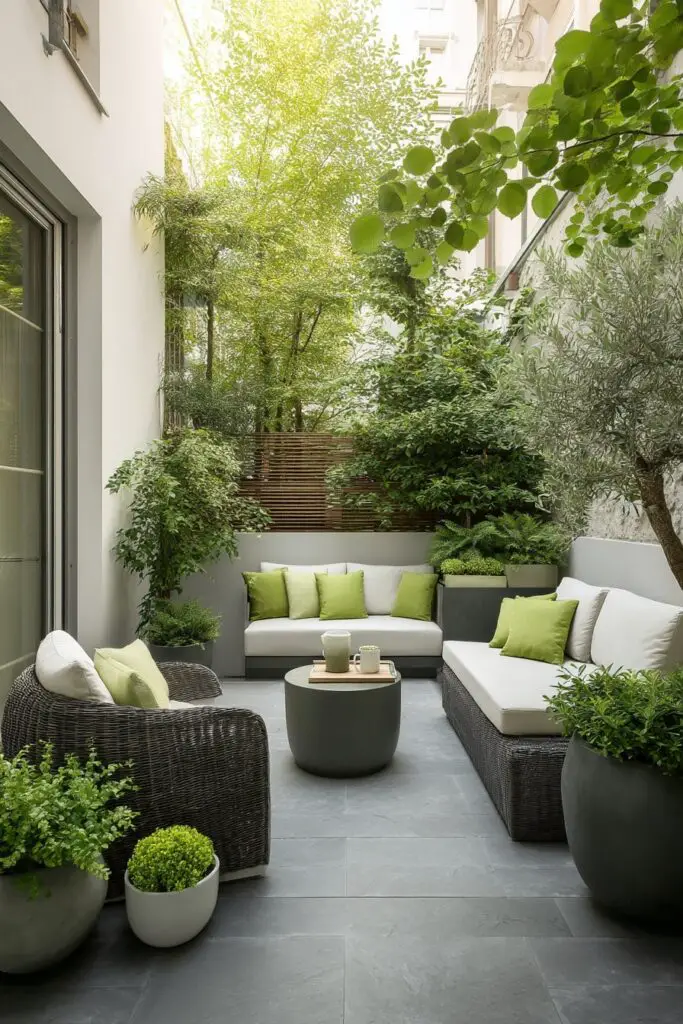
A streamlined color scheme is one of the most effective garden ideas for creating a cohesive, spacious feel. Too many contrasting elements can overwhelm a small space, while a limited palette brings harmony.
How to Choose Colors That Work
- Select 2–3 complementary shades for furniture, pots, and décor
- Use greenery as a consistent visual base
- Add a single accent color for vibrancy without clutter
A cohesive palette helps guide the eye through your garden, making it appear more organized, serene, and intentionally designed.
4. Create Defined Zones
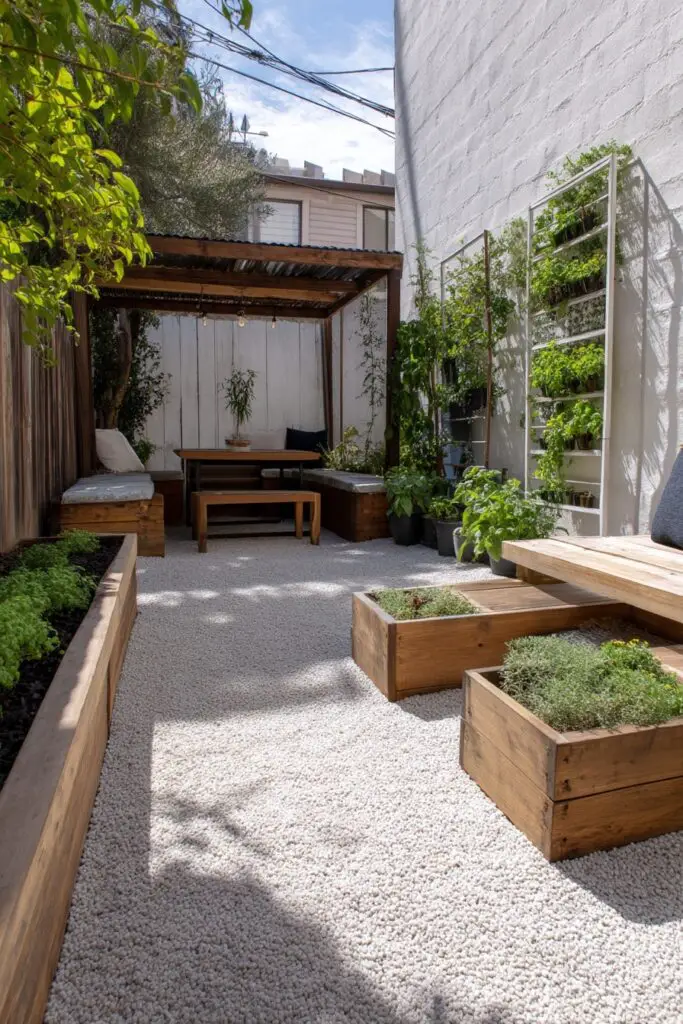
Dividing your small garden into clear zones gives it structure and makes the space feel larger than it is. Among the smartest garden ideas, this trick helps balance both form and function.
Zoning Ideas for Small Gardens
- A seating area with gravel or decking
- A narrow planting bed along a wall or fence
- A tucked-away corner for a vertical herb garden
Even in tight spaces, defining areas for specific uses brings intentionality and encourages better use of every square inch.
5. Use Mirrors to Expand the Space
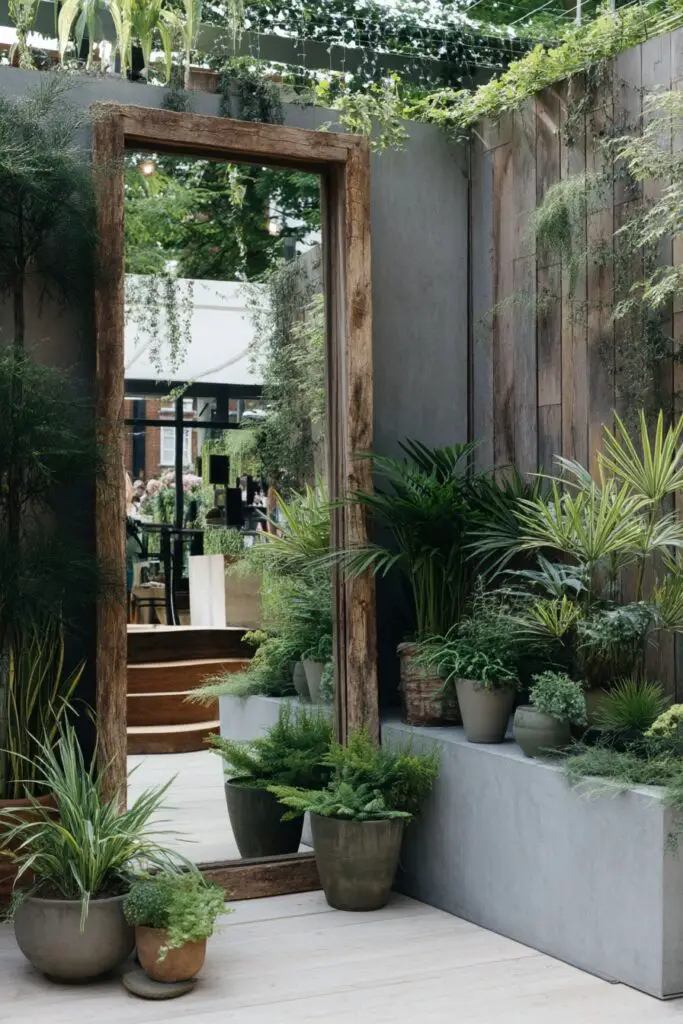
Incorporating mirrors is one of the cleverest visual garden ideas for small spaces. Just like in interior design, mirrors in a garden can reflect light, add depth, and create the illusion of a larger area.
Mirror Placement Tips
- Hang a mirror on a wall or fence to reflect plants or sky
- Use window-style mirrors for added charm
- Ensure mirrors are weatherproof and positioned safely
This simple trick can dramatically change the feel of your garden, making even the smallest corner feel open and full of life.
6. Choose Plants That Thrive in Small Spaces
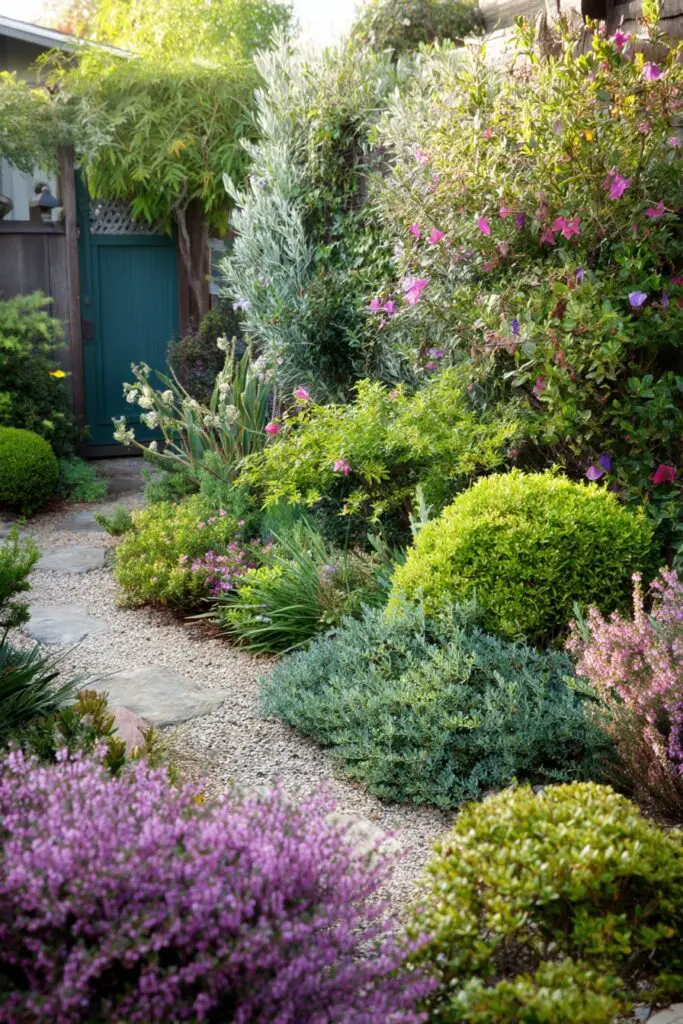
Selecting the right plants is essential for making the most of limited garden space. One of the most practical garden ideas is focusing on varieties that stay compact, grow vertically, or serve multiple purposes.
Plant Suggestions
- Dwarf shrubs or columnar trees for structure
- Herbs like thyme, basil, or chives for beauty and function
- Climbers like jasmine or clematis to save floor space
By choosing wisely, you’ll ensure your small garden remains manageable, vibrant, and flourishing throughout the seasons.
Conclusion
Small spaces don’t mean limited potential. With these thoughtful garden ideas, even the most compact outdoor areas can become lush, welcoming, and highly functional. From smart furniture choices to strategic planting and visual tricks, each tip brings your garden one step closer to its full potential. The key is to plan intentionally, keep things simple, and let every design decision work toward beauty and practicality.