
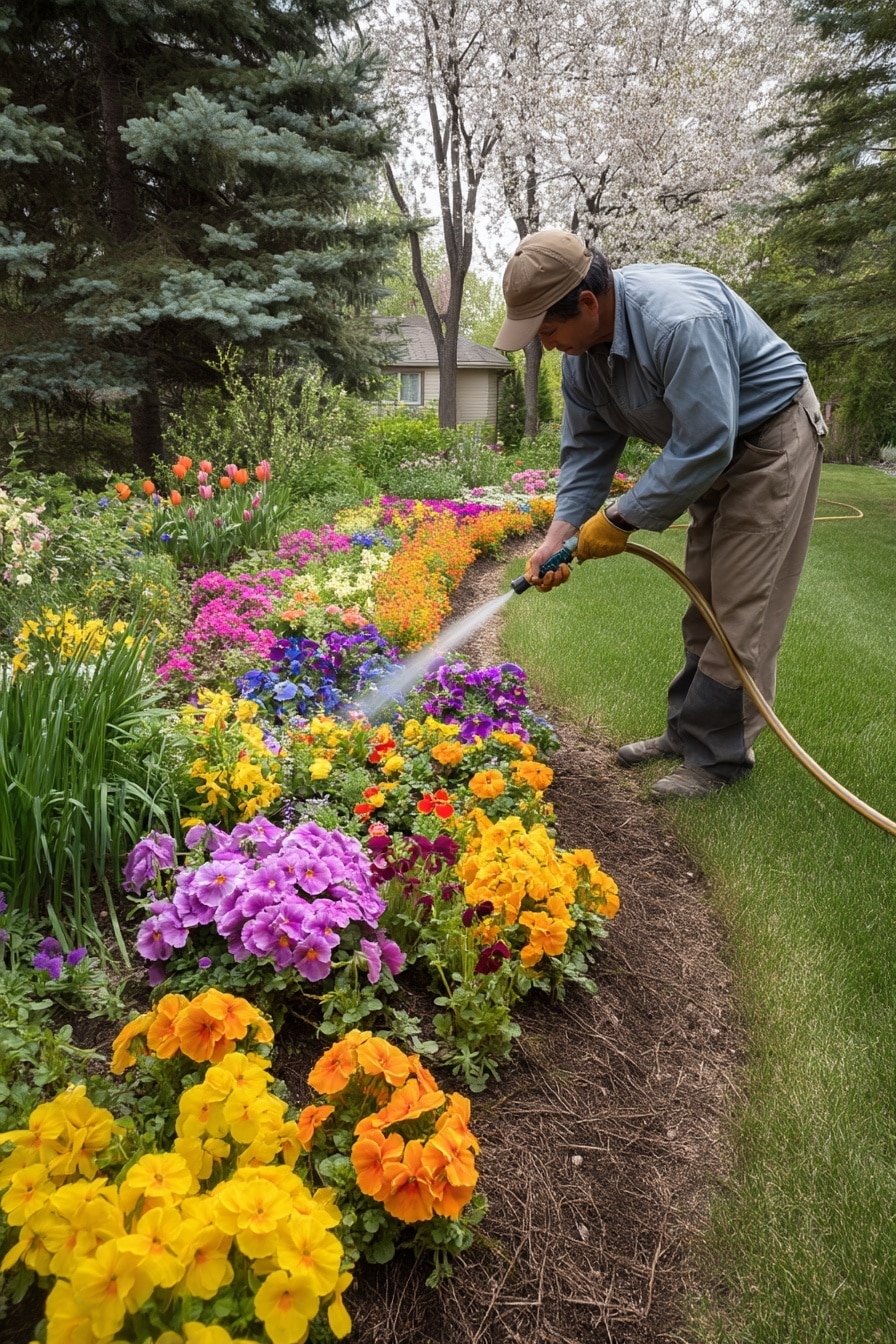
Flower garden design is one of the most rewarding ways to bring beauty and life into your outdoor space. Whether you’re working with a spacious backyard or a small front yard bed, starting a flower garden offers both visual joy and personal satisfaction. With just a few thoughtful steps, anyone—even beginners—can create a blooming space that reflects their taste and thrives through the seasons.
In this guide, you’ll learn how to plan, prepare, and plant your flower garden from the ground up. It’s all about making smart choices based on your climate, soil, and sunlight so your garden grows with ease and elegance.
Table of Contents
Step 1: Choose the Right Location and Flower Types

Starting a successful flower garden begins with finding the ideal spot. Most flowering plants need at least 6 hours of direct sunlight each day, so observe your yard at different times to identify sunny areas. Once you know your sun exposure, you can match it with flowers that thrive in those conditions.
Soil is just as important. Perform a simple soil test to understand its pH and nutrient levels. Most flowers prefer well-draining, slightly acidic to neutral soil. If your soil is too sandy or heavy with clay, amend it with compost or organic matter.
Next, decide what kind of flower garden you want—formal beds, wildflower patches, or layered borders. Then select flowers based on color, height, bloom time, and maintenance level. A mix of perennials and annuals ensures constant color and structure throughout the seasons.
Tips for Flower Selection:
- Full sun flowers: Coneflowers, zinnias, marigolds, salvias
- Partial shade flowers: Astilbe, impatiens, foxglove
- Low-maintenance picks: Black-eyed Susan, daylilies, sedum
- Pollinator-friendly options: Lavender, bee balm, cosmos
This foundational step ensures your flower garden will not only look stunning but thrive with minimal struggle.
Step 2: Prepare the Soil and Garden Bed
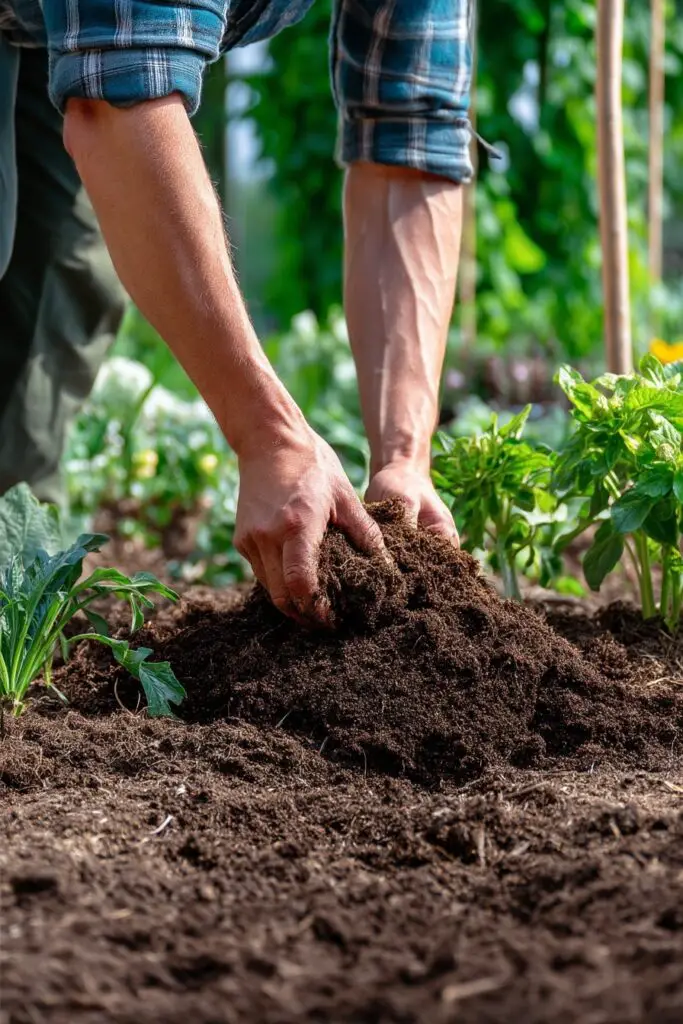
Once you’ve selected the perfect spot and your flower types, the next step in starting your flower garden is preparing the bed. Good soil preparation is the key to healthy blooms and vigorous plant growth.
Begin by clearing the area of weeds, rocks, and grass. You can use a shovel, hoe, or even a sod cutter for larger plots. Next, loosen the soil to a depth of 12 to 18 inches. This helps roots grow deeper and access water and nutrients more efficiently.
Add organic compost or aged manure to enrich the soil. This boosts drainage and introduces beneficial microorganisms. If you’re planting directly into heavy clay or sandy soil, mix in peat moss, compost, or shredded leaves to improve structure.
Soil Prep Checklist:
- Remove existing vegetation
- Loosen soil at least 12 inches deep
- Add compost or soil conditioner
- Level the area and remove large clumps
After soil prep, rake the surface smooth and plan your layout—taller plants toward the back, mid-height plants in the middle, and ground covers or low flowers up front. This layered approach creates depth and makes maintenance easier.
Step 3: Plant, Water, and Maintain Your Garden
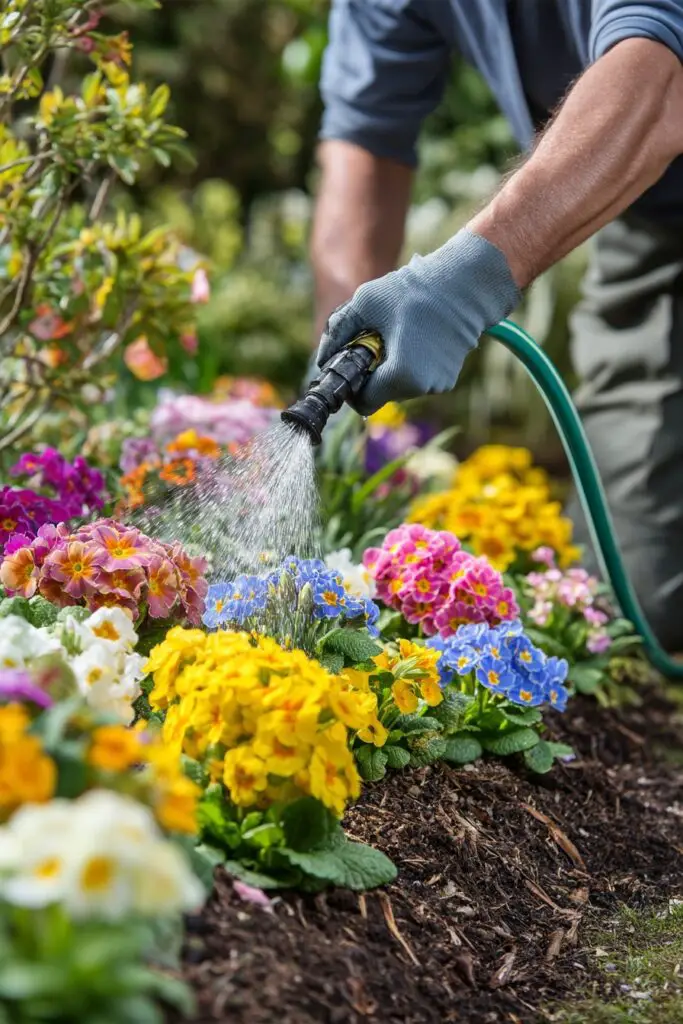
With your bed ready, it’s time to bring your flower garden to life. Begin planting according to each flower’s spacing and depth instructions. Grouping similar types together helps simplify watering and maintenance, while also creating visual harmony.
Water thoroughly after planting to help roots settle. In the early stages, keep the soil consistently moist but not soggy. Once your garden is established, reduce watering frequency and shift to a deeper, less frequent schedule to promote stronger root growth.
Apply mulch around your flowers to conserve moisture, reduce weeds, and regulate soil temperature. Organic mulch like bark chips or straw works well and breaks down over time to enrich your soil.
Ongoing Flower Garden Care:
- Deadhead spent blooms to encourage continued flowering
- Fertilize every few weeks during the growing season, based on flower type
- Weed regularly to reduce competition for nutrients
- Inspect for pests or disease and treat promptly if needed
With just a little care and attention, your flower garden will flourish season after season.
Conclusion
Creating a thriving flower garden doesn’t have to be complicated. By starting with the right location, preparing healthy soil, and giving your plants the attention they need, you can enjoy a garden bursting with color and life. Whether you’re growing perennials for long-term beauty or annuals for quick seasonal charm, these simple steps set you up for success.
Your garden will evolve with time, and as it does, so will your confidence. Don’t worry about perfection—just plant what you love and let nature do the rest.