
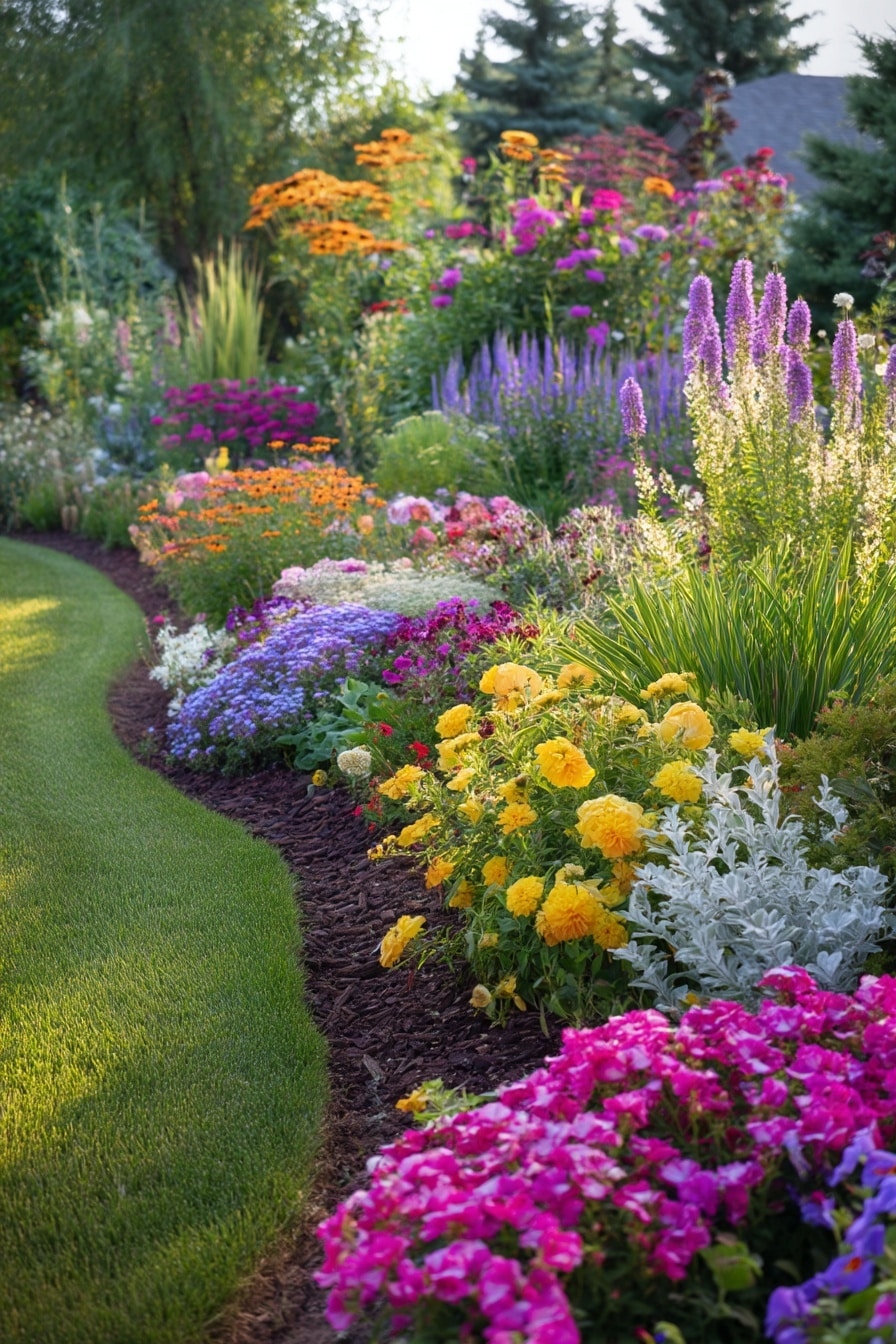
Perennial garden design is one of the most rewarding ways to bring enduring beauty to your outdoor space. Unlike annuals that bloom for just one season, perennials return year after year, creating a low-maintenance, colorful landscape that evolves with the seasons. Whether you’re new to gardening or an experienced green thumb, planning a thriving perennial garden requires attention to climate, soil, sunlight, and timing. By understanding these essentials, you’ll set your garden up for long-term success, with flowers that not only survive but flourish season after season.
Table of Contents
Know Your USDA Gardening Zone

Before planting a perennial garden, it’s crucial to understand your USDA Hardiness Zone. This zone map, created by the U.S. Department of Agriculture, divides the country into regions based on average annual minimum winter temperatures. Each perennial plant is labeled with the zones where it can thrive, so using this guide ensures you select species that will survive your local climate year after year.
- Why it matters: Perennials not suited to your zone may not survive the winter, leading to disappointment and wasted effort.
- Where to find your zone: Use the USDA’s interactive map online by entering your ZIP code. Most plant tags or nursery listings will include zone information.
- Microclimates: Keep in mind that certain areas of your yard might be warmer or cooler due to sun exposure, elevation, or wind protection. These microclimates can affect how well a plant performs.
Understanding your zone is the foundation of any successful perennial garden, helping ensure that your chosen plants will come back reliably each year.
Choose a Location for Your Perennial Garden
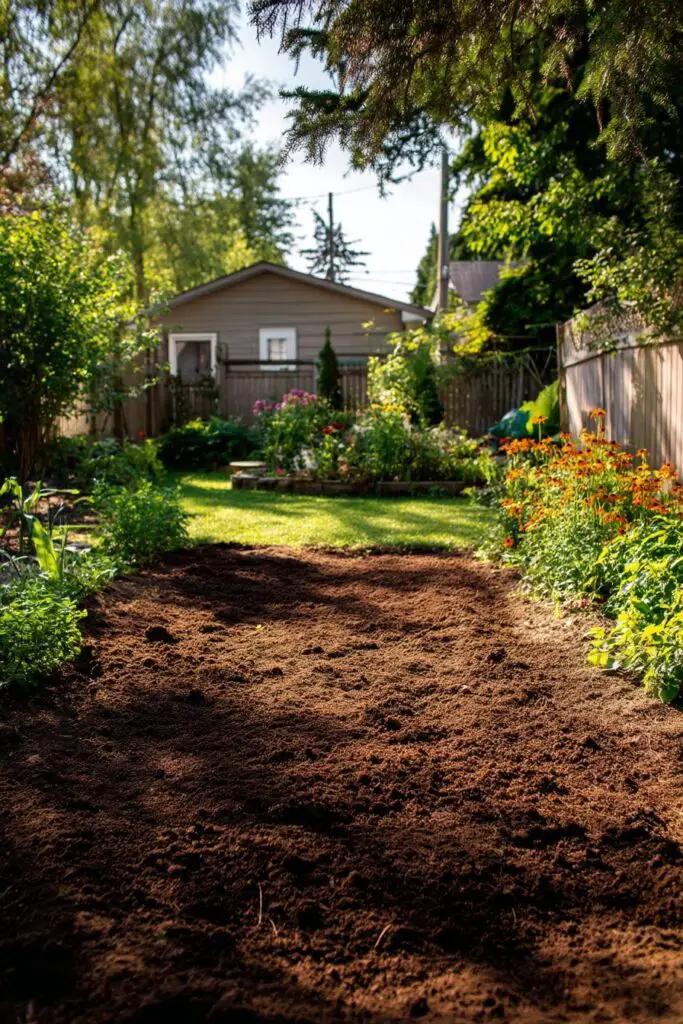
Selecting the right spot for your perennial garden can make the difference between a lush, flowering haven and a struggling patch of greenery. Sunlight, drainage, and visibility all factor into choosing the best location.
- Sunlight needs: Most perennials prefer full sun—at least six hours a day. However, some thrive in partial shade or filtered light. Observe your yard throughout the day to identify sunny and shaded spots.
- Drainage: Avoid areas where water tends to collect after rain. Perennials need well-draining soil to prevent root rot. Slightly elevated beds or slopes are often ideal.
- Visibility and access: Choose a spot where your garden can be enjoyed—near a window, patio, or walkway. Easy access also makes maintenance simpler.
- Design considerations: Think about how the garden will complement your home’s architecture, existing landscape, or other garden features like fences or arbors.
Placing your perennial garden in the right location sets the stage for healthy growth and visual impact year after year.
When to Plant Perennials
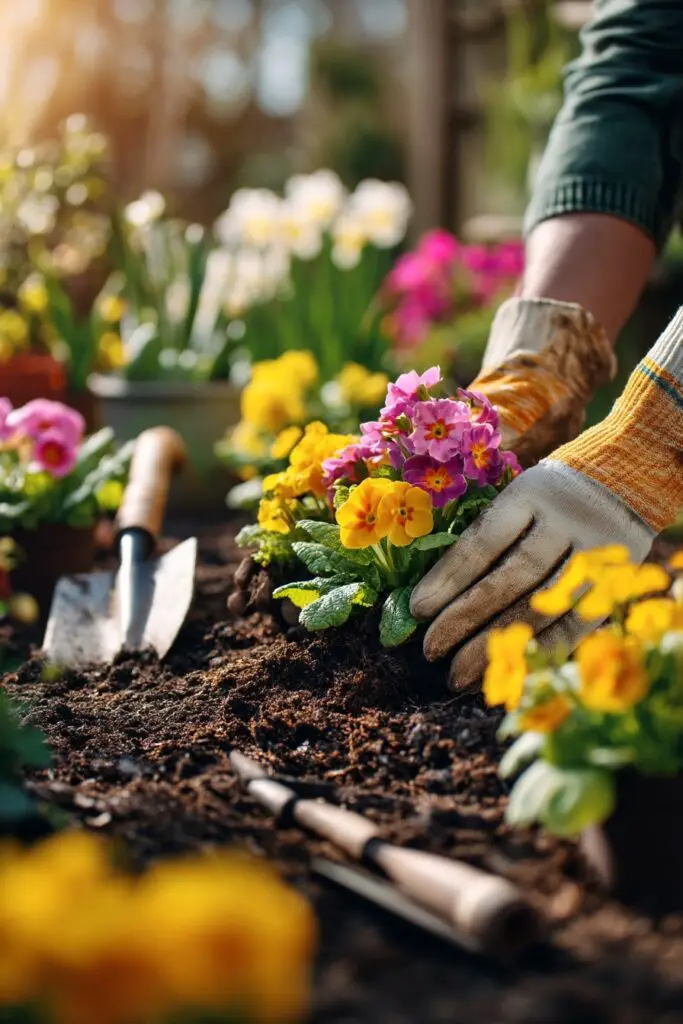
Timing is key to getting your perennial garden off to a healthy start. While perennials are known for their long-term resilience, planting them at the right time of year helps them establish strong roots and adapt to their environment.
- Spring planting: This is the most common time to plant perennials. The soil is warming up, and young plants have a full growing season ahead to establish themselves before winter. Aim for after your last frost date.
- Fall planting: Early autumn can also be a good time, especially in warmer zones. The cooler temperatures reduce stress, and the soil is still warm enough to promote root growth. Make sure to plant at least 6 weeks before the first expected frost.
- Avoid summer heat: Planting in the peak of summer can shock new perennials due to high heat and dryness. If you must plant then, be prepared to water frequently and provide shade if needed.
- Bare root vs. potted: Bare root perennials should be planted early spring or late fall. Potted plants are more forgiving and can be planted through spring and early summer with proper care.
How to Plant Perennials
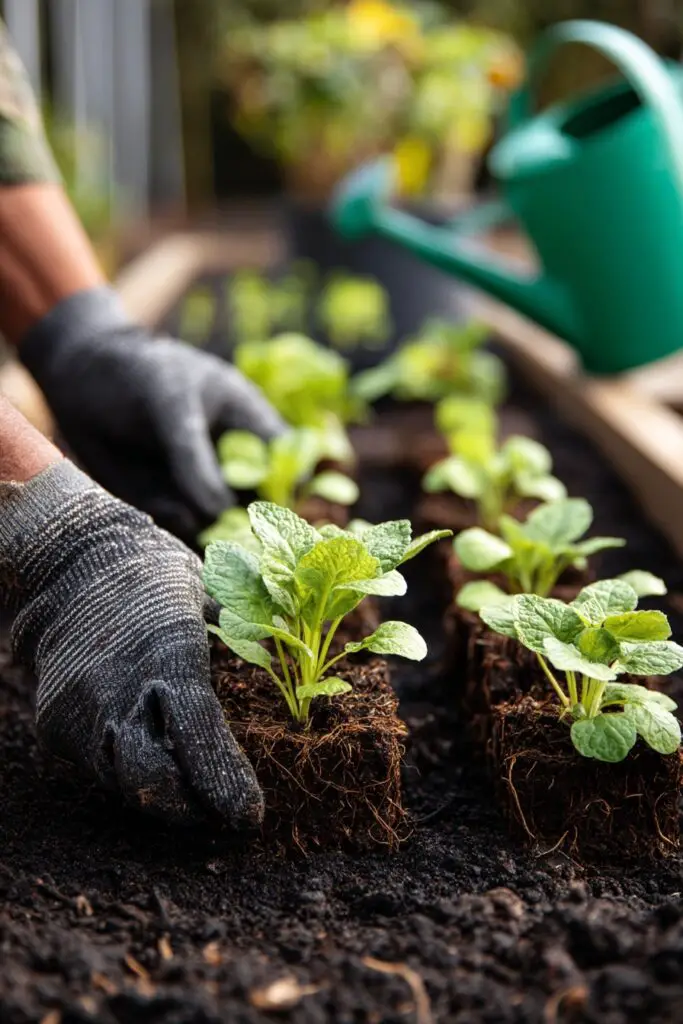
Planting your perennial garden correctly ensures your plants establish quickly and thrive for seasons to come. Taking a few extra steps at the beginning can lead to healthier roots, better blooms, and less maintenance over time.
- Prep the soil: Start by clearing weeds and loosening the soil to a depth of 12–15 inches. Mix in compost or organic matter to improve drainage and enrich nutrients.
- Spacing matters: Don’t overcrowd. Even small starter plants will spread as they mature. Check plant tags for spacing requirements and give each one room to grow.
- Dig proper holes: Each hole should be twice as wide as the plant’s root ball and just deep enough that the top of the root ball is level with the soil surface.
- Handle with care: Gently loosen roots if they’re tightly bound from the pot. Avoid pulling from the stems, as this can damage the plant.
- Water thoroughly: After planting, soak the area well to settle the soil and eliminate air pockets. Continue to water consistently during the first few weeks as roots establish.
- Mulch for protection: Apply 2–3 inches of mulch around the base of the plants to retain moisture, regulate soil temperature, and suppress weeds. Keep mulch a few inches away from the plant stems to prevent rot.
How to Care for Perennials
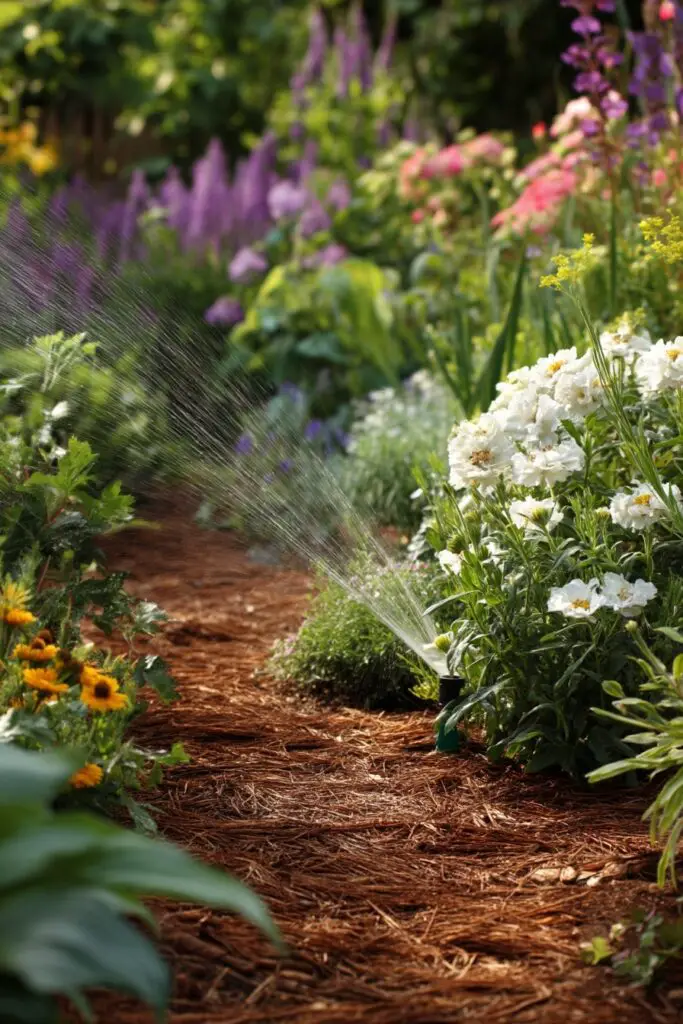
Once planted, a perennial garden doesn’t require constant attention, but regular care is essential to keep it flourishing year after year. Knowing what your plants need—and when—helps ensure long-term health and vibrant blooms.
Light
- Most perennials thrive in full sun, but always check each plant’s individual needs.
- Shade-loving varieties like hostas or ferns prefer dappled or morning light only.
- Adjust plant placement or add companion plants if sun exposure changes over time.
Soil
- Healthy soil is the backbone of a successful garden.
- Test your soil pH if you’re unsure—most perennials prefer a slightly acidic to neutral range (6.0–7.0).
- Improve poor soil by adding compost, aged manure, or organic amendments each season.
Water
- Water deeply but less frequently to encourage deep root growth.
- Early morning watering helps reduce evaporation and fungal issues.
- During dry periods, pay close attention—especially in the first year after planting.
Fertilizer
- Avoid overfeeding, which can lead to excessive foliage at the expense of flowers.
- Use a balanced, slow-release fertilizer in early spring, and again mid-season if needed.
- Some low-maintenance perennials may not need fertilizing at all once established.
Mulch
- Reapply mulch each spring to retain moisture, suppress weeds, and protect roots from temperature swings.
- Organic mulches like shredded bark, leaf mold, or straw also enrich the soil as they break down.
Caring for a perennial garden is mostly about consistent, seasonal attention. With the right light, soil, and watering practices, your plants will reward you with years of beautiful growth.
How to Prune and Deadhead Perennials
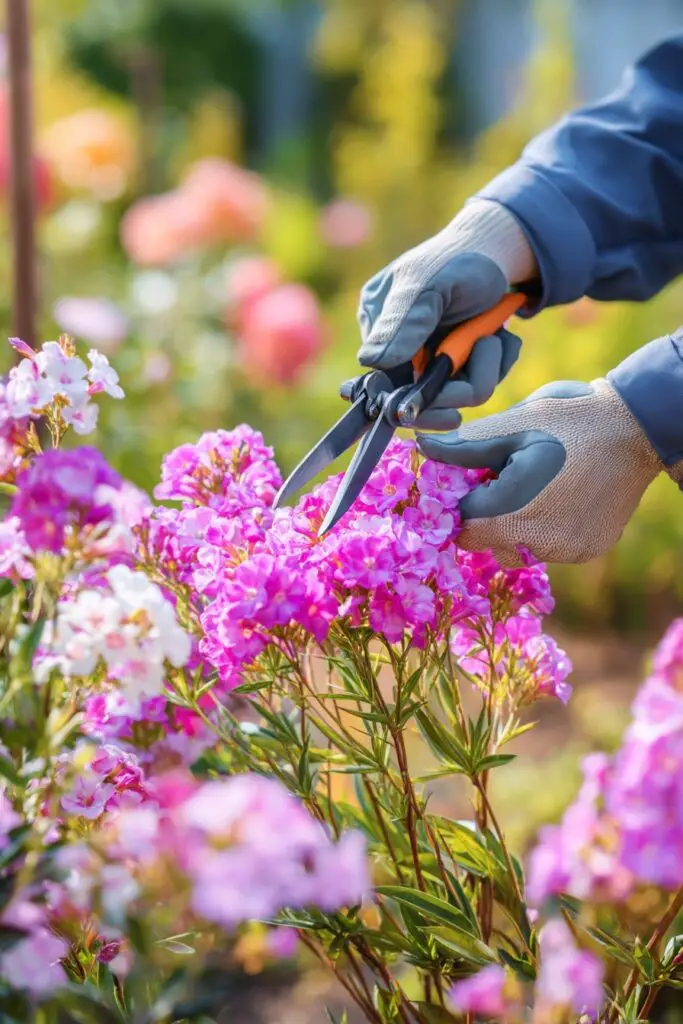
Regular pruning and deadheading keep your perennial garden looking fresh and encourage prolonged blooming. These simple maintenance tasks also promote healthy growth and prevent disease.
Deadheading
- What it is: Removing spent flowers before they go to seed.
- Why it matters: Encourages plants to redirect energy into producing more blooms rather than seed production.
- How to do it: Use sharp garden scissors or your fingers to snip faded blooms just above the next set of healthy leaves or buds.
- Best candidates: Coneflowers, salvia, coreopsis, and geraniums all benefit from regular deadheading.
Pruning
- Seasonal care:
- In spring, cut back dead stems left over from winter once new growth appears.
- Mid-season pruning helps shape leggy plants or reinvigorates late bloomers.
- In fall, trim back only as needed—some perennials prefer leaving foliage for winter protection.
- Tools: Use clean, sharp pruners to avoid damaging stems and spreading disease.
- Divide as needed: Every few years, divide overcrowded clumps in early spring or fall to rejuvenate plants and control spread.
Proper pruning and deadheading routines ensure your perennial garden remains tidy, full of color, and performing at its best throughout the growing season.
Conclusion
Creating and maintaining a thriving perennial garden is a fulfilling journey that rewards you with beautiful blooms season after season. By choosing the right location, planting at the optimal time, and understanding the care your plants need—from sunlight to soil and seasonal pruning—you build a sustainable landscape that grows better year after year. With a little planning and ongoing attention, your perennial garden will become a lasting feature of your outdoor space, bursting with life and color.