
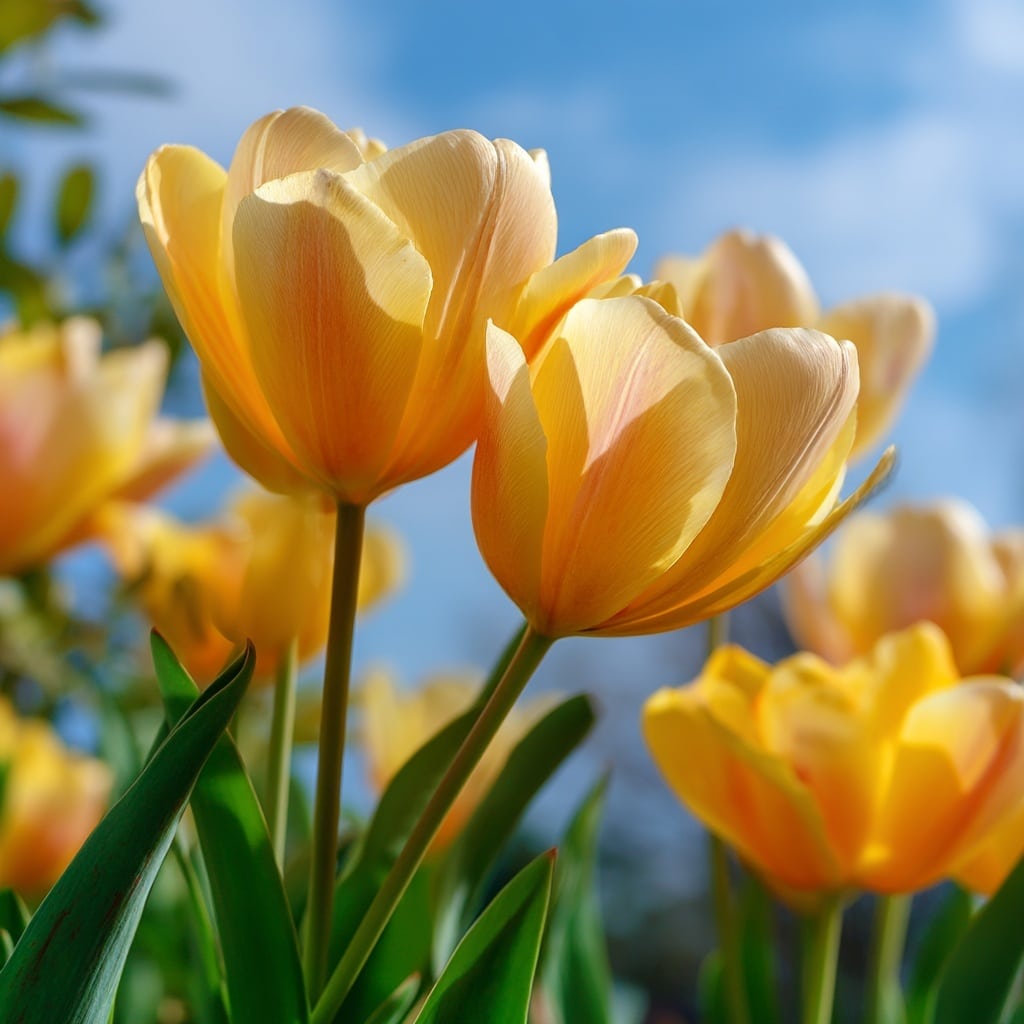
Yellow tulips bring a burst of sunshine to spring gardens with their bold, cheerful blooms. As one of the most recognizable perennial flowers, yellow tulips are loved for their vibrant color, graceful shape, and reliable return year after year. Whether you’re planting them in garden beds, borders, or containers, these spring-flowering bulbs add warmth and brightness just when winter begins to fade.
In this guide, we’ll walk through everything you need to know about growing, caring for, and enjoying yellow tulips—from choosing the right variety to planting tips, sunlight needs, and more. If you’ve ever wanted to bring golden beauty into your landscape, yellow tulips are the perfect place to start.
Table of Contents
1. What Is a Yellow Tulip?

Yellow tulips are a classic variety of Tulipa—a genus of spring-blooming bulbs native to parts of Europe, Asia, and the Middle East. They are known for their vivid yellow petals, which symbolize happiness, friendship, and hope. Often referred to as the “bride of spring,” yellow tulips are among the first flowers to bloom after winter, making them a seasonal favorite.
These tulips come in a range of shades, from pale buttery tones to rich golden hues. Some varieties even feature hints of orange or red, depending on the cultivar. Their iconic cup-shaped blooms sit atop long, sturdy stems, making yellow tulips excellent for both garden displays and cut flower arrangements.
2. How Do You Take Care of Yellow Tulips?
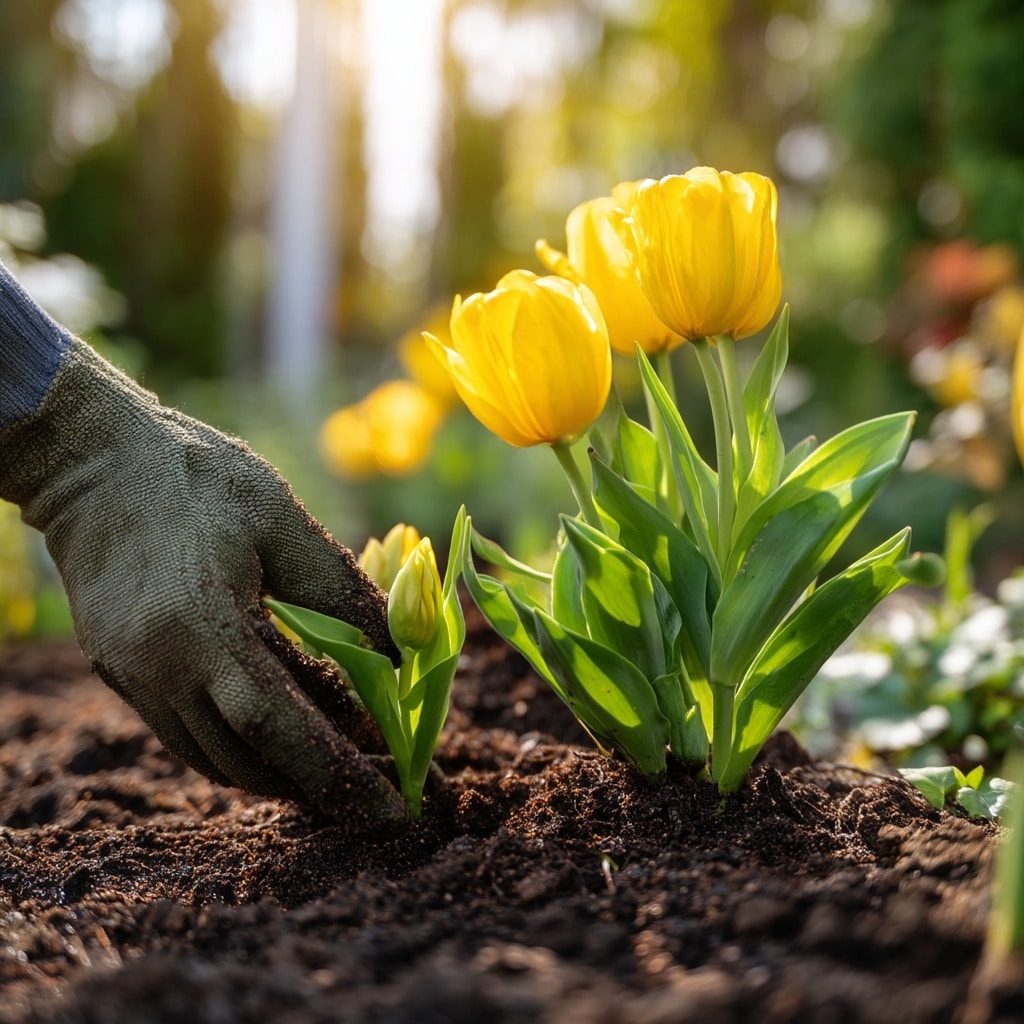
Caring for yellow tulips is straightforward, especially when you start with the right conditions. These bulbs thrive in well-drained soil and need a spot with full sun—at least 6 hours of direct light daily. To ensure a strong spring bloom, plant the bulbs in the fall, about 6 to 8 inches deep and spaced a few inches apart.
Once planted, water thoroughly to help the bulbs establish roots before winter. During the growing season, avoid overwatering, as soggy soil can lead to rot. After blooming, allow the leaves to yellow and wither naturally—this helps store energy in the bulb for next year.
With basic care and patience, yellow tulips will return each spring, stronger and brighter.
3. How Much Sunlight Can a Yellow Tulip Take?
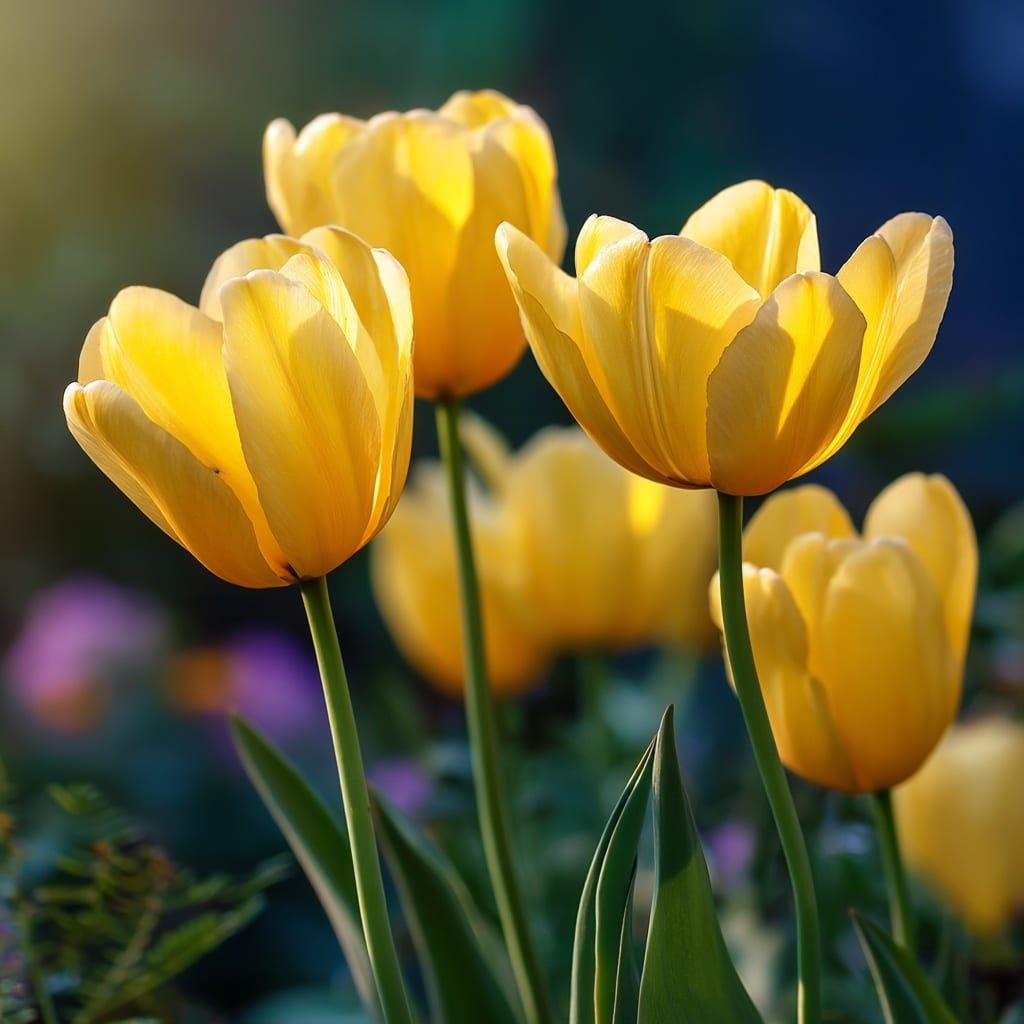
Yellow tulips love the sun, but like most spring bulbs, they perform best with a balance of light and temperature. Ideally, they need at least 6 hours of direct sunlight each day. This light fuels their growth, strengthens stems, and promotes large, vibrant blooms.
While they can tolerate up to 12 hours of sunlight, extremely intense or hot sun—especially in warmer climates—may shorten their bloom period. In areas with strong afternoon sun, it’s helpful to plant them where they’ll receive morning light and partial afternoon shade.
Too little light, on the other hand, leads to weak stems and smaller flowers. To get the best from your yellow tulips, aim for a spot that offers full sun during the cooler part of the day.
4. Do Yellow Tulips Come Back Every Year?
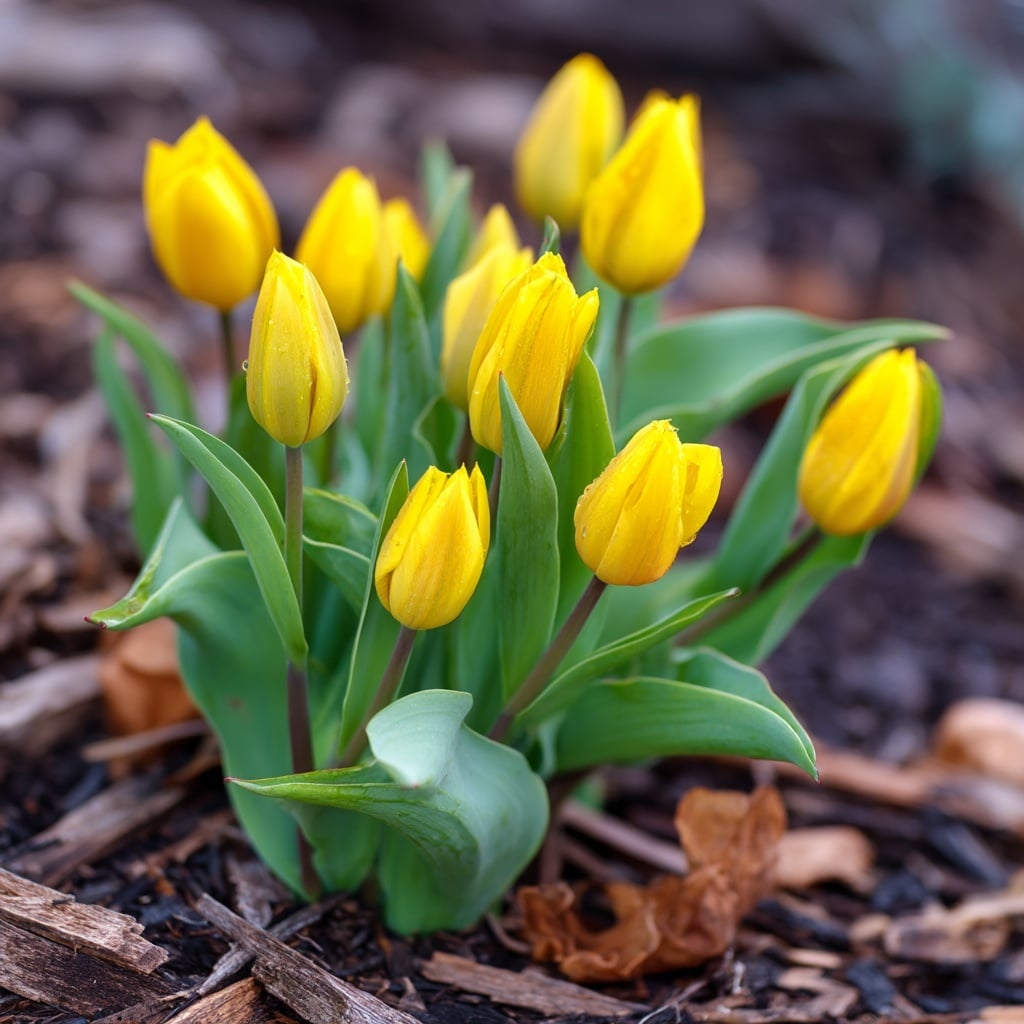
Yes, yellow tulips are perennials, which means they can come back each spring from the same bulbs you plant in the fall. However, their return depends on how well they’re cared for and the conditions in your garden.
In ideal climates—Zones 3 to 8—yellow tulips often naturalize, meaning they multiply and return stronger over time. After the flowers fade, it’s important to leave the foliage in place until it dies back naturally. This allows the bulb to absorb energy and store it for the next bloom cycle.
Over time, some gardeners find tulips bloom less vigorously. If that happens, it may help to lift and divide the bulbs every few years to refresh their growth.
With the right conditions, your yellow tulips will return reliably each spring.
5. What Does a Yellow Tulip Look Like?
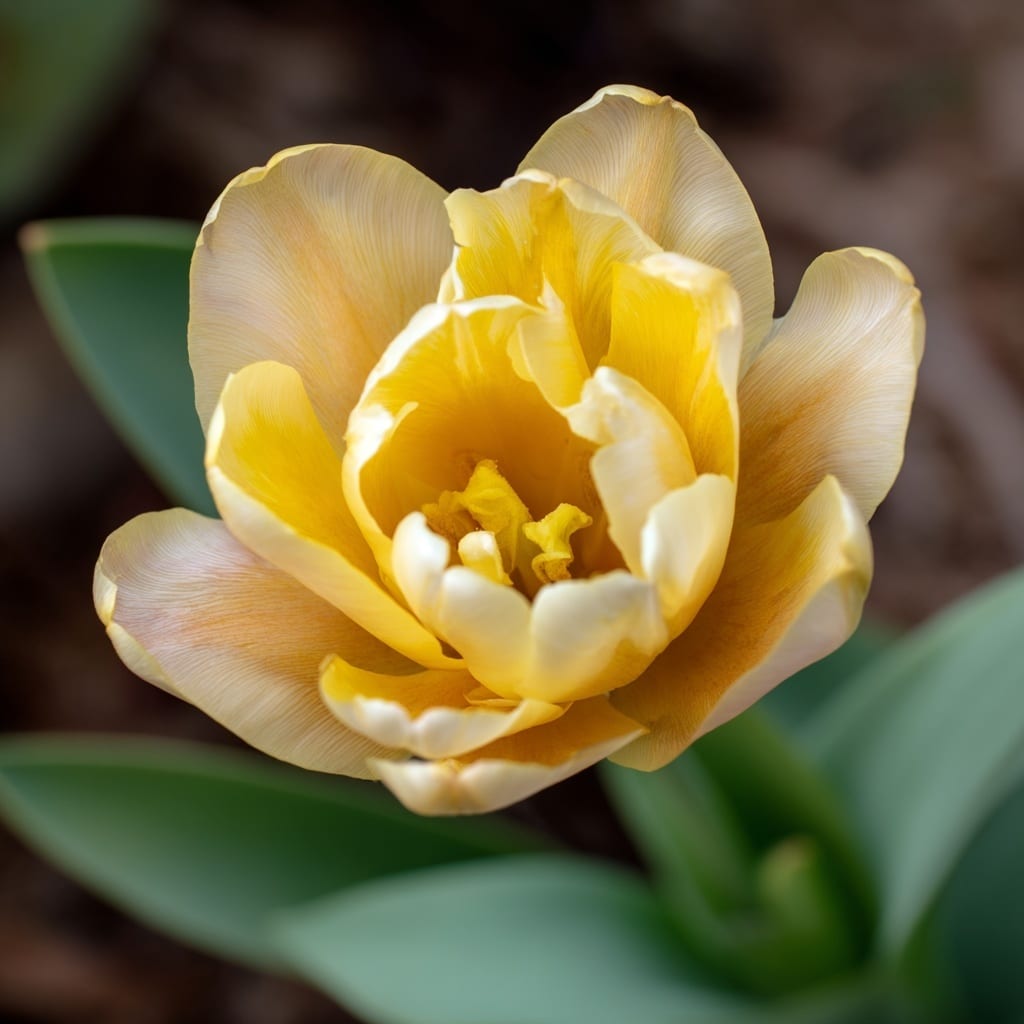
Yellow tulips are known for their elegant, upright blooms that resemble a cup or goblet. Each flower typically has six petals (not four, as sometimes misquoted), arranged symmetrically with smooth, pointed tips. The petals may be solid yellow or feature subtle gradients of gold, buttercream, or even orange undertones, depending on the variety.
When viewed from above, yellow tulips often have a luminous quality—especially in bright sunlight—making them stand out in any garden. The centers may be a slightly darker hue or marked with black or brown stamens, giving the bloom extra depth and contrast.
Their slender green stems usually grow between 12 and 24 inches tall, making them ideal for borders, beds, and vases alike. The overall look is fresh, clean, and full of spring charm.
6. Where Does the Yellow Tulip Grow?
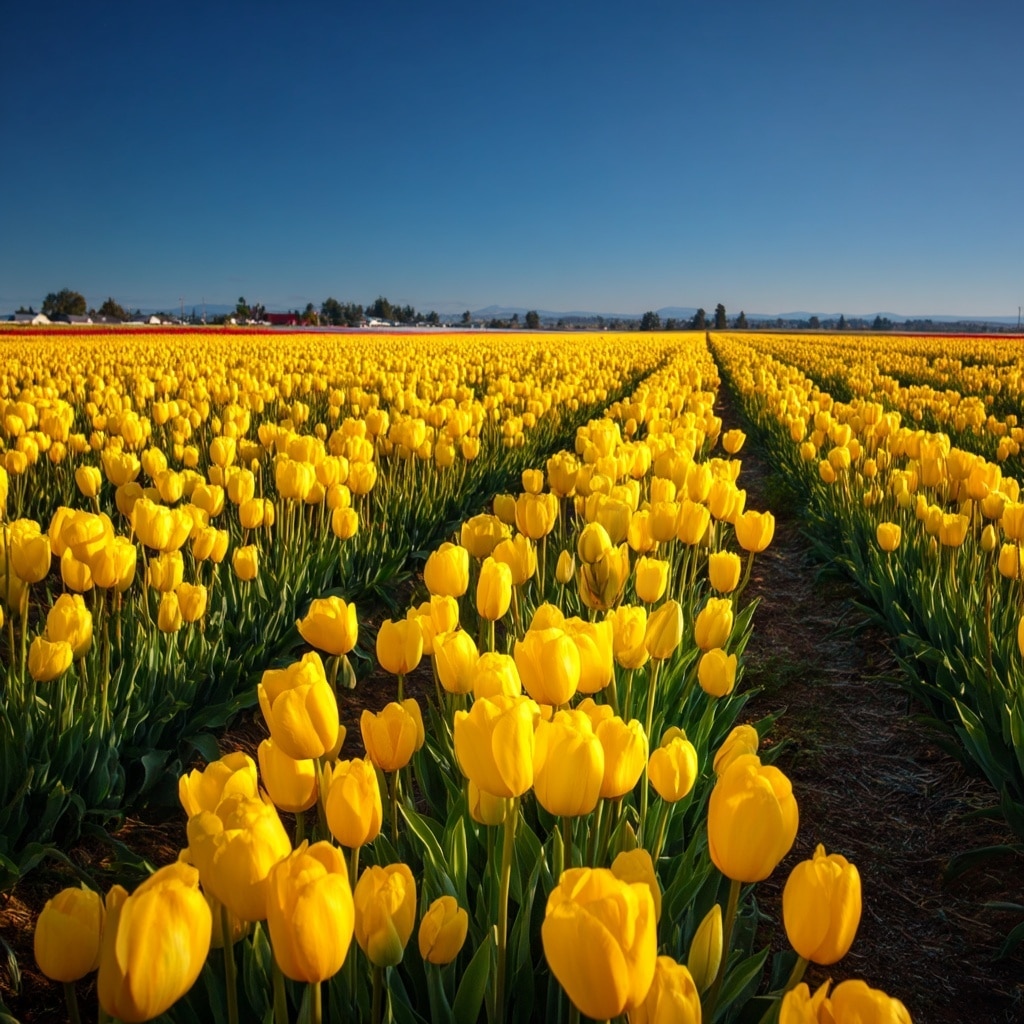
Yellow tulips grow best in USDA Hardiness Zones 3 through 8, where winters are cold enough to provide the chilling period their bulbs need. These climates allow tulips to go dormant after blooming, storing energy for the next season.
They thrive in regions with cool to cold winters and moderate spring temperatures. Yellow tulips are especially popular in areas with a defined seasonal cycle, as they need that winter chill to bloom properly in spring.
In warmer zones, such as Zone 9 and beyond, yellow tulips may need to be treated as annuals or pre-chilled before planting. In northern climates, they often come back reliably year after year, especially when planted in the right soil and sunlight.
With the right care, yellow tulips can adapt to many gardens across the country.
7. What Are the Environments in Which Yellow Tulips Grow?
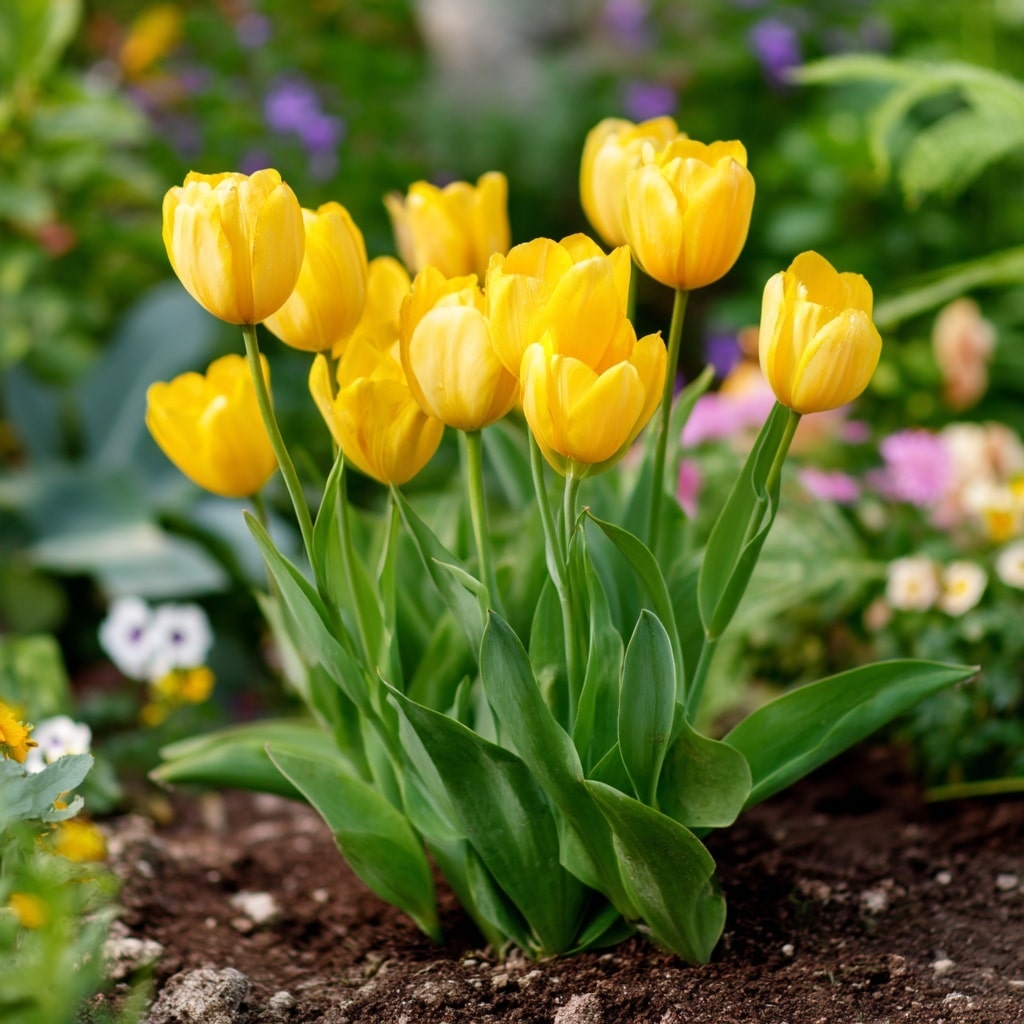
Yellow tulips flourish in environments that offer a balance of sunlight, drainage, and fertile soil. They prefer locations with full sun exposure but can tolerate partial shade, especially in warmer regions where intense heat may shorten bloom time.
The ideal growing environment features rich, loose, well-drained soil—tulips don’t like to sit in soggy ground, which can cause bulb rot. Slightly sandy or loamy soils with good aeration are perfect. Adding compost or organic matter improves both fertility and drainage.
These flowers also do well in raised beds, containers, and garden borders. Planting on a gentle slope or in elevated areas helps with water runoff and reduces fungal risk.
As long as their basic needs are met, yellow tulips adapt well to a wide range of garden settings.
8. Are Yellow Tulips Toxic?
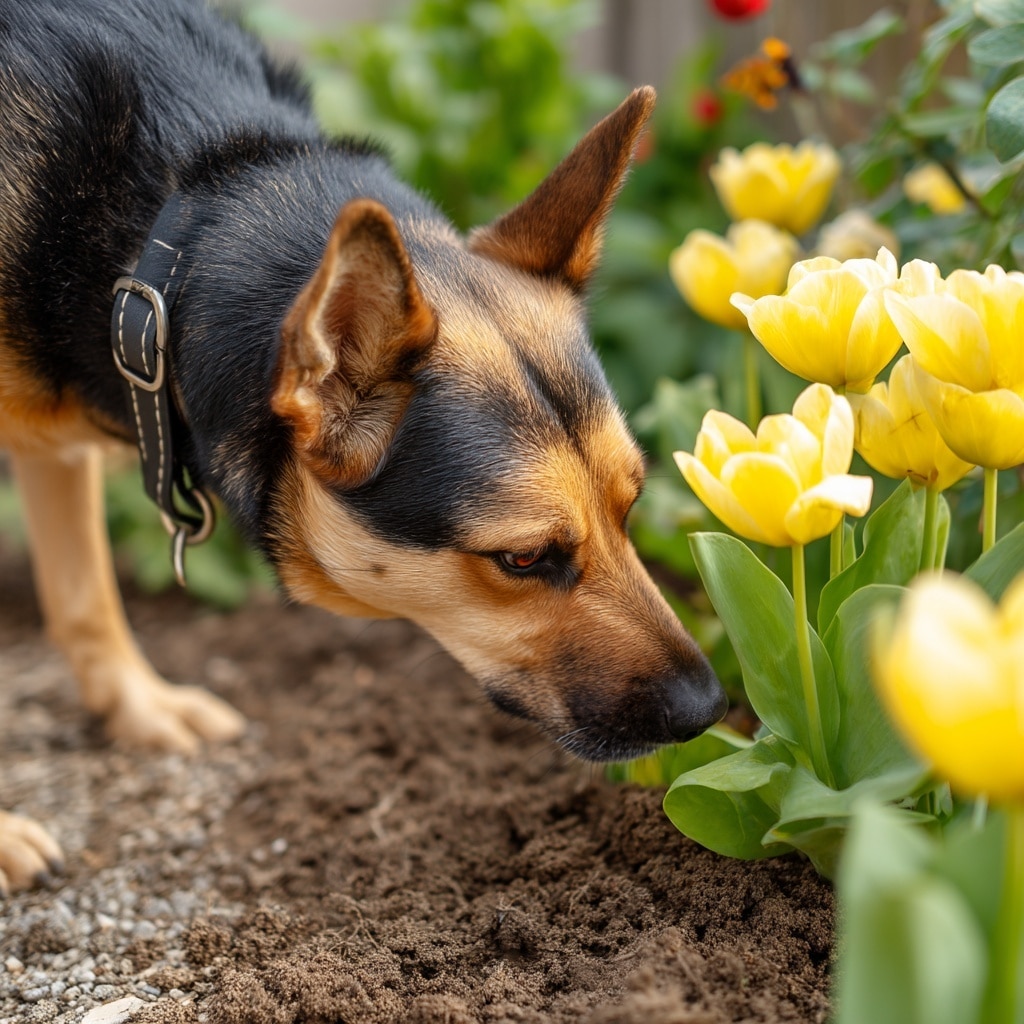
While yellow tulips are a joyful addition to any garden, it’s important to know that they are mildly toxic to both humans and animals—particularly pets like cats, dogs, and horses.
The toxicity comes mainly from the tulipalin compounds found in the bulb. Ingesting parts of the bulb can cause nausea, vomiting, drooling, or irritation in pets and humans. Skin contact may also cause mild dermatitis in sensitive individuals, especially when handling bulbs during planting.
However, the risk is generally low unless bulbs are consumed in large quantities. Most animals instinctively avoid tulip bulbs, but precautions—like fencing off garden beds or using raised containers—can help keep curious pets away.
When handled properly, yellow tulips are safe and non-toxic in everyday garden use and admired for their beauty without worry.
9. How Do You Grow a Yellow Tulip?
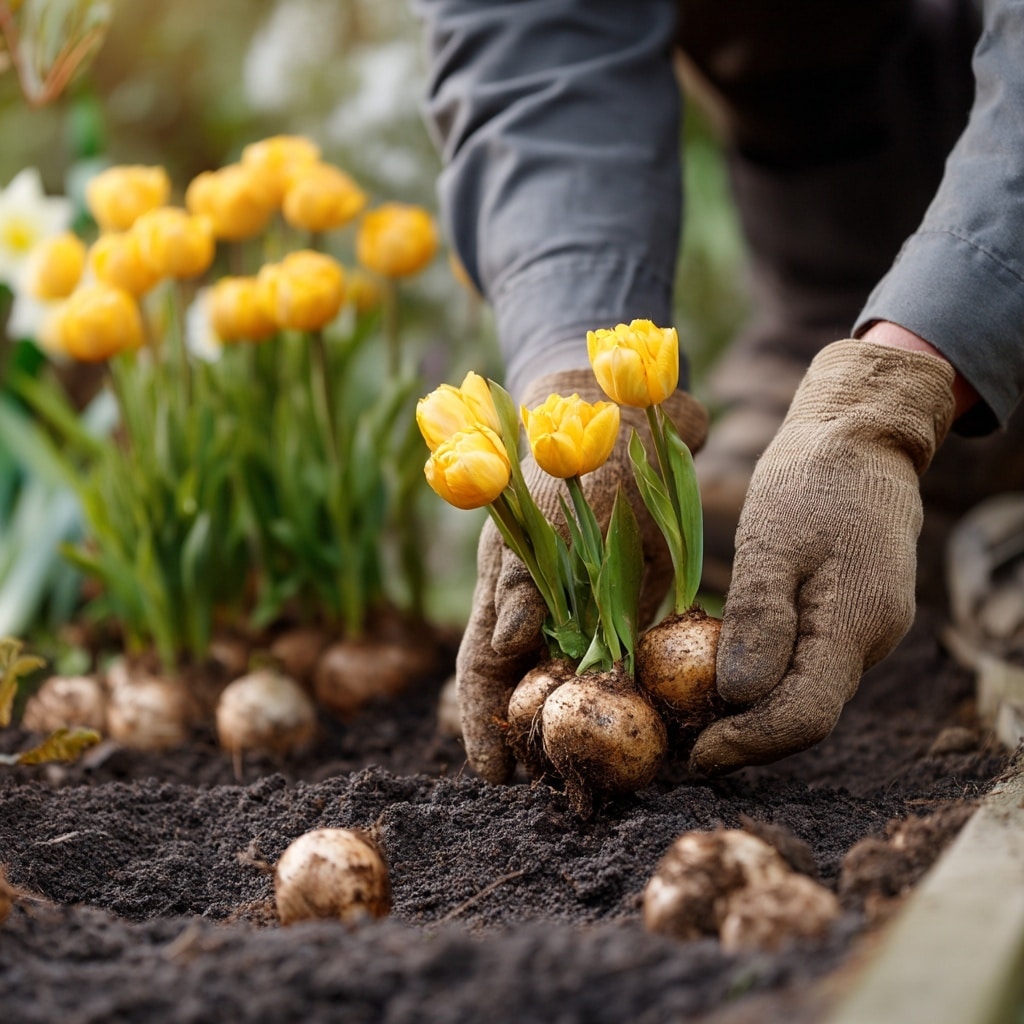
Growing yellow tulips starts with selecting healthy, firm bulbs in the fall—usually September through November, depending on your climate. Choose bulbs that are free from soft spots or mold, as these are signs of rot.
Plant bulbs 6 to 8 inches deep and about 4 to 6 inches apart, with the pointed end facing up. Make sure the soil is well-draining and enriched with compost or organic matter. Water thoroughly after planting to help the bulbs settle and begin root growth.
Avoid watering frequently after that—yellow tulips prefer a cool, dry dormancy over winter. In early spring, they’ll push through the soil and bloom without much fuss.
Whether you’re filling a garden bed or a container, planting yellow tulips correctly sets you up for a stunning spring display.
10. How Do You Care for Yellow Tulips?
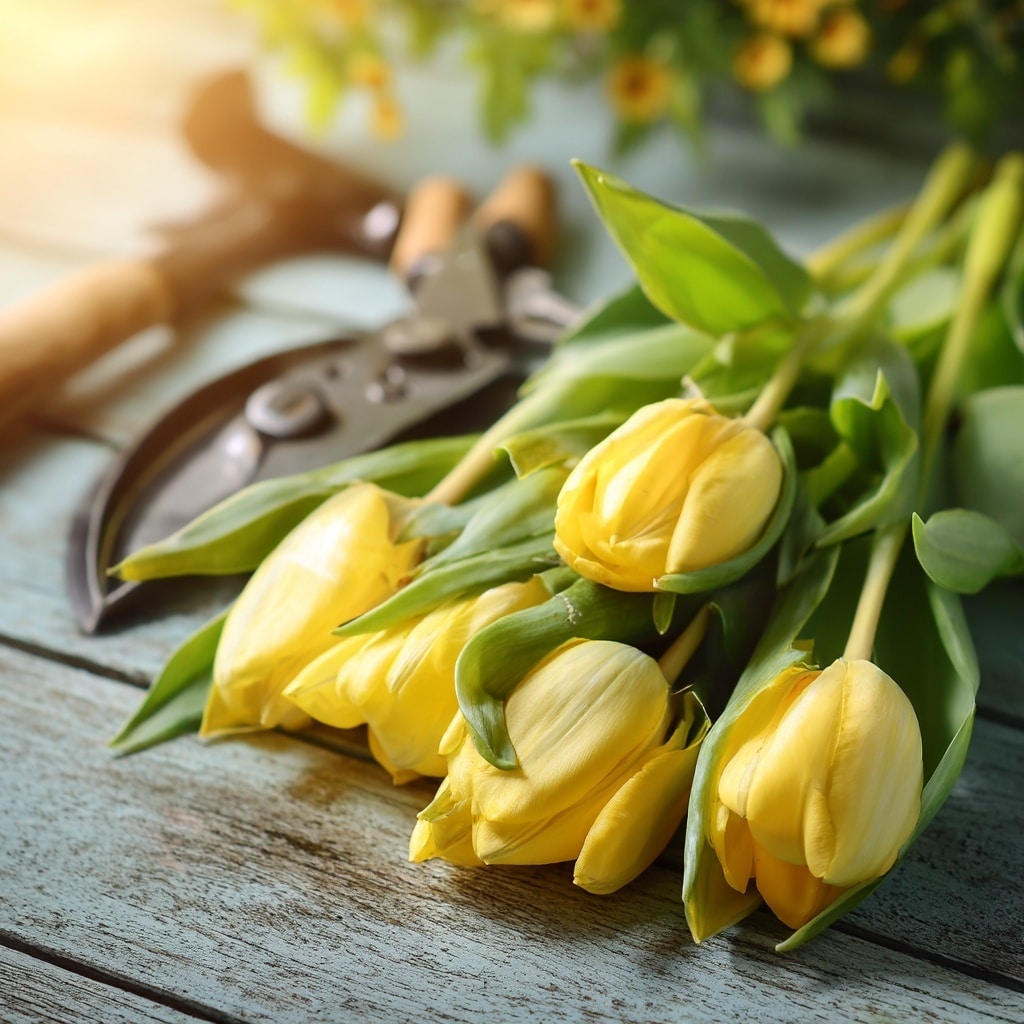
Caring for yellow tulips doesn’t require a green thumb—just a few simple steps to keep them thriving year after year. Once planted, tulips are mostly hands-off until early spring. When the first green shoots emerge, keep an eye on moisture levels. Water only if the season is unusually dry.
Avoid fertilizing in spring unless your soil is nutrient-poor. If needed, apply a balanced bulb fertilizer right after planting in the fall or as soon as growth appears in spring.
After blooming, allow the flowers to fade naturally and resist the urge to cut back the foliage too soon. The leaves collect energy for the next year’s bloom. Once they yellow and die back fully, you can remove them.
With consistent care and minimal disturbance, yellow tulips will reward you with radiant blooms season after season.
11. How Did Yellow Tulips Get Their Name?
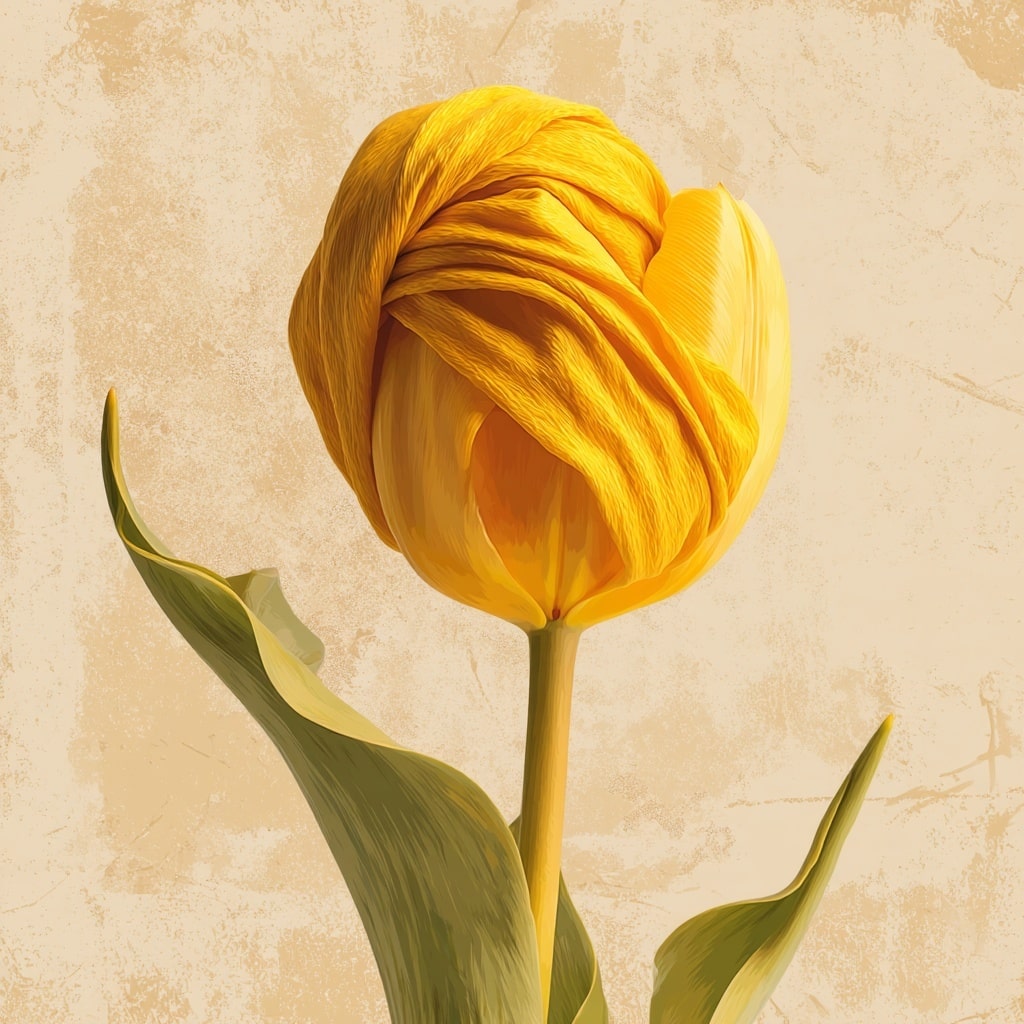
The word “tulip” comes from the Turkish word “tulbend,” which means turban—a nod to the flower’s shape, which resembles the folded fabric of a traditional headdress. When tulips were first introduced to Europe in the 16th century, their unique form and bold colors sparked widespread fascination, especially among the Dutch.
As for yellow tulips, their name is simply descriptive of their bright, golden hue. Over time, yellow varieties took on symbolic meanings, such as cheerfulness, new beginnings, and friendship—making them a popular choice for spring gardens and floral gifts.
Whether you grow them for their history, their symbolism, or just their stunning color, yellow tulips have earned a special place in gardens around the world.
Conclusion
Yellow tulips are more than just a pop of color in your spring garden—they’re a symbol of warmth, renewal, and timeless beauty. With the right care, these easy-to-grow perennials will reward you with vibrant blooms year after year. Whether you’re a beginner planting your first bulbs or a seasoned gardener expanding your tulip beds, yellow tulips offer reliable charm and seasonal joy that’s hard to match.
Plant them in fall, give them sun and well-drained soil, and let them brighten your landscape each spring with their glowing presence.