
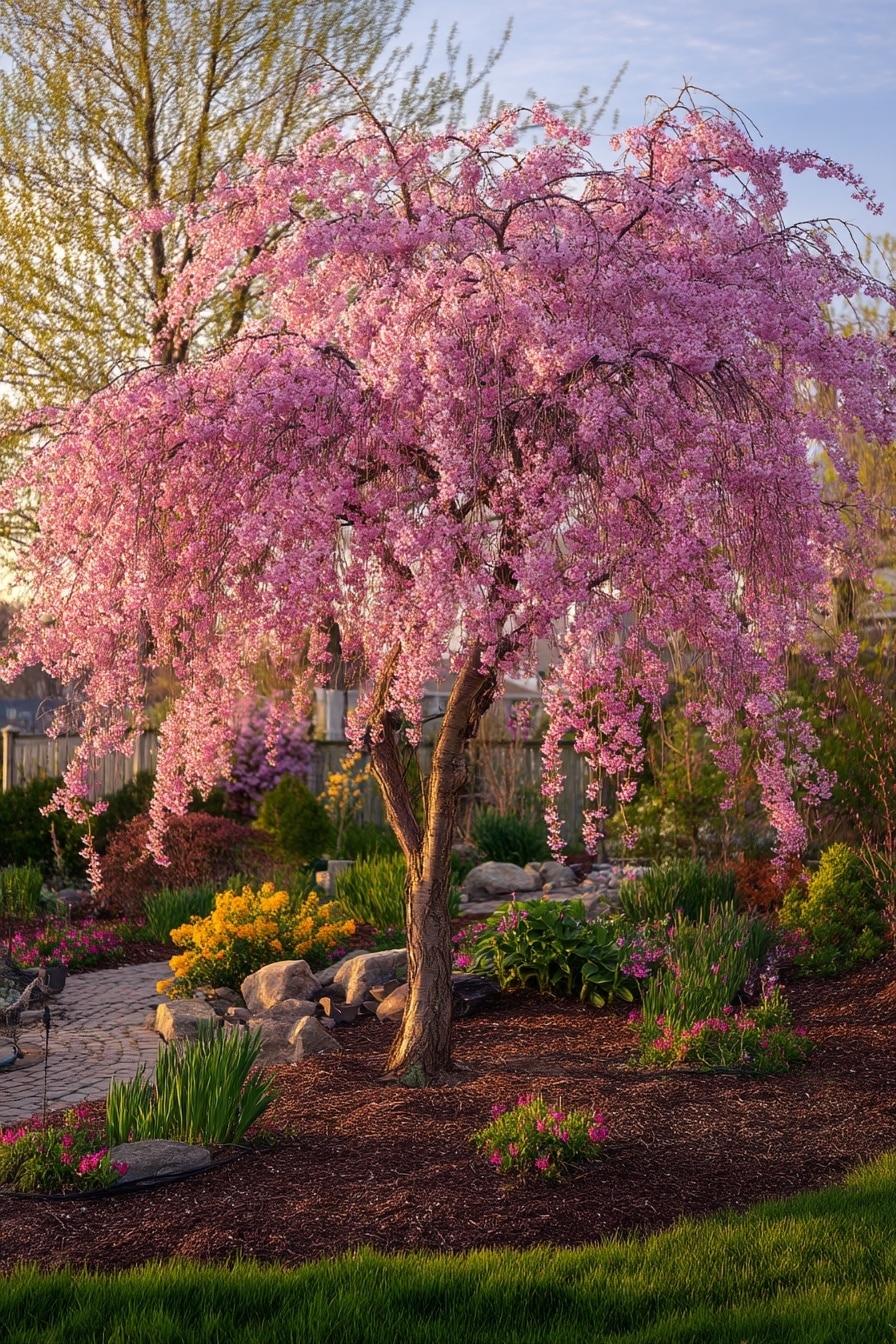

Weeping cherry tree varieties are among the most elegant ornamental trees you can add to your landscape. With their graceful, cascading branches and stunning spring blossoms, they create a focal point that brings beauty year after year.
Growing a weeping cherry tree is not difficult, but it does require the right conditions and consistent care. From choosing the proper location to maintaining soil health and pruning correctly, a few key steps can help your tree thrive and bloom reliably each season.
Table of Contents
1. Choose the Right Location for Your Weeping Cherry Tree

Selecting the right spot is essential for healthy growth. A weeping cherry tree performs best in a location that receives full sun for most of the day.
Key placement tips:
- Provide at least 6 hours of direct sunlight
- Ensure good air circulation
- Avoid low-lying areas where water collects
Well-drained soil is especially important. Excess moisture can lead to root issues, so choose a slightly elevated area if possible.
2. Plant in Well-Draining, Nutrient-Rich Soil

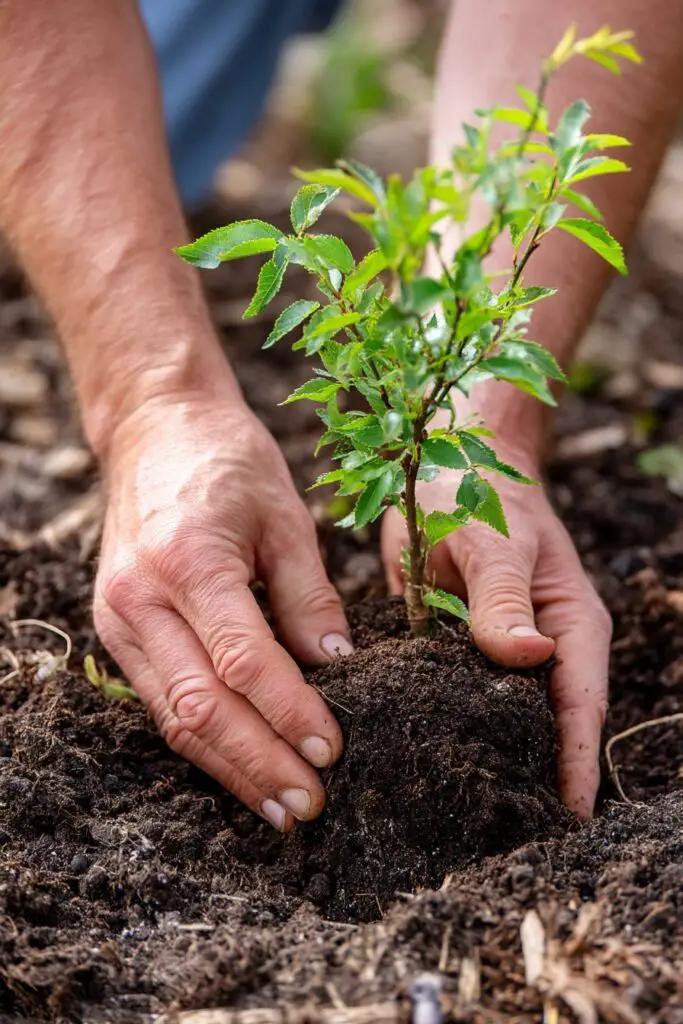
Soil quality plays a major role in how well your weeping cherry tree develops. These trees prefer slightly acidic, fertile soil that drains easily.
Improve your soil by:
- Adding compost or organic matter
- Testing pH levels (ideal range: slightly acidic)
- Avoiding heavy clay without amendments
Healthy soil encourages strong roots and supports vibrant blooms, making it a key factor in long-term success.
3. Water Consistently but Avoid Overwatering

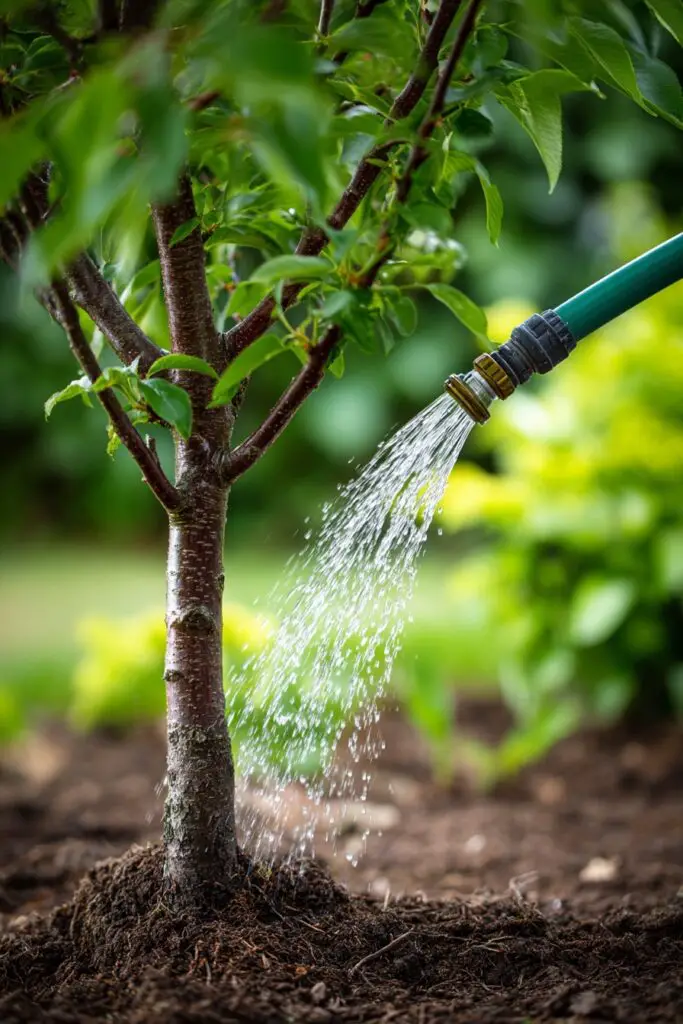
A young weeping cherry tree needs regular watering to establish itself. However, too much water can cause root rot.
Watering guidelines:
- Keep soil evenly moist during the first growing season
- Reduce frequency once the tree is established
- Water deeply rather than lightly
Monitoring soil moisture helps prevent stress and keeps your weeping cherry tree healthy.
4. Prune to Maintain Shape and Health
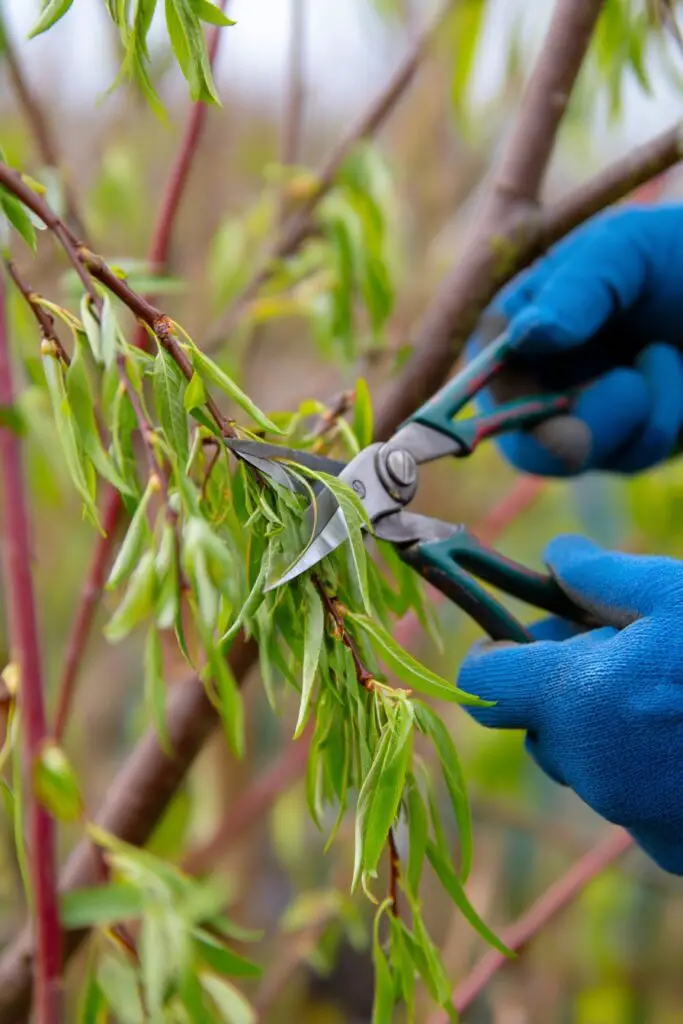
Pruning helps preserve the signature cascading form of a weeping cherry tree while removing damaged or crowded branches.
Best pruning practices:
- Prune after flowering
- Remove dead or diseased branches
- Thin out crowded areas for better airflow
Regular trimming improves both appearance and overall tree health.
5. Protect Your Tree from Pests and Diseases

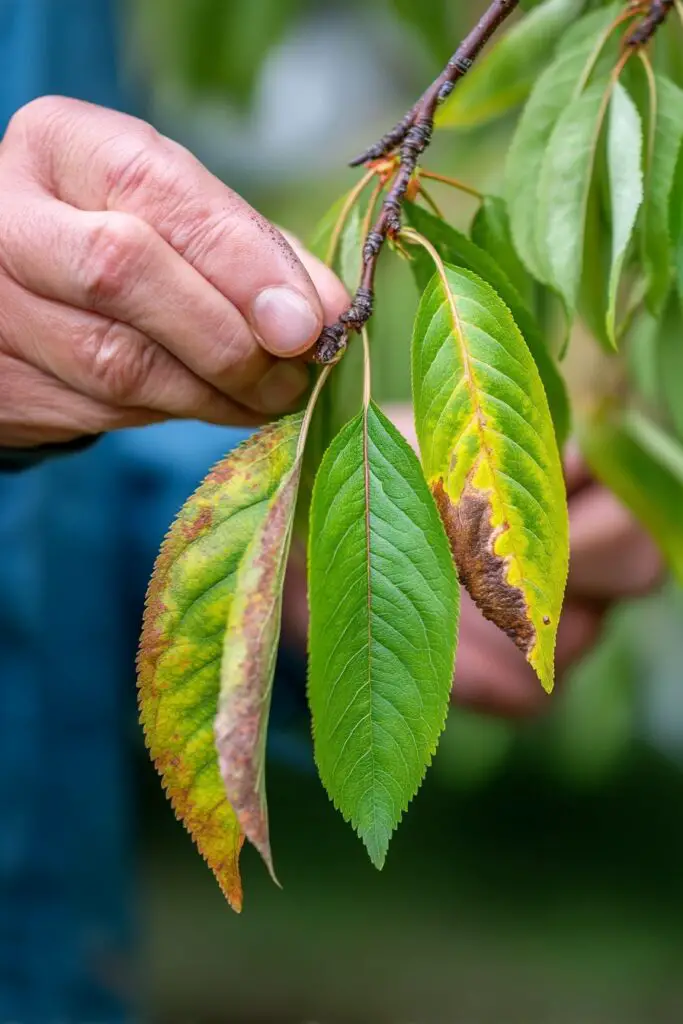
Like many ornamentals, a weeping cherry tree can attract pests or develop diseases if not properly maintained.
Common issues include:
- Aphids and caterpillars
- Fungal diseases caused by excess moisture
- Leaf spot and mildew
To prevent problems:
- Inspect your tree regularly
- Maintain proper spacing and airflow
- Remove affected leaves promptly
Healthy growing conditions reduce the risk of infestations and keep your tree thriving.
Additional Care Tips for Long-Term Success
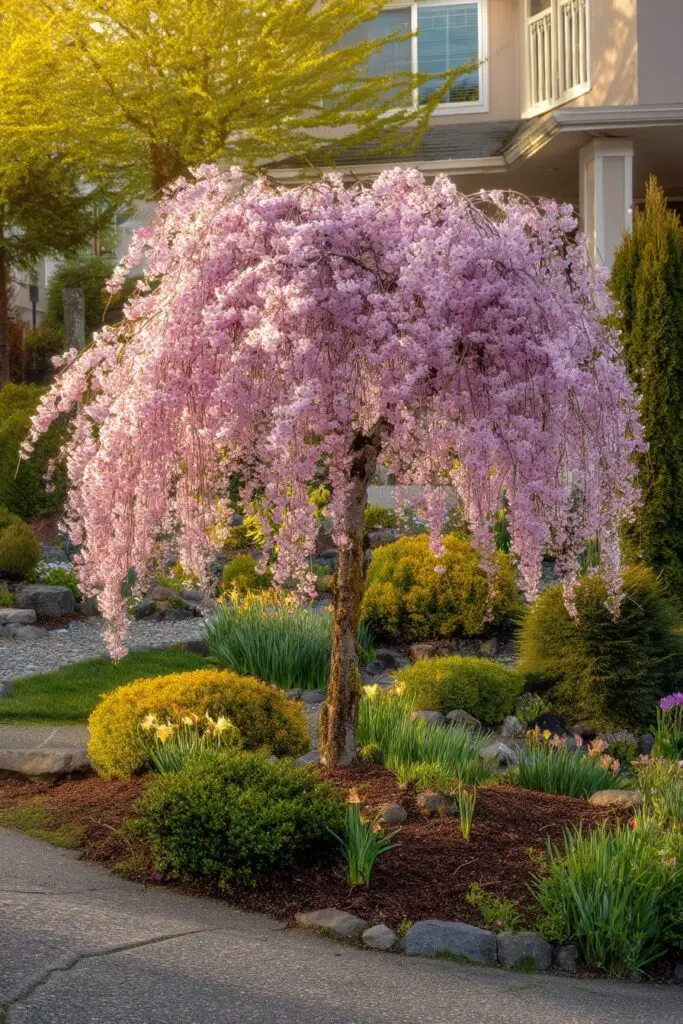
Fertilize Annually
Apply a balanced fertilizer in early spring to support new growth and flowering.
Mulch Around the Base
Use mulch to retain moisture, regulate soil temperature, and reduce weeds.
Monitor Seasonal Changes
Adjust care routines based on weather conditions, especially during dry or rainy periods.
Conclusion

A weeping cherry tree can become a stunning centerpiece in any landscape when given proper care. By choosing the right location, maintaining healthy soil, and following simple care practices, you can enjoy its graceful form and beautiful blooms for years. With consistent attention, this tree will reward you with seasonal color and timeless elegance.