
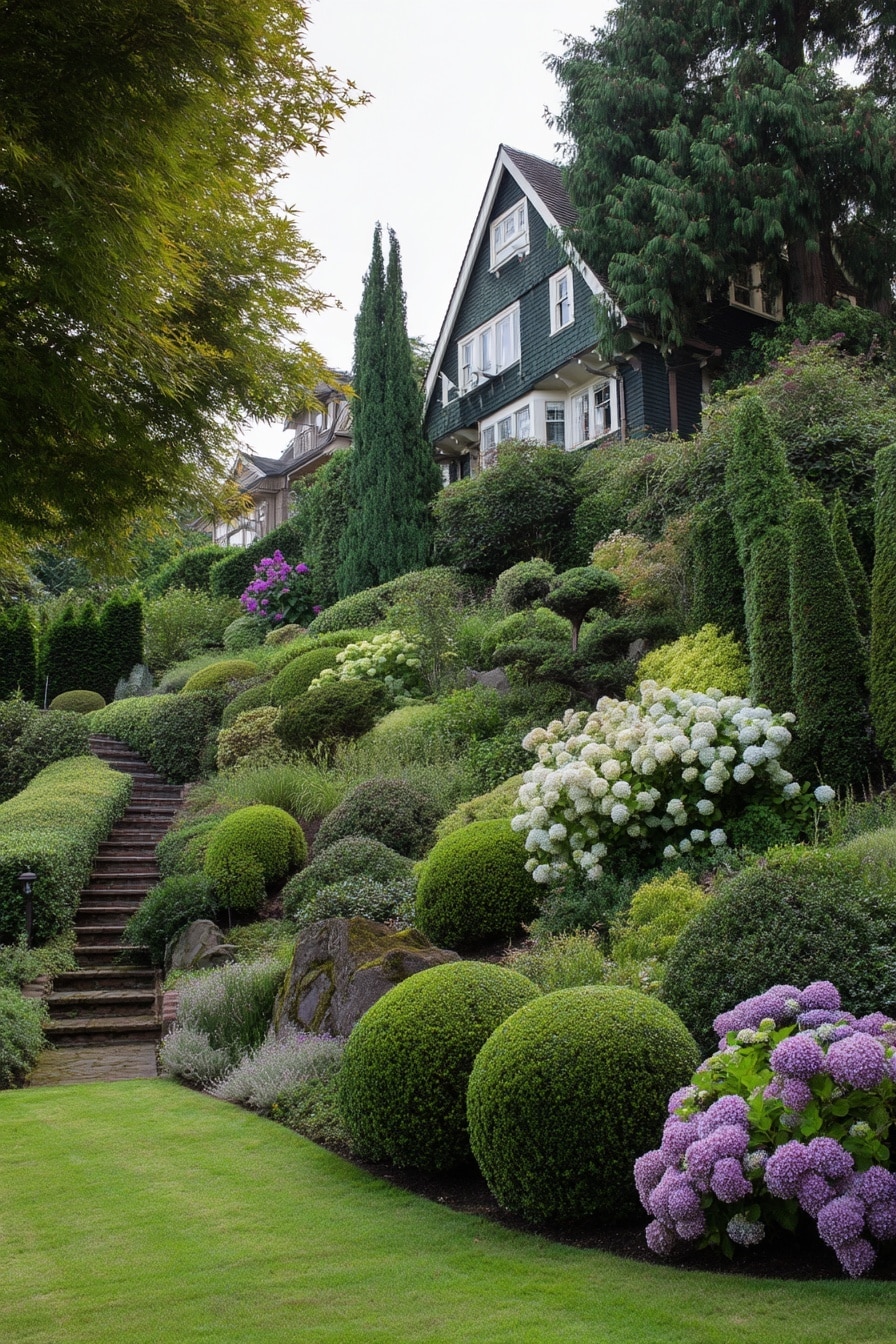

Steep hill landscaping can be a challenge, but with the right plants, you can transform your sloped yard into a stunning, low-maintenance oasis. Whether you’re trying to combat erosion or create a visually appealing garden, selecting the right plants is essential. In this article, we’ll explore five types of plants that thrive on steep hills, helping you enhance your landscape while keeping the soil intact.
Table of Contents
1. Ground Covers for Erosion Control

Ground covers are the foundation of effective steep hill landscaping. Plants like creeping thyme, moss, and sedum are perfect for preventing soil erosion while adding beauty to the hillside. These plants spread quickly, forming dense mats that hold the soil in place and reduce water runoff. Plus, they require minimal maintenance once established.
Why Choose Ground Covers:
- Excellent for preventing soil erosion
- Low-maintenance and drought-tolerant
- Add greenery and texture to the landscape
2. Hardy Shrubs for Structure

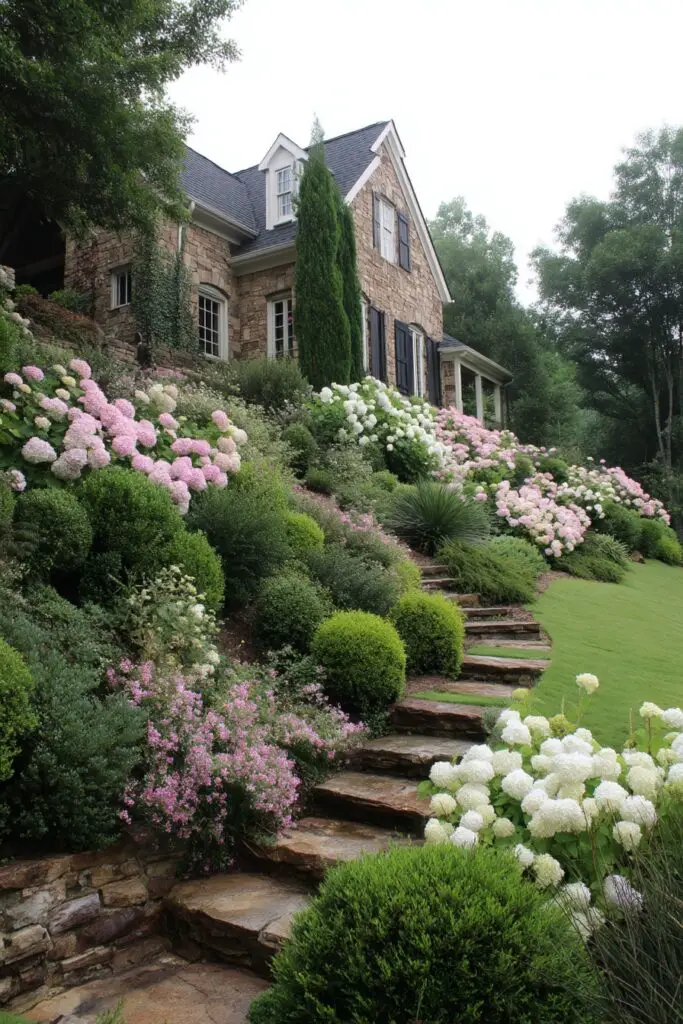
Shrubs play an important role in providing structure and dimension to your steep hill landscaping. Plants like junipers, boxwoods, and hydrangeas are well-suited for sloped areas. These hardy shrubs can handle the challenges of a hill while adding vertical interest and offering seasonal color. Positioning them strategically can also create natural barriers that guide the flow of water during rainfall.
Benefits of Hardy Shrubs:
- Provide vertical structure and visual interest
- Adaptable to steep inclines
- Low-maintenance once established
3. Flowering Plants for Color

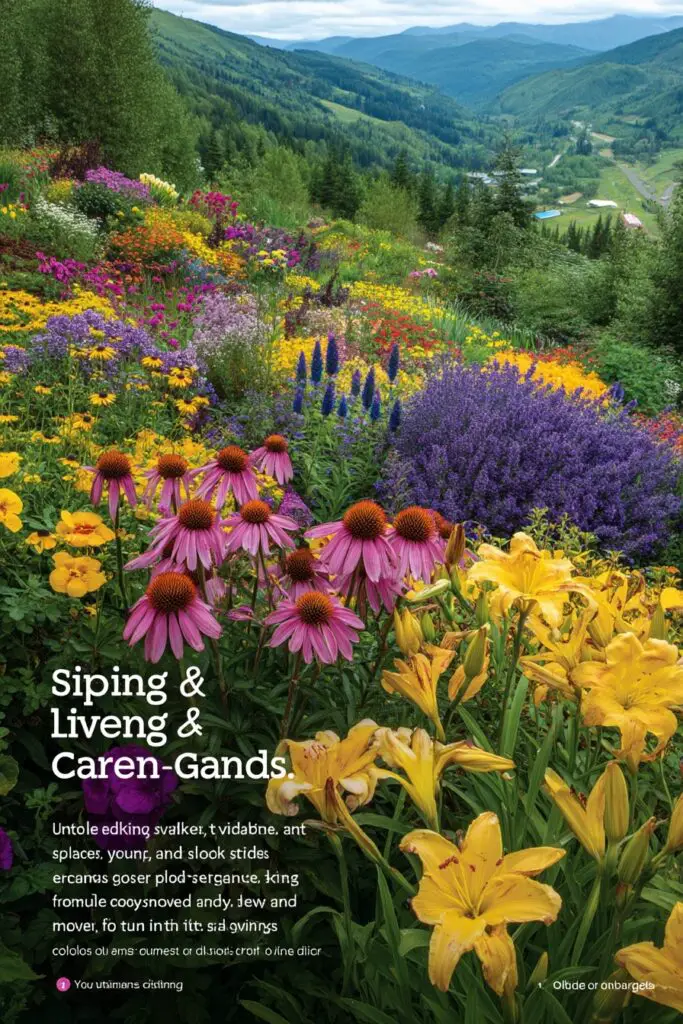
Brighten up your sloped garden with a variety of flowering plants that can thrive on a hillside. Consider planting perennials like lavender, coneflowers, or daylilies. These flowers not only add pops of color but also attract pollinators like bees and butterflies, enhancing the ecological value of your yard.
Why Include Flowering Plants:
- Add vibrant colors and beauty to the landscape
- Attract pollinators to your garden
- Long-lasting blooms with low upkeep
4. Ornamental Grasses for Movement
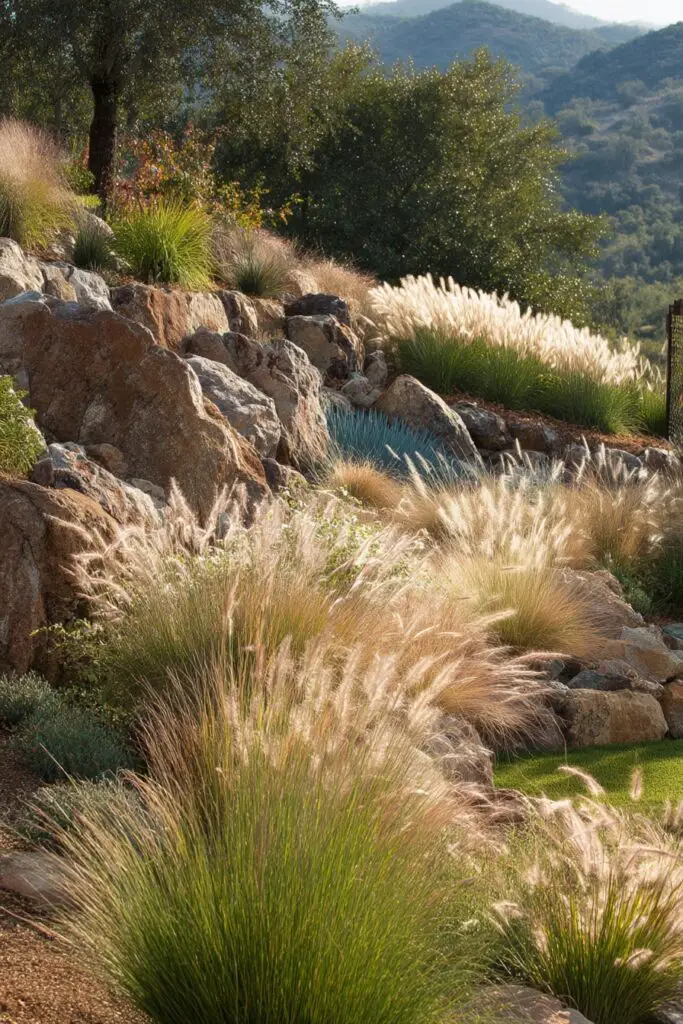
Ornamental grasses are perfect for adding texture and movement to your steep hill landscaping. Varieties like blue fescue, fountain grass, and feather reed grass can thrive in rocky, dry conditions. These grasses provide gentle motion in the breeze and add a dynamic element to the otherwise still landscape.
Advantages of Ornamental Grasses:
- Create texture and visual movement
- Low-maintenance and drought-tolerant
- Perfect for adding contrast to other plants
5. Climbing Plants for Vertical Appeal

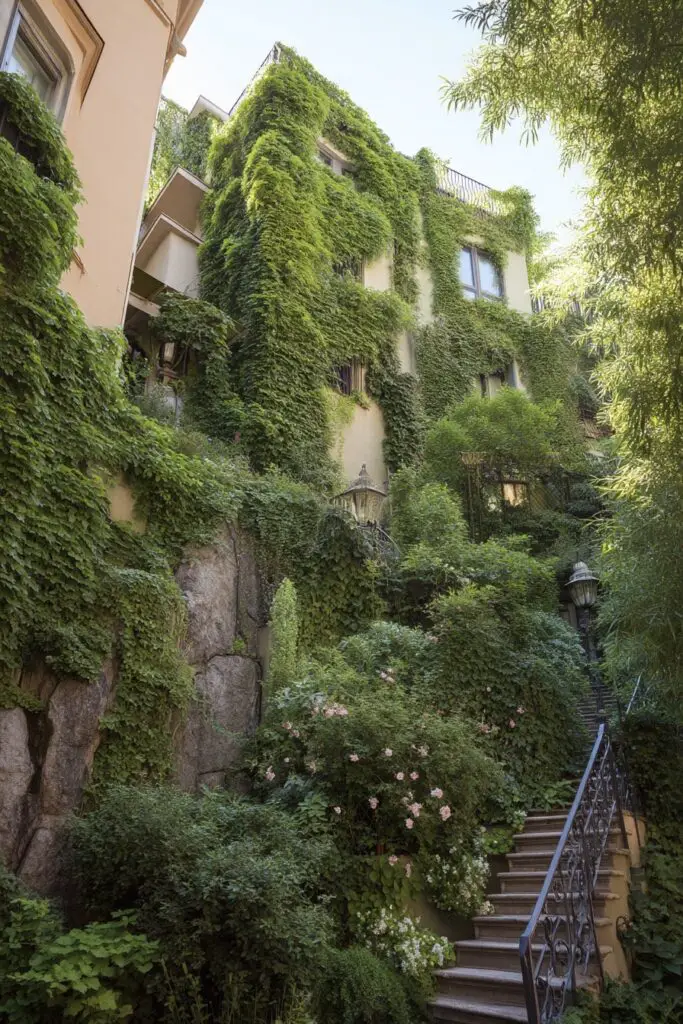
Incorporating climbing plants into your steep hill landscaping can give your yard a unique, vertical dimension. Plants like climbing roses, clematis, or ivy can grow up trellises, fences, or even natural rock formations, making use of the space in a way that other plants can’t. These climbing plants also help with erosion control by covering exposed soil.
Why Choose Climbing Plants:
- Maximize vertical space for a fuller look
- Provide natural erosion control
- Offer year-round interest with climbing blooms
Conclusion
With the right plants, steep hill landscaping can become a beautiful and functional part of your garden. Whether you opt for ground covers, hardy shrubs, or flowering plants, each choice will help you combat erosion while enhancing your yard’s visual appeal. Start your landscaping project today, and enjoy a thriving, low-maintenance sloped garden that stands out in your outdoor space.