
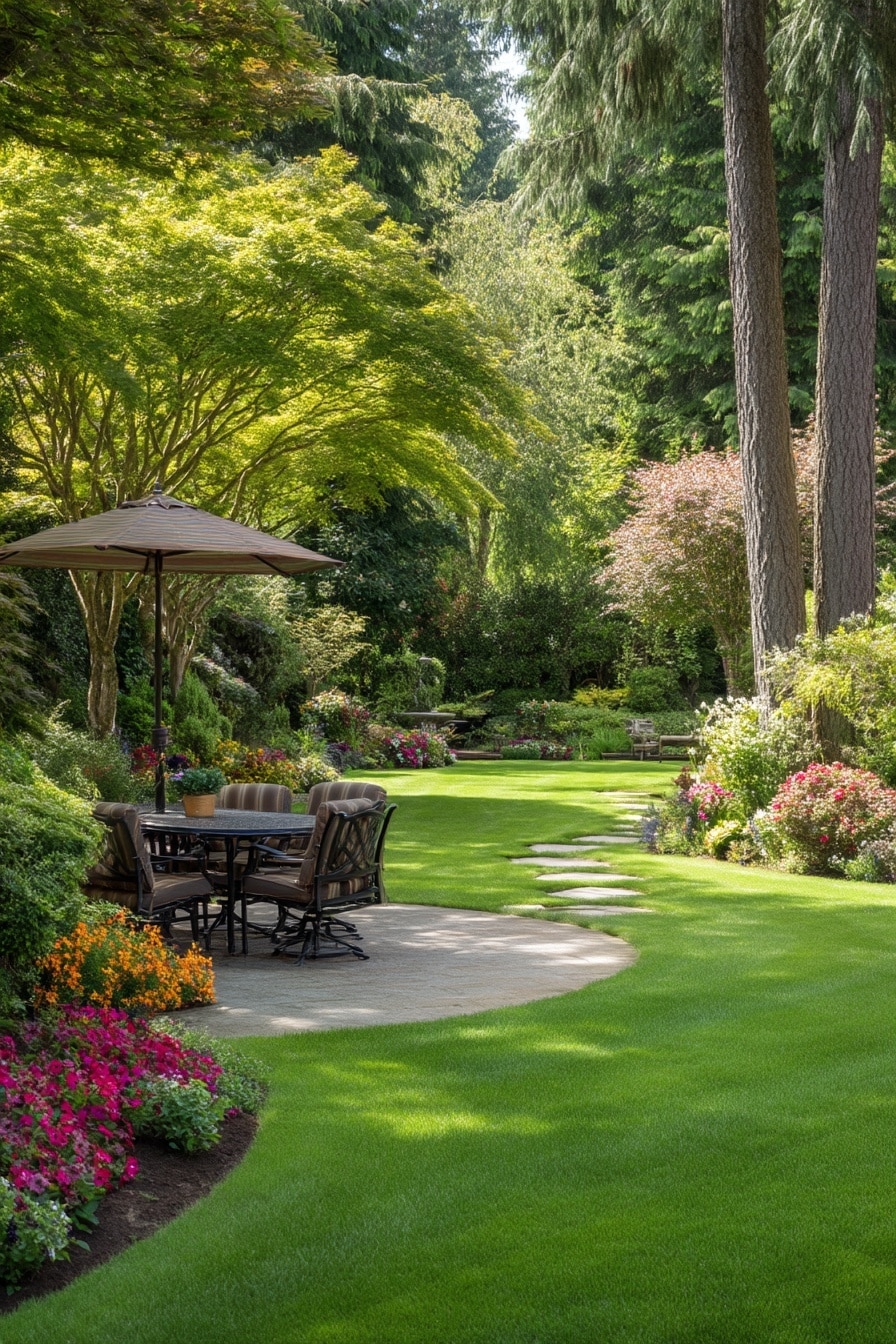

Outdoor landscaping can dramatically improve the appearance, comfort, and usability of your yard. A thoughtfully designed outdoor space creates a welcoming environment for relaxing, entertaining, and enjoying nature right outside your home. Even simple changes in layout, plant selection, or decorative features can make a noticeable difference.
Many homeowners focus on practical improvements such as pathways, greenery, and lighting when planning outdoor landscaping projects. These elements not only enhance visual appeal but also make outdoor areas more functional throughout the year.
Whether you have a spacious backyard or a compact outdoor area, the following ideas can help you refresh your yard and build a landscape that feels balanced, inviting, and enjoyable.
Table of Contents
1. Create Defined Garden Zones

Dividing your yard into purposeful zones is a useful strategy in outdoor landscaping. Instead of having one large open area, separating the space into sections makes the landscape feel organized and visually appealing.
Common garden zones to consider
- A relaxing seating area
- A planting or flower bed section
- A lawn or play area
- A small dining space
Defining areas with hedges, planters, or pathways gives structure to the yard. Well-planned zones allow outdoor landscaping to feel more intentional and practical while improving the flow of movement throughout the space.
2. Add Decorative Garden Pathways

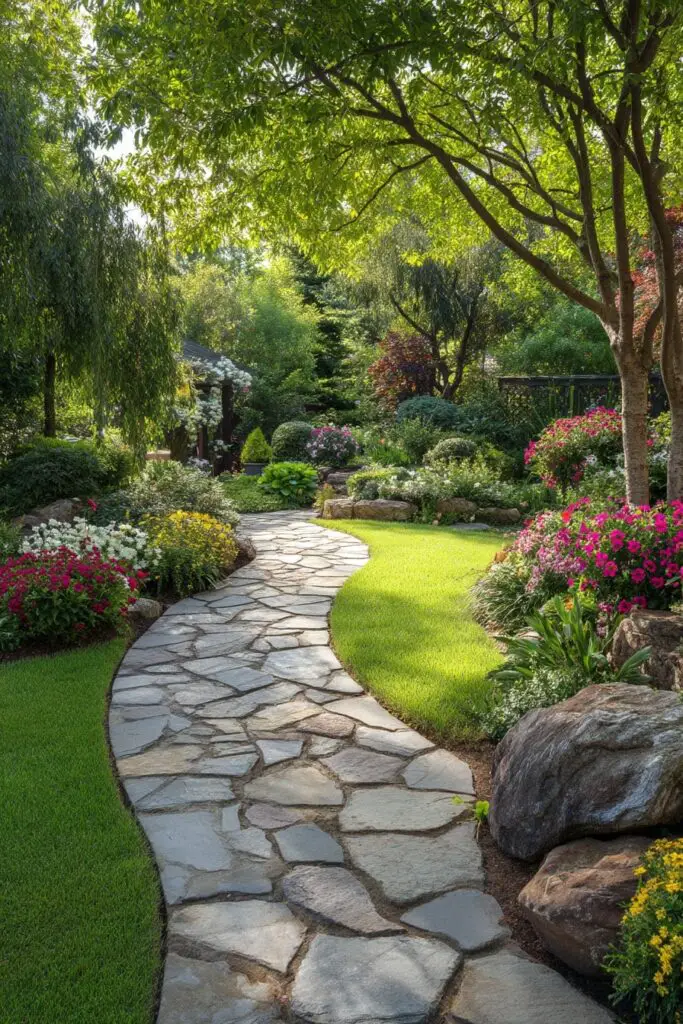
Pathways are an important element of outdoor landscaping because they guide movement through the yard while adding visual interest.
A simple garden path can connect patios, flower beds, and seating areas, helping visitors navigate the landscape comfortably.
Popular pathway materials
- Natural stone
- Brick pavers
- Gravel paths
- Concrete stepping stones
Paths also create a sense of depth in the yard. When carefully integrated into outdoor landscaping, they make the landscape feel larger and more thoughtfully designed.
3. Plant a Variety of Trees and Shrubs

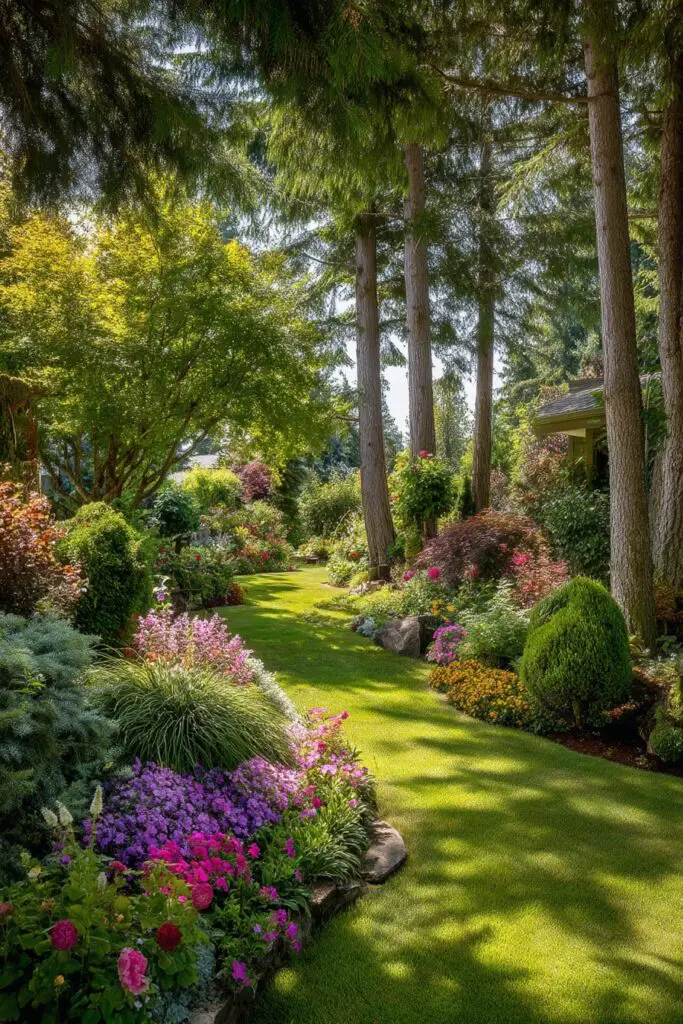
Layered planting is one of the most effective outdoor landscaping techniques. Combining trees, shrubs, and smaller plants creates a natural look with multiple heights and textures.
Benefits of layered planting
- Improves visual balance
- Provides shade and privacy
- Supports local wildlife
Trees and shrubs serve as anchor points in the landscape, while smaller plants fill in the surrounding areas. Using this approach makes outdoor landscaping feel lush and well-developed.
4. Install Outdoor Lighting
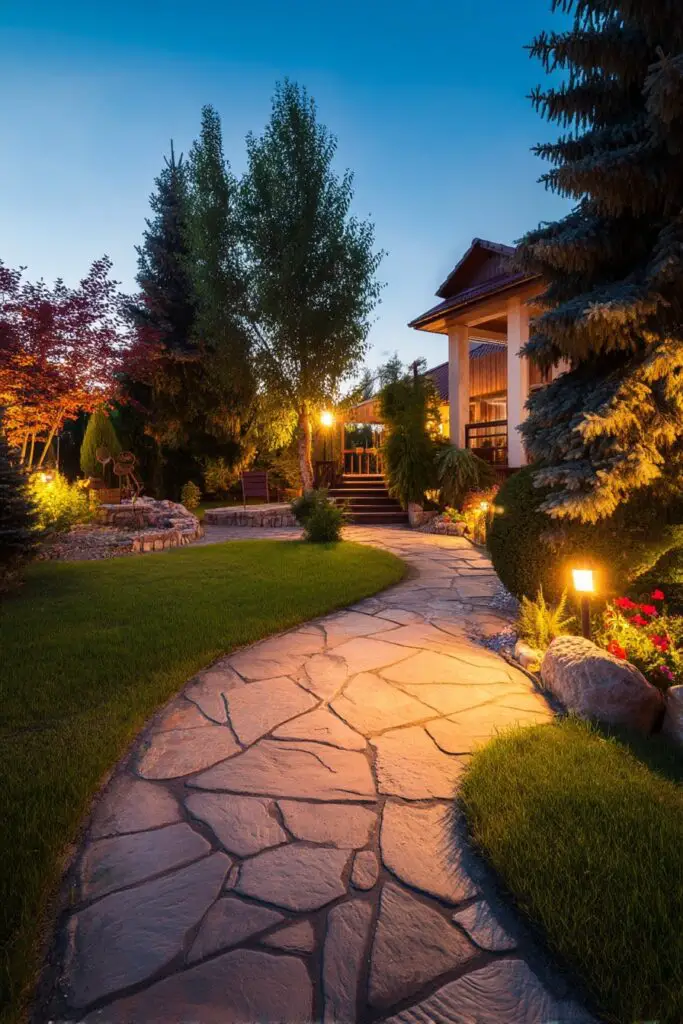
Lighting can transform outdoor landscaping after sunset. Well-placed lights highlight key features and allow the yard to remain functional during the evening.
Lighting ideas for landscapes
- Path lights along walkways
- Spotlights for trees and plants
- String lights above patios
- Solar lights around flower beds
Soft lighting improves safety while creating a warm atmosphere. As part of outdoor landscaping, ligh
5. Include Water Features

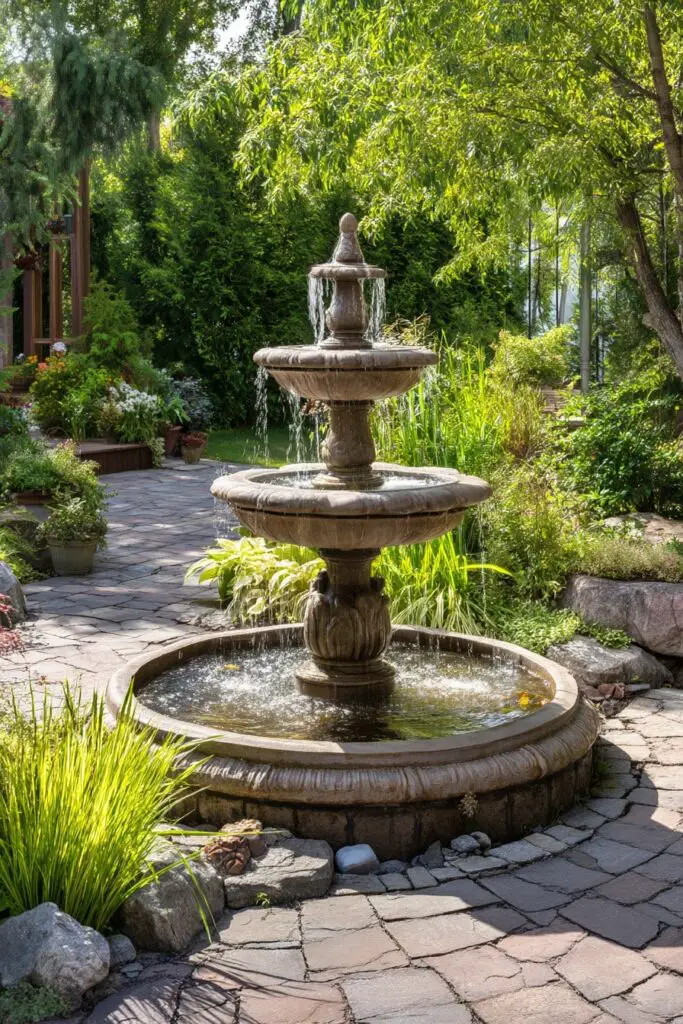
Water elements bring movement and calm to outdoor landscaping designs. The sound of flowing water can create a peaceful environment and make the yard feel like a private retreat.
Small water feature ideas
- Garden fountains
- Decorative ponds
- Wall-mounted water features
- Small cascading waterfalls
These additions can become focal points within the yard. When used thoughtfully, water features strengthen the relaxing atmosphere of outdoor landscaping.
6. Use Decorative Hardscaping
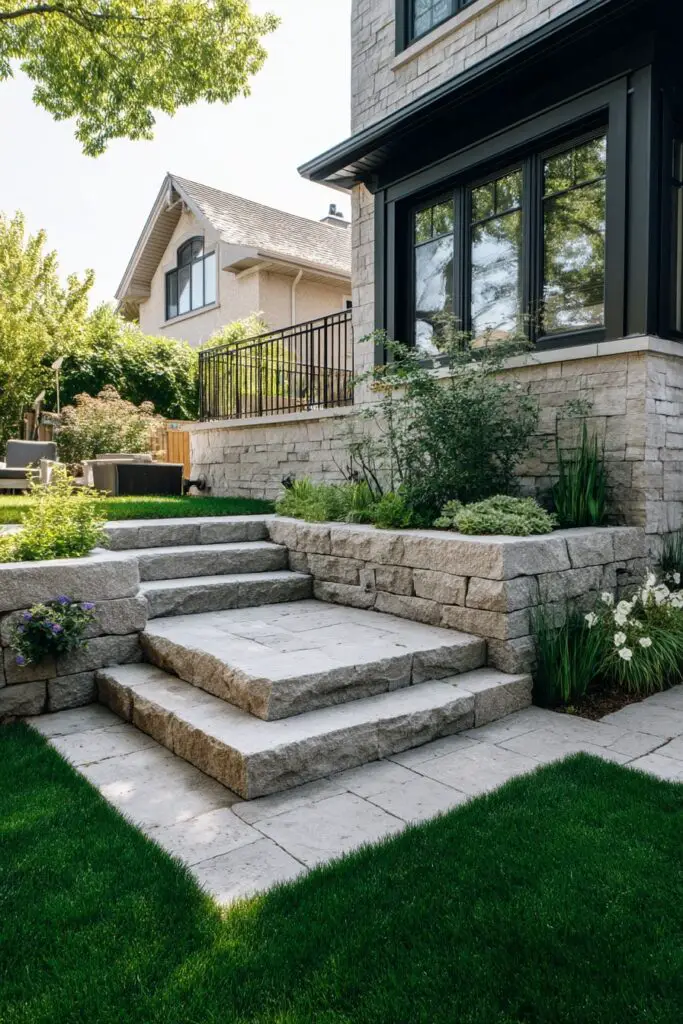
Hardscaping refers to non-plant elements such as patios, retaining walls, and stone features. These structures add durability and visual structure to outdoor landscaping.
Common hardscaping elements
- Stone patios
- Wooden decks
- Garden walls
- Raised planting beds
Hardscaping balances the softness of plants and grass. By combining natural materials with greenery, outdoor landscaping becomes both attractive and practical.
7. Add Comfortable Outdoor Seating

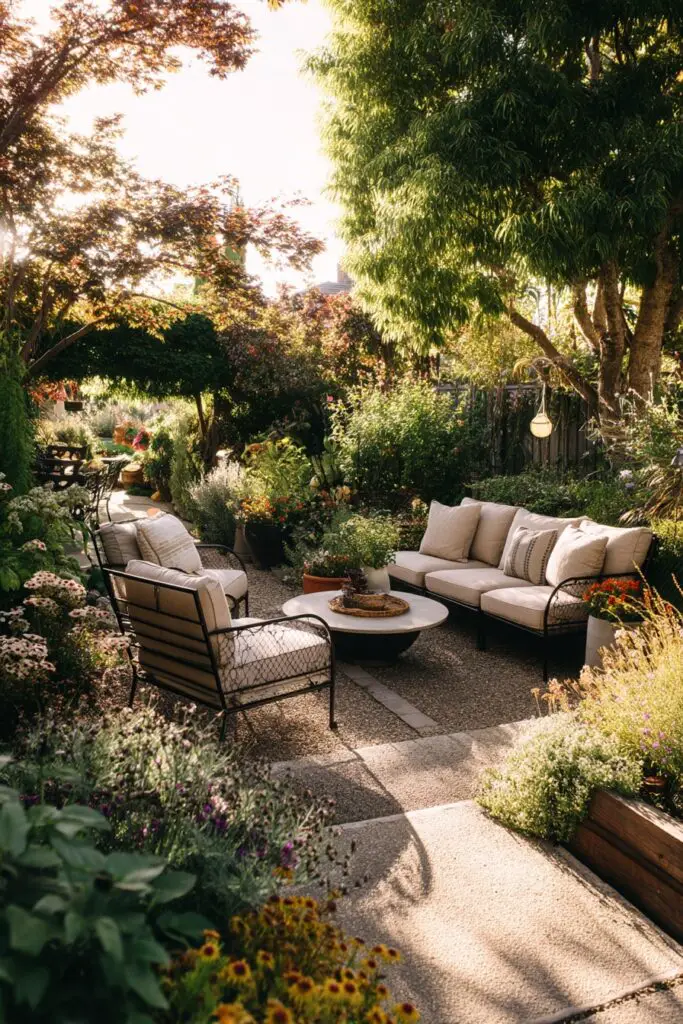
Outdoor seating areas make outdoor landscaping more functional. A comfortable place to sit encourages people to spend time enjoying the garden.
Seating ideas for outdoor spaces
- Garden benches
- Patio dining tables
- Outdoor sofas with cushions
- Hammocks or lounge chairs
Placing seating near flower beds or shaded areas creates relaxing spots throughout the yard. Integrating seating into outdoor landscaping turns the yard into an inviting extension of the home.
Tips for Planning Outdoor Landscaping
Successful outdoor landscaping begins with thoughtful planning. Before making changes, consider how you want to use your yard and which features will provide the most benefit.
Helpful planning tips
- Start with a clear layout or garden plan
- Choose plants suited to your climate
- Combine hardscape and greenery for balance
- Avoid overcrowding the landscape
A well-balanced design helps ensure your outdoor landscaping remains attractive and easy to maintain over time.
Conclusion

Thoughtful outdoor landscaping can transform any yard into a comfortable and visually appealing space. By incorporating garden zones, pathways, layered planting, lighting, and relaxing seating areas, homeowners can create a landscape that balances beauty with functionality.
Even small improvements such as decorative hardscaping or water features can bring new life to outdoor areas. With careful planning and creative ideas, outdoor landscaping becomes a rewarding way to enhance your home’s outdoor environment.