
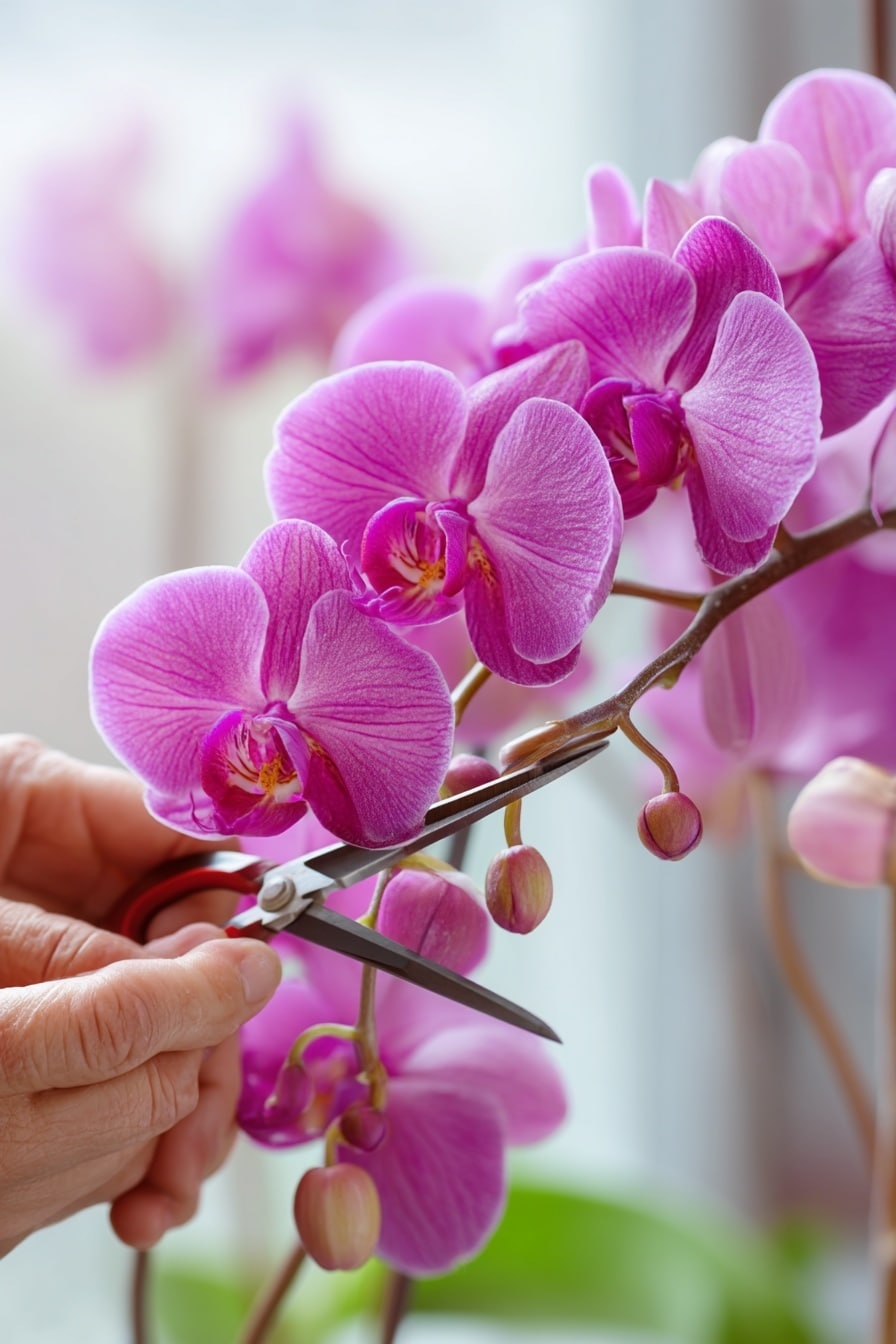

Orchid flower care can feel intimidating at first, but with the right approach, these elegant plants are surprisingly manageable. Known for their long-lasting blooms and unique beauty, the orchid flower is a favorite among indoor gardeners who want something both decorative and rewarding.
Understanding orchid flower care starts with learning what these plants need to thrive—proper light, watering, and the right environment. Whether you’re a beginner or looking to improve your plant care routine, this guide will walk you through simple steps to help your orchid flower grow healthy and bloom beautifully.
Table of Contents
1. Provide the Right Light Conditions

Light is one of the most important factors in orchid flower care. Too much direct sunlight can damage the leaves, while too little light can prevent blooming.
Best Lighting Tips
- Place your orchid flower in bright, indirect sunlight
- Use sheer curtains to filter harsh rays
- East-facing windows are ideal
Healthy leaves should appear light green. Dark green leaves often indicate the orchid flower isn’t getting enough light.
2. Water Your Orchid Properly

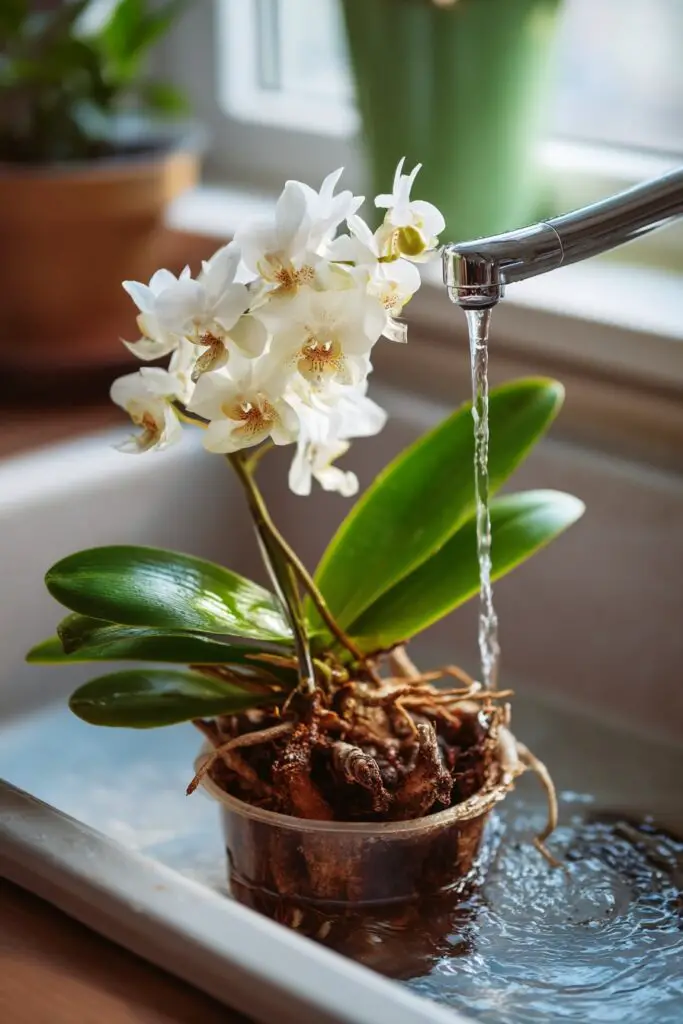
Watering is where many people struggle with orchid flower care. These plants prefer a balance—not too dry and not too wet.
Watering Guidelines
- Water once a week, depending on climate
- Let the potting mix dry slightly between watering
- Avoid letting water sit in the crown
Overwatering can lead to root rot, which is one of the most common issues affecting orchid flower health.
3. Use the Right Potting Mix

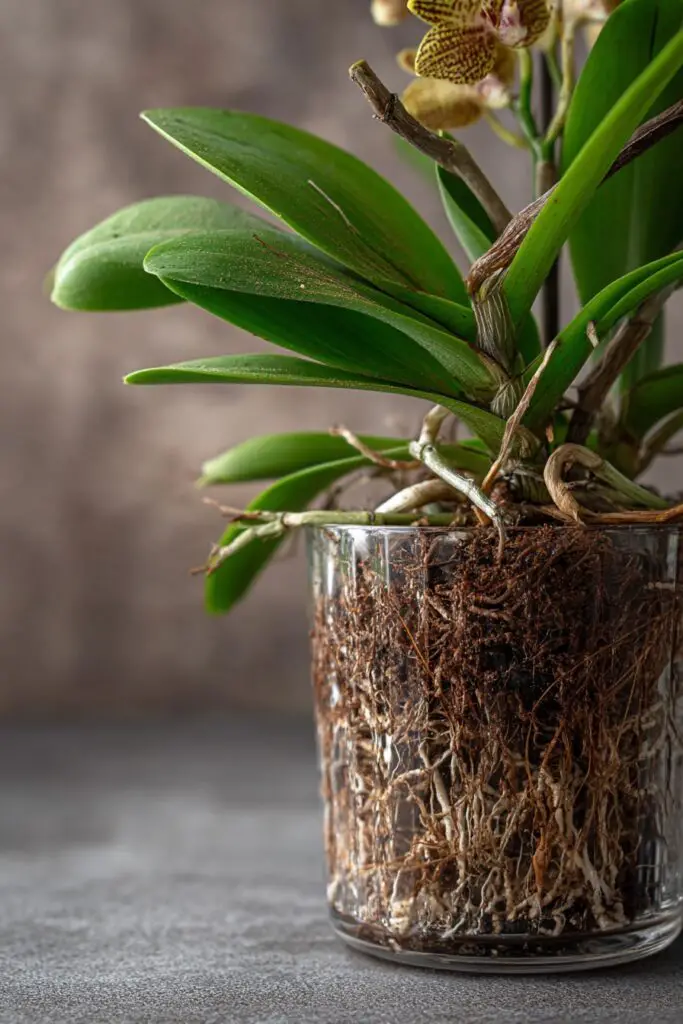
Unlike regular houseplants, the orchid flower needs a special growing medium that allows airflow around the roots.
Ideal Potting Materials
- Bark chips
- Sphagnum moss
- Perlite blends
A well-draining mix ensures that the orchid flower roots stay healthy and receive enough oxygen.
4. Maintain Ideal Temperature and Humidity
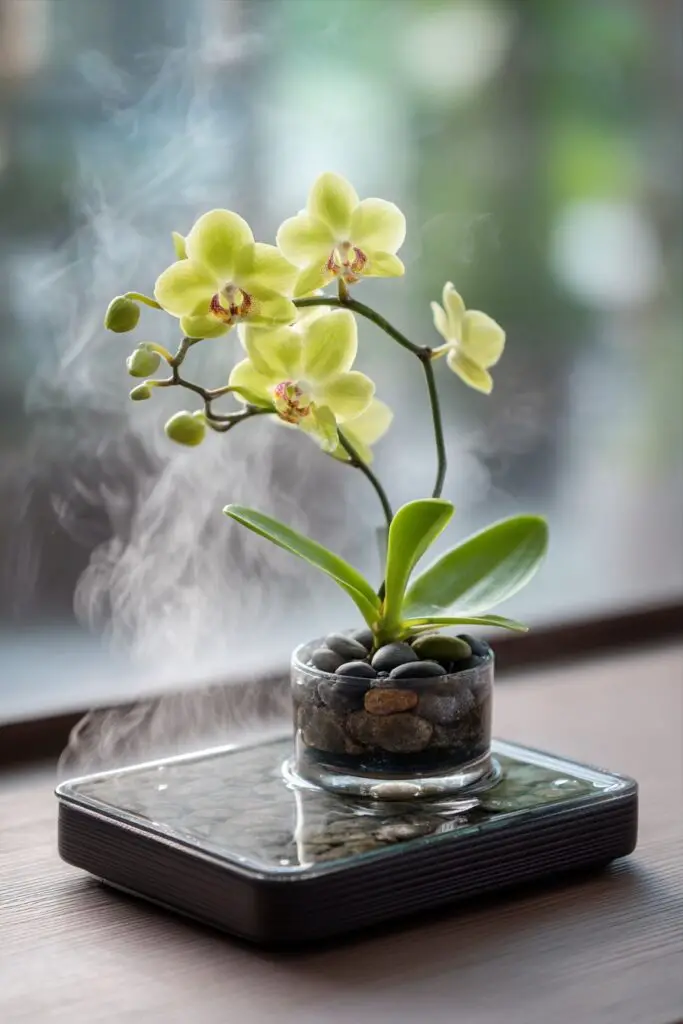
Creating the right environment is key to successful orchid flower growth. Orchids thrive in conditions similar to their natural habitat.
Recommended Conditions
- Temperature: 65–75°F (18–24°C)
- Humidity: 40%–70%
- Good air circulation
You can increase humidity by using a pebble tray or placing a humidifier nearby. These adjustments help your orchid flower stay vibrant and strong.
5. Encourage Blooming and Ongoing Care

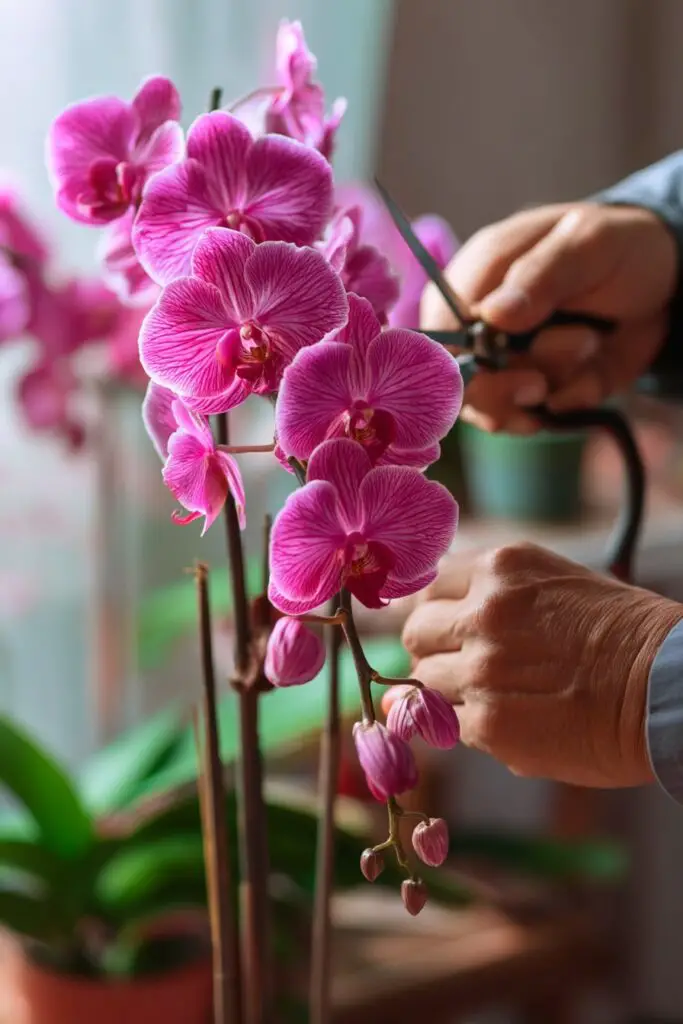
Getting your orchid flower to bloom again requires patience and consistent care.
Tips to Promote Blooms
- Provide a slight drop in nighttime temperature
- Use orchid-specific fertilizer every few weeks
- Trim the flower spike after blooming
With proper attention, your orchid flower can rebloom and continue to brighten your space year after year.
Conclusion
Caring for an orchid flower becomes much easier once you understand its basic needs. With the right light, proper watering, suitable potting mix, and a balanced environment, your orchid can thrive and bloom repeatedly. A little consistency goes a long way in keeping your plant healthy and beautiful.