
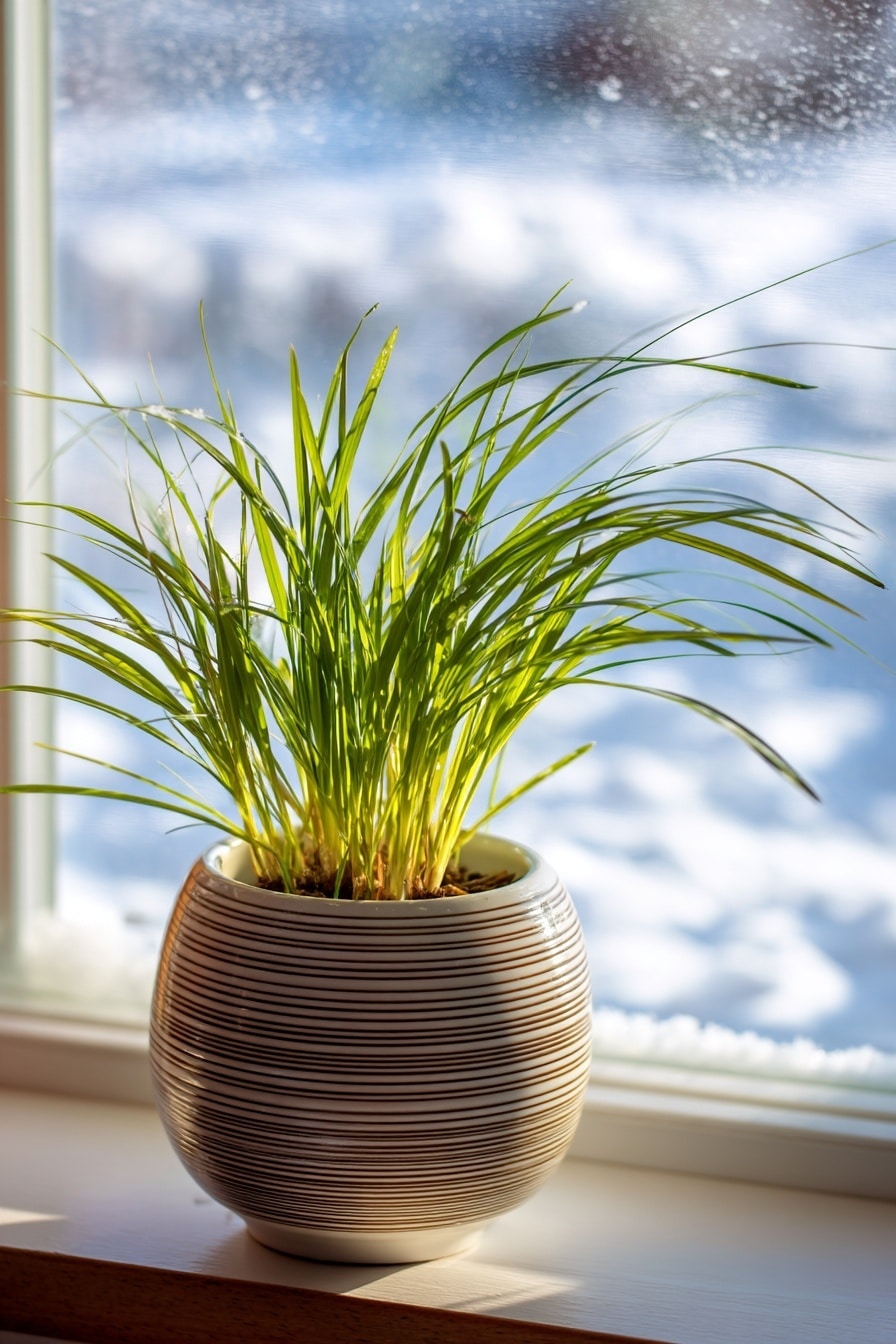

Lemongrass plant cultivation is an excellent way to add a fresh, citrusy flavor to your homegrown herbs. Known for its aromatic, lemon-scented stalks, this versatile herb is commonly used in a variety of culinary dishes, especially those in Asian cuisine. Whether you’re interested in growing lemongrass for its flavor or its potential health benefits, this guide will help you understand how to successfully plant and care for your own lemongrass plant.
Table of Contents
1. Choosing the Right Spot for Your Lemongrass Plant

When growing lemongrass, it’s essential to choose the right location in your garden. This plant thrives in full sunlight, so select a spot where it will receive at least 6 to 8 hours of sunlight daily. Additionally, lemongrass prefers rich, loamy soil that drains well, making it important to amend your soil if necessary.
Tips for Success:
- Ensure good soil drainage to avoid waterlogging.
- Consider using raised beds or containers if your soil is heavy or compact.
2. Planting Lemongrass: Best Timing and Techniques

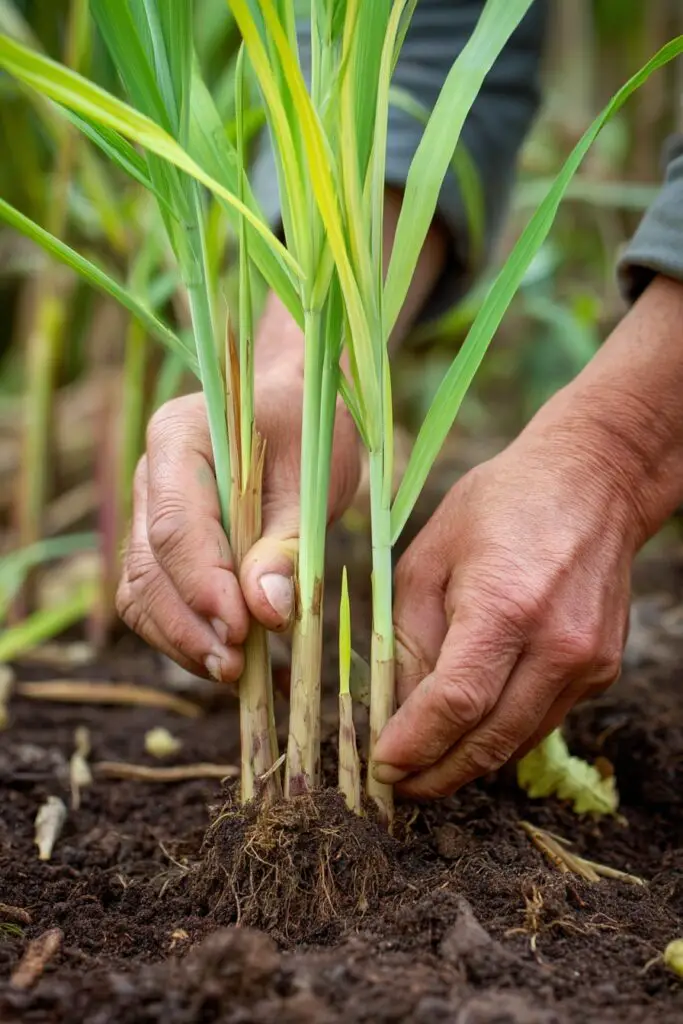
The best time to plant lemongrass is in spring, after the last frost, as it requires warmth to thrive. Planting lemongrass from cuttings or starter plants is easier than growing it from seed. Simply bury the stalks with the root end facing down and water them thoroughly. Lemongrass grows quickly, so give it enough space—typically, 2 feet of space between each plant.
Pro Tips:
- When planting in containers, choose a large pot with good drainage.
- Water regularly, especially in the first few weeks, to establish the roots.
3. Maintaining Your Lemongrass Plant: Watering and Fertilizing

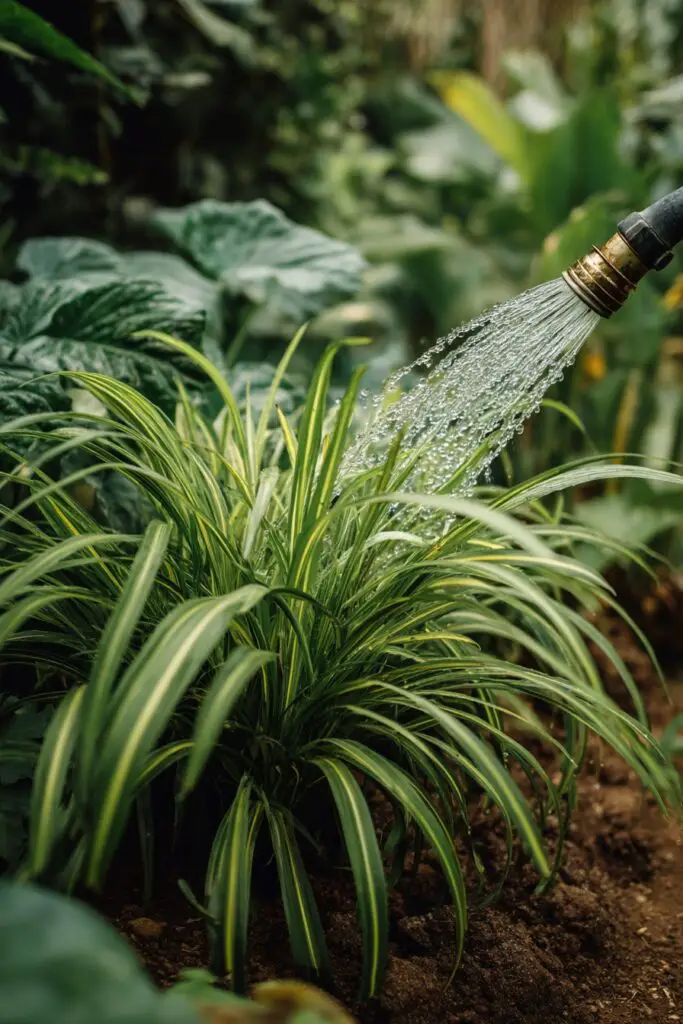
Lemongrass requires regular watering but should not be overwatered. Ensure that the soil is kept moist, but not soggy. During the growing season, fertilize your plant with a balanced, all-purpose fertilizer every few weeks to encourage healthy growth.
Watering Tips:
- Water in the morning to allow the plant to dry off before evening.
- Mulch around the base of the plant to retain moisture and suppress weeds.
4. Pruning and Harvesting Your Lemongrass Plant
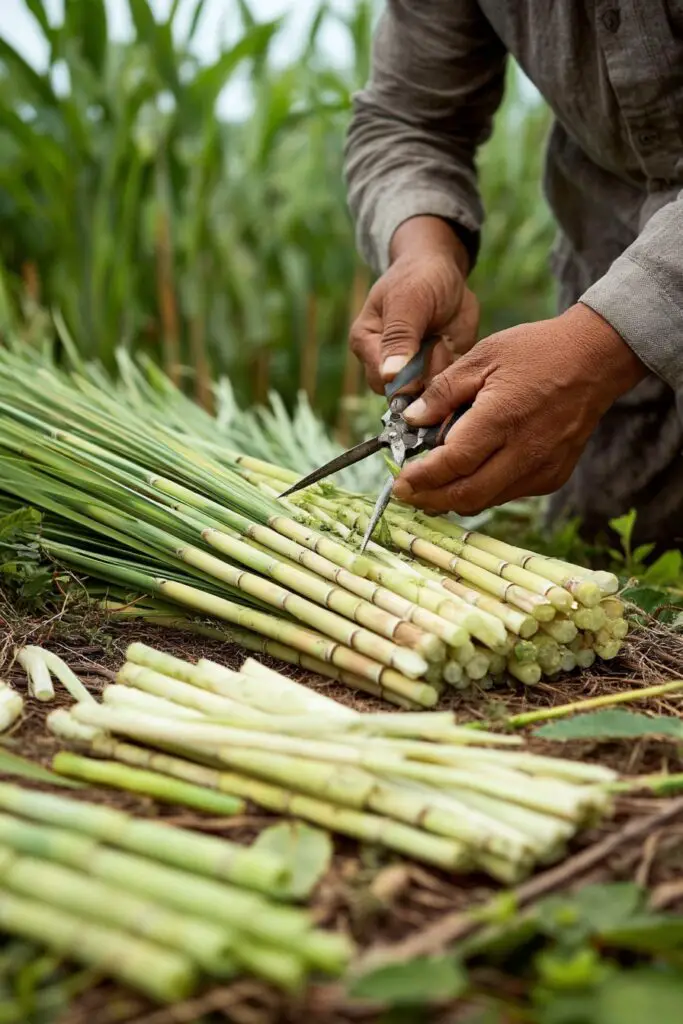
Pruning is essential to keep your lemongrass plant healthy and productive. Trim the plant regularly, especially when it becomes leggy or starts to flower. To harvest lemongrass, cut the stalks at ground level, ensuring you leave a few inches of growth so it can regrow.
Harvesting Tips:
- Harvest lemongrass once the stalks are thick and mature, typically 6 to 12 inches long.
- Use sharp scissors or garden shears to avoid damaging the plant.
5. Winter Care: Overwintering Your Lemongrass Plant

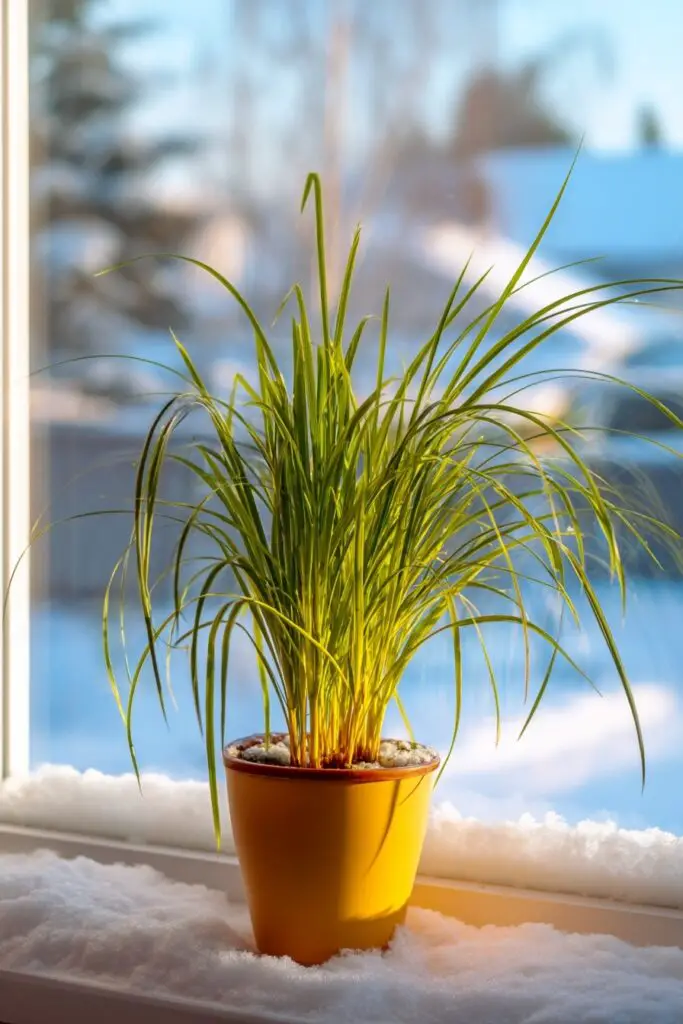
Lemongrass is not frost-tolerant, so if you live in a region with cold winters, consider bringing your lemongrass indoors before the first frost. If it’s in the ground, you can dig it up and pot it, placing it in a sunny window for the winter months. Alternatively, you can overwinter lemongrass by cutting it back and covering it with mulch.
Winter Tips:
- Bring potted lemongrass indoors when temperatures drop below 50°F (10°C).
- If kept indoors, ensure it still receives plenty of sunlight and water it sparingly.
Conclusion
Growing a lemongrass plant is a rewarding and easy way to add fresh, aromatic flavors to your meals. By selecting the right planting location, providing proper care, and knowing when to harvest and prune, you can enjoy your own homegrown lemongrass year-round. Whether you’re using it for culinary purposes or for its health benefits, this herb is a valuable addition to any garden.