
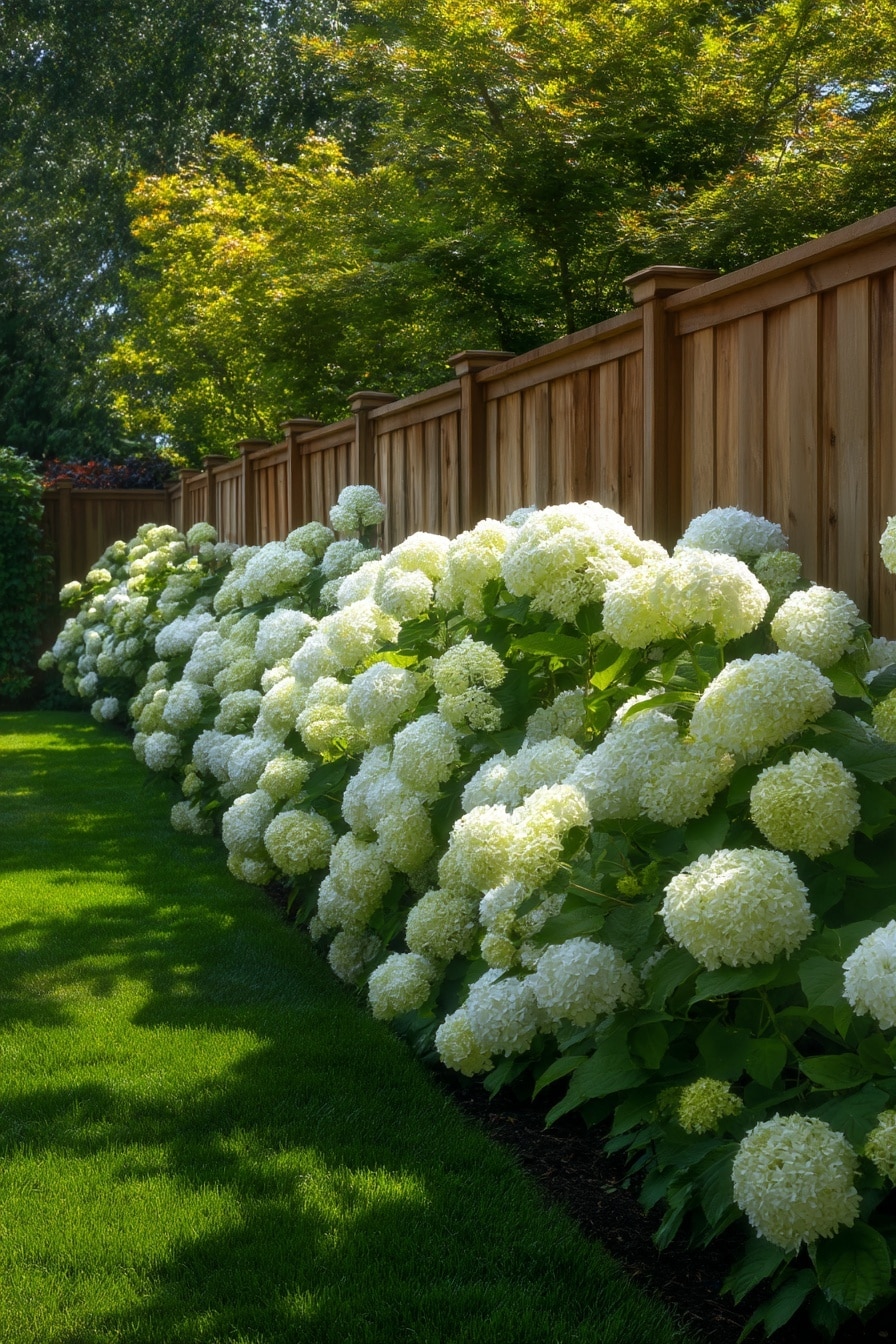
Hydrangea landscaping elevates outdoor spaces with breathtaking blooms and adaptable design options. Whether planted in containers, paired with ornamental grasses, or styled for symmetry, these shrubs deliver dramatic color and structure season after season.
Hydrangea landscaping is a go-to design choice this gardening season thanks to the shrub’s abundant blooms, flexible styles, and impressive presence in nearly every type of garden bed or yard plan. Whether you’re updating a cottage border or refreshing a modern front yard, pairing hydrangeas with smart design and plant companions can help your outdoor space feel lush and intentional.
This guide walks through practical, visually impactful hydrangea landscaping ideas that elevate both form and function in your garden—no matter its size or style.
Table of Contents
Why Hydrangea Landscaping Works

Hydrangeas are renowned for their bold blooms and versatile form, fitting into diverse landscapes from formal to rustic cottage settings. Their large flower heads provide easy visual impact, while different varieties offer color shifts, seasonal interest, and texture.
- Color variety: From blues and pinks to cream-white blooms
- Structure: Rounded shrubs that fill space without overwhelming
- Adaptability: Works in beds, borders, pots, and transitional landscaping
By planting hydrangeas thoughtfully, you balance ornamental value with practical garden design.
1. Place Hydrangeas Around Outdoor Entertainment Areas
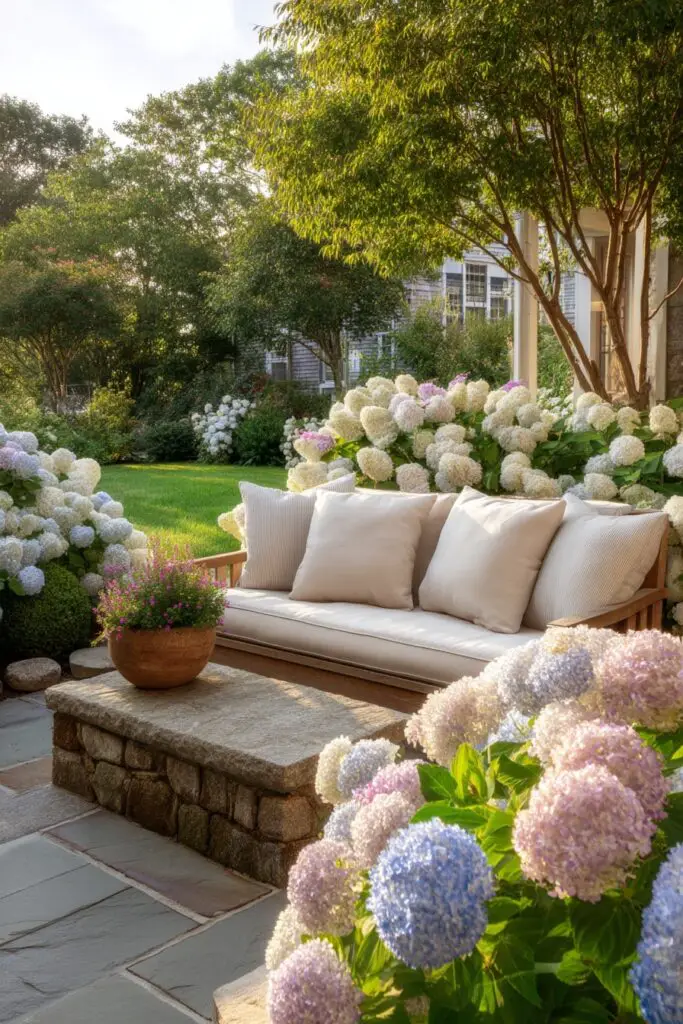
Incorporate hydrangeas around patios or poolside spaces to create inviting zones that feel cohesive and lush. Their shape softens hardscape features and provides generous color without constant maintenance, particularly when matched with low-growing groundcovers or decorative gravel.
2. Use Hydrangeas for Balanced Garden Symmetry
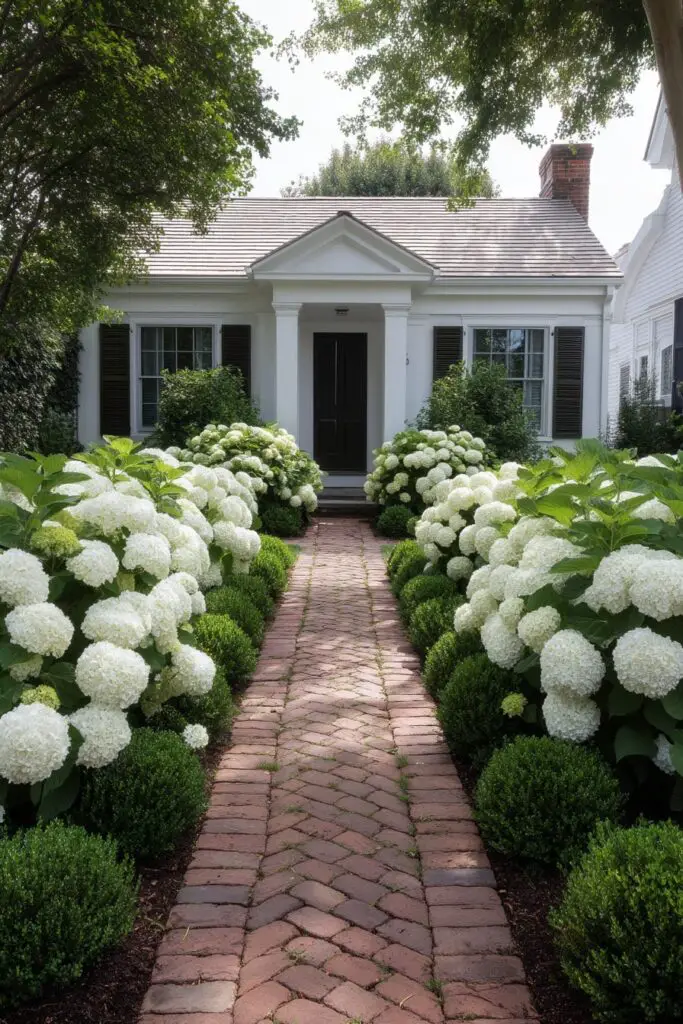
Symmetry with hydrangea landscaping can anchor pathways or frame major walkways. Pair identical hydrangea varieties on either side of a path or entry to draw the eye and guide guests through the garden with elegance.
3. Container and Pot Planting for Flexible Displays
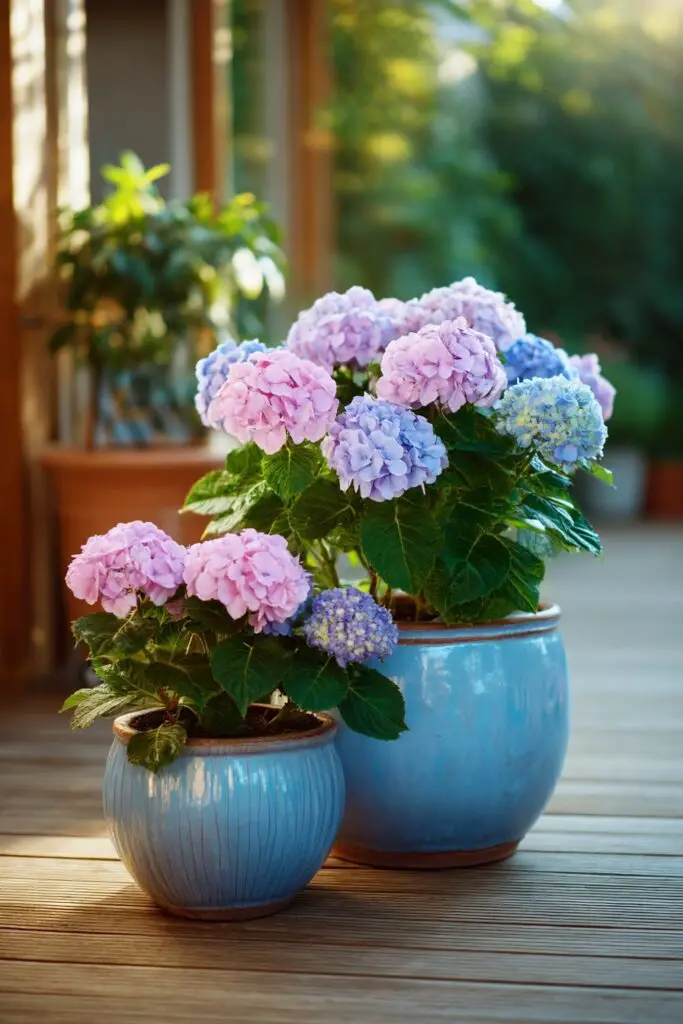
Not all spaces allow full garden beds. Using hydrangeas in decorative containers adds vertical color and texture to patios, decks, or balconies. Choose lightweight pots with deep soil to support root growth and ensure regular moisture for peak blooms
4. Layer with Complementary Plants
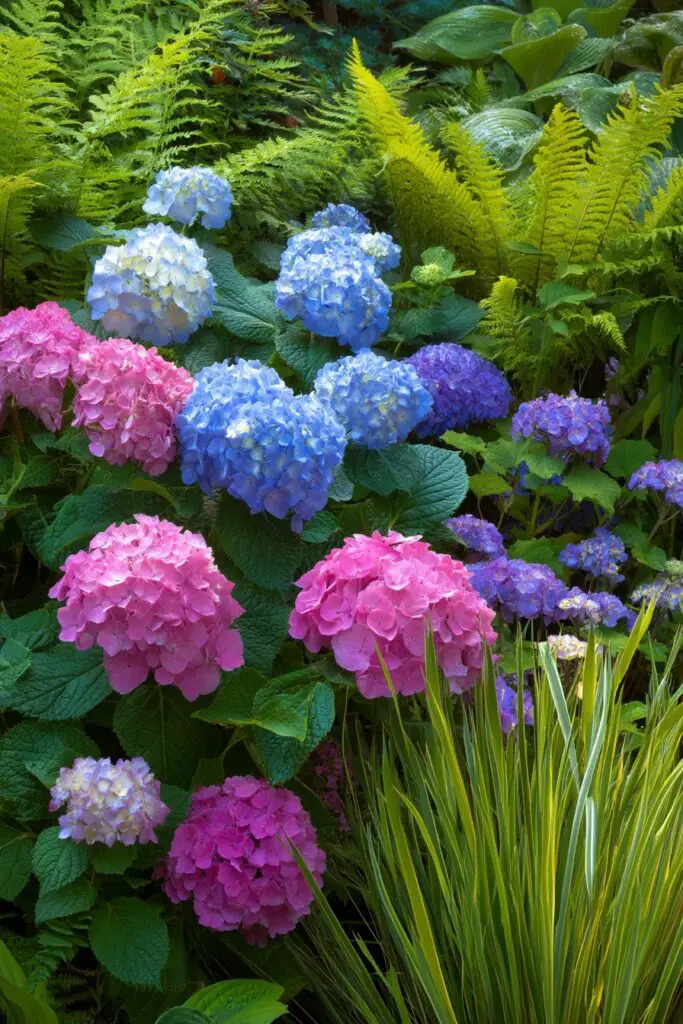
Combining hydrangeas with other plants enhances garden depth and keeps beds dynamic. Consider these companion ideas:
- Evergreens (for structure and winter interest)
- Ornamental grasses (adds movement and contrast)
- Ferns and hostas (for shady beds and texture)
Mixing foliage and form gives hydrangea landscaping dimension while supporting wildlife like pollinators.
5. Create Color Themes
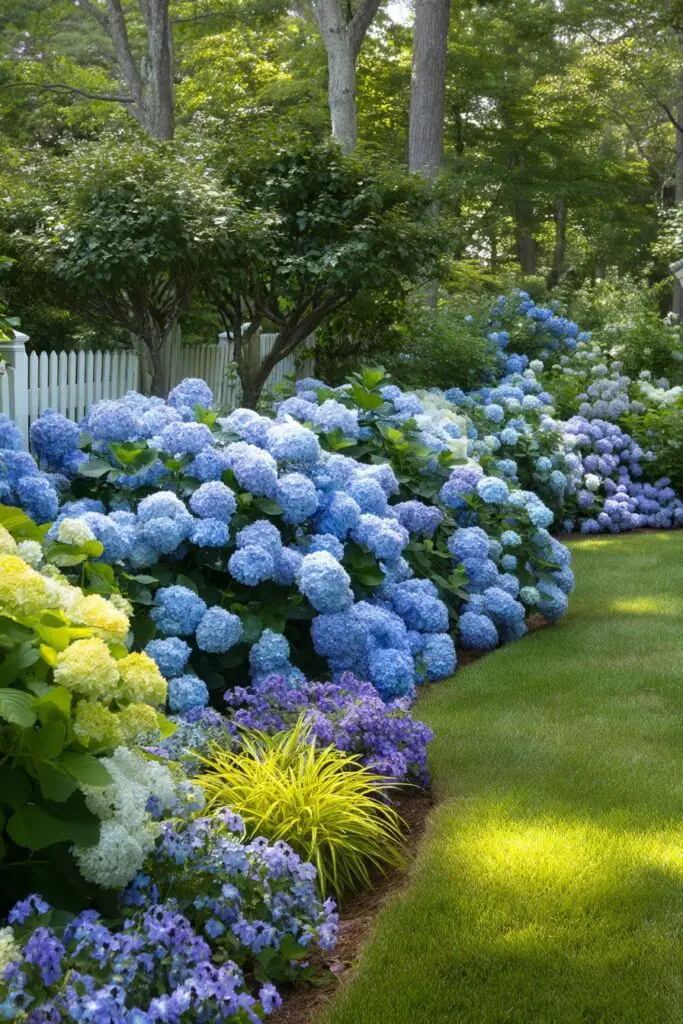
Hydrangea blooms can be coordinated for visual harmony or contrast. Stick with one color family (e.g., shades of blue or white) for a refined look, or mix pinks and purples to make garden beds pop. Adjust soil pH where possible to influence bloom hues in certain hydrangea types
6. Use Hydrangeas to Fill Borders or Privacy Screens
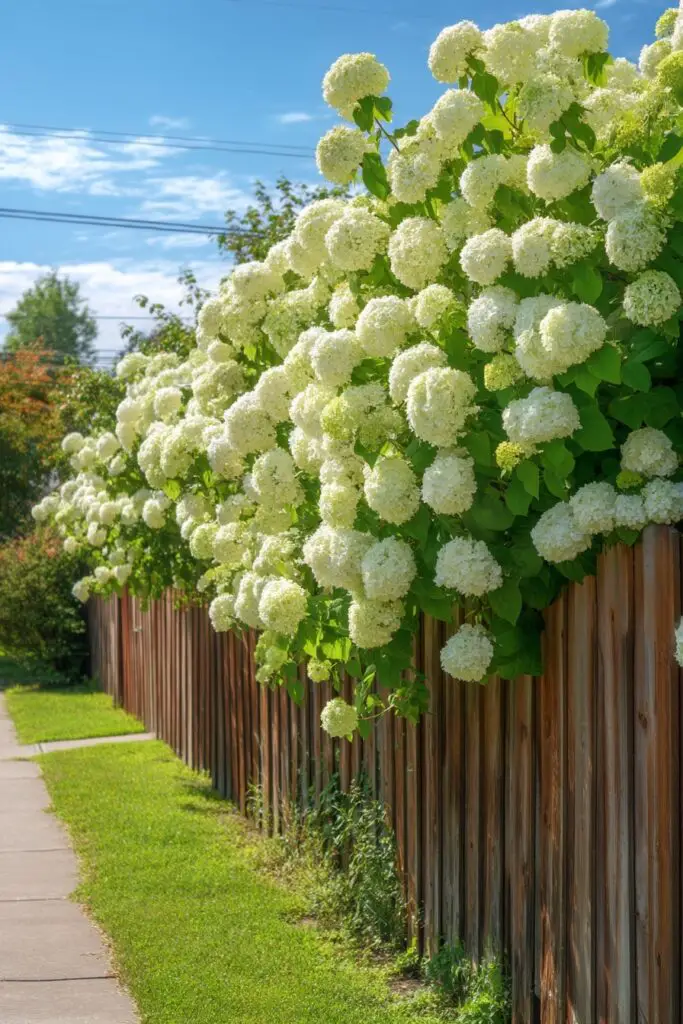
Tall hydrangea varieties make excellent border plants that can transform a fence line or property edge into a natural privacy screen. Grouping multiple hydrangeas close together offers dense coverage and lush seasonal blooms without sacrificing openness.
7. Pair Hydrangeas with Ornamental Grasses
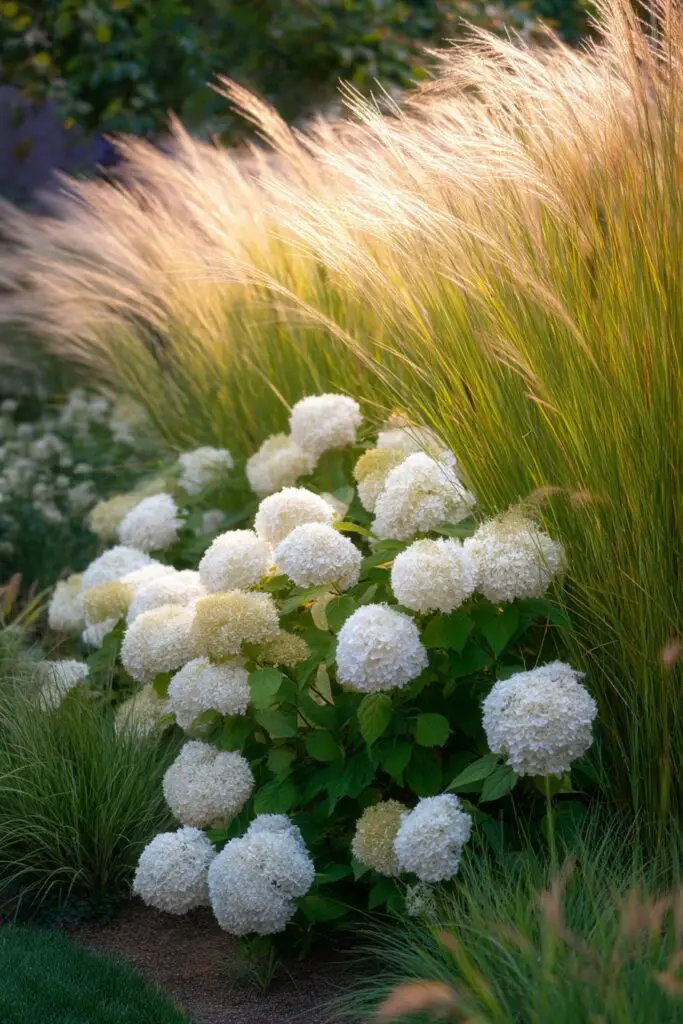
Ornamental grasses add a textural counterpart to hydrangea blooms. Their feathery plumes and swaying movement contrast beautifully with the round shapes of hydrangea flowers, softening borders while keeping visual interest high
8. Hydrangea in Formal Garden Layouts
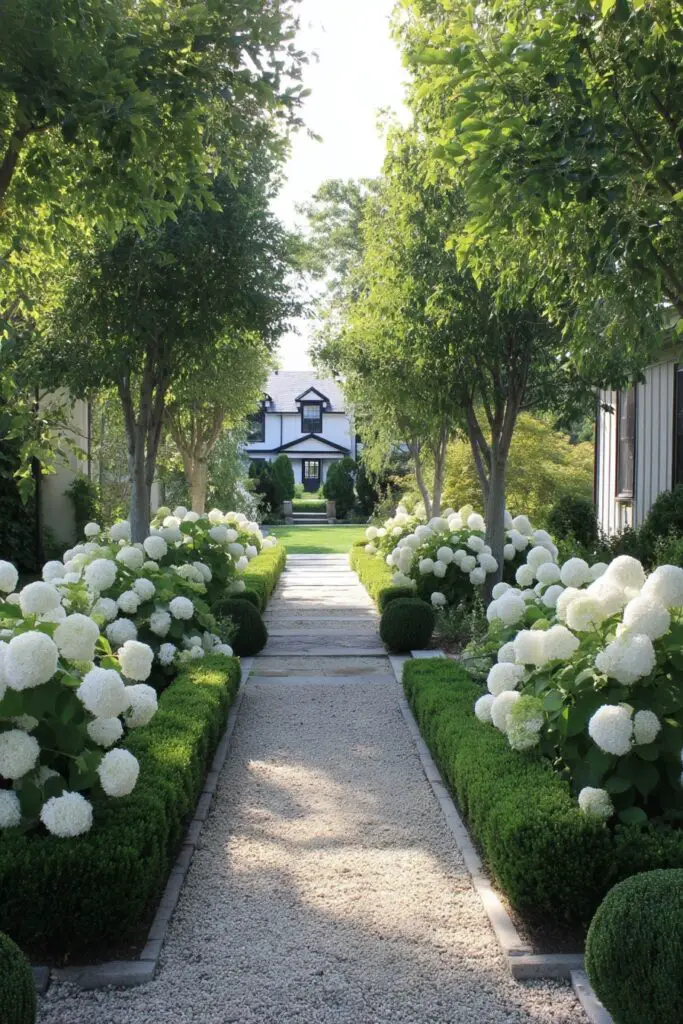
If your garden leans formal with clean lines and symmetry, hydrangeas can still fit. Plant them at equal intervals along walkways or structured beds to complement trimmed hedges or garden sculptures. Their bold blooms amplify the refined aesthetic without feeling out of place.
9. Compartmentalize Garden Spaces with Hydrangea Focal Points
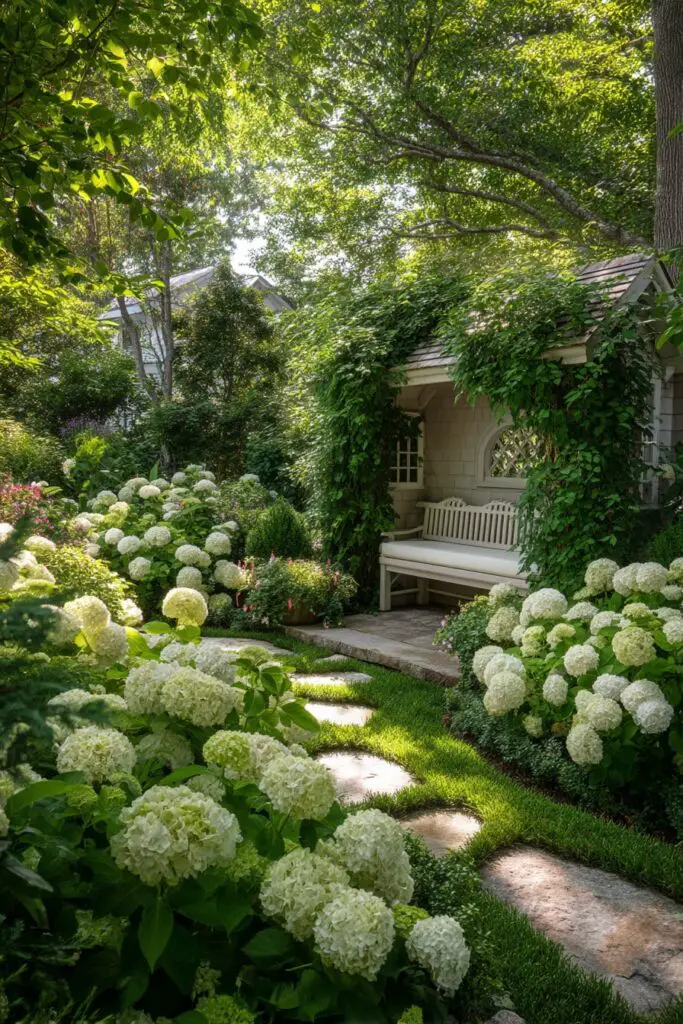
Use hydrangea landscaping to subdivide garden areas into themed zones. For example, a secluded reading nook bordered with hydrangeas and shade-tolerant perennials creates a cozy atmosphere, while a front yard hydrangea display boosts street-side curb appeal.
10. Think Seasonally for Year-Round Interest
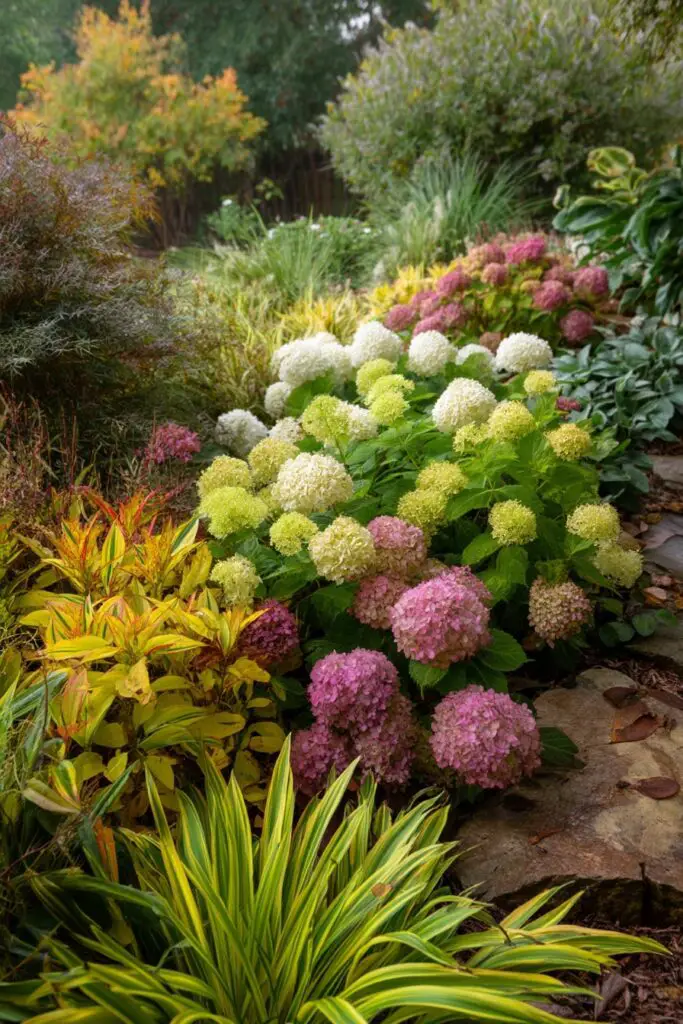
While hydrangeas shine in summer, thoughtful plant choices near them ensure your garden looks good beyond blooming months. Include plants with attractive fall foliage or winter texture near hydrangea beds to maintain visual appeal all year.
Conclusion
Hydrangea landscaping elevates outdoor spaces with breathtaking blooms and adaptable design options. Whether planted in containers, paired with ornamental grasses, or styled for symmetry, these shrubs deliver dramatic color and structure season after season.