
Herbs are one of the most rewarding plants you can grow—easy to cultivate, quick to harvest, and packed with flavor. Whether you have a small kitchen windowsill garden or a full outdoor herb patch, it doesn’t take long before you find yourself with more than you can use in a day. The question becomes: how do you store herbs to keep their flavor, color, and aroma intact?
Knowing how to properly preserve herbs means fewer trips to the store and more opportunities to enjoy your harvest all year long. From drying to freezing to infusing, there are several simple ways to keep herbs fresh and ready for your next meal.
Table of Contents
Drying Herbs

Drying is one of the oldest and most effective ways to store herbs. When moisture is removed properly, herbs retain their essential oils, making them ideal for seasoning stews, soups, sauces, and rubs. This method works especially well for sturdy, thick-leaved herbs like rosemary, thyme, oregano, and marjoram.
Microwave-Drying
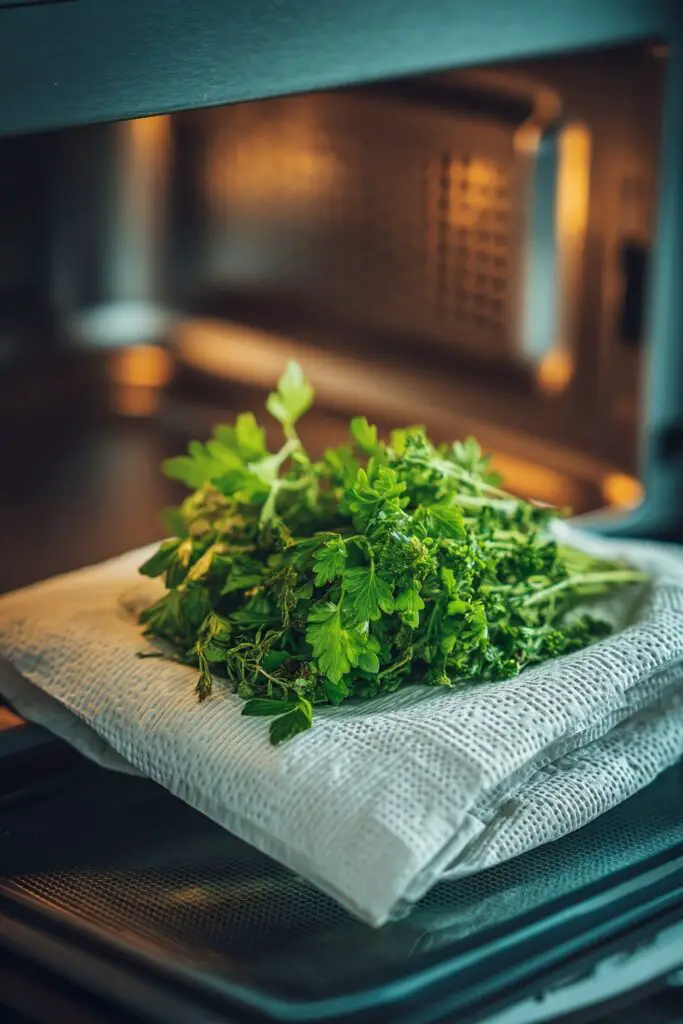
If you’re short on time, the microwave can quickly dry herbs while preserving both color and flavor. Start by rinsing your herbs and patting them dry. Remove any damaged leaves and separate the herbs from thick stems. Spread the leaves on a microwave-safe plate lined with paper towels. Cover with another paper towel, then microwave on high for 1 minute. Continue in 20-second intervals until the leaves are crisp.
Once dried, store the herbs in an airtight glass jar and keep them in a cool, dark place.
Oven-Drying
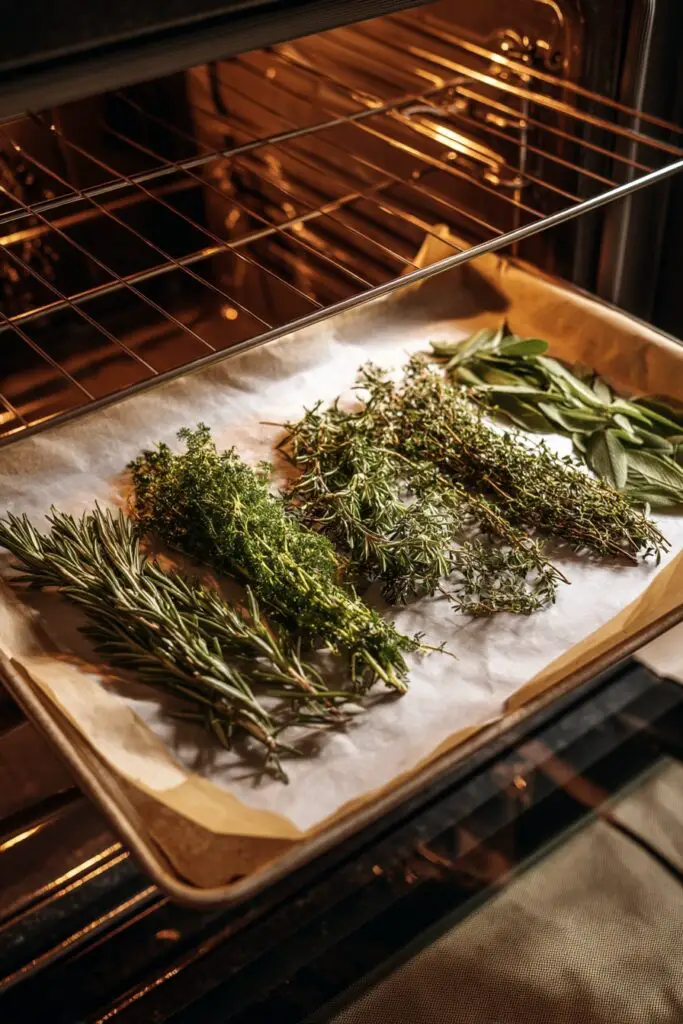
For larger batches, oven-drying is a good alternative. Preheat your oven to the lowest possible setting, ideally below 180°F (80°C). Place herbs on a baking tray lined with parchment paper. Leave the oven door slightly ajar to allow moisture to escape and check the herbs every 30 minutes. Drying time can take 2–4 hours.
Note that oven-drying may reduce the herbs’ potency and alter their color, especially for more delicate varieties.
Freezing Herbs
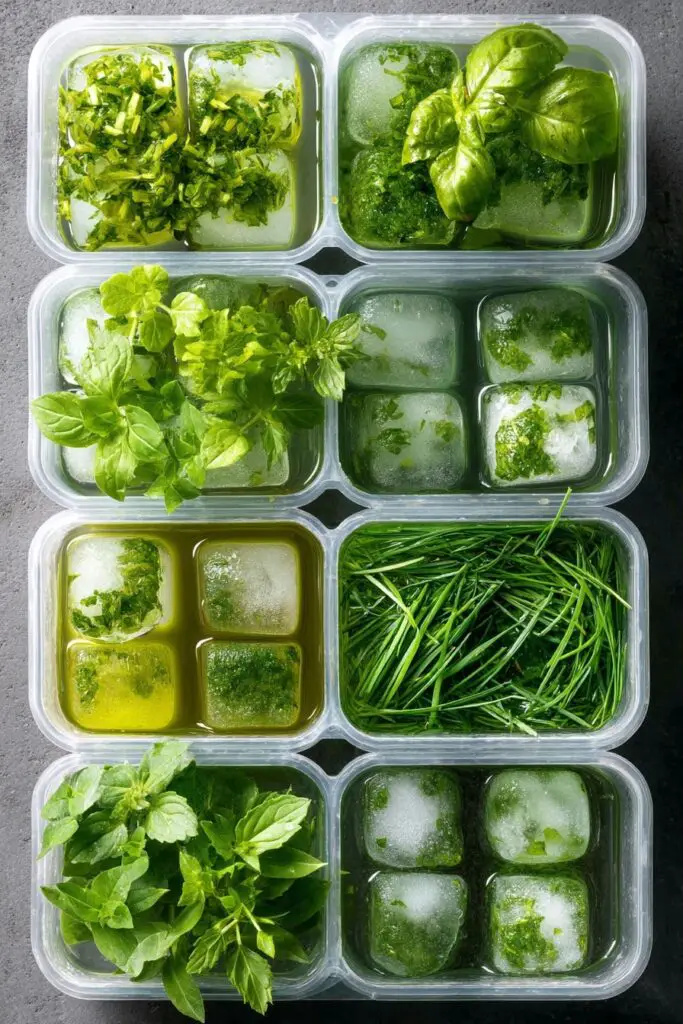
Freezing is a simple and efficient way to preserve fresh herbs, especially when you want to retain their vibrant flavor. Unlike drying, freezing keeps the essential oils locked in, making it perfect for herbs like basil, parsley, cilantro, and chives that don’t dry well.
Basic Freezing
Start by rinsing your herbs thoroughly and patting them completely dry. Strip the leaves from the stems and place them into a resealable freezer bag. Gently press out excess air before sealing. Store flat in the freezer for easy stacking and quick access later.
This method works best when you’re planning to use the herbs in cooked dishes like sauces, soups, or sautés.
Ice Cube Method
For more versatility, blend your fresh herbs with a small amount of water or olive oil, then pour the mixture into ice cube trays. Once frozen, transfer the cubes to a labeled freezer bag. Each cube gives you a perfectly portioned burst of flavor, ideal for tossing into hot dishes during cooking.
This method is also great for preserving chopped herb blends you use regularly—like parsley and garlic or rosemary and thyme.
How to Preserve Herbs
When you’re looking for longer-term storage or unique flavor infusions, preserving herbs in oil, vinegar, salt, and other mediums offers both convenience and versatility. These techniques not only extend shelf life but also create flavorful ingredients for everyday cooking.
Oil
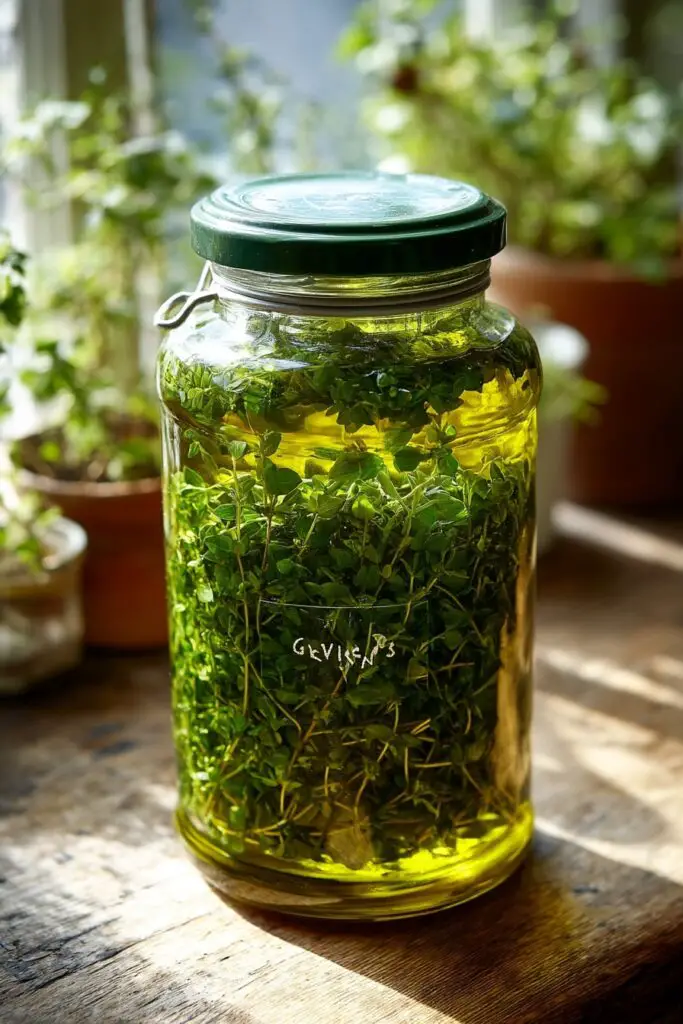
Preserving herbs in oil helps lock in their freshness and intensify their aroma. Use mild oils like extra virgin olive oil or canola oil to avoid overpowering the herb’s natural taste. Simply chop the herbs finely, cover them with oil in a sterilized jar, and store in the refrigerator. This method works well for basil, oregano, and parsley.
For longer storage, pour the mixture into ice cube trays and freeze. Just pop out a cube when you’re ready to sauté or roast.
Vinegar
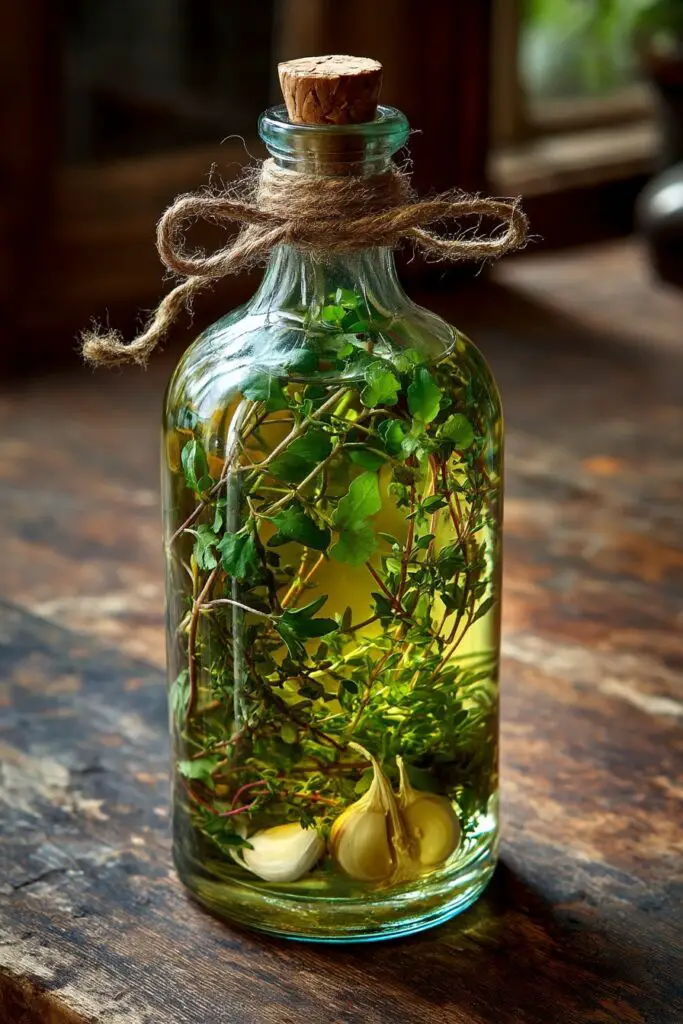
Vinegar infusions are great for salad dressings and marinades. Delicate herbs like dill, tarragon, and lemon balm pair well with white vinegar, while stronger herbs like thyme and sage complement red vinegar.
Add fresh herbs to a clean glass jar, pour in your choice of vinegar, and let the mixture sit sealed for 1 to 4 weeks. Strain and transfer to a fresh bottle for use.
Syrup
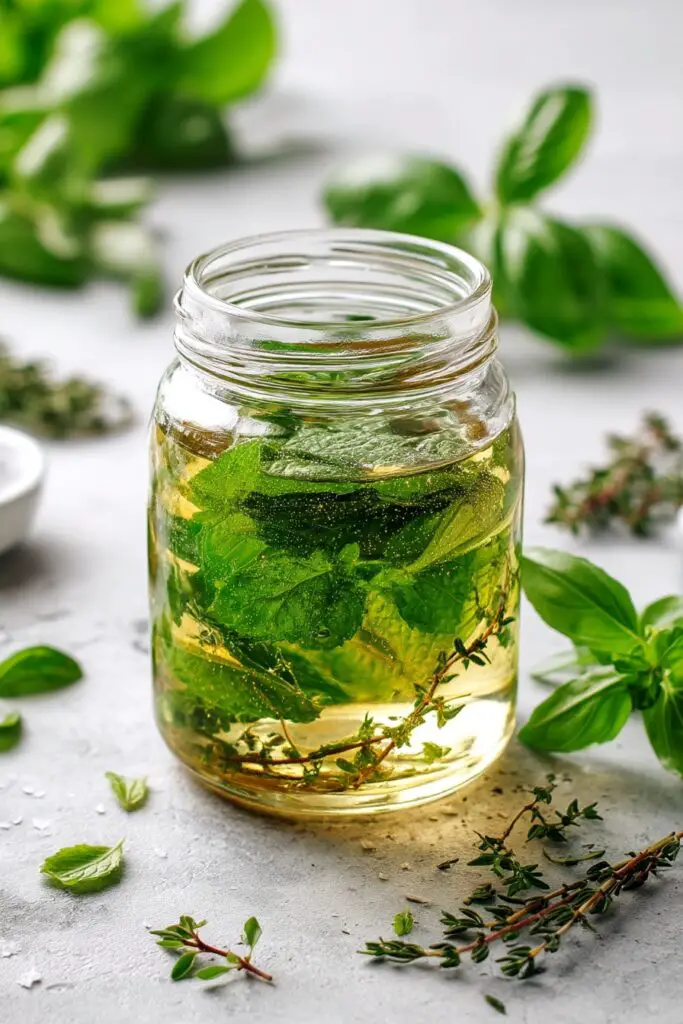
Sugar syrup is a flavorful way to preserve herbs for desserts and drinks. Simmer equal parts water and sugar with a handful of fresh herbs until the sugar dissolves. Cool, strain, and refrigerate the syrup in a sealed container. Use it to sweeten teas, cocktails, or fruit dishes.
Salt
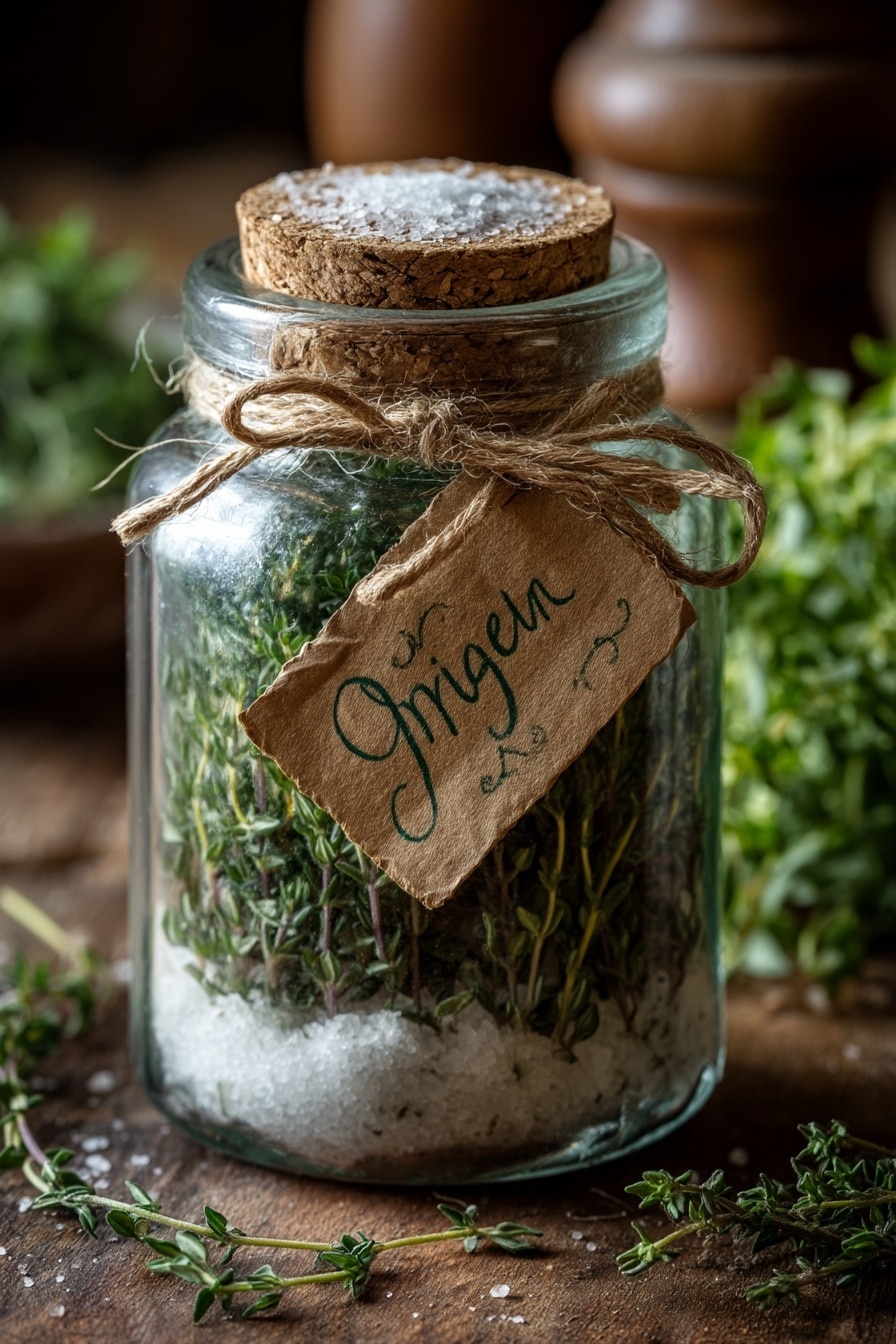
Salt naturally draws moisture from herbs, making it an effective preservative. In a glass jar, layer coarse salt and clean, dry herb leaves (like oregano or thyme) until full. Seal tightly and store in the fridge. Stir weekly, and after a few weeks, you’ll have savory, herb-infused salt that can last for months.
Wine
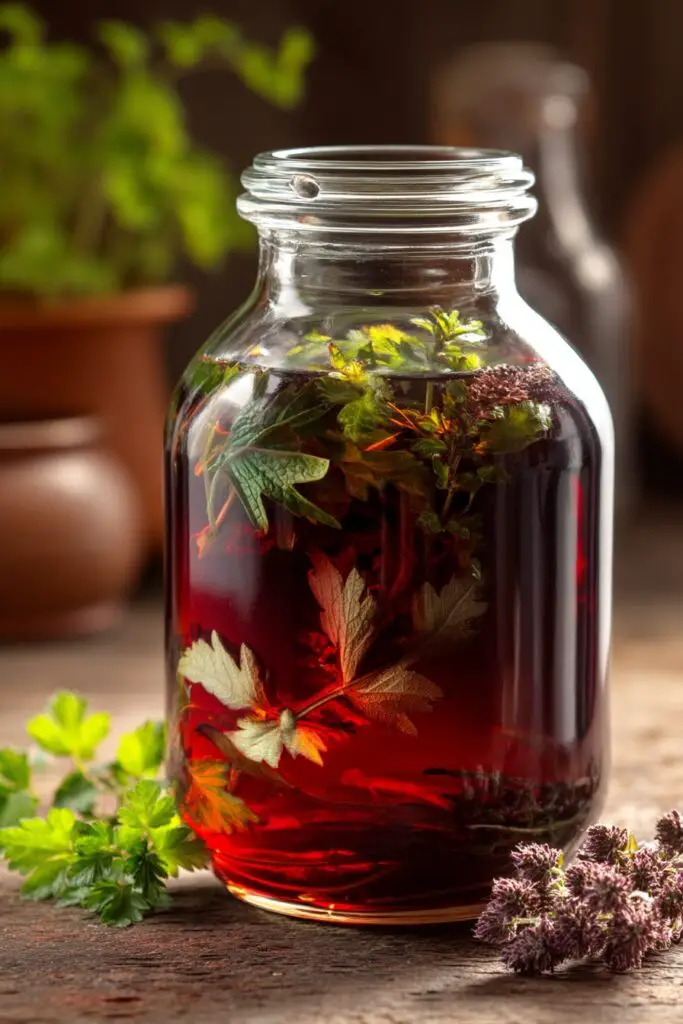
For a gourmet twist, steep fresh herbs in red or white wine. Tender herbs like chervil, basil, and parsley work best. Let them infuse for several days in a sealed jar, then strain. Use herbal wine in sauces, dressings, or to deglaze a pan.
Butters and Cheeses
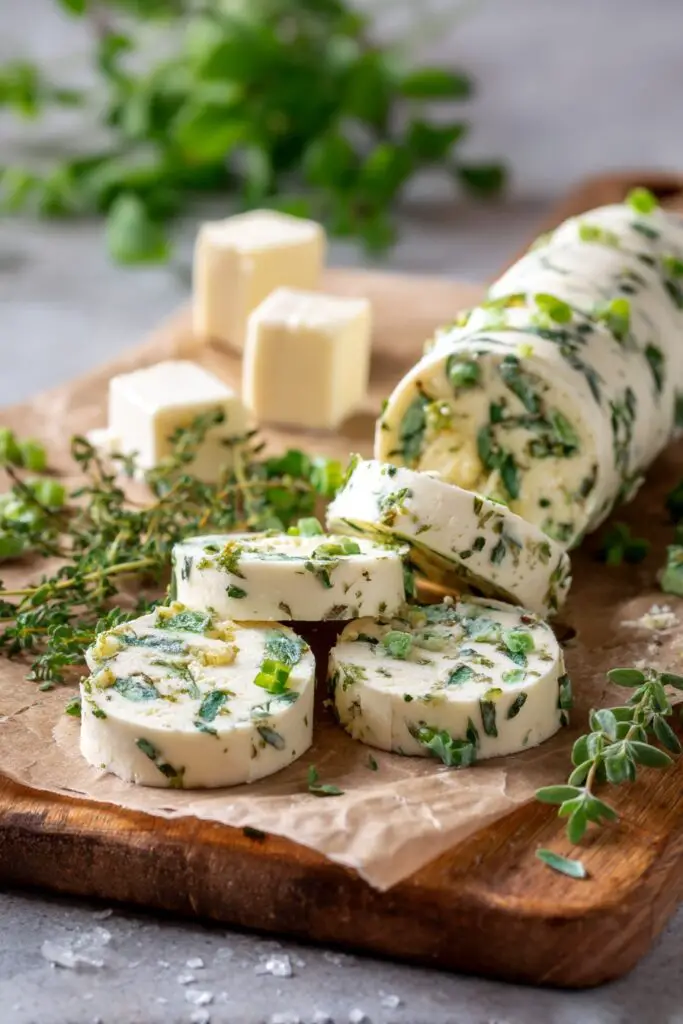
Mixing herbs into softened butter or cheeses extends their flavor and adds instant elegance to meals. Combine finely chopped herbs like chives or tarragon with room-temperature butter, then roll into a log and chill. Slice as needed to melt over vegetables, pasta, or grilled meat.
Soft cheeses like cream cheese or goat cheese also take well to herb blending—just mix and refrigerate in small, portioned containers.
Conclusion
Whether you’re drying, freezing, or preserving in oil and vinegar, storing herbs the right way ensures your harvest lasts long after it’s been picked. With just a few simple techniques, you can enjoy the bold, fresh flavors of herbs in your cooking year-round. Best of all, these methods require minimal effort and give you full control over what goes into your kitchen staples.
No matter how much space you have, preserving herbs is one of the most satisfying parts of gardening—one that keeps giving, season after season.