
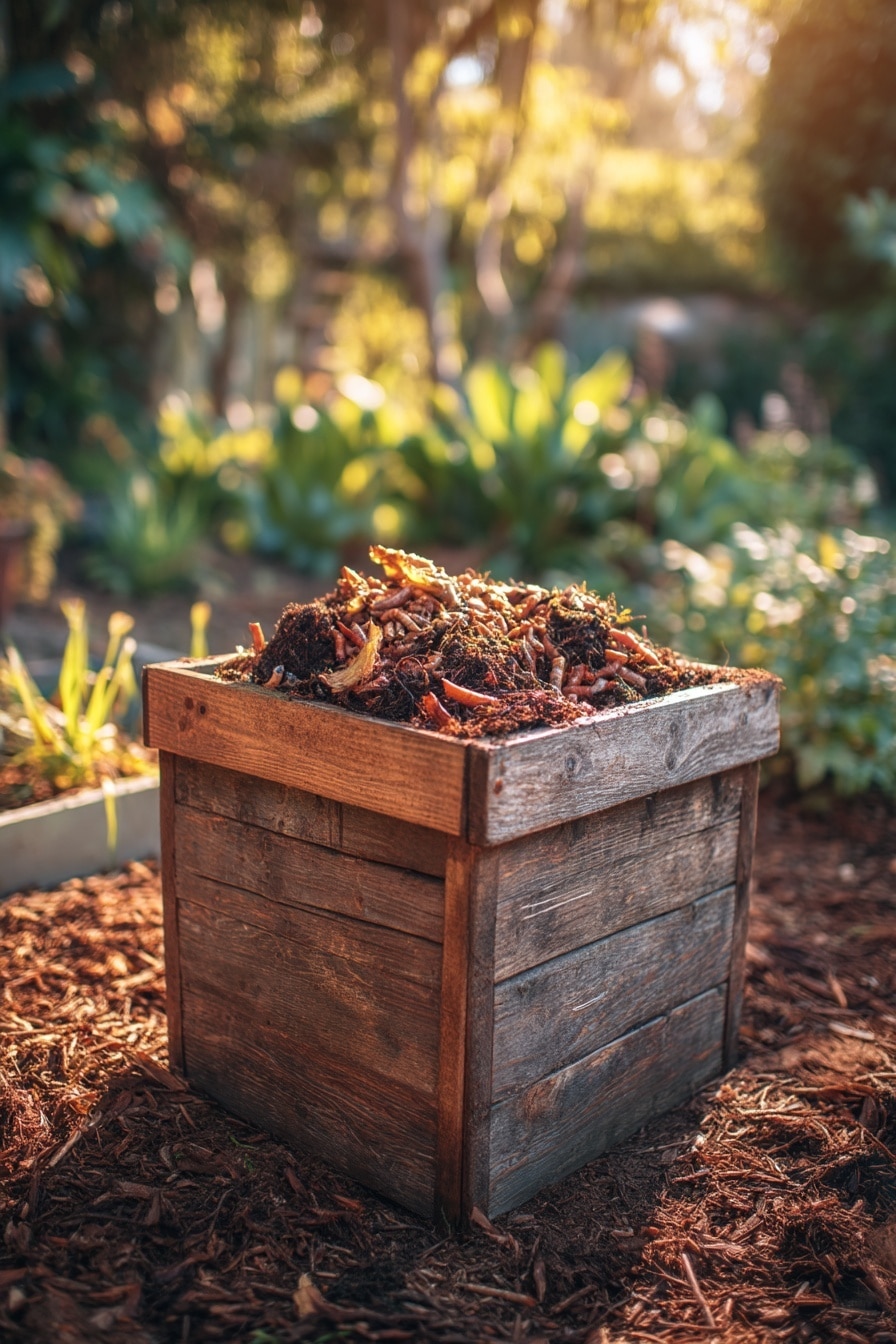
DIY worm compost bin systems are one of the easiest and most affordable ways to turn kitchen waste into rich, organic fertilizer. With a simple setup, you can create a thriving vermicomposting system right at home while reducing food waste.
Many gardeners choose a DIY worm compost bin because it requires minimal space and maintenance. Whether you live in an apartment or have a backyard, vermicomposting can fit into your routine and provide nutrient-rich castings for your plants.
In this guide, you’ll learn five practical ways to build a DIY worm compost bin, along with simple tips to keep your system healthy and productive.
Table of Contents
Why Use a DIY Worm Compost Bin?

A DIY worm compost bin offers several benefits for both your garden and the environment.
Key advantages:
- Converts kitchen scraps into nutrient-rich compost
- Reduces household waste
- Improves soil structure and fertility
- Requires little space and effort
Using a DIY worm compost bin is a sustainable solution that supports healthier plant growth.
1. Plastic Storage Bin Worm Compost Bin
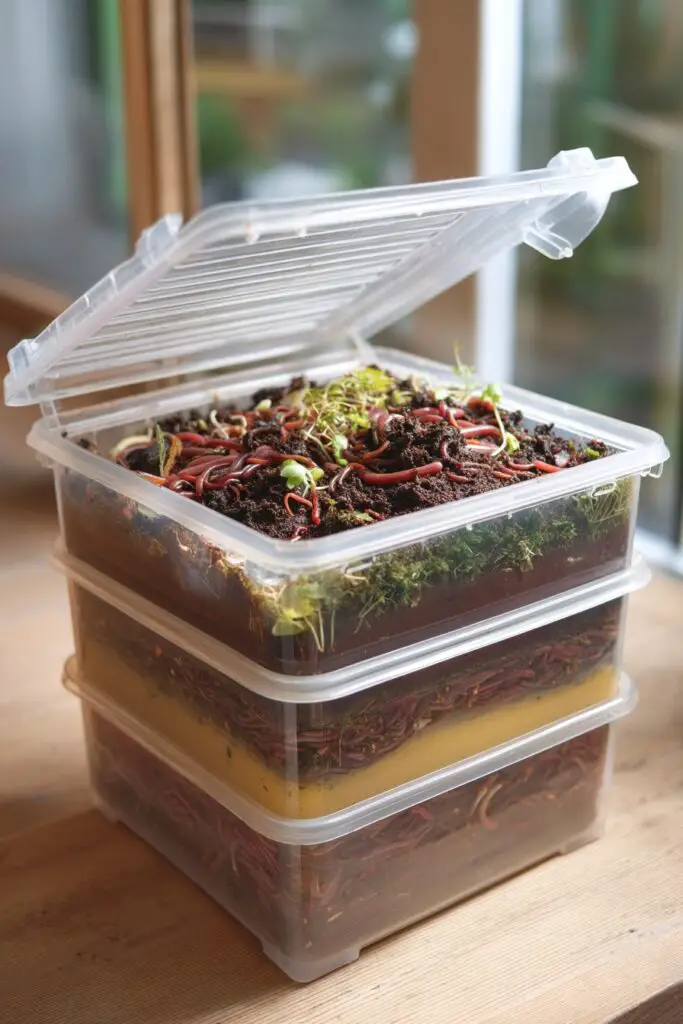
A plastic bin is one of the most common and beginner-friendly ways to create a DIY worm compost bin.
Why it works:
- Affordable and easy to find
- Lightweight and portable
- Simple to customize
How to build:
- Drill air holes on the sides and lid
- Add drainage holes at the bottom
- Place bedding like shredded paper or coconut coir
- Introduce worms and food scraps
This DIY worm compost bin is ideal for beginners starting vermicomposting at home.
2. Stackable Tray Worm Compost Bin
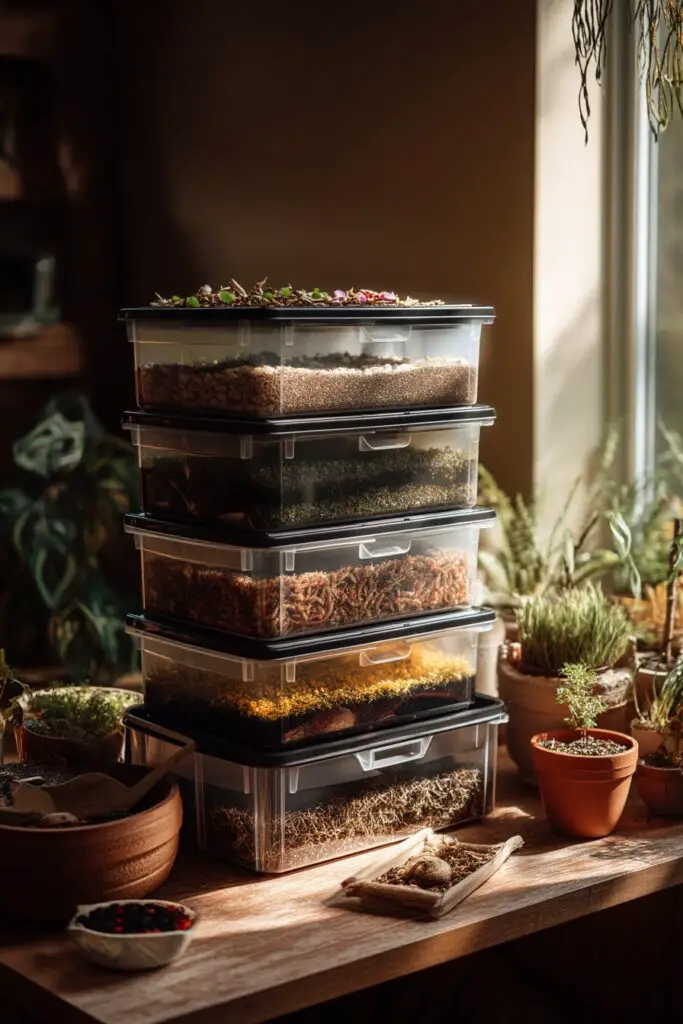
A stackable system is a more advanced DIY worm compost bin that allows easy compost harvesting.
Why it works:
- Separates fresh waste from finished compost
- Makes harvesting cleaner and easier
- Supports continuous composting
How to build:
- Use multiple shallow containers
- Drill holes between trays for airflow and movement
- Stack them vertically
- Add food to the top tray
This DIY worm compost bin setup is great for gardeners who want efficiency.
3. Wooden Worm Compost Bin
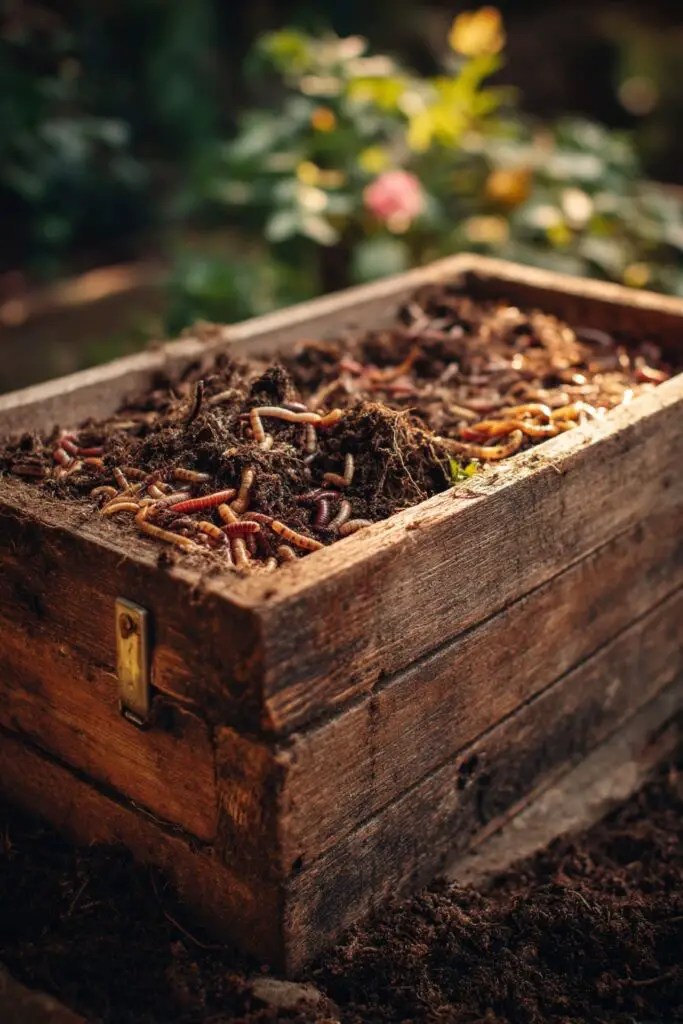
A wooden structure offers a more natural and durable DIY worm compost bin option.
Why it works:
- Provides insulation
- Blends well with outdoor gardens
- Long-lasting with proper care
How to build:
- Build a simple wooden box
- Add a lid for moisture control
- Drill ventilation holes
- Line the bottom if needed
This DIY worm compost bin is perfect for outdoor use.
4. Bucket Worm Compost Bin
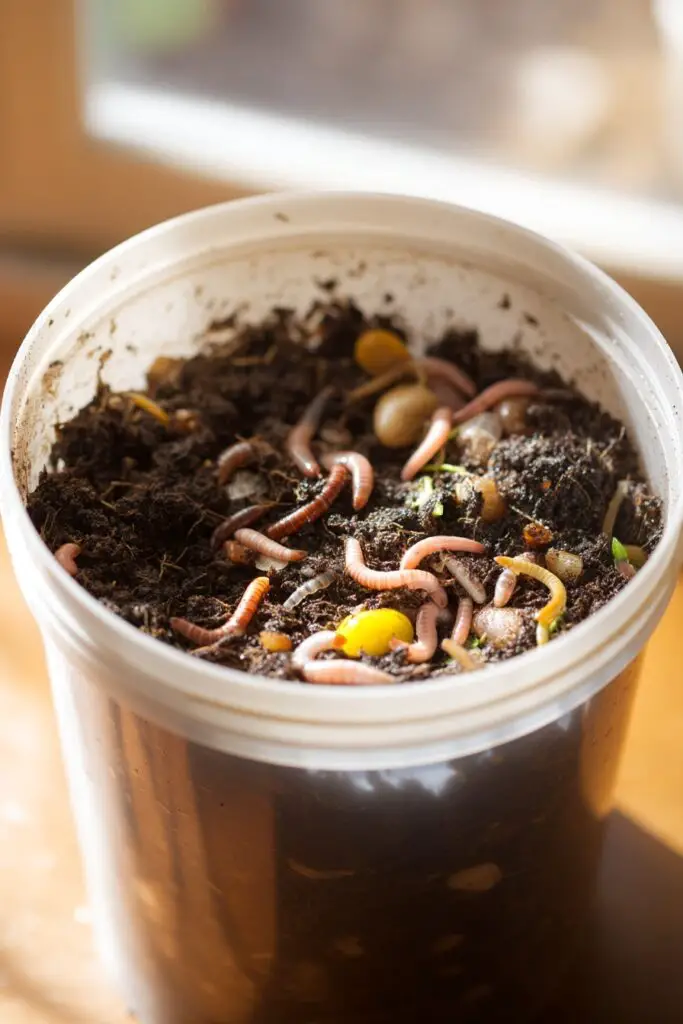
A bucket system is a compact DIY worm compost bin suitable for small spaces.
Why it works:
- Space-saving design
- Easy to manage
- Ideal for apartments
How to build:
- Use one or two buckets
- Drill holes for airflow and drainage
- Add bedding and worms
- Collect liquid compost if using a two-bucket system
This DIY worm compost bin is a practical choice for indoor composting.
5. In-Ground Worm Compost Bin
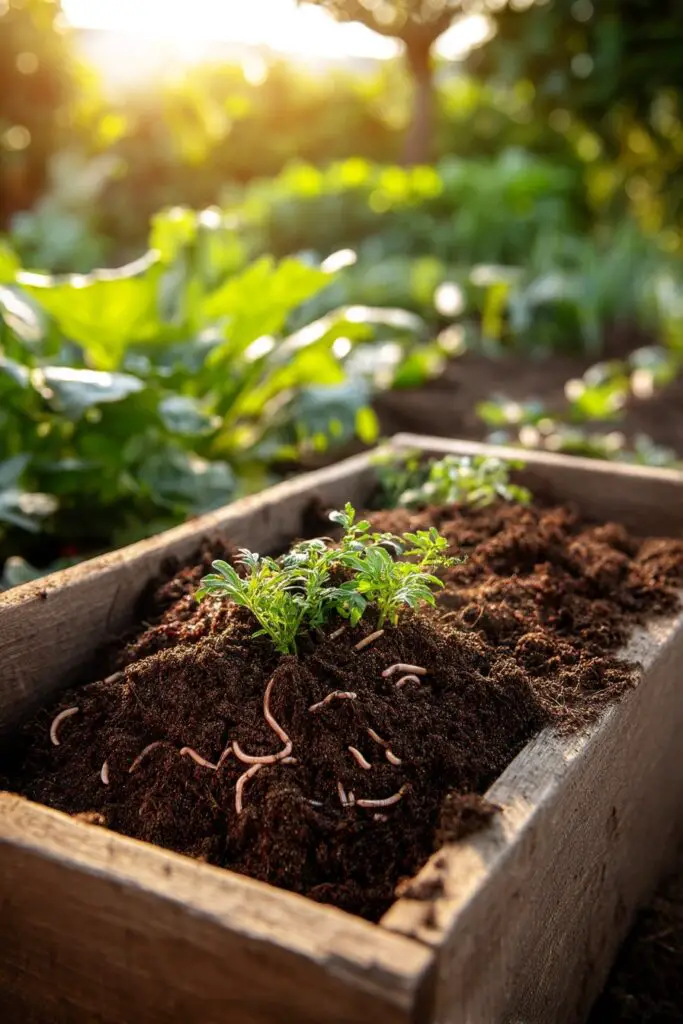
An in-ground system is a simple DIY worm compost bin that works directly in your garden soil.
Why it works:
- Improves soil directly
- Requires less maintenance
- Encourages natural worm activity
How to build:
- Dig a hole in your garden
- Place a container with holes
- Add organic waste and bedding
- Cover lightly with soil
This DIY worm compost bin is great for gardeners who prefer a low-maintenance approach.
Tips for Maintaining Your DIY Worm Compost Bin
To keep your DIY worm compost bin healthy and productive, follow these tips:
- Feed worms regularly but avoid overfeeding
- Keep bedding moist but not soggy
- Avoid adding meat, dairy, or oily foods
- Maintain proper airflow
Healthy worms will produce high-quality compost that benefits your plants.
Conclusion
A DIY worm compost bin is a simple and effective way to recycle kitchen waste while enriching your garden soil. With options ranging from plastic bins to in-ground systems, there’s a method for every space and experience level.
By choosing the right setup and maintaining it properly, your DIY worm compost bin can become a reliable source of organic fertilizer for healthier plants.