
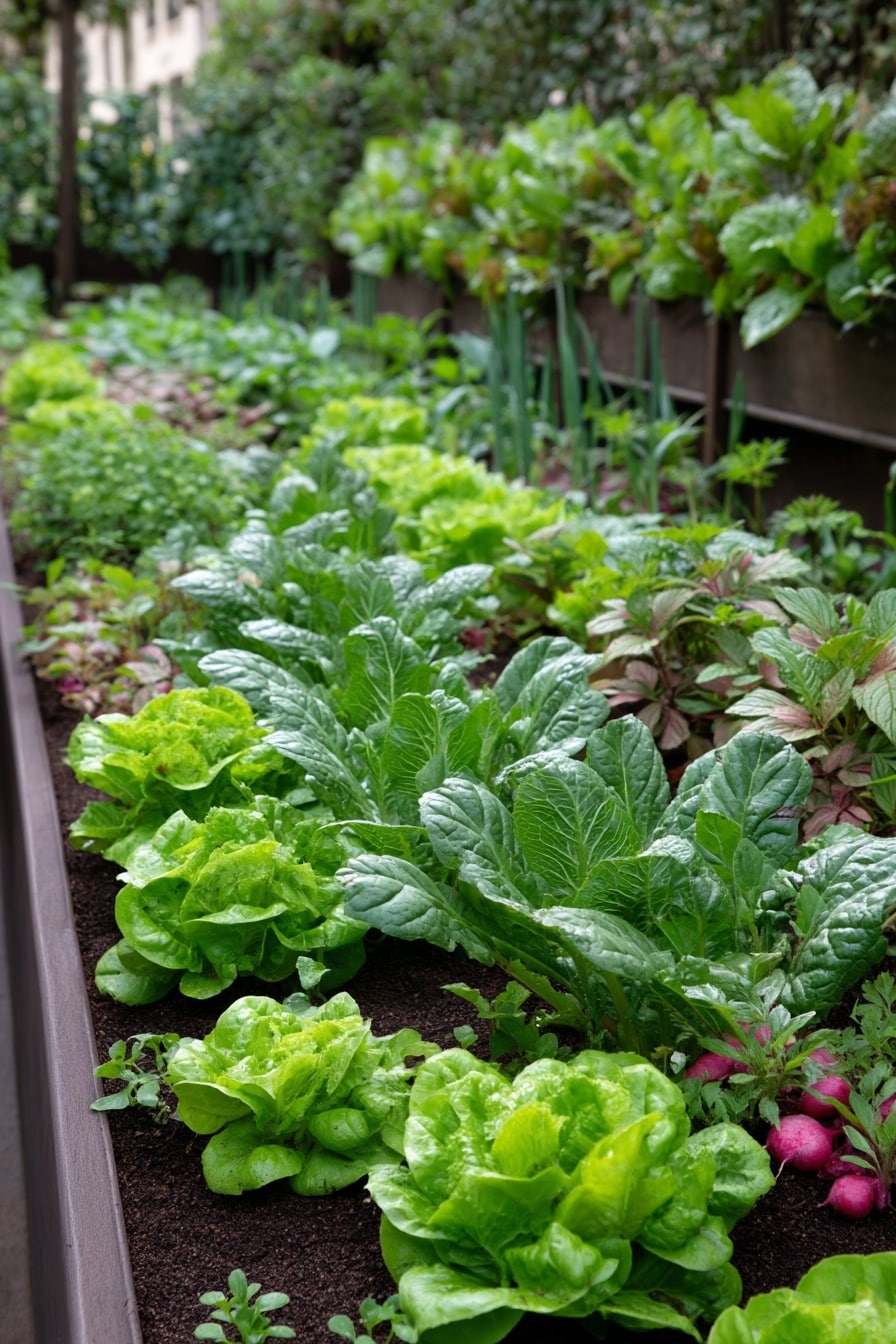
Companion planting is a fantastic method to boost your garden’s productivity and health, allowing different plants to grow better together. Whether you’re new to gardening or have been at it for years, understanding the basics of companion planting can help you make the most of your space. This article covers six easy steps for creating your own companion planting plan, ensuring that your plants work together harmoniously while enhancing each other’s growth.
Table of Contents
1. Categorize Your Plants

Before you begin pairing plants, it’s important to categorize them to understand their needs. Start by grouping plants based on four key categories: herbs, flowers, growing season, and size. This will help you decide which plants thrive in the same environment.
Categories to Consider:
- Herbs: Include plants like basil, rosemary, and mint that are used for cooking or medicinal purposes.
- Flowers: Many flowers can attract beneficial insects and repel pests.
- Growing Season: Plants can be categorized by cool, warm, or hot seasons.
- Size: Plants come in small, medium, and large sizes, influencing their spacing and compatibility.
2. Pick Herbs & Flowers for the Border of Raised Beds
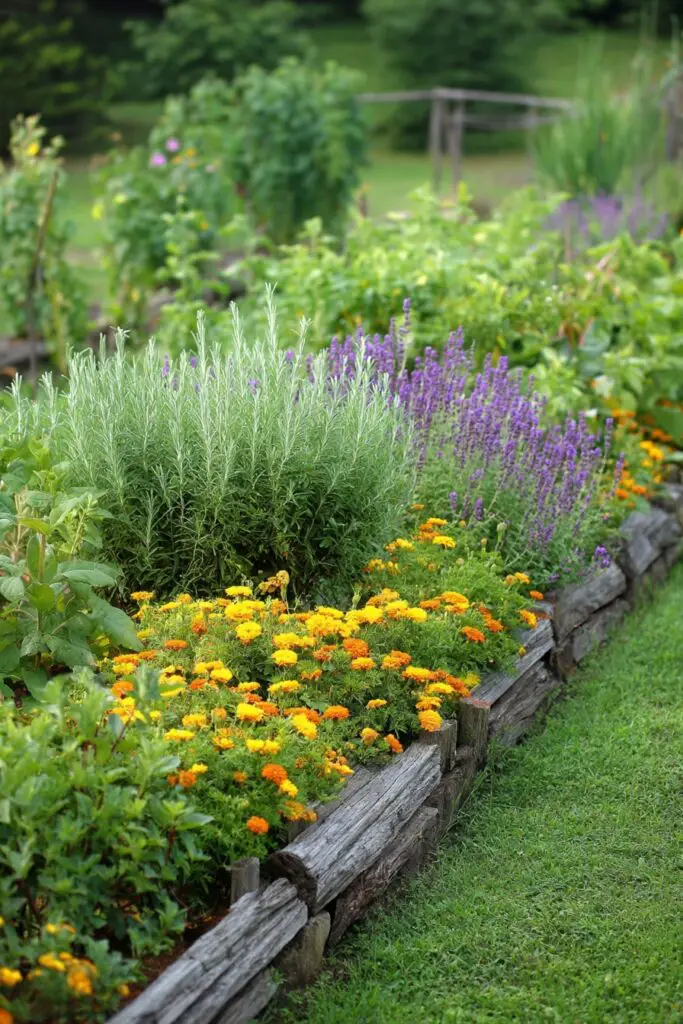
Start your planting plan by selecting herbs and flowers to line the edges of your raised beds. These plants will serve dual purposes—acting as pest deterrents and attracting beneficial insects like bees and ladybugs.
Benefits of Border Plants:
- Repel harmful pests
- Attract pollinators
- Don’t block sunlight from fruiting plants
3. Select Plants Based on Season
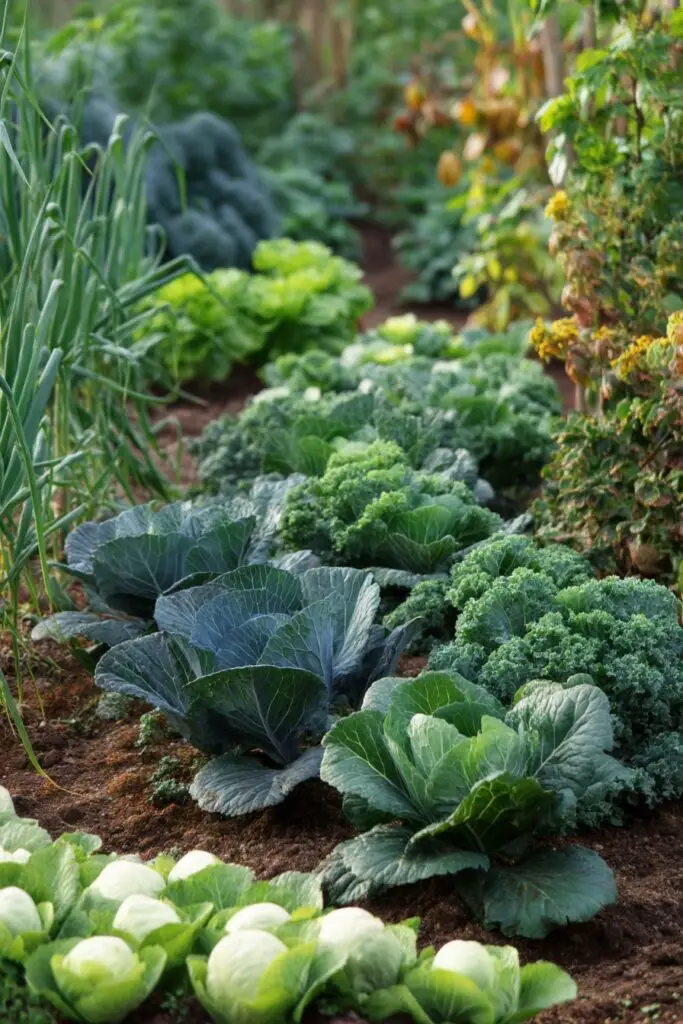
Understanding the current or upcoming growing season is key. Whether it’s the cool, warm, or hot season, choose plants that thrive during that time. A balanced selection of small, medium, and large plants ensures your garden flourishes at every stage of growth.
Seasonal Tips:
- Cool season plants thrive in temperatures from 35°F to 64°F.
- Warm season plants grow best between 65°F and 84°F.
- Hot season plants require temperatures above 85°F.
4. Place Large Plants
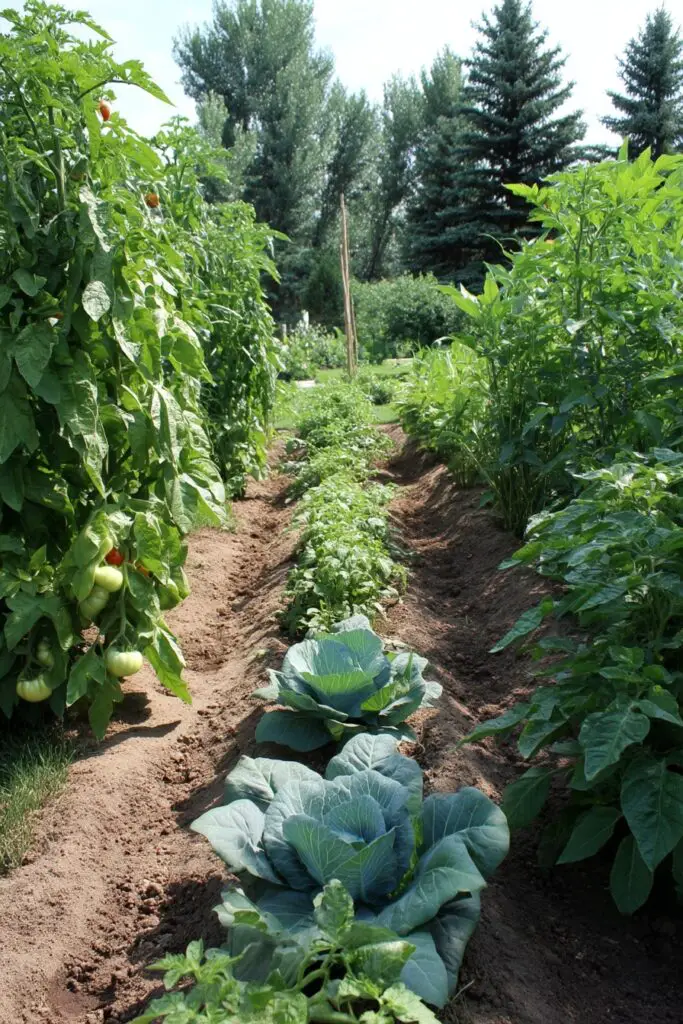
Large plants such as broccoli or sugar snap peas should be positioned first, as they need space to grow. Consider their growth patterns—some plants spread out, while others grow vertically, like peas.
Tips for Large Plants:
- Position them centrally to allow space for medium and small plants.
- Use vertical support, like trellises, for plants like peas.
5. Add Medium-Size Plants
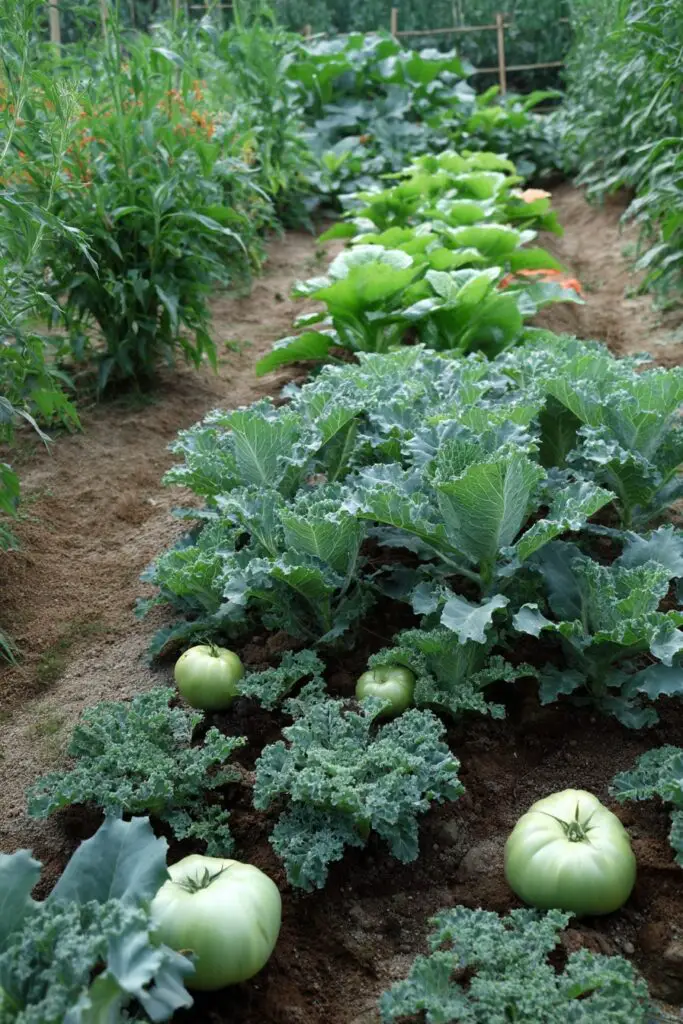
Once your large plants are in place, fill in the gaps with medium-sized plants. These can be leafy greens or smaller vegetable crops that will grow around the larger plants without crowding them.
Medium Plant Options:
- Kale
- Celery
- Mustards
6. Fill in with Small Plants
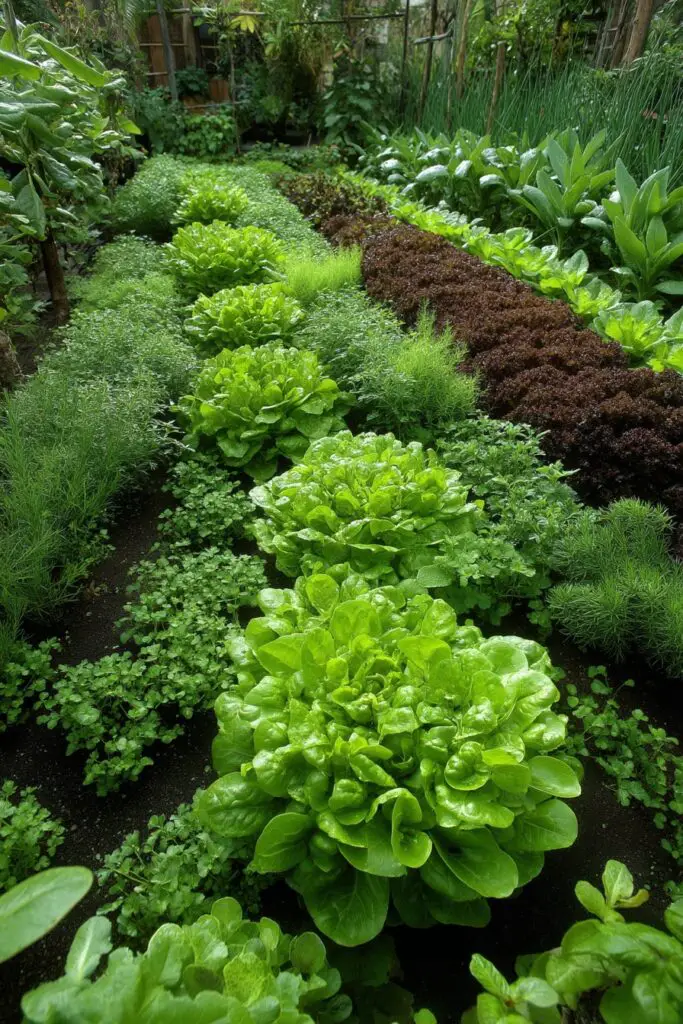
Lastly, plant smaller crops like radishes, lettuce, or herbs. These plants can be grown from seeds and will eventually fill in the remaining spaces, ensuring a full, healthy garden.
Small Plants Benefits:
- Fill gaps in the garden
- Thrive in seed form
- Help with weed control
Conclusion
Companion planting doesn’t have to be complicated. By categorizing your plants, choosing the right companions, and planning carefully, you can create a thriving, beautiful garden. These six steps simplify the process and ensure your plants work in harmony, benefiting each other’s growth while enhancing your garden’s overall health. Start your companion planting journey today, and enjoy a vibrant, productive garden all year round.