
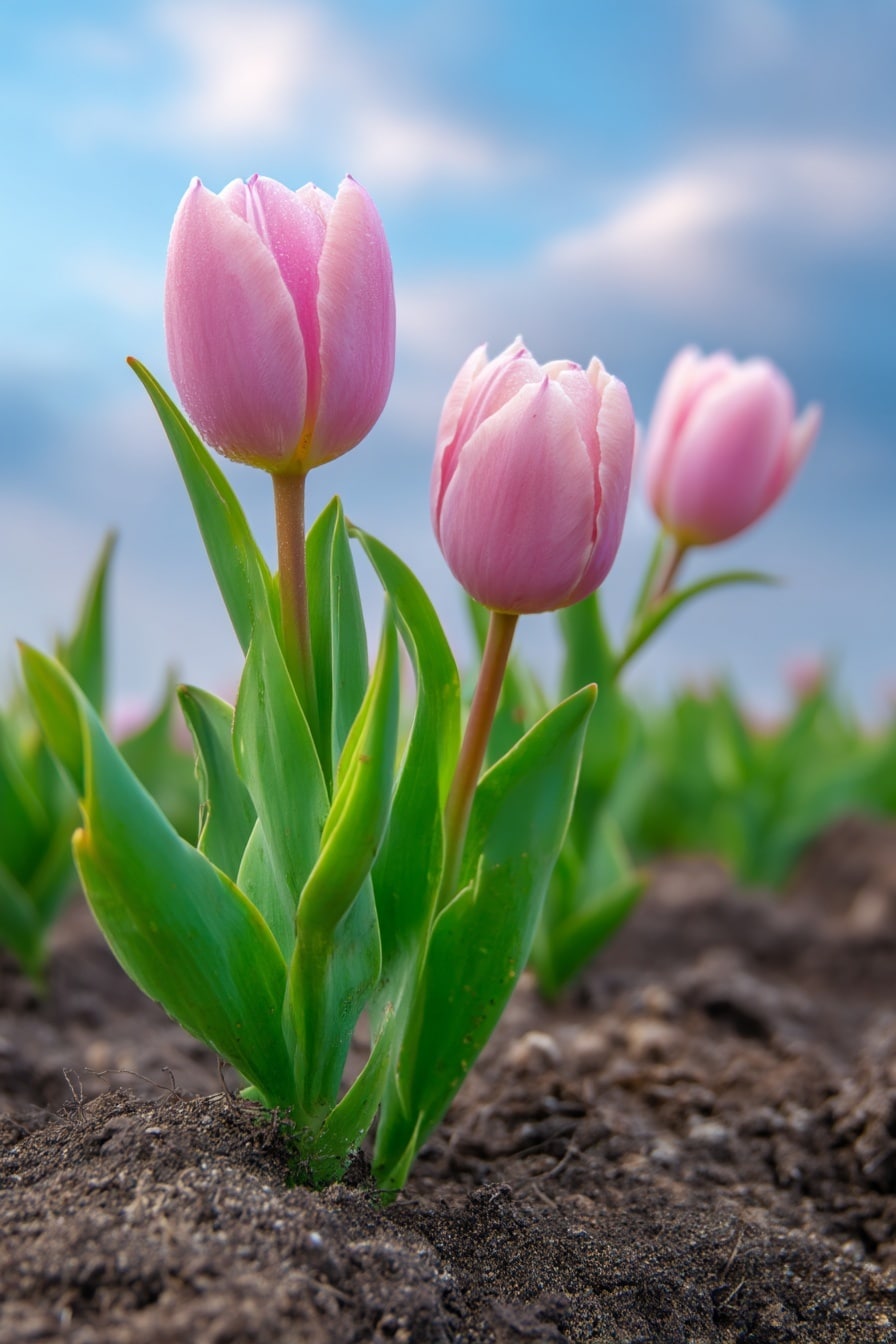
Tulips flowers are among the most محبوب and recognizable blooms in the world, known for their elegant shape and vibrant colors. From spring gardens to decorative arrangements, tulips flowers have captured the attention of gardeners and flower lovers for centuries.
Understanding tulips flowers goes beyond their beauty. These flowers have a rich history, unique growing habits, and interesting characteristics that make them stand out. Whether you’re planting them in your garden or simply admiring their charm, these facts will help you appreciate tulips flowers even more.
Table of Contents
1. Tulips Have a Rich Historical Background

Tulips flowers are deeply rooted in history and culture. They originally came from Central Asia and later became highly popular in Europe.
A Look Into the Past
- Tulips were widely cultivated in the Ottoman Empire
- They became extremely valuable during a period known as “Tulip Mania”
- At one point, tulip bulbs were traded like currency
This fascinating background adds depth to the beauty of tulips flowers.ting characteristics that make them stand out. Whether you’re planting them in your garden or simply admiring their charm, these facts will help you appreciate tulips flowers even more.
2. Tulips Come in a Wide Range of Colors
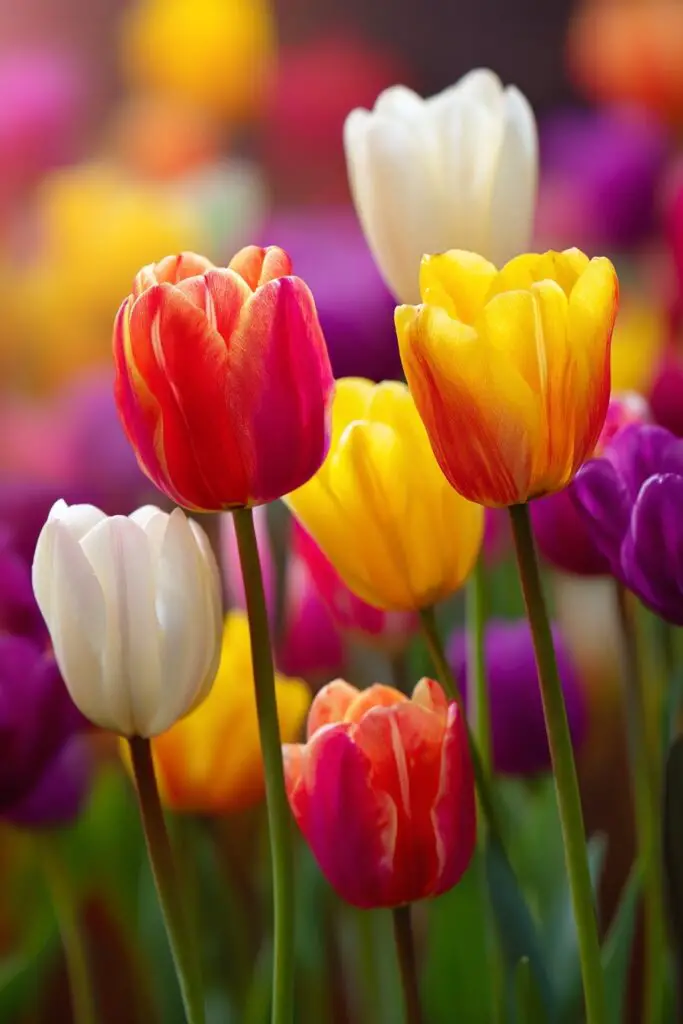
One of the most appealing aspects of tulips flowers is their variety of colors. From soft pastels to bold shades, there’s something for every preference.
Common Tulip Colors
- Red for love and passion
- Yellow for happiness
- Purple for elegance
- White for purity
Some tulips flowers even feature multiple colors or unique patterns, making them even more eye-catching.
3. Tulips Continue to Grow After Cutting
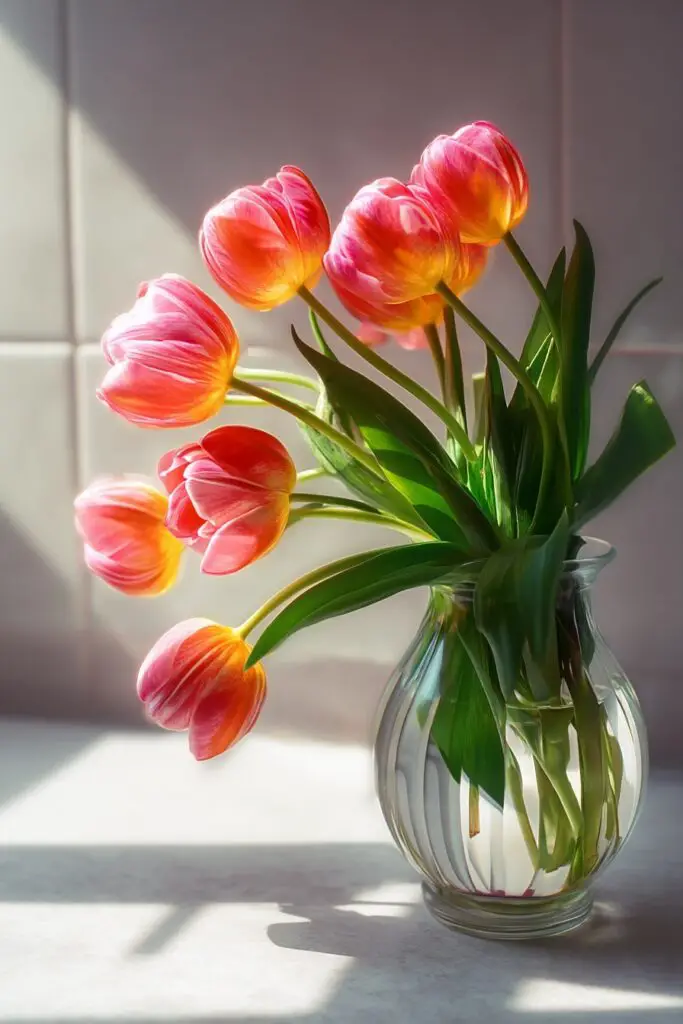
A surprising fact about tulips flowers is that they keep growing even after being cut and placed in a vase.
What This Means
- Stems may bend or shift toward light
- Arrangements can change shape over time
- Regular trimming helps maintain structure
This natural behavior makes tulips flowers dynamic and interesting in floral displays.
4. Tulips Are Spring Bloomers
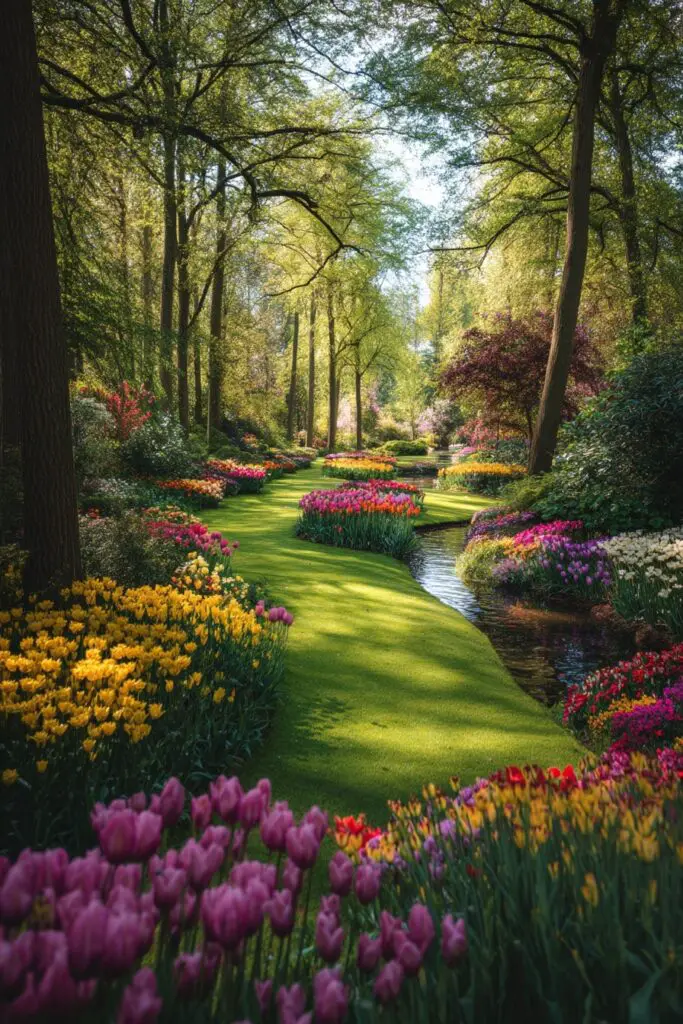
Tulips flowers are closely associated with spring. They are usually planted in the fall and bloom when temperatures begin to rise.
Growing Timeline
- Plant bulbs before winter
- Roots develop during cold months
- Flowers bloom in early to mid-spring
This seasonal cycle makes tulips flowers a symbol of renewal and fresh beginnings.
5. Tulips Prefer Cool Conditions
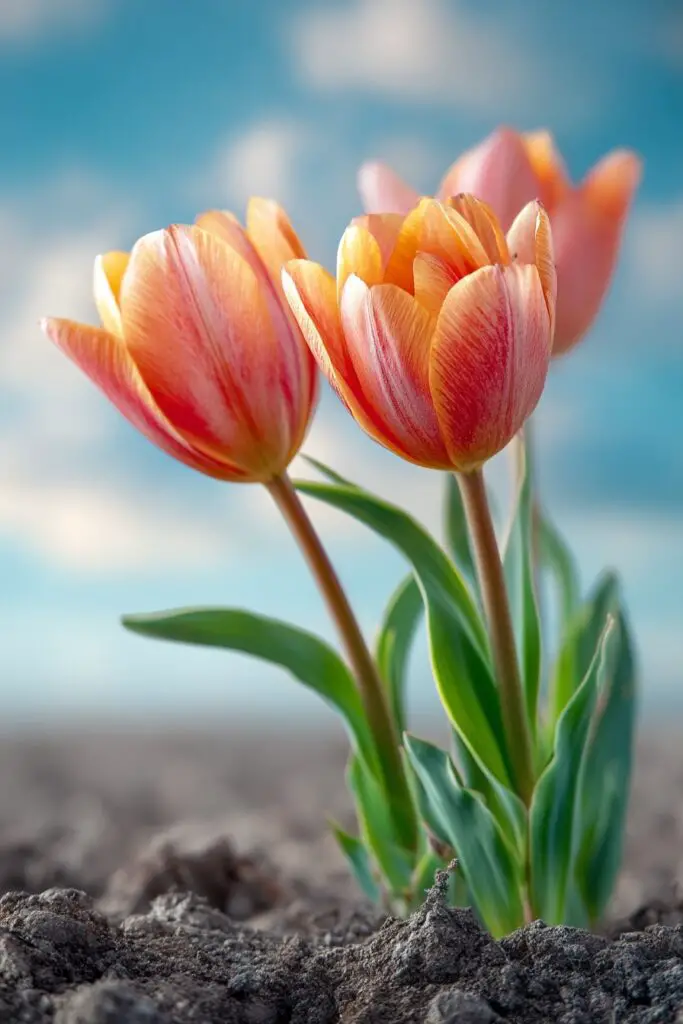
Tulips flowers thrive in cooler climates and need a period of cold dormancy to grow properly.
Ideal Conditions
- Well-drained soil
- Cool temperatures during growth
- Plenty of sunlight
Without the right environment, tulips flowers may struggle to bloom or grow properly.
6. Tulips Are Easy to Grow
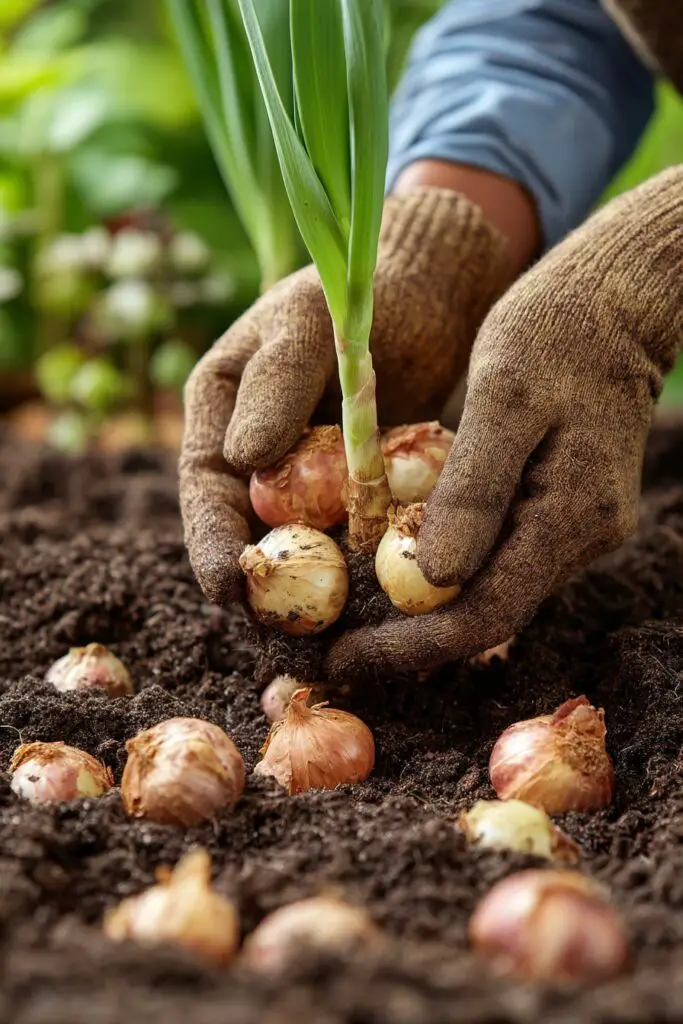
Despite their elegant appearance, tulips flowers are relatively simple to grow, even for beginners.
Basic Care Tips
- Plant bulbs at the correct depth
- Water moderately
- Avoid overly wet soil
With minimal effort, tulips flowers can produce beautiful results in your garden.
7. Tulips Have Different Varieties
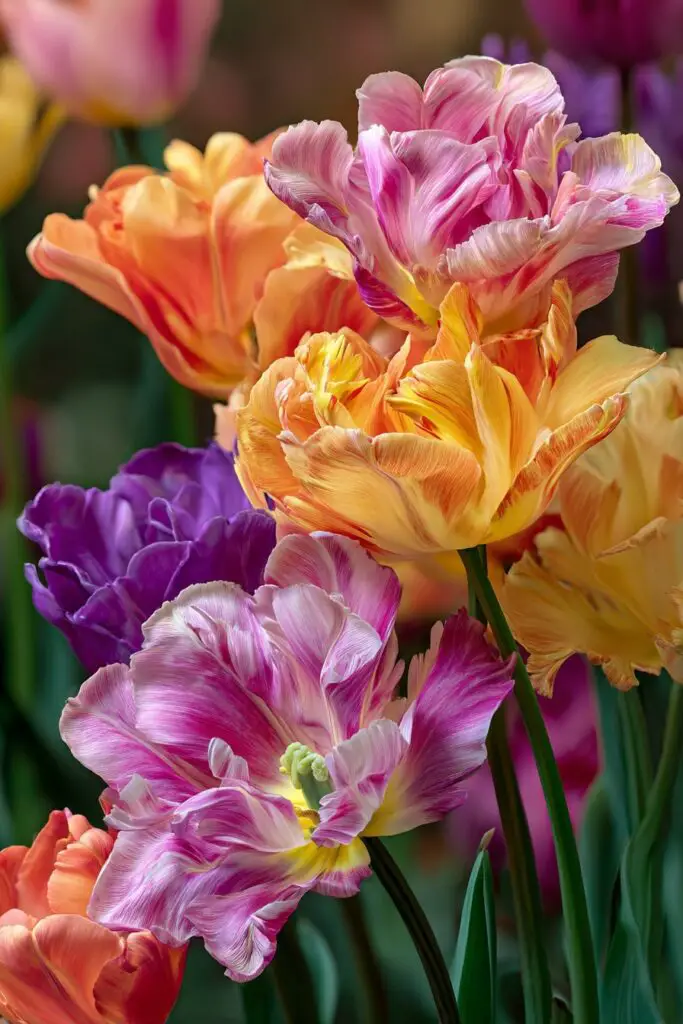
There are many types of tulips flowers, each with its own shape, size, and blooming pattern.
Popular Varieties
- Single tulips
- Double tulips
- Fringed tulips
- Parrot tulips
This variety allows gardeners to create diverse and visually appealing displays using tulips flowers.
8. Tulips Symbolize Different Meanings
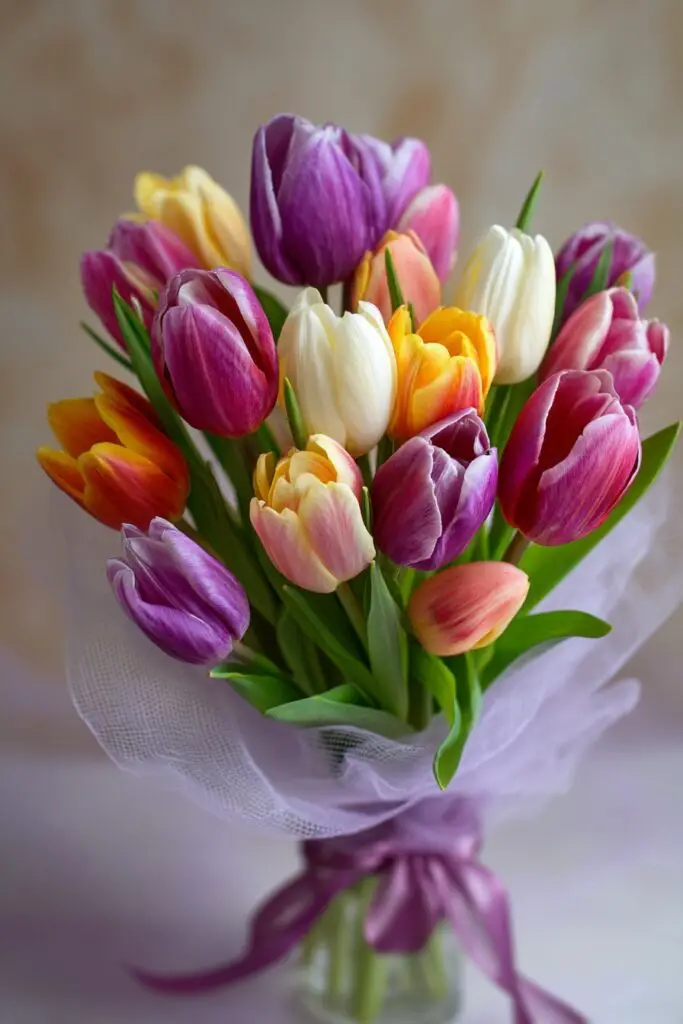
Tulips flowers carry different meanings depending on their color and cultural context.
Symbolism Examples
- Red tulips represent love
- Yellow tulips symbolize cheerfulness
- White tulips signify forgiveness
These meanings make tulips flowers a thoughtful choice for gifts and special occasions.
Conclusion
Tulips flowers are more than just beautiful blooms—they have a rich history, unique growth habits, and meaningful symbolism. From their colorful varieties to their seasonal charm, these flowers continue to be a favorite for gardeners and flower enthusiasts alike. With a better understanding of tulips flowers, you can enjoy them even more in your garden or home.