
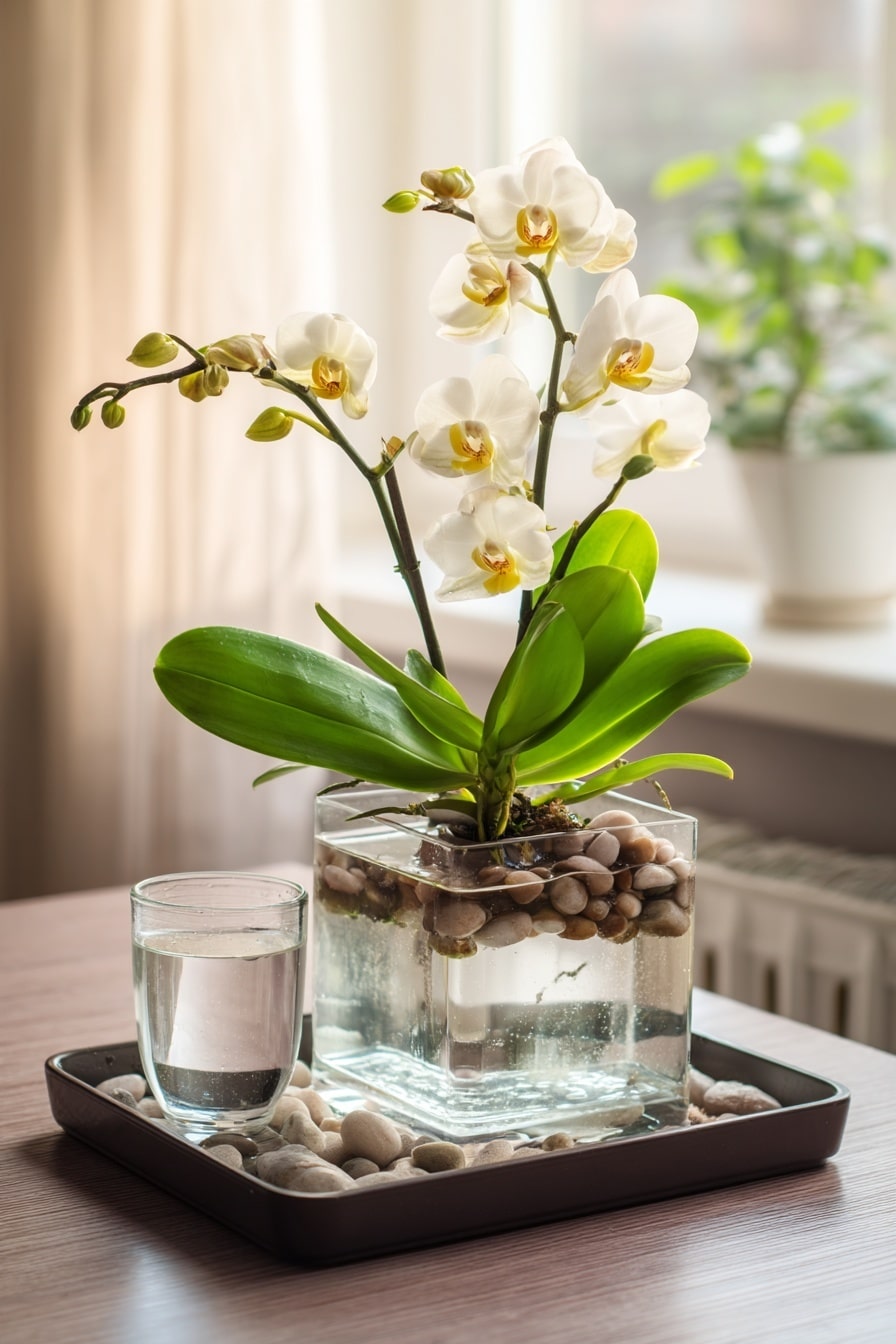
How to revive an orchid is a question many plant owners ask when their once-beautiful blooms start to fade or the plant looks unhealthy. Orchids can seem delicate, but with the right care, they are surprisingly resilient. Knowing how to revive an orchid can help you save a struggling plant and bring it back to full health.
Whether your orchid has wilted leaves, dry roots, or has stopped blooming, there are simple steps you can take. Learning how to revive an orchid starts with identifying the problem and applying the right solution. This guide will walk you through practical methods to help your orchid recover and thrive again.
Table of Contents
1. Check the Roots and Trim Damaged Parts

One of the first steps in how to revive an orchid is examining its roots. Healthy roots are firm and green, while unhealthy ones appear brown, mushy, or dry.
How to Inspect and Trim Roots
- Gently remove the orchid from its pot
- Rinse off old potting material
- Use sterilized scissors to cut away dead roots
Trimming damaged roots allows the plant to focus energy on healthy growth. This is a critical part of how to revive an orchid successfully.
2. Repot in Fresh Orchid Mix
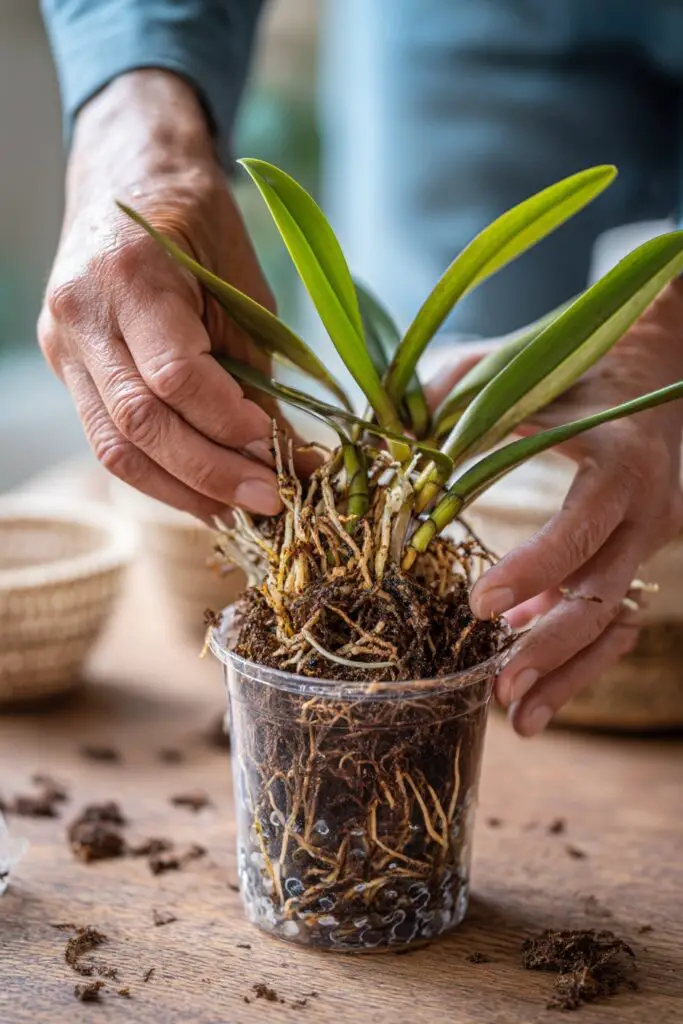
Repotting is essential when learning how to revive an orchid, especially if the current medium has broken down or holds too much moisture.
Repotting Tips
- Use a well-draining orchid mix (bark-based is ideal)
- Choose a pot with drainage holes
- Avoid packing the mix too tightly
Fresh potting material improves airflow around the roots, which is vital when applying how to revive an orchid techniques.
3. Adjust Watering Habits
Improper watering is one of the most common reasons orchids decline. Understanding watering needs is key to how to revive an orchid.
Watering Guidelines
- Water only when the potting mix feels dry
- Avoid letting roots sit in water
- Use room-temperature water
Too much or too little water can stress the plant. Correcting this balance is crucial in how to revive an orchid effectively.
4. Improve Light Conditions

Lighting plays a major role in orchid health. If your plant isn’t thriving, adjusting its light exposure can help.
Ideal Light Setup
- Place orchids in bright, indirect sunlight
- Avoid direct harsh sunlight that can burn leaves
- Rotate the plant occasionally for even growth
Proper lighting supports photosynthesis and is an important factor in how to revive an orchid.
5. Maintain Proper Humidity and Temperature
Orchids thrive in specific environmental conditions. Managing humidity and temperature can make a big difference.
Ideal Conditions
- Humidity levels between 40%–70%
- Temperatures between 65–75°F (18–24°C)
- Good air circulation
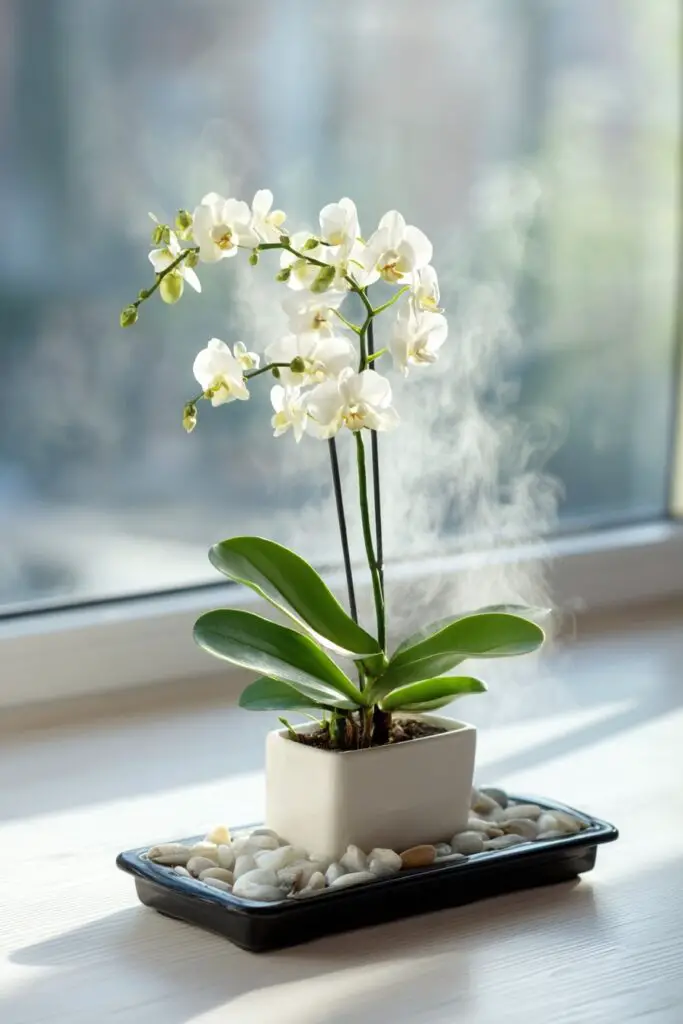
You can use a humidity tray or mist lightly if the air is dry. Creating the right environment supports long-term success when learning how to revive an orchid.
Conclusion
Learning how to revive an orchid doesn’t have to be complicated. By checking the roots, repotting properly, adjusting watering, improving light, and maintaining the right environment, you can bring your orchid back to life. With consistent care, your plant can recover and even bloom again.